Importance of High-Quality Real Estate Photos
High-caliber real estate photography serves as a cornerstone in effectively marketing properties within Miami’s dynamic housing market. When potential buyers browse property listings, the visual presentation often dictates their level of interest and engagement. Clear, compelling images can significantly enhance a listing’s visibility across various platforms, drawing more clicks and inquiries from prospective buyers.
In a competitive environment like Miami, where property values and buyer expectations are continually rising, the quality of photographs directly correlates with how your property stands out. Well-crafted images showcase the property's unique features, spatial layout, and aesthetic appeal, influencing the perceived value of the home. Listings with superior photos tend to attract higher-quality inquiries, often resulting in quicker sales and better positioning in the market.
Furthermore, the importance of high-quality real estate photos extends beyond initial interest. They create a lasting impression, helping to establish trust and transparency with potential buyers. In addition, expertly depicted images can reduce the number of unqualified showings or unanswered inquiries, streamlining the sales process for sellers. Therefore, investing in professional photography or adopting advanced techniques is a strategic move designed to maximize visibility, attract serious buyers, and ultimately achieve the highest possible return on the property.
Key Elements of Attractive Real Estate Photos
Effective real estate photography hinges on several key elements: lighting, composition, clarity, and presentation. Ensuring each of these components is optimized can significantly elevate the quality of property images.
- Lighting: Proper lighting highlights the property’s best features and creates an inviting atmosphere. Natural light, complemented by professionally balanced artificial lighting, enhances colors and details.
- Composition: Framing the shot to emphasize spaciousness and focal points helps portray the property accurately. Using wide-angle lenses to capture entire rooms can also make spaces appear more generous.
- Clarity and Focus: Sharp, high-resolution images with precise focus reveal the property's details and quality, avoiding blurry or pixelated visuals.
- Presentation: Decluttering and staging spaces before shooting ensures that rooms look appealing and well-maintained, directly influencing viewers’ perception.
Choosing the Right Time for Photoshoot
Selecting the optimal time for photographing a property can dramatically influence the quality of images. The most favorable lighting conditions usually occur during specific periods of the day, typically early morning or late afternoon, known as the golden hour. During these times, natural light is softer and warmer, reducing harsh shadows and enhancing the home’s appeal.
Another critical factor is weather. Clear, sunny days provide consistent lighting and vibrant colors, making environments look more inviting. Overcast days can also be beneficial, as diffuse light minimizes shadows and glare, delivering evenly lit images that highlight interior details.
It’s advisable to plan the photoshoot when the property is tidy, well-staged, and free of clutter. Additionally, considering the orientation of rooms helps determine the best time to capture specific perspectives. Proper planning ensures that photos accurately reflect the property’s ambiance and maximize visual impact for online listings.
Ultimately, well-timed photos according to natural lighting conditions and environmental factors significantly enhance the overall quality of property images, helping listings stand out in Miami's vibrant market.
Key Elements of Attractive Real Estate Photos
Compelling real estate imagery hinges on several fundamental elements that work synergistically to showcase a property’s best features. Mastering these components boosts the visual appeal of listings and significantly influences potential buyers’ perceptions. The core aspects include effective lighting, strategic composition, meticulous staging, and diverse shooting angles.
Effective Use of Lighting
Lighting remains the cornerstone of impactful real estate photography. Proper illumination accentuates architectural details, textures, and the overall ambiance of the space. Utilizing natural light is preferred, as it produces soft, inviting tones that render rooms more spacious and welcoming. Photographers often shoot during the golden hour—shortly after sunrise or before sunset—when sunlight diffuses gently, minimizing shadows and glare. In interiors, supplementary lighting such as high-quality strobes or LED panels can enhance target areas, ensuring consistent exposure across different rooms and features. Avoiding overexposed windows or dark corners is crucial; balance is achieved through meticulous adjustments and post-processing.

Strategic Composition
Great photos are often a result of thoughtful composition, which involves framing the shot to emphasize the property's strengths while minimizing distractions. Utilizing the rule of thirds guides the viewer’s eye, creating a balanced and engaging image. Leading lines, such as hallways or architectural features, draw attention toward focal points like fireplaces or scenic views. Including foreground elements can add depth, making rooms appear larger and more immersive. It’s also essential to ensure reflections, mirrors, and windows are free of clutter to prevent unwanted visual distractions. Consistent styling and neutral colors contribute to a cohesive, professional appearance in all images.
Meticulous Staging
Staging spaces vividly demonstrate the potential of each room, turning empty or cluttered areas into inviting environments. Proper staging involves arranging furniture and decor to highlight functionality and aesthetic appeal. Decluttering is paramount; removing personal items and excess assets creates a clean, neutral canvas that allows prospective buyers to envision themselves living in the space. Attention to details such as fresh flowers, coordinated color schemes, and adequate lighting enhances overall visual harmony. Controlled staging supports a narrative that the property is well-maintained and move-in ready, which dramatically improves viewer engagement.
Diverse Shooting Angles
Capturing a variety of angles ensures that all key aspects of the property are adequately represented. Wide-angle lenses are commonly employed to encompass more of each room, conveying a sense of spaciousness. Different perspectives, including shots from corners, doorways, and directly facing key features, provide comprehensive views that appeal to potential buyers. Exterior imagery should include frontal, side, and backyard perspectives, highlighting landscaping and curb appeal. Overly samey images diminish interest, so journalists learn to combine wide shots with detail captures to tell a compelling visual story of the property’s uniqueness.
Technical Aspects and Equipment for Capturing Real Estate Home Photos
Achieving high-quality real estate home photos demands proper technical execution and the right equipment. Utilizing advanced camera systems equipped with full-frame sensors helps capture detailed, vibrant images that accurately represent a property's ambiance. A wide-angle lens, typically between 14mm to 24mm, is essential for showcasing entire rooms in a single shot, enhancing the sense of space and flow. These lenses allow photographers to maximize scene content without distortion, providing an inviting perspective for prospective buyers.
Tripods are fundamental for stabilizing the camera during long exposure shots, particularly in lower light conditions or when capturing HDR images. HDR (High Dynamic Range) photography combines multiple exposures to balance bright and dark areas, ensuring all details are visible regardless of lighting contrasts. This technique is pivotal in interior shots where windows and fixtures often cause exposure challenges.
Additionally, using external lighting such as portable strobe lights, flash units, or even natural light modifiers like reflectors can eliminate shadows and highlight architectural features. Proper lighting accentuates textures, colors, and spatial relationships within a room, making it more appealing to viewers.
Post-processing plays a crucial role in refining real estate images. Professional editing software, such as Adobe Lightroom or Photoshop, allows for adjustments in brightness, contrast, color balance, and perspective correction. Careful editing ensures the images remain true to the actual property, avoiding overly staged or contrived appearances that could mislead viewers.
Advanced Techniques for Elevated Visual Impact
- 360-Degree Photography: Integrating panoramic shots offers viewers an immersive experience that mimics walking through the property. Such visual tools help prospective buyers visualize space and flow more intuitively.
- Dusk and Twilight Shots: Capturing images during the blue hour creates a warm, inviting atmosphere, especially for exteriors. These shots highlight exterior lighting and landscape features, adding vibrancy and character to property listings.
- Vertical and Aerial Photography: Vertical shots emphasize height and architectural details, while drone photography provides captivating aerial views of the property's surroundings, landscaping, and neighborhood context.
Employing these equipment and techniques ensures that the resulting images stand out in a competitive market. They serve as powerful visual tools that attract attention, generate interest, and facilitate a seamless online property viewing experience—ultimately leading to faster sales and better engagement.
Using Equipment and Techniques for Stunning Photos
Achieving exceptional real estate photographs requires more than just a good camera; it involves selecting the right equipment and employing advanced techniques to enhance the visual appeal of each property. High-quality DSLR or mirrorless cameras with wide-angle lenses are fundamental tools, enabling capturing expansive rooms and architectural details with clarity and precision. Proper lens selection minimizes distortion, ensures accurate representation, and helps showcase spaces as they truly are.
Tripods are essential for stability and eliminating blurriness, especially in low-light conditions or interior shots requiring longer exposure times. Using remote triggers or timer functions prevents camera shake during shots, maintaining sharpness across images. Additionally, employing panoramic head mounts facilitates seamless 360-degree shots, creating immersive virtual tours that help viewers experience the property interactively.
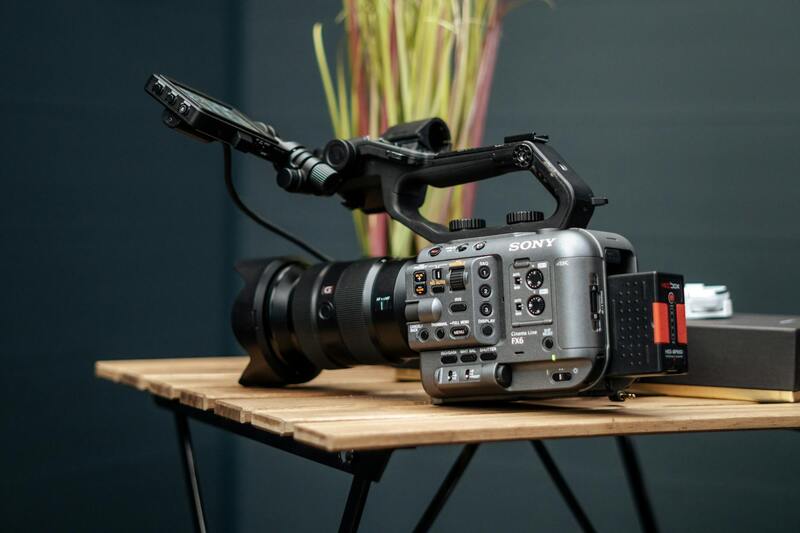
Lighting techniques significantly influence the final quality of property photos. When natural light is abundant, shooting during the day ensures interiors are bright and inviting. Outdoor photos benefit from shooting during the golden hour—shortly after sunrise or before sunset—when warmer, softer light adds depth and vibrancy.
In darker spaces or interior rooms with limited windows, supplementary lighting such as portable LED panels or flash units can be strategically used to illuminate key features without creating harsh shadows. Proper lighting setup not only highlights architectural details but also helps balance exposure levels within the same shot.
Advanced Techniques for Enhancing Visual Impact
To elevate property visuals further, real estate professionals utilize sophisticated methods such as HDR (High Dynamic Range) imaging. This involves capturing multiple bracketed shots at different exposures and merging them to achieve balanced brightness across interiors and exteriors. HDR helps prevent overexposed windows or dark corners, producing detailed and true-to-life images.
Drone photography and videography are becoming integral in showcasing large properties and their surroundings. Aerial shots provide context—highlighting landscaping, nearby amenities, and neighborhood features—that ground potential buyers’ understanding of the property's location.
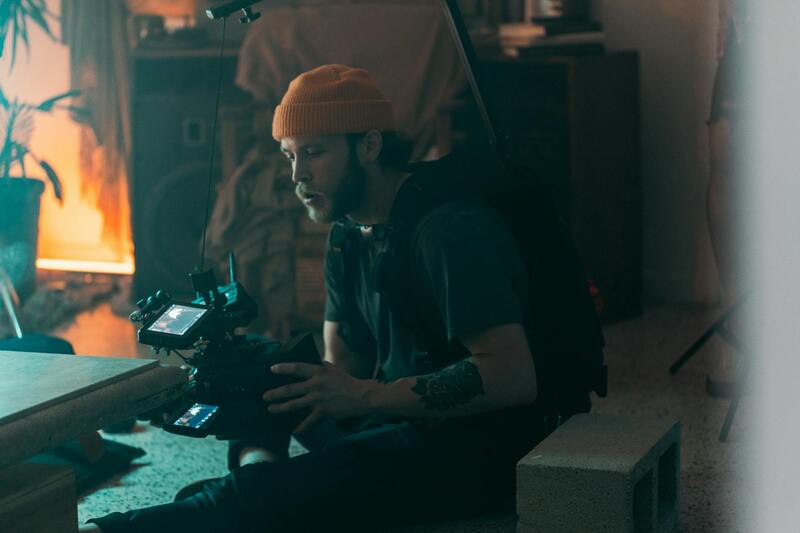
Integrating these techniques requires a thorough understanding of equipment capabilities and compositional principles. Mastery of image framing, perspective correction, and post-processing refinements ensures that each image accurately reflects the property’s unique features, ultimately attracting more interest and speeding up the sales process.
Using Equipment and Techniques for Stunning Photos
Achieving captivating real estate home photos hinges on understanding and effectively utilizing the right equipment alongside advanced photographic techniques. Modern digital cameras, especially full-frame models with high resolution, ensure that every detail of a property is captured with clarity and precision. Leveraging appropriate settings—such as aperture, shutter speed, ISO, and white balance—is essential to produce images that accurately showcase the home’s features without distortion or blurriness.
Optimal lens selection plays a crucial role in real estate photography. Wide-angle lenses, typically ranging from 14mm to 24mm, allow for capturing expansive room interiors within a single shot, giving potential buyers a comprehensive view of the space. However, it’s important to be mindful of distortion; employing tilt-shift lenses or correcting perspective in post-processing can help maintain natural proportions.
Lighting equipment significantly enhances image quality, especially in rooms with limited natural light. Portable LED panels with adjustable brightness and color temperature enable photographers to illuminate spaces evenly, reducing shadows and preventing overexposure. Using diffusers and bounce reflectors can further soften light, resulting in more inviting and realistic images. For exterior shots, proper natural lighting—preferably during the golden hour—provides warm, soft sunlight that flatters the property’s façade and landscaping.
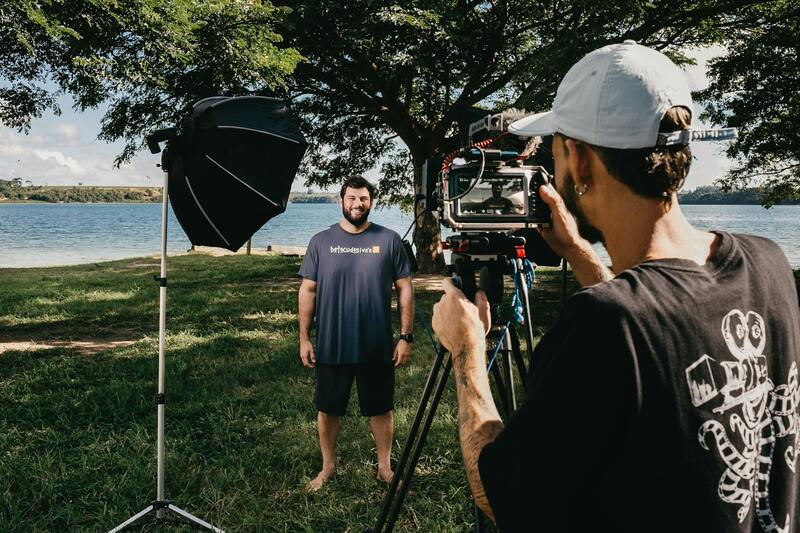
Post-processing techniques are integral to refining real estate images. Software like Adobe Lightroom and Photoshop allows for color correction, exposure adjustments, and perspective corrections, ensuring each photo accurately reflects the property's true appearance. HDR (High Dynamic Range) imaging combines multiple exposures to balance highlights and shadows, capturing both bright windows and darker interior corners. This technique is particularly valuable in visually complex spaces or when there's a high contrast between indoor lighting and outdoor brightness.
Incorporating drone photography adds another dimension, especially for larger properties or those with notable external features. Aerial shots provide a panoramic view of the estate, showcasing landscaping, outdoor amenities, and proximity to neighborhood attractions. This perspective can significantly boost a listing's appeal by highlighting the property's context within its environment.
To ensure consistency and professionalism, real estate photographers often employ calibrated monitors and color profiles, which assist in producing images that look appealing across various devices and platforms. Detailed attention to framing, perspective correction, and image composition ultimately enhances the visual storytelling of the property, increasing engagement and interest from prospective buyers.
Legal and Ethical Considerations in Property Photography
When conducting professional real estate photography, adhering to established guidelines ensures a respectful and transparent portrayal of properties. Respect for privacy is paramount; images should accurately represent the property without revealing personal belongings or sensitive information. Photographers must obtain the necessary permissions from property owners or authorized representatives before capturing images, especially when photographing interiors or private outdoor spaces. It is also essential to be aware of any restrictions imposed by property management or homeowners’ associations, which might limit the scope of photography or the type of equipment used.
Ethical practices extend to honest representation of the property’s features. This involves avoiding distortions or manipulations that could mislead prospective buyers. For instance, retaining accurate perspectives and refraining from digitally altering images beyond basic enhancements maintains the integrity of the listing. Additionally, photographers should avoid staging or artificially enhancing spaces in a way that could deceive viewers about the property's true state. When showcasing renovations, improvements, or potential developments, transparency about the current condition versus future possibilities is crucial.
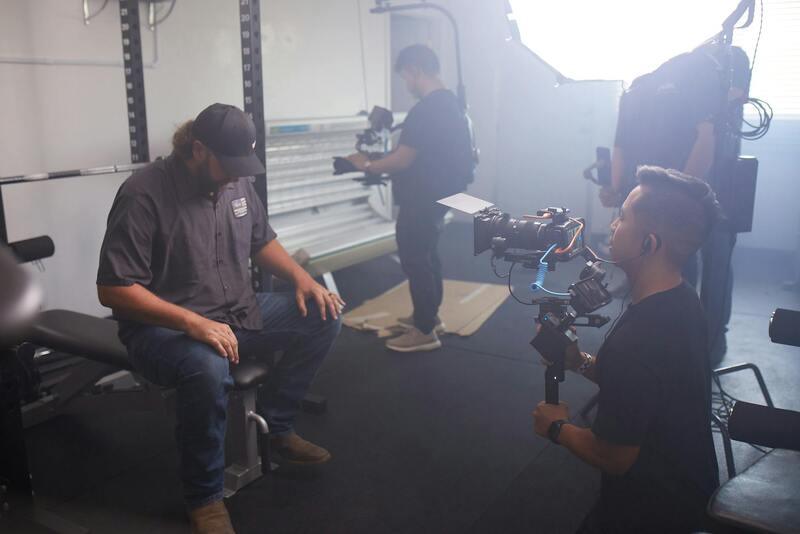
Another critical aspect involves maintaining safety standards during photoshoots. Photographers should coordinate with property owners to identify any hazards or restricted areas, ensuring that the process does not jeopardize personal safety or property integrity. Respect for neighbors and surrounding communities also fosters positive relations and supports a professional reputation.
Transparency and Documentation
Keeping detailed records of permissions obtained, shot lists, and editing procedures reinforces a commitment to ethical standards. Providing clients with genuine, high-quality images that truthfully represent the property enhances trust and supports long-term relationships in the real estate market.
Legal and Ethical Considerations in Property Photography
Maintaining integrity in real estate home photos is fundamental to building trust with clients and prospective buyers. Transparent representation of a property ensures that the visuals accurately reflect the current state of the home, avoiding exaggerated features or deceptive enhancements. Photographers must prioritize truthfulness, refraining from digital modifications that could mislead viewers about the space’s size, condition, or features.
Proper documentation of the shooting process is essential. This includes obtaining necessary permissions from property owners and ensuring that all images represent the actual environment without manipulation beyond basic color correction or perspective correction. When showcasing specific renovations or improvements, it’s important to clarify whether the images depict the current state or future aspirations, thereby preventing misinterpretation.
Safety during the photoshoot is another cornerstone of ethical practice. Photographers need to collaborate with property owners to identify any hazards, restricted areas, or sensitive spaces. This preparation helps prevent accidents or property damage and maintains good relations with neighbors and surrounding communities. Respecting privacy and avoiding intrusions on adjacent properties uphold a professional standard that benefits all parties involved.

Documenting permission and keeping detailed records of all permissions, shot lists, and editing protocols reinforce a commitment to ethical standards. Providing clients with truthful, high-quality images not only enhances credibility but also fosters long-term trust within the real estate marketplace. Upholding these standards benefits the reputation of photographers and real estate agents alike, ultimately leading to a more transparent and reliable property transaction process.
Enhancing Visual Appeal with Proper Post-Processing in Real Estate Photography
Post-processing plays a pivotal role in elevating real estate home photos from basic snapshots to captivating visual representations that attract potential buyers. Professional editing ensures that each image accurately portrays the property’s features while enhancing visual clarity, color accuracy, and overall aesthetic appeal. Techniques such as exposure adjustment, correction of distorted perspectives, and color correction help achieve a balanced, inviting look that emphasizes the home's best attributes.
It is crucial that the editing process remains transparent and honest. Overly manipulative edits can misrepresent the property's true condition, potentially leading to mistrust and disappointment during property viewings. Instead, professional photographers focus on subtle enhancements that reflect the genuine ambiance of the space. This may include sharpening key elements, removing minor imperfections, and ensuring consistent lighting across images.
Furthermore, tailored adjustments can help highlight architectural details or unique interior features. Using selective editing, such as brightening dark corners or emphasizing specific design elements without overstating, reinforces authenticity. Video editing software similarly enhances virtual tours, adding professionalism and polish that draw viewers into the property, making the visual experience more immersive and appealing.
Maintaining Authenticity and Compliance in Image Editing
While editing enhances visual appeal, maintaining authenticity is paramount. Photographers and marketers should ensure that post-processing does not distort the property's appearance or create false impressions. Cameras with advanced sensors and proper lighting techniques often reduce the need for extensive editing, preserving the genuine look of interior and exterior spaces.
Adhering to best practices in image editing not only supports ethical standards but also ensures compliance with the expectations of discerning homebuyers. Clear communication about the editing process and avoiding deceptive alterations fortify trust and establish a reputation for honest representation of property images.
Technical Considerations for Optimal Post-Processing
- Use of calibrated monitors and editing software to maintain color accuracy.
- Application of HDR techniques to balance exposure across complex lighting scenarios.
- Ensuring consistent tuning across all images to produce a cohesive visual presentation.
- Implementing subtle enhancements that accentuate features without overprocessing.
Through meticulous post-processing aligned with ethical standards, real estate professionals can significantly enhance the appeal of property images. This investment in high-quality imagery directly influences online engagement, viewings, and ultimately, the speed and success of the sale process.