Importance of Professional Real Estate Headshots
In the competitive world of real estate, establishing a trustworthy and approachable image is essential for success. High-quality real estate headshots serve as a vital first impression for potential clients, conveying professionalism, confidence, and credibility. These images are often the initial point of contact on online listings, social media profiles, and marketing materials, making their quality critical to attracting and retaining clients. A well-executed headshot creates an emotional connection with viewers, fostering trust and encouraging engagement. When prospective clients see professional headshots that reflect genuine personality combined with a polished presentation, they are more likely to reach out for consultations, viewings, or property inquiries. Additionally, consistent and compelling imagery enhances brand recognition and reinforces an agent's reputation in the local market. Investing in professional real estate headshot photography not only elevates an agent’s personal brand but also signals a commitment to quality service. In an industry driven by personal relationships and reputation, a polished image can distinguish an agent amid a crowded marketplace and build long-term client loyalty. Furthermore, a high-quality headshot demonstrates an understanding of modern branding standards. In digital spaces where viewers quickly scan profiles and listings, an expertly crafted image can make an immediate and positive impression that persuades prospects to choose one agent over competitors. The importance of legitimate and expert photography methods cannot be overstated, as it ensures images are clear, well-lit, and align with current industry standards. Utilizing professional photography services guarantees that every detail, from facial expression to background setting, aligns with a strategic branding approach—creating a visual narrative that resonates with target audiences. Ultimately, investing in professional real estate headshots translates into increased visibility, heightened credibility, and a greater ability to connect with potential clients on a personal and professional level. Such images are an invaluable asset for establishing authority and fostering trust in a highly visual and relationship-driven sector.

Choosing the Right Location and Background
Selections for the location and background in real estate headshot photography are crucial to conveying professionalism and trustworthiness. The environment should reflect a polished and approachable image, aligning with the agent’s brand and target market. Outdoor settings, such as landscaped gardens or architecturally appealing urban environments, can infuse authenticity and warmth into headshots. Conversely, indoor studio settings allow for greater control over lighting and background elements, ensuring a clean, distraction-free presentation.
When choosing a background, simplicity is often most effective. Solid colors or subtle textures that complement the agent’s attire help maintain focus on the individual while avoiding visual noise. Neutral tones such as soft gray, beige, or light blue are popular choices, providing versatility across various marketing channels.
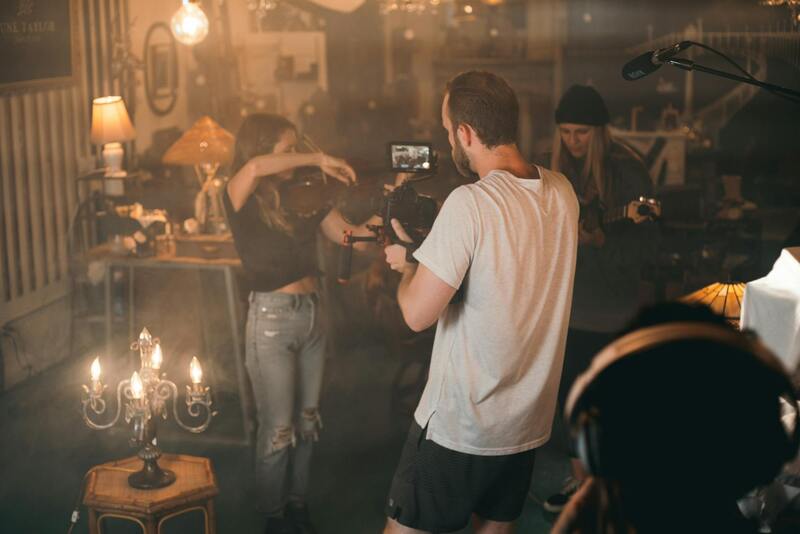
An appropriate setting can also reflect the agent’s market specialty or personality. For example, agents operating in luxury properties might opt for upscale, elegant backgrounds, while those focusing on family homes could choose warmer, inviting scenes. Regardless of choice, ensuring the background is free of clutter and distractions is essential for creating a cohesive and impactful image.
Professional Equipment and Photography Techniques
Employing high-quality equipment is fundamental to achieving sharp, well-exposed real estate headshots. Professional cameras with full-frame sensors, paired with high-resolution lenses, capture fine details and produce images suitable for both print and digital use. Proper lighting equipment, such as softboxes and reflectors, helps eliminate harsh shadows and ensures even illumination of the face.
Advanced techniques like shallow depth of field can be used to subtly blur backgrounds, drawing attention directly to the subject. Moreover, consistent use of color calibration tools guarantees that skin tones are natural and colors remain true across all images. These technical considerations contribute significantly to a polished, professional appearance.
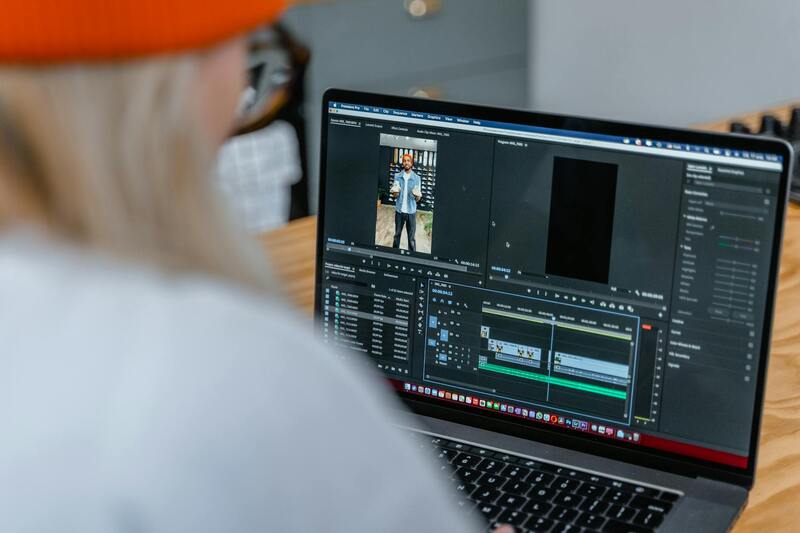
Post-production processes involve precise editing and retouching to refine the image without over-processing. Proper color correction, skin smoothing, and blemish removal should be subtly applied to enhance natural features while maintaining authenticity. When executed correctly, these techniques produce a sophisticated look that complements the agent’s personal brand.
Styling and Attire for Real Estate Headshots
The visual presentation of the agent significantly influences viewer perception. Selecting attire that aligns with industry standards and the agent's branding is essential. Classic business professional clothing—such as tailored suits, blouses, or collared shirts—are typical choices that project competence and reliability.
Colors should be conservative and complement eye color and skin tone, avoiding overly bright or distracting patterns. Accessories should be minimal yet tasteful, avoiding cluttering the image. Grooming should be impeccable, with neat hair and subtle makeup that enhances natural features. Overall, the styling should exude confidence and approachability.
Post-Processing and Image Editing
Post-processing is where technical perfection is refined to present the best possible portrayal of the agent. Editing should focus on enhancing clarity, correcting lighting inconsistencies, and optimizing skin tones. Subtle retouching to remove temporary blemishes or stray hairs is acceptable, but over-editing should be avoided to preserve authenticity.
Color grading can be employed to match branding palettes or create a uniform look across a real estate professional’s marketing materials. Consistency in editing style ensures that all visual assets align cohesively, reinforcing the agent’s brand identity.
Ideal Practices for a Headshot Session
Preparing for a headshot session involves strategic planning to maximize results. An initial consultation can determine preferred styles, backgrounds, and wardrobe choices. Agents should arrive well-rested and groomed, with attire selected beforehand to streamline the process.
During the session, maintaining natural, confident expressions and good posture is vital. Clear communication with the photographer ensures guidance on posing and expressions, enabling the creation of authentic, engaging images. Multiple shots from various angles should be captured to provide options for different marketing needs.
Using Headshots Effectively in Marketing
Once completed, high-quality headshots should be integrated thoughtfully across all marketing channels. Professional images are particularly effective on websites, social media profiles, and listing platforms, where they serve as a first point of contact for potential clients.
Consistency in presentation—using the same headshots across platforms—reinforces brand recognition. Additionally, periodically updating headshots to reflect current appearance and branding standards ensures ongoing relevance and authenticity in all client interactions.
Choosing the Right Location and Background
Every element in a real estate headshot contributes to the overall impression an agent projects. Selecting an appropriate location and background plays a critical role in conveying professionalism and authenticity. The setting should align with the desired brand image while offering a clean, distraction-free backdrop that highlights the agent. Urban environments, sophisticated office spaces, or neutral studio settings are common choices that communicate dependability and expertise.
When opting for a location, consider how lighting interacts with the environment. Natural light is often favored for its flattering qualities, but controlled artificial lighting can ensure consistent, high-quality results regardless of weather or time constraints. The background itself should be simple yet refined — textured walls, subtle color gradients, or unobtrusive office décor work well to complement the subject without overpowering the image.
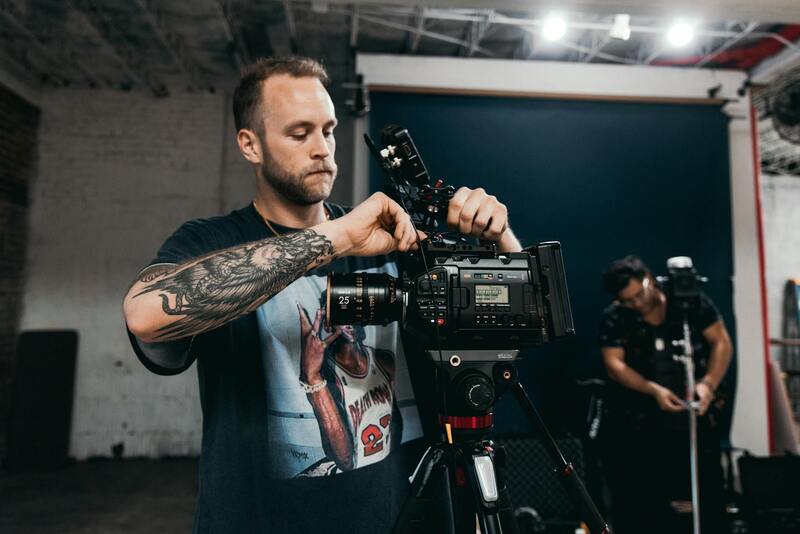
For studio sessions, an intentionally designed backdrop offers control over the lighting and composition, emphasizing the agent's face and expression. The choice between a solid color, subtle pattern, or a lightly textured surface depends on the overall branding strategy. Consistency across headshots ensures recognition and trustworthiness in all client-facing materials.
Professional Equipment and Photography Techniques
Achieving the highest quality in real estate headshots necessitates the use of professional-grade equipment. A high-resolution digital camera with a full-frame sensor captures detailed images, allowing for generous cropping and resizing without sacrificing clarity. Prime lenses with wide apertures (such as 85mm f/1.4) help produce flattering background blur, or bokeh, which isolates the subject and reduces visual clutter.
Lighting equipment, including softboxes, umbrella lights, and reflectors, shape the light around the subject, ensuring even illumination and reducing harsh shadows. Proper lighting not only enhances facial features but also creates a polished, professional appearance. Backlighting or rim lighting can add subtle depth, emphasizing the subject and preventing flatness.
To capture engaging expressions, photographers utilize techniques such as directing the subject to relax, maintaining eye contact with the camera, and adjusting postures to convey confidence. Multiple angles—frontal, three-quarter, and slight profile—offer versatility, enabling agents to select images that best represent their brand personality.

Styling and Attire for Real Estate Headshots
Clothing choices significantly influence the perception of professionalism in headshots. Business attire tailored to the client demographic—such as blazers, dress shirts, or professional blouses—are standard for real estate professionals. Colors should complement the agent’s complexion and evoke trustworthiness; classic shades like navy, charcoal, or white are effective.
Avoid overly busy patterns, loud accessories, or distracting colors that draw attention away from the face. Well-fitted clothing, neat grooming, and minimal accessories contribute to a polished and approachable image.
Having wardrobe options prepared prior to the shoot allows for quick adjustments, ensuring versatility in the final selection. For example, a few well-chosen outfits can produce variations suitable for different marketing channels, such as formal headshots for business profiles and more relaxed options for casual branding materials.
Post-Processing and Image Editing
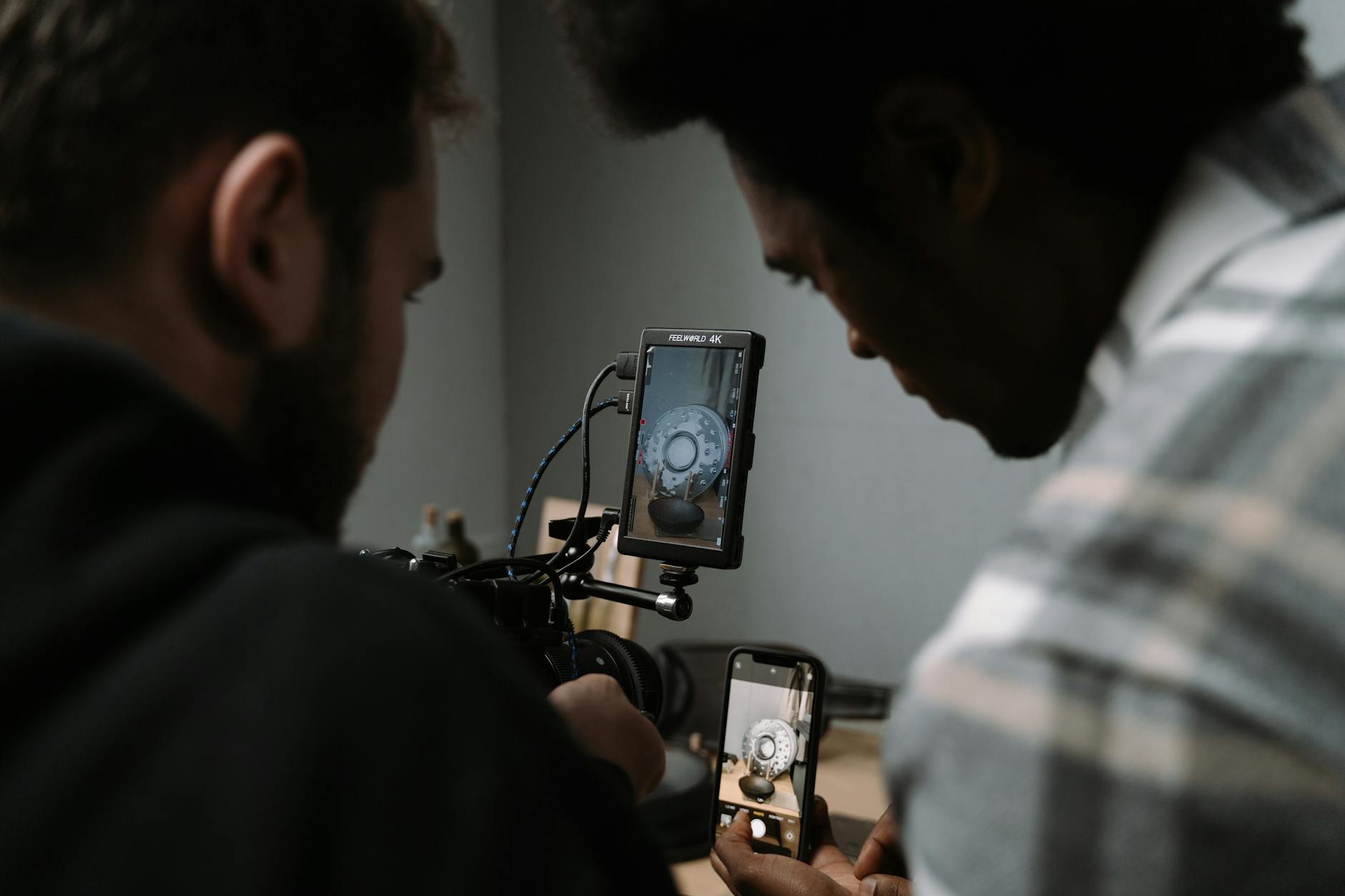
After capturing the images, professional post-processing refines the visual quality to meet branding standards. Editing involves cropping for composition, adjusting brightness and contrast for clarity, and making subtle retouchings to address blemishes or skin imperfections without overprocessing. Maintaining a natural look is essential to authenticity and approachability.
Color correction ensures that skin tones and background hues appear accurate and consistent across all images. Some photographers employ techniques like dodge and burn to subtly shape facial features and add depth. The goal is to produce images suitable for a variety of marketing platforms that accurately represent the agent's appearance.
Consistency in editing style across headshots reinforces brand recognition. When every image follows similar processing standards, it creates a cohesive visual identity, making the agent easily identifiable in different contexts.
Utilizing Authentic Photography Methods for Real Estate Headshots
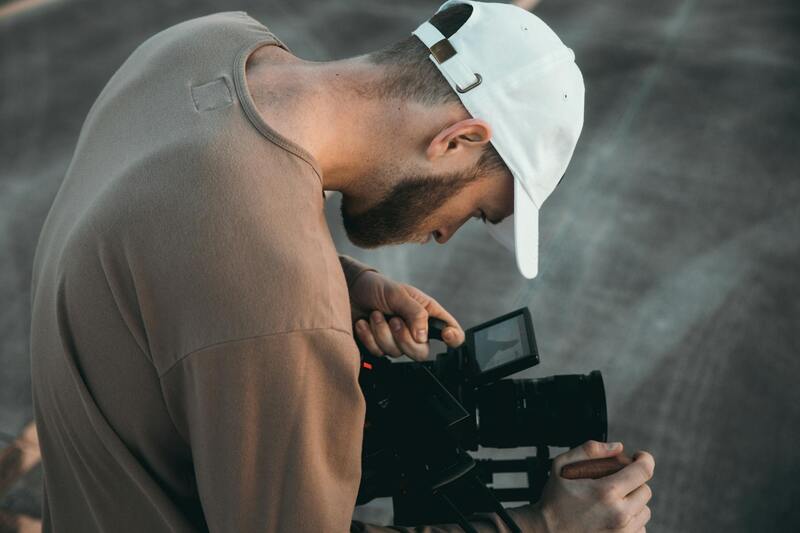
Establishing a trusted visual presence in the real estate market requires more than just capturing high-resolution images; it involves adopting authentic and proven photography techniques that highlight professionalism and approachability. One foundational element is the careful management of lighting. Utilizing controlled studio lighting, natural sunlight, or a combination of both ensures balanced illumination that flatters the subject without harsh shadows. Consistent lighting conditions help produce headshots that are versatile for various marketing channels, from online listings to printed brochures.
Lens selection plays a crucial role in creating compelling real estate headshots. Professional photographers typically opt for prime lenses with focal lengths around 85mm to 105mm. These lenses provide flattering compression, minimizing facial distortions and ensuring the subject’s features appear natural and proportional. Optical quality and wide apertures (like f/1.8 or f/2.8) contribute to a pleasing background blur, isolating the agent and drawing focus directly to their face.
To maintain consistency and authenticity, photographers employ techniques such as motivational prompts and proper framing. Effective communication encourages natural expressions, helping clients feel comfortable and confident during the shoot. Capturing a genuine, approachable look enhances trust and builds rapport with potential clients.

Posture and framing also significantly impact the professional image portrayed. An upright posture with shoulders slightly back projects confidence, while maintaining eye contact with the camera communicates engagement. Proper framing, with the head and shoulders in focus and enough space around the head, ensures the image is suitable for various marketing applications.
In addition to technical skills, a strategic approach to background selection and depth of field consolidates the photograph’s impact. A plain, uncluttered background directs attention toward the subject and can be easily integrated into branding materials. When backgrounds are deliberately blurred (bokeh effect), they contribute to a polished and refined presentation.
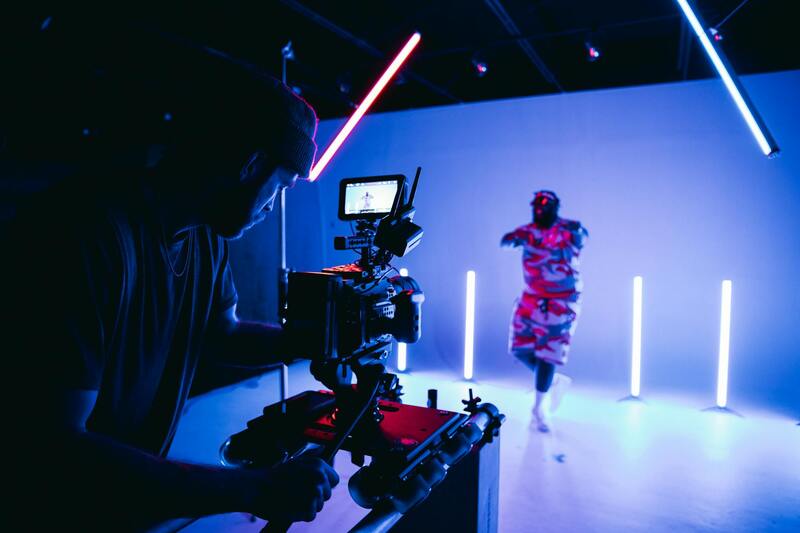
Overall, authentic and methodical application of these photography techniques encourages a genuine reflection of the agent’s professionalism and personality, which is vital for fostering trust in the competitive real estate landscape. Precise execution, combined with a tailored approach to each client, ensures each headshot becomes a powerful marketing tool that authentically represents the individual and reinforces their personal brand.
Optimizing Professional Real Estate Headshots for Marketing Success
Beyond capturing a visually appealing image, the strategic use of real estate headshots plays a critical role in building a trusted personal brand. Properly utilized, these images can serve as a cornerstone of a real estate professional’s marketing arsenal, making consistency and intent vital components.
Consistent Brand Identity
Employing a uniform style across all marketing channels—website profiles, social media, and print advertisements—helps reinforce a recognizable and trustworthy image. Professionals should consider maintaining consistent color schemes, backgrounds, and attire in their headshots, aligning visuals with their overall branding strategy. This coherence expedites recognition by prospective clients, fostering a sense of reliability and familiarity that can influence their decision-making process.
Strategic Placement in Marketing Materials
Effective placement of headshots enhances their purpose within larger marketing frameworks. For instance, placing a high-quality image on business cards, agent bios, and promotional flyers makes personal connection more tangible. Additionally, integrating these photos into virtual tours or video introductions can increase viewer engagement by adding a face to the name, fostering a more personal connection that can translate into trust and transactional confidence.
Enhancing Digital Presence
The digital landscape demands professional images that capture attention swiftly. In online directories or LinkedIn profiles, a compelling headshot can significantly improve click-through and connection rates. Ensuring the photograph is optimized for each platform—cropped appropriately, high resolution, and with a professional finish—maximizes visibility and impact. Consistent quality visuals across digital assets demonstrate attention to detail and professionalism, resonating with clients seeking credible real estate agents.
Utilizing Headshots for Personal Branding
A polished headshot encapsulates more than just professionalism; it communicates confidence, approachability, and expertise. These qualities are vital in a competitive real estate market, where personal rapport often influences buying and selling decisions. Regularly updating headshots to reflect personal growth or brand evolution sustains relevance and authenticity, strengthening the agent’s positioning within their local market.
Incorporating Visual Storytelling in Marketing Campaigns
Smartly designed marketing campaigns leverage headshots to tell a visual story about the agent’s brand values and service approach. For example, pairing an approachable, friendly headshot with testimonials and success stories creates a cohesive narrative that appeals emotionally to potential clients. Such integration emphasizes the agent’s personality and dedication, helping differentiate them from competitors.

Optimal Strategies for Real Estate Headshot Photography
Investing in High-Quality Equipment and Advanced Techniques
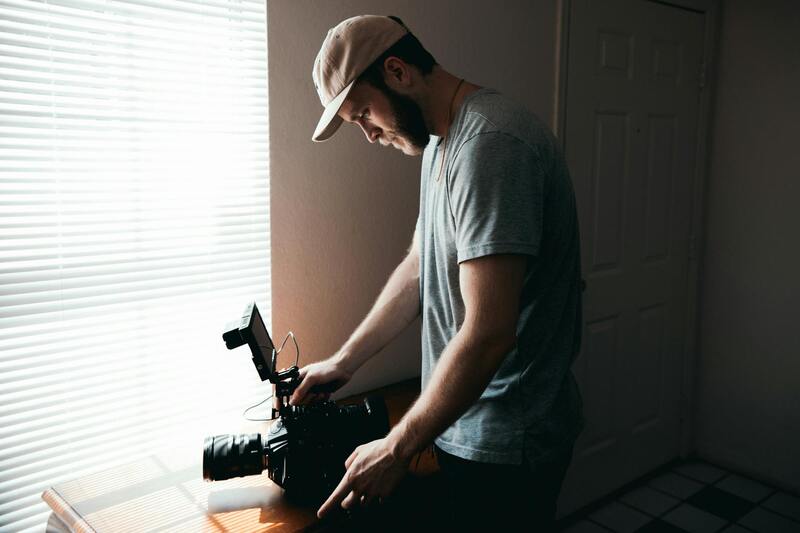
Achieving standout real estate headshots requires the use of top-tier photographic equipment and mastery of advanced lighting and shooting techniques. Professional cameras with high-resolution sensors capture fine details and ensure clarity even when images are enlarged for marketing materials. Prime lenses with wide apertures allow for sharp focus on the subject while subtly blurring backgrounds, emphasizing professionalism and approachability. Implementing studio lighting or reflectors carefully controls shadows and highlights, resulting in evenly lit portraits that project confidence.
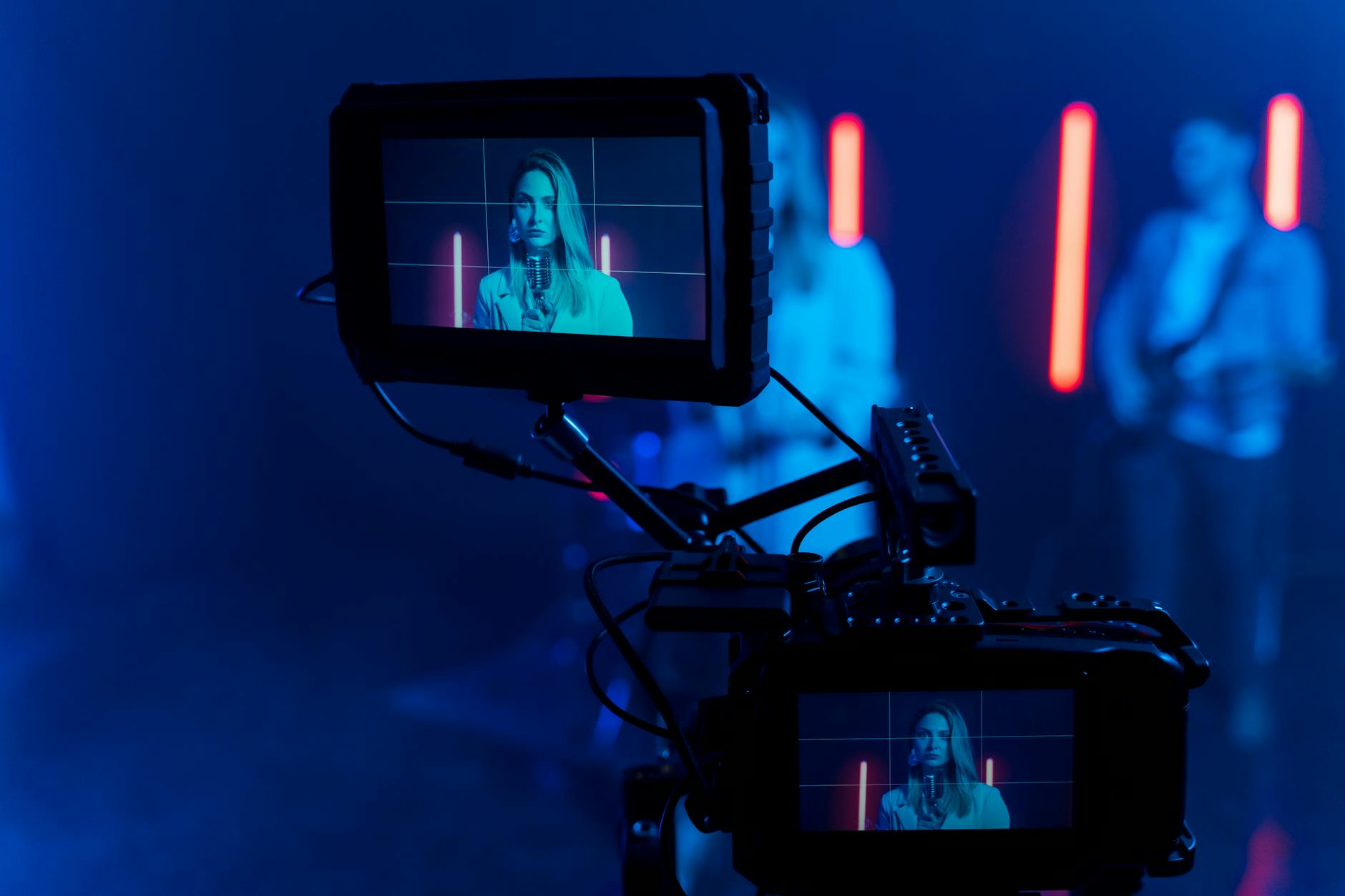
Advanced techniques such as bounce flash, diffusing light sources, and strategic positioning of key lighting contribute to natural-looking images that highlight the subject’s best features. The selection of appropriate focal lengths—often between 85mm and 135mm—minimizes distortion and produces flattering portraits. Mastery of camera settings, including aperture, ISO, and shutter speed, ensures the images are crisp, well-exposed, and suitable for all digital and print applications.
Preparation and Client Styling Considerations
Preparation before the shoot is essential to producing compelling headshots. Encouraging clients to select clothing that aligns with their professional brand—such as tailored jackets or classic blouses—increases the visual impact. Proper grooming and styling are crucial; neat hairstyles, subtle makeup for clients who wear it, and minimal accessories eliminate distractions and keep the focus on the face.
Creating a conducive environment for the photoshoot also involves controlling ambient conditions, such as temperature, to ensure clients feel comfortable and relaxed. Providing clear directions during the session on posture, expression, and framing helps ensure consistency across multiple headshots, facilitating brand uniformity across online profiles and marketing collateral.
Post-Production: Fine-Tuning for Professional Appeal
Post-processing is a vital step to elevate real estate headshots from good to exceptional. Professional editing focuses on subtle enhancements—such as skin smoothing, contrast adjustments, and minor blemish removal—to produce a polished, natural look. Color correction ensures the skin tone appears true to life and complements the background, emphasizing authenticity.

Consistent editing styles across a portfolio ensure visual uniformity, which builds trust and reinforces branding. Over-editing, however, should be avoided to preserve authenticity, making the subject approachable and credible. High-resolution outputs are prepared for diverse uses, including online platforms, print advertisements, and banners, maintaining clarity and visual impact at all sizes and formats.
Final Tips for a Successful Headshot Photography Session
- Pre-plan wardrobe choices that reflect the client’s professional persona.
- Encourage natural, confident expressions to convey approachability.
- Use consistent lighting setups to ensure uniformity across images.
- Adjust background settings to complement the subject without distraction.
- Allocate time for post-shoot edits to enhance image quality subtly.
Employing these strategies ensures that each headshot not only captures the client’s professionalism but also aligns with their personal brand, making a strong visual statement across all marketing channels.
Key Elements of Effective Headshot Photography
Creating compelling real estate headshots requires attention to several vital aspects that influence the overall quality and impact of the images. Each element, from lighting to composition, plays a crucial role in presenting a polished and trustworthy image of real estate professionals.
1. Proper Lighting Techniques
Lighting is fundamental in headshot photography, significantly affecting mood, clarity, and detail. Soft, diffused lighting minimizes harsh shadows and highlights, providing a flattering illumination that emphasizes natural skin tones. Using reflectors or diffusers ensures even light distribution, preventing unflattering shadows. For professional headshots, a combination of key and fill lights is often employed to create a balanced, three-dimensional appearance. Consistent lighting conditions across a portfolio help maintain uniformity and reinforce branding identity.
2. Composition and Framing
Effective compositions focus on framing the subject in a way that conveys confidence and approachability. Headshots typically utilize a tight crop, usually capturing the head and shoulders, allowing viewers to focus on the face while maintaining clarity. Centered or slightly offset framing can be used based on the stylistic preference, but symmetry is often preferred to project stability and professionalism. Incorporating negative space around the subject can also provide visual breathing room and make the image adaptable for various marketing needs.
3. Focus and Sharpness
Achieving sharp focus on the eyes is critical, as they naturally draw viewers in and establish emotional connection. High-quality cameras with fast autofocus systems are ideal for ensuring pinpoint sharpness. Precision focusing techniques combined with a narrow aperture ensure depth of field, keeping the entire face sharp while softening the background. Proper stabilization and steady camera handling prevent blurring and maintain the image’s professionalism.
4. Expression and Posing Guidance
Headshots should communicate confidence, friendliness, and trustworthiness. Guiding clients through natural poses, including slight head tilts or relaxed shoulders, can generate approachable and engaging expressions. Encourage genuine emotion rather than forced smiles to create authentic interactions. Professional photographers often provide direction to help clients relax and project their best selves, ensuring the final image is aligned with their personal brand within the real estate industry.
5. Consistency Across Portraits
Establishing a consistent style across a series of headshots reinforces brand recognition and professionalism. Using uniform lighting setups, environmental backgrounds, and editing styles ensures that all images convey a cohesive visual identity. This consistency simplifies marketing efforts by creating a recognizable and trustworthy image portfolio, which can be adapted seamlessly across multiple platforms such as websites, business cards, and social media.
6. Environmental and Background Considerations
The background should complement the subject without causing distractions. Neutral tones or softly blurred backdrops are often preferred in professional headshots, ensuring the client remains the primary focus. For real estate professionals, an outdoor scene or an office setting can add authenticity and context, provided they are uncluttered and well-lit. Simple backgrounds help in versatility, allowing the images to seamlessly fit various marketing channels.
Ultimately, effective real estate headshot photography hinges on thoughtful execution of every element, ensuring that every image communicates professionalism, approachability, and credibility to potential clients and partners.
Ensuring Proper Use and Distribution of Real Estate Headshots
Once a high-quality real estate headshot has been crafted through professional photography, the next crucial step involves its strategic application across various marketing channels. Proper utilization not only amplifies a realtor's visibility but also solidifies brand consistency and trustworthiness.
Optimized Integration into Digital Platforms
Real estate professionals should prioritize displaying their headshots prominently on their official websites and agent profiles. Placing the image near contact information, biographies, or on dedicated team pages helps clients establish an immediate personal connection. Additionally, including headshots in online property listings enhances credibility and presents a unified, professional appearance to potential buyers and sellers.
Social media platforms offer versatile opportunities for showcasing high-quality headshots. Maintaining uniform images across platforms such as LinkedIn, Facebook, Instagram, and Twitter reinforces brand identity. Carefully resizing and cropping the images to fit platform specifications ensures a polished, professional aesthetic that attracts engagement.
Inclusion in Printed Marketing Materials
Beyond digital use, headshots are integral to printed marketing collateral. Business cards, flyers, and brochures benefit from a clear, approachable image of the agent, fostering trust during face-to-face interactions. Consistent use of a professional headshot across all printed assets reinforces brand recognition and project reliability to potential clients.
Strategic Application in Video Content and Virtual Tours
Video introductions, virtual tours, and online advertisements should incorporate headshots to personalize the virtual experience. Including a professional image during virtual open houses or agent introductions helps establish immediacy and authenticity in digital communications. This consistency across various media formats ensures clients receive a cohesive message about the agent’s professionalism.
Guidelines for Effective Use
- Maintain high-resolution images that are appropriately sized for each platform to prevent distortion or pixelation.
- Update headshots periodically to reflect current appearance and keep branding fresh.
- Use images that convey approachability, confidence, and professionalism, aligning with the targeted client base.
- Implement consistent branding elements, such as color schemes or logos, alongside headshots to enhance cohesion.
Tracking and Analyzing the Impact
Real estate professionals should monitor engagement metrics linked to their headshot inclusion. This includes tracking website visits, social media interactions, and lead inquiries to gauge the effectiveness of their branding efforts. Adjustments to image presentation or placement may be warranted based on these insights to maximize visibility and client rapport.