Importance of High-Quality Photos in the Miami Real Estate Market
In Miami's vibrant and highly competitive real estate landscape, the visual presentation of a property can significantly influence its market performance. High-quality real estate photos serve as a crucial tool that showcases a property’s best features, captures the attention of prospective buyers, and accelerates the sale process. Given the city's diverse architecture, luxurious waterfront properties, and iconic cityscape, professionally captured images help listings stand out amid a sea of competing advertisements.
Effective real estate photography can elevate a property's perceived value, helping potential buyers visualize living in the space before even visiting in person. Bright, crisp images reduce hesitation and increase engagement, ultimately leading to more inquiries and faster transactions. In Miami, where property prices are often premium and buyer expectations are high, investing in professional photos can make the difference between a quick sale and a property sitting on the market for months.
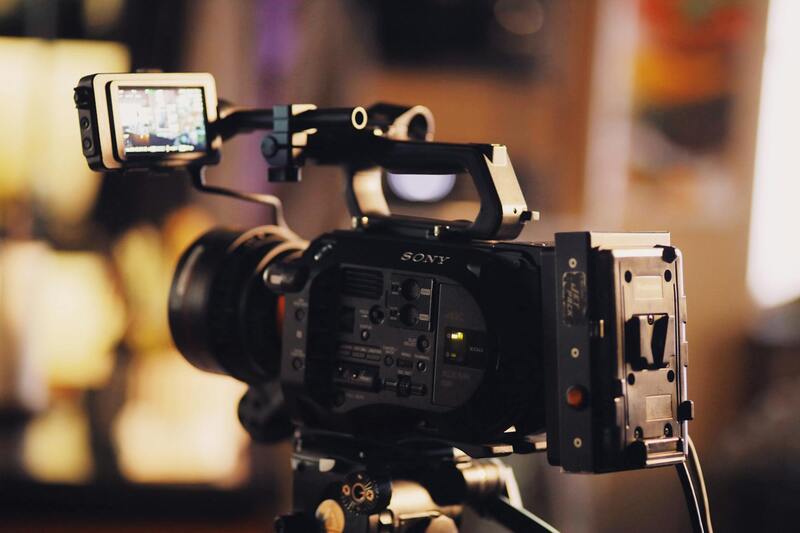
In addition, well-crafted photos enhance online visibility across listing platforms, social media channels, and marketing emails. They are the first impression potential buyers get of a property, and in the fast-paced Miami market, that first impression can determine whether a visitor schedules a tour or moves on to the next listing. Therefore, leveraging professional images is an essential component of a successful real estate marketing strategy, especially in a city where luxury and lifestyle are front and center.
Furthermore, high-caliber property photos contribute to a consistent brand image for real estate professionals, fostering trust and credibility with clients. When a property is showcased through expert photography, it not only highlights the property's features but also reflects the commitment of the listing agent to quality and professionalism. In a market as dynamic and image-conscious as Miami, compelling visual content aligned with strategic marketing efforts can significantly elevate a real estate business's reputation and success.
Key Elements of Effective Real Estate Photos
To maximize the impact of real estate photos, certain core elements should be prioritized, including optimal lighting, angles, composition, and post-processing. These factors work cohesively to produce images that are both attractive and accurate representations of the property. High-quality photos should evoke a sense of space, elegance, and lifestyle that appeals to target buyers.
- Lighting: Natural light is preferred, as it enhances the property's features and creates a warm, inviting atmosphere. Proper exposure ensures no areas are overly dark or washed out.
- Angles: Choosing the right vantage points allows viewers to appreciate the flow and scale of each room, emphasizing spaciousness and key architectural details.
- Composition: Effective framing and the rule of thirds can highlight focal points and create visual interest, guiding viewers through the property naturally.
- Post-Processing: Subtle editing improves color balance, sharpness, and clarity without misrepresenting the property's true appearance.
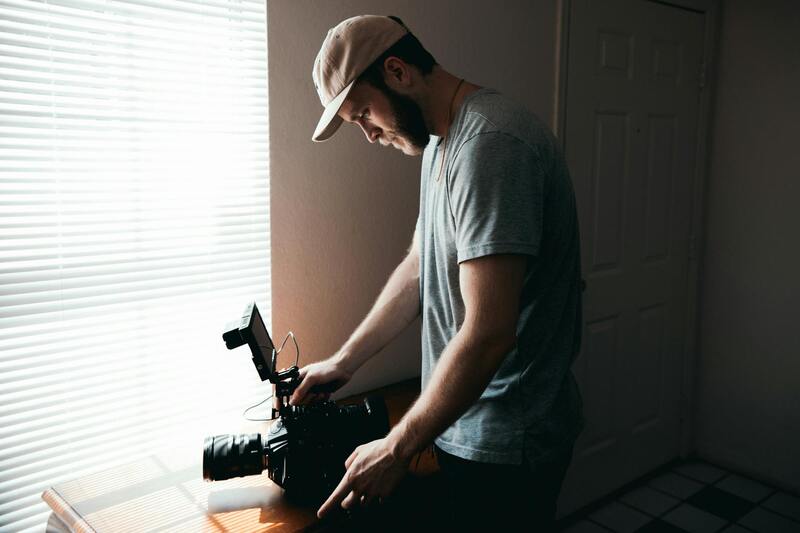
In Miami's real estate scene, where properties often feature expansive views, luxurious finishes, and innovative layouts, capturing these elements with precision is vital. Employing professional photographers skilled in real estate imagery ensures these key aspects are effectively conveyed, providing a competitive edge in attracting serious buyers and closing deals efficiently.
Choosing the Right Photography Equipment and Techniques
In the highly competitive Miami real estate market, investing in the appropriate photography equipment and mastering effective techniques are crucial steps toward producing standout property images. High-quality visuals not only attract potential buyers but also provide an accurate representation of the space, contributing significantly to the marketing success of listings.
Professional-grade DSLR or mirrorless cameras equipped with wide-angle lenses are the preferred tools for real estate photography. Wide-angle lenses, typically in the 14-24mm range, allow photographers to capture more of a room in a single shot, emphasizing spaciousness and layout. This is particularly advantageous in showcasing Miami properties, where spacious interiors and open floor plans are a key selling point.
Tripods play a vital role in ensuring stability during shooting, especially in low-light conditions or indoor environments where longer exposure times are necessary. A tripod helps achieve sharp, blur-free images and allows for consistent framing across multiple shots.
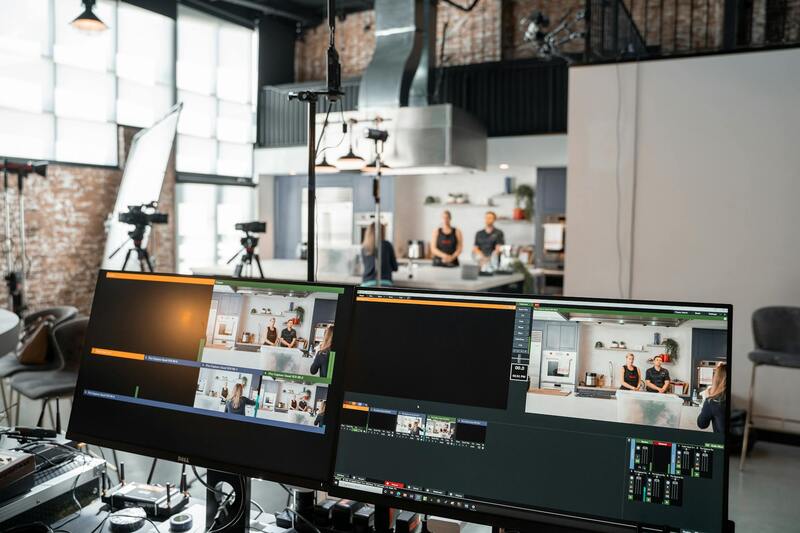
In addition to hardware, employing the correct photographic techniques enhances the quality of images. Techniques such as HDR (High Dynamic Range) imaging combine multiple exposures to balance the lighting and highlight both interior and exterior details, particularly in scenes with challenging lighting conditions such as bright Miami sunlight or shaded areas within a property. Bracketing exposures and merging them during post-production ensures a well-balanced and vibrant image that accurately reflects the property’s features.
Lighting techniques extend beyond equipment. Photographers often schedule shoots during the golden hours—early morning or late afternoon—to take advantage of natural light that accentuates architectural details and creates a welcoming ambiance. Supplementing natural light with professional outdoor and indoor lighting fixtures can further enhance the visual appeal, especially in interior spaces with limited window access or during overcast days.
Mastering the use of filters, such as polarizers, can reduce reflections on glass surfaces and improve color saturation, which is particularly beneficial in Miami’s waterfront and high-rise properties. A thorough understanding of composition principles, including framing, leading lines, and the rule of thirds, ensures that each room is captured in a way that guides viewers naturally through the property, emphasizing its unique features.
In essence, the combination of advanced equipment and skilled techniques allows real estate photographers to produce images that are vivid, detailed, and engaging. For Miami properties where architectural details, scenic views, and luxurious finishes are prominent, employing these professional methods maximizes visual impact and sets the listing apart from competitors.
Utilizing Advanced Techniques for Authentic and Appealing Visuals
Implementing sophisticated photographic methods plays a crucial role in capturing the true essence of Miami real estate properties. Techniques such as HDR (High Dynamic Range) photography help in balancing the exposure between bright exteriors and shadowed interiors, ensuring that both indoor and outdoor features are clearly visible and vibrant. This approach is particularly valuable in Miami, where properties often feature large windows, waterfront views, and bright outdoor spaces. Through HDR imaging, photographers can merge multiple exposures to produce an image that accurately depicts the property’s lighting conditions, drawing potential buyers into a well-lit, inviting atmosphere.
Another beneficial technique is the use of drone photography. Drones offer aerial perspectives that showcase the property's expansive surroundings, landscaping, proximity to key amenities, and scenic views. In Miami’s competitive market, aerial shots can distinguish a listing by emphasizing unique aspects, such as waterfront access or sprawling outdoor areas. Drone footage also allows for dynamic virtual tours, providing a comprehensive view of the property’s exterior and surrounding neighborhood, which is essential for clients unable to visit in person.
Wide-angle lenses are indispensable in real estate photography because they allow for capturing more of a room’s space in a single shot, making smaller rooms appear more spacious and larger areas more expansive. Proper use of these lenses minimizes distortion, ensuring that each area is represented accurately and attractively. When combined with camera stabilization tools and tripod systems, wide-angle shots become even more precise, delivering crisp, professional-quality images that enhance the property’s visual appeal.
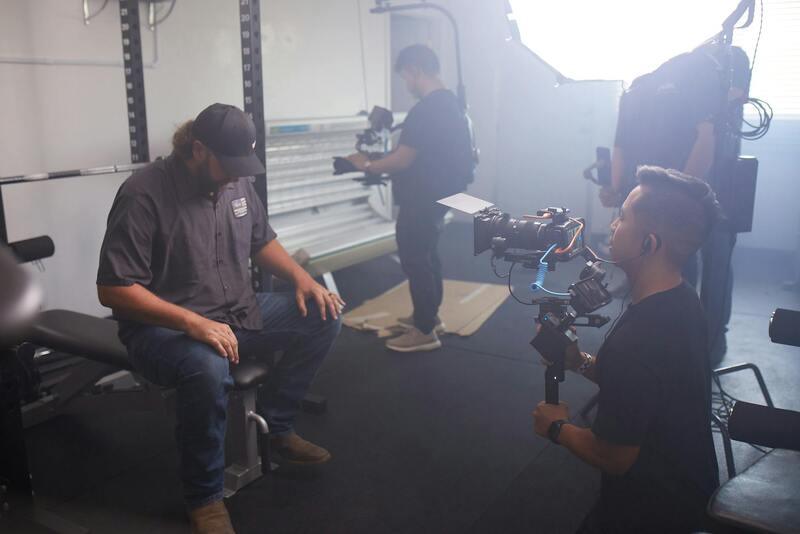
Specialized techniques, such as interior staging and post-production editing, also significantly enhance the final images. Professional photographers often collaborate with stagers to arrange furniture and décor to highlight a property’s strengths. Post-production adjustments—including color correction, perspective correction, and removal of minor imperfections—ensure that images are polished yet authentic, maintaining trustworthiness and appealing to discerning buyers.
Employing these techniques not only improves aesthetic appeal but also ensures that the images adhere to the standards expected within Miami’s vibrant and upscale real estate market. By focusing on authenticity and engaging visuals, real estate professionals can attract a broader audience and generate increased interest in their listings.
Legal and Ethical Considerations in Real Estate Photography
When capturing images of Miami properties for marketing purposes, adherence to established standards and practices is essential. This ensures that photos accurately and honestly represent the property, fostering trust between sellers, agents, and prospective buyers. Professional real estate photography involves following specific guidelines that maintain integrity in visual presentation, avoiding any techniques that might mislead viewers.
Honest portrayal of a property entails using natural lighting whenever possible, avoiding excessive editing that alters the true appearance, and ensuring that the space is depicted without distortions that could exaggerate or diminish its qualities. Photographers should also be transparent about the use of digital enhancements, clearly distinguishing between minor post-production adjustments and misleading alterations.
Respect for privacy and property rights is another critical aspect. This involves obtaining proper authorization before photographing and publishing images, especially in private or sensitive areas of a property. Permission should be secured from homeowners or current occupants to prevent any privacy concerns. Additionally, respecting copyrights and intellectual property rights of photographers and content creators contributes to a professional, ethical marketing environment.
Furthermore, compliance with advertising standards requires that photos clearly depict the property’s actual features without misleading enhancements or omissions. This approach aligns with the expectations of discerning clients seeking accurate visuals for informed decision-making. By upholding these ethical principles, real estate professionals can differentiate themselves in Miami’s competitive market and foster long-term credibility.
Leveraging Digital Editing and Post-Processing with Caution
In the realm of real estate photography, digital editing serves as an essential tool to enhance the visual appeal of property images. Adjustments such as color correction, exposure balancing, and minor retouching can significantly improve the overall presentation. However, it is crucial to apply these edits judiciously to maintain authenticity. Overuse of filters or excessive alterations that distort the property's appearance may lead to misconceptions, which could undermine buyer trust and damage professional credibility.
A reputable approach involves clearly distinguishing between necessary image enhancements and deceptive modifications. Photographers should adhere to standards that emphasize transparency, ensuring that any post-production work aligns with preserving the property's true character. For instance, while removing minor clutter or correcting lighting issues is acceptable, altering structural features or fabrications should be strictly avoided.
Furthermore, documentation of the editing process can serve as a quality assurance measure, demonstrating commitment to accurate representation. When prospective clients view the images, they can trust that what they see reflects reality, fostering informed decision-making. Utilizing specialized software with calibrated monitors and color management tools can help achieve consistent, true-to-life images that resonate with discerning buyers.
Legal and Ethical Considerations in Real Estate Photography
In the competitive Miami real estate market, maintaining high standards in photography is essential for fostering trust and ensuring transparency throughout the sales process. Photographers and real estate professionals must prioritize obtaining clear permissions for all images used, especially when capturing private properties or occupied homes. This guarantees respect for the privacy of homeowners and tenants, while also aligning with industry best practices.
It is vital to produce images that accurately represent the property, avoiding any misleading or exaggerated depictions that could influence buyer expectations unjustly. Misrepresenting spatial dimensions or overstating the appeal through selective shots can compromise credibility and lead to dissatisfaction during viewings. High-quality photos must reflect the property's true features with honesty and clarity.
Adhering to established standards involves consistency in lighting, angles, and image composition, with attention to details that enhance visual appeal without distorting reality. For example, while strategic vantage points can showcase the property’s best attributes, they should not create false impressions of size or layout.
In addition to visual integrity, documentation of photography procedures and post-processing becomes essential. Keeping records of the editing process, including before and after images, affirms a commitment to honesty. This practice reassures clients that the imagery they view depicts an accurate representation of the property.
Proper permissions, accurate portrayals, and transparent editing practices collectively reinforce a professional reputation, which is crucial for success in Miami’s dynamic real estate environment. As the market evolves, aligning image practices with these ethical considerations will remain a fundamental pillar of effective property marketing.
Legal and Ethical Considerations in Real Estate Photography
Maintaining transparency in real estate photography is paramount for fostering trust with potential buyers. Photographers and agents should focus on capturing the authentic essence of each property, ensuring that images accurately represent the current state of the home without embellishment. This involves meticulous staging, natural lighting, and precise framing to showcase the property's features effectively.
One critical aspect is avoiding any form of manipulation that could mislead viewers. Adjustments made during post-processing, such as color correction or brightness enhancement, should serve to improve clarity without altering the true appearance of a property. Keeping records of editing procedures not only supports transparency but also reassures clients that the final images are faithful to reality. Including before-and-after shots can illustrate the integrity of the editing process and highlight commitment to honesty.
It's equally important to secure the necessary permissions before photographing private properties, especially in spaces that require consent or are under specific occupancy agreements. Respect for clients’ privacy and property boundaries should be a standard practice, reflecting professionalism and integrity.
In the digital age, compliance with privacy regulations and adherence to ethical standards in visual content creation help maintain a strong reputation in the Miami real estate community. Consistently applying honest photography techniques ensures that prospective buyers receive an accurate preview of the property, minimizing surprises during physical viewings and fostering a smoother buying process.
Furthermore, ethical marketing involves clear disclosures about the capabilities and limitations of the images provided. If certain features are highlighted or enhanced for visual appeal, this should be communicated transparently to prevent misinterpretation. Particularly in the competitive Miami market, upholding these standards ensures a professional reputation and aligns with good business practices, reinforcing long-term success and client satisfaction.
Legal and Ethical Considerations in Real Estate Photography
Maintaining transparency and integrity in real estate photography is paramount for fostering trust and establishing credibility within the Miami market. Photographers and agents must ensure that all images accurately represent the property without deceptive enhancements or omissions. This involves avoiding overly manipulated images that could mislead potential buyers about the property's true condition or features.
Securing appropriate permissions before capturing and publishing images is essential, especially when photographing private spaces or properties with sensitive features. Respect for occupant privacy and property boundaries demonstrates professionalism and adherence to best practices.
Furthermore, it is crucial to be transparent about any post-processing techniques used to enhance images. If alterations are made to improve clarity or lighting, or to highlight specific features, these should be disclosed to prevent any misrepresentation.
In the Miami real estate scene, where competition is intense, adhering to high ethical standards promotes a positive reputation and helps sustain long-term clients relationships. Accurate, honest visuals reduce the likelihood of misunderstandings during property viewings and negotiations, leading to a smoother transaction process.
Best Practices for Ethical Real Estate Photography
- Obtain necessary permissions before photographing private or occupied properties.
- Ensure images represent the property’s condition and features truthfully.
- Avoid excessive photo editing that could distort reality.
- Disclose any enhancements or alterations made during post-processing.
- Respect client confidentiality and property boundaries at all times.
By committing to these standards, professionals in Miami not only enhance their reputation but also contribute positively to the integrity of the local real estate market. Honest representation through photography supports informed decision-making for buyers and reinforces long-term trust between clients and agents.