Understanding the Importance of Professional Photos for Real Estate Agents
In the competitive Miami real estate market, the quality of property imagery can significantly influence how quickly a property sells and the price it commands. High-resolution, professionally shot photographs serve as the first impression potential buyers have when browsing listings. They highlight the property's best features, create emotional appeal, and build trust with prospective clients. In essence, compelling real estate images enhance visibility, attract more interest, and ultimately, increase sales conversions.
Many buyers begin their property search online, and listings with dull or poorly lit photographs tend to be overlooked. Conversely, properties presented with vibrant, well-composed images stand out in crowded listings, grabbing attention and encouraging engagement. This highlights the vital role of expert photography in establishing credibility and setting a property apart from competitors. For real estate agents operating in Miami's vibrant and diverse market, investing in professional photos is a strategic move that offers substantial returns by boosting listing performance and client satisfaction.
Professional real estate photography typically involves capturing a property during optimal lighting conditions, using high-end equipment, and applying composition techniques that showcase rooms’ space and flow. Wide-angle lenses, for example, allow viewers to perceive more of each space, making rooms look more inviting and expansive. Properly styled and staged properties photograph better and resonate more effectively with target buyers. When executed meticulously, professional photos not only enhance online listings but also elevate print marketing, signage, and social media campaigns, creating a cohesive visual identity for the property.
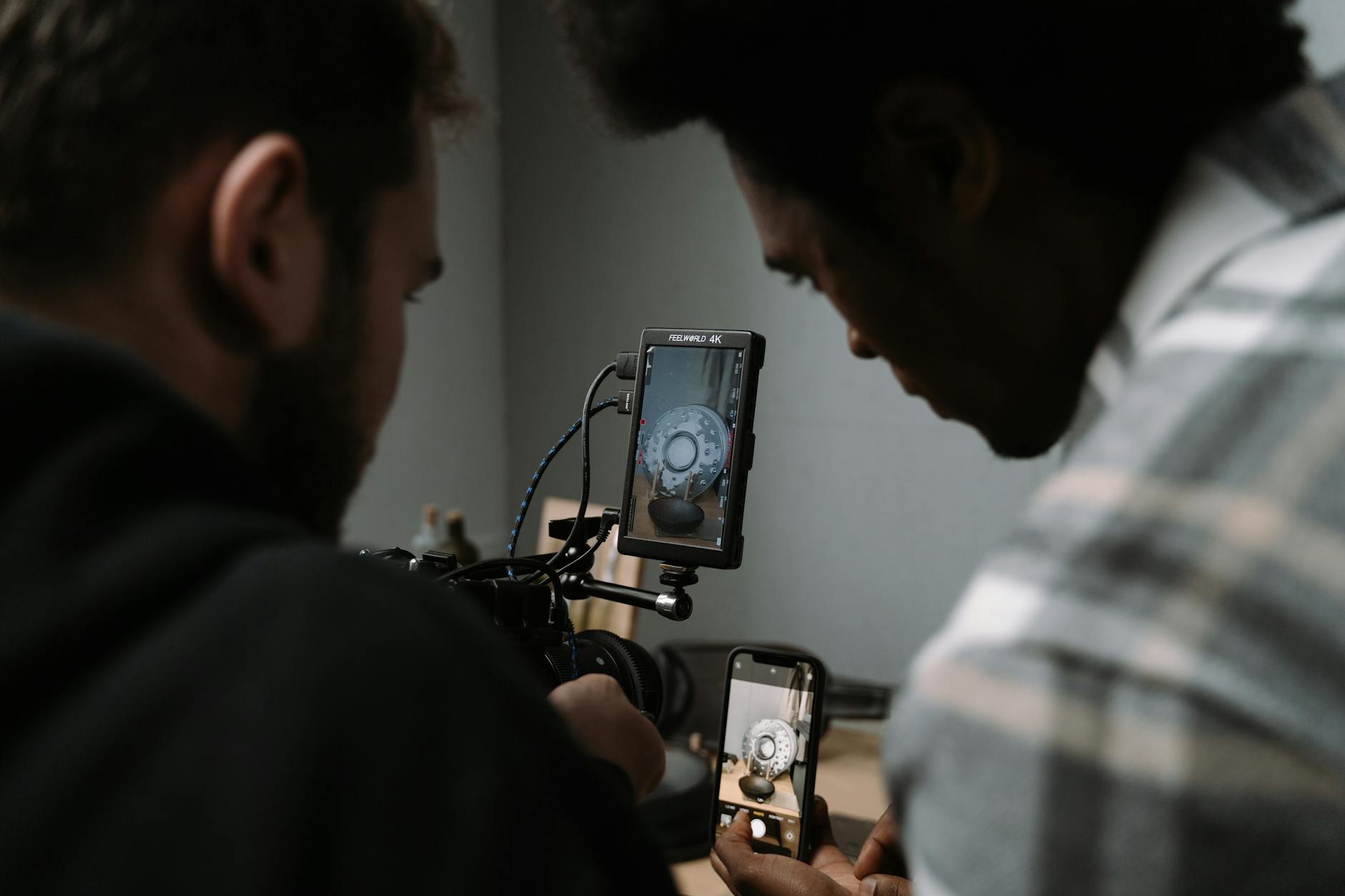
Ultimately, the goal of a real estate agent photoshoot is to present each property in its best light, capturing both its unique qualities and its potential for prospective buyers. The visuals serve as a digital handshake—inviting, informative, and compelling—making professional photography an essential investment in any successful real estate marketing strategy in Miami.
Choosing the Right Photographer and Production Team in Miami
Securing a skilled and experienced photographer is pivotal in ensuring that the visual representation of a property aligns with its potential and market positioning. In Miami’s competitive real estate landscape, selecting a professional with specific expertise in real estate imagery can significantly influence listing performance. Evaluate photographers based on their portfolio, focusing on images that demonstrate an ability to showcase both interior and exterior spaces effectively under various lighting conditions.
Beyond technical proficiency, a reliable production team should possess a thorough understanding of local market trends and target demographics. This knowledge enables them to tailor the photographic approach to resonate with prospective buyers, emphasizing features that appeal most to the target audience. A team that collaborates closely with the agent from initial planning through post-shoot editing ensures a cohesive process, minimizing delays and revisions.

Moreover, proximity is a practical consideration; choosing local professionals familiar with Miami’s neighborhoods and architectural styles can lead to more authentic and culturally relevant imagery. Experienced photographers often utilize advanced equipment such as high-resolution cameras, drones for aerial shots, and specialized lenses to highlight key property features. Their familiarity with contemporary editing techniques ensures that images are polished yet true to reality, avoiding over-processing that could mislead clients.
When selecting a production team, review references and past client feedback to gauge professionalism, punctuality, and the ability to adapt to unique property requirements. Clarifying the scope of work upfront—including number of images, style preferences, and timeline expectations—avoids misunderstandings and promotes efficiency throughout the project. Engaging the right professionals in Miami empowers real estate agents to craft high-impact visual content that elevates their listings and attracts motivated buyers.
Legal Considerations and Best Practices for Real Estate Photoshoots
Executing a professional real estate photoshoot involves adhering to established best practices that uphold the integrity of the property listing while respecting intellectual property rights. Ensuring that all visual content complies with pertinent guidelines helps maintain transparency and professionalism in the marketing process. It is essential to secure necessary permissions before capturing images of private or shared spaces, particularly in multi-unit buildings or properties with restricted areas. Agents and photographers should verify that they have explicit consent to photograph the premises, especially when involving interior spaces or proprietary features.
Maintaining accuracy and honesty in photographs is paramount. High-quality imagery should truthfully represent the property's condition and features without exaggerated enhancements that could mislead potential buyers. During the post-processing phase, professional editors focus on enhancing lighting, color balance, and sharpness while preserving the genuine appearance of the property. This approach aligns with industry standards for transparency and ensures that buyers' expectations are aligned with the actual property.
It is also advisable to incorporate proper image attribution when using photos taken during a shoot. If images are shared across various marketing channels or used in promotional materials, crediting the photographer or agency responsible is a best practice that promotes ethical content sharing. Additionally, real estate professionals should familiarize themselves with the platform-specific guidelines of MLS listings, websites, and other marketing channels to ensure that their photos meet required standards.
Finally, maintaining organized records of all images, including permission documentation and editing versions, can streamline compliance and troubleshooting in case of queries or disputes. By prioritizing these professional standards, real estate agents can confidently utilize their property visuals to attract qualified buyers while building a reputation for reliable and truthful marketing practices.
Effective Use of Photos in Marketing Strategies
Once high-quality images are captured, the focus shifts to integrating these visuals into a comprehensive marketing plan that maximizes their impact. Professional property photos serve as the cornerstone of compelling advertisements, whether they appear on online listings, social media platforms, or print materials. Strategically selected images should highlight the property's best features and create an emotional connection with potential buyers.
To optimize engagement, images should be accompanied by descriptive, SEO-friendly captions that include relevant keywords related to the local Miami real estate market. This enhances online visibility and attracts targeted traffic to listings. Additionally, consider creating virtual tours or 3D walkthroughs that incorporate the photographs seamlessly, providing an immersive experience that appeals to remote or international buyers.

Social media advertisements, email campaigns, and dedicated property websites should all leverage these professional images to tell a cohesive and appealing story of the property. Consistent branding, including logo placement, color schemes, and thematic elements, helps reinforce recognition and professionalism. Moreover, using images that are optimized for different formats ensures that listings look polished across desktops, tablets, and smartphones.
Incorporating analytics to track viewer engagement with the visuals provides insights into which images resonate most. This data-driven approach allows agents to refine their marketing strategies continuously. High-quality, authentic visuals combined with targeted publicity accelerate the journey from interest to closing, elevating the reputation of the real estate agency in the competitive Miami market.
Post-Processing and Editing of Real Estate Photos
After capturing high-quality images during the photoshoot, the next crucial step involves meticulous post-processing and editing to ensure each photograph accurately reflects the property's best features while maintaining authenticity. Professional editing enhances the visual appeal by adjusting brightness, contrast, and color balance to create inviting and vibrant images that stand out in online listings and marketing materials. This process also involves correcting perspective distortions and straightening lines to ensure a true representation of the space, providing potential buyers with an accurate visual impression.
Selective editing techniques can highlight key areas such as spacious kitchens, luxurious bathrooms, or scenic outdoor views. For instance, removing minor imperfections, clutter, or distractions in the background can draw focus to the property's selling points. It is essential to approach editing with restraint to preserve the genuine atmosphere of the space without overdoing enhancements that could mislead viewers.
Utilizing advanced software tools allows for high dynamic range (HDR) imaging and panoramic stitching, which combine multiple exposures to create detailed and evenly lit images. This results in visuals that reveal both interior and exterior details regardless of lighting conditions. Additionally, care should be taken to optimize images for different platforms by resizing and compressing files without sacrificing quality, ensuring quick loading times and clarity across desktops, tablets, and smartphones.

This stage is a vital component of professional real estate photography, reinforcing the visual storytelling of the property. Well-edited images not only attract more views but also foster trust with prospective buyers, who feel confident in the property's presentation. When executed precisely, post-processing complements the initial photography efforts, resulting in compelling visuals that accelerate the sales process and bolster the online presence of the listing.
Ensuring Proper Documentation and Consent for Real Estate Photography
Successfully conducting a real estate photoshoot involves more than just capturing appealing images; it requires careful attention to legal and procedural details that establish trust and professionalism. One of the fundamental aspects is securing appropriate documentation and consent from all parties involved, including property owners, tenants, and any individuals who may appear in the photos.
Before scheduling the photoshoot, professionals should obtain written authorization from the property owner or the designated representative. This documentation clearly outlines the scope of the shoot, the intended use of the images, and any restrictions or special considerations. Maintaining complete records prevents misunderstandings and provides a clear record of permissions granted.
It is equally important to inform property occupants about the upcoming photoshoot, especially if the site is occupied. Clear communication regarding the timing and scope of the session helps in gaining cooperation and ensures that individuals are comfortable with their presence in the images. When minors or individuals who may require special considerations are involved, additional consent forms or waivers should be secured.
Legal compliance extends to respecting tenants’ rights, which may include providing adequate notice prior to photographing the property. In some jurisdictions, specific notice periods are mandated by law; adhering to these regulations avoids potential disputes or complications.
Another critical element is the documentation related to the use of the images. Clear agreements should specify whether the images will be used online, in print, or in other marketing materials. These agreements not only protect the interests of the photographer and the real estate agent but also set expectations for image usage and distribution.
In addition, including clauses that address rights to modify or crop images and stipulate confidentiality or privacy concerns further reinforces professional standards. Providing detailed contracts and consent forms reinforces integrity within the process and promotes transparency among all parties involved.
Achieving a seamless photoshoot is as much about legal due diligence as it is about artistic skill and technical expertise. When agents and photographers prioritize proper documentation and respectful communication, they foster a trustworthy environment that benefits everyone, ultimately contributing to a more efficient and credible marketing effort.
Legal Considerations and Best Practices for Real Estate Photoshoots
Executing a successful real estate photoshoot in Miami involves more than just capturing beautiful images; it requires careful attention to legal considerations that safeguard all parties involved. Ensuring proper documentation, consent, and awareness of local regulations plays a crucial role in maintaining professionalism and avoiding potential conflicts.
Securing Proper Consent and Documentation
Before initiating a photoshoot, obtaining clear, written consent from property owners, tenants, or other stakeholders is essential. This process includes outlining the scope of the shoot, the intended use of images, and any restrictions or specific requirements. Comprehensive agreements not only clarify expectations but also serve as legal safeguards that protect against misuse or misunderstandings.
Consent forms should explicitly mention:
- The rights to photograph the property and use the images in various marketing channels.
- Any limitations on photographing certain areas or features within the property.
- Right to modify or crop images as needed for marketing purposes.
- Confidentiality considerations, particularly if sensitive information is involved.
Addressing Tenant and Owner Rights
When photographing occupied properties, respect for tenants’ rights and privacy is paramount. This involves providing adequate notice before the shoot, as mandated by local practices or agreements, and allowing tenants to prepare or be present during the process if necessary. Clear communication about the purpose of the photoshoot can help mitigate any concerns or misunderstandings, fostering a cooperative environment.
Adhering to Local Regulations and Property Policies
Miami's diverse and vibrant real estate market often involves properties with specific stipulations or restrictions on photography. It’s advisable to review any contractual clauses related to photography, filming, or publicity outlined in property deeds or leasing agreements. Additionally, being aware of local ordinances regarding privacy, signage, and permitted activities during a shoot helps avoid inadvertent violations.
Implementing Ethical and Professional Standards
A professional photographer and real estate agent should prioritize integrity by accurately representing properties without misleading enhancements or omissions. This includes avoiding digital manipulations that create false impressions, as well as ensuring the photos reflect the property's true condition. Transparency in image presentation builds trust with prospective buyers and maintains the reputation of all parties involved.
Transportation and Staging Considerations
When preparing for a photoshoot, ethical practices extend to respecting the property’s environment and adhering to safety protocols. This involves minimizing disruptions, protecting furnishings and fixtures, and ensuring that any staging or styling enhancements are clearly communicated and reversible if necessary.
By following these guidelines, real estate professionals can conduct effective, lawful photoshoots that enhance marketing efforts while upholding high standards of professionalism and respect.
Ensuring Accurate Representation and Ethical Marketing in Real Estate Photography
Maintaining an honest and respectful approach when creating real estate images is fundamental to fostering trust with prospective clients and safeguarding professional standards. While high-quality visuals are essential for attracting buyers and showcasing a property's unique features, they must faithfully represent the property without exaggeration or misrepresentation. This balance between compelling presentation and authenticity helps build credibility and long-term relationships within the Miami real estate market.
Implementing Transparent Editing Practices
Post-processing is a valuable step in enhancing real estate images, but it requires careful consideration to avoid misleading potential buyers. Techniques such as adjusting brightness, contrast, and color balance can improve image clarity, yet excessive editing—such as digitally removing ceilings or enlarging rooms—can distort perceptions. Ethical editing ensures that the property's actual layout, size, and features are accurately conveyed, preventing future disputes or dissatisfaction.
Securing Permissions and Respecting Privacy
Photographers and agents should obtain explicit consent before capturing images of private spaces or interior areas, particularly when the property involves tenants or owners who wish to maintain confidentiality. Respecting privacy rights extends to avoiding intrusion during sensitive moments or in restricted zones, thereby upholding a professional image and fostering positive relationships with clients and property occupants.
Adhering to Local Regulations and Property Policies
Each Miami neighborhood or development may have specific rules concerning photography and filming practices. Familiarity with these regulations—such as restrictions on drone usage, time limitations for photoshoots, or specific property access protocols—ensures compliance and prevents legal complications. Collaborating with property managers and following established policies helps streamline the process and maintain a reputation for professionalism.
Optimizing Images for Multi-Channel Marketing
Effective real estate marketing integrates high-quality images across various platforms, including online listings, social media campaigns, and virtual tours. Consistency in image style and quality enhances brand recognition and facilitates a cohesive narrative that appeals to prospective buyers. Employing appropriate image formats, resolutions, and aspect ratios tailored to each platform maximizes visual impact without compromising loading speeds or user experience.
In today’s competitive Miami real estate landscape, the combination of authentic photography, ethical practices, and strategic marketing ensures properties stand out effectively. Professional images serve not only as a showcase but as a testament to a commitment to transparency and integrity, ultimately fostering trust and confidence among potential buyers.