Importance of Professional Photos for Real Estate Agents
In today’s competitive real estate market, visual representation plays a crucial role in attracting potential clients and closing sales efficiently. High-quality real estate agent photos serve as a powerful first impression, establishing credibility and professionalism. When prospective clients browse listings, their initial perception of an agent’s image can significantly influence their decision to engage or move on. Professionally taken photographs not only highlight an agent’s personal brand but also demonstrate an attention to detail and commitment to quality, which are highly valued in the industry.
Effective real estate photography emphasizes clarity, composition, and authenticity. It ensures that the agent’s personality and expertise are accurately portrayed, fostering trust and rapport with prospective clients. Well-crafted images can also enhance an agent's online visibility by improving search engine rankings and increasing engagement across digital platforms. In today’s digital-first environment, where social media and online listings dominate marketing strategies, the importance of high-quality visuals cannot be overstated.
Furthermore, professional photos contribute to a polished and consistent brand image. They help establish a recognizable presence across various marketing channels, from property listings to personal websites. In essence, investing in a premium real estate agent photo shoot elevates an agent’s professional profile, making them more memorable and credible among a sea of competitors.
Choosing the Right Location and Background
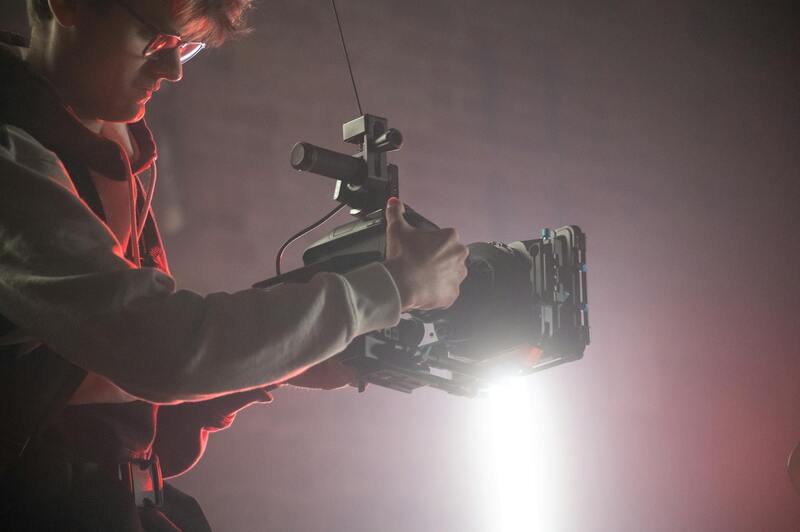
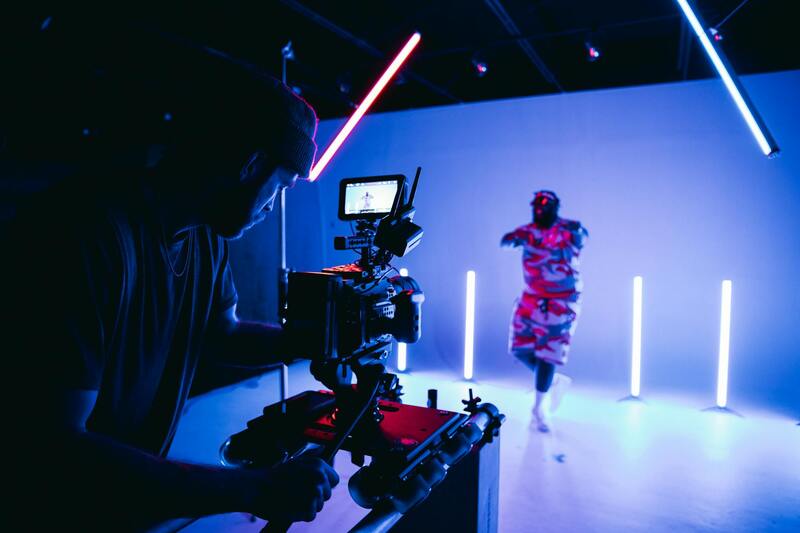
When planning a real estate agent photo shoot, selecting an appropriate location and background is crucial to convey professionalism and approachability. The background should complement the agent’s brand identity while avoiding distractions that detract from the focal point— the individual. Opting for clean, uncluttered settings, such as neutral-toned offices, modern co-working spaces, or well-designed indoor environments, helps project competence and trustworthiness.
In addition to indoor settings, outdoor locations can enhance the authenticity and relatability of the photos. For example, a professionally landscaped garden or a charming cityscape backdrop offers a lively yet polished aesthetic. It’s important to ensure that natural lighting is optimal during outdoor shoots, preferably during the golden hour, to achieve flattering illumination and vibrant colors.
Walls painted in muted hues devoid of busy patterns work best to maintain focus on the agent. Incorporating elements like a branded sign, a display of elegant property brochures, or subtle real estate-related accessories can amplify the context without overwhelming the image. The background should support the storytelling aspect of the professional profile, subtly highlighting the agent’s expertise and local market familiarity.
Working with a Professional Photography Team
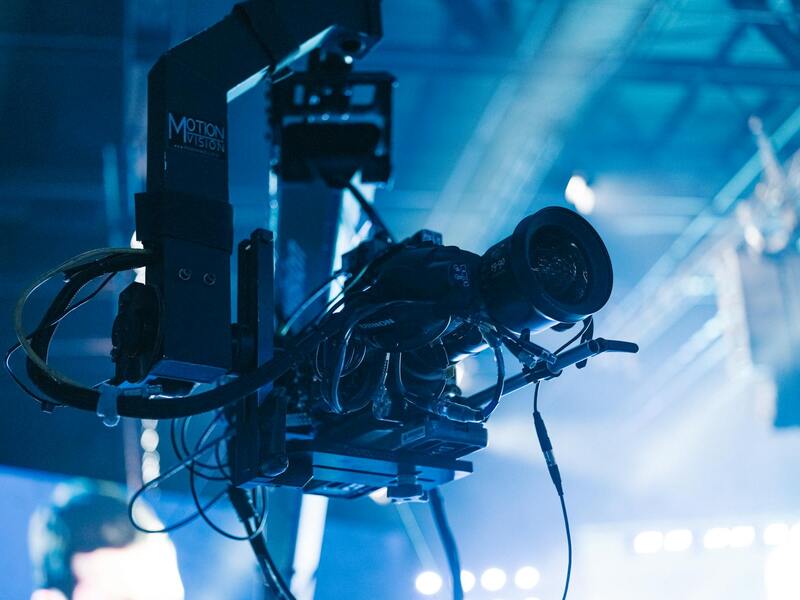
Collaboration with experienced photographers who understand the nuances of real estate branding can significantly elevate the quality of the images. A skilled team will advise on posing, lighting, and scene composition to showcase your professionalism and approachability. Their expertise ensures that the final images are consistent, well-lit, and tailored to your target audience.
Pre-shoot consultations with the photography team include discussing your brand identity, preferred style, and specific goals for the session. They can also offer recommendations on wardrobe and accessories that complement the chosen locations. During the shoot, clear communication and direction help achieve natural, confident poses that resonate with potential clients.
Post-shoot, professional editors refine images to correct color balance, remove imperfections, and ensure consistency across all photos, which is vital for maintaining a cohesive online presence. Working with a dedicated team guarantees a polished output suitable for high-stakes marketing efforts, from website bios to social media campaigns.
Capturing Different Styles and Angles
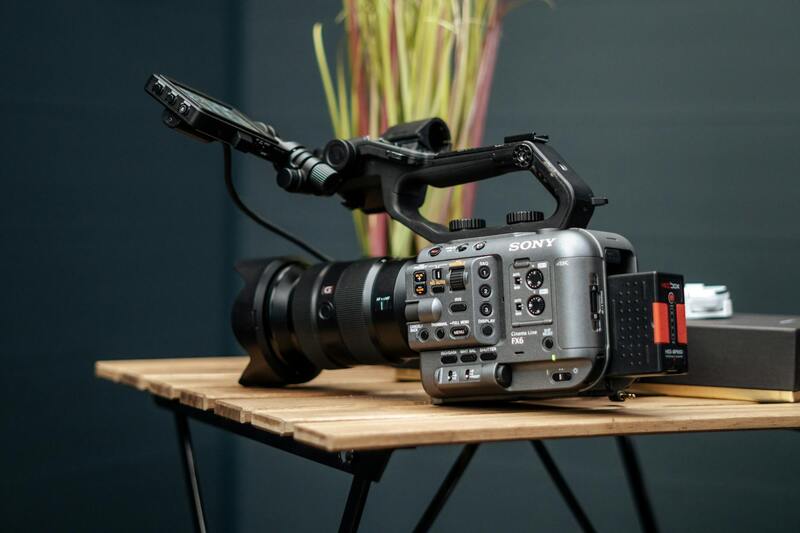
Variety in photographic style and angles is essential to craft an engaging and versatile portfolio. Standard headshots with a friendly, professional demeanor are fundamental, establishing trust and approachability. These can be complemented with full-body shots in business attire, showcasing confidence and readiness to serve clients.
Creative angles—such as eye-level shots, slightly elevated perspectives, or engaging perspectives from below—add visual interest and help highlight different aspects of your personality. Candid-style images can evoke authenticity, making potential clients feel more connected and comfortable.
Incorporating a range of poses, from casual to formal, allows for adaptable content suitable for various marketing platforms. For instance, a relaxed yet confident image may work well on social media, while a polished, professional portrait is ideal for website headers or printed marketing materials.
Finally, emphasis on posture, facial expression, and eye contact will communicate confidence, warmth, and credibility—key factors when attracting prospective clients in a competitive industry.
Optimizing Images for Online Listings and Marketing
Once the photography session concludes, attention must be given to optimizing images for various digital applications. High-resolution files are essential for maintaining quality across different formats, including web pages, social media platforms, and printed materials.
Resize images appropriately to align with platform requirements— for example, files for social media profiles should be square or portrait-oriented, while website banners benefit from wider aspect ratios. Additionally, compressing images without losing quality enhances page load times, improving user experience and search ranking potential.
Applying descriptive file names and relevant alt text helps improve search engine visibility, making it easier for potential clients to find your profile through organic search. Consistent branding, such as incorporating logo placement or themed color schemes, reinforces recognition and professionalism.
Consider creating a variety of image sizes and cropping options to ensure adaptability across marketing efforts. This includes headshots, backdrop images, and lifestyle shots, all tailored for different uses from email campaigns to property listings. Properly optimized visuals ensure that your online presence remains sharp, engaging, and accessible at all times.
Choosing the Right Location and Background
For real estate agents aiming to present a polished and authentic image, location selection plays a crucial role. In Miami, leveraging the city’s vibrant landscapes, iconic architecture, and diverse neighborhoods can significantly enhance the visual appeal of the photoshoot. The goal is to select backgrounds that not only reflect the agent’s professional persona but also resonate with potential clients and highlight the local lifestyle.
When choosing shooting spots, consider incorporating well-known landmarks, trendy cafés, and scenic parks, which can add contextual interest and give viewers a sense of the area’s ambiance. For indoor shots, ensure that the setting is tidy, well-lit, and free from clutter. Utilizing clean, modern interiors or stylish office environments can project a professional image, while outdoor settings benefit from natural lighting and visually appealing backdrops.
Special attention should be given to lighting conditions. Miami’s abundant sunshine offers excellent opportunities for bright, lively photos, but it’s essential to avoid harsh midday sunlight that can create unwanted shadows. Opt for early morning or late afternoon shoots to take advantage of softer, warm light that flatters skin tones and enhances overall image quality.
Creating appealing backgrounds involves more than just scenery—it’s about staging the area to appear inviting and professional. This can include arranging furniture thoughtfully, adding decorative elements that align with branding, and ensuring any visible signage or props complement the overall aesthetic. Thoughtful background selection not only elevates the visual storytelling but also helps highlight the unique qualities of Miami’s neighborhoods.
Ensuring Proper Usage Rights and Rights Clearance
Securing appropriate rights and permissions for photography assets is a vital element of a successful real estate agent photo shoot. When working with professional photographers and production teams, establish clear agreements that specify rights related to image ownership, usage scope, and duration. This clarity prevents misunderstandings and ensures that the images can be used across various platforms, including listing websites, social media, print advertisements, and email campaigns.
It is also important to verify permission for any recognizable individuals, recognizable private properties, or branded elements that appear in the photos. If models or props are involved, consent forms should be signed to confirm authorized usage. Additionally, special considerations should be given to capturing images of licensed properties, ensuring compliance with property owner guidelines and local regulations governing photography in private or restricted areas.
Proper documentation of rights and permissions facilitates a smooth workflow and protects against potential disputes or restrictions later in the marketing process. By proactively managing these legal elements, real estate professionals can confidently utilize their imagery to attract prospective buyers and present their brand in a highly professional manner.
Maintaining detailed records of licensing agreements, consent forms, and usage rights provides an additional layer of security and Paves the way for efficient future campaigns. With well-managed rights clearance, agents can maximize the visual impact of their professional images without concerns over unintentional infringements or restrictions on their promotional activities.
Utilizing Proper Equipment and Techniques
To achieve high-quality images that stand out across digital platforms, the employment of advanced photographic equipment and refined techniques is essential. Professional photographers typically leverage high-resolution cameras with wide-angle lenses to capture expansive, detailed views of properties. High dynamic range (HDR) imaging is often used to balance lighting extremes, ensuring both interior brightness and exterior shadows are well-rendered. This technique prevents images from appearing overly dark or washed out, thus presenting the property in its best light.
In addition to camera technology, lighting plays a pivotal role. Skilled photographers incorporate natural light efficiently, supplementing it with professional lighting setups when necessary. Proper lighting eliminates harsh shadows and highlights architectural features, making spaces appear more inviting and true to life. Techniques such as diffusing light sources and positioning them strategically ensure even illumination, enhancing spatial perception.
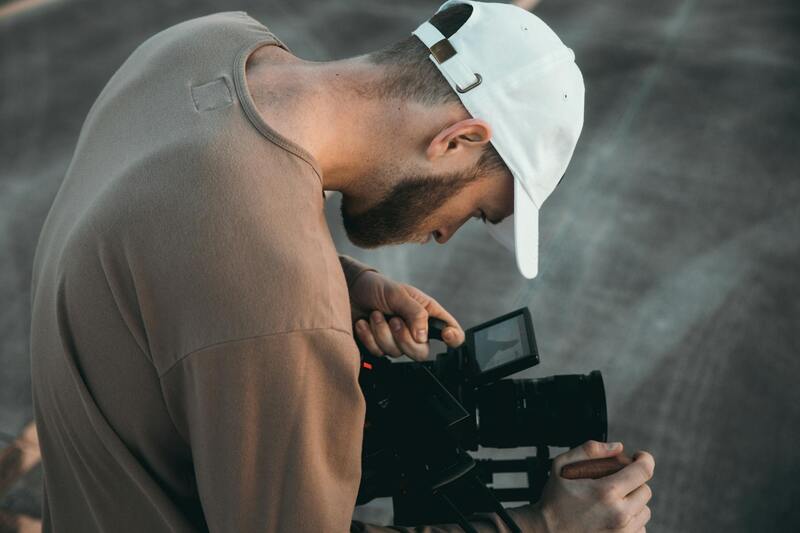
Post-processing is another critical step. Editing tools help correct color balances, straighten images, and remove minor imperfections, ensuring the final photos are polished and professional. However, the goal is to enhance, not alter the reality of the space, maintaining authenticity that builds trust with prospective buyers.
Implementing Consistent Branding Elements
A cohesive visual identity across all photographs reinforces a real estate agent's brand. Consistent use of color palettes, signage, and stylistic elements in images helps reinforce brand recognition and professionalism. When shooting, agents should communicate their branding preferences to photographers to ensure that elements such as logos, contact details, or taglines are integrated naturally within the composition.
For instance, incorporating branded signage or uniformed staff in images can foster a sense of reliability and professionalism. Additionally, background choices should be aligned with the brand’s aesthetic—whether modern, classic, or contemporary—to resonate with target audiences.
Harnessing Virtual Staging and Drone Photography
Beyond traditional photography, virtual staging can help prospective buyers visualize unused spaces with furnished, styled interiors. This technique is particularly effective for empty properties, making them feel warm and inviting without the need for physical staging. High-quality virtual staging images should seamlessly blend with original photos to maintain authenticity.
Drone photography offers a unique vantage point, capturing expansive views of properties and their surroundings. This approach is especially valuable for showcasing large estates, waterfront homes, or properties with scenic landscapes. Drone images provide a comprehensive perspective that static ground-level photos cannot, highlighting the property’s context within its environment.

Utilizing the right equipment and techniques ensures every image communicates quality and attention to detail. Fresh, visually appealing photos not only attract more views but also foster trust and credibility among potential clients. This comprehensive approach to imagery elevates the entire marketing strategy, making properties stand out in competitive markets.
Legal Considerations and Usage Rights
When it comes to utilizing photographs for real estate marketing, understanding the framework surrounding image rights and proper usage is essential. Ensuring all images are legally obtained and appropriately licensed not only protects the interests of the agent but also sustains trust with clients and audiences. This involves securing explicit permission from photographers or photography agencies before deploying images across various platforms.
It is critical to retain detailed records of licensing agreements, especially when working with third-party photographers or videographers. These documents specify the scope of use, duration, and any restrictions associated with the images, preventing misunderstandings and potential disputes later on. In addition, it’s prudent to verify that models, property owners, and other individuals featured in the photos have granted consent for commercial use, particularly in cases where images include identifiable persons or private spaces.
Intellectual property rights are also a key consideration. Copyright laws protect original photographs, and infringing upon these rights can lead to costly legal complications. When commissioning professional photos, ensure that the licensing grants the rights necessary for online listings, social media promotions, printed materials, and other marketing channels. Moreover, always credit the photographer as specified in the licensing agreement, which reinforces transparency and professionalism.

Additionally, if virtual staging, drone imagery, or other digital enhancements are incorporated, confirm that you have the rights to use modified images. These digital tools often involve separate licensing agreements, and adhering to these terms ensures compliance with intellectual property laws. Regularly reviewing usage rights policies helps maintain adherence to evolving legal standards and industry best practices.
By staying diligent about image rights and licensing, real estate professionals safeguard their marketing efforts from potential disputes, uphold their reputation, and demonstrate a commitment to ethical standards in the industry. This proactive approach enables seamless, compliant use of visual content, ultimately enhancing the effectiveness of property presentations and fostering confidence among clients and prospects alike.
Ensuring Proper Licensing and Usage Rights for Real Estate Photos
Securing appropriate licensing for real estate photography is essential to maintain smooth marketing operations and uphold ethical standards. When commissioning a professional real estate agent photo shoot, it's crucial to clearly define the scope of image usage. This includes online listings, social media promotion, print advertisements, and any other marketing channels. A well-drafted licensing agreement ensures that the photographer grants permission for these specific uses, avoiding potential conflicts or restrictions that could limit the distribution and visibility of the property.
Model releases are equally important when identifiable persons appear in property images. If the photos include residents, staff, or visitors, obtaining a model release form from each individual is a necessary step. This document confirms their consent for their images to be used commercially, protecting the agent from future disputes while demonstrating commitment to ethical marketing practices.
Moreover, digital enhancements such as virtual staging, drone footage, or twilight effects often require separate licensing agreements. Clarifying these rights upfront helps in preventing misunderstandings and ensures the agent retains the rights to use these digitally altered images across all intended platforms.
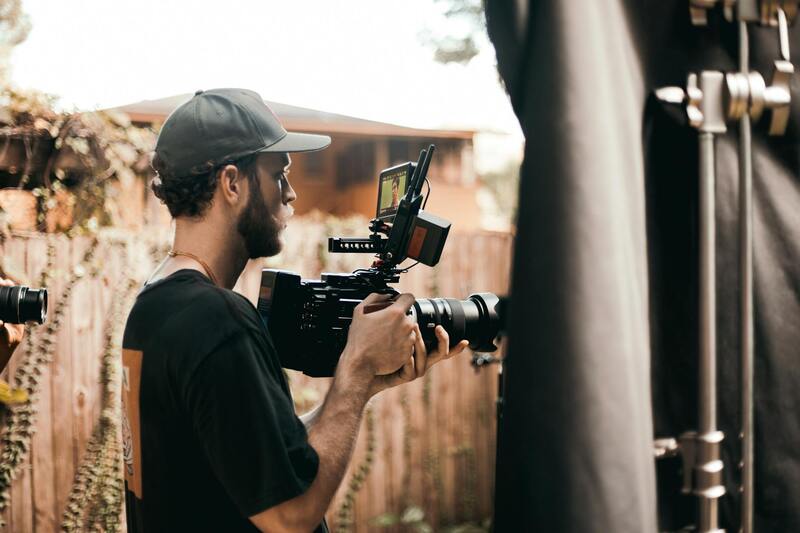
Adhering to detailed licensing agreements also allows real estate professionals to explore further creative options within legal boundaries. By understanding the scope of permitted uses, agents can confidently incorporate various visual elements, including aerial shots, virtual staging, and detail-focused images, into their marketing strategy without infringing on intellectual property rights.
Maintaining Industry Standards and Client Trust
Beyond legal considerations, proper licensing supports the reputation of the real estate agent. Ethical marketing practices reinforce client trust, demonstrate professionalism, and contribute to a trustworthy brand image. When clients see that an agent takes the necessary steps to use compliant, high-quality imagery, they are more likely to feel confident in the agent’s commitment to transparent, reliable service.
Regularly reviewing and updating licensing arrangements is also recommended. As market trends evolve and new media channels emerge, ensuring your rights span all current and future uses preserves your investment in high-quality visual content and maximizes its impact on prospective buyers.
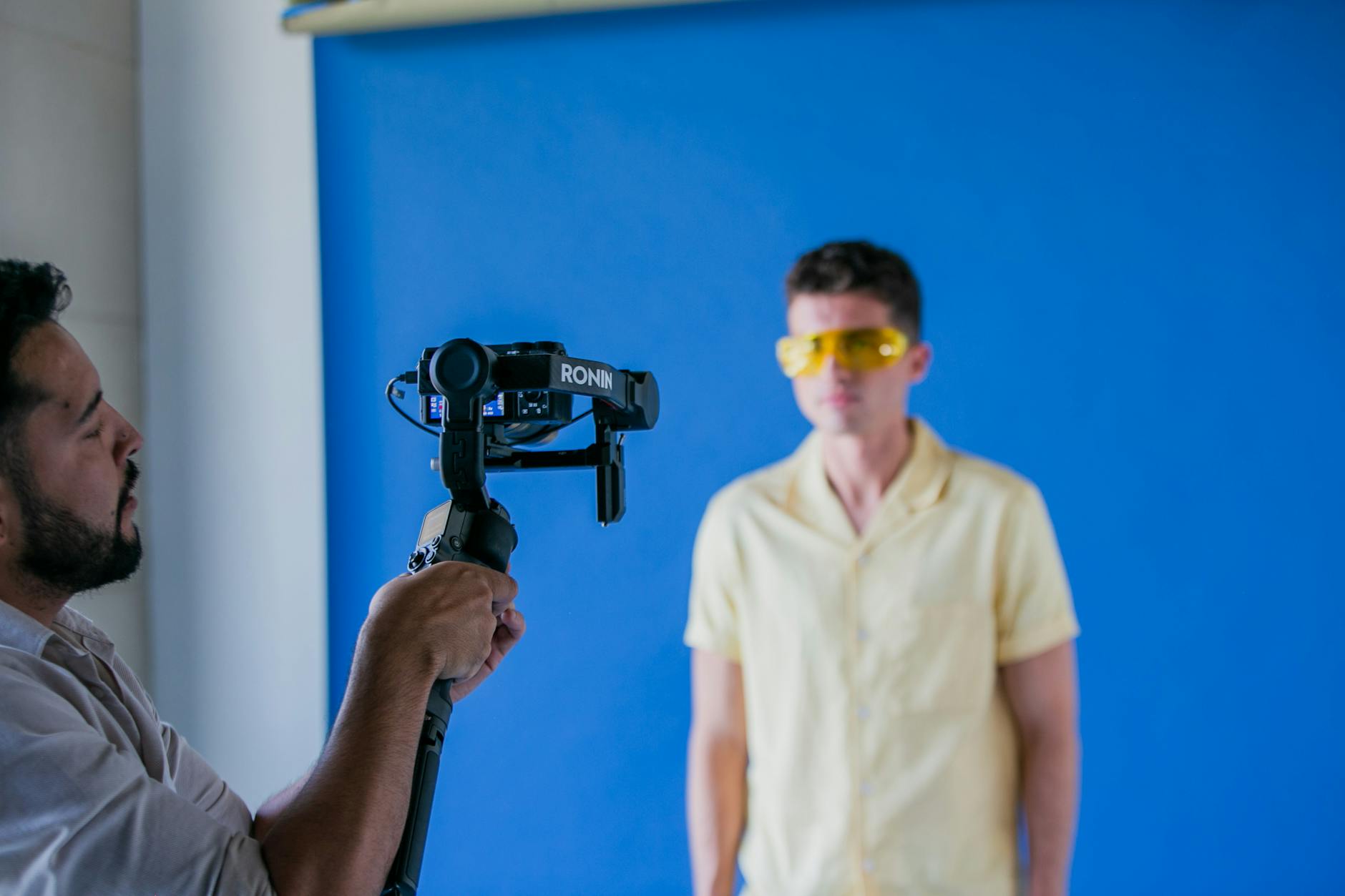
Ultimately, establishing comprehensive, explicit licenses and understanding usage rights contribute significantly to the successful promotion of real estate properties. They provide peace of mind, enable creative freedom within legal parameters, and uphold the integrity of your marketing campaigns, ensuring that your property stands out effectively across all platforms and media channels.
Legal Considerations and Usage Rights
Securing appropriate rights for your real estate imagery is fundamental in maintaining a professional and compliant marketing presence. When engaging with a professional photography team, it’s essential to establish clear agreements that specify the scope of image usage. This includes online listings, social media platforms, print advertisements, and promotional materials. Detailed licensing arrangements prevent misunderstandings and ensure that the images can be utilized across various channels without restrictions.
Owning the rights to your property photographs allows for seamless adaptation and repurposing as market trends shift. Clear usage rights enable agents to promptly update listings, create high-quality virtual tours, and develop marketing campaigns tailored to targeted audiences, all while respecting intellectual property constraints.
From a practical perspective, professional photographers typically provide licensing options that encompass rights for both immediate property sales and long-term branding initiatives. It is advisable to retain proof of agreements and licenses to safeguard your investment and to facilitate future negotiations or collaborations.
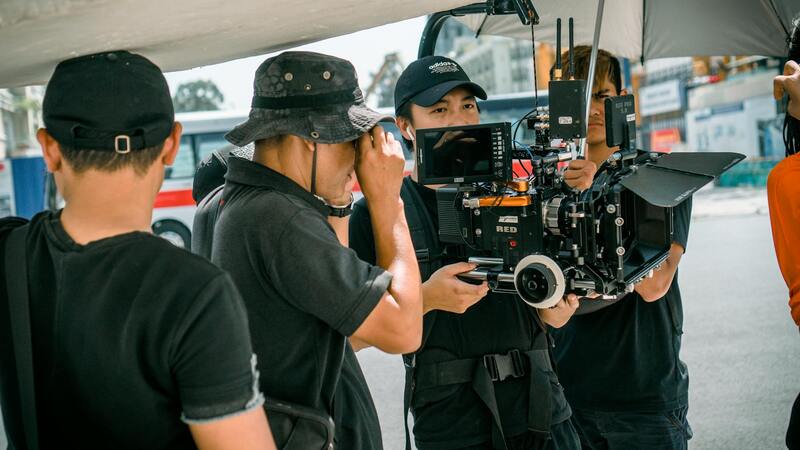
Moreover, understanding the nuances of image rights helps prevent inadvertent infringements or disputes, which can disrupt marketing efforts and diminish property visibility. By collaborating with a photography provider that offers comprehensive licensing options, agents can confidently incorporate diverse visual elements—such as drone shots, virtual staging, and detailed interior imagery—secure in the knowledge that their usage complies with established standards.
It is also recommended to review licensing agreements periodically, especially as new digital marketing tools and media channels develop. Keeping licenses up-to-date ensures continual access to the latest visual content rights, thereby supporting ongoing and future marketing campaigns.
In addition to licensing, understanding the scope of permitted modifications and repurposing of images is vital. Clear guidelines regarding editing rights, resizing, and inclusion in promotional materials help preserve the integrity of the original visuals while enabling flexibility in presentation.