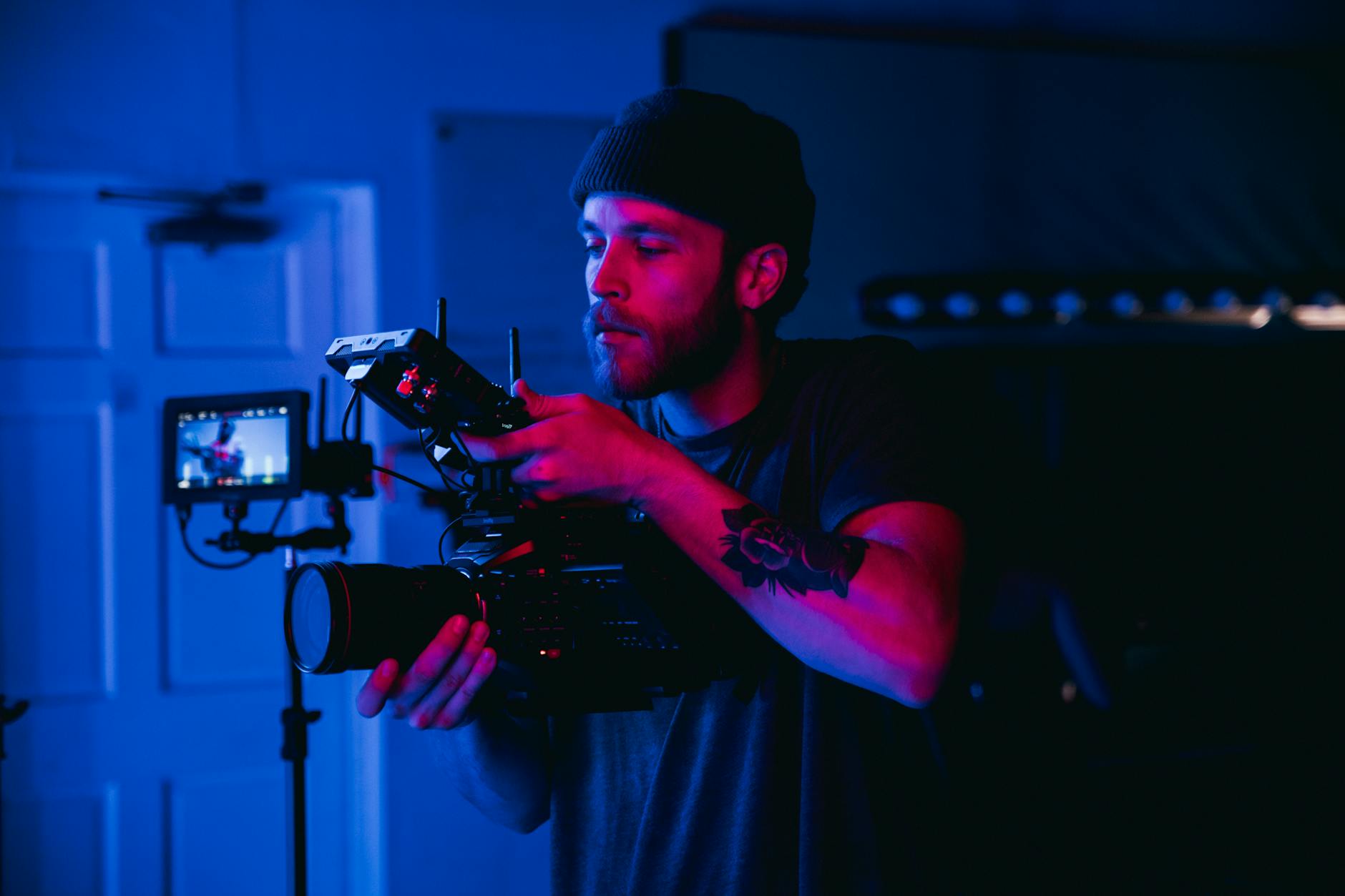
Importance of Property Photos in Real Estate Marketing
In the competitive landscape of today’s real estate market, high-quality property pictures serve as a crucial element for attracting potential buyers and accelerating the sales process. Online listings are often the first point of contact between a property and prospective clients, and compelling images can significantly influence their decision-making. These photos offer a visual representation of the property's true condition, layout, and appeal, providing viewers with a realistic and enticing glimpse into what’s being offered.

Research consistently shows that homes listed with professional photos tend to receive more views, generate greater interest, and sell faster than those with amateurish or poorly executed imagery. In the digital age, where a large percentage of property searches are conducted online, the visual impact of property pictures cannot be overstated. Well-composed, clear, and attractive images not only enhance the perceived value of the property but also establish credibility and trust with potential clients.
The significance of property pictures extends beyond initial attraction. They play a vital role in shaping the overall marketing strategy. When integrated effectively into websites, social media, and real estate platforms, quality images become a powerful tool for brands to differentiate their listings from the competition. Moreover, visually appealing property photos can evoke emotional responses, making the property more memorable and desirable, ultimately leading to quicker sales and better returns on marketing investments.
Influence on Online Listings and Buyer Engagement
In today’s crowded online marketplaces, first impressions are formed within seconds. The quality of property pictures directly impacts whether a viewer continues exploring a listing or moves on to another. Listings with professional images tend to generate higher click-through rates, more inquiries, and increased foot traffic. Effective visual storytelling through photography can highlight unique architectural features, interior design, and outdoor spaces, helping potential buyers visualize themselves living in the space.

Furthermore, property pictures serve as a cornerstone in a comprehensive digital marketing approach. They are shared across multiple platforms, including real estate websites, social media channels, and email campaigns. Consistent, high-quality imagery ensures a cohesive and professional presentation, reinforcing brand reputation and making listings memorable. This consistency promotes trust and fosters buyer confidence, which is essential in closing deals efficiently.
Ultimately, investing in professional property photography is a strategic move. It maximizes the visual appeal of listings, attracts a broader audience, and fosters quicker, more profitable transactions. With an increasing number of buyers beginning their search online, the importance of striking, high-resolution property images cannot be overlooked by real estate professionals seeking to stand out in a competitive market.
Preparing a Property for Photography
Achieving outstanding property pictures begins long before the camera is even set up. Proper preparation ensures that each space is presented at its best, highlighting its strengths while minimizing any imperfections. It starts with thorough cleaning of all areas, including floors, windows, and surfaces, to ensure a spotless appearance that enhances visual clarity. Decluttering is equally essential; removing personal items, excess furniture, and cluttered decor helps create a spacious, inviting atmosphere that allows prospective buyers to envision their own belongings in the home.
Pay close attention to lighting during the preparation phase. Well-lit spaces appear more welcoming and vibrant in photographs. Open window coverings to allow natural light to flood in, and consider turning on all interior lights to eliminate shadows and dark corners. If certain areas are poorly lit or have inconsistent lighting, additional light sources or professional lighting fixtures may be necessary.
Exterior preparations are equally critical. Mow the lawn, trim bushes, and remove debris to showcase the property's curb appeal. Clear pathways and driveway areas of clutter or parked vehicles. Enhancing outdoor lighting or adding some strategic landscape features can also elevate the property's visual impact.
Furthermore, staging elements like fresh flowers, tasteful artwork, and balanced furniture arrangements can add warmth and appeal without cluttering the space. Making sure the property is in top condition and visually appealing sets the stage for a successful photography session.

Best Practices for Shooting Property Pictures
Implementing established best practices during the photography process is crucial for producing high-quality property images. First, it is essential to choose the right equipment—professional-grade cameras capable of capturing high-resolution images facilitate sharp details and accurate color reproduction. Tripods are invaluable for maintaining stability, especially in low-light conditions or when shooting interior spaces that require longer exposure times.
Next, selecting optimal angles enhances the visual flow and spatial awareness of each room. Typically, shooting from a corner or doorway provides a comprehensive perspective while minimizing distortion. To achieve a balanced composition, aim to include key architectural features and focal points within the frame.
Lighting control remains paramount. Using natural light during daytime shoots generally produces the most appealing images, but supplementing with supplemental lighting can help reduce shadows and highlight specific details. Avoid using built-in flash as it often creates harsh shadows and unflattering reflections.
A systematic approach involves photographing each space from multiple angles to offer viewers a complete understanding of the property layout. Employing wide-angle lenses can help capture an entire room in a single shot, but care must be taken to avoid distortion. After capturing images, reviewing and selecting the best shots ensures only the highest quality photos are used.

Post-Processing and Editing of Property Photos
Post-processing is a vital step in delivering polished property images. It involves fine-tuning various elements to enhance visual appeal while maintaining authenticity. Adjustments to brightness, contrast, and color saturation help bring out the true colors and details of each space, ensuring the images accurately represent the property.
Correcting lens distortion and perspective issues is often necessary, especially when wide-angle lenses produce a skewed appearance. Cropping images to improve framing and removing minor imperfections such as dust spots or reflections further simplifies the visual narrative. Skillful editing also involves balancing shadows and highlights, especially in spaces with mixed lighting conditions.
Utilizing professional photo editing software enables subtle enhancements that support the property’s intended ambiance. For instance, softening harsh shadows or brightening darker areas can make rooms feel more inviting. When appropriate, virtual staging can be added to showcase potential furniture layouts, helping buyers visualize living or working in the space.
It is essential, however, to ensure that edits do not mislead viewers. Accurate color rendition and realistic portrayals are key to fostering trust and confidence from prospective buyers, leading to more meaningful engagement and inquiries.

Best Practices for Shooting Property Pictures
Achieving high-quality property images begins with meticulous planning and execution during the photography process. Equipment choice plays a crucial role; utilizing a professional-grade camera with a wide-angle lens allows capturing expansive interior shots that showcase the property's spatial flow. Tripods are highly recommended to ensure stability, minimize blurriness, and maintain consistency across images. Adequate lighting, preferably utilizing natural light, enhances the authenticity and vibrancy of a property’s features. If natural light is insufficient, supplemental lighting like softboxes or diffusers can soften shadows and evenly illuminate spaces.
Framing each shot with attention to composition ensures that each room's best features are highlighted. Pay attention to vertical lines to prevent distortion, especially in rooms with tall ceilings or long hallways. Avoid clutter in the frame which can detract from the space’s appeal; instead, focus on clean, unobstructed views that demonstrate the room’s potential. Elevating images from eye level eliminates distorted perspectives common with ground-level shots, providing viewers with a more accurate perception of scale.
To effectively represent exterior spaces, include multiple angles of the façade, gardens, or outdoor amenities to give a comprehensive view of the property's exterior environment. Consider aerial photography with drones for large estates or properties with striking landscapes, offering unique perspectives that ground-level shots cannot capture. During the shoot, record multiple exposures of the same scene to enable high dynamic range (HDR) processing, which merges different images to balance exposure and reveal detail in shadows and highlights.

It’s vital to organize the property prior to shooting. Opening curtains to maximize natural light, adjusting furniture to highlight spatial advantages, and ensuring the property is clean and tidy contribute significantly to the final photos. Timing the shoot during optimal daylight hours can dramatically improve image quality, showcasing the property in its best light. Additionally, capturing multiple perspectives of each room offers flexibility in selecting the most flattering shots for marketing materials.
Employing these best practices during the shooting process results in visually appealing property pictures that accurately and attractively represent the space. Professionalism in execution, combined with attention to detail, builds a foundation for a successful marketing campaign that resonates with prospective buyers, effectively increasing engagement and interest.
Utilizing Official Methods for Property Photography
When it comes to showcasing a property effectively, relying on certified and proven techniques is essential to produce high-quality images that stand out in the competitive real estate market. Professional photographers employ a combination of industry-standard equipment, advanced post-processing software, and established shooting protocols to ensure every property is presented at its best.
One of the cornerstone methods involves the use of high-resolution digital cameras paired with wide-angle lenses. These tools capture expansive views of spaces, allowing viewers to perceive the full scope of rooms and outdoor areas without distortion. Tripods and stabilizers are essential to maintain camera steadiness, preventing blur and enabling sharp, crisp images.
Additionally, proper lighting setup plays a crucial role. Utilizing natural light whenever possible minimizes the need for extensive editing, while supplemental lighting can fill in shadows and highlight architectural features. Time-of-day considerations, such as shooting during golden hour, best showcase the property in warm, inviting light.
Adhering to professional practices, such as shooting multiple exposures for high dynamic range (HDR) imaging, ensures that both shadowed and brightly lit areas are visible within each photograph. This technique balances exposure across a scene, creating images that accurately reflect the property’s true appearance.
Employing Certified Editing and Post-Processing
Post-processing must be conducted responsibly using industry-grade editing software. Adjustments typically include enhancing brightness, contrast, color balance, and sharpness, all while maintaining an authentic representation of the property. Avoiding over-editing prevents images from appearing overly manipulated, which preserves trust and meets prospective buyer expectations.
For properties with complex lighting conditions or outdoor elements, techniques such as exposure blending, perspective correction, and lens correction can further refine images. These official methods not only improve visual quality but also help ensure that online presentations reflect reality accurately.
Implementing Ethical Standards in Property Photography
Adhering to well-established industry standards guarantees consistency, professionalism, and integrity in property marketing visuals. Photographers and real estate professionals should follow guidelines that emphasize truthful depiction, ensuring that potential buyers receive an accurate preview of the property.
Respecting privacy and obtaining permission to photograph interiors, especially in occupied homes, aligns with responsible practices. This approach fosters trust and maintains ethical relationships with clients.
Incorporating these official strategies into property photography initiatives significantly enhances the effectiveness of real estate marketing efforts. Such methods promote transparency and credibility, ultimately facilitating a smoother transaction process and satisfying both sellers and buyers with honest, compelling visual presentations.
Effective Use of Property Pictures in Digital Marketing
High-quality property images are pivotal in capturing the attention of prospective buyers across diverse digital platforms. When integrated properly, these visuals serve as a powerful tool to boost online engagement, foster trust, and facilitate quicker transactions. It is essential to employ official and reliable methods to optimize images for various marketing channels, ensuring consistency and professionalism in presentation.
One of the most effective strategies involves creating a dedicated image management system that keeps high-resolution property pictures organized and easily accessible. Proper categorization by rooms, features, and angles simplifies the process of updating listings and ensures that the most appealing images are showcased during marketing campaigns.
Utilizing high-quality property pictures across websites, social media, and email marketing enables real estate professionals to build a cohesive and impactful visual brand. Consistent application of official editing standards, such as color correction and perspective alignment, helps maintain image uniformity and prevents visual discrepancies that could diminish perceived value.
Embedding property pictures within virtual tours or 3D walkthroughs further enhances the online presentation. Medians like these, which rely on reliable photographic content, allow potential buyers to experience the property remotely with realistic clarity and detail. When these visuals are accurately aligned with the property's actual appearance, they serve as trustworthy representations that encourage serious inquiries and prompt decision-making.
In addition, strategic placement of images on different marketing platforms ensures maximum visibility. For instance, placing the most attractive shots of key rooms at the forefront of listings creates a first impression that compels viewers to explore further. Implementing official metadata such as descriptive tags and keyword-rich captions optimizes these images for search engine indexing, making them easier for prospective buyers to find during online searches.
Furthermore, the use of property pictures in targeted advertising campaigns—such as social media sponsored posts or digital banners—can significantly increase reach and lead generation. Accurate and compelling visuals reinforce the message and persuade viewers to take action, whether it's scheduling a viewing or requesting more information.
Ensuring the security and privacy of property images is also paramount. Official storage practices, including secure cloud solutions and permission-based distribution, help prevent unauthorized use or distortion of visuals. Proper data management and consistent image quality maintenance should be integral to any real estate marketing plan that relies heavily on authentic property pictures.
Carefully curated property photos, when handled through official channels, elevate the credibility of marketing efforts and build buyer confidence. Incorporating these images into comprehensive marketing strategies not only attracts more potential buyers but also sustains a professional reputation that aligns with industry standards for excellence in visual presentation.
Techniques for Capturing High-Quality Property Images
Achieving professional-grade property pictures involves a combination of technical skill and strategic planning. Utilizing the right camera equipment, such as DSLR or mirrorless cameras with wide-angle lenses, allows photographers to capture expansive and detailed views of each space. Proper equipment not only enhances image clarity but also ensures accurate color representation and sharpness, critical factors in showcasing a property’s best features.
Lighting is a fundamental aspect of effective property photography. Natural light, when abundant, can illuminate spaces evenly, reducing shadows and highlighting architectural details. Photographers often schedule shoots during the day to leverage sunlight, typically in the late morning or early afternoon. Additionally, supplementing natural light with high-quality artificial lighting or flash units can mitigate shadows in darker areas and create a balanced, inviting ambiance.
Composition plays a vital role in presenting a property compellingly. Attention to framing, lines, and angles directs viewers’ focus toward key features. Set up shots so that they emphasize the room’s scale and functionality, avoid clutter, and create a sense of depth. Vertical and horizontal lines should be aligned correctly to prevent distortion, and perspectives should be chosen to showcase the flow between different areas.
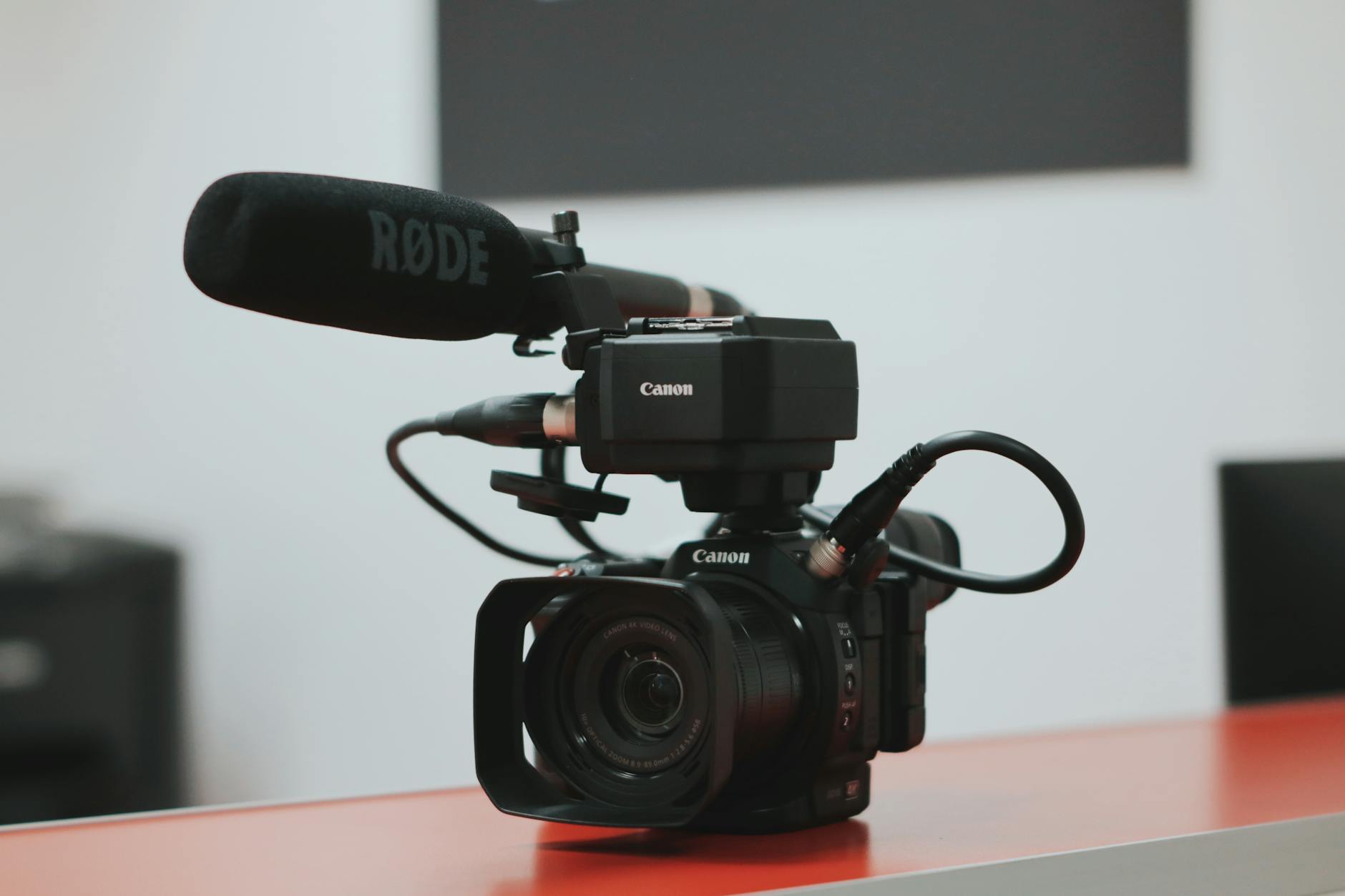
Utilizing a tripod ensures stability and consistency across shots, especially in low-light conditions. Bracketing multiple exposures and combining them through HDR (High Dynamic Range) techniques can further improve image quality, capturing both interior and exterior details effectively. These methods result in vibrant, balanced images that accurately reflect the property’s true appearance.
Ensuring Consistency and Branding in Property Photos
Establishing a consistent visual style across all property images reinforces a professional brand image. This includes standardized camera settings, composition styles, and editing protocols. Consistent lighting and color tone across listings create a unified look that enhances credibility.
High-quality property pictures serve as a crucial element of all marketing channels, from online listings to social media campaigns. They not only attract prospective buyers by showcasing the space effectively but also build trust through visual authenticity. Investing time and effort into mastering these photography techniques elevates the overall quality and effectiveness of real estate marketing strategies.
Legal and Ethical Considerations in Property Photography
When capturing property images, it’s essential to adhere to established guidelines that promote transparency and honesty. This involves accurately representing the property's condition, features, and surroundings without exaggeration or omission. Photographers should obtain necessary permissions for all images, especially when photographing shared spaces or neighboring properties, to respect privacy boundaries and proprietary rights.
Ensuring that photos do not mislead prospective buyers or tenants is a fundamental part of ethical property marketing. This includes avoiding the use of techniques that alter the true appearance of the property, such as excessive digital enhancement or deceptive staging that significantly changes the property's original state. Clear, authentic visuals foster trust and help buyers make informed decisions.
Another consideration is the consistency between images and the actual property. Discrepancies can lead to misunderstandings and dissatisfaction, ultimately harming the reputation of the listing agent or agency. Regularly reviewing and verifying images ensures they faithfully depict the current condition and features of the property.
By following accepted practices for property photography, professionals uphold integrity in real estate marketing. This approach not only optimizes promotional efforts but also cultivates credibility and long-term relationships within the market. Accurate, well-prepared images serve as a reliable foundation for all advertising channels, allowing potential buyers to visualize the property realistically and confidently.
Advanced Techniques for Showcasing Property Photos Effectively
Maximizing the visual appeal of property pictures involves more than capturing high-quality images; it requires strategic presentation and prompt integration across marketing channels. To truly harness the power of property photos, real estate professionals must focus on advanced presentation techniques that enhance viewer engagement and encourage prospective buyers or renters to take the next step.
Utilizing 3D Tours and Virtual Staging
Modern property marketing increasingly incorporates immersive visual tools such as 3D virtual tours and virtual staging. These technologies allow potential clients to virtually navigate through the space, gaining a realistic sense of layout and flow without physically visiting the property. Virtual staging replaces vacant or outdated furniture with contemporary, appealing furnishings accessible through digital means, providing viewers with a clearer vision of the property's potential. Implementing these features requires high-resolution images and detailed scanning, which professional property photographers should be equipped to provide.
Consistent Image Optimization for Each Platform
Different marketing channels have varying specifications for image dimensions and quality. Ensuring that property photos are optimized for each platform—websites, social media, mobile applications—maximizes visual clarity and load speed. This involves resizing images without sacrificing detail, compressing files for faster loading times, and applying appropriate metadata such as alt tags to improve search engine visibility. Professional photographers familiar with multi-platform requirements help ensure consistency in image presentation, reinforcing brand integrity across all marketing efforts.
Implementing Strategic Visual Sequencing
The order in which property photos are displayed can influence how viewers perceive the property. Starting with captivating exterior shots establishes eye-catching first impressions. Subsequent images should follow a logical progression—interior spaces, key features, unique architectural details—to tell a compelling visual story. This sequencing guides potential clients through the property’s most attractive aspects, maintaining interest and encouraging inquiries.
Integrating Photos with Digital Marketing Campaigns
Effective deployment of property images involves their strategic integration into various digital marketing initiatives, including email campaigns, online advertisements, and retargeting strategies. High-quality images can significantly increase click-through rates and user engagement. Embedding visually appealing photos into banner ads or social media posts ensures the property captures attention quickly and prompts further exploration. Consistent branding and compelling visuals are essential components of successful real estate marketing strategies.
Measuring Impact and Continuous Improvement
Tracking viewer engagement metrics—such as clicks, time spent on listing pages, and inquiry rates—helps evaluate the effectiveness of property images. Using this data, professionals can identify which visual elements resonate most with target audiences and adjust their photographic approaches accordingly. Regular reviews and updates of property photos also maintain the accuracy and freshness of listings, reflecting any changes in the property’s condition or features.