Importance of High-Quality Property Photos
In the competitive real estate market, compelling property photos are crucial in capturing the attention of prospective buyers and presenting a property’s best features. High-quality visuals serve as the initial point of contact for online listings, enticing viewers to explore further and schedule viewings. Excellent photography not only enhances a property's appeal but also communicates professionalism and attention to detail, fostering trust between sellers and potential buyers.
Professional property photos demonstrate the spatial arrangement, lighting, and unique characteristics of a home more effectively than amateur shots. They create an inviting first impression, showcase a property’s full potential, and can significantly influence the perceived value of the listing. In an environment where buyers often browse multiple listings daily, eye-catching photos can be decisive in prompting an inquiry or visit, ultimately accelerating the sales process.
Moreover, high-caliber images facilitate better online marketing strategies. They are essential for creating engaging listings on MLS platforms and social media channels, increasing visibility, and reaching a broader audience. Accurate, high-resolution photos help set realistic expectations and provide buyers with an authentic view of the property, reducing the likelihood of discrepancies that could lead to dissatisfaction or delays.
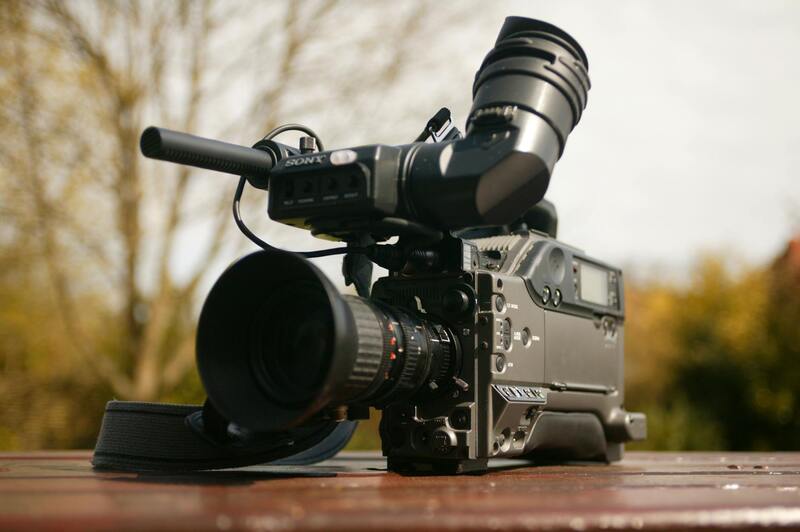
Investing in professional property photography is a proven method to differentiate listings and maximize marketing impact. Whether selling a luxury estate, a cozy apartment, or a commercial space, the quality of property photos directly influences the level of interest and the speed at which a property moves through the sales funnel. This makes high-grade imagery an indispensable component of an effective real estate marketing strategy.
Choosing the Right Equipment and Techniques
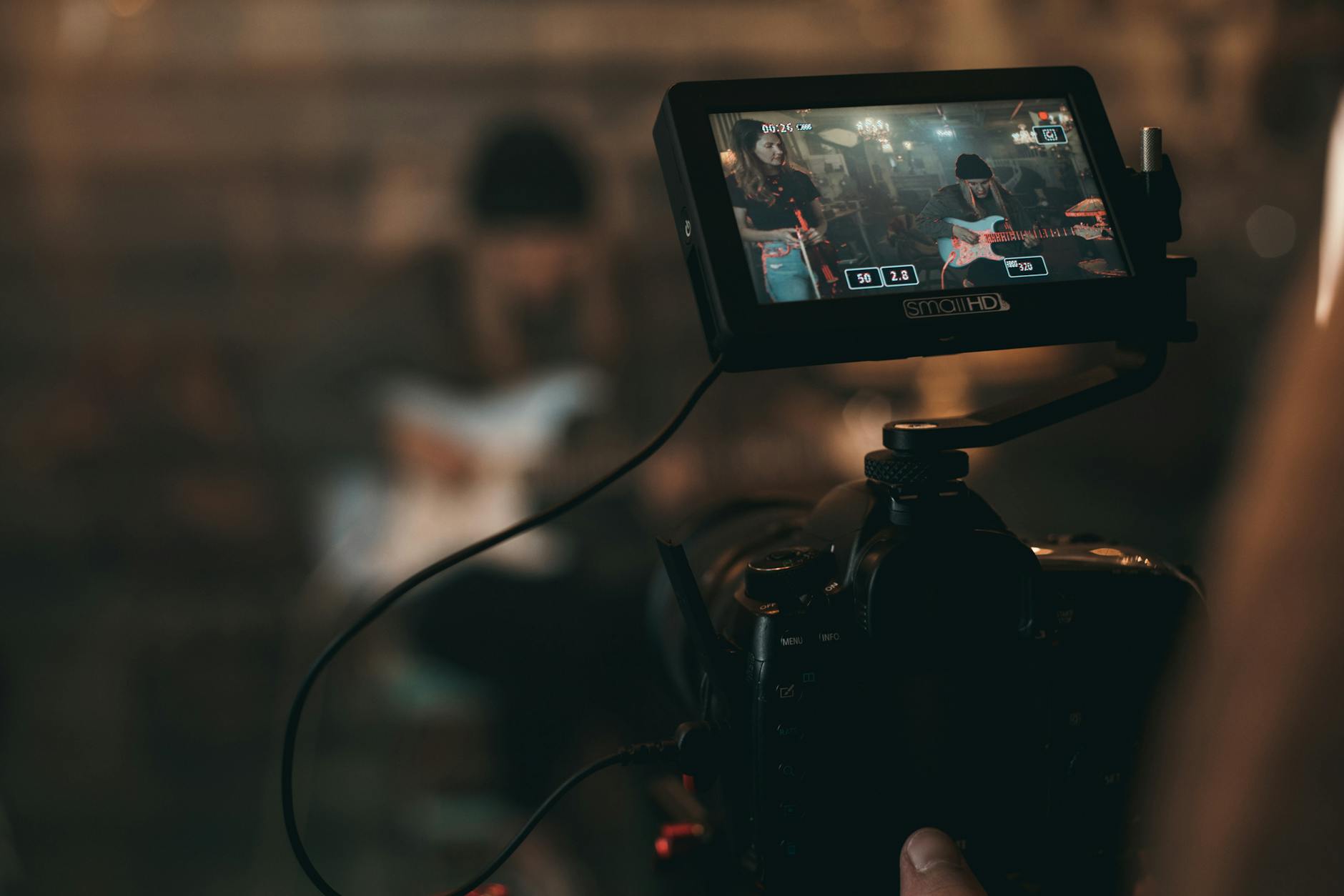
Achieving high-quality property photos begins with selecting appropriate equipment and applying effective techniques. Professional-grade DSLR or mirrorless cameras are preferred, as they offer superior image quality, control over settings, and versatility in various lighting conditions. Wide-angle lenses are essential to capture the full scope of rooms, making spaces appear more spacious and inviting without distortion.
Proper lighting plays a critical role in producing appealing images. Utilizing natural light by scheduling shoots during daylight hours can effectively highlight a property’s features. Supplementing with external flashes or strobe lighting ensures evenly lit interiors, eliminating shadows that diminish the visual appeal. Reflectors and diffusers help control glare and soften direct light, producing a balanced and professional look.
Employing techniques such as HDR (High Dynamic Range) imaging enables capturing detailed shadows and highlights, especially in areas with contrasting lighting conditions. Precise camera settings—like a narrow aperture for deep focus, correct ISO levels to reduce noise, and a tripod to ensure stability—are fundamental in producing sharp images. A steady hand and careful attention to framing help avoid distortions and emphasize the property's best attributes.
Preparing a Property for Photography
Before photographing a property, thorough preparation is key. Decluttering and organizing spaces ensure the property appears tidy and welcoming. Removing personal items, excess furniture, and clutter helps potential buyers focus on the property's features rather than distractions. Deep cleaning carpets, windows, and surfaces enhances the overall appearance and reflects care and maintenance.
Staging plays a vital role in making rooms look more appealing. Arranging furniture to maximize space, adding fresh linens, and incorporating tasteful decor can create a warm, inviting atmosphere. Open curtains and blinds to maximize natural light, which significantly improves photo quality. Ensuring all light fixtures are functional and turned on contributes to bright, airy images thatHighlight the property’s potential.

Best Angles and Composition for Property Photos
Finding the optimal angles involves shooting from corners to capture the full depth and dimension of rooms. Eye level is typically ideal for most shots, as it presents spaces as they would appear from the visitor’s perspective. Wide-angle shots should be used cautiously to avoid distortion, focusing on showcasing the room’s size and flow.
Emphasizing architectural features, such as high ceilings, fireplaces, or unique moldings, adds character to images. Composition techniques like the rule of thirds can guide framing, creating balanced and engaging visuals. Including elements that convey scale, such as a piece of furniture or a person, helps viewers assess proportions and spatial relationships.
Editing and Post-Processing of Property Photos
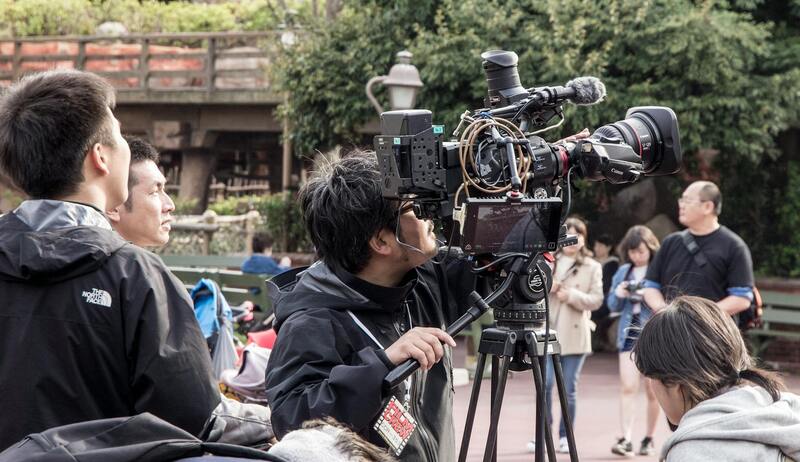
Post-processing enhances the overall quality of property images. Basic adjustments to brightness, contrast, and color balance correct any issues from shooting conditions. Removing minor imperfections, such as spots or distractions, helps present the property in its best light.
Advanced techniques like panoramic stitching can combine multiple images to create wide, comprehensive views of large spaces. Ensuring consistency in color grading across photos maintains a uniform look throughout the listing. It’s essential to retain an authentic and true representation of the space, avoiding over-editing that could mislead potential buyers.
Optimizing Photos for Online Listings
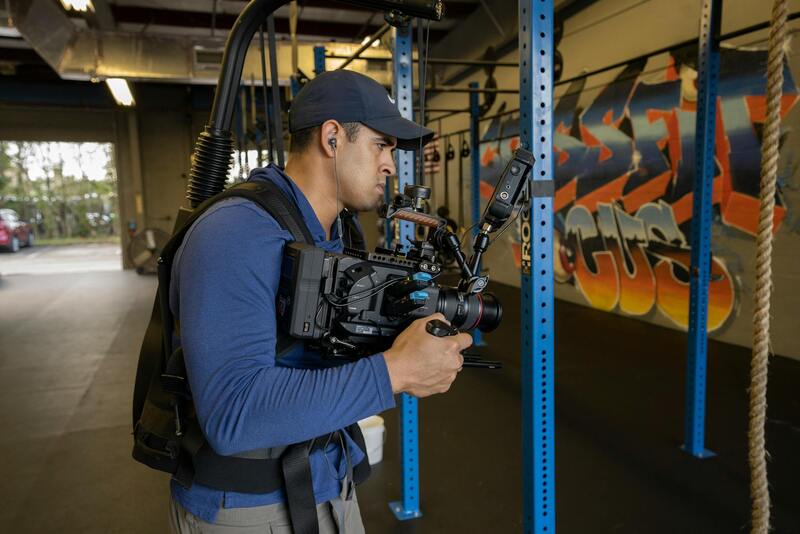
Optimizing images for online platforms involves resizing and compressing photos to balance quality and loading speed. High-resolution images should be used for website galleries, ensuring clarity when viewed on desktops and tablets. For mobile listings, appropriately scaled images reduce load times, providing a seamless browsing experience.
Adhering to the recommended aspect ratios ensures images display correctly across different devices. Captions, tags, and keywords embedded within images enhance search engine visibility. Adding descriptive, keyword-rich filenames further supports online discoverability, making it easier for potential buyers to find listings.
Legal Considerations and Permissions
When photographing a property, obtaining necessary permissions from owners or tenants is crucial. This ensures compliance with property rights and prevents any misunderstandings during the marketing process. Clearly communicating the purpose of the photographs and securing written consent safeguards all parties involved.
It is important to respect privacy by avoiding images of personal belongings or sensitive information. Ensuring that all individuals featured in photographs have given their approval is a professional best practice. Familiarity with local regulations regarding property images helps avoid inadvertent violations and maintains high ethical standards in marketing practices.
Working with a Property Photography Service in Miami
Partnering with experienced property photography services specialized in Miami’s real estate market can streamline the process and ensure top-tier results. These professionals possess local knowledge, equipped with the latest gear and technical expertise to capture properties effectively. They understand the nuances of lighting, staging, and composition critical for the Miami market, whether it's luxury condos or waterfront estates.
Collaborating with a dedicated team allows for tailored services, including scheduling shoots at optimal times, post-processing to enhance appeal, and providing guidance on staging or preparation. Their expertise ensures that every image aligns with the property’s unique features and the target audience’s expectations, resulting in listings that stand out and attract qualified buyers.
Choosing the Right Equipment and Techniques
Professional property photographs depend heavily on the selection of appropriate equipment and mastery of effective photography techniques. High-quality images are achievable through the use of professional-grade cameras with high-resolution sensors, which capture intricate details and vibrant colors that make listings more appealing. Wide-angle lenses are essential for showcasing large spaces and giving potential buyers a comprehensive view of each room, making interiors appear more spacious and inviting.
Advanced lighting equipment, such as diffusers, softboxes, and portable flashes, are critical components that prevent unflattering shadows and highlight the property's best features. Proper lighting ensures that rooms appear bright, warm, and welcoming. Natural light, when available, can be complemented with artificial lighting to achieve a balanced indoor ambiance, accentuating architectural details and spatial dimensions.
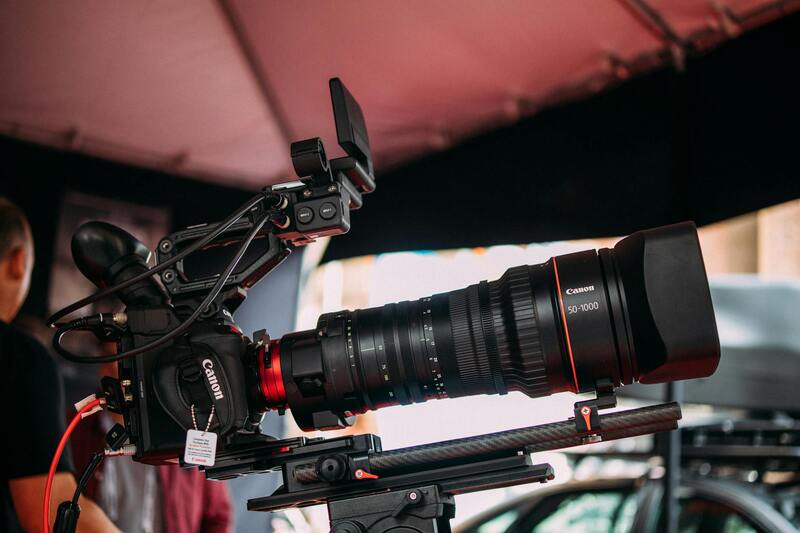
Utilizing tripod stabilizers helps achieve sharp images devoid of blurriness, especially in low-light scenarios. Additionally, employing drone photography can provide stunning aerial views that showcase a property's surrounding landscape or unique exterior features, particularly advantageous for waterfront estates or large acreage properties. Techniques such as strategic composition, proper framing, and the rule of thirds work together to create visually compelling images that guide the viewer's eye across the property.
Post-processing plays a pivotal role in fine-tuning images for maximum impact. Adjustments in brightness, contrast, and color balance can enhance clarity and realism. Corrections for distortion caused by wide-angle lenses are crucial to maintaining accurate representations of spaces without exaggerated perspectives. Employing subtle editing techniques ensures that property photos remain authentic yet compelling, elevating the property's visual narrative without misrepresentation.
In today’s competitive Miami real estate market, leveraging the latest technology and skilled photography techniques helps create memorable images that resonate with prospective buyers. Combining high-end equipment with a deep understanding of architectural aesthetics and lighting conditions ensures that each property is presented in its best light, making it easier to generate interest and facilitate quicker sales.
Best Angles and Composition for Property Photos
Achieving stunning property photos hinges on selecting the most effective angles and mastering composition techniques that highlight a property's best features. To start, photographing each room from a corner angle often provides a sense of depth, making interiors appear larger and more inviting. These vantage points also minimize distortion and help showcase architectural details authentically.
Utilizing a wide-angle lens is particularly advantageous for interior shots, as it captures more of the space in a single frame. When employing this equipment, it's essential to keep the camera level and aligned to maintain proportionality and avoid skewed perspectives. Proper framing ensures that focal points such as fireplaces, kitchen islands, or scenic windows are positioned according to the rule of thirds— a fundamental principle that guides viewers' eyes naturally across the image.
Exterior shots benefit from capturing the main facade from different angles, including front and side perspectives that exhibit curb appeal. Elevation shots from higher vantage points, such as drone photography, can illustrate the property's surroundings and landscape features, adding depth and context. When composing for aerial views, attention to symmetry and the balance between the property and its environment reinforces visual harmony.
In addition to framing and vantage points, ensuring the vertical lines of walls and doors are straight is crucial for professional-quality images. This can often be achieved by correcting lens distortion during post-processing or using specialized camera equipment designed to minimize perspective issues. Combining these strategic shooting techniques with an eye for symmetry and balance results in compelling images that showcase a property’s true potential.
Ensuring Image Accuracy and Enhancing Visual Impact
High-quality property photos are vital in creating an accurate representation of a property’s features and overall appeal. To achieve this, photographers often utilize advanced editing techniques that enhance the natural lighting, correct color imbalance, and fine-tune details without misrepresenting the property's true appearance. Effective editing ensures that interior spaces appear bright, spacious, and inviting, which can significantly influence potential buyers' perceptions.
Beyond basic corrections, professional photo editing includes removing distracting elements such as clutter or imperfections that might detract from the property's aesthetic appeal. Adjustments in brightness, contrast, and sharpness help in highlighting architectural details and emphasizing unique features that differentiate the property in a competitive real estate market. Proper editing guarantees that images are crisp, vibrant, and visually compelling, encouraging viewers to engage more deeply with the listing.
Implementing subtle HDR (High Dynamic Range) techniques can enhance lighting and shadows, providing a more balanced and dynamic image especially in challenging lighting conditions. Notably, avoiding over-processing is crucial to maintain a faithful representation of the property, which helps in building trust with potential buyers and ensuring transparency in the marketing process.
In the context of online listings, properly optimized property photos are essential for attracting interest and encouraging viewings. High-resolution images paired with strategic editing can highlight a property's best features, create an emotional connection, and evoke a sense of lifestyle that appeals to targeted buyers. Consistent, professional editing elevates the overall quality of property marketing visuals and plays a critical role in visual storytelling.
By adhering to high standards in editing and post-production, real estate professionals in Miami can ensure that each property’s unique characteristics are exemplified effectively, ultimately increasing the property’s marketability and speeding up the sales process.
Legal Considerations and Permissions
When capturing professional property photos in Miami, securing the necessary permissions is a vital part of the process. This involves obtaining consent from property owners or authorized representatives before any photography begins. Clear communication regarding the scope of the shoot, intended use of images, and specific areas to be photographed ensures transparency and respect for privacy. Additionally, if the property is tenant-occupied, it’s important to coordinate with tenants to schedule sessions at mutually convenient times, reducing disruptions and ensuring all parties are comfortable.
In some cases, particularly with multi-unit buildings or properties within gated communities, specific permissions or access approvals may be required from homeowners' associations or property management. Respecting signage prohibiting photography or restricted access areas safeguards against potential misunderstandings. Having written agreements that specify usage rights can prevent disputes, clearly outlining how images may be used in marketing materials, online listings, and promotional campaigns.
In the Miami real estate market, adhering to these procedures affirms professionalism and helps maintain strong relationships with property owners and stakeholders. A proactive approach to permissions also streamlines the workflow, reducing delays and ensuring a smooth shoot process. Remember, thorough permission handling not only insulates the photographer from potential complications but also reinforces the integrity of the marketing efforts.
Working with a Property Photography Service in Miami
Partnering with a specialized property photography service can significantly enhance the quality and efficiency of real estate marketing endeavors. Professional services bring together skilled photographers, advanced equipment, and industry insights that are essential for capturing compelling property images. In Miami, where competitive markets demand standout visuals, working with experienced photographers ensures each shot highlights the property’s unique features effectively.
A trusted property photography partner will typically follow a standardized process: initial consultation to understand the property’s key selling points, scheduling at optimal times for lighting conditions, and executing a comprehensive shoot that includes interior, exterior, and aerial shots if needed. Their expertise often extends to advising on staging, weather considerations, and ideal times of day to capture the property at its best.
Moreover, established Miami-based property photography services are familiar with local regulations and community guidelines, ensuring compliance and smooth access. They understand the nuances of Miami’s diverse architecture and landscape, which allows them to tailor their techniques accordingly.
Post-shoot, these professionals deliver high-resolution images suitable for multiple platforms, ensuring consistency across listings. They also typically offer editing and retouching services to refine images without compromising authenticity. Collaborating with such specialized providers not only elevates the visual appeal of a property but also streamlines the entire marketing process, ultimately attracting more potential buyers and accelerating sales cycles.
Legal Considerations and Permissions
When capturing property photos for real estate listings, navigate the process by obtaining all necessary permissions beforehand. This typically involves securing consent from property owners or authorized representatives to ensure that the photography sessions align with their expectations and legal standards. Clear communication establishes an understanding of the scope of work, specific areas to highlight, and any restrictions that may apply.
In residential settings, it’s important to confirm with homeowners or tenants about access requirements, especially if the shoot involves shared spaces or private areas. For commercial properties, ensure that lease agreements or property management approvals are in place to prevent any disruptions or misunderstandings.
Additionally, respect guest privacy and avoid capturing images of individuals without their consent. This is particularly relevant when photographing properties in busy neighborhoods, common areas, or public spaces adjacent to the property. Employ signage if necessary to alert neighbors or passersby about the photography session.
Familiarity with local regulations related to drone photography is also essential. If utilizing aerial shots, obtain the required permits or authorizations from relevant authorities, and adhere to any altitude restrictions or flight paths established in Miami. This approach not only conforms with regional guidelines but also enhances safety and professionalism during the shoot.
It’s advisable to review and document all permissions and approvals in writing. Such records serve as proof of compliance and can mitigate potential disputes or concerns that might arise during or after the photography process.

Finally, integrating a checklist of necessary permissions, safety measures, and legal considerations into your planning process helps streamline the project. By prioritizing these elements, property marketers and photographers can focus on producing compelling visuals that genuinely represent a property’s appeal, fostering trust with clients and viewers alike.
Legal Considerations and Permissions
Securing proper permissions is paramount when conducting property photography to ensure the process proceeds without interruptions or complications. This involves understanding the nuances of property access rights, especially when photographing private residences versus public spaces. For private property shoots, it is essential to obtain explicit consent from property owners or authorized representatives prior to any photographic activity. This not only respects property rights but also fosters a cooperative environment, facilitating smooth operations and minimizing disputes.
In cases where the property features common areas, shared spaces, or communal facilities, coordinating with management or homeowners' associations can streamline access and confirm compliance with community guidelines. Written agreements or approvals should be documented carefully, creating a clear record that can be referenced if questions arise later.
When aerial photography or drone imagery is involved, the importance of adhering to local regulations becomes evident. Permits or specific authorizations from relevant authorities are often required to operate drones in designated areas. These might include restrictions on altitude, flight zones, or times of day permissible for aerial shots. Abiding by these regulations ensures safety, respects the privacy of neighboring properties, and upholds the professionalism of the project.
Maintaining a comprehensive record of permissions, approvals, and communication provides tangible proof of compliance. This documentation can be invaluable in case of future inquiries or disputes and demonstrates diligent adherence to established protocols. To facilitate this process, compiling a checklist that covers all required permits, consent forms, and safety measures streamlines the preparation phase, allowing photographers and property owners to focus on capturing compelling visuals.
Proactively addressing legal considerations reduces the risk of disruptions, enhances professionalism, and helps build trust with clients and stakeholders. By respecting property rights and collaborating transparently with involved parties, property photos can be obtained efficiently and ethically, ultimately elevating the quality and credibility of the visual presentation.