Understanding the Importance of Property Photography
In the dynamic and highly competitive Miami real estate market, the significance of high-quality property photography cannot be overstated. Professional images serve as the digital storefront for properties, capturing their unique features and environment in a manner that appeals directly to prospective buyers. When potential buyers browse online listings, visually compelling photographs are often the first interaction they have with a property, making them crucial in generating interest and encouraging viewings.
Effective property photography enhances a listing’s visibility, helping it stand out amid numerous competitors. It influences buyer perceptions by accurately representing the property's size, condition, and ambiance, which can significantly impact their decision-making process. Well-executed images foster trust, convey professionalism, and demonstrate that the listing owner or agent values quality and attention to detail. This perception can lead to faster sale cycles and potentially higher offers, especially in Miami’s vibrant real estate scene where first impressions matter immensely.
Moreover, the right photography highlights the property's best features, whether it’s a panoramic Miami skyline view, a luxurious pool, or an inviting open-plan living area. This visual storytelling helps buyers envision themselves living in the space, creating an emotional connection that can hasten negotiations. With Internet platforms being the primary avenue for property searches, compelling imagery is essential in attracting traffic and converting online interest into actual viewings and sales.
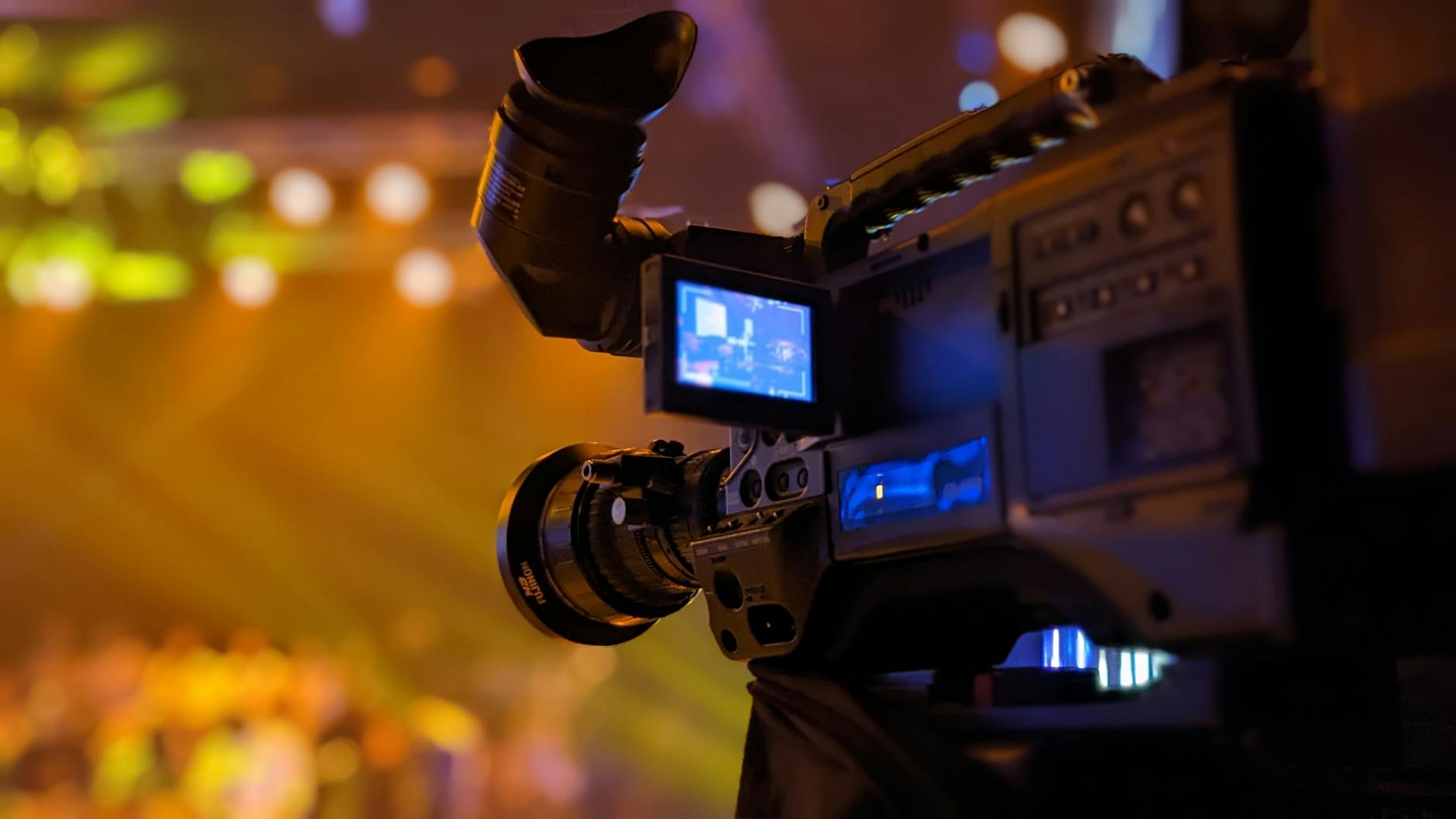
In essence, professional property photography acts as a catalyst in the real estate process, dramatically influencing the effectiveness of marketing efforts, the speed of sales, and the overall value realized by sellers. It is a strategic investment that aligns with Miami's fast-paced, image-conscious property landscape, providing a tangible edge in securing interested buyers and closing deals efficiently.
Choosing the Right Equipment and Techniques
Achieving high-quality property images requires selecting appropriate equipment tailored to real estate photography. Professional-grade digital cameras with full-frame sensors are preferred for capturing detailed and vibrant imagery, especially when photographing spaces with complex lighting conditions common in Miami properties. High-resolution sensors ensure that images remain crisp and clear across various display sizes, making them suitable for print and digital marketing campaigns.
Lenses play a critical role; wide-angle lenses, typically ranging from 14mm to 24mm, allow photographers to capture expansive room views, emphasizing space and flow. These lenses help exclude distracting elements and focus on the property's key features, creating an inviting atmosphere that resonates with prospective buyers.
Tripods are essential to stabilize camera setup, especially in interior spaces where lighting may be limited. Proper stabilization prevents blurriness and allows for longer exposure times, which can enhance lighting without increasing ISO levels that introduce noise.
Additional accessories like remote shutter releases minimize camera shake, ensuring sharp captures. For exterior shots, drones provide aerial perspectives that showcase sprawling Miami estates, waterfront views, or lush gardens from a broader vantage point.
In terms of techniques, mastering HDR (High Dynamic Range) imaging can significantly improve image quality by balancing bright outdoor skies with interior lighting, providing a faithful representation of the property's ambiance. Bracketing multiple exposures and blending them in post-processing can produce visually compelling images that capture all details without overexposure or underexposure.
Lighting is a fundamental element; utilizing natural light when available, especially during the golden hour, enhances the property's appeal. In spaces with limited sunlight, supplementary lighting or reflectors can help fill shadows and create a warm, welcoming glow.
For Miami properties, showcasing outdoor living areas and scenic views demands meticulous attention to timing, equipment, and technique. Properly executed photography not only highlights exceptional features but also aligns with the aesthetic expectations of an international clientele drawn to the city's vibrant lifestyle.
Choosing the Right Equipment and Techniques
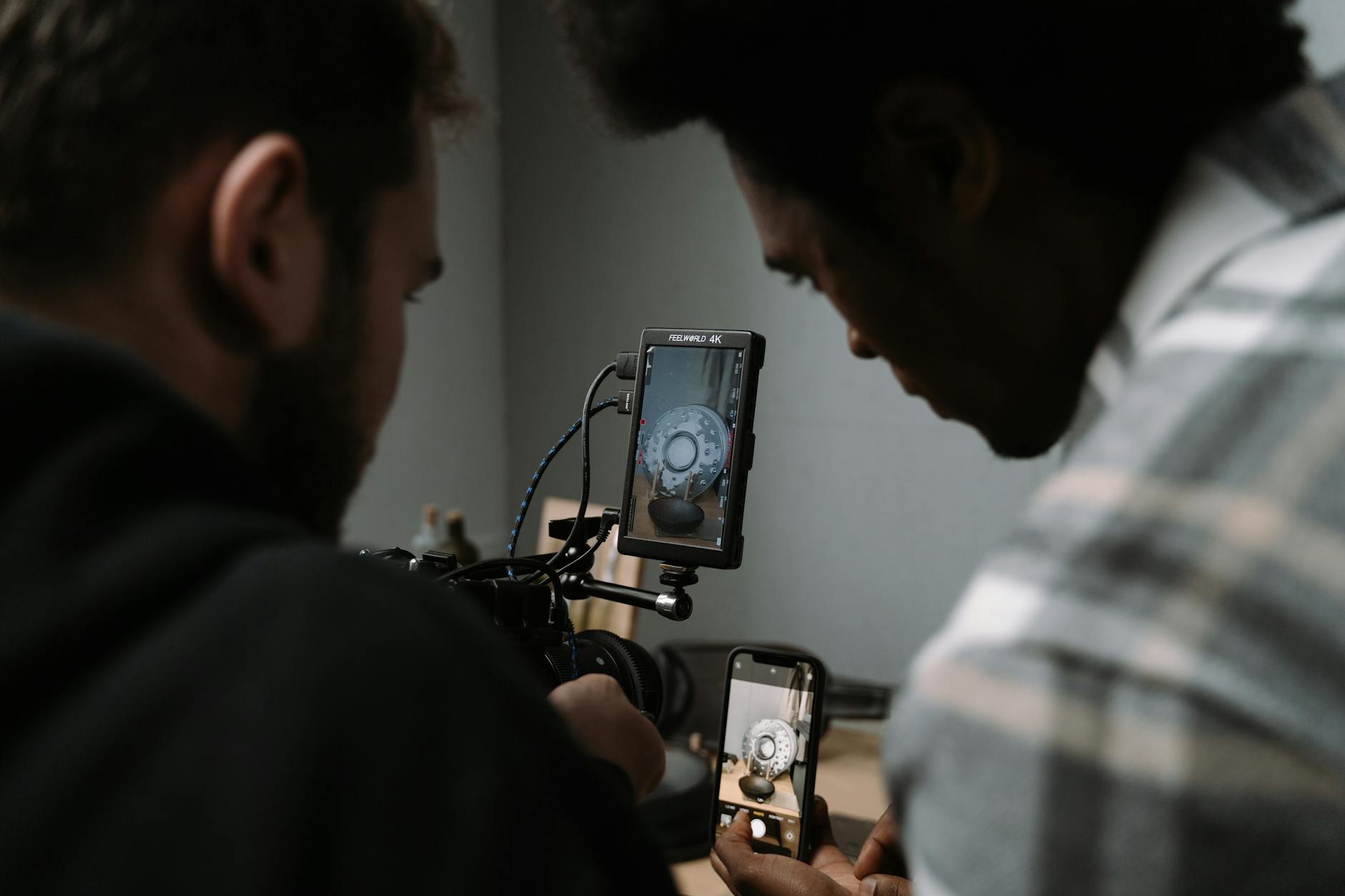
For property photography in Miami, selecting appropriate equipment is crucial to capture stunning visuals that highlight the property's best features. A high-resolution digital single-lens reflex (DSLR) or mirrorless camera offers the clarity and detail necessary for professional-quality images. Opting for cameras with full-frame sensors enhances light sensitivity and depth of field, essential for creating vibrant and sharp photographs.
The choice of lenses significantly impacts the composition. Wide-angle lenses, typically ranging from 14mm to 24mm, allow photographers to capture expansive interior spaces and exterior landscapes without distortion, making rooms appear more spacious and inviting. Tilt-shift lenses can also be employed to correct perspective distortions, especially for rooms with high ceilings or unique architectural elements.
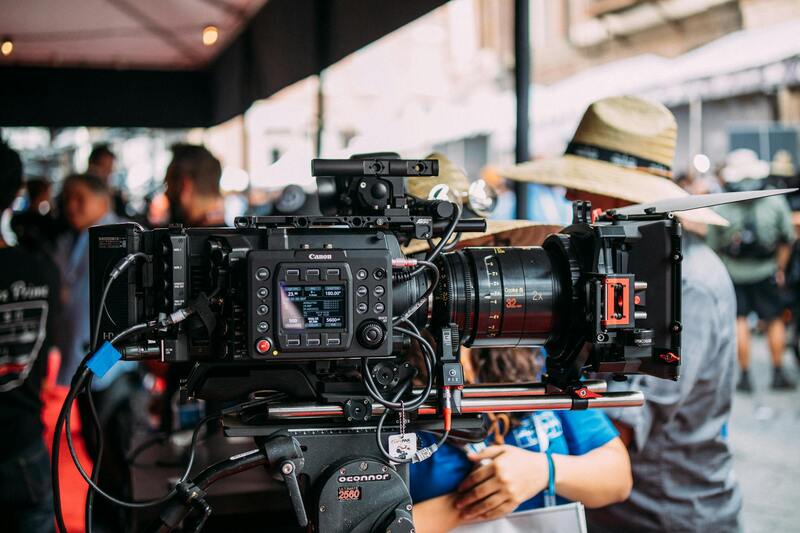
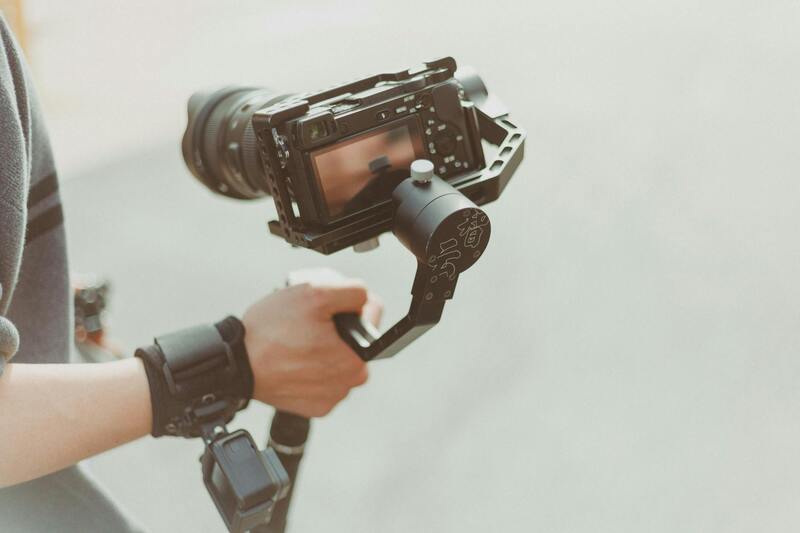
Utilizing a sturdy tripod stabilizes the camera during longer exposures, vital for low-light conditions or capturing HDR images. Additionally, remote shutter releases or timer functions minimize vibrations, ensuring crisp images. When photographing exterior views or waterfront properties, drone photography becomes an invaluable tool, providing aerial perspectives that showcase the property's surroundings, landscape, and scale effectively.
Shooting techniques extend beyond equipment choice. Mastery of exposure settings allows for balanced lighting, especially when dealing with mixed lighting environments like interior spaces with large windows or outdoor vistas. Bracketing multiple exposures and blending them through high dynamic range (HDR) processing ensures details are preserved both inside and out, creating a more accurate visual experience.
Timing is also vital; shooting during the golden hour yields warm, inviting light that accentuates textures and colors. For indoor shots, maximizing natural light and supplementing with professional lighting or reflectors helps eliminate shadows and creates a welcoming ambiance.
Effective property photography hinges on combining the right equipment with precise techniques. This integrated approach results in images that not only capture the property’s physical features but also evoke the lifestyle and atmosphere that Miami real estate offers to potential buyers and investors.
Post-Processing and Editing for Professional Results
After capturing the initial images of Miami properties, the next vital step involves meticulous post-processing to enhance visual appeal while maintaining authenticity. High-quality editing ensures that each photograph accurately reflects the property's features and atmosphere, appealing to potential buyers or investors.
Begin with basic adjustments such as correcting white balance, contrast, and exposure. Proper white balance ensures the colors are true to life, preventing images from appearing overly warm or cool, which could misrepresent the property's actual look. Enhancing contrast and clarity brings out architectural details and textures, making surfaces and features more prominent.
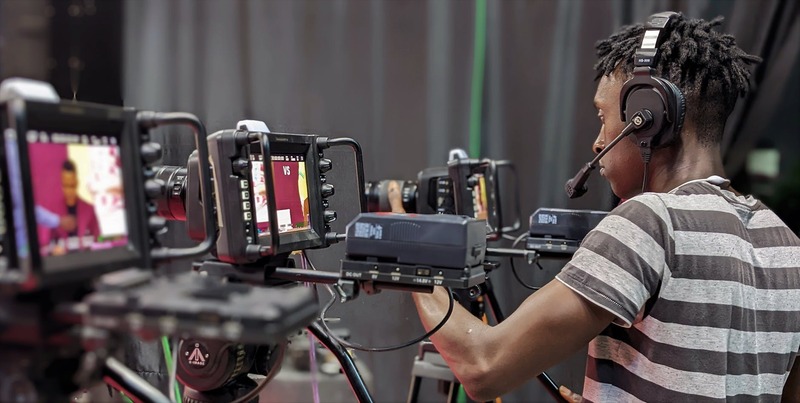
Advanced techniques involve noise reduction for sharper details, especially in low-light images or interior shots taken at higher ISO settings. Dodge and burn tools can selectively highlight key areas, drawing viewers’ attention to focal points like a modern kitchen or expansive waterfront views. Correcting lens distortion and verticals ensures architectural elements appear true to form, avoiding a skewed perspective that could mislead viewers.
Additionally, applying subtle vignettes can help draw the eye inward, emphasizing the property’s features without overwhelming viewers. When necessary, local adjustments like color correction or retouching minor imperfections can further refine images, making spaces look clean, spacious, and inviting.
It is crucial, however, to strike a balance. Over-edited photos risk deviating from authenticity, which can lead to misunderstandings and dissatisfaction among clients. The goal is to produce images that are both visually impressive and representative, helping potential buyers envision themselves within the space.
Employing professional editing software, like Adobe Lightroom or Photoshop, allows for precise control over every aspect of an image. Collaborating with skilled photo editors familiar with property photography ensures the final images align with marketing strategies while consistently demonstrating technical excellence.
High-quality post-processing not only improves visual appeal but also plays a role in optimizing images for various online platforms. Cropping for different aspect ratios, compressing file sizes for faster loading, and adding watermarks or branding elements are important considerations when preparing photos for online distribution. Properly processed images can significantly elevate a property's online presence, attracting more views and inquiries from prospective clients.
Implementing Authentic and Clear Property Photography Practices
When capturing property images, practitioners must adhere to standards that ensure photographs accurately represent the property, fostering trust and transparency with potential buyers. Using high-quality, professional-grade cameras equipped with wide-angle lenses helps in showcasing the full scope of interior spaces without distortion. Maintaining proper lighting is vital; ample natural light should be prioritized, supplemented by professional lighting setups when natural sources are insufficient. Properly balanced exposure and accurate white balance settings ensure images reflect true colors and details, preventing misrepresentation.
Consistency across all images is also crucial. Uniform color tones, lighting, and perspective create a coherent viewing experience that aligns with the property's characteristics. Using image calibration tools and consistent shooting parameters helps maintain this uniformity, ultimately making online listings more appealing and trustworthy. When staged correctly, spaces appear inviting and realistic, giving prospective buyers an honest impression that influences their interest and confidence in the listing.
Ensuring Ethical Representation through Editing and Post-Processing
Post-processing should enhance, not distort, the property's features. Adjustments such as correcting exposure, adjusting contrast, and refining sharpness help bring out visual clarity. Minor retouches to eliminate distracting elements, like small blemishes or clutter, can be performed with subtlety, ensuring the image remains an honest depiction of the space. It is important that enhancements do not alter the fundamental layout or size perceptions of rooms, maintaining integrity in the presentation.
Utilizing tools like Adobe Lightroom or Photoshop allows for precise adjustments that improve overall image quality, such as color correction and noise reduction. These ensure photographs appeal to viewers while preserving authenticity. Consistency across all listing photos should be maintained, creating a professional and reliable portfolio that reflects the true characteristics of each property. This disciplined approach to editing solidifies trust with clients and supports effective marketing efforts.
Implementing Ethical Industry Practices
It is essential that property photography adheres to established industry practices that prioritize honesty and transparency. This includes avoiding overly aggressive photo editing that could mislead viewers about the size or condition of a property. When capturing images, documenting the conditions and features of a property with meticulous detail can serve as a reference in case of discrepancies. Maintaining accuracy in angles, perspectives, and lighting ensures that the online presentation aligns closely with the actual property.
By committing to these standards, photographers build a reputation for integrity and professionalism. Compliant practices foster a positive relationship with clients and real estate professionals, supporting long-term success in the competitive Miami property market. Ultimately, the aim is to provide prospective buyers with a clear, truthful visual narrative of each property, facilitating informed decision-making and promoting satisfaction for all parties involved.
Legal and Ethical Considerations in Property Photography
In the realm of property photography, adhering to industry standards and ethical practices is essential for establishing credibility and trust with clients and prospective buyers. Clear and honest depiction of properties ensures that visual representations accurately reflect the true condition and features of each space. This integrity not only enhances the reputation of the photographer but also sustains the overall professionalism of the real estate marketing process.
One of the fundamental aspects involves meticulous documentation of property details during the shoot. Photographers should capture multiple angles and views that collectively showcase the property's layout, size, and noteworthy features without distortion or misrepresentation. Maintaining consistent lighting and perspective helps prevent viewers from forming inaccurate perceptions about the space's dimensions or ambiance.
Visual honesty extends to editing practices as well. While post-processing enhances image quality and highlights key features, it should be performed conservatively to preserve the authenticity of the property. Overly manipulated images that exaggerate size or conceal flaws can mislead potential buyers and undermine trust when discrepancies are revealed upon physical viewings.
In addition to honest representation, respecting privacy and obtaining proper permissions is vital. Photographers should always secure consent before photographing properties. When capturing interiors, sensitive areas or occupants' belongings should be appropriately addressed to avoid discomfort or privacy violations. For exterior shots, respecting neighboring properties and public access points is equally important to maintain professionalism and ethical standards.
Another critical aspect involves transparency about the capabilities and limitations of the photography. Clear communication with clients about what can be achieved through different techniques ensures realistic expectations and fosters a cooperative relationship. This includes discussing the scope of work, potential for virtual tours, and any post-processing considerations.
By integrating these principles into their workflow, property photographers contribute to a trustworthy, transparent, and professional property marketing environment. Such standards help differentiate high-quality services and build lasting relationships with clients and real estate professionals, essential for sustained success within competitive Miami markets.
Legal and Ethical Considerations in Property Photography
When engaging in property photography in Miami, adhering to established standards ensures a respectful and professional approach. Securing explicit permissions before photographing a property is fundamental. This involves obtaining consent from property owners or tenants to avoid misunderstandings and to maintain transparency. Photographers must also be cognizant of privacy concerns, particularly when capturing interiors that may include personal belongings or sensitive areas. It's essential to avoid photographing or sharing images that could infringe on individual privacy rights or reveal confidential information.
Another critical aspect involves managing copyright and intellectual property rights. Photographers should clarify ownership of the images upon delivery, ensuring clients understand how their photos can be used and stored. Proper documentation and licensing help prevent disputes and reinforce the professional nature of the service provided.
In the Miami real estate landscape, where competition is fierce, maintaining an ethical stance in property photography builds trust with clients and stakeholders. It demonstrates a commitment to integrity and fosters long-term professional relationships. Furthermore, understanding local regulations related to drone photography, access rights to certain areas, and restrictions during certain times of day can prevent complications and ensure smooth operations. Staying informed about these considerations allows photographers to navigate cases where certain shots or methods may have limitations, ultimately producing high-quality images within legal boundaries.
By aligning practices with established guidelines and always prioritizing respectful, honest interactions, property photographers in Miami can elevate their service quality while safeguarding their reputation. This disciplined approach not only enhances the perceived value of their work but also supports the broader goal of transparent, ethical marketing within the real estate industry.
In sum, adhering to legal and ethical standards ensures that property photography remains a trusted component of real estate marketing, helps mitigate potential conflicts, and underscores the photographer's professionalism. Such diligence is essential for maintaining a reputable business and satisfying the expectations of clients, property owners, and prospective buyers alike.
Legal and Ethical Considerations in Property Photography
Ensuring that property photography is conducted within established legal and ethical frameworks is fundamental to professional integrity and long-term success in the real estate industry. This involves respecting privacy rights, securing proper permissions, and understanding the nuances of using equipment such as drones or advanced camera systems within designated guidelines. Photographers must be vigilant about property access; obtaining explicit consent from property owners or authorized representatives prior to scheduling shoots helps prevent unauthorized entry or trespassing, which could lead to disputes or reputational damage.
It is equally important to be aware of restrictions on certain imagery that may be sensitive or private, such as interiors with personal belongings or features that could infringe on privacy. When using aerial photography or drones, adherence to local airspace regulations and flight restrictions helps avoid potential conflicts. Additionally, photographers should restrict their sessions to appropriate times of day, particularly when interior lighting might be disrupted or when outside conditions could compromise the quality of the images.
Maintaining transparency with clients about the scope of work, scope of editing, and usage rights for images fosters trust and confidence. This openness ensures all parties are aligned on expectations and minimizes misunderstandings. Beyond technical practices, cultivating professionalism by being punctual, respectful, and discreet during shoots further solidifies a reputation built on integrity.
Photographers should also stay informed of evolving standards and best practices within the industry. Regularly reviewing updates on property access, privacy, and aerial operation guidelines allows them to adapt proactively. By carefully balancing creative vision with responsible conduct, property photographers in Miami can provide exceptional visual content that aligns with legal standards while building a trustworthy professional stature. This diligent approach not only protects the interests of clients and property owners but also enhances the overall credibility of the property marketing process.