Importance of High-Quality Realtor Photos
In the competitive Miami real estate market, the presentation of a property significantly influences buyer interest and engagement. High-quality realtor photos serve as the visual cornerstone of effective property marketing, capturing the essence and appeal of a residence in a way that words alone cannot achieve. Potential buyers often form their first impression of a property based on images they view online, making professional photography a vital component of a successful listing strategy.
Exceptional photos not only attract more inquiries but also enhance the perceived value of the property. They enable realtors to highlight key features, showcase spacious interiors, and present properties in the best possible light, both literally and figuratively. In Miami's vibrant market, where luxury and aesthetics are highly valued, the role of professional realtor images becomes even more critical. These images serve as a digital showcase, creating an emotional connection with prospective buyers and guiding them toward making a purchase decision.
Moreover, polished photos help establish credibility and professionalism for real estate agents. High-quality imagery reassures clients that the agent is serious about marketing their property effectively, fostering trust and satisfaction. In a market as diverse and fast-paced as Miami, where unique properties ranging from luxury condos to sprawling estates are constantly on the market, the importance of capturing high-quality images cannot be overstated. They serve as a powerful marketing tool that differentiates listings from competitors, maximizes online exposure, and ultimately accelerates sales cycles.
Investing in professional realtor photography, therefore, is not merely an aesthetic choice but a strategic move that significantly impacts sales success. It ensures properties receive the attention they deserve in the crowded Miami market, enhances online listings, and helps realtors establish a reputation for marketing excellence. The visual appeal created through high-quality images bridges the gap between online browsing and in-person viewings, often making the difference between a missed opportunity and a sold property.
Choosing the Right Photography Equipment and Techniques
For real estate professionals aiming to capture compelling images that resonate with prospective buyers, selecting the appropriate photography equipment and mastering advanced techniques is essential. High-quality visuals demand more than a good camera; they require deliberate choices that enhance the appeal and clarity of each property photograph.
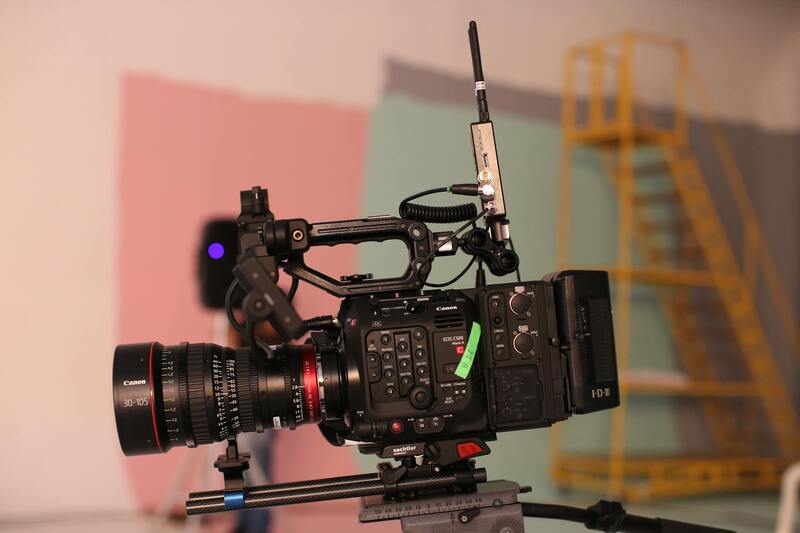
Many seasoned realtors and professional photographers prefer full-frame digital single-lens reflex (DSLR) or mirrorless cameras to ensure high resolution and superior detail. These cameras excel in low-light conditions and support interchangeable lenses, which are critical for capturing both wide-angle shots of spacious interiors and detailed close-ups of unique architectural features.
Lens selection plays a vital role in creating visually appealing property images. Wide-angle lenses (typically between 14mm and 24mm) are preferred because they can encompass more space within a single shot, making rooms look larger and more inviting. The use of tilt-shift lenses can further correct perspective distortions that often occur during interior shoots, resulting in more accurate representations of the space.
Proper lighting techniques are fundamental to professional real estate photography. Natural light should be harnessed as much as possible by shooting during the day with ample sunlight. Supplementing natural light with high-quality strobes or off-camera flashes ensures balanced illumination, especially in dimly lit rooms. Diffusers and reflectors help soften harsh shadows and evenly distribute light across the scene, producing images that are both vibrant and true-to-life.
Mastering Composition and Framing
Beyond equipment, technical skill in composition elevates real estate imagery. Photographers focus on framing the shot to emphasize the property's key features and maintain a sense of harmony within the space. Vertical and horizontal lines should be straightened to avoid a skewed appearance, and clutter should be minimized through strategic angles and cropping.
High dynamic range (HDR) imaging is often employed to balance exposure throughout the scene, capturing details in both bright and shadowed areas. This approach ensures that interior shots are not overexposed or underexposed and that windows do not appear washed out or overly dark, providing a realistic view that appeals to viewers.
In addition to technical mastery, understanding the nuances of each property type guides the photographic process. For luxury homes, using a drone for aerial shots can showcase the estate’s grandeur and surroundings, while for urban apartments, capturing striking cityscapes and interior details can elevate listings. Overall, employing professional-grade equipment combined with refined techniques ensures that every property is presented at its highest potential, boosting online visibility and market appeal.
Key Elements of Professional Realtor Photography
Professional realtor photography hinges on multiple critical components that work together to produce compelling visual representations of properties. Each element contributes uniquely to creating images that not only showcase the home’s features but also appeal emotionally to prospective buyers. Ensuring these components are executed meticulously can significantly enhance the appeal of listings, leading to quicker sales and higher market value.
Optimal Lighting Techniques
Lighting is the foundation of high-quality realtor images. Natural light, when utilized effectively, can illuminate the space, highlighting architectural details and creating a welcoming atmosphere. Photographers often schedule shoots during the day to maximize sunlight and employ reflectors and diffusers to control shadows and soften harsh light. Conversely, in low-light conditions or spaces with limited natural light, professional-grade lighting fixtures are strategically deployed to maintain consistent exposure and color accuracy. Advanced techniques such as high dynamic range (HDR) imaging can merge multiple exposures into a single balanced image, ensuring that both interior spaces and exterior views are vividly represented without overexposure or loss of detail.
Mastering Composition and Perspective
Composition is paramount in guiding viewers' focus toward the property's highlight features. Leading lines, symmetry, and framing are carefully employed to draw the eye through each room or view, emphasizing spaciousness and architectural integrity. Wide-angle lenses are commonly used to capture more of the space within a single shot, creating a sense of openness. However, these lenses require precise calibration to prevent distortion and maintain proportions. Additionally, maintaining straight vertical and horizontal lines in images helps avoid skewed perspectives, fostering trust and professionalism.
Angles are also chosen strategically; shooting from eye level provides a natural perspective, while elevated shots can showcase surrounding landscapes or larger layouts. Eliminating clutter and distractions through meticulous staging and strategic cropping ensures each image remains focused and inviting, exemplifying the property's best features.
Technical Proficiency and Equipment
Employing state-of-the-art equipment is essential for producing polished realtor images. High-resolution full-frame cameras capture the finest details, and fast lenses ensure sharpness across various lighting conditions. Drone photography adds a dynamic perspective, especially for sprawling estates or scenic surroundings, offering an aerial view that highlights property size and landscape features. Additionally, meticulous calibration of camera settings, including aperture, ISO, and shutter speed, optimizes each shot for clarity and depth.
Understanding Property Type and Context
Different property types require tailored photographic approaches. Luxury homes benefit from both interior and exterior shots using professional lighting and drone footage to showcase grandeur. Urban apartments often focus on capturing images of cityscapes, emphasizing views and high-end finishes. For family homes, photos should highlight spacious living areas, outdoor amenities, and safety features. Recognizing these nuances allows professional photographers to adjust techniques accordingly, ensuring each listing is presented at its highest potential.
By combining technical expertise with a deep understanding of the property's unique features, professional realtor photography creates compelling narratives that resonate with prospective buyers. The goal is to craft images that not only inform but also inspire an emotional response, prompting viewers to imagine themselves living in the space.
Choosing the Right Photography Equipment and Techniques
For capturing professional realtor pictures, selecting the appropriate equipment is fundamental to achieving high-quality results that accurately showcase a property's features. High-resolution full-frame cameras are industry standards due to their capability to capture sharp, detailed images essential for online listings and print marketing. These cameras excel in low-light conditions and produce images with rich colors and clarity, ensuring every corner of a property is inviting and well-defined.
Using prime lenses with wide apertures, typically between f/1.4 to f/2.8, allows photographers to create images with beautiful background blur and sharp foregrounds. Such lenses are versatile for both interior and exterior shots, helping to highlight architectural details and create a sense of depth. Telephoto lenses are particularly useful for capturing close-up details, such as unique fixtures or design elements without distortion.
Proper lighting is critical for producing vibrant, well-lit images. Professional photographers often utilize natural light, supplemented by high-quality external flash units or continuous lighting systems to eliminate shadows and highlight the best features of each space. Softbox diffusers help in creating even lighting, particularly indoors, where ambient light may be insufficient or uneven.
Technique-wise, mastering shutter speed, aperture, and ISO settings ensures that each shot maintains optimal clarity without grain or motion blur. Bracketing multiple exposures allows for HDR (High Dynamic Range) imaging, which combines several images to balance bright and dark areas, particularly in rooms with large windows or contrasting lighting conditions.
Utilizing Drone Photography for Property Exteriors
Drone technology adds a compelling dimension to realtor photography by providing aerial perspectives of the property and its surroundings. High-quality drones equipped with 4K cameras enable capturing sweeping views of sprawling estates, landscaped gardens, and scenic vistas. These shots help prospective buyers appreciate property size, layout, and neighborhood context from a comprehensive vantage point.
Proper drone operation involves understanding flight safety regulations, environmental conditions, and optimal shooting angles. Combining these aerial images with ground-level photography creates a cohesive visual story that emphasizes the property's unique selling points while maintaining a professional aesthetic.
Adapting Techniques to Property Types and Contexts
Different kinds of properties demand customized photographic strategies. For luxury homes, emphasis is placed on dramatic wide shots, interior grandeur, and detailed close-ups of premium finishes. Aerial drone footage enhances the perception of exclusivity, sprawling outdoor spaces, and impressive architecture.
Urban apartments benefit from capturing cityscape views, emphasizing the property's connection to vibrant city life. Natural light and reflective surfaces must be carefully managed to avoid glare or distortions. For family-friendly homes, imagery should focus on spacious interiors, outdoor entertainment areas, and safety features, creating an inviting atmosphere that resonates with prospective buyers.
In essence, adjusting equipment choices and camera techniques based on property specifics ensures each listing appeals visually to its target demographic. The goal is to create images that not only highlight physical attributes but also evoke an emotional connection, encouraging viewers to envision themselves living there.
Post-Production and Image Optimization
After capturing high-quality images of a property, the next crucial phase involves post-production editing. This process enhances the visual appeal, ensuring each photograph accurately reflects the property's best attributes. Skilled editing allows for correction of lighting discrepancies, color balancing, and removal of minor imperfections, which can distract viewers or diminish the property's perceived value.
Utilizing advanced image editing software enables realtors and professional photographers to fine-tune images for optimal clarity and vibrancy. Adjusting brightness, contrast, and saturation helps create a balanced and inviting aesthetic, making the property stand out in competitive markets. Additionally, strategic crop adjustments can improve composition, highlighting key features such as expansive windows, architectural details, or outdoor amenities.
Image optimization extends beyond aesthetic enhancements. Ensuring that images are appropriately resized and compressed reduces load times on websites and mobile devices while maintaining visual quality. Optimized images also contribute to improved search engine rankings, as faster-loading, appealing visuals enhance user experience and engagement. This process involves balancing image quality with file size, utilizing formats such as WebP or JPEG 2000, which offer high compression efficiency without sacrificing detail.
Incorporating consistent editing styles across all property images ensures a cohesive visual narrative. Such consistency builds brand trust and recognition, emphasizing professionalism in every listing. This visual strategy not only draws attention but also reinforces the message of quality and expertise associated with the realtor’s services.
Integrating Realtor Photos into Marketing Strategies
Effectively utilizing professional images within broader marketing efforts amplifies their impact, reaching a larger audience and generating more inquiries. These images serve as the cornerstone for online listings, social media campaigns, virtual tours, and printed brochures, providing an engaging snapshot that captures the property's essence.
Online listings benefit significantly from high-quality images, as they are often the first impression prospective buyers have of a property. Bright, well-composed photographs can increase click-through rates and generate more showings. Incorporating a variety of perspectives—including exterior shots, interior layouts, and unique features—ensures a comprehensive presentation that appeals to diverse buyer interests.
Supplementing listings with virtual staging, 3D walkthroughs, and aerial drone footage can elevate the visual experience further. These multimedia elements work together to tell a compelling story about the property, highlighting its potential and creating an emotional connection. Consistent branding through professional photography also enhances the realtor's reputation, fostering trust and recognition in competitive markets.
Social media platforms serve as dynamic channels for showcasing realtor photos, reaching targeted demographics through visually appealing posts. Captivating imagery aligned with current design trends can boost engagement rates, attract followers, and generate sharing, leading to increased exposure. Incorporating call-to-actions alongside compelling visuals drives traffic to listing pages or encourages direct inquiries, accelerating the sales process.
Trends and Future Developments in Realtor Photography
The evolution of realtor photography continues to be driven by technological advancements and changing consumer preferences. High dynamic range (HDR) imaging, 3D virtual tours, and augmented reality experiences are transforming how properties are presented online. These innovations allow prospective buyers to explore homes remotely with a sense of realism and immersion that traditional photos cannot match.
Sustainable and eco-friendly photography practices are gaining importance, with an emphasis on minimizing environmental impact during shoots. Additionally, the integration of artificial intelligence tools for editing and optimization promises faster delivery times and enhanced visual consistency. These developments are pivotal in creating more engaging, accessible, and efficient marketing experiences for realtors and clients alike.
As the market evolves, staying ahead with cutting-edge visual techniques and maintaining image excellence remains essential. A strategic focus on professional photography not only enhances listings but also sets a realtor apart in a competitive environment, ensuring properties receive the visibility they deserve.
Choosing the Right Photography Equipment and Techniques
Investing in top-tier photography equipment is fundamental to capturing professional realtor pictures that stand out. High-resolution digital cameras with full-frame sensors are preferred because they deliver sharp, detailed images essential for showcasing every aspect of a property. Wide-angle lenses are particularly advantageous, enabling photographers to capture expansive room views and architectural details, creating an inviting and comprehensive visual narrative. Tripods are indispensable for ensuring stability during shots, especially in low-light conditions or when taking HDR photos. Remote shutter releases help minimize camera shake, resulting in crisp, clear images. Additionally, utilizing advanced lighting techniques, such as diffused natural light and supplemental artificial lighting, ensures even illumination that accentuates a property's best features without harsh shadows or overexposure. Photographers specializing in real estate also employ specific techniques tailored for property photography:
- Bracketing and HDR Imaging: Combining multiple exposures to extend dynamic range, revealing details in both shadows and highlights.
- Vertical Line Correction: Settings and post-processing adjustments to keep building lines straight, avoiding skewed perspectives that can detract from professionalism.
- Strategic Angles: Shooting from corners and at optimal heights to maximize space perception and highlight key features.
- Timing: Capturing images during the golden hour or when natural light is at its peak to enhance warmth and appeal.
Implementing these equipment choices and technical methods guarantees that each photograph accurately reflects the property's ambiance and architectural integrity, crucial for attracting serious inquiries and facilitating faster sales.
Importance of Staging and Preparing Properties for Photos
Proper staging and preparation are paramount to maximizing the impact of realtor photos. Decluttering living spaces and ensuring cleanliness create a more inviting atmosphere. Strategic positioning of furniture and decor can highlight a property's spaciousness, functionality, and design features. Enhancing natural light by opening curtains and selecting the best times of day for shoots helps achieve bright, inviting images. Neutral color palettes and minimalistic decor prevent distraction and appeal to a broader audience. A detailed cleaning regimen, including fresh linens, polished surfaces, and well-maintained landscaping, results in photos that effectively communicate the property's value. Curb appeal is particularly critical since the exterior shots set the first impression. Additionally, removing personal items and clutter allows potential buyers to envision themselves living in the space, fostering an emotional connection that can hasten decision-making.
Importance of High-Quality Realtor Photos
High-quality realtor photos play a pivotal role in capturing the essence of a property and communicating its unique value to potential buyers. In a competitive real estate market, the first visual impression often sets the tone for whether a prospective buyer will explore further or scroll past. Sharp, well-composed images can showcase a property's architectural features, highlight its best angles, and create an emotional connection that motivates viewers to take the next step. The visual presentation directly influences online engagement metrics, such as click-through rates and inquiries, making professional photography an essential investment for realtors aiming to close deals efficiently.
Key Elements of Professional Realtor Photography
Effective realtor photography hinges on several core elements that ensure images stand out and accurately depict the property's strengths:
- Lighting: Natural light is the most favorable, reducing the need for extensive editing and creating warm, inviting atmospheres.
- Composition: Framing the interior and exterior shots with a balanced perspective highlights spatial flow and key features.
- Clarity and Focus: Sharp images with crisp details help viewers notice architectural nuances and interior aesthetics.
- Consistency: Maintaining a uniform style across all images produces a cohesive visual narrative that appeals to buyers.
- Angles and Perspectives: Wide-angle shots are commonly used to emphasize space, but should be balanced to prevent distortion and ensure true representation.
Choosing the Right Photography Equipment and Techniques
Professional realtor photography requires specialized tools and techniques to achieve superior results. High-resolution cameras with wide-angle lenses are standard for capturing expansive rooms and outdoor areas effectively. Tripods and stabilizers help maintain sharpness during long exposures in low-light conditions. Techniques such as HDR imaging merge multiple exposures to balance light and shadow, enhancing detail in both bright and dark areas of a picture. Using proper lighting equipment, including external flashes or continuous lighting, can compensate for poor natural light and ensure consistent brightness across images. Additionally, employing drone photography provides compelling aerial shots that showcase the property's surroundings and appeal to buyers seeking a comprehensive view.
Importance of Staging and Preparing Properties for Photos
Before capturing realtor images, meticulous staging and preparation are crucial for presenting the property at its best. Clearing clutter, removing personal belongings, and tidying up surfaces create a clean, inviting environment that resonates with potential buyers. Strategic placement of furniture can accentuate spaciousness and functionality while drawing attention to architectural features. Maximizing natural light by opening curtains and shooting during optimal daylight hours produces bright, lively images. Neutral color palettes and minimalist decor help maintain focus on the property's core attributes without unnecessary distractions. Exterior preparation—including meticulous landscaping, clean walkways, and freshly painted facades—also enhances curb appeal, making initial impressions even more compelling from the first exterior shot.
Integrating Realtor Photos into Marketing Strategies
Leveraging professional property images across various marketing channels amplifies their impact. Well-curated images are essential in online listings and social media posts, where they serve as the primary engagement driver. High-quality photos attract more views, increase sharing potential, and generate interest from a broader audience. Printed materials such as brochures, flyers, and open house banners benefit from striking visuals that leave lasting impressions. Consistent visual branding and compelling imagery reinforce the property's key selling points, creating a cohesive marketing narrative that accelerates the sales process.
Trends and Future Developments in Realtor Photography
Technological advancements continue to shape the future of realtor photography. The integration of virtual staging allows potential buyers to envision living in a space without physical modifications, enhancing emotional appeal. 360-degree virtual tours and interactive experiences are becoming standard, providing immersive property views from remote locations. Artificial intelligence-driven image enhancement tools improve photo quality with minimal editing, maintaining authenticity while boosting visual appeal. Additionally, 3D drone imaging offers comprehensive aerial perspectives, capturing comprehensive layouts and neighborhood context. Staying current with these innovations ensures realtors can provide clients with cutting-edge marketing assets that set their listings apart and align with evolving buyer preferences.
Post-Production and Image Optimization
Once professional realtor photographs are captured, the next crucial step is post-production editing, which significantly enhances the visual quality and appeal of the images. Skilled editing amplifies lighting, adjusts color balance, and removes minor imperfections, ensuring each shot presents the property's best features in the most flattering way. High-resolution adjustments establish clarity and depth, making rooms appear more spacious and inviting. It is important that editing maintains the authenticity of the property, providing a genuine representation that builds trust with potential buyers.
Image optimization is equally vital to ensure fast load times across online platforms. Proper compression techniques reduce file sizes without sacrificing visual quality, facilitating smoother website performance and improved user experiences. Optimized images are essential for search engine optimization (SEO), as clear, well-optimized photos can boost a property's ranking in search results. This means more visibility, increased traffic, and higher engagement rates for listings.
Additionally, consistent color grading and style adjustments contribute to brand cohesiveness across a realtor’s portfolio. This not only strengthens visual identity but also helps prospective clients recognize the professional standards maintained by the agency. Implementing a standardized editing process ensures that every listing benefits from a uniform, polished aesthetic, elevating the overall perception of quality in marketing efforts.
Integrating Realtor Photos into Marketing Strategies
Effective deployment of professional realtor images across various marketing channels maximizes their potential to attract buyers. High-quality photos are integral to online property listings, where they serve as the first interaction potential clients have with a property. Eye-catching images encourage clicks, increase dwell time, and attract inquiries. Incorporating these visuals into social media platforms, such as Instagram and Facebook, amplifies reach through sharing and engagement, with compelling imagery diminishing the need for excessive textual content.
Offline marketing materials also benefit from exceptional realtor images. Brochures, flyers, signage, and open house banners rely on striking visuals to leave lasting impressions on prospective buyers and agents alike. Consistent use of professional photographs across all marketing assets reinforces a sleek, reputable brand image and communicates the property’s key selling points visually.
Strategically integrating high-quality images into email campaigns, virtual tours, and website galleries further boosts visibility and engagement. Utilizing images correctly not only enhances the aesthetic appeal of listings but also plays a crucial role in nurturing leads through personalized and memorable marketing experiences. When images reflect the property's best features, they foster an emotional connection with potential buyers, increasing the likelihood of a successful sale.