Importance of High-Quality Realtor Photos
In the competitive Miami real estate market, the visual presentation of a property can significantly influence its appeal and marketability. Professional realtor photos serve as the first point of interaction between potential buyers and your listing, making them a crucial element in the sales process. High-quality images draw attention in online listings, social media posts, and marketing materials, enhancing the property's visibility across digital platforms.
Accurate and captivating photos help potential buyers envision themselves living in the space, fostering an emotional connection that can lead to quicker decisions. They also reduce the likelihood of misconceptions about the property's condition or features, which can occur with poorly lit or staged images. Ultimately, well-composed professional photographs can decrease the time on market and increase the chances of securing higher offers.
Investing in top-tier realtor photos is an effective way to stand out in a crowded market. It demonstrates professionalism and a commitment to quality, instilling confidence in prospective buyers and agents alike. When listing images are compelling and clear, they can generate more inquiries, showings, and interest, making them an indispensable component of a successful real estate strategy.
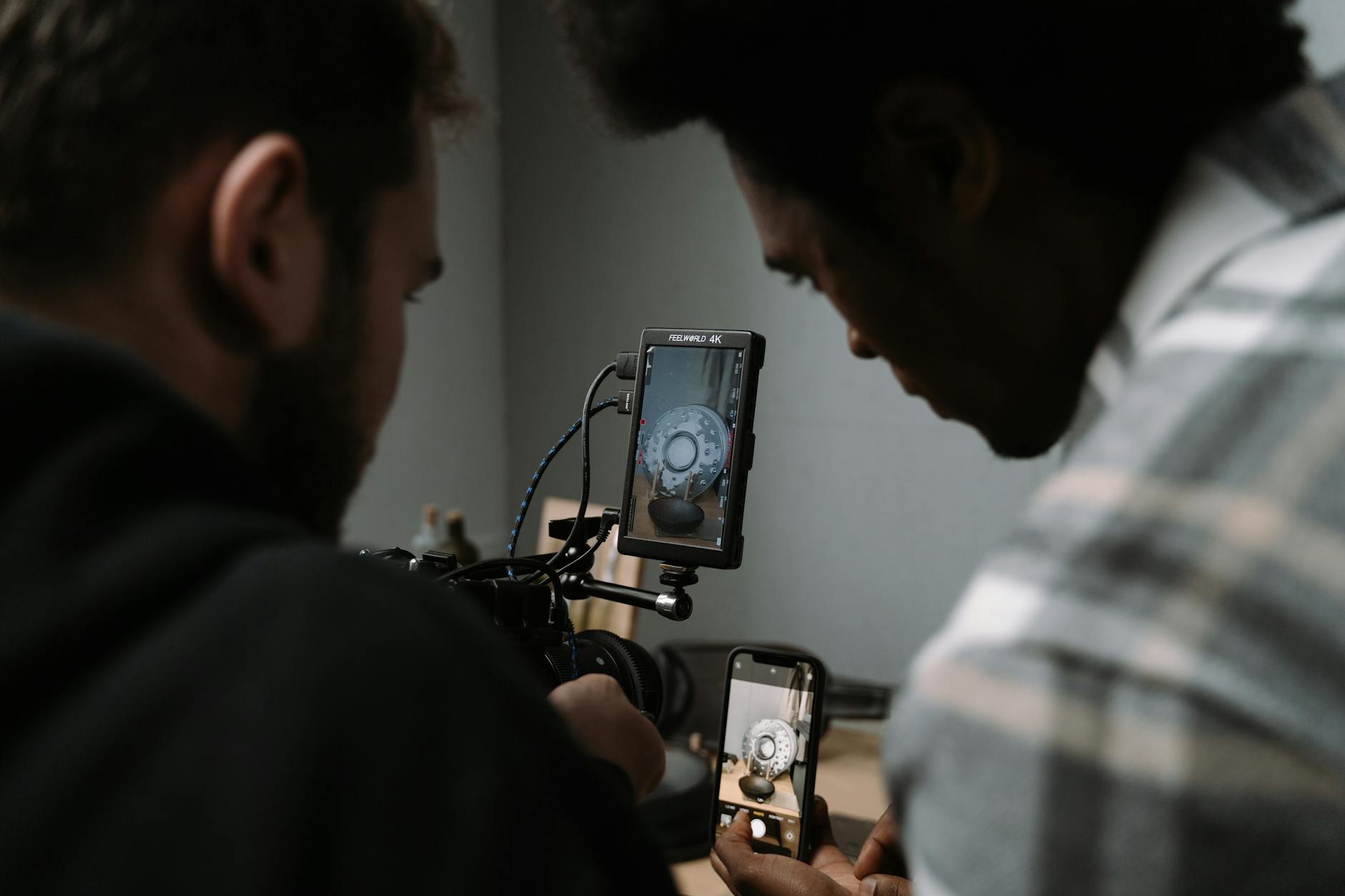
The impact of professional photography extends beyond initial impressions. It influences how listings are ranked and displayed on digital platforms, with many algorithms favoring high-resolution, well-lit images. For real estate professionals in Miami, leveraging professional photographer services can mean the difference between a listing that languishes and one that swiftly attracts multiple offers.
Benefits of Hiring Professional Photographers
- Enhanced visual appeal that captures the property's best features
- Consistency in branding and image quality across listings
- Access to advanced equipment and editing techniques
- Time savings by streamlining the photography process
- Increased likelihood of engaging potential buyers and agents
In Miami's vibrant market, where luxury properties and unique homes abound, professionally captured realtor photos can elevate a listing from ordinary to extraordinary. Properly executed images highlight architectural details, interior finishes, and outdoor spaces, creating an enticing narrative that motivates buyers to schedule an in-person visit.
Benefits of Hiring Professional Photographers
Engaging experienced photographers for real estate listings ensures that each property is presented in its best light through meticulously captured images. Professional photographers bring a keen eye for composition, lighting, and detail that amateur snapshots often lack. Their expertise in manipulating natural and artificial light creates vibrant, inviting images that highlight a property's best features, whether it’s a stunning facade, a spacious interior, or an elegant outdoor garden.
Staging guidance from skilled photographers can also significantly elevate the visual appeal. They understand how to arrange furniture, accentuate architectural elements, and position shots to maximize appeal. This process helps to craft a compelling visual story that resonates with prospective buyers, making it easier for them to envision living in the space.

Precision in lighting is another critical aspect. Professional photographers utilize advanced techniques, such as HDR (High Dynamic Range) imaging, to balance shadows and highlights, ensuring that interiors are bright and welcoming without losing detail in darker or overexposed areas. This balanced lighting can transform an ordinary room into an attractive space that invites further interest.
Moreover, professional photographers employ layout and composition principles to create balanced and engaging images. This includes choosing the optimal camera angles and focal points to emphasize a property’s unique features, such as vaulted ceilings or custom finishes. When paired with high-resolution equipment, the resulting photos are crisp, detailed, and optimized for various digital platforms.
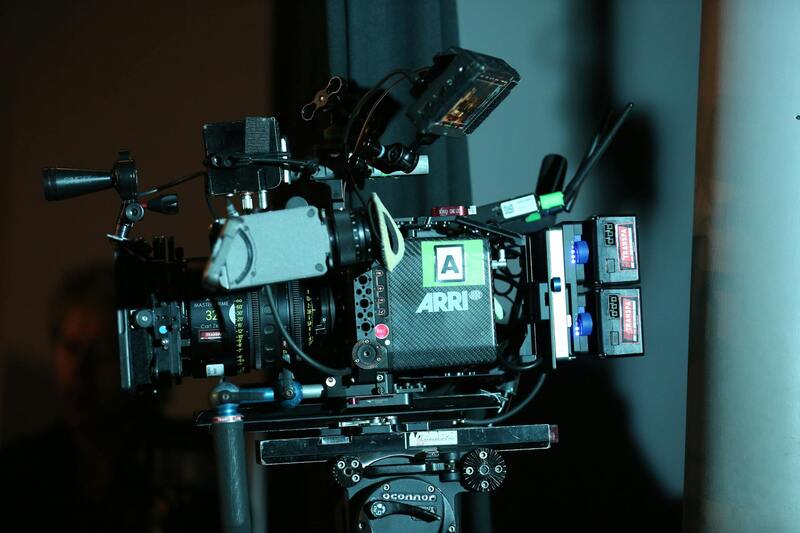
Beyond mere image capture, seasoned photographers often utilize editing and post-processing tools to further refine images. Adjustments to brightness, contrast, and color saturation ensure consistency and appeal across all visuals. This meticulous editing process guarantees that each photo aligns with the branding and marketing standards of the real estate professional.
By investing in professional photography, real estate agents and homeowners not only improve their listings’ appearance but also foster trust and credibility among prospective buyers. High-quality images serve as a testament to the property’s value and the professionalism of the listing agent, often translating into faster sales cycles and higher closing prices.
Legal and Ethical Considerations
When it comes to showcasing properties through realtor photos, adhering to established standards ensures consistency, authenticity, and professionalism in marketing materials. Utilizing official methods, including properly licensed photography equipment and adhering to copyright laws, maintains transparency and trust with potential buyers. It is vital for real estate professionals to ensure that all images are an accurate representation of the property, avoiding any form of deception that could mislead viewers.
In practice, this involves obtaining appropriate permissions if any personal or proprietary elements are included in the photographs. For instance, images featuring artwork, signage, or other copyrighted material should be used with explicit consent or proper licensing. Photographers should also document their work with permissions once taken, to verify authenticity and avoid disputes over image rights.
Moreover, honesty in visual depiction extends to editing practices. While post-processing enhances imagery—adjusting brightness, contrast, or color saturation—it’s crucial that these modifications do not alter the true nature of the property. Overly manipulated images can set unrealistic expectations, potentially leading to dissatisfaction or damage to professional credibility. Photographers and agents should aim for an honest portrayal that accurately reflects the property's current condition.
Adhering to regulatory standards related to real estate advertising, including transparency about any alterations made to images, supports ethical marketing. Such practices help maintain a professional reputation and foster confidence among prospective clients and buyers.
Ultimately, the use of legitimate and ethically sourced visuals reinforces a real estate agent’s commitment to professionalism. It ensures that all promotional activities are aligned with industry best practices, reducing the risk of disputes and enhancing the overall credibility of property listings in Miami’s competitive market.
Key Elements of Effective Realtor Photos
Successful real estate photography hinges on multiple core elements that collectively showcase a property’s appeal accurately while attracting potential buyers. These elements include composition, lighting, angles, staging, and post-processing techniques, all aimed at creating a visually compelling presentation.
- Composition: Proper framing emphasizes the property's highlights and guides viewers’ eyes toward key features. The rule of thirds often serves as a guiding principle, helping to place focal points and create balanced images that draw attention to both interior and exterior aspects.
- Lighting: Natural light is preferred to highlight a property's true colors and create an inviting atmosphere. Skilled photographers utilize optimal timing, such as during the golden hour or midday, to capture well-lit spaces. Supplementary lighting can be added judiciously to eliminate shadows and accentuate details without overexposure.
- Angles: Choosing the right vantage point is crucial. Wide-angle lenses are popular for capturing spaciousness, but it’s important they do not distort proportions or misrepresent room sizes. Multiple perspectives—including eye-level shots and unique viewpoints—provide a comprehensive understanding of each space.
- Staging: Proper staging ensures rooms appear attractive and functional. Minimalist decor, strategic furniture placement, and decluttered spaces help potential buyers envision living there. Photographers often collaborate with real estate agents to arrange key areas for maximum visual appeal.
- Post-Processing: Editing should enhance the natural beauty of a property without altering its true appearance. Adjustments to brightness, contrast, and color saturation can make images more appealing. However, overediting risks creating unrealistic expectations, which can lead to buyer disappointment and credibility issues.

Maintaining accuracy in visual depiction extends to adhering to best practices in image editing. Subtle enhancements are acceptable when they serve to better represent the property’s current condition and ambiance, but any modifications that significantly alter the property's appearance should be avoided. Transparency about editing processes fosters trust with clients and prospective buyers.
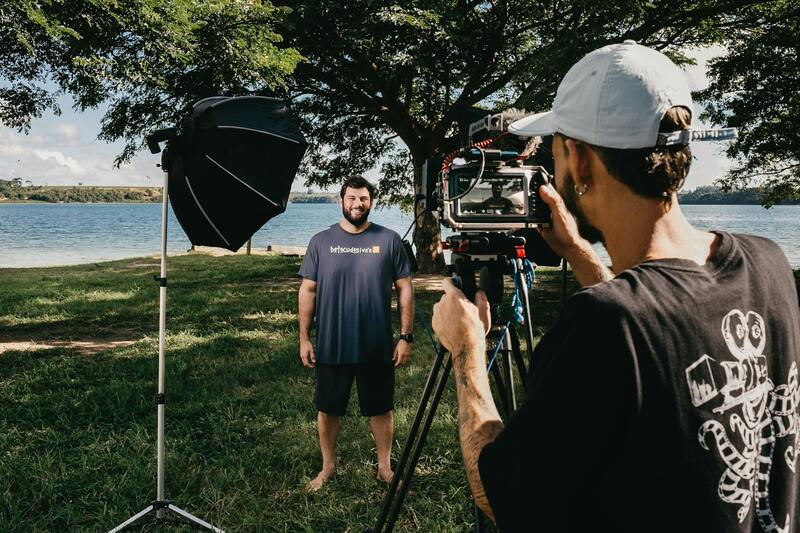
By focusing on these critical elements, real estate professionals can ensure their listings stand out with compelling, honest visuals that resonate with prospective buyers. Collaborating with experienced photographers familiar with these principles ensures that each image not only elevates the property's appeal but also upholds the integrity of the marketing message in a competitive market like Miami.
Enhancing Listings with Effective Photo Editing Practices
Once high-quality images are captured, the editing process becomes crucial in presenting the property at its best. Professional real estate photographers use a variety of post-processing techniques to enhance visual appeal without misrepresenting the property's true features. These practices ensure that each photo accurately reflects the property's ambiance and layout, fostering trust and engagement with potential buyers.
Key editing strategies include fine-tuning brightness, contrast, and color saturation to highlight key architectural details and interior design elements. This enhancement helps to create a more inviting and vibrant presentation, making listings stand out in crowded online marketplaces. It’s essential to maintain a balance—overly edited photos can lead to unrealistic expectations, which may cause disappointment during viewings and damage credibility.
Furthermore, perspective correction and straightening images ensure that the visual portrayal is aligned with the true structure of the property. Removing minor blemishes and distractions such as dust on windows or cluttered objects can also improve overall image quality, presenting a clean and polished look that appeals to prospective buyers.
It is equally important to disclose any significant alterations made during editing to uphold transparency. Subtle adjustments should serve to better convey the property's true character, while precision in editing helps generate higher engagement and more inquiries. When executed correctly by skilled professionals, this balance between enhancement and authenticity elevates the property's marketing campaign and maximizes its appeal in a competitive Miami real estate market.
Leveraging Visual Trends to Maximize Property Appeal
Staying current with visual marketing trends can further amplify the effectiveness of professional realtor photos. Techniques such as wide-angle lenses, natural lighting, and clean composition principles help create striking images that resonate with contemporary buyers. Highlighting outdoor living spaces and scenic views with specialized techniques can significantly boost the property's attractiveness.
By focusing on authentic representations combined with subtle enhancements, real estate professionals can establish a trustworthy brand reputation. This approach not only attracts motivated buyers but also increases the likelihood of closing deals faster and at desirable prices, an essential factor in the dynamic Miami real estate environment.
Legal and Ethical Considerations
In the realm of real estate marketing, adherence to transparent and honest representation is crucial for maintaining trust and integrity. When using professional realtor photos, it's vital to utilize images that accurately depict the property's current condition without misleading prospective buyers. Photographers and real estate agents should avoid excessive alterations or enhancements that could distort the true appearance of the property. One key aspect involves properly disclosing any modifications made during post-production, such as color correction or minor retouching. This transparency helps preserve credibility while still showcasing the property's best features. Additionally, using images that exclude or obscure unappealing aspects ensures listings remain truthful representations, fostering positive interactions with potential clients. It is also essential to respect privacy and security concerns, especially when photographing interiors and exteriors. Securing permission for images involving private spaces and avoiding the inclusion of identifiable personal items or confidential information enhances ethical standards in marketing practices. Furthermore, adhering to established industry standards and guidelines when capturing and publishing realtor photos helps uphold professionalism. This encompasses using appropriate equipment, lighting, and composition techniques to create compelling, accurate visuals that attract qualified buyers. By prioritizing authenticity and transparency, real estate professionals in Miami can build and sustain a reputable brand while effectively engaging their target audience through high-quality, ethical realtor imagery.

Legal and Ethical Considerations in Real Estate Photography
Adhering to proper permissions, respecting privacy, and understanding copyright protocols are crucial components in maintaining high standards for realtor photography in Miami. Securing explicit consent from property owners before shooting ensures that all parties are aware of and agree to the use of images for marketing purposes. This not only maintains transparency but also protects professional relationships and fosters trust between agents and clients.
When capturing images of private residences, it is essential to be cautious about featuring identifiable personal items or confidential information that could compromise the privacy or security of residents. Photographers should routinely obtain approval for shots that may reveal sensitive details, such as personal mail, security systems, or private outdoor spaces. Such diligence demonstrates respect for client privacy and reinforces professional integrity.
Copyright considerations are equally important. Creative professionals working with real estate agents should clarify ownership rights of produced images and ensure proper licensing agreements are in place. This prevents disputes over image use and guarantees that all marketing strategies comply with applicable regulations, especially for digital and print platforms. Clear documentation of rights also simplifies content reuse or updates in future marketing campaigns.

Implementing robust protocols for obtaining permissions, safeguarding privacy, and securing rights to images demonstrates ethical professionalism. It upholds the reputation of the real estate office and ensures that marketing efforts are aligned with industry standards and community expectations.
Legal and Ethical Considerations for Realtor Photos in Miami
Maintaining high standards of professionalism in real estate photography extends beyond capturing visually appealing images. It involves adhering to established protocols that respect privacy, uphold ownership rights, and follow industry standards for transparency. When working with photographers or production agencies, agents should establish clear agreements that specify the scope of image usage, rights, and permissions. This includes ensuring that all photos are captured and used in ways that do not infringe on personal privacy or proprietary rights.
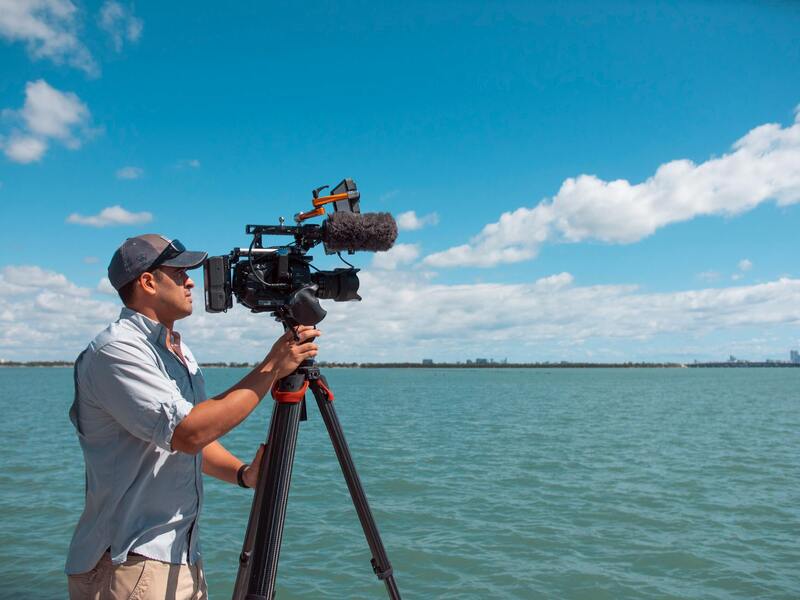
Proper documentation of licensing agreements, permissions for property features, and consent for images that include personal or sensitive details helps prevent misunderstandings. For instance, if a photo unintentionally captures confidential information or private spaces, having prior approval and consent allows for swift resolution and correction. Photographers should be trained to recognize elements that require explicit permission, such as security systems, personal belongings, or outdoor areas with identifiable signage.
Another vital aspect involves handling copyright issues responsibly. Agencies should verify and document the ownership of images produced, especially when working with third-party production companies. This ensures that all parties are aware of how images can be used, revised, and distributed, guiding marketing efforts in compliance with applicable rules and best practices.
Respecting privacy and copyright is not only about legal compliance but also about fostering trust with clients. By demonstrating commitment to these standards, real estate professionals enhance their reputation within Miami’s competitive market, promoting a culture of integrity and professionalism that benefits all stakeholders involved.
Implementing Ethical Photography Practices in Miami
- Obtain explicit consent before photographing private spaces or identifiable personal items.
- Document licensing rights clearly in your agreements to avoid misunderstandings about image usage.
- Train photographers to recognize and respect privacy-sensitive elements during shoots.
- Use watermarking or metadata to assert ownership and protect digital images online.
- Audit your photo library periodically to ensure all images are properly licensed and compliant with industry standards.