Importance of Professional Real Estate Agent Photos
In the competitive real estate landscape, the presentation of a real estate agent plays a crucial role in establishing a trustworthy and approachable image. High-quality, professional photographs of agents not only showcase their personality and professionalism but also significantly influence potential clients' first impressions. When prospective buyers and sellers see well-crafted images, it cultivates confidence and reassurance, establishing an immediate rapport even before direct contact is made.
Investing in professional agent photography demonstrates a commitment to quality and detail, two attributes that clients value deeply in a real estate professional. These images serve as a visual introduction that helps differentiate individual agents within a crowded market. In essence, quality photos act as a powerful marketing tool—enhancing credibility, fostering trust, and increasing engagement in property transactions. They also contribute to a cohesive brand identity across all marketing platforms, reinforcing an agent's reputation and positioning within the industry.
Furthermore, professional agent photos are important for consistent branding endeavors across online listings, social media profiles, and personal websites. A polished image communicates attention to detail, which correlates with the way an agent manages property listings and client relationships. Properly executed, these photos can significantly elevate an agent’s visibility, making them memorable and appealing to prospective clients seeking a knowledgeable and reliable real estate partner.

Enhancing Credibility and Trust
Visibility through high-quality images ensures agents appear approachable and competent, key components in establishing trust. A professional photograph can convey confidence, friendliness, and expertise, making potential clients more comfortable choosing an agent for their property needs.
Boosting Client Engagement
Clients are more likely to initiate contact when they feel an immediate connection through compelling visual presentation. Well-crafted agent photos can make a lasting initial impression, encouraging more inquiries and fostering stronger relationships even before face-to-face interactions occur.
Photography Techniques for Agent Portraits
To capture compelling and professional agent portraits, employing advanced photography techniques is essential. Proper lighting is paramount; utilizing soft, diffused light minimizes harsh shadows and highlights features evenly, creating a flattering appearance. Natural light during golden hour can add warmth and approachability, while studio lighting offers control over shadow placement and intensity. Additionally, understanding the correct aperture settings ensures the subject remains sharply in focus against a subtly blurred background, emphasizing the agent's presence.
Proper framing is critical. Using the rule of thirds places the agent off-center, making the composition more engaging. Maintaining eye contact with the camera fosters a sense of connection and trust. Experimenting with headshots versus waist-up compositions allows flexibility depending on the intended use of the images, such as social media profiles or professional websites.
Posture and expression also play vital roles in conveying confidence and approachability. Encouraging a natural, relaxed stance prevents stiffness, while genuine smiles or expressions of professionalism help communicate authenticity. When combined with technical precision, these elements result in a portrait that resonates with viewers and leaves a positive impression.
Choosing the Right Location and Setting
Location choice significantly impacts the overall feel and message of a professional real estate agent photo. An uncluttered, neutral background such as a solid-colored wall or a subtly textured backdrop keeps the focus on the agent. For outdoor settings, selecting locations with natural light, minimal distractions, and interesting but non-distracting surroundings enhances visual appeal. Urban environments with architectural elements or greenery can add depth and context, subtly hinting at the agent’s area of expertise.
In any setting, maintaining consistency in style and tone across all portraits helps cultivate a cohesive brand image. Whether opting for a sleek corporate environment or a friendly outdoor vibe, ensuring the background complements the agent's personal brand is crucial for effective marketing.
Styling and Grooming for Agent Photos
Appropriate styling and grooming are foundational for professional agent images. Attire should align with the target market and personal brand—business suits or smart casuals are common for real estate professionals. Colors that complement skin tones and do not distract from facial features are preferred. Grooming should be meticulous; hair should be tidy and styled neatly, and makeup should be natural and polished to enhance features without overpowering them.
Accessories and jewelry should be subtle, ensuring they do not divert attention from the face. An overall neat appearance conveys professionalism and attention to detail, reinforcing trustworthiness.
Post-Processing and Editing Tips
Post-processing emerges as a critical phase to refine agent photos. Adjusting brightness, contrast, and color balance enhances the vibrancy and clarity of the image. Retouching should focus on minor skin imperfections, stray hairs, and background distractions, without altering the authenticity of the subject.
Using professional editing software, editors can also improve sharpness and ensure the image maintains high resolution for various digital platforms. The goal is to produce a polished, natural look that accurately represents the agent while emphasizing their professionalism.
Utilizing Agent Photos Across Marketing Channels
Effective placement of high-quality images enhances a real estate agent’s visibility across multiple platforms. Incorporating professional portraits into online listings, social media profiles, and personal websites creates a consistent visual identity. Customizing image sizes and formats for each channel ensures optimal appearance without compromising quality.
Moreover, integrating these images into marketing materials such as brochures, email campaigns, and virtual tour introductions amplifies brand presence. Consistent, high-caliber visuals communicate dedication to excellence and foster recognition among prospective clients.
Legal Considerations and Best Practices
Adhering to licensing and image usage protocols safeguards the integrity of agent photographs. Obtaining proper consent from all individuals featured in images is essential, especially when capturing outdoor or candid shots. Ensuring the use of royalty-free backgrounds or resources prevents copyright infringements.
Furthermore, maintaining accurate representations and avoiding excessive editing preserves authenticity and transparency. Clear policies on image management and sharing uphold professional standards and support the agent’s reputation.
Photography Techniques for Agent Portraits
Capturing compelling and professional real estate agent portraits requires a combination of technical precision and artistic sensibility. Utilizing optimal camera settings enhances image quality and ensures the final photograph communicates confidence and approachability. Aperture settings should typically be wide enough (around f/2.8 to f/5.6) to achieve a pleasing depth of field, which focuses attention on the agent while subtly blurring background distractions. Shutter speed must be adjusted based on lighting conditions—generally above 1/125 seconds—to prevent motion blur and maintain sharpness. ISO settings should be kept low (ISO 100-400) under adequate lighting to minimize noise and preserve image clarity.
When it comes to angles, capturing the agent at eye level creates an engaging and approachable appearance. Slight adjustments—such as framing the face with a slight turn or tilt—add dimension and reduce rigidity. Direct, centered compositions work well for formal portraits, while a slight off-center placement can introduce dynamism. It’s important to maintain consistent eye contact with the camera, fostering a sense of trust with viewers. Natural, relaxed expressions tend to resonate best, which can be achieved through effective communication and a comfortable shooting environment.
- Lighting: Use soft, diffuse lighting to eliminate harsh shadows and highlight facial features naturally.
- Background: Aim for a clean, uncluttered background that complements the agent’s attire and branding elements.
- Wardrobe: Choose professional attire that aligns with your brand identity; solid colors often work best to avoid visual distractions.
- Poses: Maintain open body language, with shoulders slightly angled and a natural stance that exudes confidence.
Proper composition and camera settings lay the groundwork for high-quality images that reflect the professionalism of the agent and build credibility within the competitive real estate market.
Optimizing Agent Photos for Diverse Marketing Platforms
High-quality real estate agent images serve as vital assets across multiple marketing channels, each demanding specific considerations in presentation and style to maximize impact. When agents utilize their professional photographs on websites, brochures, social media, and email campaigns, consistency in image quality and branding reinforces their authority and trustworthiness.
For online platforms such as agent profiles and real estate listings, images should be optimized for quick loading without sacrificing clarity. This involves resizing images to recommended dimensions, compressing files appropriately, and ensuring mobile responsiveness. Clear, crisp images at the appropriate resolution will appear sharp across various devices while maintaining fast load times, which enhances user experience and encourages engagement.
Social media channels require adaptable image formats that grab attention in scrolling feeds. Portrait-oriented images that focus on the agent’s face foster personal connection, making it essential to capture expressions that convey approachability and confidence. Consistent branding elements—such as color schemes, logos, and attire—should be incorporated subtly into the images to bolster brand recognition.
Printed materials like brochures or business cards benefit from higher-resolution images that retain detail and professionalism. These print images should be prepared with CMYK color profiles for accurate color representation in physical copies. Additionally, selecting backgrounds that reflect the agent's niche market—such as upscale neighborhoods or modern office settings—can reinforce their area of expertise and market positioning.

It’s crucial to develop a comprehensive visual branding strategy that aligns all photo usages across channels. This includes establishing uniform styles, poses, and color palettes that build a recognizable and professional agent persona. Properly curated images that resonate across digital and print mediums not only elevate the agent’s profile but also pay dividends in attracting prospective clients and closing deals efficiently.
Choosing the Right Location and Setting
When selecting the optimal setting for professional real estate agent photos, choosing environments that reflect competence, approachability, and industry expertise is crucial. A well-thought-out location can subtly communicate the agent’s specialization and market segment, thereby resonating more effectively with potential clients. Urban settings, such as cityscapes or modern office buildings, are ideal for agents focusing on commercial properties or high-rise condos, as they project sophistication and industry authority. Conversely, residential neighborhoods, especially those with distinctive architectural styles or lush landscaping, work well for agents whose primary market is family homes and suburbs, reinforcing familiarity and trust.
Indoor environments should be carefully curated to avoid clutter or distracting backgrounds. A clean, professional office space with simple decor and good lighting can serve as an excellent backdrop, showcasing the agent in a work-related setting that suggests professionalism and dedication. For outdoor shots, natural lighting plays an essential role; shooting during the golden hour—shortly after sunrise or before sunset—provides warm, flattering light that enhances facial features.
Incorporating elements that hint at local culture or the unique charm of the agent’s market area can also add authenticity to the images. For example, a background featuring recognizable landmarks or lush greenery can subtly reinforce the agent’s connection to the community.
Post-Processing and Editing Tips
Once professional real estate agent photos are captured, the editing process becomes crucial to realizing their full potential. The goal is to enhance the image subtly, ensuring the final result accurately represents the agent while maintaining a natural and approachable appearance. Effective editing involves adjusting exposure, contrast, and color balance to create a clean, crisp look that captures the scene authentically.
Retouching tools can be used to correct minor skin imperfections or stray hairs, but it’s important to avoid over-editing, which can lead to unnatural results. Techniques like frequency separation or Dodge and Burn can help accentuate features and add depth to portraits without making them appear artificial.
Sharpening images slightly can help make details such as the eyes and clothing pop, enhancing overall clarity. Additionally, noise reduction should be applied carefully to prevent a loss of detail, especially in low-light images. When making edits, consider the intended use across various marketing channels; images should be adaptable to different sizes and formats while retaining their visual impact.
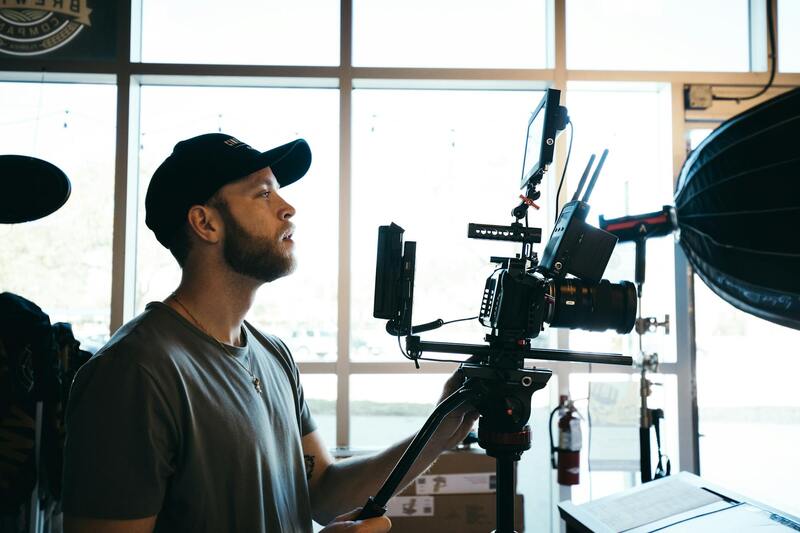
Consistency in editing style across all agent photos helps establish a recognizable visual identity. This consistency reinforces branding efforts and builds trust with prospective clients. Investing in professional editing software or hiring a skilled retoucher ensures the photos meet high standards and align with the agent’s overall marketing strategy.
Remember, the primary objective of post-processing is to present the agent at their best while preserving authenticity. Overly aggressive edits can detract from this goal, so subtle enhancements are usually the most effective way to produce polished, professional images.
Legal Considerations and Best Practices
When showcasing professional real estate agent photos, adherence to established standards and practices is essential to ensure consistency and uphold industry norms. Obtaining proper permissions before capturing images at specific locations is critical, especially if private property or sensitive areas are involved. This practice safeguards all parties involved and aligns with best practices for professional conduct in real estate marketing.
Many agencies and individual agents utilize consent forms, which clearly outline the purpose of the photoshoot and the intended usage of images. Securing signed agreements helps prevent misunderstandings and ensures that all parties agree on how the images will be used across various marketing platforms. It also protects the rights of all involved, from the agent to the property owner, and maintains professional integrity.
In addition, maintaining an organized record of photographic sessions—such as dates, locations, and approved usage rights—facilitates accountability and streamlines the process of image management. This organization is especially beneficial when updating marketing materials or when managing a portfolio of images for multiple listings and agents.
Another crucial aspect is the adherence to branding guidelines. Consistent visual identity fosters trust and recognition among prospective clients. To achieve this, images should reflect the agency’s branding standards regarding color schemes, logo placement, and overall style. This approach ensures uniformity across all visual content, reinforcing the professionalism of the brand.
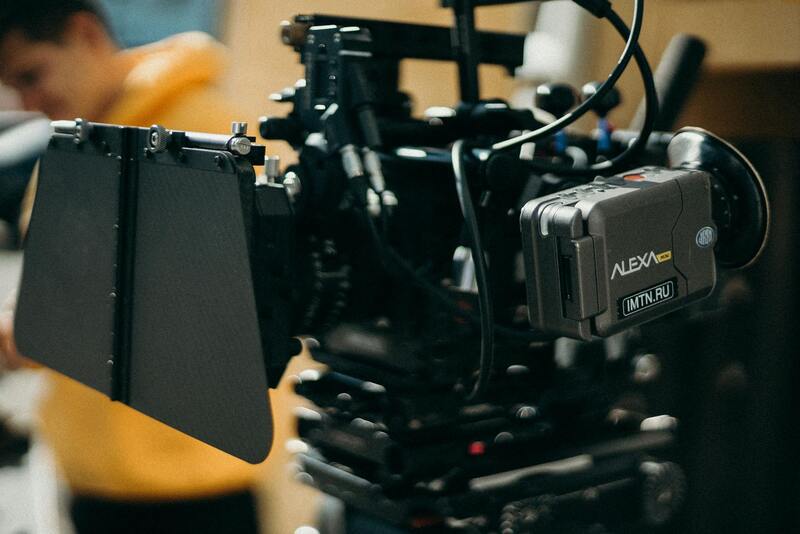
Investing in ongoing training and staying informed about industry standards related to photography ensures that agents and marketing teams consistently follow up-to-date best practices. This proactive approach minimizes issues related to image usage and demonstrates a commitment to ethical and high-quality marketing standards.
Finally, collaboration with experienced photography professionals—who are well-versed in real estate marketing—can further enhance image quality while navigating the complexities of image rights and usage. Their expertise ensures that photos meet high-quality standards and comply with all relevant practices, fostering a professional image that resonates with prospective clients and elevates the agency’s reputation.
Legal Considerations and Best Practices
When utilizing professional real estate agent photos in marketing efforts, it is essential to follow established protocols to maintain high standards of transparency and ethical conduct. Proper management of image rights and permissions ensures that images are used appropriately and with the consent of those featured, fostering trust among clients and within the industry.
One foundational aspect involves obtaining explicit permission from all individuals appearing in the photographs. This consent should detail the scope and duration of image usage across designated platforms, including print, digital, and social media. Clear documentation of these permissions helps avoid potential misunderstandings and establishes a transparent framework for image deployment.
In addition to securing permissions, adherence to branding guidelines is pivotal. Images need to align with the company’s visual identity, encompassing consistent color schemes, logo placement, and styling parameters. Such uniformity enhances brand recognition and demonstrates professionalism across all marketing channels.
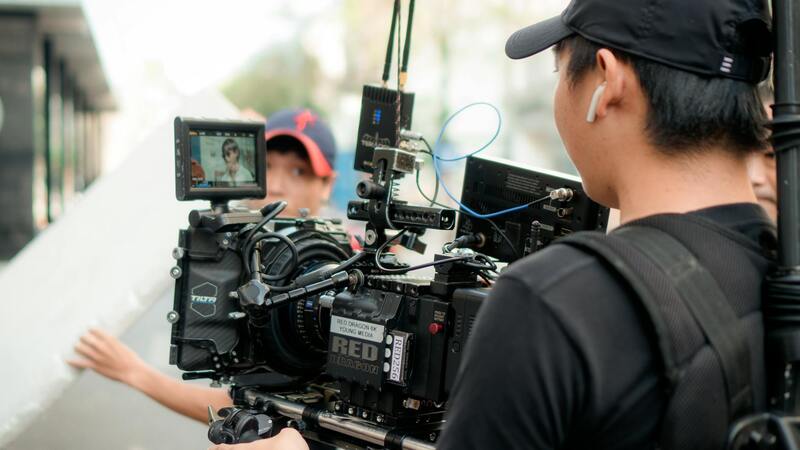
Furthermore, it is vital to understand the distinctions between different types of content rights, including licensing agreements that specify how images can be shared or modified. Proper licensing ensures that images are used within the permitted scope, avoiding infringement risks or potential disputes.
Maintaining an organized record of permissions, licenses, and usage rights simplifies oversight and compliance management, especially when managing multiple agents or diverse marketing campaigns. Regular audits of image libraries and permissions help ensure ongoing adherence to best practices.
When engaging with professional photographers or third-party service providers, clear contractual arrangements should outline rights concerning image creation, editing, distribution, and usage. This clarity helps prevent any ambiguity about ownership or permissible use, fostering a collaborative and transparent environment.
Finally, staying informed about evolving industry standards and best practices related to image rights contributes to consistent compliance. Participating in ongoing training, industry seminars, or workshops enables teams to remain updated on relevant regulations and ethical considerations, further strengthening the integrity of marketing efforts.