Importance of Professional Property Photography
In the competitive landscape of Miami’s real estate market, the visual presentation of a property can significantly influence its marketability and value. High-quality, professional property photography is a crucial element that can make listings stand out amidst numerous options. When potential buyers or tenants browse listings, they are drawn to images that accurately capture the property’s unique features, ambiance, and potential. The first impression often hinges on the quality of visuals, making professional photography an essential component of effective marketing campaigns.
Studies consistently demonstrate that listings equipped with professionally taken images tend to attract more attention, generate increased online engagement, and result in quicker transactions. This is especially important in Miami, where the diverse and dynamic real estate market demands visuals that highlight the property's best features and appeal to discerning buyers. High-caliber photographs not only enhance perceived property value but also bolster marketing efforts by providing consistent, compelling visuals across various digital platforms.
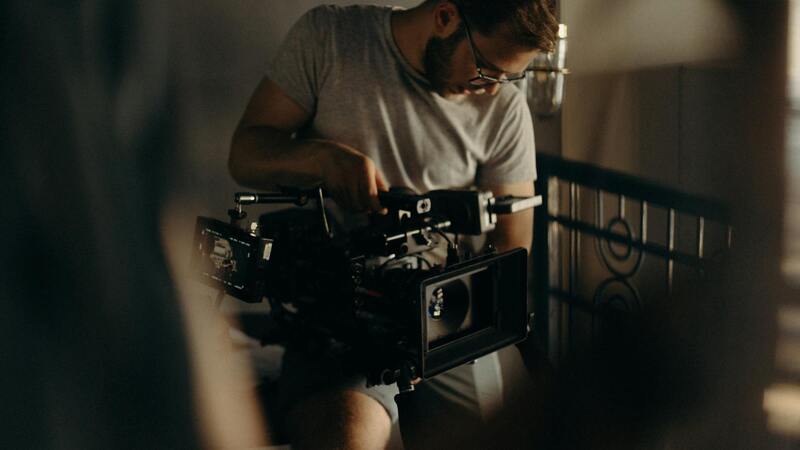
Moreover, professional property photography plays a vital role in shaping the overall perception of a property’s worth. Superior images help to create a sense of trust and credibility, which can translate into higher offers and more serious inquiries. For property owners and real estate professionals in Miami, investing in expert photography services ensures that each listing is presented in its best light, effectively communicating the property’s value and lifestyle potential to prospective buyers and renters.
From small condominiums to luxury estates, the impact of professional imagery is universally observed. In such a visually driven market, the ability to convey the true essence of a property through outstanding images can dramatically influence its success in the marketplace. This strategic advantage underscores why many top real estate professionals rely on professional property photography to elevate their listings and achieve sales and leasing goals efficiently.
Choosing the Right Equipment and Techniques
Successfully capturing compelling property images relies heavily on the selection of appropriate equipment and the application of effective photographic techniques. Professional property photographers prioritize high-resolution digital cameras equipped with wide-angle lenses. These lenses are crucial for capturing expansive interior spaces and providing an immersive viewing experience that conveys the true scale of rooms and architectural details.
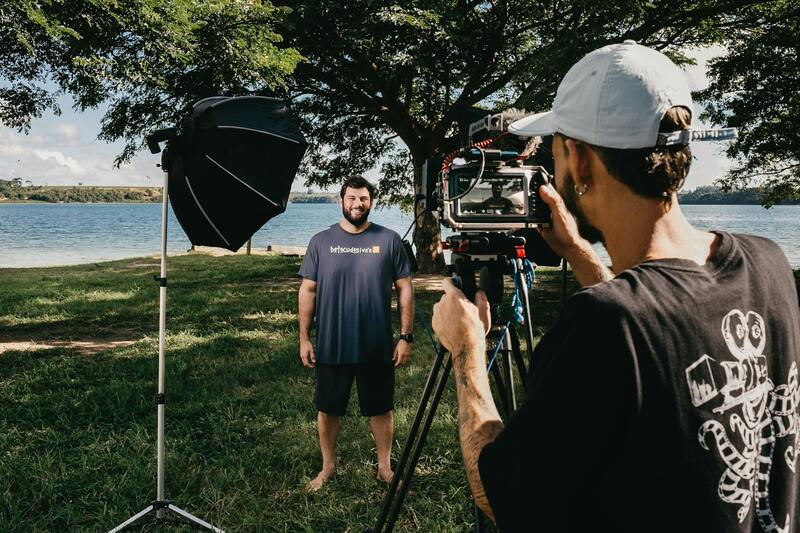
Additionally, advanced lighting gear—such as portable strobes, softboxes, and diffusers—play a significant role in achieving even illumination throughout the property. Proper lighting minimizes shadows and highlights the property's best features, ensuring images appear vibrant and inviting regardless of external weather conditions or interior light levels.
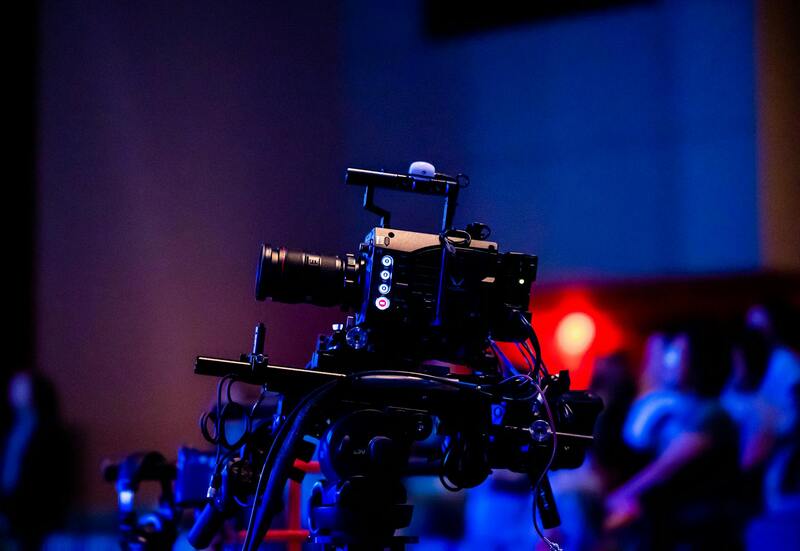
Complementing equipment choices, photographers also employ specific techniques, including the use of tripod-mounted shots for stability and precise framing. Strategic use of vertical and horizontal lines ensures the image maintains architectural accuracy. Techniques such as HDR (High Dynamic Range) imaging allow photographers to blend multiple exposures, capturing details in both bright and shadowed areas of a room. This approach is especially beneficial in spaces with contrasting lighting conditions, such as rooms with large windows or intricate interior lighting.
Moreover, careful consideration of shooting angles—often from a corner perspective—provides viewers with a sense of depth and spatial awareness. Photographers often stage rooms to showcase their functionality and flow, emphasizing key features like high ceilings, modern fixtures, or scenic views through windows. By implementing these technical standards and creative strategies, professional property photography ensures images accurately represent the property’s potential and appeal.
Choosing the Right Equipment and Techniques
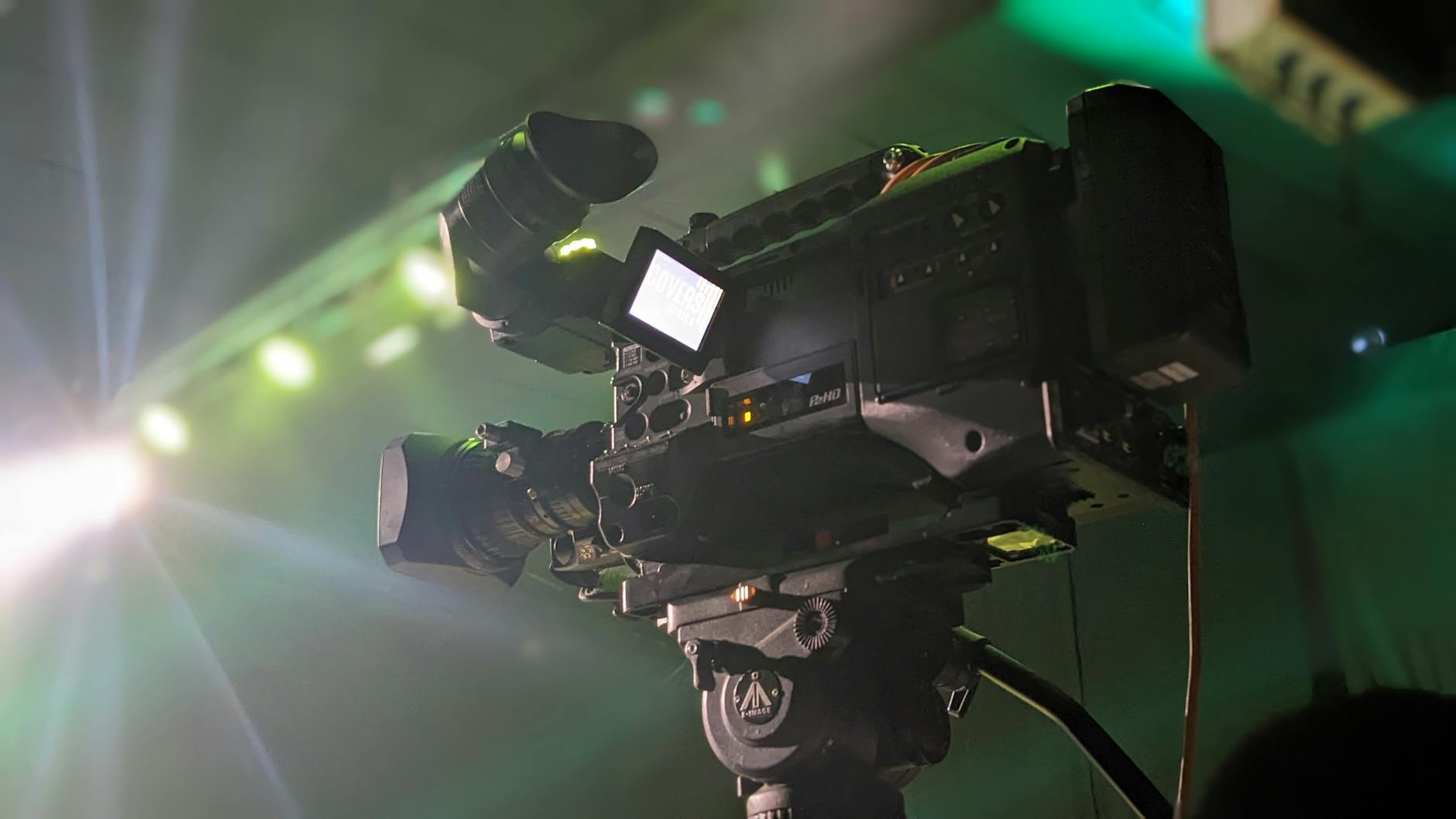
High-quality professional property photography hinges on the precise selection and utilization of specialized equipment. Widely used tools include wide-angle lenses, which are essential for capturing expansive interior spaces and providing viewers with a true sense of room dimensions. Such lenses enable photographers to showcase a property’s spatial layout effectively, making rooms appear larger and more inviting. Additionally, the use of drone technology offers a unique aerial perspective, highlighting property exteriors, landscaping, and surrounding amenities from a compelling vantage point.
Advanced camera systems with high-resolution sensors are vital for capturing intricate details and ensuring sharp, clear images that accurately convey a property’s appearance. Tripods contribute to image stability, preventing blurring and allowing for sharp focus even in lower light settings. Drones and stabilized gimbals expand creative options by providing dynamic shots that enhance listing appeal.
Post-processing plays a crucial role in refining images. Photo editing software permits professionals to adjust brightness, contrast, and color balance, ensuring property images remain vibrant while preserving true-to-life accuracy. Techniques such as HDR imaging blend multiple exposures for a comprehensive view of both bright and shadowed areas, effectively balancing interior lighting and exterior highlights.
Shooting strategies involve careful consideration of angles and staging. Photographers often position themselves at optimal vantage points—preferably from corners—to capture a room’s depth and spatial relationships genuinely. Leveraging natural light and supplementing with professional lighting setups help highlight a property’s key features while minimizing shadows and distortions.
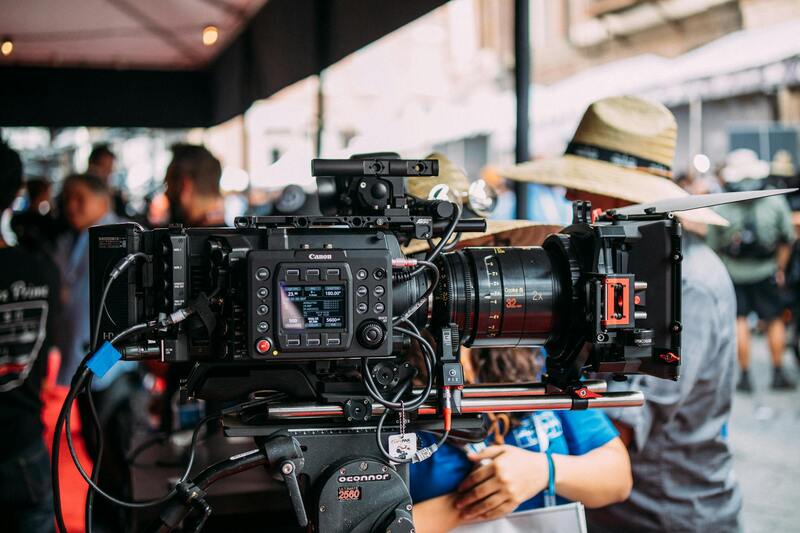
Furthermore, employing creative techniques like tilt-shift photography can correct perspective distortions, especially in exterior shots, helping maintain architectural accuracy. The combination of the right equipment, effective shooting strategies, and precise post-processing ensures that property visuals not only attract attention but also provide an honest and compelling representation of the property’s true potential.
Legal and Ethical Considerations
When engaging in professional property photography, adherence to certain standards and practices ensures ethical presentation and accuracy. Photographers should always have explicit permission from property owners before conducting shoots, ensuring clear agreements regarding image rights and usage. This respect for property privacy not only fosters trust but also maintains the integrity of the marketing process.
Transparency in editing practices is another vital aspect. While post-processing enhances visual appeal, it should not alter the true appearance of the property. Manipulating images to exaggerate space or conceal flaws can mislead potential buyers or renters, ultimately damaging reputation and trust. Authentic representation helps attract genuinely interested clients, reducing dissatisfaction and potential disputes.
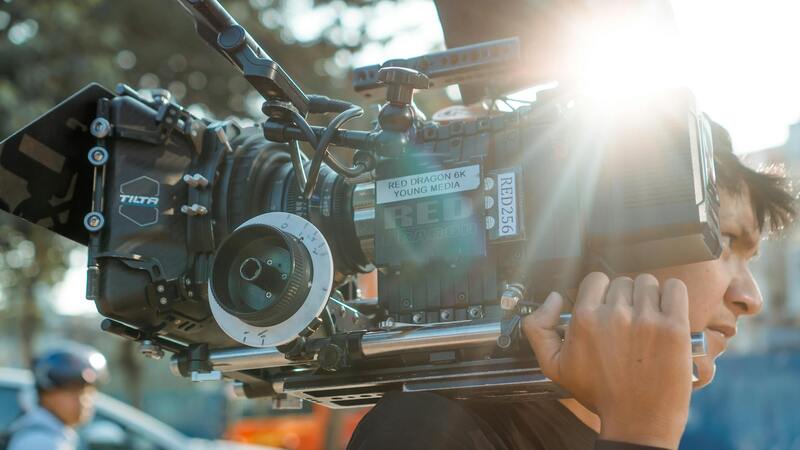
Respecting intellectual property rights is also crucial. Photographers must ensure they possess the appropriate licenses for any equipment, software, or proprietary content used during the shoot. Clear agreements about image ownership and licensing rights with clients prevent conflicts and clarify usage rights.
In addition, professionals should uphold industry standards regarding safe working conditions, especially when utilizing aerial drones or heavy lighting setups. Properly managing equipment and maintaining safety protocols serve both the safety of personnel and the quality of work delivered.
Legal and Ethical Considerations in Property Photography
Professional property photography requires adherence to established standards that promote transparency, respect, and integrity in the marketing process. One of the core practices involves obtaining proper authorization from property owners or managers before conducting any photographic sessions. This ensures that all rights to the property and its images are clearly aligned with the intended use, preventing misunderstandings or unauthorized exposures.
Securing explicit consent not only advantages the photographer but also reinforces the confidence of property owners in the marketing efforts. Clear documentation of permissions helps streamline legal considerations related to image rights and usage rights, allowing for seamless deployment across multiple advertising channels or publications.
Maintaining authenticity in property images is central to building trust with potential clients. Photographers should resist the temptation to manipulate images beyond basic enhancements that aim to accurately represent the property. Overly altered images can mislead prospective buyers or renters regarding the actual condition or appearance of the property, which could lead to dissatisfaction and disputes.
It's equally essential that photographers operate within industry standards concerning safety protocols and equipment usage. This involves proper handling of lighting equipment, aerial drones, and other tools to prevent accidents on-site. Implementing comprehensive safety procedures not only safeguards personnel but also upholds a professional working environment.
Respect for intellectual property rights is another pillar of ethical property photography. Photographers must have the appropriate licenses for their equipment, software, and any proprietary content used, preventing unauthorized use of copyrighted materials. Establishing clear agreements on image ownership and licensing rights with clients clarifies how images can be utilized, circulated, or modified.
By following these rigorous protocols and standards, professional photographers contribute to a transparent, trustworthy, and compliant real estate marketing environment. This commitment fosters client confidence, enhances brand reputation, and supports the broader goal of honest property representation. The diligent application of ethical practices ultimately benefits all parties involved, ensuring sustainable professional relationships and ongoing success in real estate promotion.
Legal and Ethical Considerations
Ensuring the use of authentic and legitimate images is paramount in professional property photography. This involves adhering to strict standards regarding the accuracy and representation of property images, avoiding any enhancements or manipulations that could mislead prospective buyers or renters. Photographers must accurately depict the property's features, dimensions, and conditions to provide a truthful basis for decision-making.
Proper licensing of all equipment and software used during the photography process guarantees that images are produced within authorized frameworks, maintaining high-quality standards and integrity. Clear agreements on image rights and usage rights with clients help define how photographs are circulated, displayed, or utilized in various marketing channels.
Utilizing only authorized and appropriately licensed photos ensures consistency and professionalism across all marketing materials. This transparency builds trust with clients who rely on authentic imagery to make informed decisions about properties.
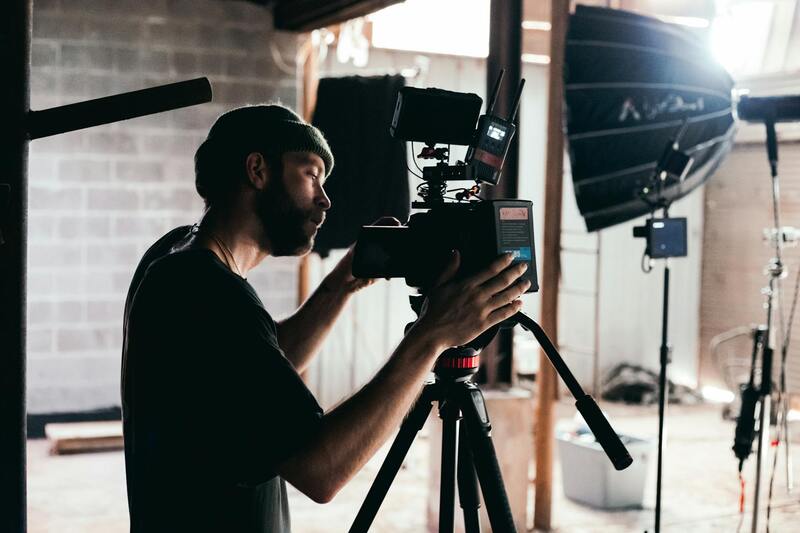
Ethical considerations extend to respecting privacy and property rights, ensuring no images capture areas that should remain private or unseen without consent. Photographers are also responsible for obtaining necessary permissions before photographing or publishing images of tenants or residents to honor their rights.
By following stringent ethical standards, professionals contribute to a reputable and sustainable real estate industry. They foster confidence among clients, agents, and prospective buyers, knowing that the visual representations of properties are both authentic and legally sound.
Legal and Ethical Considerations
Adhering to proper procedures in property photography is essential for maintaining trust and integrity in real estate marketing. This involves ensuring that all imagery is obtained and used in accordance with established procedures that respect property rights, privacy, and consent. Photographers must acquire the necessary permissions before capturing images of private residences or sensitive areas within a property. This process includes obtaining explicit consent from property owners, tenants, or authorized representatives to avoid misunderstandings or disputes.
It is equally important to use only legally acquired equipment and software licensed for commercial use. This guarantees that images are produced within authorized frameworks, upholding high standards of quality and digital integrity. Utilizing unlicensed or pirated software can undermine the professionalism of the work and create potential issues down the line, such as disputes over image rights or copyright infringement.
Clear agreements regarding image rights and usage are fundamental. These should outline how photographs can be circulated, displayed, or incorporated into various marketing materials. These agreements help safeguard both the photographer and the client, ensuring transparency about where and how the images will appear. For example, whether the images are intended solely for online listings, printed brochures, or advertising campaigns affects licensing and usage terms.
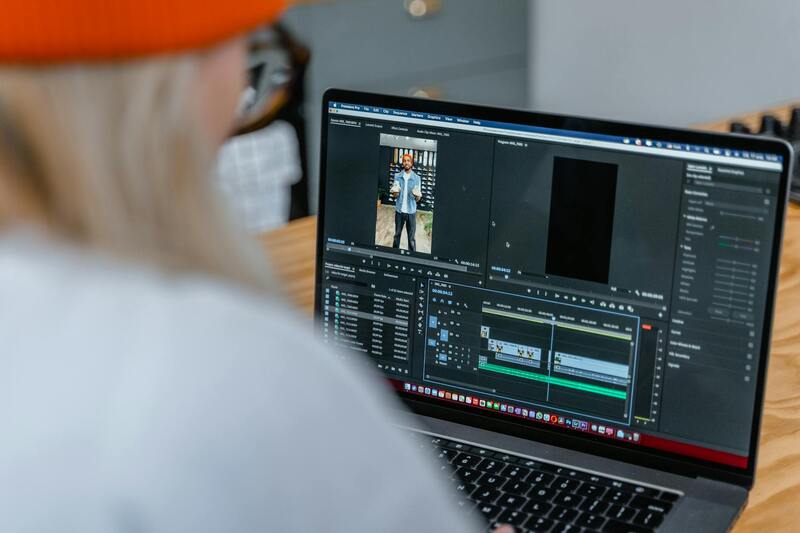
Respecting privacy and property boundaries is also a core ethical component. Photographers must avoid capturing or publishing images of private or restricted areas without explicit consent. This includes ensuring that any photography involving tenants or residents is conducted with proper permissions, aligning with privacy standards and respecting residents’ rights. Ethical conduct extends to honesty in portraying properties. Photographers should accurately represent the property's features without digital manipulation that could mislead buyers or renters. This includes conducting honest editing — such as correcting lighting or perspective — without altering the fundamental aspects of the property. By following these stringent standards, real estate professionals contribute to a trustworthy environment where all parties can make informed decisions based on authentic and ethically sourced visuals. Such responsibility fosters a reputable industry reputation and enhances confidence among clients, agents, and prospective buyers alike.
Legal and Ethical Considerations in Property Photography
Ensuring that property photography complies with legal and ethical standards is essential for maintaining integrity in real estate marketing. Photographers must adhere to strict guidelines regarding private property rights, respecting the boundaries of residents and property owners. This involves obtaining explicit permissions prior to capturing images, especially in private or restricted areas. Additionally, consent from tenants or residents is vital when their likeness or personal belongings may appear in photographs. A clear protocol should be established to handle such situations ethically, safeguarding privacy rights and fostering trust.
Transparent licensing agreements form the backbone of responsible property photography. These agreements specify how images may be used, distributed, and reproduced across different platforms, such as online listings, printed brochures, or promotional campaigns. Proper documentation prevents misunderstandings and ensures that both the photographer and client have aligned expectations regarding usage rights.
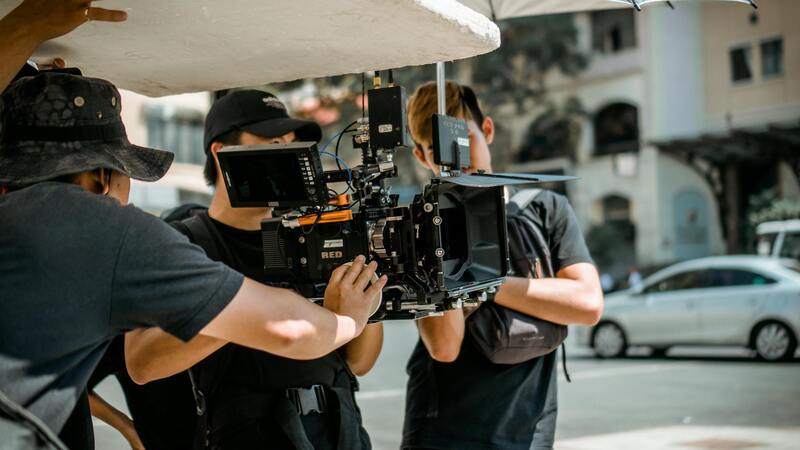
Digital manipulation must be conducted with integrity. While slight adjustments to lighting, color correction, or perspective can enhance visual appeal, altering images to misrepresent the property's actual condition is unethical. Honest editing preserves the authenticity of the visuals, allowing potential buyers or tenants to make informed decisions based on accurate representations.
Respect for Privacy and Property Boundaries
Photographers should be vigilant about respecting privacy and property boundaries. Capturing images that inadvertently include private areas or personal belongings without permission undermines ethical standards. Special care should be taken when photographing occupied properties to ensure that residents' rights are protected and that images reflect only the permissible aspects of the property.
Building Industry Trust through Ethical Standards
Adhering to ethical best practices enhances the professional reputation of real estate agents and photographers. Maintaining honesty and transparency fosters confidence among clients, prospective buyers, and property owners. In an increasingly competitive market, ethical property photography distinguishes reputable practitioners, emphasizing accuracy and integrity in all visual representations.
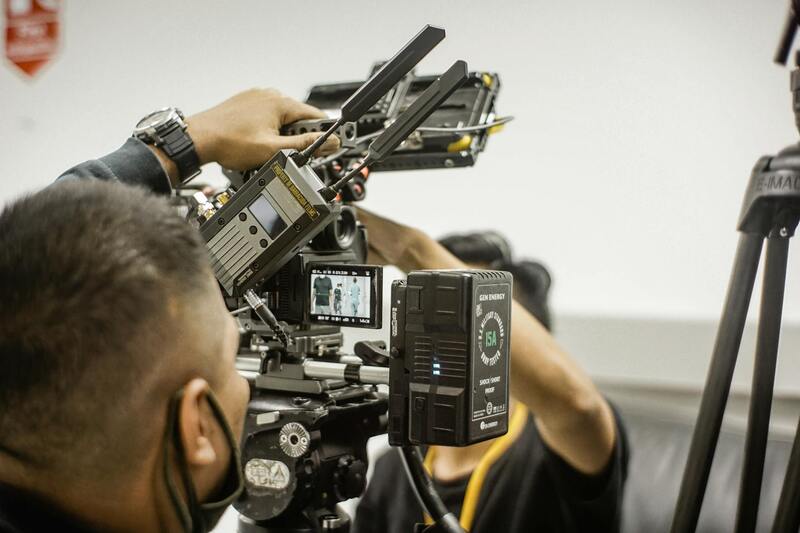
Developing and enforcing a comprehensive code of conduct for property photography helps ensure consistent adherence to these standards. Continuous training and awareness about evolving regulations and industry expectations are essential to keep all stakeholders aligned with best practices, ultimately supporting a more trustworthy and professional real estate environment.