Importance of High-Quality Photography in Real Estate Sales
In today's competitive real estate market, the visual presentation of a property can significantly influence buyer interest and decision-making. High-quality real estate photography serves as a powerful tool that captures the essence and appeal of a home, making it stand out among countless listings. Professional photos can reduce the time a property spends on the market by attracting serious buyers from the very first glance.
Buyers often rely heavily on online listings to narrow down their options before scheduling viewings. Clear, well-composed images provide an authentic and enticing preview of the property, encouraging potential buyers to take the next step. Conversely, poorly lit or amateurish images can create doubt about the property's condition and reduce engagement. This underscores the importance of investing in professional photography, which employs specialized techniques and equipment to showcase a property's best features.
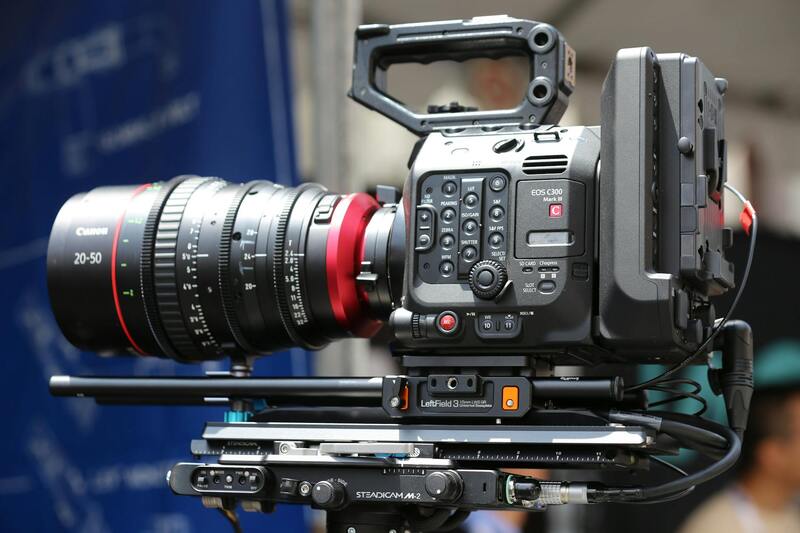
The impact of professional real estate photography extends beyond initial impressions. It influences how buyers perceive the value of the property, making them more likely to overlook minor flaws and focus on its strengths. Additionally, compelling images enhance marketing efforts across various channels, including MLS listings, social media platforms, and real estate websites.
Research indicates that listings with professional photographs tend to receive more clicks, inquiries, and ultimately, higher offers. This correlation demonstrates the critical role of visual presentation in achieving optimal sales outcomes. Therefore, investing in skilled real estate photography is a strategic step toward ensuring a property sells swiftly and at a desirable price.
Ultimately, high-quality photography is more than just a visual asset; it is a key element of a comprehensive marketing strategy that draws in prospective buyers, builds trust, and accelerates the sales process. For real estate professionals and homeowners alike, leveraging the expertise of seasoned photographers can produce images that genuinely reflect the property’s value and appeal.
Choosing the Right Equipment and Techniques
Professional real estate photography heavily relies on the appropriate selection of equipment and the application of proven techniques to produce compelling images. High-quality cameras with full-frame sensors are preferred because they deliver superior detail, dynamic range, and low-light performance. This allows photographers to capture true-to-life images that accurately represent the property under various lighting conditions. Lenses are equally important; wide-angle lenses are commonly used to showcase larger spaces and architectural features without distortion, creating a sense of openness that appeals to potential buyers. Tripods add stability, ensuring sharp images, especially in low-light situations, and enabling precise framing for consistent results. Advanced techniques such as HDR (High Dynamic Range) imaging help balance exposures between bright windows and darker interior areas, resulting in well-exposed photos that reveal the property’s full character. Additionally, techniques like panoramic stitching can be utilized to capture expansive views of large rooms or outdoor spaces, offering a comprehensive visual experience. Proper use of lighting is critical—professional photographers often employ supplementary lighting gear or reflectors to eliminate shadows and highlight key features. The goal is to create images that are bright, inviting, and true to the actual space, which helps prospective buyers visualize themselves living there. Ultimately, mastering equipment and techniques ensures that every shot contributes to a cohesive, attractive portfolio that maximizes the property’s visual appeal and marketing effectiveness.
Choosing the Right Equipment and Techniques
For capturing compelling real estate images, selecting the appropriate equipment and employing effective shooting techniques are critical. High-quality, professional-grade digital cameras with full-frame sensors are preferred because they provide the detail, color accuracy, and dynamic range necessary to showcase property features authentically. These cameras perform exceptionally well in various lighting conditions, ensuring consistent image quality across different rooms and outdoor scenes.
Wide-angle lenses are essential tools in this setting. They allow photographers to encompass more of a space within a single frame, making rooms appear larger and more inviting. The distortion caused by wide-angle lenses can be minimized with proper technique and lens correction settings during post-processing. Use of prime or zoom lenses with a focal length between 14mm and 24mm tends to yield optimal results, balancing wide coverage with minimal image distortion.
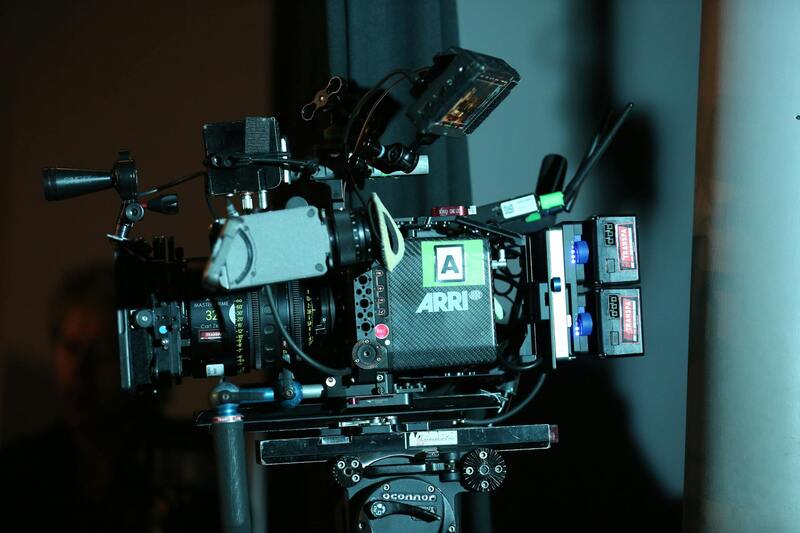
Tripods play a vital role in obtaining sharp, well-composed images, especially in interior settings where lighting can be limited. They help maintain stability during longer exposures, preventing blurring caused by hand movement. Employing slow shutter speeds in dimly lit rooms while using tripods ensures that images are bright and clear without introducing noise.
Mastering exposure techniques such as bracketing and HDR imaging allows photographers to capture high dynamic range photos that accurately depict the property’s bright and dark areas. This is particularly useful when a single exposure cannot sufficiently balance interior and exterior lighting, such as in rooms with large windows. Panoramic stitching techniques can be employed to create wide, immersive views of open living spaces or outdoor areas, providing prospective buyers with a comprehensive visual experience.
Lighting is a cornerstone of excellent real estate photography. It’s beneficial to utilize supplementary lighting, reflectors, or diffusers to illuminate shadowed corners and accentuate specific features. Proper lighting enhances the ambiance of a space, making it appear warm and welcoming while maintaining true color fidelity. Understanding natural light patterns and scheduling shoots during optimal times of day enhances the natural appeal of the property.
Additional Techniques to Elevate Property Imagery
- Strategic Composition: framing key features and leading lines directs viewers’ attention and adds depth.
- Vertical and Horizontal Balance: maintaining straight horizons and vertical lines ensures professional-grade images.
- Contextual Shots: incorporating surrounding landscape and neighborhood visuals helps buyers appreciate the property’s environment.
By combining the right gear with refined technical techniques, real estate professionals can produce visually compelling images that significantly enhance online listings and attract more potential buyers. High-quality photography not only presents the property in its best light but also acts as a crucial element in building trust and confidence for clients moving through the sales journey.
Technical Aspects of Professional Photography for Selling House
Achieving superior real estate imagery demands a mastery of technical skills and an understanding of the latest industry standards. To capture stunning photos that elevate a property listing, photographers employ a combination of advanced camera settings, composition strategies, and post-processing techniques carefully tailored for the real estate market.
Starting with camera configuration, professionals typically utilize full-frame DSLR or mirrorless cameras to maximize image detail and dynamic range. Aperture settings are chosen to ensure sharpness throughout the property, often around f/8 to f/11, allowing everything from foreground to background to be in crisp focus. ISO sensitivity remains at the lowest possible setting to avoid noise and maintain image clarity, especially in well-lit environments.
Shutter speed adjustments are essential for capturing well-exposed images without motion blur, particularly in indoor settings where natural light can vary. Tripods are indispensable for stabilizing the camera and achieving perfectly straight horizons and vertical lines. When shooting interior spaces, wide-angle lenses—typically 14mm to 24mm—are preferred to encompass more of the room in a single shot, providing a comprehensive view for prospective buyers.
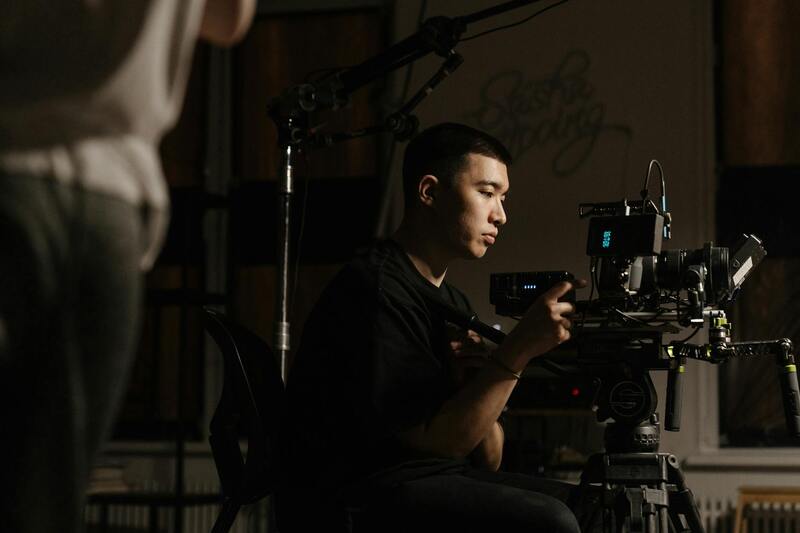
Light management plays a pivotal role in creating attractive visuals. Photographers often balance natural light with supplemental lighting, such as softboxes or portable LED panels, to fill shadows and highlight key features. Proper technique involves scheduling shoots during times of day when natural light is abundant and evenly dispersed, typically mid-morning or late afternoon, depending on the property’s orientation.
Post-processing is the final phase that transforms raw images into compelling visuals. Skilled editing focuses on correcting color balance, enhancing brightness and contrast, and removing minor distortions or distractions. Techniques such as perspective correction ensure the verticals and horizontals are perfectly aligned, avoiding the skewed appearance that detracts from professionalism. Careful editing reinforces the authenticity of the images, helping buyers visualize the space accurately without overpromising.
In essence, blending high-end equipment with precise technical execution forms the backbone of effective property photography. This meticulous approach guarantees images that are not only visually appealing but also serve as trustworthy representations of the property’s true character and potential.
Editing and Post-Processing Tips
Professional photography for selling house hinges on subtle yet impactful editing techniques that elevate the quality of visuals without compromising authenticity. Post-processing is an integral step where raw images are refined to better showcase the property’s features and create a compelling narrative for potential buyers.
Firstly, color correction is fundamental to ensure hues are natural and appealing. Adjusting white balance and vibrancy brings out the true colors of the interior and exterior, making spaces look inviting while maintaining their realistic appearance. Brightness and contrast adjustments can help enhance detail and depth, particularly in areas that may appear dull or shadowed in original captures.
Perspective correction addresses distortions caused by wide-angle lenses, straightening lines and aligning verticals and horizontals to avoid skewed perspectives. This adjustment helps the viewer interpret space accurately, which is crucial for building trust and interest. Additionally, minor cropping can eliminate distracting elements or uneven framing, focusing attention on the property's most attractive features.
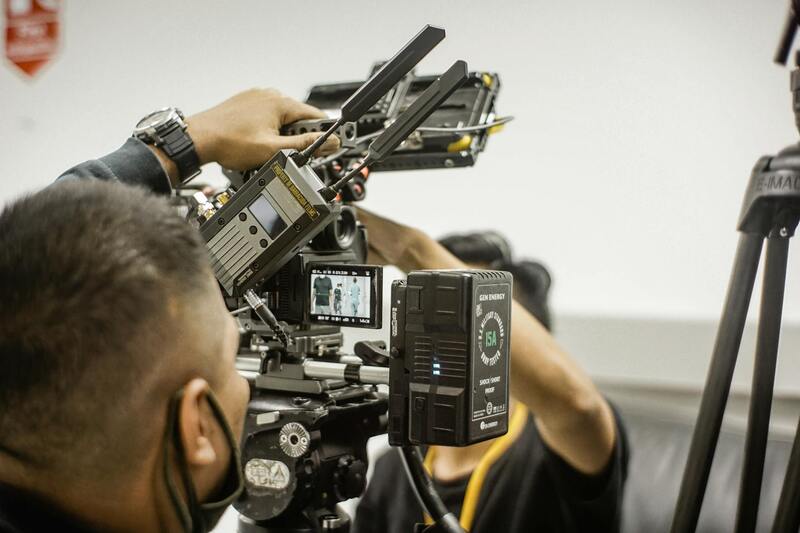
Retouching is used judiciously to remove small imperfections such as blemishes on walls or clutter in the background. However, the goal remains to depict a realistic view of the property. Over-editing or excessive manipulation can create a misleading impression, so moderation is key.
Furthermore, subtle enhancements like sharpening details in focal areas and framing the image to direct the viewer’s eye can significantly boost appeal. These adjustments, when executed skillfully, support a clear and accurate visual story that highlights the property’s best attributes without exaggeration.
Overall, effective post-processing balances technical precision with authentic representation. When done correctly, it produces compelling visuals that resonate with online audiences and inspire confidence in the property's quality, helping to accelerate the sale process and attract serious buyers.
Legal and Ethical Considerations in Property Photography
Engaging in property photography for real estate sales involves adhering to essential standards that uphold professionalism and integrity. These considerations ensure that all visual representations accurately reflect the property, fostering trust between sellers, agents, and potential buyers. Transparency in showcasing property features is fundamental; this includes capturing images that portray rooms, exteriors, and special features truthfully without deceptive enhancements that could mislead viewers.
It is crucial to respect the privacy of current occupants and neighbors. Obtaining necessary permissions prior to photographing private or shared spaces helps maintain respectful relationships and compliance with privacy concerns. This practice minimizes the risk of misunderstandings or objections from adjacent property owners or residents.
Utilizing appropriate equipment and techniques responsibly forms part of ethical standards. Photographers should avoid manipulative practices such as overly distortive lens use or exaggerated image enhancements that could lead to misunderstandings upon viewing the property physically. Instead, the focus should be on delivering high-quality images that represent the property as it is, emphasizing its true potential.
Respectful collaboration with realtors and property owners is essential. Clear communication about the scope of photography, intended use, and editing practices helps establish mutual understanding and prevents discrepancies. Photographers should keep detailed records of shoots and edits to demonstrate adherence to agreed standards and ensure accountability.
Further, compliance with local regulations regarding the use of drones or aerial shots, if applicable, is necessary to avoid legal complications. Proper licensing and adherence to aviation rules ensure that aerial images are obtained ethically and within permitted boundaries.
In summary, professional property photography must balance technical excellence with ethical responsibility. By maintaining transparency, respecting privacy, and avoiding misleading enhancements, real estate photography supports fair and trustworthy transactions that benefit all parties involved. This approach not only elevates the seller’s reputation but also establishes a reliable foundation for successful property sales.
Legal and Ethical Considerations in Property Photography
Engaging in professional photography for selling a house entails adhering to established standards that uphold integrity and transparency throughout the marketing process. While exploring different photographic methods, it remains essential to focus on accuracy and honesty to provide potential buyers with truthful representations of the property.
One critical aspect involves obtaining proper permissions before capturing images, especially when photographing private or restricted areas within a property. Property owners and real estate agents should be fully aware of what is being photographed and where images will be displayed, to ensure all parties are aligned on the use and scope of the photographs.
Furthermore, the use of advanced photographic techniques should be executed responsibly. Techniques such as HDR (High Dynamic Range) imaging, which combines multiple exposures, can enhance details in scenes with challenging lighting conditions. However, care must be taken to avoid excessive brightening or darkening that could misrepresent the property's current state.
In addition, photographers should steer clear of manipulative editing practices like adding objects, removing clutter digitally, or altering structural elements to mislead viewers. These practices can lead to discrepancies between online listings and the actual property, potentially causing issues during inspections or closing phases.
Respecting privacy rights is equally vital, particularly when photographing properties that involve shared spaces or tenants. Obtaining consent from all relevant parties and ensuring that personal areas are appropriately blurred or excluded from images can prevent privacy violations and maintain ethical standards.
Proper training and certification for drone footage, where applicable, also constitute an important part of lawful and ethical photography. Complying with local airspace regulations, obtaining necessary permits, and operating drones responsibly contribute to a professional and conscientious approach to aerial imagery.
Finally, transparency and clear communication with clients about the editing and enhancement process help manage expectations and build trust. Documenting the scope of work, including the extent of post-processing, provides clarity and reinforces ethical practices that serve the interests of both sellers and buyers.
In summary, adhering to these practices ensures that property photography supports a fair, trustworthy, and transparent real estate market. Maintaining high standards in photographic integrity not only benefits individual transactions but also enhances the overall reputation of the real estate industry.
Legal and Ethical Considerations in Property Photography
High-quality real estate imagery demands more than technical expertise; it requires a steadfast commitment to ethical standards and legal compliance. Respecting property rights and securing necessary permissions form the foundation of professional photography that upholds trust and transparency in the industry.
Before capturing images, obtaining explicit consent from property owners or authorized representatives is essential. This not only ensures a clear understanding of the scope of the photography but also helps mitigate misunderstandings regarding the use and distribution of images. When photographing multiple properties, maintaining a consistent process for permission acquisition fosters professionalism and safeguards all parties involved.
Privacy considerations are equally critical, especially when properties involve shared spaces, tenants, or personal items. Photographers must exercise discretion by avoiding intrusive shots and being mindful of areas that should remain private. When in doubt, blurring or excluding sensitive views helps prevent unintended privacy breaches and preserves the integrity of the listing.
Accurate and truthful representation of a property through images is the cornerstone of ethical real estate marketing. Post-processing should enhance images without misleading potential buyers or distorting the actual features of the home. Overly manipulated photos can create unrealistic expectations and frustrate prospective buyers, undermining trust in the listing and the agent's professionalism.
Transparency and Documentation
- Clearly communicate the extent of any image adjustments or enhancements to clients.
- Maintain records of permissions obtained and any relevant correspondence regarding image use.
- Ensure that all images accurately depict the property's condition and features.
This transparent approach solidifies the credibility of the real estate listing and fosters a fair market environment. Adhering to these ethical principles supports a professional reputation and encourages confidence among clients and consumers in the property market.