Understanding the Role of a Professional Home Photographer
A professional home photographer plays a vital role in showcasing residential properties through high-quality imagery that attracts prospective buyers and renters. Their responsibilities extend beyond mere point-and-shoot capabilities; they must possess a thorough understanding of photographic principles, lighting techniques, and the nuances of real estate marketing. In Miami's competitive real estate landscape, the significance of captivating visuals cannot be overstated, as they often serve as the first interaction prospective clients have with a property.
Expert home photographers are adept at highlighting the unique features of a residence, creating a visual narrative that resonates with viewers. They analyze the home’s layout, natural light, and architectural details to determine the optimal angles and perspectives. This meticulous approach ensures that each shot accurately represents the space's true potential, helping sellers stand out in a crowded marketplace.
Additionally, a professional home photographer must understand the importance of consistency and branding in their work. Their images not only serve the immediate purpose of marketing a specific property but also contribute to a recognizable aesthetic that can elevate an entire real estate agency’s portfolio. Mastery of various photographic styles, from wide-angle shots that encompass entire rooms to detailed close-ups of desirable features, is essential for producing compelling visuals that facilitate faster sales and higher property valuations.
Furthermore, a professional home photographer in Miami must stay updated on industry trends and emerging technologies, including the use of drone photography, 3D virtual tours, and HDR imaging. These advanced techniques add depth and dimension to property listings, offering potential buyers immersive experiences that encourage engagement and inquiries. Their role is both artistic and technical, demanding a keen eye for detail and commitment to delivering images that meet high standards of quality and authenticity.
In essence, the responsibilities of a professional home photographer are centered on translating the physical attributes of a property into visually compelling narratives that inspire confidence and interest among prospective clients. Their work is a crucial component of effective real estate marketing strategies that drive visibility, attract leads, and ultimately facilitate successful transactions in Miami's vibrant property market.
Understanding the Role of a Professional Home Photographer
A skilled professional home photographer in Miami combines artistic vision with technical proficiency to produce images that highlight a property's best features. Their primary focus is to create visual narratives that resonate with potential buyers, emphasizing the spatial flow, architectural details, and unique selling points of each property. These images serve as a vital component in the marketing process, capturing the essence of a home in a way that appeals to the aesthetic sensibilities of prospective clients.
To achieve this, they employ a combination of advanced techniques and equipment, carefully strategizing every shot to ensure maximum impact. Their work involves more than just snapping photos; it requires understanding lighting conditions, utilizing composition principles, and applying post-production adjustments that enhance the visual appeal without misrepresenting the property's actual features. Mastery of various photographic styles, including wide-angle shots for spaciousness and detailed close-ups to highlight premium finishes, helps create an enticing visual story that can significantly influence a buyer’s decision-making process.
Professional home photographers also keep abreast of current industry trends and technological advancements. For instance, drone photography is increasingly used to capture captivating aerial views that provide a comprehensive perspective of a property's surroundings. Additionally, virtual tours utilizing 3D imaging tools allow potential buyers to explore the home remotely, increasing engagement and interest. High Dynamic Range (HDR) imaging, another popular technique, ensures images retain detail in both bright and dark areas, delivering balanced and visually striking results.
The Impact of Professional Photography on Miami’s Real Estate Market
The Miami real estate market is highly competitive, with properties often competing for attention in a crowded digital space. Professional home photography plays a vital role in differentiating listings, ensuring they stand out among numerous options. Well-executed photos not only attract more visitors to listings but also foster a sense of trust and professionalism that encourages inquiries and scheduled showings.
Furthermore, consistent use of high-quality visuals enhances an agent’s brand reputation. When agents invest in professional photography, it demonstrates a commitment to quality and attention to detail, qualities highly valued by clients. This, in turn, supports the creation of more compelling marketing campaigns across multiple channels—websites, social media, and printed materials—maximizing visibility and lead generation.
Specialized Skills and Continued Education
Being a professional home photographer in Miami also demands ongoing learning. The local market's rapid evolution and technological innovations require photographers to continually sharpen their skills. Participating in workshops, industry seminars, and online courses focused on the latest camera equipment, editing software, and virtual tour platforms ensures they remain at the forefront of the field.
They must also develop a keen eye for detail, understanding the unique architectural styles prevalent in Miami, from modern luxury condos to historic Spanish-style homes. This cultural and architectural awareness helps them craft images that are both technically perfect and contextually relevant, effectively telling the story of each property.
Creating a Portfolio that Reflects Expertise
A professional home photographer’s portfolio is their calling card. It showcases their technical skills, versatility across different property types, and ability to adapt to clients’ specific needs. High-quality, diverse images demonstrate their capacity to highlight a home's best attributes while maintaining authenticity. A strong portfolio not only attracts new clients but also builds trust and confidence among real estate professionals seeking reliable photography services in Miami.
Building such a portfolio involves consistent practice, professional editing standards, and a focus on delivering compelling visuals that meet high industry standards. Photographers also often seek client testimonials and case studies that reflect their ability to contribute positively to sales success, reinforcing their reputation within the market.
Conclusion
Ultimately, a professional home photographer plays a crucial role in Miami’s vibrant real estate scene. Combining artistic talent with technical expertise and ongoing industry education, they create captivating visuals that significantly influence how properties are perceived online. Their work extends beyond mere documentation, serving as a strategic tool that enhances marketing efforts, accelerates sales, and elevates the overall presentation of homes in a competitive market environment.
Lighting Strategies for Home Photography
Effective lighting is fundamental to capturing stunning images of residential spaces. For a professional home photographer, mastering various lighting techniques ensures that each room is showcased with clarity, brightness, and warmth, which is essential in attracting potential buyers or clients. Natural light remains the most desirable element, as it renders true color and creates inviting atmospheres. Photographers often schedule shoots during the day to leverage optimal sunlight, typically during the mid-morning or late afternoon, when the light is softer and more diffused.
Supplementing natural light with artificial lighting equipment allows for greater control over shadows, highlights, and overall illumination. High-quality strobes, softboxes, and diffusers help create a balanced light distribution, emphasizing architectural details and spatial proportions. When using artificial light sources, professional home photographers pay keen attention to avoid harsh shadows or overexposed spots, ensuring the image feels natural and appealing.
One crucial aspect of lighting in home photography is the handling of window light. Techniques such as backlighting or side lighting can add depth and dimension to photographs. Reflectors can also be employed to bounce light into darker corners, ensuring every part of the space is well-lit. The goal is to achieve a uniform exposure that accurately portrays the home’s interior without losing detail in brightly lit areas or shadows.
For professional home photographers, understanding the interplay of various light sources and mastering their manipulation is essential. This expertise not only improves image quality but also contributes to a more engaging and authentic visual storytelling process, ultimately elevating the presentation and appeal of each property.
Composition and Framing in Home Photography
Composition and framing are vital components of creating captivating home images. A professional home photographer employs principles such as the rule of thirds, leading lines, and symmetry to craft images that guide viewers' eyes through the space and emphasize key features. Proper framing ensures that focal points – whether a cozy fireplace, spacious kitchen, or scenic window view – are prominently positioned within the shot.
When setting up a shot, photographers consider vertical and horizontal lines, ensuring that walls, furniture, and architectural elements are straight and aligned. Avoiding distortion is crucial, especially when using wide-angle lenses, which can sometimes skew edges. Detailed attention to perspective allows the viewer to perceive the space as it appears in real life, providing an honest representation that helps buyers visualize living in the home.
Mastering framing involves lens choice, vantage point, and angle. Shooting from a corner optimizes depth and shows off room dimensions effectively. Low or high angles can lend a sense of grandeur or intimacy, depending on the desired effect. Additionally, capturing multiple perspectives of a single room can offer a comprehensive view, enabling clients to appreciate the home's flow and layout.
For seasoned professionals, the art of composition extends beyond aesthetics; it involves understanding the psychology of visual perception. By creating balanced, inviting images that showcase the unique character of each property, a home photographer elevates the listing’s appeal and inspires potential buyers to imagine themselves within the space.
Understanding the Role of a Professional Home Photographer
A professional home photographer specializes in capturing the essence, architecture, and interior details of residential properties through expertly composed images. Their role extends beyond merely taking photographs; they are responsible for creating visual narratives that highlight a home’s most appealing features and foster an emotional connection with potential buyers. These professionals utilize advanced techniques, state-of-the-art equipment, and an in-depth understanding of lighting, composition, and perspective to produce images that accurately represent the property’s true character. In essence, a skilled home photographer acts as a visual storyteller, ensuring every shot conveys a sense of space, comfort, and lifestyle. This requires not only technical proficiency but also a keen eye for detail and property aesthetics. By maintaining a professional approach, these photographers help real estate agents, homeowners, and developers elevate their listing’s appeal, ultimately contributing to quicker sales and higher property values. Their expertise also extends into understanding the nuances of different rooms and features — from capturing the inviting ambiance of a living room to emphasizing the seamless flow between indoor and outdoor spaces. Recognizing the importance of visual first impressions, professional home photographers are adept at staging, arranging, and highlighting elements that make each property unique. Specialized in real estate and residential photography, these experts employ precise techniques to ensure images are sharp, well-lit, and properly framed. They also understand the significance of consistency across multiple images within a listing, providing a cohesive look that draws potential buyers into a compelling visual journey through the property. A proficient home photographer not only enhances a property's online presence but also adheres to high standards of professionalism and integrity. They maintain accreditation, showcase an extensive portfolio, and leverage industry best practices to deliver images that instill confidence and trust in clients, ultimately strengthening their reputation within the Miami real estate market.
Key Equipment and Techniques for Home Photography
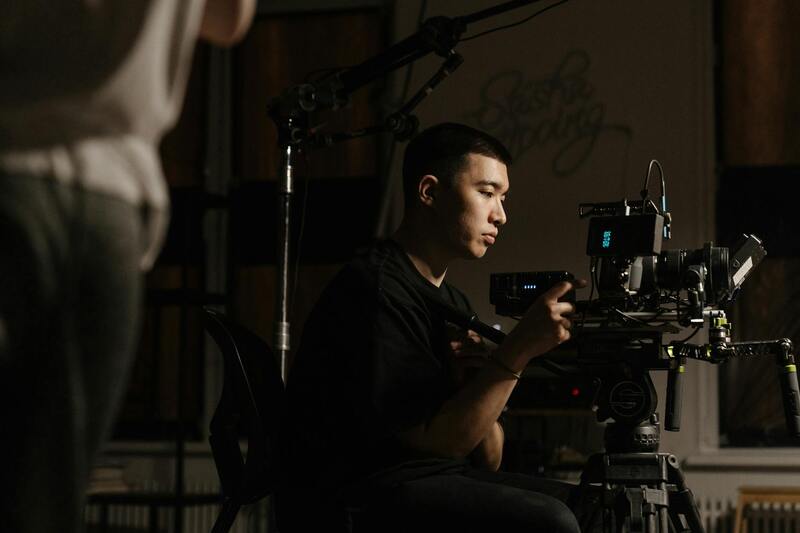
Successful home photography hinges on the right combination of equipment, settings, and techniques. Professional photographers typically employ high-resolution DSLR or mirrorless cameras capable of capturing fine details and vibrant colors. Wide-angle lenses, often between 14mm and 24mm, are fundamental in showcasing expansive room interiors and exterior views while maintaining proper perspective. Tripods are essential tools, providing stability for sharp images and enabling longer exposure times, especially in low-light conditions. Remote shutters or timers help eliminate camera shake, resulting in crisper photographs. Accessories like level kits and panoramic heads ensure the camera remains perfectly aligned, preventing distortion, and producing straight lines throughout the image. Post-processing software such as Adobe Lightroom or Photoshop plays a crucial role in editing images to achieve optimal brightness, contrast, and color accuracy. Professional home photographers utilize techniques like HDR (High Dynamic Range) imaging, combining multiple exposures to detail both shadowed and illuminated areas within a single shot. This method is particularly effective in spaces with varying light conditions or artworks and window views. Additionally, focus stacking might be employed to enhance depth of field, ensuring foreground and background elements are sharp. Proper lighting control, via diffusers or reflectors, minimizes shadows and highlights, creating a balanced and inviting atmosphere. Overall, a comprehensive understanding of camera functions, lens choices, and editing techniques enables photographers to produce compelling, true-to-life images that resonate with viewers and drive buyer interest.
Understanding the Role of a Professional Home Photographer
A professional home photographer combines technical expertise with an artistic eye to capture a property’s best features. Their primary goal is to create compelling, accurate representations of a space that appeal to potential buyers, renters, or clients. These professionals are skilled in assessing the unique aspects of each property, understanding how to utilize light, space, and perspective to highlight the home's strengths while minimizing any weaknesses.
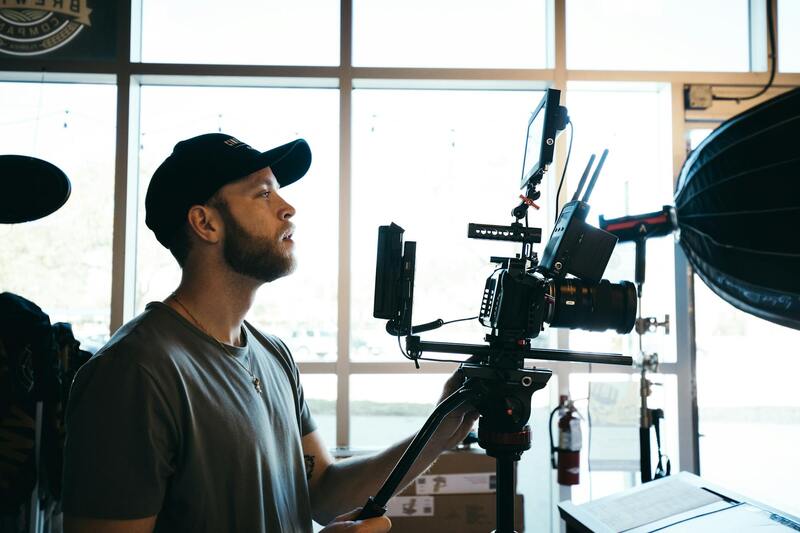
Beyond simply taking pictures, a professional home photographer conducts a detailed analysis of each space, evaluating natural light conditions, architectural details, and layout flow. They are proficient with various camera settings, lens choices, and stabilization equipment to produce sharp, well-exposed images. Their work often involves multiple exposures, HDR techniques, and post-processing skills to ensure the images reflect the property’s true aura and appeal.
Effective communication is vital in this role, as photographers collaborate closely with real estate agents, property owners, and developers to understand the key selling points of each home. They tailor their approach to align with marketing objectives, whether emphasizing spaciousness, cozy corners, or architectural uniqueness. The end product is a visually compelling portfolio of images that attract interest, facilitate quicker sales, and elevate the property’s market position.
Key Equipment and Techniques for Home Photography
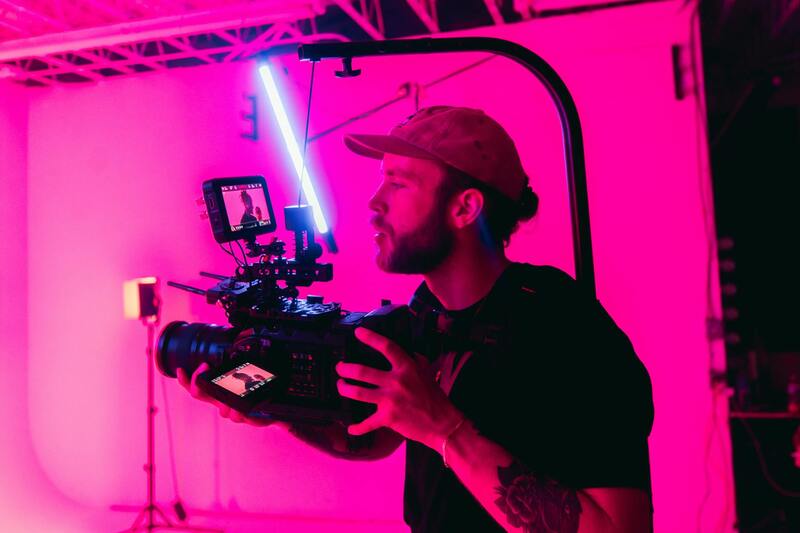
To achieve high-quality results, professional home photographers rely on an array of specialized equipment and techniques. Essential tools include wide-angle lenses which allow capturing more of the space in a single shot, providing viewers with a comprehensive view of each room. Tripods are crucial for stability, especially when working in lower light conditions or during long exposures, ensuring sharpness and consistency across images.
Remote shutter releases and timers are additional accessories used to prevent camera shake. Leveling devices and panoramic heads assist in maintaining straight horizons and precise framing, critical when photographing expansive rooms or exterior vistas. Post-processing software like Adobe Lightroom and Photoshop enables photographers to fine-tune images, adjusting brightness, contrast, and color balance, while also removing minor imperfections.
Advanced techniques such as HDR (High Dynamic Range) imaging combine multiple exposures to reveal details in both shadows and highlights, which is especially helpful in spaces with contrasting lighting conditions. Focus stacking can enhance depth of field, ensuring sharpness from foreground to background. Proper lighting control is essential and often achieved through diffusers, reflectors, or staged lighting setups, to minimize shadows and create a welcoming atmosphere.
Preparing a Home for Photography Shoots
Preparation is key to capturing stunning real estate images. Homeowners and agents must ensure spaces are tidy and clutter-free, removing personal items or distracting objects that detract from the overall aesthetic. Deep cleaning, including windows, floors, and surfaces, enhances the visual appeal and allows more natural light to flow through the rooms.
Strategic staging can significantly influence the mood of the photograph. Setting the right furniture arrangement, accentuating architectural features, and adding tasteful decor can make rooms appear more inviting and spacious. Opening curtains or blinds amplifies natural light, creating a bright and airy environment that resonates in photos.
Timing the shoot during periods of optimal natural light, typically late morning or early afternoon, helps achieve vibrant images. Additionally, adjusting window treatments or adding supplemental lighting can help balance interior illumination, ensuring every corner of the room is well-lit and visually appealing.
Lighting Strategies for Home Photography
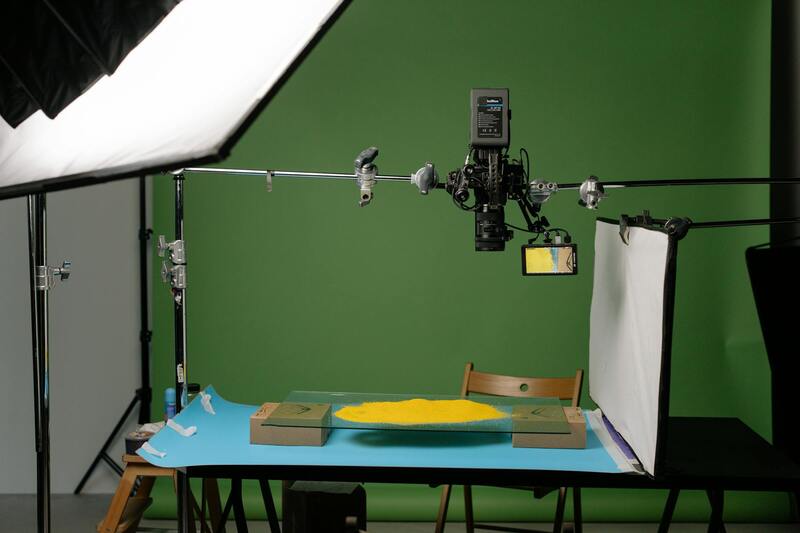
Lighting is arguably the most critical element in home photography. The goal is to create a natural, inviting ambiance that showcases the space’s true character. Utilizing abundant natural light is the first step; opening curtains and blinds and shooting during daylight hours can make a significant difference
. However, natural light can be unpredictable, so additional lighting strategies are often employed.Professional photographers use tools such as reflectors to bounce light into shadowed areas, and diffusers to soften harsh sunlight. Supplementary artificial lighting, including portable strobes or LED panels, helps illuminate darker corners and maintain consistent brightness across images. Balancing interior lighting with exterior views or window light is essential for achieving a balanced exposure.
Controlling the exposure and white balance settings on the camera ensures the colors and brightness levels are accurate. Dimming or turning off certain interior lights may prevent overexposure and color cast issues. Employing multiple lighting setups allows for greater flexibility, highlighting architectural details while maintaining a warm, comfortable atmosphere.
Legal and Professional Considerations
When engaging in professional home photography, adhering to established practices and standards is essential to ensure credibility and client trust. This involves understanding and implementing methods that comply with industry norms, including proper use of equipment, ethical workspace conduct, and responsible handling of property access. Employing lawful permission protocols, such as securing explicit authorization from homeowners or property managers before conducting shoots, safeguards professional relationships and maintains integrity throughout the process.
It is important to respect privacy boundaries and sensitive areas within a home. Clarifying the scope of the shoot, including specific areas to photograph and areas to avoid, prevents misunderstandings. Clear agreements should specify the intended use of images, whether for sales, rentals, or marketing, and outline responsibilities related to property damage and liability coverage. This level of professionalism reassures clients of your commitment to respectful and responsible service delivery.
To ensure consistent quality, professionals often adhere to standardized workflows and best practices recognized within the industry. This includes regular equipment maintenance, up-to-date training in new photographic techniques, and familiarity with local regulations regarding photography in private residences. Such measures not only optimize the quality of the images produced but also fortify your reputation as a reliable and competent home photographer.
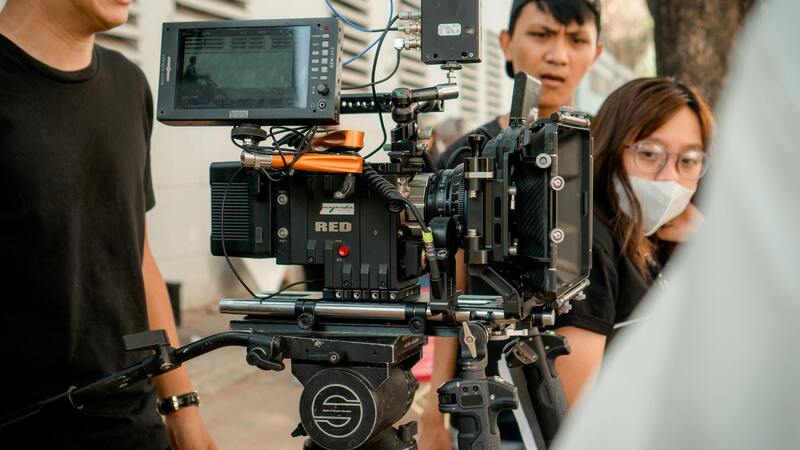
Balancing a professional approach with technical expertise elevates your service above amateur competitors. Continuous education, participation in industry seminars, and engagement with professional associations reinforce your commitment to excellence. These steps help develop a robust portfolio, demonstrate your capability to handle diverse property types, and highlight your understanding of current market expectations.
Furthermore, the use of legitimate contractual documentation, including service agreements and consent forms, formalizes your client interactions and provides clarity for all parties involved. This transparency mitigates potential conflicts and fosters a conducive environment for productive collaborations. Maintaining comprehensive records of each project also aids in establishing a trustworthy reputation within the industry.
Legal and Professional Considerations
Operating as a professional home photographer in Miami entails adhering to established standards that safeguard both the photographer and the client. This includes securing all necessary permissions and documentation before commencing a shoot, especially when capturing images in private residences or sensitive areas within a property. Obtaining explicit consent from homeowners and occupants ensures clarity regarding the use of photographs and respects privacy boundaries. A comprehensive understanding of local property rights and relevant regulations is essential. While not explicitly discussing legality, familiarity with these frameworks helps prevent misunderstandings or disputes during the photography process. It is advisable to maintain detailed records of client agreements, project specifications, and any specific requests related to the shoot. Furthermore, professional home photographers often utilize legally vetted service agreements. These documents outline the scope of work, deliverables, turnaround times, and payment terms. Incorporating clauses that specify rights related to image usage and confidentiality can provide added clarity, fostering trust and smooth collaboration.
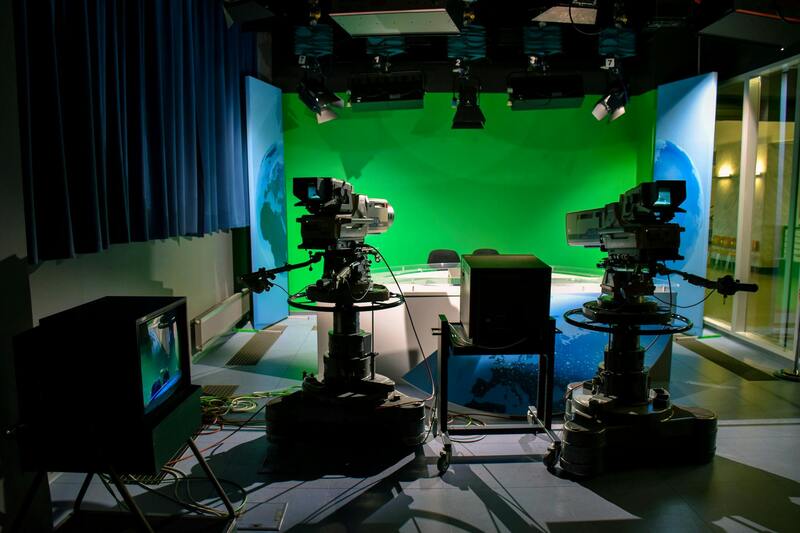
Maintaining confidentiality and respecting homeowner privacy are paramount. When photographing interiors, especially in occupied homes, it is crucial to document any sensitive areas or personal belongings and ensure they are either excluded or blurred out during post-processing. This approach demonstrates professionalism and builds confidence with clients. In addition, professional home photographers often carry liability insurance, which covers unforeseen incidents during shoots, protecting both parties. It is equally important to avoid any form of misrepresentation or false advertising in promotional materials to maintain integrity in the marketplace. Being transparent about your services, capabilities, and adherence to standards not only enhances your reputation but also aligns with industry best practices. As a committed professional, engaging in continuous education and staying updated on emerging trends and technologies can position you as a trusted expert within the Miami real estate and interior design communities. Finally, participating in professional associations or industry groups can provide valuable support networks, resources, and credibility, helping you stay connected with the evolving landscape of home photography.
Ensuring Ethical Practice and Professionalism in Home Photography
Maintaining integrity and professionalism in home photography encompasses a range of ethical practices that uphold the standards of the industry and foster trust with clients. Establishing clear communication from the outset is essential; this includes providing detailed information about the scope of work, delivery timelines, and usage rights. Written agreements or contracts serve as formal documentation, outlining the expectations, responsibilities, and copyrights associated with the photographs, thereby minimizing misunderstandings and safeguarding both parties.
Respect for privacy and property is paramount. When embarking on a home shoot, photographers should seek explicit permission for photographing certain sensitive or private areas. Employing confidentiality clauses in contracts can reinforce commitments to protecting client privacy. During editing, adherence to best practices involves avoiding manipulation that could misrepresent the home's true appearance, ensuring that images remain authentic and trustworthy.
Professional conduct also involves punctuality, clear communication, and a respectful attitude towards clients and their property. Demonstrating reliability and punctuality not only leaves a positive impression but also encourages repeat business and referrals. Additionally, photographers should carry appropriate liability insurance, which can provide coverage in unforeseen situations such as accidental property damage or personal injury during a shoot.
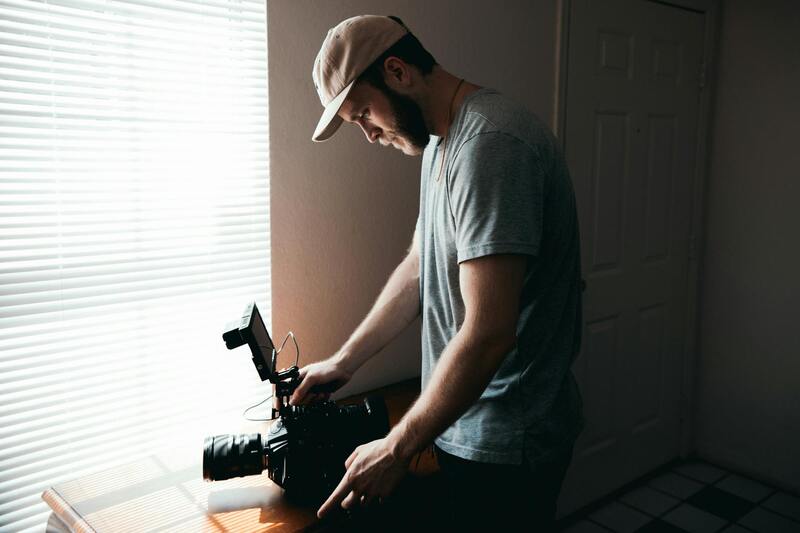
In terms of ongoing development, staying informed about industry standards, participating in relevant professional organizations, and pursuing continuous education can enhance a photographer's credibility. Adhering to a code of ethics not only reinforces a commitment to quality but also aligns with the expectations of clients and industry peers.
Overall, success in home photography depends on a foundation built upon ethical practices, clear contractual agreements, and a respectful approach to clients' properties and privacy. By fostering transparency and professionalism, photographers can establish a reputation that attracts discerning clients seeking high-quality, trustworthy services customized to their needs in the Miami market.