Importance of Quality Real Estate Photography
High-caliber real estate photography plays a critical role in the success of property marketing campaigns. In a competitive market like Miami, where visual appeal can make or break a listing, professional photography serves as the first impression potential buyers encounter. Well-composed, clear, and vibrant images showcase a property’s true potential, making listings stand out amidst a sea of competitors. By emphasizing the property’s unique features, layout, and atmosphere through stunning visuals, real estate agents can effectively attract more inquiries and generate increased foot traffic.
Furthermore, quality photographs help establish a sense of professionalism and trustworthiness. Buyers tend to perceive listings with expertly captured images as more credible, leading to higher engagement and accelerated decision-making processes. When listings are visually appealing, they not only draw in interested parties but also foster an emotional connection, enabling prospective buyers to envision themselves living in the space.
Real estate photography also influences online search rankings and visibility. Search engines favor listings with high-quality images because such content enhances user experience. This increased visibility often results in more clicks, higher view rates, and ultimately, more scheduled showings. As the digital landscape continues to evolve, investing in professional photography becomes indispensable for real estate agents committed to reaching a wider audience.
In essence, professional photography acts as a powerful marketing tool that amplifies the attractiveness of properties, shortens sales cycles, and maximizes market exposure. Insightful, visually compelling images attract not only more leads but also qualified buyers, contributing directly to higher closing rates and satisfied clients.

Choosing the Right Equipment and Techniques
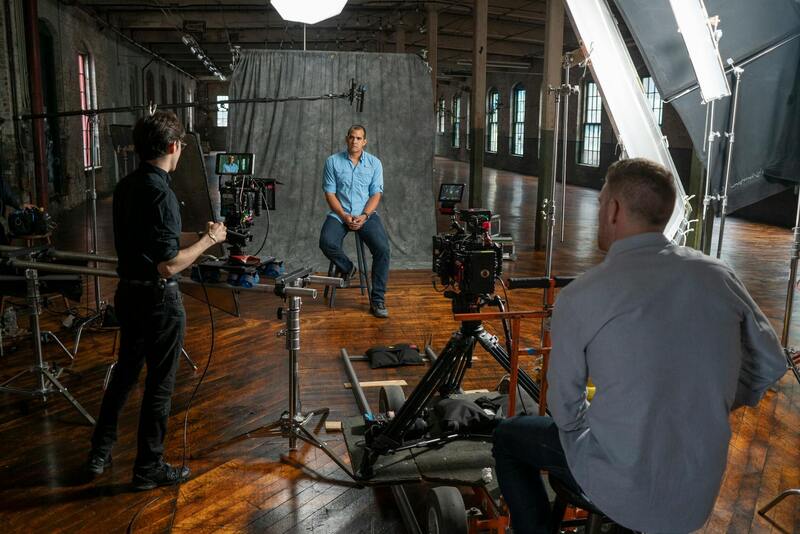
Selecting the appropriate tools for real estate photography is essential to produce images that accurately depict the property's appeal and facilitate an engaging visual experience. High-quality cameras with a wide dynamic range enable capturing detailed images in various lighting conditions, from bright outdoor scenes to dimly lit interiors. Depending on the space size and lighting setup, a camera with a full-frame sensor often yields superior results, providing sharpness, depth, and color accuracy.
In addition to camera quality, the use of a sturdy tripod is crucial. It stabilizes the camera during longer exposures, preventing blurriness and ensuring crisp, clear images. For interior shots, a wide-angle lens—typically ranging from 14mm to 24mm—can encompass more of the room in a single frame, creating an expansive effect that appeals to viewers. It’s important to select lenses with minimal distortion to maintain the natural proportions of the space.
Mastering techniques such as proper framing, camera settings, and exposure adjustments further elevates the quality of photographs. Bracketing multiple exposures and merging them in post-processing helps capture both interior and exterior scenes accurately, especially when dealing with high-contrast lighting environments. Additionally, utilizing perspective correction tools during editing can enhance the true dimensions of rooms and architectural features.
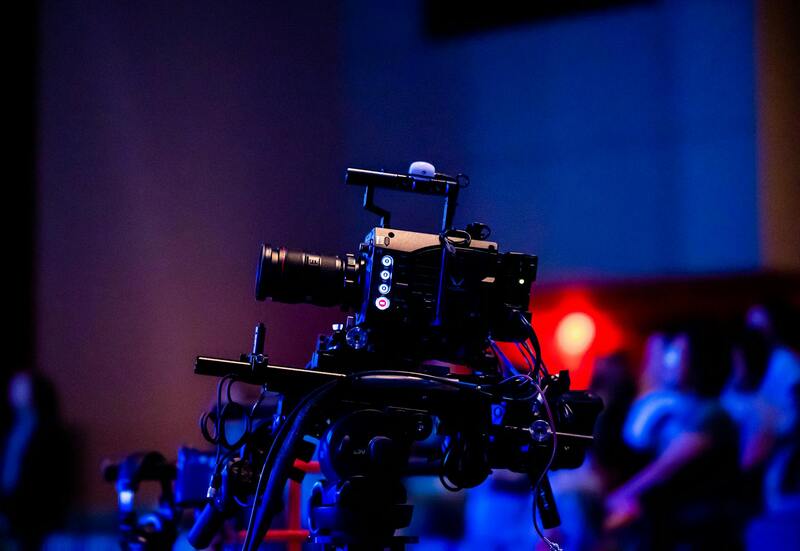
Advanced imaging techniques like HDR (High Dynamic Range) photography combine multiple shots to create well-balanced images with detailed shadows and highlights. This approach is highly effective in showcasing properties with complex lighting, such as homes with large windows or rooms with uneven illumination.
Investing in quality equipment and honing technical skills ensures that each photograph represents the property authentically and attractively, offering potential buyers an immersive viewing experience that motivates engagement and inquiries.
Choosing the Right Equipment and Techniques
Selecting appropriate equipment is fundamental to achieving professional-grade real estate photographs that truly represent a property’s potential. A high-quality DSLR or mirrorless camera capable of capturing high-resolution images lays a solid foundation. Pairing the camera with a wide-angle lens, typically between 14mm and 24mm, allows agents to depict interior spaces with a sense of spaciousness and detail. These lenses are particularly effective in constrained spaces where proximity to walls is limited, ensuring comprehensive coverage of rooms without distortion.
To enhance image clarity and consistency, a sturdy tripod becomes indispensable. It stabilizes the camera during longer exposures sought in interior photography, especially in lower light conditions or when using smaller apertures for increased depth of field. Ensuring the tripod is level is crucial for maintaining straight horizons and vertical lines, which are critical in architectural photography.
Incorporating advanced techniques such as high dynamic range (HDR) imaging significantly elevates the quality of property visuals. HDR involves capturing multiple shots at different exposures and merging them during post-processing. This method effectively balances scenes with challenging lighting conditions, such as rooms with large windows or exterior views combined with interior lighting. The result is an image with rich detail in shadows and highlights, offering a more realistic and appealing view of the property.
Additionally, perspective correction tools are invaluable during editing, allowing subtle adjustments to rectify distortions caused by wide-angle lenses or unconventional shooting angles. These adjustments can help preserve the true architectural proportions and provide an accurate visual experience for prospective buyers.
Lighting Tips for Real Estate Photography
Adequate lighting directly influences the appeal of real estate images. Natural light is preferred whenever possible, as it produces vibrant, authentic colors and a welcoming ambiance. For interior shots, opening blinds and curtains to maximize daylight improves the overall brightness. When natural light is insufficient, supplementing with diffused artificial lighting ensures even illumination without harsh shadows or color shifts.
For outdoor shots, shooting during the golden hour—shortly after sunrise or before sunset—enhances the property’s curb appeal by casting warm, soft light that minimizes unattractive shadows. Overcast days also provide diffuse lighting conditions that reduce reflections and harsh contrasts, ideal for capturing exterior details.
Indoor and Outdoor Shooting Strategies
Effective interior photography involves decluttering the space to eliminate distractions and highlight the property’s features. Using wide-angle lenses allows for capturing more of the room in a single shot, creating a sense of scale and openness. Shooting from corners or doorways can help convey the full spatial context. Ensuring the room is tidy, well-lit, and devoid of clutter enhances visual appeal and clarity.
Exterior images should focus on showcasing key architectural elements and landscape features. Elevating the camera angle slightly can provide a better perspective of the facade, driveway, and yard. Including elements such as well-maintained lawns, pathways, and gardens can significantly influence a viewer’s emotional response, making the property more attractive.
Post-Processing and Image Optimization
Post-processing plays a vital role in refining real estate images. Adjustments to brightness, contrast, and color balance can enhance the visual impact while maintaining an authentic appearance. Employing software like Adobe Lightroom or Photoshop enables precise editing of shadows and highlights, ensuring details are visible across the frame.
Using perspective correction tools can straighten vertical lines and fix distortion caused by wide-angle lenses, preserving the architectural integrity of the scene. Additionally, selective enhancements—such as sharpening key features and reducing noise—help create crisp, professional images that attract prospective buyers and elevate brand reputation.
Visual Representation of Equipment and Techniques

By investing in high-quality equipment and mastering advanced photographic techniques, real estate agents can significantly improve the marketability of their listings. Crisp, well-lit, and accurately represented images not only attract more views but also foster confidence and trust among potential buyers, ultimately facilitating faster sales and better offers.
Legal and Ethical Considerations in Real Estate Photography
Maintaining high standards of professionalism and integrity is essential in real estate photography, directly impacting a property's marketability and your reputation as a photographer. Adhering to official guidelines ensures that all images accurately represent the property, avoiding exaggerated features or manipulations that could mislead prospective buyers. This commitment to authenticity builds trust with clients and fosters long-term relationships within the industry.
When capturing images, it is crucial to respect the privacy and property rights of homeowners. Securing permission before photographing a residence prevents potential conflicts and demonstrates professionalism. Respect for the property's surroundings and privacy considerations also extends to neighboring properties; avoiding intrusive shots or reflections ensures a respectful portrayal of the area.
Transparency about your editing processes enhances credibility. Clearly communicating the extent of post-processing applied to images assures clients and viewers that the visuals are a truthful representation of the property. This honesty helps manage buyer expectations, reducing misunderstandings during negotiations and viewings.

Incorporating licensed or approved elements, such as adding décor or staging items, should be executed thoughtfully to avoid falsely enhancing property features. When staging or editing, it’s important to focus on highlighting property strengths without creating deceptive impressions. This approach ensures listings stand out naturally and attract genuine interest.
Additionally, adhering to content guidelines established by real estate boards, online listing platforms, and local authorities supports compliant marketing practices. Understanding and respecting these frameworks help avoid potential disputes or objections related to inaccurate representation or unauthorized use of images.
Finally, maintaining professional boundaries and providing clear contracts that detail the scope of photography work—including editing limits—protects both the photographer and client. These measures, combined with a commitment to ethical standards, reinforce your reputation as a reliable and credible real estate photographer, ultimately contributing to successful sales and satisfied clients.
Post-Processing and Image Optimization
Effectively editing real estate images is a critical component in presenting properties at their best while maintaining authenticity. Post-processing involves a range of techniques aimed at enhancing visual appeal, such as adjusting brightness, contrast, and color balance to faithfully depict the property's true appearance. It is essential that edits do not distort or exaggerate features, as this can mislead potential buyers and hinder transparency.
Image optimization ensures photos load quickly across various devices and platforms, which is vital for maintaining user engagement and improving online visibility. Techniques include resizing images to fit platform specifications, compressing files without sacrificing quality, and utilizing appropriate file formats. These practices contribute to an efficient browsing experience that encourages prospective clients to explore listings thoroughly.
Using high-dynamic-range (HDR) imaging can help balance interior lighting with exterior views, providing a comprehensive perspective of the property. This approach captures details in both shadowed and brightly lit areas, delivering a balanced look that reflects real-life conditions. Additionally, virtual staging or minor enhancements can be employed selectively to highlight the property's potential, but should always be clearly disclosed if applied.
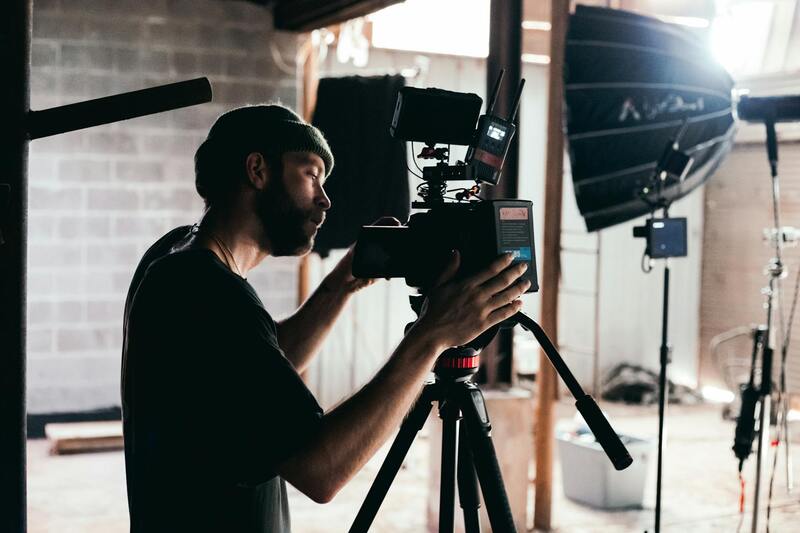
Beyond visual enhancements, metadata optimization—adding relevant keywords, descriptions, and tags—plays a significant role in improving search engine rankings. Properly optimized images make listings more discoverable, drawing targeted traffic from potential buyers searching for similar properties. Consistency in style and editing standards across all listing photos also helps establish a professional brand image, reinforcing trust and credibility with clients and viewers alike.
Utilizing Professional Editing Tools for Enhanced Visual Appeal
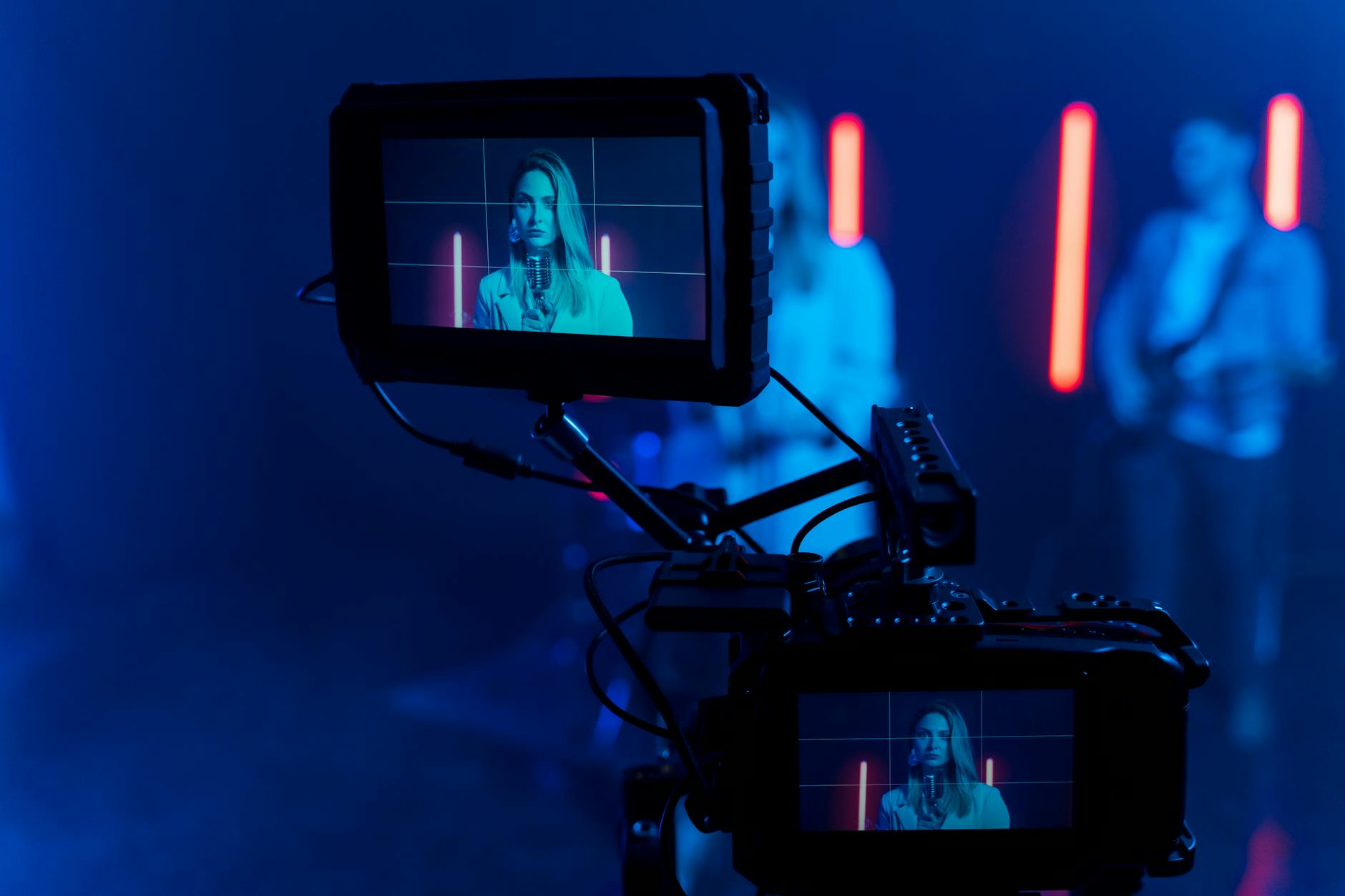
High-quality editing plays a crucial role in transforming raw images into compelling visual assets that effectively attract potential buyers. Professional editing software such as Adobe Lightroom and Photoshop enables real estate photographers to fine-tune various aspects of their images, ensuring each photo accurately represents the property's features and ambiance. Adjustments in brightness and contrast help to highlight interior spaces and exterior details, while color correction ensures that the hues are vibrant yet true to life. This combination of edits creates an inviting visual narrative that captures the viewer's attention and encourages further exploration of the listing.
Retouching also allows for subtle improvements, such as removing distractions like minor blemishes, clutter, or unsightly elements that may detract from the property's appeal. It's important that such edits are performed with integrity, maintaining authenticity and transparency regarding the property's appearance. Effective editing should not distort the property's features but rather simulate an ideal viewing experience that aligns with what the prospective buyer will encounter during an actual visit.
Streamlining Image Delivery for Fast-Loading Listings
Once editing is complete, optimizing images for online display is essential. This involves compressing files without compromising quality, which ensures quick load times—an important factor for maintaining viewer engagement and reducing bounce rates. Techniques such as exporting images in appropriate formats like JPEG or WebP and resizing them to match the display specifications of various platforms help achieve this balance. Proper image optimization not only benefits user experience but also positively influences search engine rankings, as page load speed is a significant ranking factor in search algorithms.
Consistent application of editing standards across all property photos enhances brand cohesion and demonstrates professionalism. Such uniformity reassures clients and potential buyers that the listings are curated with attention to detail. Combining high-quality images with efficient delivery methods ultimately results in more attractive, accessible, and searchable property listings that stand out in a competitive real estate market.
Maintaining Transparency and Professionalism in Property Presentation
Authentic representation remains the cornerstone of successful real estate photography. To cultivate trust and credibility, professionals must adhere to standardized practices that not only highlight a property's strengths but also present an honest view of its condition. This involves capturing images that truly reflect the property's features without over-enhancement or deceptive angles that could mislead prospective buyers.
Implementing strict standards during the shooting and editing process ensures consistency across listings. This consistency helps in establishing a recognizable brand image and reassures clients about the photographer’s dedication to accuracy. When editors adjust images, care should be taken to preserve the true color tones, spatial arrangements, and architectural details. Such integrity in presentation encourages confidence among buyers and real estate agents alike.

Furthermore, obtaining the necessary permissions for photographing properties, especially when external restrictions or privacy concerns arise, demonstrates professionalism and respect for property owners. Clear communication prior to the shoot clarifies expectations and avoids potential misunderstandings or reputational damage. Properly documenting the process, including consent forms or agreements, can streamline operations and safeguard all parties involved.
In addition, real estate photography should align with the overall marketing narrative crafted by agents or property owners. High-quality, honest images can be seamlessly integrated with compelling descriptions, virtual tours, and social media outreach to create a cohesive story that resonates with target audiences. This integrity not only sustains the trust of viewers but also enhances long-term reputation and market positioning.
Legal and Ethical Considerations in Real Estate Photography
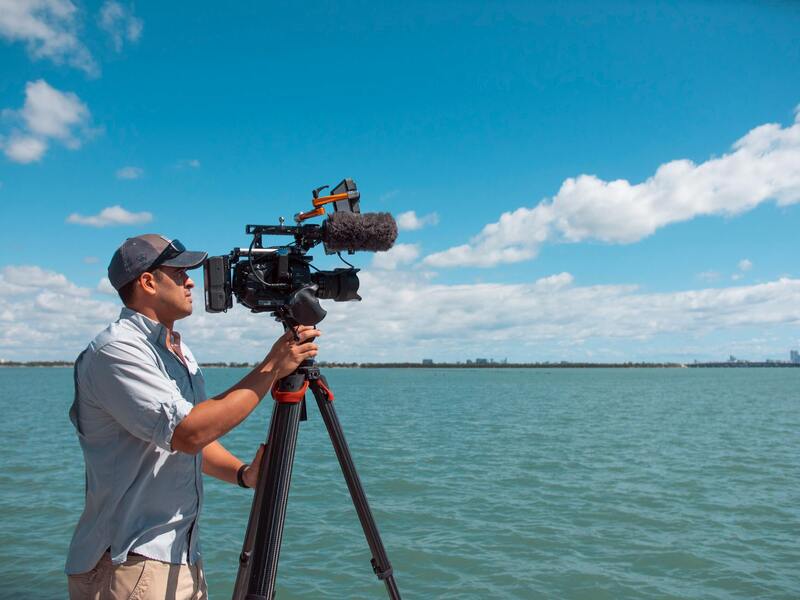
Maintaining professionalism in real estate photography extends beyond technical skills and equipment choice. It encompasses a commitment to ethical practices that reinforce trust with clients, property owners, and prospective buyers. Respectful collaboration and transparency are fundamental components of this approach, ensuring that all parties feel confident and protected throughout the process.
One of the primary aspects involves obtaining explicit permission from property owners or authorized representatives before capturing images. This step not only demonstrates respect for privacy but also helps prevent potential misunderstandings or disputes. Clear agreements should outline the scope of the shoot, intended use of images, and any restrictions or special considerations related to the property.

It is equally important to be truthful in all representations. Altering images to exaggerate size, features, or condition can lead to misconceptions that undermine the trustworthiness of listings. Photographers should adhere to honest editing practices, ensuring that images accurately reflect the property's actual appearance. This transparency helps set correct expectations and fosters confidence among prospective buyers and real estate professionals.
Respecting property and its occupants is another critical ethical consideration. Photographers should avoid intruding into private spaces or photographing areas that are not included in the listing unless explicitly permitted. Sensitivity to the privacy and comfort of current residents or tenants must be prioritized throughout the process.
Furthermore, adhering to regional guidelines and industry standards related to image content and use reinforces a professional reputation. Awareness of local regulations regarding drone photography, outdoor signage, or certain types of shots helps ensure compliance and promotes responsible marketing practices.
Documentation and Record-Keeping
Maintaining detailed records of permissions, contracts, and communication can streamline workflows and provide clarity for all stakeholders. These documents should specify data on property permissions, usage rights, and any limitations agreed upon during the planning phase.
Preventing Misrepresentation
- Use authentic images that depict the property's true state.
- Avoid extensive retouching that alters the visual accuracy of the property.
- Clearly disclose any modifications or enhancements to potential buyers.
By following ethically sound practices, real estate photographers not only foster trust but also contribute to a sustainable marketing environment where credibility is paramount. Implementing these standards demonstrates professionalism and helps cultivate long-term relationships with clients and industry partners, reinforcing the integrity of the real estate listing process.