Compliance with Miami Real Estate Photography Standards
Adhering to established guidelines for photographing houses in Miami is essential for producing compelling visuals that resonate with local market expectations and enhance property appeal. Local standards often emphasize clarity, accurate color representation, and a focus on showcasing key features without misleading embellishments. Ensuring compliance involves familiarizing oneself with regional preferences, such as emphasizing waterfront views, local architectural styles, and interior lighting nuances inherent to Miami's distinctive environment.
To meet these standards, professional photographers must ensure their images are technically correct, well-lit, and free of distortions or unintentional artifacts. The use of high-quality equipment, proper framing, and post-processing techniques aligned with these guidelines contributes to producing images that meet or exceed industry benchmarks. Additionally, understanding the rules surrounding the showcasing of features like pools, balconies, and outdoor spaces is vital for creating comprehensive representations of the property.
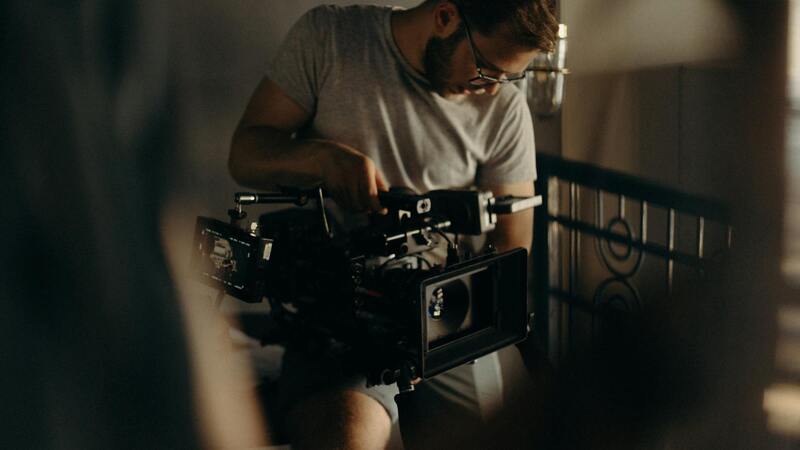
Professional photographers should also stay updated on any regional regulations related to advertising photographs, such as restrictions on virtual staging, photo manipulation, or the inclusion of logos and branding. By doing so, they ensure their work remains compliant, enhances trustworthiness, and solidifies a reputation for integrity and quality in the Miami real estate market.
Understanding the Importance of Professional House Photography
Accurate and engaging images serve as vital tools in real estate marketing strategies. High-quality photos can significantly impact a property's visibility, attract serious buyers, and facilitate quicker sales at favorable prices. In Miami’s competitive market, where visual presentation often determines a property's success, professional photography provides a distinct advantage by highlighting the unique features and lifestyle appeal of the property.
Investing in quality photography demonstrates professionalism and respect for clients, signaling that their property is being marketed with care and expertise. Well-shot images not only fulfill marketing needs but also set the foundation for detailed virtual tours, digital advertisements, and print collateral, creating a cohesive and attractive presentation that aligns with high standards of real estate promotion.
Marketing and Delivering House Photos to Clients
Effective delivery of house images involves a streamlined process that preserves image quality and consistency. Photographers should prepare files in appropriate formats, including high-resolution images suitable for both online and print use. Proper organization, such as categorizing interior and exterior shots, assists clients in easily navigating the content during listings or promotional campaigns.
Secure transfer methods, including cloud storage or dedicated client portals, ensure confidentiality and facilitate prompt accessibility. Clear communication about image specifications, licensing, and usage rights further enhances the professional relationship, allowing clients to leverage the photographs effectively across multiple marketing channels without issues.
Preparing a House for Exterior and Interior Photography
Preparation plays a crucial role in capturing optimal house photographs. For exterior shots, landscaping should be tidy, and external clutter removed to highlight the architectural design and scenic surroundings. During interior shoots, natural light should be maximized by opening curtains and blinds, and staged furnishings should emphasize space and functionality without overcrowding.
De-personalizing spaces by removing excess personal items allows potential buyers to envision themselves in the home. Ensuring all areas are clean, well-maintained, and free of distractions contributes to more inviting, professional images.
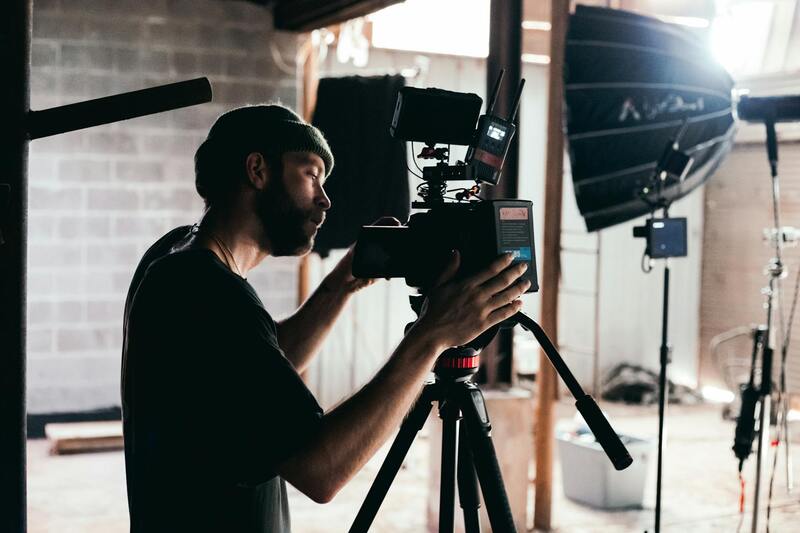
Ensuring Compliance with Miami Real Estate Photography Standards
Professionally capturing houses in Miami requires adherence to established guidelines that ensure high-quality visual presentations aligned with market expectations. To meet these standards, photographers should carefully consider the technical aspects of image capture, including resolution, lighting, and composition. High-resolution images are pivotal, as they allow for detailed viewing on various platforms, from online listings to printed brochures.
In addition, proper file organization enhances workflow efficiency and facilitates seamless sharing with clients. Categorizing images based on their content—such as interior versus exterior shots, or drone versus ground-level photos—reduces confusion and accelerates the review process. This systematic approach ensures clients can quickly locate the images they need for targeted marketing efforts.
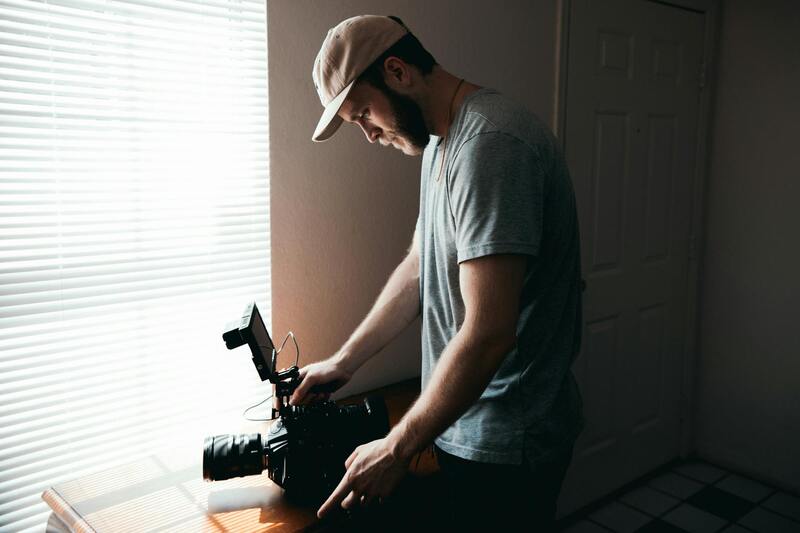
Secure transfer methods are also essential to maintain confidentiality and protect sensitive property information. Utilizing encrypted cloud storage platforms or dedicated client portals allows for quick, safe access to images without concerns over data breaches. Clear communication about image specifications, recommended usage, and licensing rights further fortifies professional relationships. Such transparency assists clients in deploying images effectively, whether for online listings, virtual tours, or promotional media.
Best Practices for Preparing Houses for Photography
Proper house preparation directly impacts the quality of photographs and the overall appeal of the property. For outdoor photography, landscaping should be neatly maintained, with removal of personal or distracting clutter to showcase architectural features and natural surroundings. Strategic placement of outdoor furniture and decorative elements can enhance curb appeal without overshadowing the home’s structure.
Interior preparation involves optimizing natural light and minimizing distractions. Opening curtains and blinds allows daylight to fill rooms, creating vibrant and inviting images. Staging furniture to highlight optimal use of space, along with decluttering, ensures the home appears welcoming and spacious. Depersonalizing interiors by removing personal items, such as family photographs or excessive accessories, helps potential buyers envision themselves living in the space.
Additionally, ensuring cleanliness and repairs—such as fixing minor damages or repainting scuffed walls—contribute to a polished appearance. Proper housekeeping practices provide a blank canvas, allowing the photographer to highlight architectural details and design features effectively.
Professional Techniques for External Photography
Exterior shots capture the home’s first impression and are critical for marketing success. Using wide-angle lenses allows for expansive views of the facade and surrounding landscape. Shooting during optimal lighting conditions—typically early morning or late afternoon—provides softer, more flattering light that enhances colors and textures.
Incorporating drone photography adds a dynamic perspective, showcasing the property in relation to its environment. When planning drone shots, maintaining safe distances and avoiding obstructions ensure images are clear and compelling. Aerial views can highlight unique property features, such as pools, gardens, or panoramic views, that might not be apparent from ground level.
Interior Photography Tips for Residential Spaces
Capturing a home’s interior requires attention to detail and lighting. Shooting with a tripod guarantees stability and sharpness, especially in lower light conditions. Adjusting camera settings to achieve proper exposure prevents dark corners or washed-out areas. Using a wide-angle lens helps in depicting the true scale of rooms and creates a sense of openness.
Maximizing natural light remains a priority. For rooms with limited window access, supplemental lighting—such as portable flashes or softboxes—can fill shadows without creating harsh reflections. Ensuring all fixtures are turned on and switches are accessible allows for evenly lit images that reflect the true ambiance of the space.
Post-Processing and Image Optimization
Effective editing enhances visual appeal while maintaining authenticity. Adjustments to brightness, contrast, and color balance should be subtle to preserve the home’s true character. Straightening lines and cropping images to eliminate distractions can improve composition. Removing minor imperfections or distracting elements through retouching contributes to a clean, professional appearance.
Finalizing images involves resizing and formatting to ensure compatibility across various listing platforms and marketing materials. Properly optimized photos load quickly, display crisply on screens of all sizes, and attract potential buyers’ attention effectively.
Creating a Cohesive Portfolio in Miami’s Competitive Market
A consistent visual style reinforces branding and sets listings apart. Using uniform editing presets, color schemes, and framing techniques across all property images ensures the portfolio presents a cohesive and polished look. Collaboration with local real estate and production agencies further streamlines the process, making sure the photographs meet regional tastes and expectations.
Compliance with Miami Real Estate Photography Standards
Adhering to established standards in real estate photography within Miami ensures that images accurately depict property features while adhering to regional expectations. This includes understanding preferred display styles, lighting considerations, and image composition methods that resonate with local buyers and real estate professionals. Consistency in image quality and presentation also helps build trust and brand recognition for photographers working in this competitive market.
One core aspect of compliance involves aligning with regional preferences for lighting and color calibration. Miami’s vibrant, sun-drenched atmosphere calls for photographs that emphasize bright, inviting spaces without overexposing details. Utilizing correct camera settings and post-processing techniques maintains this balance, resulting in images that appear authentic and appealing across diverse digital platforms.
Another critical element pertains to image framing and perspective. Properly capturing the scale and flow of interior spaces, along with exterior views that showcase curb appeal, enhances a property’s visual narrative. Photographers should also pay attention to cleanliness and staging, removing clutter and ensuring all elements within a shot are addressed to present the property at its best.
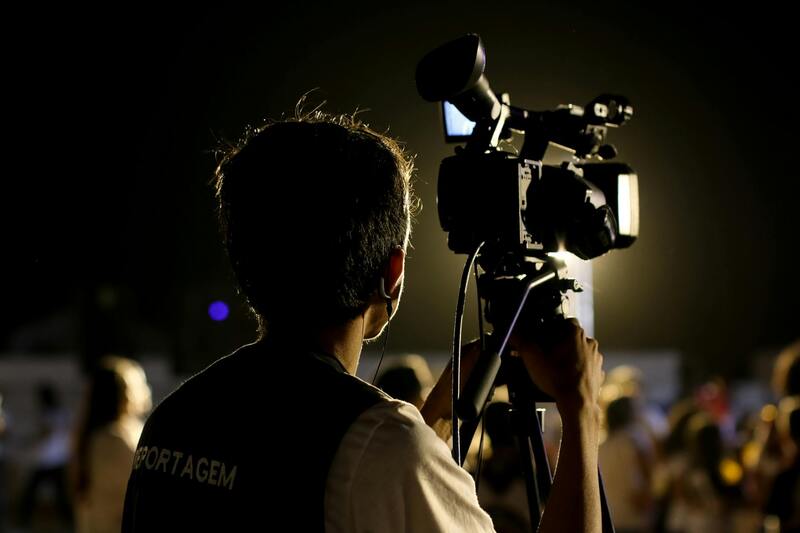
In terms of equipment, selecting top-tier cameras and lenses suitable for real estate photography guarantees high-resolution, sharp images that meet regional expectations. Additionally, understanding local market dynamics allows photographers to identify key visual features to emphasize, whether it be lush landscaping, modern architectural details, or expansive views.
When it comes to legal and ethical considerations, capturing images that accurately represent the property maintains transparent marketing practices. While avoiding misleading angles or excessive digital manipulation, photographers should focus on showcasing properties authentically to foster trust with clients and prospective buyers.
Finally, compliance extends into the delivery process. Providing images in appropriately compressed formats without sacrificing quality ensures quick loading times on various listing sites. Employing standardized file naming conventions and watermarking can also safeguard images from unauthorized use, aligning with best practices in professional property photography within Miami.
Adhering to Miami Real Estate Photography Guidelines
Maintaining compliance with established standards for house photography in Miami involves a meticulous approach to both technique and professionalism. Photographers must ensure their images accurately reflect the property's true appearance, emphasizing key features that appeal to prospective buyers. This requires a comprehensive understanding of regional preferences, architectural styles, and market expectations to create visual content that resonates with local clientele.
Precision in composition is critical. Using proper framing to capture a property's depth and scale helps convey the space’s true dimensions. Natural lighting plays a significant role; capturing images during optimal times of day—typically during morning or late afternoon—can accentuate the natural beauty of exterior features and interior layouts. Additionally, the use of wide-angle lenses enables capturing expansive interior spaces without distortions that could misrepresent room sizes.

Editing practices should adhere to the principle of authenticity. While post-processing may enhance lighting and color balance to produce vibrant images, any alterations should not distort features or create misleading impressions of the property. Consistent color calibration across all images helps maintain a professional and cohesive presentation.
- Use of standardized file formats and compression techniques ensures images load efficiently on listing platforms without sacrificing clarity.
- Applying watermarks or branding elements can protect visual content from unauthorized use while reinforcing your professional presence.
- Consistent naming conventions facilitate better organization and faster retrieval for clients and marketing teams.
Effective Delivery of High-Quality House Photos
Sending images in appropriately optimized formats guarantees smooth integration into online listings. High-resolution JPEGs are typically preferred, striking a balance between clarity and manageable file sizes. Incorporating detailed metadata enables seamless indexing and searchability across digital platforms.
When providing images, ensuring they are color-corrected and free of distracting artifacts contributes to a polished presentation that can attract and retain viewer interest. Offering multiple angles—including key interior and exterior shots—gives potential buyers a comprehensive view of the property, empowering informed decision-making.
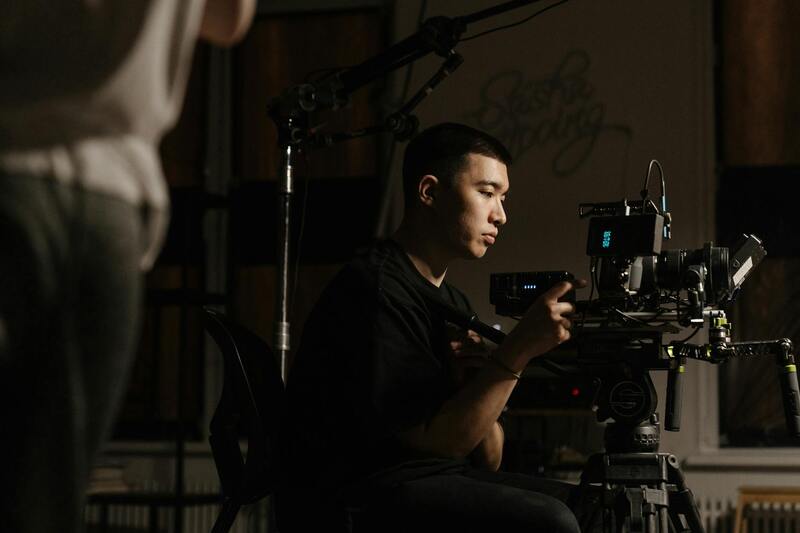
Communication with clients regarding preferred formats and delivery timelines fosters transparency and ensures the images meet specific marketing requirements. Regular updates and a clear workflow help streamline the process, ultimately supporting successful property marketing campaigns within the Miami real estate market.
Compliance with Miami Real Estate Photography Standards
Achieving excellence in photographing houses within the Miami market necessitates adherence to established standards that focus on image quality, consistency, and professionalism. These standards are designed to enhance the visual appeal of listings, ensuring properties are showcased accurately and attractively, which ultimately accelerates the sales process. One vital aspect of compliance involves using appropriate equipment and settings that align with industry benchmarks for real estate photography. High-resolution cameras paired with wide-angle lenses are essential for capturing comprehensive views of interior and exterior spaces, providing viewers with an immersive experience. Ensuring proper lighting—whether through natural sunlight or supplementary lighting—helps produce bright, inviting images that reflect the true character of the property. Miami’s diverse architectural styles and vibrant neighborhoods demand tailored photographic approaches. For example, capturing the unique features of a modern condo requires crisp, wide-angle shots that highlight spacious layouts, while classic Miami villas benefit from detailed exterior shots and landscaping captures. By aligning images with the specific design and atmosphere of each property, photography professionals can meet market expectations effectively. Color accuracy is another critical element. Images should be processed to depict true-to-life colors, avoiding over-saturation or excessive contrast that could mislead potential buyers. Consistency across all photos in a listing maintains a professional appearance and helps build trust with clients. Furthermore, local guidelines regarding image dimensions and file sizes should be strictly followed to ensure compatibility with various listing platforms. Optimized images load swiftly on web pages, providing users with a seamless browsing experience while preserving visual quality. Incorporating branding elements, such as watermarks, can further reinforce a photographer’s reputation and safeguard visual assets from unauthorized use. Meticulous organization of images through systematic naming conventions facilitates easy retrieval and delivery. When images are correctly cataloged, clients and marketing teams benefit from streamlined workflows, enabling rapid dissemination of high-quality visuals across multiple channels. Clear communication about the specifications and delivery schedules is essential to maintain professionalism and meet client expectations. Implementing these practices in your house photography approach not only elevates your portfolio but also aligns with the high standards of Miami’s competitive real estate environment. Sharp, well-composed images serve as powerful tools for marketing properties effectively and establishing reputability in the local market.
Compliance with Miami Real Estate Photography Standards
In Miami's dynamic real estate market, adhering to established photography standards ensures that property listings meet the expectations of buyers, sellers, and real estate professionals. Proper compliance involves understanding specific guidelines related to image quality, dimensions, and presentation. Photographers must familiarize themselves with the preferred formats, such as High-Resolution JPEG or TIFF, which maintain clarity across platforms. Consistency in lighting, angles, and framing throughout a listing enhances visual coherence, making it easier for potential buyers to assess a property's features accurately.
One key aspect of compliance is capturing images that reflect the property's true appearance. This involves avoiding manipulations that could alter the perceived size, structure, or condition of the house. For instance, maintaining accurate color balance and perspective prevents misleading representations that could compromise trust. Additionally, photographs should showcase the property's highlights—be it architectural details, outdoor landscapes, or interior design—while adhering to local regulations regarding privacy and property boundaries.
Part of maintaining professionalism also entails following platform-specific requirements for image sizing and resolution. Many online real estate portals prioritize images that load quickly without sacrificing detail. Optimizing files for web ensures that listings are accessible and appear consistent across devices, from desktops to smartphones. Incorporating branding elements, such as subtle watermarks, can help safeguard your work while reinforcing your identity as a trusted real estate photographer.
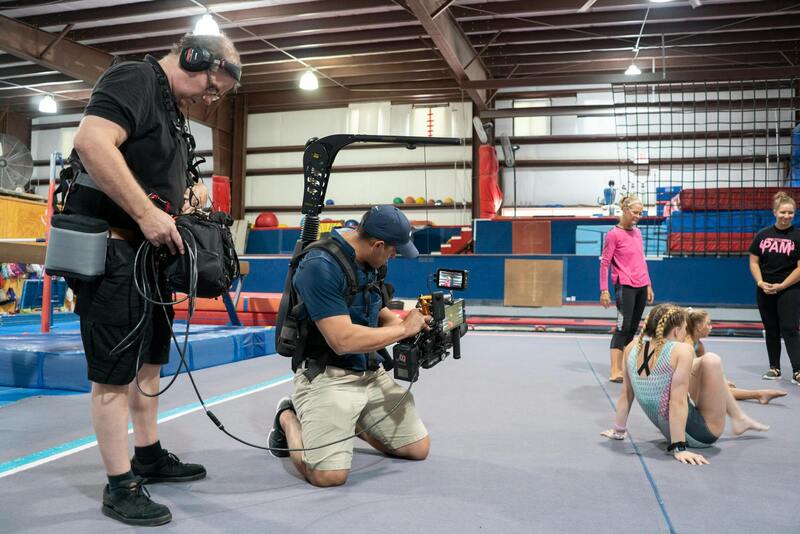
Meticulous organization of images, including systematic naming conventions, facilitates seamless delivery and easy access for clients and marketing teams. Clear communication regarding image specifications, delivery timelines, and formatting preferences builds a professional relationship with clients. Adhering to these standards not only elevates your portfolio but also positions you as a reliable partner in Miami's competitive real estate scene, ultimately leading to increased client trust and repeat business.
Understanding the Importance of Professional House Photography
Investing in professional photography significantly impacts how a house is perceived in the market. High-quality images capture the property's essence, emphasizing its best features while creating an emotional connection with viewers. Effective house photography can reduce the time a property stays active on the market and often results in higher sale prices.
Professional photographers utilize an array of advanced techniques, from optimal camera settings to strategic lighting, to produce images that transition seamlessly from online listings to in-person viewings. The ability to highlight space, light, and architectural details with clarity ensures that prospective buyers receive an accurate preview, fostering quick decision-making. Moreover, professional images reflect a level of care and professionalism that reassures clients they are working with a reputable expert who understands the nuances of Miami’s vibrant real estate market.

Ultimately, skilled visual representation acts as a cornerstone of effective marketing strategies. When paired with comprehensive knowledge of the local market and the target audience’s preferences, professional photography becomes a vital tool, amplifying a property's visibility and desirability in Miami's bustling property landscape.
Compliance with Miami Real Estate Photography Standards
Adhering to established standards in Miami's real estate photography industry ensures the consistency, quality, and professionalism necessary to elevate property listings. These standards encompass guidelines for image quality, composition, lighting, and presentation, aligning with the expectations of local real estate agents, clients, and online platforms. In practice, this involves utilizing high-resolution equipment capable of capturing detailed images that showcase the property's architecture and features accurately.
Maintaining uniformity across the visual content not only bolsters brand credibility but also enhances the overall user experience for potential buyers. Miami's dynamic market demands photographers who understand regional nuances and render images that resonate with the local aesthetic and buyer preferences. This adherence goes beyond technical specifications; it involves a comprehensive understanding of legal aspects related to property privacy, acknowledgment of community guidelines, and respecting the unique characteristics of Miami neighborhoods.
The consistent application of these standards contributes to more effective marketing strategies, elevating the perceived value of properties and facilitating faster sales. Photographers committed to compliance stay updated with evolving industry benchmarks and leverage new techniques, ensuring their work remains at the forefront of Miami’s competitive real estate market.
Understanding the Importance of Professional House Photography
Professionalism in house photography directly correlates with the property's market appeal. It involves meticulous attention to detail, equipment mastery, and an understanding of the property’s unique attributes. Such proficiency ensures each shot captures the property's full potential, from the sprawling backyard to intricate interior architectural elements.
Utilizing advanced camera gear, such as wide-angle lenses and stabilizers, combined with precise editing, results in images that are both aesthetically pleasing and true to life. This authenticity fosters trust among viewers and encourages active engagement with the listing. Moreover, exceptionality in visual presentation can distinguish a property in a crowded market, attracting a broader array of prospective buyers and real estate agents seeking impressive promotional materials.
Marketing and Delivering House Photos to Clients
An organized approach to photo delivery significantly impacts client satisfaction. High-quality images should be provided promptly through secure digital platforms, with options for various formats optimized for different listing sites. Clear communication with clients regarding the best practices for showcasing images — such as aspect ratios and resolution requirements — streamlines the process and minimizes delays.
Offering professional editing services as part of the delivery package can further enhance visual appeal, emphasizing key features and correcting minor imperfections. Regular updates on the progress and raw photo selections also help maintain transparency and manage client expectations effectively.
Preparing a House for Exterior and Interior Photography
Preparation is essential to ensure each shot reflects the property’s best qualities. For exterior shots, this process involves trimming landscaping, removing clutter, and scheduling shoots during optimal lighting conditions, usually early morning or late afternoon when sunlight adds warmth and depth.
Interior preparation includes tidying up living spaces, opening curtains to maximize natural light, and ensuring surfaces are clean and clutter-free. Proper staging can make rooms appear more spacious and inviting, highlighting architectural details and functional layouts. Additionally, adjusting furniture placement subtly can accentuate the flow and usefulness of various spaces, making the home more appealing to potential buyers.
Choosing the Right Equipment and Settings
Selecting suitable gear is fundamental for capturing high-quality images of houses. Wide-angle lenses are indispensable for showcasing interior rooms and exterior facades, providing a sense of space and depth. A tripod stabilizes the camera, allowing for longer exposures in low-light conditions, which results in brighter, more vibrant images without blurring.
Camera settings should be adjusted to balance aperture, ISO, and shutter speed, optimizing image clarity and vibrancy. Typically, a narrower aperture (higher f-stop) ensures depth of field, keeping both foreground and background in focus. Proper white balance settings ensure color accuracy, vital for representing the property's true appearance under different lighting conditions.
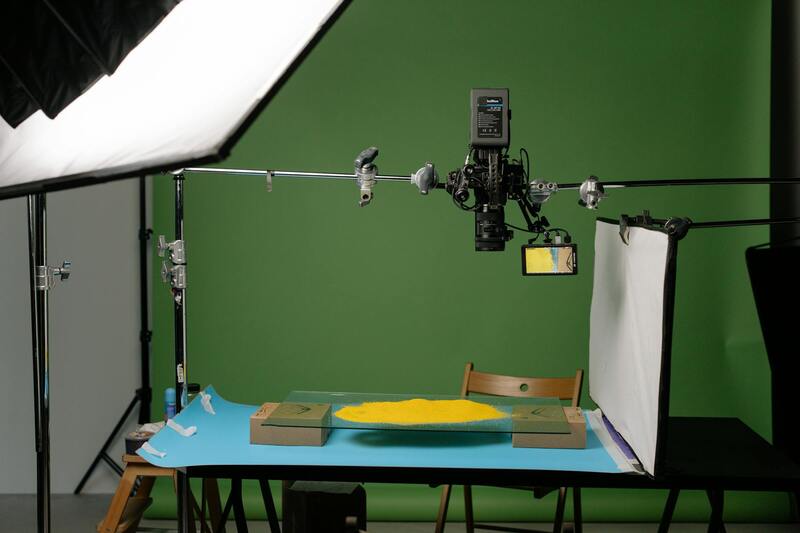
Understanding how to manipulate these settings based on specific conditions ensures each shot communicates the property's potential accurately and attractively, ultimately aiding in producing compelling visual content that resonates with prospective buyers and clients alike.
Compliance with Miami Real Estate Photography Standards
To achieve outstanding results in photographing houses within Miami’s vibrant real estate market, it's essential to adhere to established standards specific to the region. These standards ensure images accurately represent properties, maintain consistency across listings, and meet the expectations of clients, agents, and prospective buyers.
Adherence involves understanding the preferred lighting techniques, composition guidelines, and the use of approved equipment settings. For instance, capturing images during optimal lighting conditions—usually early morning or late afternoon—can enhance the natural appeal of a property. Additionally, maintaining consistent shooting angles and perspectives across different listings helps reinforce brand recognition and professionalism.
It’s also important to be mindful of local architectural styles and features unique to Miami, such as tropical landscapes, modern facades, and expansive outdoor spaces. Highlighting these elements within the regional standards contributes to more compelling visual storytelling and accurately showcases a home’s distinctive character.
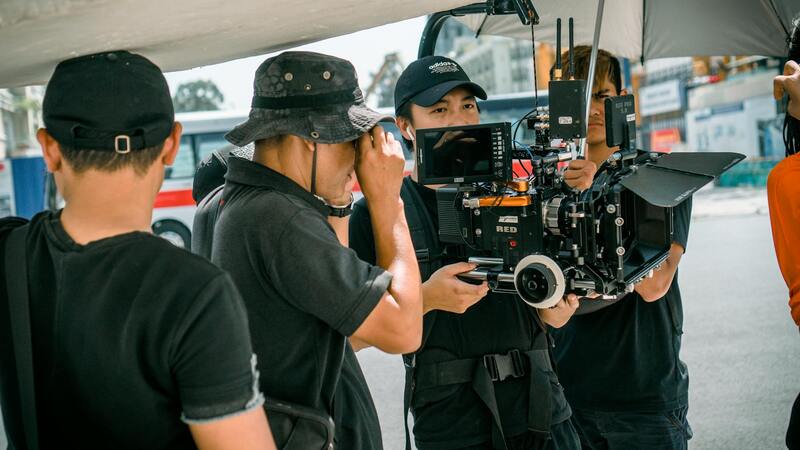
Consistency in color correction, perspective, and image quality ensures each listing upholds a high visual standard. This results in a cohesive portfolio that builds trust with clients and attracts serious buyers. Regularly updating one's knowledge of local real estate photography trends and standards also helps professionals stay competitive in the Miami market.
Understanding the Importance of Professional House Photography
Professional photography plays a crucial role in the effective marketing of homes. High-quality images not only attract more online views but also generate higher engagement and faster sales. By investing in the right techniques and equipment, photographers can create striking visuals that make properties stand out in a crowded real estate landscape.
Visual appeal is directly linked to the perceived value of a home. Clear, well-lit, and professionally composed images can evoke emotions and help potential buyers envision themselves living in the space. This connection fosters quicker decision-making and offers a competitive edge in Miami’s dynamic housing market.
Moreover, adhering to established standards ensures that the photos meet the expectations set by real estate agencies and clients. This consistency not only enhances the reputation of the photographer but also contributes to higher client satisfaction and repeat business.
Compliance with Miami Real Estate Photography Standards
Adhering to established photography standards specific to the Miami real estate market is fundamental for producing compelling and effective house images. These standards encompass various aspects such as image composition, lighting, and color accuracy, all tailored to highlight the unique features of Miami properties. For example, capturing the vibrant colors of coastal homes or the sleek modernity of high-rise condos requires an understanding of local architectural styles and environmental conditions. Ensuring that photographs accurately represent a property’s spatial layout and aesthetic appeal is vital for setting the right expectations for potential buyers.
In Miami, a diverse real estate landscape demands that photographers not only follow technical guidelines but also pay attention to regional details that influence visual presentation. This includes appropriately capturing outdoor spaces during optimal times of day to leverage natural light or showcasing ocean views authentically. Furthermore, consistency in stylistic approach across multiple listings reinforces the reputation of the photographer or agency as a professional and reliable source for high-quality visuals.

Compliance also involves a solid grasp of ethical guidelines for real estate imagery. Photographers should avoid distortions or manipulations that alter the true appearance of a property. Accurate representation ensures transparency between sellers and buyers, fostering trust and satisfaction throughout the transaction process. Staying informed about any regional regulations or industry best practices ensures that the photography work aligns with both legal expectations and market standards.
Understanding the Importance of Professional House Photography
Professional house photography has proven efficacy in elevating property listings. High-quality visuals serve as a critical first impression for online viewers, often determining whether a prospect will schedule an in-person tour or skip to the next listing. The power of compelling images is especially pronounced in Miami’s competitive market, where eye-catching listings garner increased visibility and engagement.
Effective photography captures the true essence of a home, emphasizing its best features and creating an emotional connection with potential buyers. It aids in conveying the size, layout, and ambiance of a space more effectively than مجرد words, enabling viewers to see themselves living in the home.
Marketing and Delivering House Photos to Clients
Once photos are captured and edited, the method of delivering these images holds significant importance. Clear, organized digital delivery ensures clients receive high-resolution images optimized for various online platforms. It’s essential to clearly label and categorize photographs for easy navigation, highlighting key areas such as master bedrooms, kitchens, and outdoor amenities.
Using a secure online portal or cloud-based service allows for easy access and quick downloads, facilitating a seamless way to share images with real estate agencies, agents, and homeowners. Additionally, providing the images in multiple formats—such as JPEG for online listings and TIFF for print media—ensures versatility and maintains visual quality across different marketing channels.

Consistent communication about delivery timelines and file specifications enhances client satisfaction. Including multiple sizes or resolutions within the delivery package helps cater to diverse promotional needs, from social media posts to brochure printing. Ultimately, the professionalism of the image presentation reinforces client confidence and positions the photographer or agency as a trusted partner in real estate marketing.
Preparing a House for Exterior and Interior Photography
Pre-photoshoot preparation is crucial for capturing optimal images. For exterior shots, this includes tidying up the landscape, removing any clutter, and ensuring that outdoor furniture and decor are arranged attractively. For interior shots, proper staging—such as opening curtains to allow natural light in, turning on relevant lights, and decluttering surfaces—creates a welcoming atmosphere.
Scheduling the shoot during daylight hours with favorable weather conditions guarantees ample natural light, which is essential for bright, inviting images. Additionally, adjusting window treatments to maximize light and remove personal items or distracting objects helps create a neutral, appealing setting that allows the property’s features to shine through in photographs.
Choosing the Right Equipment and Settings
Selecting high-quality camera gear tailored to real estate photography is fundamental. Wide-angle lenses are preferred for their ability to capture more of a room in a single shot, giving a sense of space and scale. Tripods provide stability, especially in low-light conditions, resulting in sharper images. Professional-grade camera bodies with high dynamic range capabilities help retain detail in both shadows and highlights.
Optimal settings typically involve shooting in RAW format to maximize post-processing flexibility. Aperture choices around f/8 to f/11 ensure deep depth of field, keeping the entire room in focus. Proper ISO settings prevent graininess, while balanced shutter speeds prevent motion blur, especially when capturing interior spaces with artificial lighting.
Techniques for Capturing Effective Exterior Shots
For exterior photography, time of day plays a vital role—early morning or late afternoon provides soft, warm lighting that enhances architectural features and landscaping. Using a circular polarizer filter can reduce glare and reflections from windows or water surfaces, adding clarity to the images.
Positioning the camera at appropriate heights—often at eye level or slightly above—ensures proportionate perspectives. Incorporating foreground elements like pathways or garden features can create compelling compositional balance. Employing HDR techniques can further balance exposure across bright skies and shaded areas, producing well-lit, vibrant outdoor images.
Interior Photography Tips for Residential Spaces
Interior shots benefit from a meticulous approach to composition. Shooting with wide-angle lenses allows capturing more of a room in a single frame, but care must be taken not to distort the perspective. Using a tripod and multiple exposures improves image quality and dynamic range.
Maximize natural light by opening blinds and curtains, and supplement with supplemental lighting when necessary. Position lights strategically to eliminate shadows and highlight architectural details. Decluttering each space before shooting creates a clean, inviting appearance. Keeping the camera at a consistent height across shots maintains a cohesive visual flow.
Editing and Post-Processing for Real Estate Photos
In post-processing, adjustments focus on enhancing the natural appeal of the property. Color correction ensures true-to-life hues, especially of outdoor elements like gardens and water features. Perspective correction and straightening lines prevent fisheye distortions, maintaining realistic spatial relationships.
Selective editing to brighten dark areas or mute overwhelming highlights helps achieve a balanced look. Noise reduction, sharpening, and slight vignettes can add polish without detracting from authenticity. Maintaining a consistent editing style across all images ensures a professional and cohesive presentation of the property, encouraging engagement and faster sales.
Compliance with Miami Real Estate Photography Standards
Maintaining consistency with established standards in Miami for real estate photography ensures that each property is presented in a manner that aligns with industry expectations. Adhering to guidelines related to image resolution, color accuracy, and composition not only enhances the visual appeal but also builds trust with clients and potential buyers. High-quality, well-lit images that accurately reflect the property’s features serve as an essential component of effective marketing campaigns, enabling agents to showcase homes in the best possible light.

Understanding the Importance of Professional House Photography
Professional house photography forms the backbone of compelling real estate marketing. Expertise in capturing the property’s layout, architectural details, and ambiance conveys authenticity and enhances viewer engagement. High-resolution images with balanced lighting capture the space's true essence, facilitating quicker sales cycles and higher selling prices. Moreover, professional techniques effectively showcase the property's best angles, minimizing flaws and emphasizing key features that appeal to prospective buyers.
Marketing and Delivering House Photos to Clients
Delivering quality images promptly is critical in the competitive Miami real estate market. Utilizing secure, cloud-based platforms ensures seamless transfer of high-resolution photos, maintaining image integrity and facilitating easy access for clients. Accompanying the images with detailed descriptions and metadata enhances their online visibility and searchability. Clear communication regarding delivery timelines and expectations foster strong relationships with real estate agents, enabling quicker listing processes and more impactful marketing strategies.
Preparing a House for Exterior and Interior Photography
Preparation involves meticulous staging to highlight the property’s strengths. Exterior shots benefit from tidying landscaping, arranging outdoor furniture, and ensuring windows are clean. For interior photography, decluttering and deep cleaning create an inviting atmosphere, while opening blinds and curtains allows natural light to permeate the space. Removing personal items and minor repairs remove distractions. Proper staging transforms the home, making it easier to capture its full potential through the lens.
Choosing the Right Equipment and Settings
Quality equipment is essential for capturing professional-grade images. A wide-angle lens allows comprehensive shots of rooms, while a sturdy tripod stabilizes the camera for sharp images. Using a camera with manual controls ensures optimal exposure, ISO, and aperture settings tailored to each scene. Bracketing exposures for HDR processing balances bland lighting conditions and shadows, resulting in vibrant, well-lit images that accurately represent the space’s ambiance.
Techniques for Capturing Effective Exterior Shots
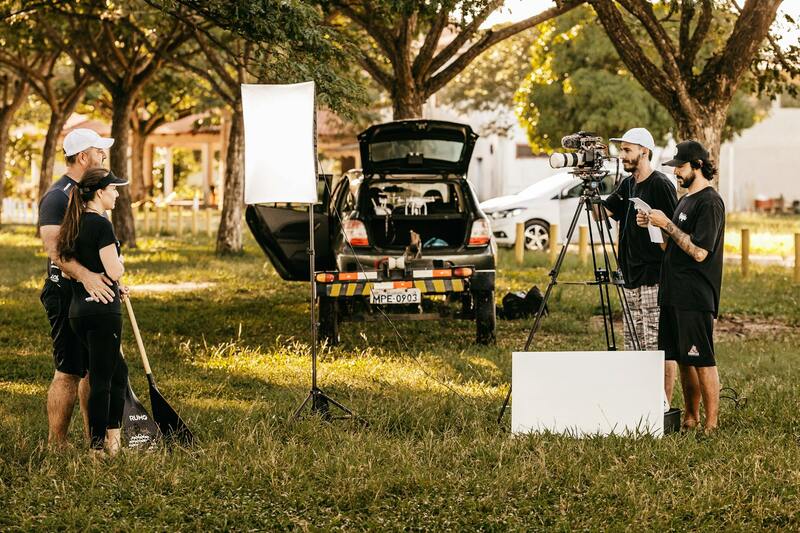
Effective exterior photography emphasizes lighting and perspective. Shooting during the golden hour—the period shortly after sunrise or before sunset—provides warm, diffused light that enhances textures and colors. Utilizing a tripod stabilizes the camera for longer exposures, minimizing blurriness. Incorporating elements like pathways, gardens, or architectural features adds depth. Shooting from multiple angles ensures a comprehensive representation of the property’s exterior, attracting potential buyers and highlighting curb appeal.
Interior Photography Tips for Residential Spaces
For interior spaces, composition and lighting are paramount. Shooting from a corner provides a sense of scale and space. Wide-angle lenses capture more of the room, but care is taken to avoid distortion. Ample natural light from windows is supplemented with artificial lighting, such as softboxes or LED panels, to eliminate shadows and highlight details. Attention to detail, such as aligned furniture and minimal clutter, enhances visual flow. Consistent camera height across shots maintains cohesion, creating compelling virtual walkthroughs.
Editing and Post-Processing for Real Estate Photos
Post-processing elevates raw images by improving color accuracy, correcting distortions, and refining details. Enhancing brightness and contrast ensures rooms appear spacious and inviting. Perspective correction straightens lines, maintaining structural realism. Selective adjustments brighten dark corners and mute overly bright areas, achieving a balanced look. Subtle sharpening and noise reduction contribute to crisp visuals that attract viewers. Applying a uniform editing style across all images fosters a professional presentation that supports compelling property listings.
Optimizing Photos for Online Listings
Optimizing images involves resizing and compressing files to balance quality and load times, ensuring they display correctly across various platforms. Including geotags and relevant keywords enhances search engine visibility. High-quality images should be accompanied by descriptive filenames and metadata to improve discoverability. Proper formatting and responsive design allow potential buyers to view appealing images seamlessly across devices, increasing engagement and accelerating the decision-making process.