Understanding the Role of a Real Estate Photographer
In the competitive realm of real estate, visual presentation plays a pivotal role in attracting prospective buyers and facilitating quick sales. A proficient photographer for real estate agents specializes in capturing high-quality images that highlight a property's best features, ensuring listings stand out across various marketing platforms. Their responsibilities encompass more than just taking pictures; they are tasked with understanding the nuances of property staging, lighting techniques, and camera angles to present each listing in its most appealing form.
These professionals employ advanced photographic equipment and editing tools to produce images that accurately portray the property's spatial dimensions and unique characteristics. They are adept at balancing natural and artificial lighting, managing reflections, and emphasizing architectural details, all to create a compelling visual narrative. This meticulous approach not only enhances the property's perceived value but also builds trust with potential buyers, who often make purchasing decisions based solely on visual impressions during initial online searches.
Given the fast-paced nature of the real estate market, especially in vibrant areas like Miami, FL, the expertise of a dedicated real estate photographer can significantly influence a listing’s success. The right images can generate more inquiries, increase viewing appointments, and ultimately lead to quicker sales. Additionally, professional photographs serve as a powerful marketing asset, complementing virtual tours, social media campaigns, and print advertising. They help agents establish a polished and consistent brand presence that appeals to discerning clients seeking quality and professionalism in real estate transactions.

To meet these demands, a real estate photographer must blend technical skill with an artistic eye. This involves understanding the specific needs of real estate marketing, including capturing images that convey space, light, and the property's unique features effectively. Such attention to detail ensures listings resonate with the target audience, encouraging them to envision themselves living in the space.
Ultimately, a professional photographer's role is integral to the real estate sales process. Their ability to create captivating images, aligned with the goals of real estate agents, helps facilitate a faster sale cycle, maximizes marketing efforts, and elevates the overall presentation of property listings. For agents operating in Miami, FL, leveraging the skills of qualified real estate photographers can be a decisive factor in standing out within a highly competitive market.
Key Skills and Qualities to Look for in a Real Estate Photographer
When selecting a photographer for real estate agents, it is essential to prioritize specific skills and qualities that ensure the visuals will effectively showcase property features and attract potential buyers. Technical proficiency remains fundamental; a deep understanding of camera settings, lighting, and composition allows for capturing images that highlight a property's best attributes. The ability to work with various lighting conditions, both natural and artificial, ensures photographs remain bright, inviting, and true to the property's interior and exterior tones.
Beyond technical skills, a keen eye for detail proves invaluable. Real estate photographers must meticulously compose shots to emphasize spatial flow, architectural details, and unique selling points. Their understanding of perspective helps eliminate distortions and creates images that accurately represent the property's size and layout, avoiding misleading perceptions that could undermine credibility or lead to buyer dissatisfaction.
Additionally, effective communication skills are crucial. A professional photographer for real estate agents should be adept at understanding the client's needs, offering styling suggestions, and guiding clients through staging elements if necessary. This collaborative approach ensures that the images align with marketing strategies and appeal directly to the target audience.
Experience within the real estate market is another significant trait. Photographers familiar with local market trends and buyer preferences in Miami, FL, for example, can tailor their photographic style to meet the expectations of prospective clients effectively. This familiarity helps in highlighting aspects that resonate most with the regional market—whether that be beachfront views, modern interiors, or lush landscaping.
Professionalism also encompasses timely delivery, reliability, and a strong work ethic. Agents need to trust photographers who punctual, flexible, and committed to producing high-quality images within specified deadlines, ensuring listings remain competitive in fast-moving markets.
Understanding the Role of a Real Estate Photographer
A professional real estate photographer plays a vital role in the marketing and sale of properties by capturing visually compelling images that highlight a property's best features. These photographers possess a deep understanding of how to portray spaces in a way that emphasizes size, flow, and architectural details. Their expertise extends beyond mere technical skill, encompassing a keen eye for staging, lighting, and angles that best showcase each property.
In the highly competitive Miami real estate market, where properties range from luxury beachfront estates to modern urban condos, the ability to deliver imagery that stands out is essential. Real estate photographers must be adept at adjusting their approach based on the type of property and target audience. For example, capturing a high-rise with panoramic views requires different techniques compared to highlighting the cozy charm of a historic residence. Their goal is to create images that evoke emotion and aspiration while providing an accurate representation of the property.
Beyond framing and composition, a skilled real estate photographer understands the importance of lighting, both natural and supplemental. Proper lighting ensures that interior spaces appear inviting and that exterior shots highlight key features like landscaping or views. They also possess the technical knowledge to correct distortions caused by wide-angle lenses, ensuring images are true to the property's actual dimensions. This commitment to accuracy fosters trust with potential buyers, who can rely on the images to make informed decisions.
Communication is another essential aspect of their role. A seasoned photographer collaborates closely with real estate agents to understand the unique selling points of each property, offering staging tips or adjustments to optimize visual appeal. They are flexible in scheduling to meet listing deadlines and consistent in delivering high-quality images that meet or exceed expectations. This professionalism helps maintain a seamless workflow, which is critical in fast-paced markets like Miami.
Overall, the role of a real estate photographer involves a blend of technical skill, artistic vision, and strategic communication. By capturing images that are both aesthetically pleasing and true to the property, they enable real estate agents to craft compelling listings that resonate with prospective buyers, ultimately facilitating quicker sales and more favorable offers.
Legal and Ethical Considerations in Real Estate Photography
Maintaining high standards of integrity and professionalism is essential in real estate photography, especially when representing properties in Miami’s competitive market. Photographers must adhere to established guidelines that respect the property, the clients, and the wider industry standards. This includes ensuring that all images accurately depict the property, without any enhancements that could mislead potential buyers. Overly manipulated photos or misleading angles can harm reputation and lead to disputes; hence, authenticity remains paramount.
Furthermore, obtaining proper permissions before capturing images is critical. This involves securing consent from property owners and informing residents if applicable. Respecting privacy boundaries also entails avoiding capturing images of personal spaces or areas not intended for marketing until proper approval is obtained. An ethical approach extends to respecting neighborhood privacy, avoiding intrusive drone photography that could infringe on individuals' rights or violate local regulations.
It is also advisable for photographers to be transparent about their editing processes and the extent of post-production work involved. Clear communication with real estate agents ensures that the final images meet mutually agreed-upon expectations without compromising accuracy. Additionally, maintaining data security—such as safeguarding client information or digital files—is crucial for building trust and credibility within the industry.
Adhering to these principles reflects a commitment to professionalism that benefits all parties involved—from homeowners to prospective buyers. When the integrity of the photographic content is prioritized, it sets a foundation for successful and transparent property transactions, reinforcing the reputation of the photographer and the broader real estate industry in Miami.
Best Practices for Showcasing Real Estate Images
Once high-quality photographs are secured, implementing strategic practices to showcase these images optimally is essential. The visual presentation can significantly influence a property’s appeal, attracting more potential buyers and increasing engagement. Arranging images thoughtfully within online listings, ensuring they load quickly, and utilizing platforms that prioritize visual content can enhance visibility. Employing virtual tours or 360-degree panoramic images allows prospective buyers to immerse themselves in the property, creating a more compelling experience that static images alone may not provide.
In addition to digital presentation, printed marketing materials such as brochures and flyers should feature carefully curated images that highlight the property’s key features. These materials serve as tangible representations of the property and can help leave a lasting impression during open houses or private showings. Consistency in image style and quality across all marketing channels reinforces the property’s branding and professionalism.
Utilizing Effective Marketing Strategies with Professional Photos
Integrating high-resolution images into a comprehensive marketing strategy enhances overall outreach efforts. Social media platforms like Instagram, Facebook, and Pinterest are ideal venues for showcasing striking visuals, reaching targeted audiences, and generating leads. Optimizing images with appropriate descriptions and tags improves discoverability through search functions. Pay-per-click advertising campaigns that feature professional photos can also boost visibility swiftly, especially in competitive markets like Miami.
Moreover, collaborating with real estate agents to feature images prominently on their websites and email campaigns ensures consistent messaging. Implementing targeted advertising that leverages imagery tailored to specific buyer demographics can increase engagement and accelerate sales. A well-rounded approach that combines professional photography with strategic digital marketing not only elevates the property’s profile but also positions the listing for quicker, more profitable transactions.
Maintaining Consistency and Quality Over Time
Sustaining a high standard of visual content in real estate marketing involves periodically updating images to reflect changes or new listings. Establishing an ongoing relationship with a reliable photographer guarantees consistent quality and style across the portfolio. This consistency builds brand trust with clients and reinforces the credibility of the listings. Additionally, reviewing analytics related to listing performance can inform adjustments in visual presentation, enabling real estate agents to refine their strategies for maximum impact.
By combining professional photography with strategic presentation and marketing, real estate agents can significantly enhance their listings’ appeal. Attention to detail in showcasing images ensures properties are viewed in the best light, drives engagement, and accelerates the closing process. The investment in expert photography is an integral part of effective real estate marketing, creating a compelling narrative that resonates with prospective buyers and establishes a reputation of quality and professionalism within the Miami property market.
Methods to Locate and Evaluate a Reliable Miami Real Estate Photographer
Finding a trustworthy and proficient photographer for real estate agents in Miami involves a strategic approach grounded in verified methods. Beginning with localized research, agents can explore professional directories and industry-specific listings, which often feature portfolios and client testimonials. These platforms serve as a primary resource for identifying photographers with a proven track record in residential and commercial real estate imagery.
Networking within local real estate communities and attending industry events or expos can provide personal referrals. Such references often carry insights into a photographer's professionalism, punctuality, and ability to deliver consistent quality. Engaging with local real estate associations or chambers of commerce may also uncover vetted photographers trusted by the community.
Another effective method is examining a photographer’s online portfolio, especially professional websites and social media profiles dedicated to real estate photography. These digital showcases should demonstrate consistent, high-quality imagery across various property types and lighting conditions. Furthermore, reviewing client testimonials and case studies relevant to the Miami housing market can illuminate the photographer’s capacity to meet specific regional demands.
It’s equally important to verify operational details such as licensing, availability, and equipment quality. A reputable photographer for real estate agents will be transparent about their process, including pre-shoot consultations, post-production editing, and turnaround times. Conducting interviews or preliminary consultations helps gauge their understanding of real estate marketing needs and technical expertise.
Comparison of service packages is also beneficial. Many professionals offer tiered packages that include basic listing photos, twilight shots, virtual tours, or drone imagery. A detailed discussion of price points, what each package entails, and potential add-ons should occur prior to engagement to ensure clear expectations and alignment with marketing goals. Negotiating terms in a written contract that outline deliverables, copyright rights, and revision policies adds a layer of clarity and professionalism.

Lastly, soliciting feedback from past clients or reading online reviews can provide insight into the level of customer satisfaction and the photographer’s ability to deliver under deadlines. A combination of personal referrals, portfolio assessments, and transparent contract negotiations forms the basis for establishing a dependable partnership with a Miami-based real estate photographer dedicated to enhancing property presentations effectively.
Legal and Ethical Considerations in Real Estate Photography
Engaging a professional photographer for real estate agents involves more than just capturing appealing images; it also encompasses adhering to industry standards and ethical practices that protect all parties involved. Through established norms and transparent procedures, real estate professionals ensure that property representations are both accurate and trustworthy, fostering confidence among potential buyers.
One of the fundamental principles of professional real estate photography is the truthful depiction of property conditions. Photographers are expected to use lighting, angles, and editing techniques responsibly, avoiding misleading representations that could distort a property’s true appearance. This commitment to authenticity upholds the integrity of the listing and aligns with industry best practices.
Another critical aspect pertains to respecting intellectual property rights. Photographers often retain copyright ownership of the images they produce, while clients may acquire licensing rights for specific uses. Clear agreements should delineate these rights to prevent misuse or unauthorized reproduction, ensuring both parties understand the scope of image use and distribution.
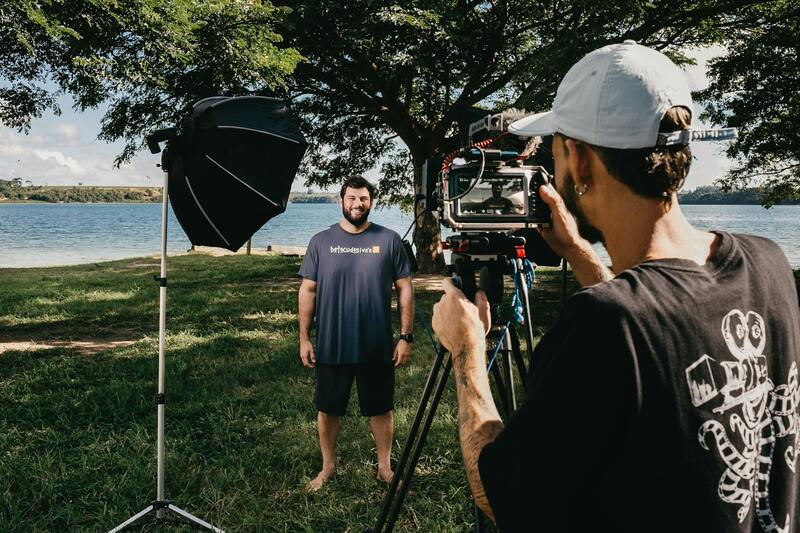
Furthermore, the ethical application of technology such as drone imagery and virtual tours demands special attention. Drones must be operated in compliance with local regulations, ensuring safety and privacy protections are in place. Virtual tours and 3D walkthroughs should accurately reflect property layouts and features, avoiding exaggerations that could mislead viewers.
Transparency with clients regarding photography techniques, editing practices, and the capabilities of the photographer fosters a collaborative approach rooted in honesty. This openness helps set realistic expectations and develops a professional rapport that supports successful property marketing efforts.
How to Select the Right Photographer for Your Miami Real Estate Listings
Finding a qualified photographer for real estate agents in Miami requires attention to several critical factors that ensure your property images stand out and accurately represent the listing. First, prospective clients should evaluate the photographer’s portfolio to assess their experience with residential and commercial properties. This provides insight into their technical skill set, familiarity with diverse property types, and ability to capture compelling, high-quality images under different lighting conditions and layouts.
Next, consider the photographer’s familiarity with Miami’s unique real estate market. A photographer who understands the local market nuances can better emphasize a property’s features, appeal to target buyers, and adapt to regional architectural styles. Familiarity with Miami’s vibrant lifestyle, outdoor spaces, and lighting conditions ensures that the images resonate with local and international audiences alike.
Effective communication is vital. The photographer should be able to listen carefully to your specific needs, suggest suitable compositions, and provide guidance on preparing the property for shoots. This collaborative approach guarantees that the final images align with your marketing strategy and property presentation standards.
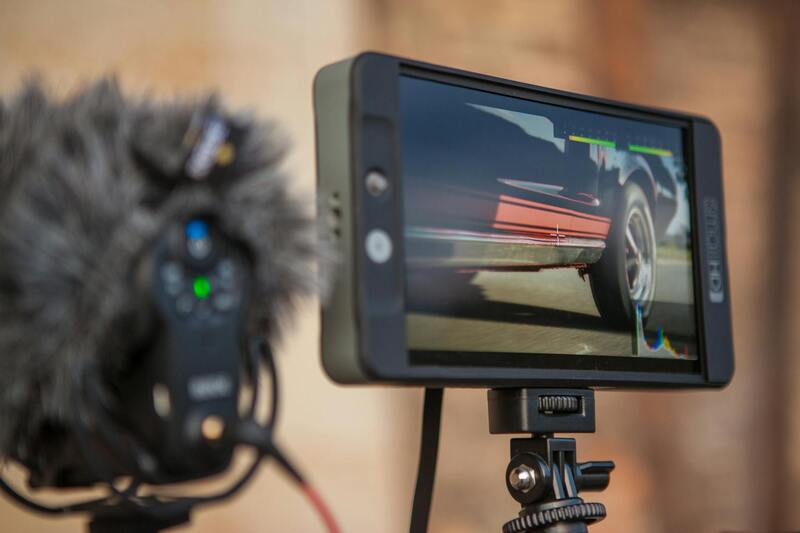
Furthermore, inquire about the photographer’s post-processing techniques. Professional editing should enhance the photo quality without creating misleading representations of the property. They should employ color correction, perspective adjustments, and minor retouching to ensure listings look inviting and authentic. It’s also crucial that the photographer adheres to ethical practices, respecting client confidentiality, property access, and ownership rights throughout the project.
Assessing the photographer’s reputation through client testimonials or reviews can provide additional assurance. Positive feedback from previous real estate agents or property owners indicates reliability, punctuality, and a high standard of work. Additionally, establishing communication channels beforehand helps set clear expectations regarding delivery timelines, image usage rights, and revisions.
Investing in a skilled real estate photographer in Miami translates into images that capture the essence of properties and elevate your listings in a competitive market. With the right partnership, your real estate marketing efforts are poised for greater visibility, faster sales, and a professional reputation that attracts future collaborations.