Importance of Professional Real Estate Photography
In the competitive housing market, the way a property is presented visually can significantly influence potential buyers’ perceptions and their decision-making process. High-quality real estate photography serves as a crucial tool for attracting interest and generating foot traffic to a property listing. Professionally captured images highlight a home's best features, create an inviting atmosphere, and provide a realistic yet appealing view of the space. This visual impact can lead to faster sales and often results in higher offers, as good imagery builds trust and conveys professionalism.
Research indicates that listings accompanied by professionally taken photos garner more clicks, shares, and inquiries compared to those with amateur images. Buyers tend to make quick judgments based on the first impression provided by photos; therefore, clear, well-composed images help present the property in its most favorable light. This is especially essential in online listings, where potential buyers often narrow down their options before scheduling a visit.
Furthermore, high-quality imagery not only enhances the attractiveness of the property but also reflects the credibility of the seller or real estate agent. It demonstrates an investment in the selling process and reassures prospective buyers about the property’s value. Well-executed photographs also facilitate virtual tours and digital marketing efforts, broadening the reach beyond local markets.
The use of professional photography becomes particularly vital in competitive environments where similar properties are listed simultaneously. Properties with superior visual presentation tend to stand out, establishing an emotional connection with viewers and making an immediate positive impression. As a result, professional visual marketing has become a key element in effective real estate marketing strategies.

Choosing the Right Photographer for House Sale
Securing the services of a qualified photographer is essential to maximize your property's visual appeal. When evaluating potential professionals, consider their experience specifically within the realm of real estate photography, as this indicates familiarity with the unique requirements of property listings. A seasoned photographer understands how to highlight key features of a home, utilize angles that enhance space perceptions, and work efficiently across different lighting conditions.
Review a portfolio that showcases a variety of property types and styles, paying close attention to composition, lighting, and clarity. Consistent results across their work suggest reliability and artistic skill. Don't hesitate to inquire about their familiarity with staging techniques, as they can significantly influence the outcome of the images. Knowledge of local market preferences and current photography trends also provides an advantage, ensuring that the photos resonate well with prospective buyers.

Communication skills are equally important. A professional photographer should be able to interpret your goals, suggest improvements, and provide guidance on best angles and lighting setups. Flexibility in scheduling and a clear understanding of the urgency associated with real estate transactions are indicative of their professionalism.
Assessing Technical Skills and Equipment
Beyond aesthetic sensibilities, inquire about the equipment used. High-resolution cameras, wide-angle lenses, and advanced lighting setups contribute to crisp, detailed images that do justice to the property. Additionally, understanding their post-processing workflow is crucial—professional editing includes color correction, brightness adjustments, and minor retouching to eliminate imperfections without altering the property's true appearance.

References and reviews from previous clients can offer insights into their reliability and quality of service. Collaborate with a photographer who demonstrates professionalism, punctuality, and a thorough understanding of real estate marketing aims. Their expertise can be a decisive factor in attracting buyers and closing sales efficiently.
Implementing Effective Photography Techniques for Homes
Achieving stunning real estate photographs requires more than just quality equipment; it involves applying specific techniques that highlight the property's best features. Proper framing, strategic angles, and understanding natural light are crucial factors in capturing images that are both appealing and authentic. Photographers for house sale should utilize wide-angle lenses to make rooms appear more spacious and inviting, creating an immersive experience for potential buyers browsing online listings.
Furthermore, mastering the timing of exterior shots is essential. Early morning or late afternoon light provides warmer tones and softer shadows, emphasizing exterior architecture and landscaping in a flattering manner. Interior shots benefit from utilizing windows to maximize natural daylight, which reduces the need for excessive artificial lighting and helps produce more natural-looking images.
Attention to details such as decluttering surfaces and arranging furniture to create an open, inviting atmosphere are also vital. A skilled photographer will incorporate these elements seamlessly, avoiding clutter distractions and emphasizing the home's strengths. Effective composition, combined with careful exposure settings, ensures sharp, bright images that accurately represent the property's condition and charm.
In addition, consider the use of vertical and horizontal lines to guide the viewer’s eye through each space, fostering a sense of flow and coherence throughout the listing. Proper sequencing of images—from welcoming entry points to distinctive features—creates a compelling visual narrative that can significantly influence buyer interest.
Real Estate Photography Equipment and Lighting
Investing in the right tools is fundamental for professional-quality real estate images. High-resolution cameras are a baseline requirement, enabling sharp details and vibrant colors that accurately portray the property. Wide-angle lenses are preferred to capture more of each room in a single frame, providing a comprehensive view that helps prospective buyers gauge space and layout effectively.
Lighting equipment, including softboxes and reflectors, can be used to supplement natural light and eliminate harsh shadows or uneven illumination. Good lighting emphasizes architectural details, highlights textures, and creates an inviting atmosphere that resonates with viewers.
LED panels with adjustable brightness are also popular, allowing photographers to control exposure levels precisely. For exterior shots, drone photography can be employed to showcase the property's surroundings attractively, particularly for larger estates or homes with significant landscaping.
Quality post-processing equipment and software further enhance images by correcting colors, balancing exposure, and removing minor imperfections. When selecting a photographer, inquire about their specific equipment setup to ensure they have access to modern technology that meets these standards.
Post-Processing and Editing of Property Photos
Post-processing plays a vital role in refining real estate images to maximize their visual impact. The editing process involves color correction to ensure that the photos accurately reflect the property's true hues, alongside brightness and contrast adjustments to make images pop. Skilled editors utilize software like Adobe Photoshop or Lightroom, applying minor retouches to improve clarity and appeal.
However, the goal is to enhance natural beauty without misrepresentation. Over-editing can distort the property's true appearance, which can lead to dissatisfaction during viewings. A professional photographer for house sale will balance sharpening details, reducing glare, and removing distracting elements—such as clutter or shadows—while maintaining a genuine look.
Consistent editing style across all images helps establish a cohesive visual presentation, reinforcing the property's appeal in the marketplace. Additionally, high-quality images adapted for online listings should be optimized for fast loading without sacrificing resolution, ensuring excellent presentation on various devices.
Incorporating virtual staging or 3D tours can be considered advanced post-processing methods to further enhance marketing efforts, especially for homes that are vacant or require visual improvement.
Essential Strategies for Capturing Appealing Property Images
To ensure stunning visual representation, a professional photographer for house sale employs advanced techniques tailored to real estate needs. The understanding of optimal camera angles is crucial; capturing each room from perspectives that showcase space and flow makes interiors appear larger and more inviting. Photographers often utilize wide-angle lenses to encompass a broader view, highlighting the property's most appealing features and minimizing unnecessary clutter.
Lighting is another vital aspect. Utilizing natural light effectively involves shooting during daylight hours when sunlight enhances room brightness and color vibrancy. When additional lighting is necessary, professional photographers use diffused, balanced lighting fixtures to reduce shadows and glare, highlighting details without overexposure. Properly lit images convey a warm, welcoming atmosphere that resonates with prospective buyers.
Composition techniques further elevate the quality of real estate images. This involves careful placement of furniture and architectural elements, maintaining symmetry, and avoiding distracting objects in the frame. Photographers also employ vertical lines and horizon corrections to produce straight, professional-looking photographs. Post-processing software can enhance these elements, but the foundational skill lies in capturing the ideal shot during the shoot itself.
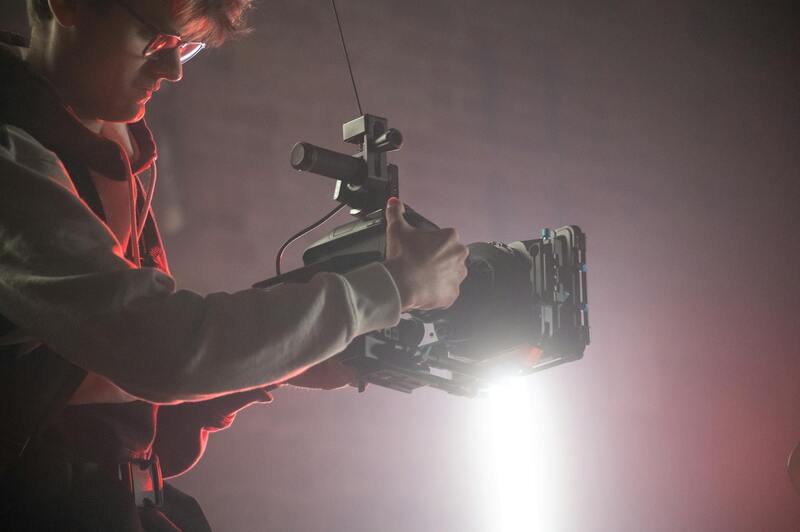
Color accuracy is maintained through proper white balance settings, ensuring that the hues of walls, furniture, and landscaping are true to life. Consistent color tones across all images help create a cohesive listing, reinforcing the property's visual narrative.
When selecting a photographer for house sale, it is beneficial to review their portfolio for previous work that demonstrates proficiency in these techniques. Additionally, discussing specific requirements beforehand can ensure that the photographer understands the desired aesthetic and target audience—whether emphasizing luxury, comfort, or investment potential.
Matching Equipment and Techniques to Property Types
- Residential Homes: Emphasis on spaciousness and light to evoke an inviting feeling.
- Luxury Properties: Focus on high-end finishes, expansive views, and architectural details.
- Condos or Apartments: Showcase open-plan layouts and neighborhood views efficiently.
By employing specialized equipment, such as tripod stabilizers and drone cameras, photographers can achieve both interior steadiness and captivating aerial images that provide comprehensive views of the property and its surroundings. These advanced techniques contribute significantly to making listings stand out in a competitive market.
Effective Photography Techniques for Homes
When it comes to capturing compelling images for a house sale, mastering specific photography techniques is essential to highlight the property’s best features. A professional photographer employs a combination of skills, equipment, and compositional strategies to produce images that resonate with potential buyers.
One critical approach is the use of proper framing and perspective. Photographers often utilize wide-angle lenses to encompass more of a room or exterior in a single shot, creating a sense of space and openness. Correct positioning ensures that rooms appear inviting and well-proportioned. For interior shots, shooting from a corner or doorway often yields more dynamic and comprehensive images compared to straight-on shots.
Lighting plays a pivotal role in real estate photography, with natural light being the preferred choice whenever possible. Photographers time their shoots during the day to take advantage of abundant daylight, opening curtains and blinds to maximize brightness. When natural light is insufficient, professional lighting equipment, such as softboxes or reflectors, helps evenly illuminate spaces without creating harsh shadows or color distortions.
Maintaining color accuracy through proper white balance settings ensures that walls, furniture, and landscaping are represented faithfully. This fidelity preserves the property's true character and helps set accurate expectations for prospective buyers.
HDR (High Dynamic Range) photography is another advanced technique used to capture both interior and exterior images with high contrast between light and dark areas. By combining multiple exposures, HDR creates balanced images that showcase details in shadows and highlights, essential for properties with large windows or complex lighting conditions.
Additionally, post-processing software allows photographers to fine-tune images by correcting minor imperfections, adjusting brightness and contrast, and ensuring a cohesive presentation across all photos. The goal is to present the property in a visually appealing manner that accurately reflects its true essence without over-editing or misrepresentation.
To maximize the impact of property photos, professionals often utilize drone technology for aerial shots. Aerial images not only provide breathtaking perspectives of the property and surrounding area but also help highlight features such as large yards, pools, or scenic views that might be less apparent from ground level. Combining interior shots with aerial images creates a comprehensive visual story that appeals to a broad audience.
Overall, the execution of refined photographic techniques ensures that each listing stands out. Skilled photographers tailor their approach to the specific property type, whether emphasizing spaciousness for family homes, luxury finishes for high-end estates, or convenient layouts for condominiums. This personalized strategy enhances marketability and attracts serious inquiries from potential buyers seeking detailed and authentic representations of the property.
Effective Photography Techniques for Homes
In real estate photography, the application of advanced techniques significantly impacts how potential buyers perceive a property. Skilled photographers employ methods such as strategic composition, proper framing, and optimal use of natural light to create inviting and informative images. One essential approach is highlighting the key selling points of a home, such as spacious living areas, modern kitchens, or scenic views, by choosing angles that accentuate these features.
Mindful use of perspective plays a critical role; a slight tilt or elevation can make rooms appear larger and more welcoming. Photographers often utilize wide-angle lenses to capture more of a room in a single shot, providing a sense of space that resonates with viewers. Proper staging prior to taking photos ensures that clutter is minimized, personal items are reduced, and the space appears clean and inviting.
Furthermore, the timing of the shoot—preferably during daylight hours when natural light floods the interior—maximizes brightness and color vibrancy. Balancing interior lighting with outdoor illumination prevents dark shadows or overexposure, resulting in well-lit images that accurately portray the home.
Elevated techniques like HDR (High Dynamic Range) imaging are employed to balance shadows and highlights, which is especially valuable for properties with large windows or complex lighting conditions. This method allows for detailed images that reveal all aspects of a space, from sunlit rooms to shaded corners, providing a comprehensive view that entices prospective buyers.
In addition to static shots, modern real estate photography integrates lifestyle scenes and virtual staging to help buyers visualize living in the space. These techniques can elevate the appeal of a property by demonstrating its potential and fostering an emotional connection.
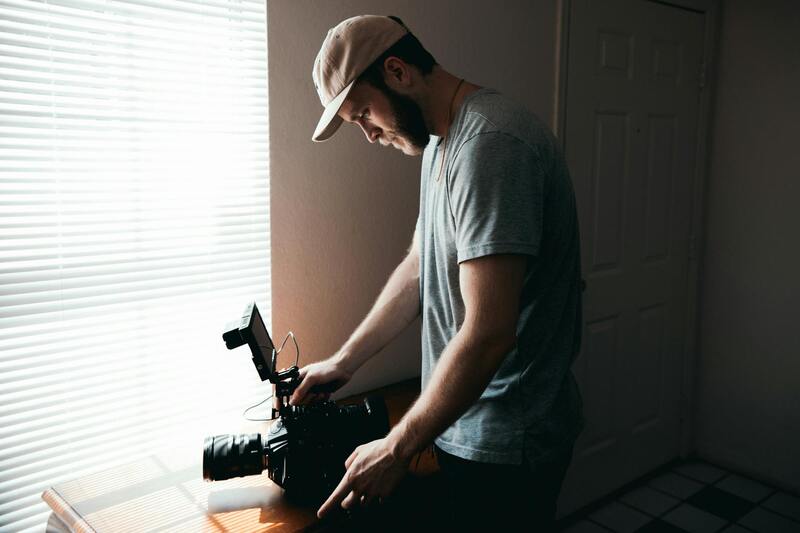
Meticulous attention to detail during the shooting process ensures each image reveals the property’s best features without exaggeration. Employing these professional techniques results in compelling visual narratives that stand out in a competitive market, increasing the likelihood of buyer engagement and facilitating faster sales.
Effective Photography Techniques for Homes
Capturing a home’s true essence hinges on employing advanced and deliberate photography techniques that highlight its best features. Professional real estate photographers utilize specific strategies to ensure each shot maximizes visual appeal and provides a truthful representation of the property. These methods are designed to draw potential buyers in and foster an emotional connection, increasing the chances of a successful sale.
Optimizing Angles and Perspectives
Choosing the right angles is crucial in showcasing a property's layout and flow. Photographers often shoot from corners to evoke a sense of space and depth, making rooms appear larger and more inviting. Wide-angle lenses are standard tools, allowing for expansive views that capture entire rooms within a single shot. By carefully selecting perspectives, photographers can emphasize key features such as fireplaces, modern kitchens, or spacious bedrooms, guiding viewers’ attention to the property's highlights.
Harnessing Natural Light
Natural lighting is a cornerstone of compelling real estate imagery. Shooting during daylight hours—preferably in the morning or late afternoon—ensures ample sunlight enhances the ambiance. Open curtains to let in light and avoid artificial lighting that can create uneven tones or color casts. A well-lit home feels warm, welcoming, and spacious. Photographers often wait for optimal weather conditions that produce soft, diffused light, eliminating harsh shadows and glare.
Maintaining Visual Consistency and Clarity
Consistency across images contributes to a professional and cohesive presentation. This includes standardized exposure settings, similar viewpoints, and maintaining a harmonious color palette throughout the gallery. Clutter should be minimized, surfaces cleaned, and personal items removed to ensure that prospective buyers focus solely on the property's features. Clear, sharp images with proper depth of field help convey details effectively and eliminate ambiguity.
Post-processing plays a pivotal role in refining these images. Techniques such as adjusting brightness, contrast, and color saturation, along with minor retouching, can significantly elevate the final visual quality. HDR imaging, in particular, balances light extremes, delivering images that are both realistic and visually striking.
Incorporating Lifestyle and Virtual Staging
Beyond static shots, modern real estate photography may include lifestyle scenes that demonstrate how spaces are used—such as a cozy reading nook or a family gathering area—to help buyers envision living there. Virtual staging can digitally furnish an empty room, creating an appealing and relatable environment without physical alterations. These advanced techniques serve to make listings more engaging and memorable, effectively connecting viewers emotionally with the property.
Leveraging High-Quality Images Across Marketing Channels
Effective utilization of professional property images extends beyond the listing platform. These captivating visuals should be incorporated into all marketing efforts to maximize visibility and engagement. For instance, creating compelling brochures, online ads, and social media content with high-resolution images can significantly attract potential buyers. The consistency and clarity of visuals build trust and reflect the property's value, making it essential to choose a photographer whose work aligns with your marketing strategy.

Real estate professionals and homeowners should prioritize images that highlight the property's strengths while maintaining authenticity. Well-crafted photos emphasize key features such as spacious interiors, modern upgrades, and attractive outdoor areas, creating a compelling story that resonates with prospective buyers. Incorporating these images into online property portals, email campaigns, and virtual tours increases the property's exposure, ultimately leading to a faster sale at a desirable price.
Implementing a Consistent Visual Strategy
To sustain a professional appearance across all marketing channels, it is crucial to develop a visual strategy that maintains uniformity. This includes using similar angles, lighting conditions, and color tones in every shot. Consistency helps potential buyers form a cohesive impression of the property and avoids confusion or misrepresentation. Engaging a photographer skilled in this approach ensures that each image complements the others, creating an engaging and trustworthy presentation that stands out in a competitive market.

Additionally, the use of drone photography can offer unique perspectives of the property and surrounding area, further enriching the visual story. Combining interior shots with exterior and aerial views provides a comprehensive visual overview, illustrating the property's full potential. This strategic approach to image utilization can significantly influence a buyer's perception and decision-making process, making the role of a skilled photographer vital in creating a compelling visual experience for prospective buyers.