Importance of Professional House Sale Photography
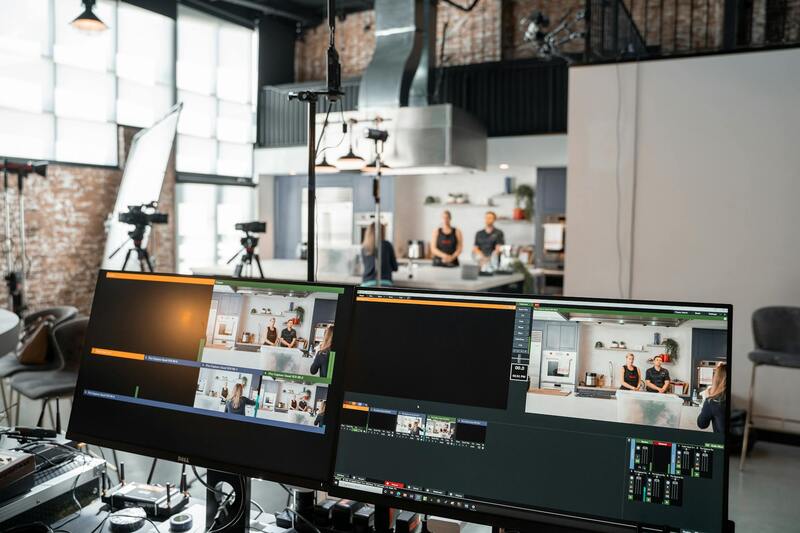
In today’s competitive real estate market, the visual presentation of a property can be the decisive factor that influences a potential buyer’s interest. Professional house sale photography plays a crucial role in creating compelling visual narratives that highlight a home’s best features. High-quality images not only enhance the property's appeal but also serve as the first impression for prospective buyers browsing online listings, which are often the primary channel for property searches.
Investing in expert photography can significantly expedite the sales process. Well-composed and professionally captured images can attract a broader audience, increasing inquiries and viewings. Moreover, these images have the potential to elevate the perceived value of the property, often resulting in a higher selling price. The importance of visual quality extends beyond initial impressions; it fosters trust and credibility amongst buyers, affirming the property’s desirability and the professionalism of the seller’s marketing efforts.
In the digital age, where homes are routinely showcased through online listings, high-caliber photography is indispensable. Especially in vibrant markets such as Miami, visually stunning photographs can convert casual browsers into serious buyers. With a strategic approach to presentation, professional photography enables sellers to stand out in a crowded marketplace, ultimately reducing time on the market and helping to achieve optimal sale terms.

Key Elements of Effective House Sale Photography
To maximize the impact of real estate photography, certain elements should be consistently prioritized. These include lighting, composition, clarity, and visual storytelling. Proper lighting ensures that each room appears warm, inviting, and true to its actual color. Composition involves framing shots to highlight the space’s best features and provide a sense of scale. Sharpness and clarity are vital for details to stand out and for images to appear professional and polished.
Effective house sale photography also involves capturing both wide-angle shots that showcase entire rooms and focused images that emphasize focal points such as architectural details or scenic views. By thoughtfully arranging shots and sequences, a photographer can present consistent and compelling narratives about the property, guiding potential buyers through a virtual tour that emphasizes its strengths.
Preparing a Home for Photography
Preparation is essential for achieving optimal results in real estate photography. Staging the home to appear neat, uncluttered, and inviting allows features to shine through. Cleaning every surface, decluttering spaces, and arranging furniture appropriately help create a clean and airy atmosphere. It’s also important to consider the time of day—natural lighting should be maximized by scheduling shoots during daylight hours with abundant sunlight.
Furthermore, minor repairs or adjustments, such as fixing broken fixtures or opening window blinds, can make a significant difference in the final images. External elements such as landscaping, driveway cleanliness, and curb appeal should be managed to enhance the property’s first impression from the outside. These preparatory steps ensure that every shot captures the home at its best and encourages viewers to take the next step towards making an offer.
Key Elements of Effective House Sale Photography
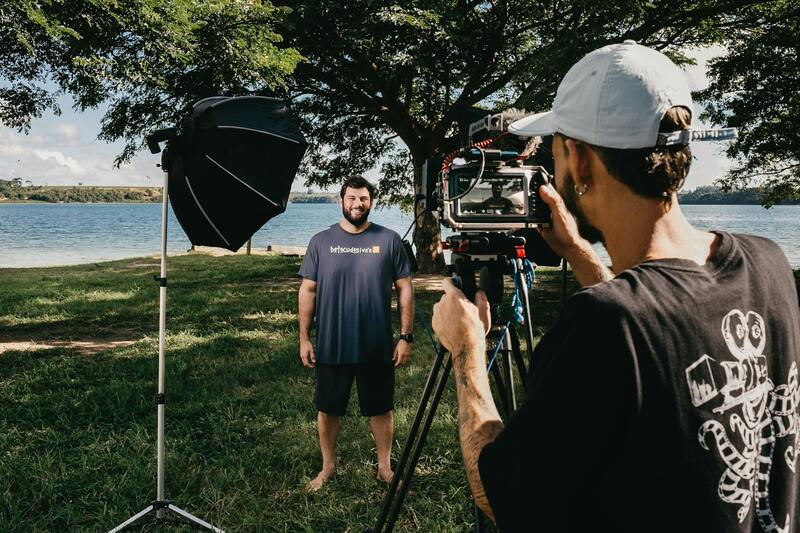
Achieving high-quality house sale photography requires a strategic focus on several fundamental elements that enhance the visual appeal of the property. These components include optimal lighting, balanced composition, effective staging, and the ability to capture the property's most attractive features. Mastering these aspects ensures that each image resonates with prospective buyers and effectively highlights the unique qualities of the home.
Lighting
Lighting plays a critical role in real estate photography. Natural light, when harnessed correctly, can illuminate spaces evenly, accentuating their size and inviting warmth. Photographers often schedule shoots during the late morning or early afternoon when sunlight is abundant. Supplementing natural light with professional lighting equipment can help eliminate shadows and ensure consistent brightness across all images.
Composition
Careful composition directs viewers’ attention to the property’s most desirable features. This includes framing shots to maximize space perception, aligning lines to create a sense of balance, and avoiding clutter within the frame. Wide-angle lenses are commonly used to capture entire rooms, providing potential buyers with a comprehensive view of the layout and flow of the home.
Staging
Effective staging involves arranging furniture and decor to showcase each room’s potential. A clutter-free and harmoniously decorated space appears larger, more inviting, and easier for buyers to envision as their own. Emphasizing key areas, such as a cozy living room or a chef-inspired kitchen, can guide viewers’ focus and strengthen emotional connections to the property.
Capturing Key Features
Highlighting architectural details, scenic views, and unique features adds depth to property presentations. Close-up shots of fireplace mantels, crown molding, or custom fixtures can convey quality and craftsmanship, while exterior photographs emphasizing landscaped gardens or scenic vistas reinforce the property's overall appeal. Effective photography balances broad, sweeping views with detailed shots to tell a comprehensive story of the home.
Utilizing the Right Equipment
Professional-grade cameras and lenses are essential for capturing sharp, vibrant images. Tripods assist in maintaining stability and consistency across shots, while wide-angle lenses offer a broader perspective of interior spaces. Some photographers incorporate drone photography to provide aerial views of the property and surrounding landscape, further enhancing the marketing appeal.
Post-Processing Techniques
Editing plays a crucial role in refining real estate images. Adjustments to brightness, contrast, and color saturation can make spaces appear more vibrant and true to life. Careful retouching also ensures that imperfections are minimized, and the final images exhibit a polished, professional quality that aligns with the property’s true character.
By focusing on these key elements, real estate professionals can produce compelling imagery that not only attracts attention online but also drives increased interest and offers. Consistent application of these principles ensures that each listing stands out in a competitive market, ultimately facilitating a faster sale process.
Technical Aspects of House Sale Photography
Mastering the technical components of real estate photography is fundamental to capturing images that effectively showcase a property’s appeal. Equipment choice, camera settings, lighting conditions, and composition techniques collectively influence the quality and impact of each shot.
High-quality cameras with full-frame sensors are preferred for their ability to capture detailed images with excellent dynamic range. Using wide-angle lenses—typically between 14mm and 24mm—allows for capturing expansive interior spaces in a single frame, which can make rooms appear larger and more inviting. When selecting camera settings, an aperture around f/8 to f/11 often strikes an optimal balance between depth of field and sharpness, ensuring both foreground and background details are in focus.
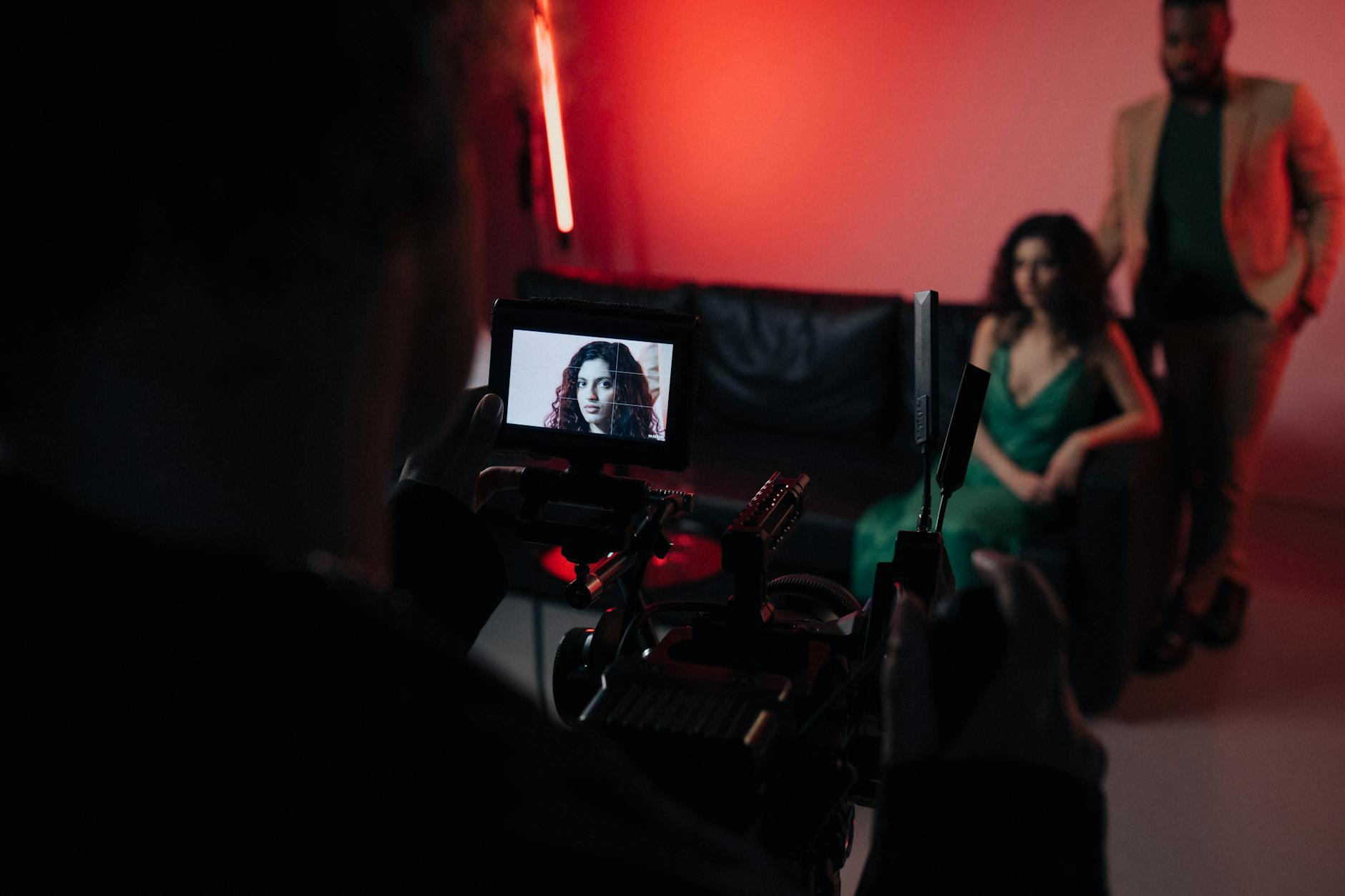
Lighting plays a pivotal role in creating visually appealing images. Natural light, when available, should be the primary source; shooting during the day and opening curtains can maximize ambient light. Supplementing with professional lighting equipment, such as strobes or softboxes, can minimize shadows, balance exposure, and highlight architectural features. Employing HDR (High Dynamic Range) photography—merging multiple images taken at different exposures—can further refine image quality, especially in high-contrast scenes where windows or dark corners might otherwise be underexposed or overexposed.
Composition techniques, including the rule of thirds, leading lines, and strategic viewpoints, guide viewers' gaze through the image and emphasize the best features of the property. Maintaining a level horizon, avoiding tilted angles, and ensuring that vertical lines of structures appear straight are crucial for professionalism and viewer trust. Proper framing should include the entire room or exterior scene while avoiding clutter or distracting elements.
Post-processing is equally important; color correction, straightening horizons, and minor retouching can elevate raw captures into polished marketing tools. Working within the constraints of technical excellence ensures that each image meets high standards, reinforcing the property's desirability.
Additionally, drone imagery introduces an aerial perspective that can highlight property size, landscape features, and neighborhood context—key factors influencing buyer interest. When used thoughtfully, combining ground-level and aerial shots creates a comprehensive visual narrative that distinguishes a listing from competitors.
Technical Aspects of House Sale Photography
Achieving high-quality images for house sales hinges on the careful selection and mastery of technical equipment and techniques. A professional-grade DSLR or mirrorless camera with a wide-angle lens (typically 14-24mm) is essential for capturing expansive interior shots and exterior panoramas that accurately represent space. The lens choice plays a crucial role in producing images with minimal distortion, thus reflecting the property's true proportions.
Setting the camera correctly is just as vital. A small aperture (around f/8 to f/11) ensures greater depth of field, keeping both foreground and background in sharp focus. Adjusting ISO to the lowest possible level minimizes noise, while a balanced shutter speed prevents motion blur, especially in low-light conditions. Utilizing a tripod stabilizes the camera during long exposures, which is particularly beneficial in dimly lit environments or when employing HDR techniques.
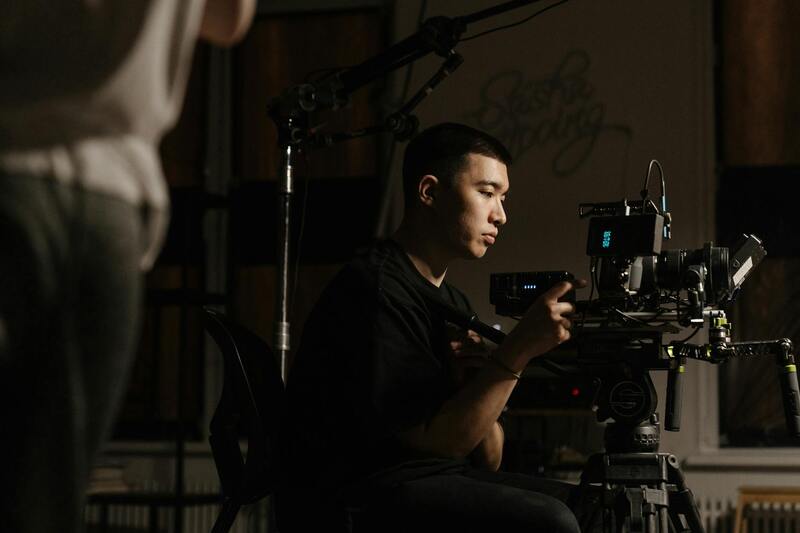
High Dynamic Range (HDR) imaging is a valuable technique in house sale photography. It involves capturing multiple images at different exposures and blending them to create a final image that contains detail in both shadows and highlights. This method is particularly effective when photographing rooms with large windows or scenes with stark contrast, ensuring that neither the interior nor exterior appears washed out or overly dark.
Drone photography adds a distinctive aerial perspective, offering potential buyers a comprehensive view of the property's size, landscape layout, and surrounding neighborhood. Professional-grade drone cameras equipped with stabilizers produce clear, high-resolution images and videos that can significantly enhance a listing’s visual appeal.
Proper post-processing is the finishing touch that transforms raw images into compelling marketing tools. Techniques include color correction to achieve natural and appealing tones, straightening horizons for visual accuracy, and retouching to remove distracting elements or minor blemishes. While editing improves overall presentation, maintaining authenticity is vital to accurately portray the property's features and conditions.
Choosing a Miami Production Agency for Real Estate Photography
Selecting a professional agency with experience in real estate photography ensures consistent quality and sophisticated results. Expertise in both ground-level and aerial imaging allows for a comprehensive visual storytelling approach, positioning properties to attract serious buyers effectively. When evaluating potential partners, consider their portfolio, familiarity with local market expectations, and their capability to provide a quick turnaround without compromising on creative standards.
Legal and Ethical Considerations in House Sale Photography
Conducting house sale photography with professionalism involves adhering to established standards that respect the rights of property owners and the integrity of the visual content. It is essential to obtain clear permissions from property owners before capturing images for marketing purposes, ensuring transparency regarding the intended use of the photographs. This process helps in establishing trust and maintaining a professional relationship with clients.
Authenticity plays a crucial role in this realm. Photographers should accurately represent the property through their images, avoiding any alterations that could mislead potential buyers. Image editing should enhance the viewing experience without distorting the true layout, features, or condition of the home. This includes refraining from manipulating image proportions or removing essential elements that contribute to a property's overall appeal and authenticity.
Respect for privacy is equally important. Photographers must be cautious when capturing exterior shots to prevent inclusion of neighboring properties, private spaces, or sensitive areas unless explicit permission has been granted. For interior shots, ensuring that personal belongings, clutter, or any intrusive elements are either well-managed or edited out can maintain a professional and respectful presentation of the property.

Maintaining ethical standards also extends to the selection and use of equipment and accessories. For instance, drone photography must be conducted while respecting aviation regulations and privacy laws, avoiding intrusive aerial views that could compromise privacy or safety. Using high-quality, calibrated equipment ensures consistency and reduces the risk of misrepresentation caused by technical deficiencies.
Additionally, photographers should clearly communicate the scope and limitations of their services to clients, setting realistic expectations regarding shoot outcomes, editing processes, and turnaround times. This transparent communication fosters professionalism and fosters confidence in the service provider, ultimately ensuring the integrity and effectiveness of the marketing strategy.
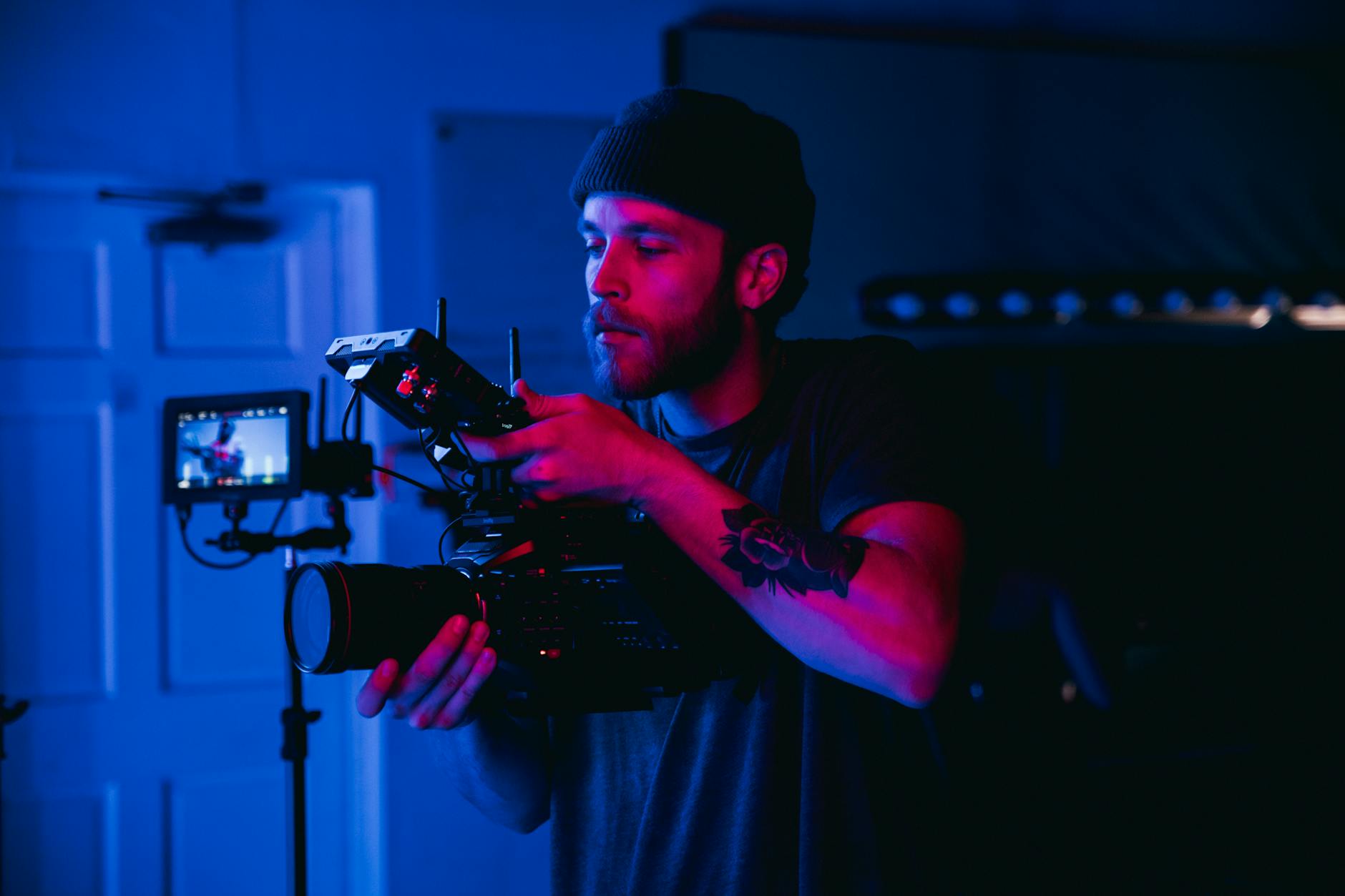
Incorporating these principles into your house sale photography approach not only elevates the quality of your images but also reinforces a trustworthy and reputable brand image. When clients see a commitment to ethical practices, they are more likely to recommend your services and engage in future collaborations, leading to sustained business growth and a strong market presence.
Legal and Ethical Considerations in House Sale Photography
Adhering to established standards in house sale photography ensures that property representations are accurate, respectful, and professional. It involves a commitment to honesty in showcasing the property's condition, features, and surroundings without exaggeration or misrepresentation that could mislead potential buyers. Utilizing authentic images provides a transparent view of the property, which can foster trust and facilitate smoother transactions.
Consent and privacy are foundational elements when capturing images of a home. It is crucial to secure explicit permission from homeowners before undertaking any photographic activities. This encompasses agreements on which areas will be photographed, the intended use of images, and how they will be disseminated across various media platforms. Respecting the privacy of neighbors or neighboring properties is equally important, especially when using wide-angle or aerial photography techniques which might inadvertently capture unintended subjects or private spaces.
Ownership rights over the images should be clearly established from the outset. Clarifying whether the photographer retains any rights or if the client holds sole utilization rights helps prevent potential disputes. This transparency ensures both parties understand the scope of usage, whether for online listings, print brochures, or virtual tours.
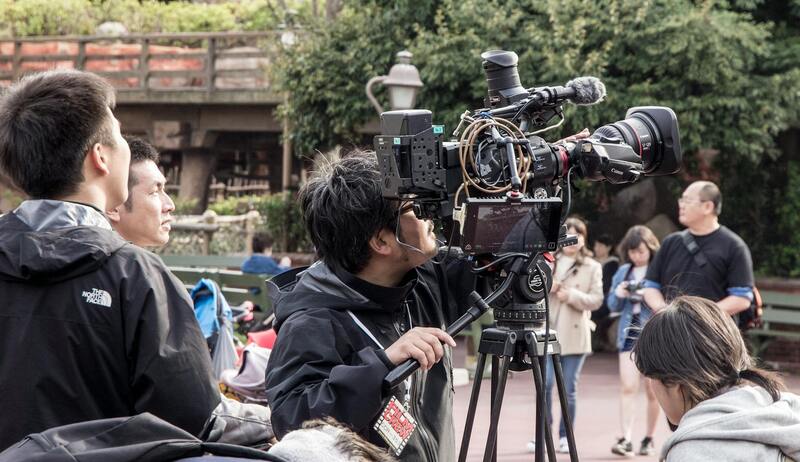
Ethical professional behavior also extends to editing practices. Adjustments should aim to enhance image quality without altering the true appearance of the property. Over-editing or manipulating images in a manner that distorts reality can result in misaligned expectations and legal repercussions. Photographers should adhere to honest and consistent editing standards, portraying the property faithfully while highlighting its best features.
Regulatory compliance is vital, particularly for aerial shots taken using drones. These devices must operate within local aviation regulations, and their use should not infringe upon personal privacy or cause safety concerns. Understanding and following these regulations helps prevent violations that could undermine the credibility of the listing and damage reputation.
Finally, maintaining open communication about the intended use of photographs and ensuring clients understand the scope and limitations foster professionalism. This approach establishes a foundation of trust, builds a positive reputation, and encourages repeat business through demonstrated integrity and respect for legal and ethical standards.
Legal and Ethical Considerations in House Sale Photography
In the realm of real estate marketing, adhering to established legal and ethical standards is essential for maintaining professionalism and safeguarding all parties involved. To ensure compliance, certain practices must be followed diligently to prevent misunderstandings and protect property owners' interests.
One of the foundational aspects is the clear agreement regarding usage rights of the photographs. This involves defining how the images can be employed across various platforms, including online listings, printed materials, virtual tours, and promotional campaigns. Establishing this understanding helps prevent potential disputes and clarifies expectations for both the photographer and the client.
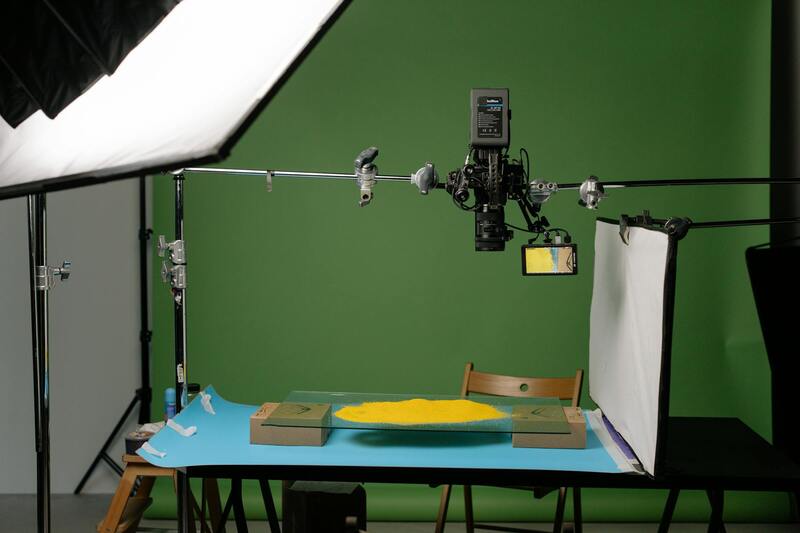
Privacy considerations are paramount when capturing images, especially in shared or private residential spaces. Photographers should secure consent from homeowners or residents before photographing interiors or exteriors that contain identifiable features or personal items. This practice respects privacy and fosters trust, ensuring that the client's comfort remains a priority throughout the process.
The use of drones and aerial photography introduces specific considerations related to privacy and safety. Compliance with aviation regulations and awareness of personal privacy boundaries is crucial to obtain quality shots without infringing on individual rights or causing safety issues. Proper permissions and adherence to local guidelines help integrate drone photography seamlessly into property marketing efforts.
Editing and post-processing of images should be conducted ethically by enhancing visual appeal while maintaining the property's true appearance. Manipulations that could mislead potential buyers compromise trust and can lead to discrepancies between images and actual property conditions. Transparent editing standards uphold the integrity of listings and foster credibility with prospective buyers.
Disclosures related to specific features or conditions of the property should be clearly communicated through photographs. Omitting or omitting critical details misleads viewers and can result in legal concerns or reputation damage. Accurate, comprehensive visual documentation ensures transparency and supports informed decision-making.
Finally, open dialogue with clients regarding the scope and limitations of the photographic services fosters a professional relationship grounded in trust. Clear communication about what can realistically be achieved, along with ethical filming and editing practices, reinforces the integrity of the real estate marketing process.
Legal and Ethical Considerations
When employing house sale photography to market a property effectively, it is essential to adhere to established legal and ethical standards that maintain trust and transparency with potential buyers. This involves obtaining all necessary permissions before capturing images of the property, particularly if the residence is located in a community governed by specific guidelines or if private areas are involved. Respect for residents' privacy rights must be prioritized, avoiding intrusive shots that could compromise personal boundaries or confidentiality.
Moreover, accurate representation of the property must be upheld through both the shooting process and subsequent editing. Visual content should faithfully portray the condition and features of the home without exaggeration or omission that might mislead viewers. The integrity of the listing depends heavily on honest imagery, reinforcing credibility and fostering positive engagement with prospective buyers.
Disclosures are also vital—highlighting both the strengths and limitations of the property in images supports informed decision-making. Clear, comprehensive visual documentation reduces the potential for misunderstandings and ensures that buyers have realistic expectations. This includes detailed shots of unique features and any existing issues that may influence purchasing decisions.
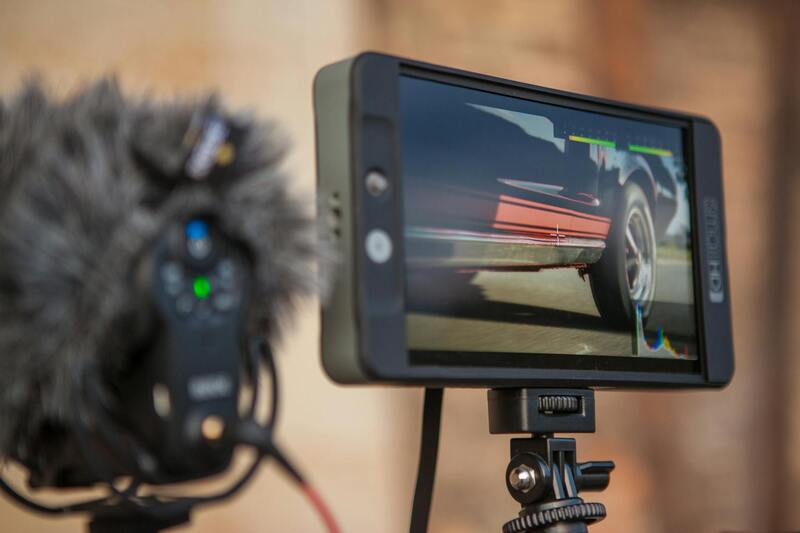
Open communication with clients about the scope of photographic services and the boundaries of image editing further solidifies a professional relationship rooted in trust. Discussing what is attainable within the scope of photography and ethically enhancing visuals helps set accurate expectations and sustains the credibility of the marketing process.