Importance of Professional Photography in Real Estate Sales
In the competitive Miami real estate market, the visual presentation of a property can significantly influence a potential buyer’s decision. High-quality, professionally captured images showcase the property's best features, creating a compelling first impression that encourages viewers to schedule a tour. When prospective buyers browse online listings, the initial visual impact is often the determining factor in whether they engage further or move on to another property.
Effective real estate photography not only highlights the aesthetic appeal of a home but also conveys a sense of professionalism and trustworthiness to potential buyers. A well-lit, high-resolution photograph provides clarity and detail that amateur images may lack, making the property more inviting and accessible. In Miami’s vibrant market, where properties often compete for attention, professional photography acts as a crucial marketing tool that can dramatically shorten a property’s time on the market and lead to higher offers.

Buyers are increasingly turning to online platforms to browse listings, making the quality of property images more important than ever. Listings with professional photos tend to generate more clicks, longer viewing times, and ultimately, more in-person visits. This visual appeal, combined with strategic staging and lighting, can elevate a property above the competition.
Furthermore, professional photography services often include tailored techniques that adapt to the unique architectural features and lighting conditions of Miami homes. This adaptability ensures that each property is accurately represented, capturing its essence and facilitating a genuine connection with prospective buyers. For properties in luxury neighborhoods or condominiums with stunning views, professional photography can even accentuate the scenic advantages, making the listing irresistible.
Effective real estate images also support the overall branding of the property and its agent, demonstrating a commitment to quality and attention to detail. Such professionalism can build trust with buyers and serve as a reflection of the quality of the property itself, ultimately leading to quicker sales at desirable prices.
Leveraging high-caliber visual content from an experienced photographer is not an expense but an investment that pays dividends by amplifying visibility, attracting serious buyers, and streamlining the sales process in Miami's fast-paced real estate environment.
Key Elements of an Effective House Sale Photo Shoot
- Proper Lighting: Utilizing natural light to highlight spaces and create inviting atmospheres.
- Wide-Angle Shots: Capturing the full scope of rooms and architectural features.
- Staging and Decluttering: Presenting the property in its best, most appealing state.
- Optimal Angles: Choosing perspectives that emphasize space and design.
- Consistency: Maintaining a cohesive look throughout the image set for professionalism.
Choosing the Right Photographer for Miami Real Estate Listings
- Experience with Residential Properties: Familiarity with Miami's architectural styles and market expectations.
- Portfolio Quality: Evidence of high-quality work with diverse property types.
- Technical Skills: Proficiency in lighting, editing, and advanced photography techniques.
- Knowledge of Market Trends: Understanding what appeals to local buyers and how to showcase property advantages.
- Professional Equipment: Use of the latest cameras, lenses, and stabilization tools for crisp, detailed images.
Preparing the Property for Photoshoots
- Deep Cleaning: Ensuring every space looks neat and inviting.
- Staging: Arranging furniture and decor to accentuate key features.
- Neutral Colors and Decorations: Creating a blank canvas that appeals to broad tastes.
- Maximizing Natural Light: Opening curtains and blinds to flood rooms with sunlight.
- Removing Personal Items: Allowing buyers to envision themselves in the space.
Best Practices for Shooting Houses for Sale
- Plan the shoot to capture the property's best angles and features.
- Use a tripod to ensure stability and uniformity across shots.
- Experiment with different compositions to find the most appealing perspectives.
- Include exterior shots that showcase curb appeal and surroundings.
- Capture details such as unique architectural elements and upgrades.
Editing and Post-Production in Real Estate Photography
Post-production involves enhancing images to accurately represent the property while maintaining natural appearances. Adjustments to brightness, contrast, and color balance help achieve vibrant, eye-catching photos. Skilled editing can also correct distortions and remove minor imperfections, ensuring the images are polished and professional.
Advanced editing techniques include HDR blending to capture details in both shadows and highlights, as well as sky replacements or enhancements to optimize exterior scenes. These processes help produce images that stand out in online listings and marketing materials.
Marketing the Property with High-Quality Photos
High-quality images serve as the cornerstone of effective online and offline marketing campaigns. They increase engagement on real estate portals, social media, and email marketing, drawing more potential buyers to the listing. Beyond digital, printed brochures and postcards featuring professional photographs help establish credibility and attract in-person visits.
Benefits of Partnering with a Miami Production Agency
Collaborating with a specialized production agency in Miami ensures access to local expertise, advanced equipment, and tailored services designed to highlight a property’s unique features. These agencies understand the nuances of Miami’s diverse neighborhoods and aesthetic preferences, providing customized solutions that enhance your listing’s appeal and marketability.
Choosing the Right Photographer for Miami Real Estate Listings
Identifying an appropriate house for sale photographer involves evaluating experience, portfolio quality, and understanding of the local Miami market. Professional real estate photographers possess a keen eye for composition, lighting, and detail, ensuring the property's best features are highlighted effectively. Local knowledge allows the photographer to recognize the distinct architectural styles, neighborhood aesthetics, and buyer preferences prevalent in Miami, leading to images that resonate with potential buyers.
When selecting a photographer, consider their familiarity with current industry standards and their ability to adapt to various property types, from luxury condos to family homes. A dedicated photographer will utilize state-of-the-art equipment, including high-resolution cameras, drone imagery for expansive outdoor shots, and wide-angle lenses to create an immersive viewing experience. Reviewing their previous work provides insight into their style and consistency, essential for aligning with your marketing goals.
Moreover, communication skills are vital. The photographer should be receptive to your specific requests, offering guidance on optimal times for shoots, staging tips, and preferred angles that best showcase the property’s space and features. Transparency regarding turnaround times and delivery methods also ensures a smooth workflow, allowing you to plan your marketing campaign effectively.
Partnering with a photographer who understands the nuances of real estate marketing can significantly impact how quickly and effectively a property sells. Their ability to craft compelling visual narratives helps create an emotional connection with prospective buyers, making the listing stand out in a competitive Miami market.
Choosing the right professional ultimately translates into higher engagement, faster sales, and a stronger market presence for your property. Carefully vetting credentials and ensuring alignment with your property’s unique aspects will maximize the return on your visual marketing investment, making your house stand out amid numerous listings.
Preparing the Property for Photoshoots
Effective preparation sets the foundation for capturing compelling real estate images that highlight a property's best features. Prior to the scheduled shoot, ensure the home is meticulously cleaned and decluttered. This process involves removing personal items, excessive furniture, and any objects that distract from the space’s core elements. A tidy environment allows the photographer to showcase the property’s size, layout, and natural flow without visual interference.
Light plays a crucial role in real estate photography. Schedule the shoot during daylight hours, ideally when natural light is abundant, to illuminate rooms evenly and reduce the need for extensive post-production adjustments. Open window coverings to maximize daylight exposure, and consider turning on all interior lights to create a warm, inviting atmosphere. Replacing any burnt-out bulbs ahead of time prevents unintentional dark spots in the images.
Staging is equally vital. Furniture placement should enhance the flow of each room, making spaces look larger and more inviting. Use neutral, subtle textiles and décor to appeal to a broad audience, avoiding overly personalized or cluttered settings. Exterior preparations include landscaping, trimming bushes, mowing lawns, and removing any debris or equipment from the yard to ensure curb appeal.

Best Practices for Shooting Houses for Sale
During a professional house shoot, attention to angles and composition significantly influences visual appeal. Photographers often utilize wide-angle lenses to capture more of the room, creating an immersive experience that enables viewers to virtually step inside. Positioning the camera at eye level ensures natural proportions, avoiding distortion and providing an accurate perspective of the space.
Room-by-room coverage should emphasize the flow from one area to another, highlighting key features such as architectural details, high ceilings, expansive windows, and unique finishes. When photographing outdoor spaces, aerial shots via drone photography can provide impressive views of the property’s size, landscaping, and proximity to amenities. Evening or twilight shots can also add a dramatic effect, showcasing lighting that accentuates the home’s character.
Photographers should also pay attention to details like cleaning reflective surfaces and removing personal items that might distract viewers. The use of natural light remains a priority, but supplemental lighting may be needed to brighten darker corners or to balance interior illumination with outdoor brightness.
Editing and Post-Production in Real Estate Photography
Post-production is a critical phase that refines the raw images captured during the shoot, ensuring they meet high standards of clarity and appeal. The editing process typically includes adjustments to brightness, contrast, and color balance, which help render the images as true-to-life as possible while emphasizing the property's features.
Image correction may also involve straightening lines, removing minor imperfections such as smudges or clutter, and enhancing details to add depth and vibrancy. Proper post-processing preserves authenticity, avoiding over-editing that might mislead viewers or create an unrealistic depiction of the property.
Many professionals utilize advanced editing software to deliver high-resolution images optimized for various marketing platforms. Consistency in editing style across all photos ensures a cohesive and professional presentation, reinforcing the property's appeal across listings, brochures, and digital media channels.
Choosing the Right Photographer for Miami Real Estate Listings
Securing a skilled and experienced house for sale photographer is essential for maximizing a property’s visual appeal. In Miami’s competitive real estate market, visual presentation can significantly influence a potential buyer’s interest and decision-making process. When evaluating photographers, it’s important to consider their specialization in real estate, portfolio quality, and familiarity with local market trends.
Photographers with a proven track record in Miami understand the unique architectural styles prevalent in the area. They are adept at capturing properties in a manner that highlights their distinctive features—whether it's modern condos, luxurious waterfront estates, or historic homes. Their expertise ensures that lighting, angles, and composition work harmoniously to create compelling images that stand out amidst numerous listings.
Consistency and attention to detail are hallmarks of professional real estate photographers. A capable photographer will employ techniques such as drone imaging for expansive property shots, twilight photography to emphasize curb appeal, and interior staging insights to ensure spaces appear inviting and well-proportioned. Their knowledge of camera equipment and editing software further enhances image quality, ensuring photos are sharp, vibrant, and true to life.
Communication skills also play an important role; a good photographer will work closely with real estate agents or property owners to understand the core selling points of a home. They can suggest specific shots that highlight key features, create mood, or showcase remodeling highlights. Additionally, professionals often provide guidance on optimal timing for shoots, typically during daylight hours with favorable weather conditions, to capture the property under the best natural light.
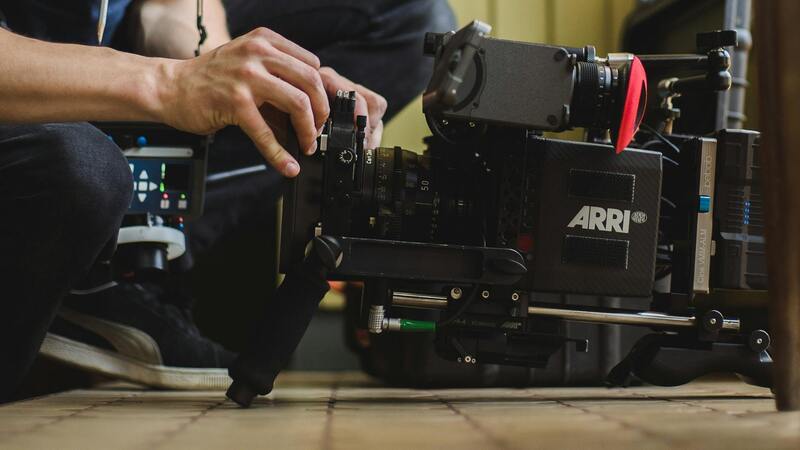
When selecting a house for sale photographer in Miami, it is also prudent to review their portfolio for consistency in style and quality. Client testimonials and reviews can shed light on their reliability and professionalism. Investing in a reputable photographer ensures that the visual storytelling of the property is compelling and aligned with current marketing standards, ultimately leading to faster sales and potentially higher offers.
Furthermore, partnering with a photographer who understands the nuances of Miami’s real estate market can provide a strategic advantage. They are skilled at emphasizing outdoor spaces, views, and unique selling points that resonate strongly with buyers interested in Miami’s vibrant lifestyle. Their familiarity with local lighting conditions, seasonal changes, and outdoor amenities allows them to produce images that authentically portray a property’s selling points.

Summing Up
Ultimately, the right photographer can make a substantial difference in the effectiveness of a real estate listing. Their expertise in capturing property features, understanding of local market dynamics, and ability to produce visually stunning images are invaluable assets. When considering professionals in Miami, look for those with a comprehensive portfolio, positive client feedback, and a deep understanding of how to make each property stand out. High-quality imagery not only accelerates the sales process but also enhances the overall reputation of the listing, creating a lasting appeal to prospective buyers.
Best Practices for Shooting Houses for Sale
When photographing a house for sale, applying targeted techniques and utilizing the right equipment are essential to capturing images that highlight the property’s best features. Optimal lighting is paramount; shooting during the golden hours—shortly after sunrise or just before sunset—ensures natural light that adds warmth and depth to interior and exterior photos. Overcast days can also be advantageous, as diffuse sunlight minimizes harsh shadows, producing evenly lit images that appeal to prospective buyers.
Lens choice plays a critical role in real estate photography. Wide-angle lenses, typically between 14mm and 24mm, enable capturing expansive spaces within a single frame, allowing viewers to appreciate room layouts and spatial flow. However, it’s important to avoid excessive distortion, which can misrepresent a space’s true dimensions. Employing tilt-shift lenses can help maintain straight lines and true proportions, enhancing the overall professionalism of the images.
Stability is key when shooting, and a tripod is indispensable for eliminating camera shake, especially in low-light conditions. Proper camera settings, such as a smaller aperture (higher f-stop) for greater depth of field and appropriate ISO levels to prevent noise, contribute to crisp, clear images. Bracketing exposures and merging HDR (High Dynamic Range) images can also be effective in balancing bright exterior views with interior lighting, ensuring detail is captured across all areas.
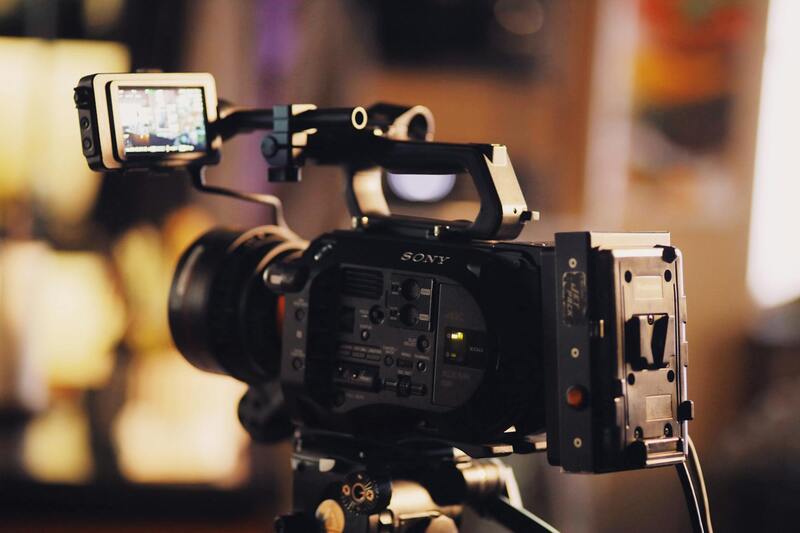
Moving through the property systematically, from main living areas to secondary spaces, ensures comprehensive coverage. Attention to staging is essential; removing clutter and personal items prepares the space for a neutral appeal. Using professional lighting equipment or natural light thoughtfully can highlight architectural details and create inviting atmospheres.
Timing the shoot to avoid harsh shadows, especially in direct sunlight, enhances visual quality. Overcast days provide evenly diffused light, reducing glare and deep shadows that can obscure details. Additionally, capturing multiple angles and close-ups of key features—such as fireplaces, kitchen finishes, and outdoor amenities—provides buyers with a complete understanding of the property’s offerings.

Best Practices for Shooting Houses for Sale
Utilizing Proper Equipment and Techniques
Achieving high-quality real estate images demands meticulous attention to detail and the utilization of professional photographic tools. Cameras with full-frame sensors are preferred as they capture more light and detail, essential for producing vibrant, sharp images. Wide-angle lenses are instrumental in showcasing spacious interiors and exteriors, but must be used judiciously to avoid distortion that can misrepresent the space.
Tripods are fundamental for maintaining stability during shoots, especially in low-light scenarios or when capturing HDR images. Using a tripod also allows for consistent framing across multiple shots, making it easier to assemble a cohesive virtual tour or photo gallery. Additionally, diffusers and reflectors help control natural light, softening harsh shadows and evenly illuminating interior spaces.
Optimizing Lighting Conditions
The quality of light greatly influences the final appearance of property images. Overcast days are ideal due to their diffuse lighting, reducing glare and avoiding overly shadowed areas. When shooting indoors, turning on all available interior lights can create a warm, inviting atmosphere and fill in shadows. In some cases, supplemental lighting equipment such as portable LEDs or flashes may be used to highlight key features or combat low light conditions without creating harsh reflections.
Timing outdoor shots during the golden hour—shortly after sunrise or before sunset—can produce warm, soft lighting that enhances curb appeal and emphasizes architectural features effectively. Balancing natural and artificial light through color temperature adjustments ensures a consistent and appealing look across all images.
Composition and Framing Techniques
Careful composition is vital in delivering engaging, honest representations of the property. The rule of thirds should guide shot framing, ensuring key features are positioned to draw the viewer’s eye. Shooting from eye level maintains a natural perspective, while including leading lines or focal points directs attention to the property's strengths.
Multiple angles of each room—wide shots, close-ups of finishes, and details like hardware or fixtures—provide comprehensive insight into the space. Exterior shots should encompass different angles to showcase the full property, including yards, patios, and landscaping. Utilizing drone photography can add a dynamic aerial view, highlighting size, layout, and environmental context for larger properties.
Neutral staging, such as removing clutter, rearranging furniture, and adding fresh decor, fosters a welcoming impression that allows potential buyers to envision themselves within the space. Ensuring that all areas are tidy and well-lit enhances the perceived value and attractiveness of the listing.
Best Practices for Shooting Houses for Sale
Executing an effective house for sale photographer session requires meticulous attention to detail and adherence to proven methodologies. Proper planning ensures that each shot captures the property’s unique features, architectural strengths, and overall character, fostering an authentic representation that appeals to potential buyers.
Strategic Planning and Shot Lists
Before the day of the shoot, collaborating with the property owner or listing agent to develop a comprehensive shot list is essential. This list should include all key areas of interest—such as the main living spaces, bedrooms, bathrooms, kitchen, exterior facades, outdoor living spaces, and special features like fireplaces or built-ins. Prioritizing these shots ensures the most important aspects are thoroughly documented.
Optimal Timing and Lighting Conditions
Natural lighting greatly influences the quality of real estate photography. Scheduling shoots during the golden hours—shortly after sunrise or before sunset—provides soft, warm, and evenly distributed light that enhances textures and colors. Overcast days also offer diffused light, reducing harsh shadows that can obscure details or distort color accuracy. When natural light is limited, supplementing with professional lighting equipment helps create an inviting, well-lit atmosphere.
Camera Settings and Equipment Choices
Utilizing wide-angle lenses allows for capturing expansive interior spaces, conveying a sense of spaciousness. Proper camera settings—such as a small aperture (high f-stop) for depth of field, a low ISO to minimize grain, and a suitable shutter speed—ensure crisp, clear images. Tripods are indispensable for stability, particularly in low-light conditions, preventing motion blur and maintaining consistent framing across multiple shots.
Precise Composition and Framing
Thoughtful composition employs the rule of thirds to position key features within the frame dynamically. Shooting at eye level maintains a natural perspective, making viewers feel as though they are stepping into the space. Including leading lines and focal points guides the eye toward architectural details, making the images more engaging. Ensuring that all vertical lines in interior shots remain straight avoids distortions caused by wide-angle lenses.
Staging and Decluttering
Minimal staging enhances the property's appeal, allowing prospective buyers to envision their life within the space. Removing clutter, tidying surfaces, and arranging furniture to highlight the room’s purpose are crucial steps. Neutral decor, fresh flowers, and subtle accents can elevate the environment without overwhelming viewers. Adequate lighting, both natural and artificial, accentuates the best features and ensures that each shot appears inviting and warm.
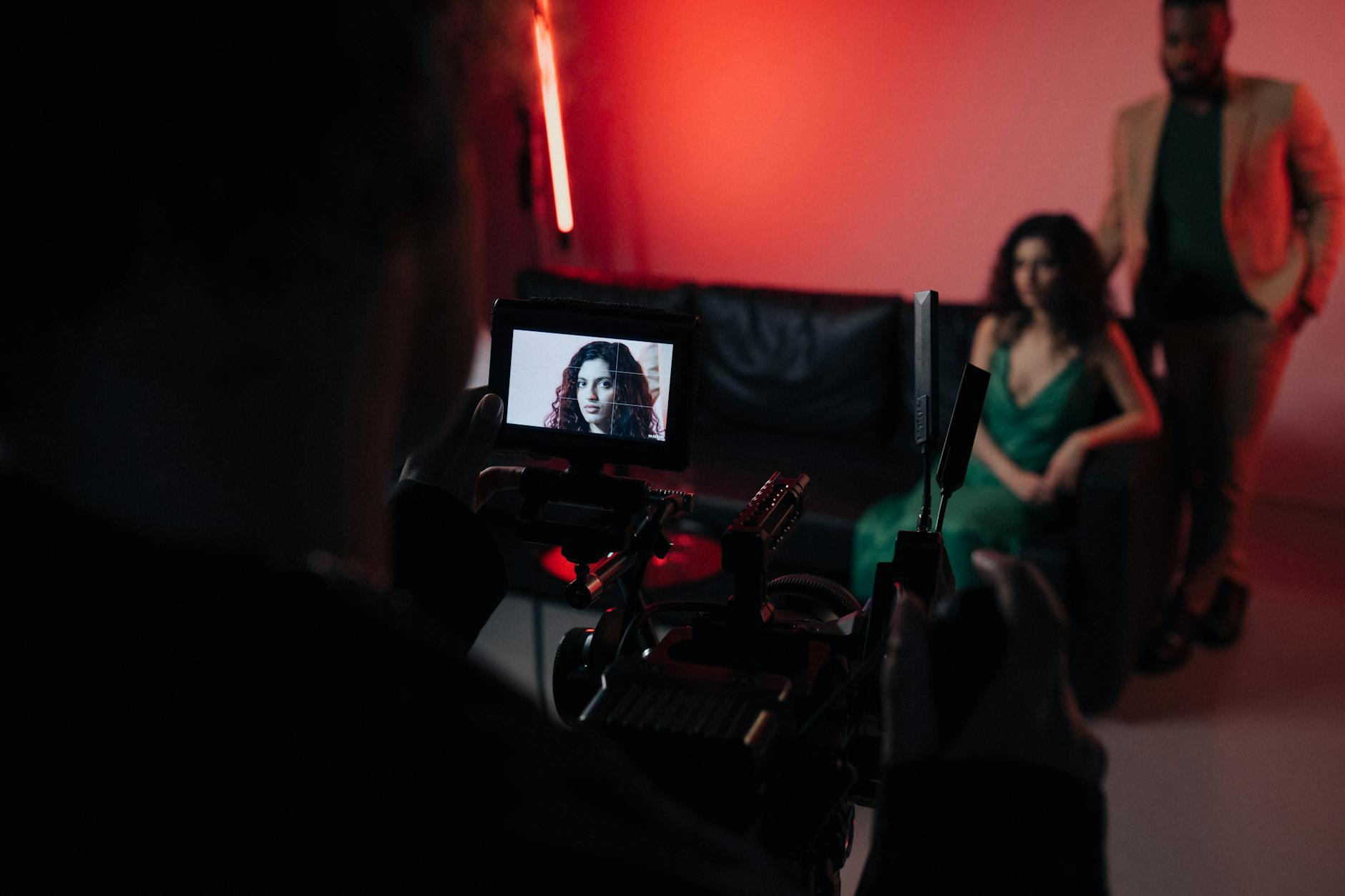
Utilizing Exterior and Aerial Shots
Exterior photography should include multiple angles to showcase landscape, architectural details, and property size. Elevating the camera height can reveal important curb appeal elements, such as driveways, gardens, and facades. For larger properties or those with significant outdoor features, drone photography can deliver captivating aerial images that illustrate layout, environmental surroundings, and overall curb presence. The use of drones adds a dynamic perspective that static photos cannot achieve, offering a comprehensive view that motivates viewers to explore further.
Post-Processing and Image Refinement
Post-production editing involves adjusting brightness, contrast, and color balance to achieve a vibrant yet realistic look. Corrections to straighten lines, remove minor imperfections, and enhance details contribute to high-quality visuals. Maintaining a natural aesthetic ensures that images accurately represent the property and set truthful expectations for buyers. Advanced editing techniques may include blending exposures for HDR effects, especially in challenging lighting conditions, to maintain detail in both shadows and highlights.
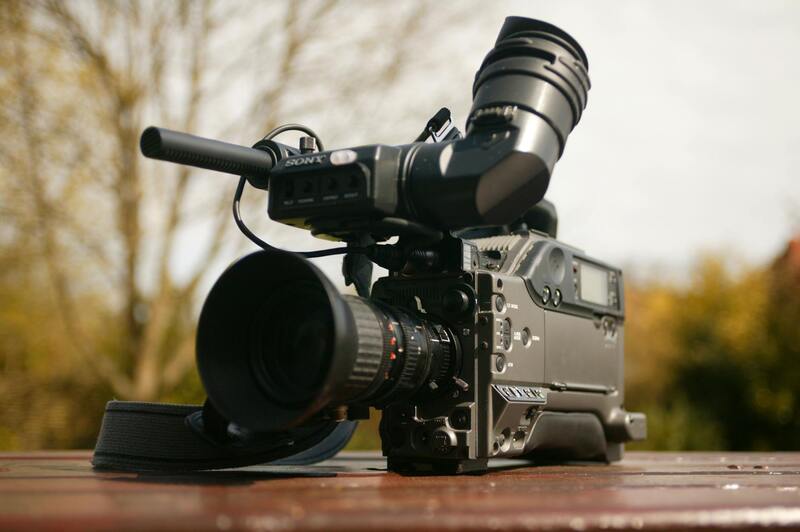
Effective Use of Photography in Real Estate Marketing
Properly capturing the essence of a house through high-quality images is instrumental in attracting potential buyers and facilitating quicker sales. Engaging photographs not only serve as the initial point of contact for online viewers but also create a lasting impression that motivates further inquiry. Strategic photography emphasizes the property's unique features, spaciousness, and overall appeal, ensuring that listings stand out amid a competitive market. Leveraging professional techniques, such as optimal lighting, composition, and equipment, effectively showcases the property's best attributes and paints a compelling visual story that resonates with prospective buyers.
Investing in Professional Photography Equipment
Utilizing advanced equipment—including wide-angle lenses, high-resolution cameras, and stabilizers—enables a photographer to capture sharp, beautifully detailed images. Proper use of lighting, both natural and supplemental, ensures each room appears bright, welcoming, and true to life. Additionally, employing drone technology allows for dynamic aerial shots that provide context about the property’s exterior, outdoor amenities, and neighborhood layout, offering viewers a comprehensive understanding of the home’s setting.
Applying Consistent Branding and Style
Maintaining a consistent aesthetic across all property images fosters brand recognition and professionalism. This includes uniform color grading, angles, and staging approaches. Consistency reassures potential clients of the photographer’s reliability and enhances the overall perception of the real estate agency or listing portfolio.
Utilizing Virtual Staging and 3D Tours
Complementing traditional photography with virtual staging provides potential buyers with an imaginative view of the space, especially for vacant homes. Furthermore, integrating 3D tours delivers an immersive experience, allowing viewers to navigate and explore the property remotely. These digital enhancements offer increased engagement and a better understanding of the property’s flow and layout, ultimately boosting interest and inquiries.
Optimizing Images for Digital Marketing Platforms
Ensuring images are optimized for various online channels—such as MLS listings, real estate websites, and social media—is crucial. Proper sizing, compression, and metadata application enhance loading times and search engine visibility, making it easier for potential buyers to find and engage with property listings. High-resolution images should be balanced with these technical considerations to maintain quality without sacrificing site performance.
In sum, maximizing the impact of real estate photography involves a strategic approach supported by professional equipment, consistent style, embracing modern visualization tools, and optimizing digital assets. These practices contribute significantly to attracting qualified buyers and accelerating the sale process.