Importance of High-Quality Photos for House Sales
In the competitive real estate market, the visual presentation of a property can significantly influence prospective buyers. High-quality photos serve as the primary touchpoint, capturing a home's best features and conveying its unique appeal. They create a lasting first impression, often determining whether a potential buyer will explore the listing further or scroll past it. Clear, well-composed images can highlight a home's spaciousness, natural light, and distinctive architectural details, making it easier for viewers to envision themselves living there.
When furniture and decor are showcased effectively, they evoke an emotional response that compels engagement. Moreover, professional-quality house photos contribute to establishing credibility for the listing, demonstrating that the property is well-maintained and deserving of attention. For real estate agents and homeowners aiming to maximize their property's marketability, investing in high-caliber images is crucial. It enhances online visibility across listing platforms and social media channels, increasing the likelihood of quicker sales at optimal prices.
In essence, high-quality photography acts as a bridge between a house and its potential buyers. Your images should accurately reflect the home's true character and atmosphere, creating an authentic and inviting narrative. This approach has become indispensable in digital marketing strategies, where most home searches begin with online browsing. A compelling visual presentation can elevate a property above competing listings, ultimately accelerating the sales process and securing better offers.
Preparing a House for the Photo Shoot
Achieving stunning images begins well before the camera clicks. Proper preparation ensures the property looks its best and that every shot captures its most appealing aspects. Once scheduled, homeowners and agents should declutter living spaces, removing personal items, excess furniture, and any distracting objects. This process opens up rooms, making them appear larger and more inviting.
Cleaning is essential; surfaces, windows, and floors should be spotless to reflect light and create a fresh, well-maintained appearance. Consider staging rooms with neutral decor and subtle accents that enhance visual interest without overshadowing the space. Proper furniture arrangement can improve flow and highlight the room’s functionalities. Additionally, ensuring all lights are functional and replacing any burnt-out bulbs prevents unflattering shadows and dark areas in photos.
Exterior shots require attention to landscaping, lawn maintenance, and the removal of clutter from outdoor areas. Adjusting window coverings to show the home's interior, opening curtains for natural light, and moving vehicles or outdoor equipment away from shot zones all contribute to an overall polished look. The goal is to create a welcoming atmosphere that resonates with potential buyers at a glance.
Best Time and Lighting for House Photos
The timing of your photo shoot plays a vital role in achieving optimal images. Early mornings and late afternoons, often called the "golden hours," provide soft, warm natural light that enhances the home's appearance. During these times, shadows are gentle, and the natural light amplifies the color and texture of surfaces, making spaces appear brighter and more inviting.
Overcast days can also be ideal for indoor photography, as diffused lighting reduces harsh shadows and creates a balanced, even illumination. It’s advisable to avoid midday shoots when the sun is directly overhead, as this causes stark shadows and overly bright spots that can diminish the clarity of interior photographs.
Indoor lighting should complement natural light; turning on all available lights and opening curtains allows for a vibrant, airy feel. Using consistent lighting throughout the property ensures uniformity across images, which adds to a cohesive online presentation. In some cases, supplementary lighting, such as softboxes or reflectors, can be employed to eliminate shadows and highlight key features.
Essential Photography Equipment and Techniques
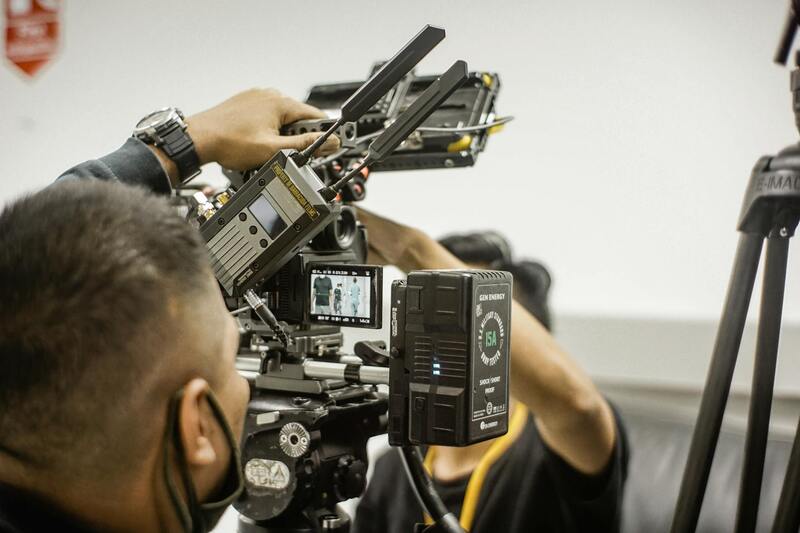
Achieving compelling visuals of a house for sale requires more than just a good eye; it necessitates the right tools and skills. Professional-grade camera equipment is fundamental to capturing high-resolution images that reveal the property’s true essence. A wide-angle lens, for instance, enables photographers to encompass larger spaces within a single frame, illustrating room proportions accurately and making areas feel more spacious. Tripods are indispensable for stabilizing shots, especially in indoor settings where natural light may be limited, ensuring sharp images without blurring.
Beyond hardware, understanding various camera settings significantly impacts the quality of the photographs. Utilizing appropriate apertures optimizes depth of field, which keeps entire rooms in focus and highlights architectural details. Exposure settings should be carefully balanced to avoid overly bright or dark images, particularly in rooms with mixed lighting conditions. Additionally, mastering white balance adjustments ensures the colors in photographs accurately reflect the real environment, attracting genuine interest from potential buyers.
Lighting techniques are equally critical. Supplementary lighting equipment such as softboxes or LED panels can eliminate shadows, brighten dark corners, and highlight key features. Use reflectors to bounce natural or artificial light into shadowed areas, creating a well-lit, inviting space. When photographing exterior shots, a polarizing filter can reduce glare from windows and water features, enhancing the clarity of views.

Post-shoot techniques also play a vital role in final image quality. Raw image formats should be processed with photo editing software to adjust brightness, contrast, and color saturation, ensuring the photos are vibrant without appearing unnatural. Cropping can improve composition by removing distractions and guiding the viewer’s eye towards the property's main features. Careful editing maintains consistency across all photos, creating a professional and cohesive listing that appeals to potential buyers and elevates the property's online presentation.
Optimal Lighting and Timing for House Photographs
Achieving captivating images of a property requires careful consideration of natural lighting conditions and timing. The most advantageous period for outdoor photography is during the golden hour, which occurs shortly after sunrise or just before sunset. During these times, sunlight is softer and warmer, casting gentle shadows that enhance architectural features and landscaping, creating an inviting atmosphere.
Photographers should aim for overcast days when diffused sunlight evenly illuminates the exterior and interior spaces. This reduces harsh shadows and glare, resulting in more evenly exposed images that showcase the property’s best features.
Indoor shots benefit from ample natural light, which can be maximized by opening curtains and blinds to allow maximum sunlight. However, when natural light is insufficient, additional lighting sources such as portable LED panels or softboxes should be employed to uniformly light rooms. Proper window coverings and interior lighting can be adjusted to balance exposure, ensuring each room appears spacious and welcoming.

In terms of technique, photographers should be aware of the direction of sunlight and shadows, positioning shots to avoid unwanted glare and to emphasize structural features. Using a tripod to stabilize the camera ensures sharp focus, especially in lower-light conditions, and aids in maintaining consistent framing across multiple shots.
Equipment and Techniques for Professional House Photography
Achieving stunning property images requires the right combination of equipment and refined techniques. First and foremost, a high-resolution DSLR or mirrorless camera equipped with a wide-angle lens (preferably between 14mm and 24mm) is essential to capture expansive interior and exterior views without distortion. A tripod is a crucial accessory, providing stability for long exposure shots that maximize available light and maintain sharpness across multiple images.
When applying techniques, utilizing a tilt-shift lens can help correct perspective distortion, especially when photographing tall or wide structures. Shooting in raw format preserves maximum image data, allowing for superior post-processing flexibility.
Mastering the art of composition involves strategic framing to highlight key features of the property. Use the rule of thirds to position focal points, and incorporate leading lines or natural elements to guide viewers’ eyes through the scene. Properly balancing exposure, contrast, and white balance during the shoot ensures each picture accurately represents the space.
Lighting control is vital. Use diffusers or reflectors to soften harsh shadows and distribute light evenly, especially indoors. For interior photography, combining ambient natural light with supplemental artificial lighting—such as portable LED panels—creates a warm, inviting atmosphere.
Continuously paying attention to details like decluttering rooms, straightening furniture, and accurately representing the space's proportions enhances the overall quality of the photos. Techniques like bracketed exposure can be combined to generate high dynamic range (HDR) images, capturing details in both shadows and highlights.
Choosing the Right Photos to Highlight Key Features
Once a collection of high-quality house photos has been captured, the next step involves selecting images that best showcase the property’s unique appeal. Effective curation ensures prospective buyers are greeted with compelling visuals that evoke interest and encourage further exploration of the listing. The selection process should prioritize images that accurately represent the space, emphasizing the main selling points such as spacious living areas, modern kitchens, scenic views, and outdoor amenities.
It’s essential to balance the variety of images, including wide-angle shots that provide an overview of each room and detailed close-ups of noteworthy features like custom finishes, high-end appliances, and architectural details. Photos that demonstrate the flow of the home help viewers visualize living comfortably, connecting spaces seamlessly. When choosing images, consider their composition, lighting, and clarity—photos that are well-lit, sharply focused, and thoughtfully framed will resonate more effectively with potential buyers.
Strategic Organization of Photos for Maximum Impact
- Start with a captivating exterior shot: This creates the first impression and entices viewers to explore further.
- Showcase the main living areas: Open-concept living rooms, kitchens, and master bedrooms should be prominently displayed.
- Highlight outdoor spaces: Porches, gardens, pools, or patios can add significant value and appeal.
- Include detail shots: Focus on luxury fixtures, unique architectural elements, or recent upgrades that set the property apart.
- Order for visual storytelling: Arrange images in a narrative flow that guides potential buyers through the property, helping them envision living in the space.
Maintaining Image Consistency
To ensure a professional and cohesive presentation, all selected photos should share a consistent style and tone. This includes matching color tones, exposure levels, and perspective angles. Consistency creates a seamless viewing experience, strengthening the property's appeal and credibility in the listing.
Optimizing Photos for Different Platforms
Different listing platforms and marketing channels may have specific requirements for image dimensions and resolution. Preparing optimized versions of selected photos, such as higher-resolution images for online listings and compressed files for faster website loading, enhances overall presentation. Proper sizing also ensures that images display correctly on mobile devices, which are increasingly used by prospective buyers to browse property listings.

Legal Considerations and Permissions for Photography
When capturing images of a house for sale, ensuring all necessary permissions are obtained is crucial. This process involves securing consent from property owners or relevant stakeholders before the photography session begins. It is advisable to draft a clear agreement outlining the scope of the shoot, usage rights, and any associated fees. Doing so not only facilitates smooth operations but also protects all parties involved from potential misunderstandings.
An important aspect of legal compliance involves gaining permission to photograph from neighbors or individuals who may be visible in the shots, particularly in outdoor settings or shared spaces. Communicating openly about the intended use of the photographs and respecting privacy boundaries helps maintain professionalism and positive relationships.
Moreover, certain properties, especially those with security features or sensitive information, may require additional authorization. Confirming access rights and adhering to property guidelines ensure that the photography process remains seamless and within the bounds of established policies.
To avoid any disruptions or issues, it is beneficial to consult with legal or real estate professionals familiar with local regulations and practices regarding property photography. This proactive approach safeguards the interests of both the property owner and the photographer, ensuring a smooth workflow and preserving the integrity of the listing process.
Hiring Professional Photographers in Miami
Opting for professional photography services in Miami guarantees a high standard of image quality that can significantly enhance listing appeal. Experienced real estate photographers possess the technical expertise and artistic vision necessary to highlight a property's best features. They are familiar with local market trends and know how to position and light each room to attract buyers effectively.
When selecting a professional photographer, consider reviewing their portfolio to assess their style and proficiency. It is also helpful to inquire about their equipment, including camera models, lens quality, and lighting gear, as these factors directly influence image clarity and vibrancy. A photographer with a comprehensive toolkit can adapt to various lighting conditions and property types, ensuring consistent results.
Moreover, professional photographers often leverage advanced editing techniques and post-processing software to refine images, correct flaws, and enhance visual appeal. They understand the importance of creating compelling, true-to-life representations that appeal to prospective buyers.
Engaging local specialists in Miami also ensures familiarity with regional aesthetics and market expectations. This expertise translates into photos that resonate with target audiences, increasing engagement and reducing the time a property remains on the market.

Effective Use of House Photos in Marketing Strategies
To maximize the impact of house for sale photos, it is crucial to employ a strategic approach in marketing and listing presentation. High-quality images serve as the cornerstone of online property marketing, capturing the attention of prospective buyers and encouraging them to explore further. When integrating these photos into various marketing channels, consistency and accuracy become key factors. Using a cohesive set of images that showcase different angles and highlight unique features offers a comprehensive view of the property, making listings more compelling and trustworthy.
Online platforms are the primary venues where house photos influence buyer decisions. Carefully curated galleries that emphasize natural lighting, spaciousness, and key design elements help create an emotional connection with viewers. Optimizing images for fast loading without sacrificing quality ensures potential buyers can easily view details, regardless of device or connection speed.
A well-planned virtual tour or 3D walkthrough, reinforced by high-resolution photography, allows buyers to virtually explore the property at their convenience. This increases engagement and reduces unnecessary physical visits, saving time for both sellers and agents. Additionally, incorporating lifestyle shots—such as outdoor entertaining spaces or scenic views—can evoke a sense of lifestyle aspiration, encouraging quicker inquiries.
Furthermore, leveraging social media platforms with targeted advertising campaigns featuring striking house photos can significantly expand reach. Paid promotions allow precise demographic targeting, ensuring the right audience views the listing. Professional-quality images, combined with strategic marketing efforts, boost visibility and attract qualified inquiries—leading to faster sales and potentially higher offers.
Optimizing Photos for Different Listing Platforms
Each online listing platform may have specific image requirements regarding dimensions and resolution. Properly formatted photos ensure consistent presentation across platforms, maintaining the property’s visual appeal. High-quality visuals that conform to platform guidelines improve the listing’s professional appearance, increasing consumer trust and interest.
It’s also beneficial to regularly update the image set with recent photos that reflect current conditions, especially if minor renovations or staging adjustments have been made. Fresh visuals can reinvigorate a listing and attract renewed attention from potential buyers who may have overlooked previous iterations.
In conclusion, high-quality house for sale photos are more than just visual assets—they are vital tools that drive the marketing process. When utilized strategically across different channels and tailored to the platform-specific specs, these images significantly enhance listing performance and contribute to a quicker, more profitable sale.
Legal Considerations and Permissions for Photography
When capturing photographs of a property, it is crucial to ensure that all necessary permissions are obtained to avoid potential disputes or misunderstandings. This includes securing consent from property owners or authorized representatives before the photo shoot begins. Clear communication about the scope of the photography, usage rights, and intended platforms helps establish mutual understanding and compliance with relevant guidelines.
Additionally, if the property is located within a shared community or involves shared spaces, permissions from homeowners associations or managing entities should be acquired. This helps to prevent any disruptions during the shoot and ensures that photographers operate within established rules.
It is also advisable to be aware of restrictions related to the use of drones for aerial shots. Drones can provide stunning visuals that highlight the property's exterior and surrounding amenities, but drone photography often requires specific permissions. Performing aerial photography in accordance with local aviation regulations safeguards the process and avoids legal complications.
Understanding privacy considerations is equally important. Photographers should avoid capturing images that infringe on neighboring properties or private spaces without consent. This respectful approach preserves good community relations and maintains a professional standard.
In summary, adhering to proper permission protocols and respecting privacy boundaries are fundamental aspects of producing legitimate and high-quality house for sale photos. Proper planning and communication ensure the imagery accurately represents the property while safeguarding all parties involved.