Understanding HD Real Estate Photography
HD real estate photography refers to the use of high-definition imaging technology to capture properties with exceptional clarity, color accuracy, and detail. This approach leverages professional-grade cameras, lighting, and post-processing techniques to produce images that truly reflect the property’s features and ambiance. In a competitive market like Miami, where properties are often showcased to prospective buyers both locally and internationally, high-quality visuals are essential to stand out among numerous listings.
The importance of HD real estate photography in Miami’s property market cannot be overstated. Because many buyers start their search online, the first impression of a property is often based solely on its photos. Clear, vibrant, and professionally captured images can significantly influence a potential buyer’s interest and engagement. Not only do high-definition photos enhance the perceived value of the property, but they also help convey the mood and lifestyle associated with the space, whether it’s a luxurious waterfront condo or a spacious family home.
Furthermore, HD photography offers precise representation of a property’s features, avoiding misinterpretation or misrepresentation. This accuracy builds trust between sellers and buyers, leading to more informed decisions and smoother transactions. Overall, embracing HD real estate photography is a strategic investment that facilitates more attractive listings, broader reach, and faster sales in Miami’s dynamic real estate market.

In addition to traditional listings, HD imagery supports virtual tours, online open houses, and social media campaigns, amplifying a property’s visibility across multiple platforms. As technology advances, the quality and capabilities of real estate photography continue to improve, making it an essential component of modern property marketing in Miami. Real estate professionals who invest in professional HD photography gain a competitive edge, attracting more inquiries, reducing time on market, and closing deals more efficiently.

Equipment and Technology for High-Quality Images
Achieving stunning HD real estate photography hinges on utilizing the right equipment and technology. Professional-grade cameras, capable of capturing high-resolution images with accurate color reproduction, form the foundation of compelling property photos. Full-frame DSLR or mirrorless cameras are preferred due to their superior sensor quality, which enhances image clarity and detail. These cameras should be complemented by high-quality lenses, typically wide-angle lenses, to maximize the field of view and highlight the spatial dimensions of each room without distortion.
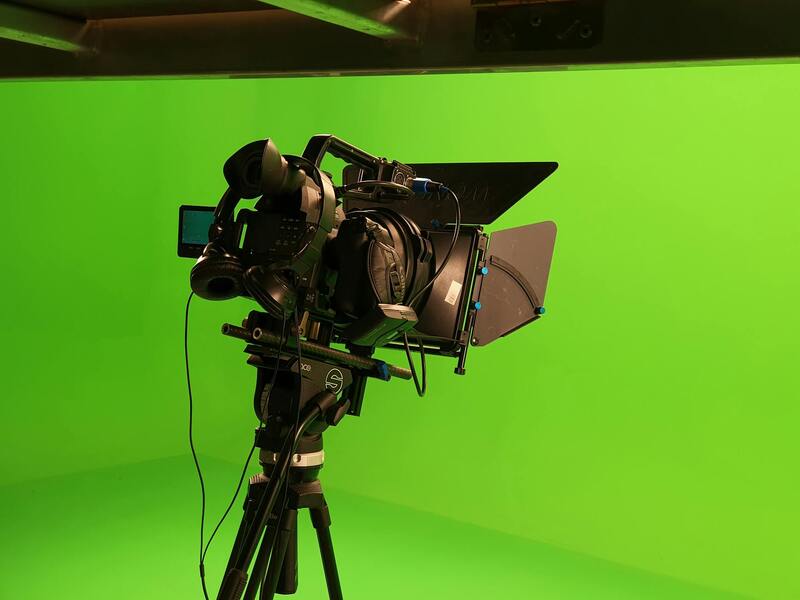
Lighting is another critical component. Natural light is ideal, but professional lighting equipment—including softboxes, diffusers, and strobe lights—ensures consistent illumination and reduces shadows during shots taken in low-light conditions or interiors with challenging lighting setups. Proper lighting enhances the sharpness and vibrancy of images, making spaces appear more inviting and true to life.
Post-processing software also plays an essential role. Advanced editing programs such as Adobe Lightroom and Photoshop allow for fine-tuning exposure, correcting distortions, enhancing colors, and removing imperfections. Skilled post-processing ensures that images are polished, visually appealing, and aligned with the authentic appearance of the property, all while maintaining a natural look that avoids over-editing or misrepresentation.
In addition, emerging technologies like HDR (High Dynamic Range) photography are widely employed in professional real estate imaging. HDR merges multiple exposures to produce images with balanced lighting, capturing details in both shadows and highlights. Drone photography, supported by stabilized camera mounts, offers aerial views that showcase property surroundings and neighborhood features, adding depth and context to listings.
The integration of these tools and technologies ensures that each photograph reflects the true ambiance and appeal of a property. Real estate professionals investing in top-tier equipment and staying updated with technological advances can produce images that distinguish their listings in a competitive Miami market, attracting more potential buyers and accelerating sales cycles.
Understanding Hd Real Estate Photography
Hd real estate photography is a specialized approach that emphasizes capturing properties with exceptional clarity, vibrant colors, and true-to-life details. It involves utilizing high-resolution cameras and advanced photographic techniques to produce images that accurately depict the property's space, structure, and ambiance. In a competitive Miami real estate market, high-definition visuals serve as a crucial differentiator, helping listings stand out across various digital platforms.
Achieving compelling and accurate representations requires more than just having quality equipment; it involves a strategic understanding of lighting, composition, and timing. Properly balanced exposure ensures that both interior and exterior spaces are showcased without overexposure or underexposure, which can distort the perceived size or mood of a property. Carefully staged rooms complement the photographic process, enabling images to highlight the property's best features while maintaining authenticity.
High-resolution imaging also facilitates detailed views of finer architectural elements or interior finishes, granting potential buyers the confidence of seeing an accurate portrayal of the property. This transparency streamlines the decision-making process, reducing time spent on viewing properties that do not meet their expectations based on online images. As such, professional-grade HD real estate photography forms an essential component in modern property marketing, especially within vibrant markets like Miami, where visual appeal translates directly into increased interest and quicker sales.

Key Features of Effective Hd Real Estate Photography
- High Resolution and Clarity: Ensures sharp, detailed images that highlight a property’s unique features.
- Accurate Color Representation: Maintains true-to-life colors that convey the property's actual look and feel.
- Balanced Lighting: Utilizes natural and supplemental lighting to avoid harsh shadows and overly bright spots.
- Wide-Angle Perspectives: Captures more of the space, giving viewers a comprehensive understanding of room layouts and proportions.
- Attention to Composition: Frames each shot strategically to emphasize the property's strengths and flow naturally through each space.
Employing these features ensures that the images effectively communicate the property's potential and appeal, guiding prospective buyers through immersive virtual experiences that mirror in-person visits.

Enhancing Photography with Emerging Technologies
Incorporating advanced tools such as HDR (High Dynamic Range) photography allows for capturing scenes with balanced lighting, even in challenging conditions. HDR combines multiple exposures to produce images that reveal details in shadowed and brightly lit areas simultaneously, resulting in realistic and inviting property visuals. This technique is particularly beneficial in Miami's bright and varied lighting conditions, ensuring that exterior views and interior spaces are accurately represented.
Furthermore, drone photography offers an aerial perspective that captures the property's surroundings, landscaping, and neighborhood context. Stabilized drone mounts equipped with high-resolution cameras can deliver sweeping shots that add a professional touch to listings, providing potential buyers with an expansive view of the property within its environment.
Integrating Equipment and Techniques for Optimal Results
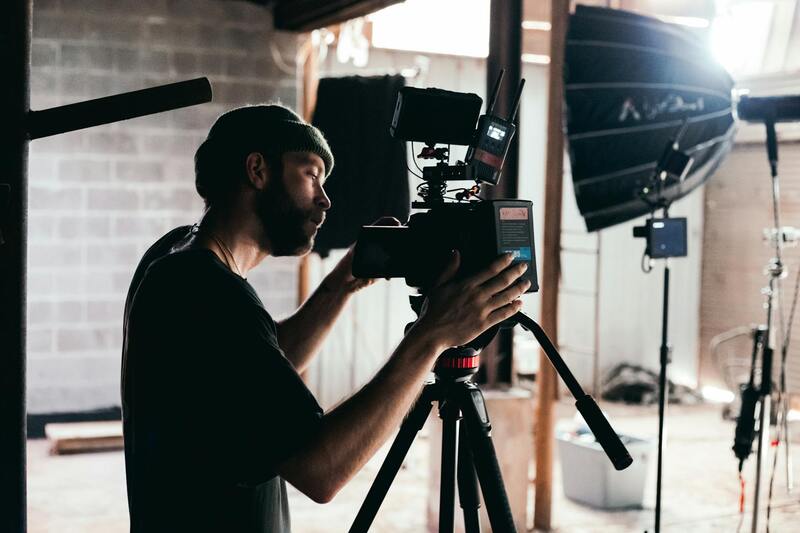
The combination of high-quality cameras, strategic lighting, staging, and technological innovations ensures the creation of compelling property images. Well-executed photography enhances trustworthiness and presentation—an essential factor in persuading prospective buyers. Real estate professionals and marketing teams that prioritize these approaches can make their Miami listings more attractive, fostering faster engagement and increasing the likelihood of closing deals.
Editing and Post-Processing for HD Real Estate Photos
Once high-resolution images are captured, the process of editing and post-processing becomes essential to refine the visual presentation and ensure each property is showcased at its best. Advanced editing techniques allow real estate professionals to enhance image clarity, correct color discrepancies, and optimize brightness levels, resulting in a more appealing and true-to-life representation of the property.
Adjustments such as fine-tuning contrast, saturation, and sharpness help to bring out the details in both interior and exterior shots. Correcting color balance ensures that wood tones, paint colors, and natural lighting appear authentic, which is critical for setting accurate expectations for potential buyers. Additionally, removing distracting elements—such as reflections, blemishes, or imperfections—further elevates the quality of the images.
Utilizing software like Adobe Lightroom or Photoshop enables meticulous control over each image, allowing for consistent editing across all photos in a listing. This consistency plays a key role in establishing a professional look that can distinguish Miami properties in a competitive market.
Another important aspect of post-production involves correcting exposure levels and balancing highlights and shadows. Techniques such as Dodge and Burn can selectively emphasize specific areas, drawing viewers' attention to key features of the property. When done skillfully, these edits help create images that are vivid, detailed, and inviting, ultimately increasing viewer engagement and interest.
For exterior shots, HDR processing is often utilized to meld multiple exposures, capturing the full dynamic range of lighting. This technique ensures that shadows are visible without losing detail in brightly lit areas, thus accurately depicting outdoor spaces, gardens, and surrounding landscapes.
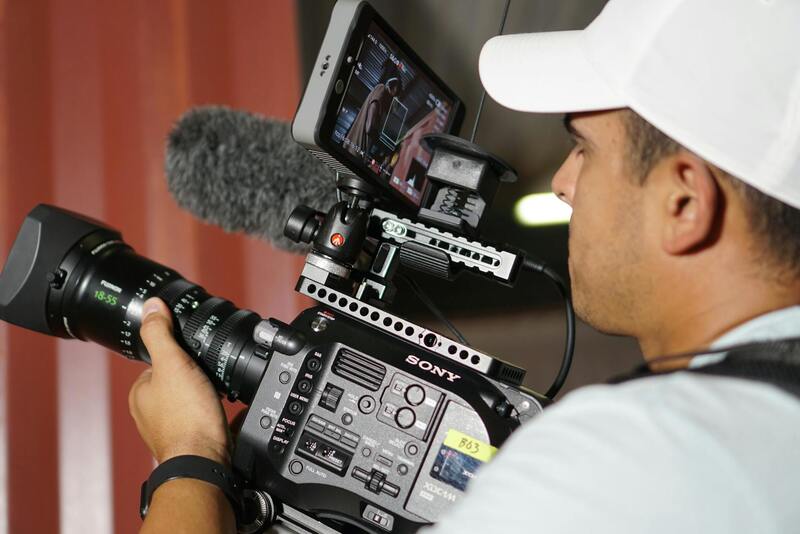
Effective post-processing not only improves the visual quality but also reinforces the professionalism of your listings. High-definition images that are polished and consistent imply a well-maintained property, fostering trust among prospective buyers. In Miami’s fast-paced real estate scene, the ability to deliver visually captivating images swiftly is a decisive advantage, making professional editing an indispensable step in the HD real estate photography workflow.
Advanced Techniques for Capturing Stunning Property Images
Utilizing precise camera settings is essential for achieving the sharpness and clarity expected in HD real estate photography. Aperture selection generally ranges between f/8 and f/16 to ensure depth of field, keeping both foreground and background elements in sharp focus. A low ISO setting, typically between 100 and 400, minimizes noise, resulting in clearer images that faithfully represent the property's details.
A sturdy tripod is indispensable for establishing stability, especially when shooting in lower light conditions or using longer exposure times. This equipment prevents motion blur, maintaining crispness throughout the image. Remote shutter releases or camera timers further reduce vibration by eliminating physical contact during exposure.
For interior shots, wide-angle lenses—often between 14mm and 24mm—are favored to capture expansive spaces without distortion. Proper lens choice allows photographing entire rooms in a single frame, effectively communicating the scale and layout of the property.
On the exterior, drone photography expands the visual perspective, providing aerial views that showcase the property's grounds, landscaping, and surrounding neighborhood. These shots add a dynamic dimension to listings, offering potential buyers a comprehensive view that ground-level photography cannot fully convey.
Optimal lighting is a critical factor. Natural light enhances ambiance, highlighting the property's best features. When sunlight is subdued, professional lighting setups with softboxes or diffusers evenly illuminate interiors, reducing unwanted shadows and ensuring color accuracy.
During outdoor shoots, shooting during the golden hour—shortly after sunrise or before sunset—produces warm, inviting images with softer shadows. Conversely, midday sunlight can produce harsh shadows; utilizing reflectors and diffusers can mitigate these effects.
In addition, implementing correct camera angles and framing techniques emphasizes key property features. High vantage points or slightly elevated perspectives offer comprehensive views of spacious interiors, while eye-level shots create intimacy and familiarity.
Editing and Post-Processing to Enhance HD Property Images
Post-processing elevates raw images, making them more engaging and aligned with the high standards expected in Miami’s competitive real estate market. The editing process involves fine-tuning color balance, contrast, and sharpness to deliver images that are true to life yet visually striking.
HDR (High Dynamic Range) processing is frequently employed to balance exposure across different lighting conditions within a single image. This technique seamlessly combines multiple exposures to reveal details in both shadows and highlights, producing well-rounded exterior and interior visuals.
Selective adjustments, such as Dodge and Burn techniques, help direct viewers' attention to focal points within the image. Brightening a feature like a modern kitchen backsplash or accentuating the textures of a hardwood floor can influence viewer perception significantly.
Normalization of color temperature and correction of white balance ensure uniformity across all images, reinforcing a professional look throughout the listing. Correcting lens distortions and straightening architectural lines address common issues with wide-angle lenses, maintaining the realism of the space.
Touch-ups also extend to removing minor imperfections such as dust spots, glare, or unwanted reflections, ensuring images are polished without misrepresenting the property.
Choosing a Miami Production Agency for HD Photography
Partnering with a reputable Miami-based production agency that specializes in HD real estate photography ensures that property listings stand out in a competitive market. Experience is a critical factor; an agency with a deep understanding of the Miami real estate landscape will know how to highlight the unique features of properties, whether upscale condos, luxurious waterfront estates, or commercial spaces. Expertise in the latest imaging technology and industry best practices distinguishes leading agencies. They should utilize advanced drone photography, panoramic and 360-degree virtual tours, and sophisticated lighting techniques to capture every aspect of a property with clarity and precision. A well-versed agency will also understand the nuances of Miami's diverse architectural styles, ensuring that images accurately reflect the property's character. Client communication and adaptability are essential qualities. The agency should be willing to tailor their approach to meet specific marketing goals and adapt quickly to any on-site challenges, such as time constraints or unusual property features. A commitment to meeting deadlines without compromising quality is vital to keep marketing campaigns on schedule. Facilities for high-end post-production editing are a mark of a professional agency. Post-processing should enhance visual appeal while maintaining authenticity, ensuring images resonate with both the target audience and listing agents. Additionally, research and client testimonials can provide insight into an agency's track record in delivering compelling imagery that translates into increased interest and faster sales. Investing in a trusted local partner ultimately elevates the property's marketability and contributes to successful real estate transactions.
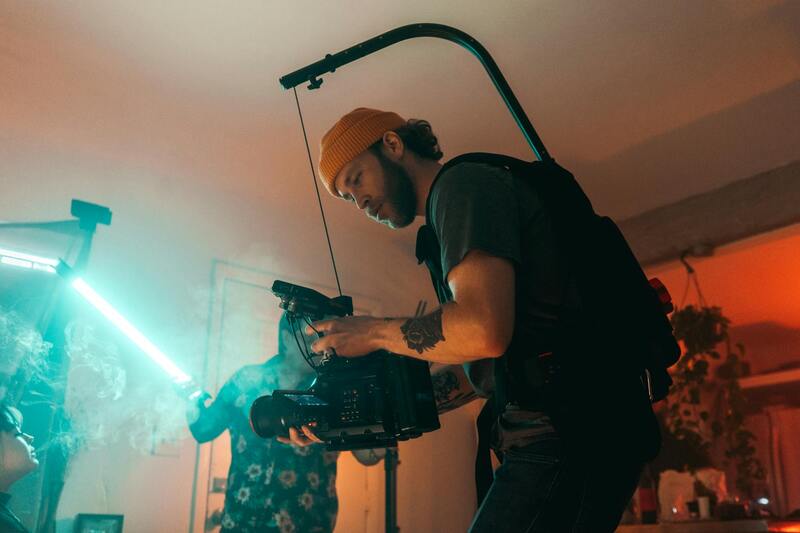
Understanding Hd Real Estate Photography
High-definition (HD) real estate photography plays a pivotal role in modern property marketing by providing crisp, vividly detailed images that allow potential buyers or tenants to explore a property from afar with clarity and confidence. Unlike standard photos, HD imaging captures the subtle nuances of interior textures, architectural elements, and exterior landscapes, elevating the listing’s visual appeal. These images are critical in creating a compelling first impression, which significantly influences the decision-making process during the early stages of property evaluation.
Ensuring Visual Accuracy and Attractiveness
HD captures maintain a balanced representation of lighting, color, and space, offering an authentic yet appealing portrayal of the property. This level of quality not only attracts more online interest but also enhances the perceived value of the property itself. The detailed clarity afforded by HD imagery also allows viewers to appreciate the finer details—such as finishes, fixtures, and unique architectural features—without the need for physical visits, streamlining the buyer’s journey effectively.
Impact on Buyer Engagement
In an architecture-rich city like Miami, where diverse architectural styles can be a major selling point, HD photography emphasizes the distinctiveness of each property. High-resolution images encourage longer engagement times on listing pages and increase the likelihood of inquiries. When potential buyers see high-quality visuals, their perception of the property's worth improves, leading to increased offers and quicker sales. HD images also reduce misinterpretations caused by poor-quality photos, fostering trust and transparency from the outset.

Compatibility with Various Listing Platforms
HD images are versatile and adaptable across multiple digital channels, including real estate websites, social media platforms, virtual tour applications, and email marketing campaigns. Their clarity ensures that the property stands out in crowded online environments, catching the eye of prospective clients and attracting more viewings. Superior visual quality can also enhance branding efforts by establishing a professional and polished online presence for real estate agents and agencies.
Quality Assurance with Professional Equipment
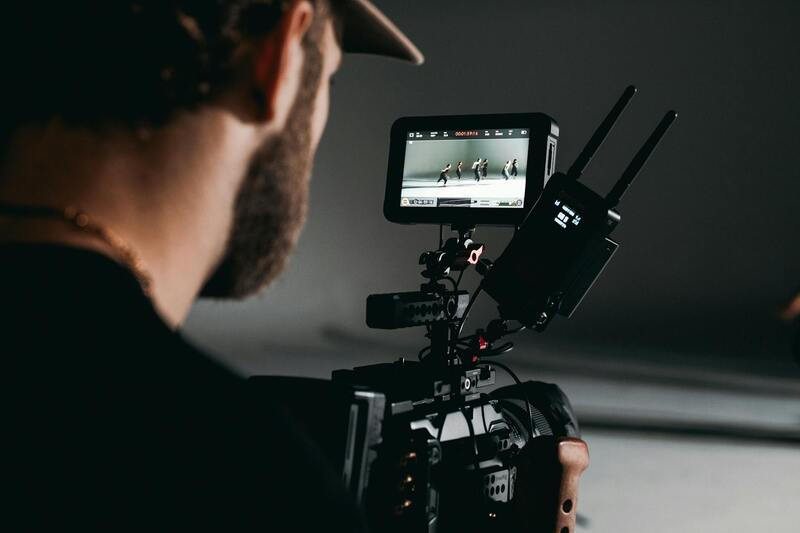
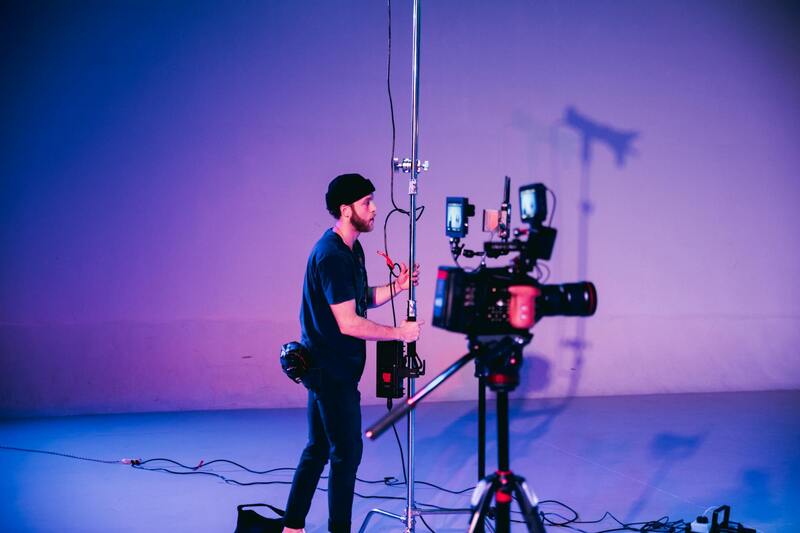
Achieving true HD quality requires the use of professional-grade cameras, lenses, and lighting equipment. State-of-the-art gear combined with advanced techniques enables real estate photographers to produce images that are not only sharp but also well-composed with accurate color representation. Utilizing tripods, drones, panoramic rigs, and stabilization equipment ensures consistent, hands-free shooting, which is crucial for achieving optimal results in different lighting conditions and property sizes.
Calibration and Consistency
Consistency in image quality across multiple listings helps reinforce an agency’s brand authority and professionalism. Regular calibration of cameras and monitors ensures color accuracy and uniform exposure levels, which are vital in maintaining high standards. Skilled photographers also leverage techniques like HDR (High Dynamic Range) imaging, which combines multiple exposures to accurately represent both shadowed and brightly lit areas within a property, producing a balanced, detailed final image.
Conclusion
Investing in HD real estate photography using top-tier equipment and skilled techniques is an effective way to elevate property listings. In Miami’s competitive real estate scene, high-resolution images serve as a powerful tool to attract more interest, foster trust, and accelerate sales. Working with professional photographers who prioritize quality, accuracy, and consistency ensures that all visual content will meet the expectations of discerning buyers and industry professionals alike.
Understanding Hd Real Estate Photography
Hd real estate photography is a specialized field that emphasizes capturing properties with exceptional clarity, detail, and color accuracy. This approach involves employing advanced equipment and techniques to produce high-resolution images that accurately reflect the true essence of a property. Such images are essential in the Miami real estate market, where visual appeal significantly influences buyer interest and engagement. The goal is to present properties in a manner that highlights their best features, from spacious interiors to unique architectural details, creating an emotional connection with potential buyers even before they schedule a viewing.
Equipment and Technology for High-Quality Images
Achieving HD quality in real estate photography relies on a combination of powerful hardware and cutting-edge technology. Professional-grade digital cameras equipped with high megapixel sensors are fundamental for capturing detailed images that do not lose clarity when enlarged. Tripods and stabilization rigs are crucial in maintaining steady shots, especially in low-light conditions or when shooting interiors with longer exposure times. For exteriors, drones equipped with high-resolution cameras enable capturing expansive property landscapes from unique vantage points, adding depth and context to listings.
In addition, panoramic rigs are often used to create immersive wide-angle images, providing viewers with a realistic sense of the space. Advanced lighting systems, including portable flash and LED panels, ensure consistent illumination, eliminating shadows and highlighting architectural features effectively. Image processing devices, calibrators, and software tools also play vital roles in fine-tuning color accuracy and exposure during the shooting process, setting a solid foundation for post-production work.
Techniques for Capturing Compelling Property Images
Professional real estate photographers employ specific techniques to produce visually compelling images. Proper lighting setup is paramount, with natural light skills combined with supplemental artificial lighting to enhance interior spaces. Wide-angle lenses are used to maximize the field of view, making rooms appear more spacious and inviting. HDR (High Dynamic Range) imaging involves taking multiple shots at different exposure levels and blending them to reveal details in shadowed and brightly lit areas simultaneously, resulting in balanced, detailed photographs.
Staged shots with strategic angles emphasize the property’s best features while minimizing distractions. Maintaining a consistent perspective across images ensures a cohesive portfolio, which helps in building trust and appreciation among prospective buyers. Drones are particularly effective for capturing aerial views, showcasing property size, landscaping, and proximity to local amenities, adding a dynamic element to marketing materials.
Editing and Post-Processing for HD Real Estate Photos
Post-processing is essential for fine-tuning raw images and ensuring they meet high standards of clarity and realism. Professional editing software allows for adjustments in exposure, contrast, and color balance, correcting any inconsistencies caused by lighting conditions during shooting. Image enhancement techniques, such as sharpening and noise reduction, help bring out fine details, ensuring the photos are crisp and professionally appealing.
Retouching practices involve removing minor imperfections, such as dust spots or reflections, and enhancing architectural features to make spaces look more attractive. It is vital to maintain a natural appearance to provide an honest representation of the property, building trust with prospective clients. Consistent editing workflows and calibration of monitors guarantee uniformity across multiple images and listings, reinforcing the professionalism of the marketing materials.
Benefits of Using HD Real Estate Photography in Miami Market
In Miami's highly competitive real estate landscape, high-definition photography serves as a key differentiator. Clear, detailed images attract more online views, which translates into increased foot traffic and quicker sales. Quality visuals help property listings stand out on digital platforms, drawing attention from both local and international buyers seeking premium properties.
HD images also enhance credibility for real estate agencies, positioning them as professional and detail-oriented. They facilitate faster decision-making by potential buyers, who can thoroughly assess property features virtually—reducing the time and effort needed for physical viewings. Moreover, high-quality visuals support branding efforts by consistently presenting properties in the best light, fostering trust and recognition in the Miami real estate sector.
Choosing a Miami Production Agency for HD Photography
Selecting a reputable Miami-based agency specializing in HD real estate photography ensures access to skilled professionals equipped with the latest technology. An experienced agency understands local market preferences and offers tailored solutions that meet specific property and client needs. Look for agencies with a portfolio demonstrating diverse project experience, especially with luxury and commercial properties, which are prevalent in Miami.
Effective communication and a clear understanding of marketing goals are essential when collaborating with a production partner. The agency’s proficiency in post-processing, aerial photography, and virtual staging can significantly enhance the visual impact of property listings. At the same time, fast turnaround times and reliable service are paramount to maintain momentum in a fast-paced real estate environment.
Integrating HD Photography into Marketing Strategies
High-definition images are most effective when integrated seamlessly into broader marketing plans. They should be utilized across all digital channels, including websites, listing portals, and social media platforms, to maximize reach and impact. Virtual tours, 3D walkthroughs, and interactive floor plans enriched with HD images create immersive experiences that keep potential buyers engaged.
Consistent, high-quality visuals reinforce branding and build trust with audiences. Professional photographers can also create seasonal or lifestyle images that showcase the property’s personality, further appealing to targeted buyer segments. Incorporating HD imagery into print marketing materials, such as brochures and signage, complements digital efforts and ensures a cohesive presentation across all touchpoints.