Importance of High-Quality Real Estate Photos
In the competitive Miami real estate market, the quality of property photographs plays a crucial role in attracting potential buyers. High-quality images serve as the first impression of a property and can significantly influence a prospective buyer’s decision to explore further or move on. Professional photos do not merely showcase the physical aspects of a home; they encapsulate its ambiance, layout, and unique features, creating an emotional connection that motivates viewings and offers.
Effective real estate photography can accelerate the sales process by increasing online engagement. Listings with crisp, well-composed images tend to receive more clicks, longer viewing times, and higher inquiry rates. This heightened interest often translates into quicker sales, especially in a vibrant market like Miami where buyers seek homes that stand out from the competition.
Furthermore, compelling visuals expand a property’s reach across digital platforms, enabling listings to attract diverse audiences locally and internationally. Miami's diverse buyers and investors rely heavily on visual cues provided by professional photography when making initial property assessments without physically visiting the space. Therefore, investing in quality real estate photos is vital for creating an impactful listing that captures attention, encourages visits, and ultimately leads to successful sales.
Beyond attracting buyers, excellent imagery also enhances a property's perceived value. Well-executed photos highlight renovation details, luxurious features, and the overall lifestyle offered, which can justify higher price points. In essence, photography acts as a marketing tool that elevates a property's market presence by emphasizing its best attributes and conveying its unique appeal in a saturated marketplace.
Planning and Preparing for a Photo Shoot
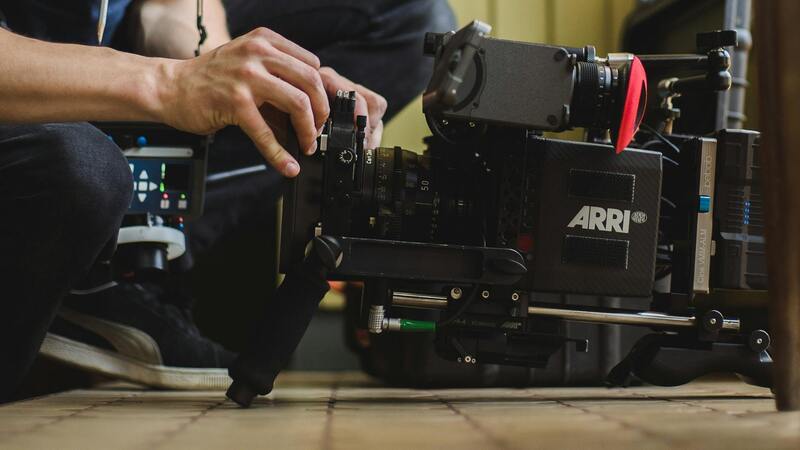
Preparation is a critical step in capturing high-quality real estate photos that truly showcase a property's best features. It begins with a thorough walkthrough of the property to identify its standout elements and consider how best to highlight them through photography. Ensuring the space is clean, decluttered, and well-organized allows the camera to capture the home’s potential without distractions.
Lighting plays a central role, so scheduling shoots during times of optimal natural light—typically mid-morning or late afternoon—can significantly enhance the images. It is also important to open curtains and blinds to maximize daylight while turning off interior lighting to prevent color inconsistencies. Additionally, adjusting furniture and decor to create an inviting atmosphere helps convey a sense of lifestyle appeal.
Preparing a shot list beforehand ensures that all key spaces, from the main living areas to bedrooms, bathrooms, and outdoor features, are adequately covered. Communicating with the photographer about specific angles or special features can result in more targeted images. Adequate preparation minimizes the need for reshoots and ensures a smooth, efficient process that yields images aligned with marketing goals.

Photography Techniques for Stunning Property Images
Mastering the right techniques is crucial for producing captivating real estate photos. Utilizing a wide-angle lens allows the camera to encompass more of each space, making rooms appear larger and more inviting. However, careful attention must be paid to avoid distortion that can misrepresent the property's true layout.
Effective composition involves framing shots to emphasize architectural lines and focal points, such as scenic views, unique design elements, or luxurious finishes. Symmetry and balance within the frame enhance visual appeal and draw viewers' eyes toward the property's best features. It's important to shoot from eye level to maintain perspective and authenticity.
Depth of field is another valuable tool, achieved by adjusting aperture settings to keep key features sharp while subtly blurring background elements. Using HDR (High Dynamic Range) photography merges multiple exposures to ensure bright and dark areas are well-balanced, especially in spaces with contrasting lighting.

Post-Processing and Editing Practices
Post-processing is an essential phase for refining real estate photos and ensuring they accurately represent the property. Professional editing involves adjusting brightness and contrast, correcting color balance, and enhancing clarity to create crisp, eye-catching images.
Corrections should be subtle to preserve the authenticity of the space. Over-editing can lead to unrealistic visuals that mislead potential buyers. Techniques such as straightening crooked lines, removing minor imperfections, and enhancing natural light can make significant differences.
Incorporating consistent editing styles across all images helps maintain a cohesive look within the listing, reinforcing professionalism. The goal is to produce images that are both attractive and true to life, maximizing their marketing effectiveness.
Impact of Lighting on Real Estate Photos
Lighting profoundly influences the mood, tone, and perceived space of property images. Natural light tends to produce the most flattering and vibrant photographs, emphasizing the real colors and textures of the interior and exterior.
The interplay of light and shadow can accentuate architectural details or create inviting atmospheres. Properly lit photos appear more dynamic and appealing, encouraging viewers to envision themselves within the space.
In cases where natural lighting is insufficient, supplementary lighting such as reflectors or portable light sources can be employed to illuminate darker corners or highlight key features. Consistent lighting conditions across photos ensure a seamless and professional appearance of the listing.
Photography Techniques for Stunning Property Images
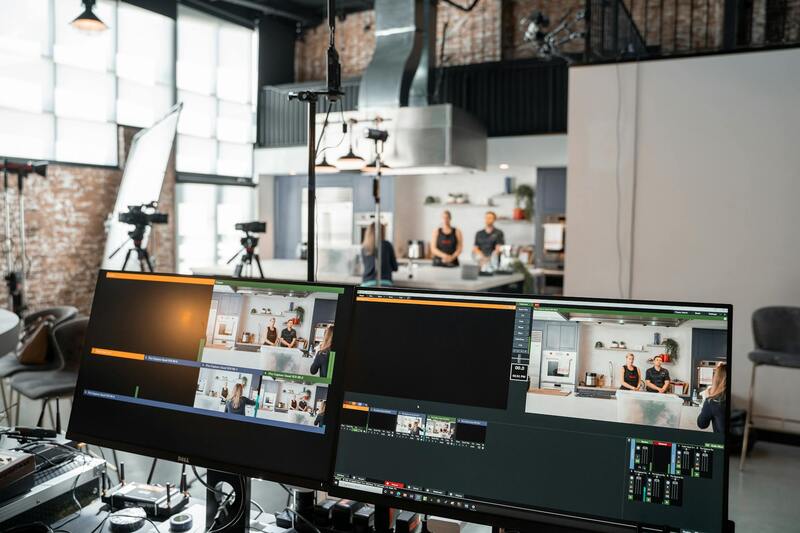
To capture compelling real estate photos that highlight the property's best features, professional photographers utilize advanced techniques tailored for architectural and interior photography. One fundamental approach involves the use of wide-angle lenses, which allow for capturing expansive spaces in a single frame, emphasizing openness and flow within rooms. Proper lens choice ensures rooms appear more spacious and inviting without distortion, which is crucial for maintaining accurate representations of the property.
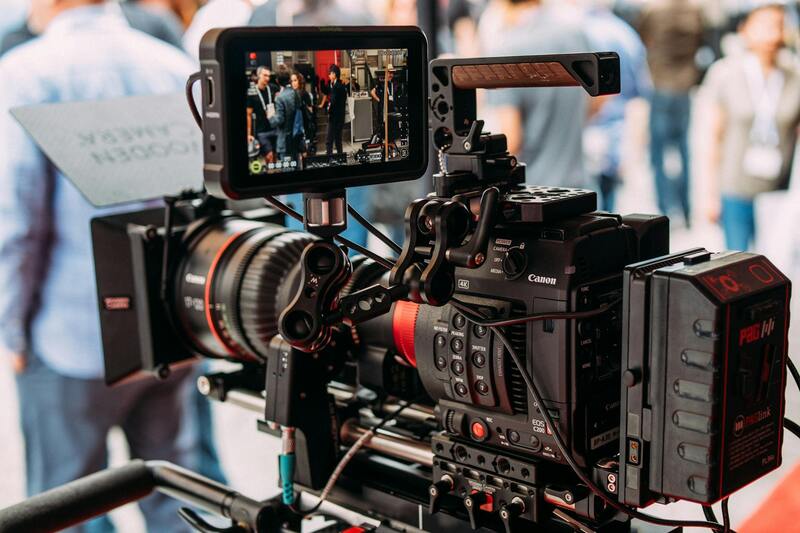
Optimal camera settings are also essential; maintaining a low ISO prevents graininess, while a narrow aperture ensures depth of field, keeping both foreground and background in sharp focus. A tripod stabilizes the camera, allowing for longer exposures necessary in lower light conditions, thus avoiding blurry images and enhancing overall sharpness.
Composition plays an instrumental role in producing visually appealing images. Photographers typically follow the rule of thirds to position key features and create balanced photographs. Including architectural details and emphasizing focal points such as fireplaces, unique moldings, or panoramic views can make listings more captivating. Additionally, shooting from a variety of angles provides a comprehensive visual story of the property, helping prospective buyers imagine living in the space.
Utilizing vertical and horizontal lines effectively can create a sense of symmetry and order, which appeals aesthetically. Photographers also pay attention to minimizing unwanted elements like clutter or distracting objects that could divert attention from the primary features of the home. Ultimately, mastering these techniques results in high-resolution images that convey professionalism and draw potential buyers in.
Incorporating detail shots of textures, fixtures, and finishes further enriches the visual narrative, providing potential buyers with close-up views that highlight quality craftsmanship and design elements. Understanding and applying these techniques help create a consistent, high-quality visual presentation that significantly bolsters the property's marketability.
Post-Processing and Editing Practices
After capturing high-quality images of a property, the post-processing phase becomes essential to refine and enhance the visuals, ensuring they meet industry standards and attract potential buyers effectively. Professional editing involves adjusting brightness, contrast, and color balance to produce vibrant yet realistic images that accurately depict the property. Overexposed or underexposed photos can distort perceptions, so meticulous correction ensures consistency across all images.
Furthermore, noise reduction techniques help eliminate graininess, especially in images taken in lower light conditions or with high ISO settings, resulting in cleaner, sharper pictures. Perspective correction ensures that vertical lines, such as walls and door frames, remain straight, preventing distortion that can be distracting or misleading. Cropping images to improve composition, eliminate unnecessary elements, and focus on focal points enhances visual clarity and impact.
While it’s crucial to maintain authenticity, subtle retouching can also be advantageous. For example, removing minor clutter, enhancing greenery outside windows, or brightening dark corners can make spaces appear more inviting. Care should be taken to avoid overly manipulated images, which could lead to false expectations, but moderate adjustments help present the property in its best light.
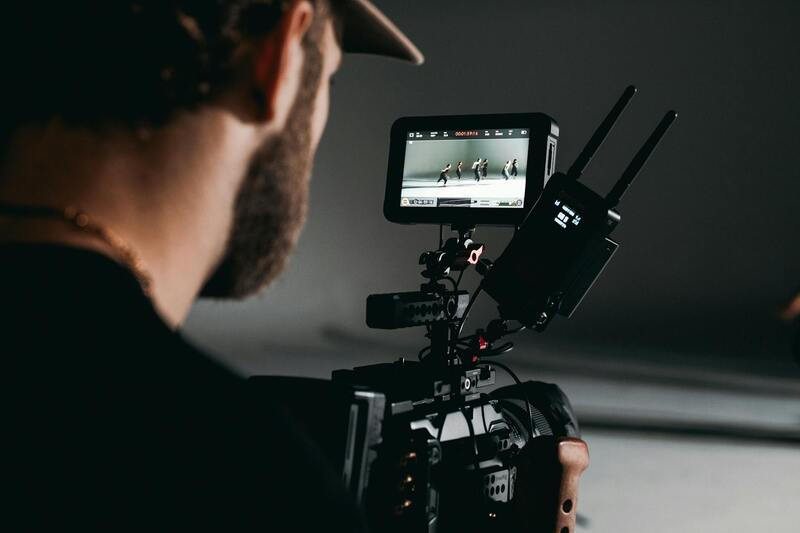
Using advanced editing software allows for precise control over these adjustments, ensuring consistency and professionalism across all listing images. When paired with expertly shot photos, skilled post-processing results in compelling visual narratives that resonate with prospective buyers, ultimately accelerating the sales process.
Post-Processing and Editing Practices
After capturing high-quality real estate images, the editing process plays a pivotal role in enhancing the visual appeal without compromising authenticity. Utilizing advanced software tools allows photographers to fine-tune various aspects of the images, ensuring consistency and professionalism across all listing visuals. Brightness adjustments help to illuminate shadows and bring out details in darker areas, creating a more inviting atmosphere. Color correction ensures that walls, furniture, and landscaping accurately reflect their real-world hues, which is essential for establishing trust and setting accurate expectations for potential buyers.
Image clarity is equally important. Sharpening techniques can accentuate details, making spaces appear more crisp and defined. Noise reduction removes graininess, particularly in images shot under low-light conditions or with higher ISO settings, resulting in clean, polished visuals. Perspective correction aligns vertical and horizontal lines, preventing warped or distorted perspectives that could mislead viewers. Cropping is used strategically to eliminate distractions, focus on key features, and improve overall composition, thus emphasizing the best aspects of each property.
Subtle retouching can further elevate real estate photos by removing minor clutter, enhancing greenery visible through windows, or brightening shadowy areas. The goal of these modifications is to make spaces look their best while maintaining accuracy. Excessive editing, which might create images that depart significantly from the actual property, should be avoided to maintain integrity and foster trust with prospective clients. Skilled use of post-processing techniques ensures that each image captures the true essence of the property, helping to attract the right buyers and facilitate quicker sales.

Impact of Lighting on Real Estate Photos
Lighting fundamentally influences the quality and perception of real estate images. Natural light, in particular, is invaluable for creating bright, welcoming spaces that convey authenticity. Photographers often schedule shoots during times when natural light is optimal, such as early morning or late afternoon, to maximize its benefits. Properly lit photos reveal the true colors, textures, and spatial dimensions of a property, making rooms appear larger and more appealing.
Artificial lighting can supplement natural light where needed, especially in interiors with limited sunlight or during overcast days. Using diffusers and softboxes helps to distribute light evenly, minimizing harsh shadows and preventing overexposed spots. The strategic placement of light sources enhances focal points, highlights architectural details, and creates a pleasing ambiance. Effective lighting ensures the property’s best features are showcased and influences potential buyers’ emotional responses positively.
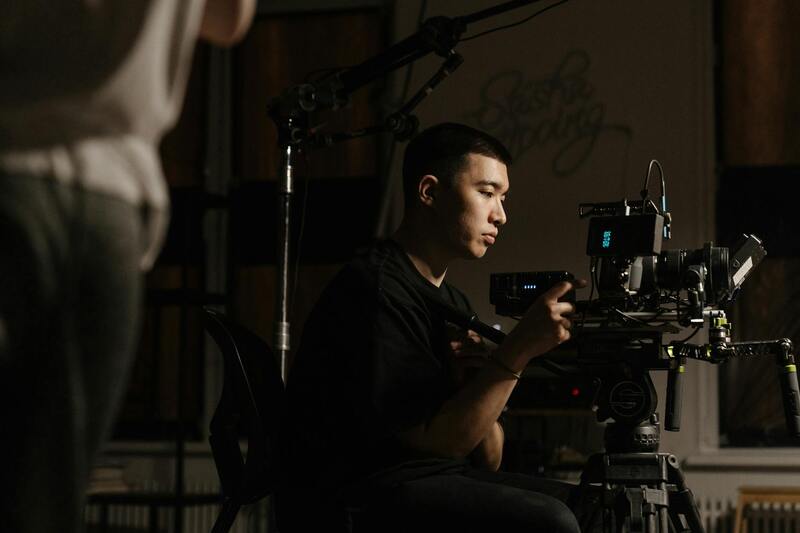
Technical Tips for Capturing Good Real Estate Photos
Achieving high-quality real estate photography requires more than just a sophisticated camera; it involves understanding and applying specific technical skills. Photographers must focus on correct framing, proper camera settings, and stable shot execution to produce images that accurately reflect the property's appeal. Utilizing a wide-angle lens, for example, helps capture more of a room in a single shot, making spaces appear larger than they are. Maintaining consistent exposure levels across different photos prevents visual discrepancies when viewers scroll through images, ensuring a seamless presentation.
In addition, mastering depth of field allows photographers to highlight specific architectural features or details while maintaining a sharp overall image. Adjusting aperture settings to create a balanced depth enhances the focus on key elements within each room. Proper camera positioning and level shots prevent distortion, which can mislead potential buyers and dilute the visual impact.
Using a tripod is essential for stabilizing the camera during longer exposures, especially in low-light conditions. This practice results in clearer, sharper images free from blur. Moreover, understanding how to set white balance correctly ensures that the colors in photographs are true to life, avoiding overly warm or cool tones that can distort perception.
This technical precision not only improves the visual quality of images but also builds confidence with clients who appreciate attention to detail. High-quality photos gained through these practices serve as the foundation for effective real estate marketing, attracting serious buyers and supporting faster sales processes.
Impact of Lighting on Real Estate Photos
Effective lighting remains one of the most crucial elements in capturing compelling real estate photographs. Proper lighting techniques not only enhance the visual appeal but also influence the viewer's perception of space, time of day, and overall ambiance of the property. Natural light, in particular, is favored for its ability to produce warm, inviting images that accurately represent the property's true character.
During a photo shoot, scheduling photography sessions during daylight hours when sunlight is abundant can significantly elevate image quality. Photographers often utilize shooting in the early morning or late afternoon, known as the golden hour, to harness soft, diffused sunlight that minimizes harsh shadows and highlights. This period produces images with balanced contrast and rich color tones, making the space look more desirable.
In interior settings, where natural light may be limited, supplemental lighting sources such as high-quality flash units or continuous lighting can be strategically employed. These tools help illuminate dark corners, accentuate architectural details, and produce even lighting while avoiding unflattering shadows. Properly balanced interior lighting ensures that images are evenly lit, facilitating an accurate reproduction of space and depth.
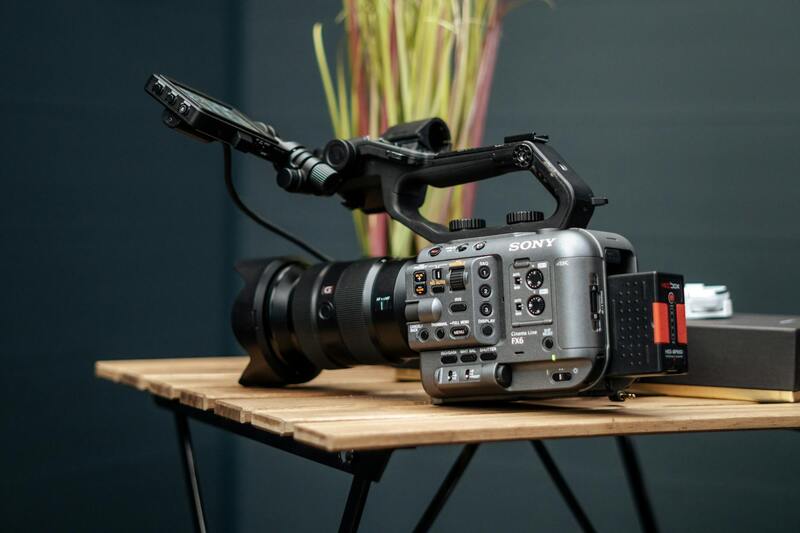
Quality of Light and Its Effects
- Bright and Inviting: Well-lit photos evoke warmth and comfort, essential attributes for enticing potential buyers.
- Color Accuracy: Good lighting ensures that wall colors, furniture, and decor appear true to life, aiding buyers in visualizing the space.
- Highlight Architectural Details: Appropriate lighting draws attention to unique features like moldings, fireplace details, or custom design elements.
- Minimize Shadows and Glare: Careful lighting reduces distracting shadows and glare, which can detract from the overall appeal.
Balancing Light for Consistent Results
Achieving a consistent lighting environment across all photos within a property requires meticulous planning. Photographers often use light modifiers such as diffusers and reflectors to soften or direct light precisely. When capturing exterior scenes, polarizing filters can be used to reduce reflections on glass surfaces and improve sky contrast, resulting in more striking images.
Post-shoot, image editing tools can further refine lighting balance. Adjusting exposure, contrast, and white balance helps produce images that are vibrant, crisp, and true to life. These enhancements contribute to a professional appearance that can significantly influence the perception of the property’s value.
Impact of Lighting on Real Estate Photos
Effective lighting is fundamental in creating captivating real estate images that attract potential buyers. Proper illumination highlights the space's dimensions, reveals architectural details, and sets the overall mood of the property. Well-executed lighting not only makes interiors appear more spacious and inviting but also ensures that colors are accurate and true to life, assisting viewers in visualizing the space as their own.
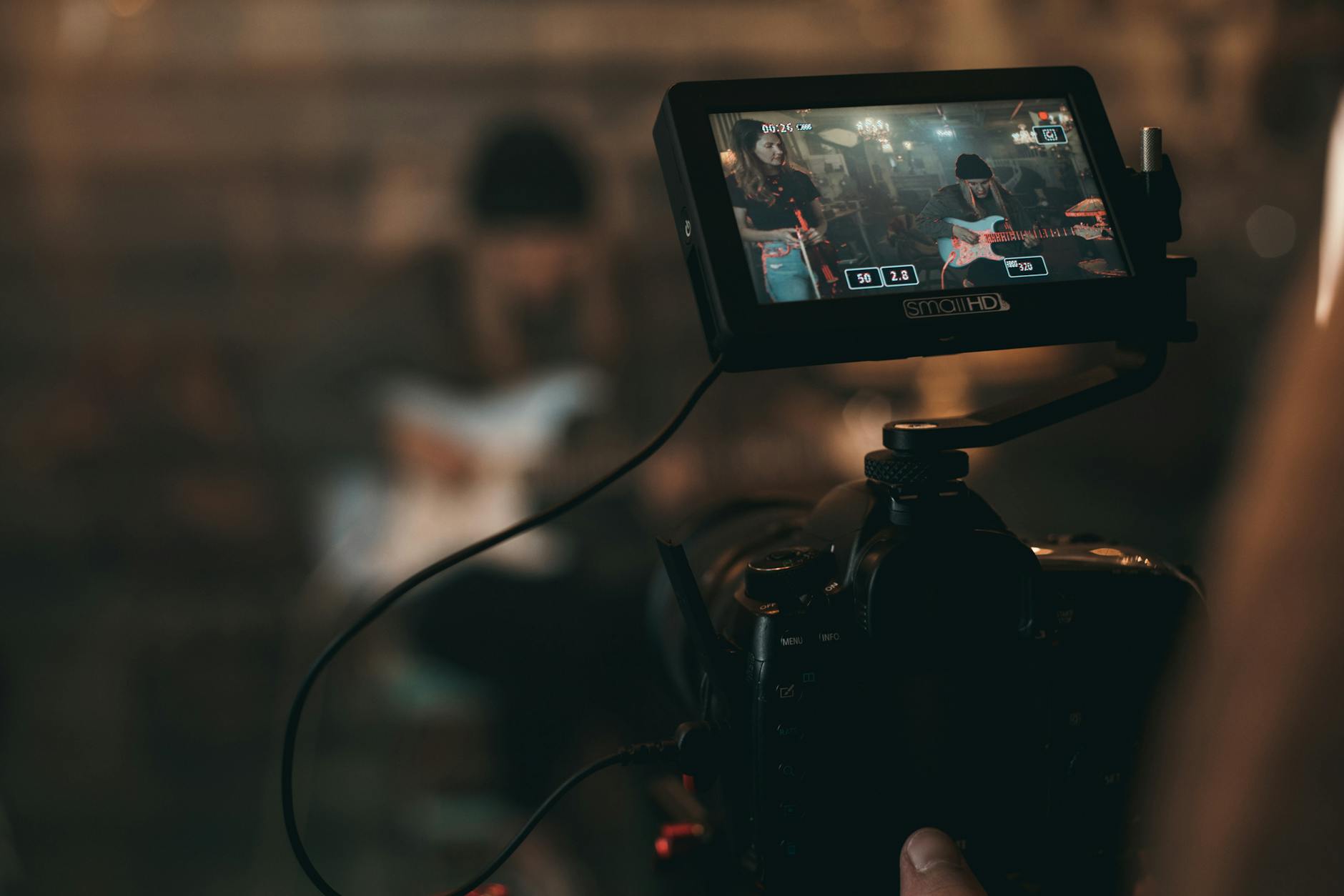
Types of Lighting for Property Photography
- Natural Light: Utilizing sunlight through windows enhances the authentic feel of the space. Timing shoots during daylight hours maximizes the impact of natural light, which can beautifully illuminate rooms and highlight architectural features.
- Artificial Light: Supplemental lighting with strobes, LED panels, or flash units helps fill shadows and evenly light rooms, particularly in spaces with limited natural light or during overcast days.
Techniques for Optimal Lighting
- Use Diffusers and Reflectors: Softening harsh light prevents unwanted shadows and glare, ensuring even illumination across surfaces.
- Employ Light Modifiers: Tools such as softboxes or umbrellas direct light precisely where needed, enhancing the quality and consistency of images.
- Control Light Intensity: Balancing exposure between different light sources prevents overexposure or underexposure, which can distort the perception of space.
Advanced Lighting Strategies
Using polarizing filters during exterior shots minimizes reflections on glass surfaces and enhances sky contrast, producing more dramatic and appealing visuals. Implementing controlled lighting setups inside ensures the property appears warm and welcoming, with well-defined accents that draw attention to key features.

Post-Processing for Lighting Refinement
After capturing images, professional editing allows fine-tuning of lighting effects to achieve a polished look. Adjustments to exposure, contrast, white balance, and color saturation help ensure that each photograph accurately represents the property’s true appearance. Advanced editing can also remove distracting shadows or glare, creating images that are crisp, vibrant, and visually appealing — essential for attracting serious buyers and standing out in the competitive market.