Importance of Quality Real Estate Photography
In today’s competitive real estate market, the power of professional imagery cannot be overstated. High-quality real estate photographs serve as the visual first impression for potential buyers browsing online listings, significantly impacting their decision to explore a property further. Well-crafted images highlight the unique features and spatial qualities of a home, allowing viewers to envision themselves living there. This not only attracts more interested buyers but also reduces time on market, enabling quicker transactions. Additionally, expertly captured photographs can help sellers secure optimal sale prices by presenting properties in the best possible light. Real estate photography acts as a crucial marketing tool, bridging the gap between a property and its most suitable buyers. Effective visuals foster trust and demonstrate transparency, reinforcing the property’s value and appeal. As a result, real estate professionals and sellers alike recognize the importance of investing in high-quality imagery to maximize property exposure and achieve successful sales outcomes.
Enhancing First Impressions and Buyer Engagement
The initial online impression is often the determining factor in a buyer’s decision to visit a property. Professional real estate photography ensures that photographs are sharp, well-lit, and visually appealing, setting a positive tone from the outset. When images accurately depict the property’s condition and layout, they foster trust and generate genuine interest. Engaging visuals prompt prospective buyers to schedule viewings, increasing foot traffic and offering sellers a competitive edge. Furthermore, compelling images can elevate a property’s perceived value, encouraging offers at or above asking prices. As digital browsing becomes the primary means for property exploration, the impact of high-quality photography extends across all online platforms and listing services, making it an indispensable component of any real estate strategy.
Choosing the Right Equipment and Techniques
Investing in the appropriate photography equipment is vital for capturing compelling real estate images that highlight the property’s best features. High-quality digital cameras with wide-angle lenses are standard tools, allowing photographers to include more of a room’s space in a single shot, creating a sense of openness and scale. Tripods are essential to maintain stability and ensure sharpness across all images, particularly in low-light conditions or during longer exposures. Additionally, drone cameras can be employed to provide aerial shots, showcasing the property's surroundings and land size, which are critical factors in many buyer decisions.
Understanding and applying advanced techniques, such as proper framing, leading lines, and horizon alignment, plays a significant role in producing balanced compositions. Photographers should also utilize techniques like bracketing—taking multiple shots at different exposures—to enhance the dynamic range in images, preserving details in both shadows and highlights. The use of panoramic stitching can also be beneficial for capturing expansive interiors or landscapes, offering viewers a comprehensive view of the property.
Importance of Proper Lighting and Timing
Lighting is arguably the most critical element in real estate photography. Natural light, when used effectively, can transform an ordinary space into an inviting, warm environment, making rooms appear larger and more appealing. Shooting during the optimal time of day—typically the late morning or early afternoon—ensures ample natural light, reducing shadows and uneven illumination. Overcast days can also provide soft, diffused lighting that minimizes harsh contrasts and glare.
Indoor lighting should be carefully balanced. Utilizing high-quality flash units or additional lighting fixtures can help illuminate darker areas without creating unnatural color casts. Adjusting camera settings such as ISO, aperture, and shutter speed allows photographers to optimize exposure and capture vivid images that accurately represent the space. Proper lighting not only enhances the aesthetic quality of photographs but also contributes to a perception of transparency and honesty, thereby building trust with potential buyers.
Staging and Preparing Properties for Photo Shoots
Preparing a property before photography is crucial to ensure that each image conveys a clean, organized, and inviting atmosphere. Staging involves arranging furniture and decor to highlight the functionality and aesthetics of each space. Minimalist and neutral styling tend to appeal to a broader audience, allowing potential buyers to envision their own lifestyle within the property.
Decluttering is an essential step, removing personal items, excess furniture, and other distractions that can detract from the property's visual appeal. Ensure that all surfaces are clean, beds are made, and spaces are well-maintained. Consider adding touches like fresh flowers, strategic accent pieces, or neutral art to enhance visual interest without overwhelming the scene. Properly staged and prepared properties not only look more attractive but also tell a story, helping prospective buyers connect emotionally with the space.

Post-Processing and Editing for Optimal Results
After capturing the images, the editing process refines and enhances the photographs to ensure they meet high standards of visual appeal. Post-processing involves adjusting brightness, contrast, color balance, and sharpness to accurately represent the property while making the images more vibrant and inviting. Techniques such as perspective correction straighten lines, making rooms appear more spacious and well-proportioned.
Professional editors also remove minor imperfections like spots or reflections and may subtly enhance lighting or remove clutter in the background. The goal is to produce images that are crisp, color-accurate, and visually consistent across all listings. Maintaining an authentic and true-to-life appearance is essential for building credibility and providing viewers with a clear understanding of what to expect during an in-person visit.
Key Elements of Good Real Estate Photography
Achieving exceptional real estate photographs requires meticulous attention to several core elements that collectively influence the visual presentation of a property. Proper composition is fundamental; this involves framing each shot to highlight the property's best features while maintaining a sense of balance and proportion. Utilizing the rule of thirds can help emphasize focal points, such as a beautiful fireplace, panoramic windows, or a spacious kitchen.
Another critical aspect is lighting. The most compelling images are captured with optimal lighting conditions, which means utilizing natural light effectively or supplementing with professional lighting equipment to eliminate shadows and highlight room features. Proper lighting ensures color accuracy and helps create inviting, vibrant images that resonate with viewers.

Line and perspective also play vital roles. Maintaining clean, straight lines ensures that the space appears spacious and orderly. Techniques such as perspective correction during post-processing help align lines perfectly, especially in wide-angle shots. This prevents distortion and makes rooms appear more proportionate and appealing.
Image consistency across multiple shots is essential to create a coherent visual story. Color correction and exposure adjustments should be uniformly applied to ensure that each photo accurately represents the property’s true appearance, avoiding overly saturated or washed-out images. This consistency builds trust and improves the overall professionalism of the listing.

To maximize the impact of real estate photography, it is also important to include multiple perspectives of each space, capturing key angles that showcase size, flow, and distinctive features. Wide-angle lenses are especially valuable here, allowing viewers to appreciate the full scope of a room, but must be used carefully to avoid distortion. Combining high-quality images shot from different vantage points provides a comprehensive, engaging view of the property that can help attract serious buyers.
Incorporating images of both interior and exterior spaces offers a balanced presentation. Exterior shots should highlight curb appeal and landscaping, while interior photos focus on room qualities and layout. An intentional sequence of images that tell a visual story can significantly influence a potential buyer’s perception and interest.
Choosing the Right Equipment and Techniques
Achieving high-quality real estate images begins with selecting appropriate equipment and employing effective techniques. The foundation of compelling property photos lies in the right camera gear, typically a DSLR or mirrorless camera equipped with a wide-angle lens, generally between 14mm and 24mm. Wide-angle lenses are vital for capturing the full scope of rooms and outdoor areas, offering viewers a comprehensive understanding of spatial arrangements. However, photographers must be cautious to avoid distortion—an issue that can be mitigated through the use of perspective correction during post-processing, ensuring the lines and proportions appear true-to-life.
Tripods are indispensable for maintaining stability during shots, especially in low-light conditions or when shooting HDR images. Using a tripod ensures sharp, clear images free from motion blur and allows for precise framing. Additionally, remote shutter releases or camera timer functions can further prevent handshake vibrations, reinforcing image clarity.
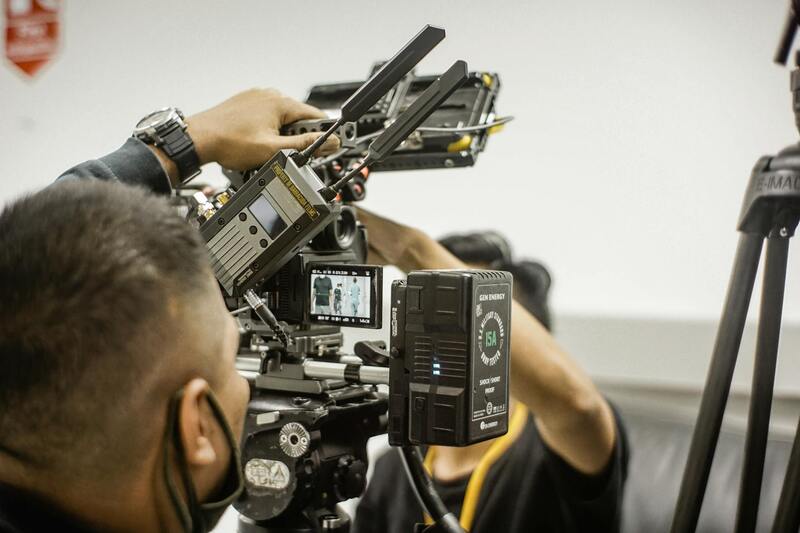
In terms of shooting techniques, bracketing exposures is crucial for achieving balanced images that accurately represent both interior brightness and exterior curb appeal. Combining multiple shots taken at different exposure levels—known as HDR photography—leads to images with a dynamic range that mimics real-world lighting conditions. This ensures details are preserved in shadows and highlights, giving potential buyers a realistic view of the property.
Focus stacking and careful composition also play significant roles. Always ensure the focus is sharp on the main features of each space, emphasizing key architectural details or design elements. Off-center compositions, natural framing, and the inclusion of recognizable features help guide viewers' eyes through the space and tell a compelling visual story.
Creative Use of Perspectives and Vantage Points
Perspective choice is fundamental in demonstrating a property's full potential. Shooting from eye level generally provides a realistic view, but slightly elevated angles can offer broader perspectives, making spaces appear larger and more inviting. Low-angle shots are useful for emphasizing ceiling heights and architectural features.
Vantage points should be carefully selected to showcase the flow between spaces, highlighting open-plan layouts and room connectivity. When photographing exteriors, capturing the facade from an angle that includes landscaping and driveway elements can create appealing introductory visuals. Additionally, photographing key features such as fireplaces, built-in cabinets, or outdoor patios from optimal angles emphasizes unique selling points.
Controlling Light and Color Conditions
Using natural light efficiently is fundamental, but supplementary artificial lighting can dramatically improve image quality when needed. Portable strobes, LED panels, or flash units help fill shadows or illuminate dark corners, especially in Interior shots taken during overcast days or in rooms with limited windows.
Color accuracy is equally important for representing the true essence of a property. Using color calibration tools in the camera or during post-processing ensures consistent white balance, preventing unnatural color casts. Properly balanced color temperatures help convey the property’s ambiance, making it more appealing to prospective buyers.
Importance of Quality Real Estate Photography
High-quality real estate photography serves as the cornerstone of effective property marketing. In a competitive market, professional imagery captures the true essence of a property, highlighting its best features with clarity and precision. Well-executed visuals establish an immediate connection with potential buyers, encouraging them to explore further and schedule viewings. These images not only create a strong first impression but also foster trust, signaling that the property is presented with care and attention to detail. Enhanced images can significantly reduce the time a property spends on the market by attracting serious inquiries and generating greater interest across various online platforms.
In addition, good photography extends the reach of property listings. With the dominance of digital channels in real estate transactions, compelling visuals can boost engagement rates, increase click-throughs, and improve rankings in search results. The visual appeal of a listing often influences buyer decisions even before personal visits, making professional photography an indispensable element of a comprehensive marketing strategy. It’s also worth noting that consistent, high-caliber images across all listings reinforce a brand image of professionalism and reliability for real estate agents and agencies.
Key Elements of Good Real Estate Photography
Effective real estate images hinge on several critical factors that, when executed well, create compelling and inviting visuals:
- Image Composition: Proper framing, balanced elements, and strategic use of negative space ensure spaces look neat and appealing. Symmetrical arrangements and the rule of thirds often guide composition choices.
- Vantage Points: Selecting the right angles and heights from which to shoot highlights the property’s strengths and provides a comprehensive view of interior and exterior spaces.
- Lighting: Optimal lighting illuminates the property evenly, revealing textures and colors accurately. Combining natural light with artificial lighting when appropriate helps avoid harsh shadows and dark corners.
- Clarity and Resolution: High-resolution images ensure details are sharp and clear, both on large screens and smaller devices. It’s essential for showcasing fine finishes, fixtures, and architectural details.
- Color Accuracy: Correct color representation safeguards the authenticity of the property’s appearance, making sure that the images are a true reflection of reality.
Choosing the Right Equipment and Techniques
The quality of real estate photographs depends substantially on the tools and methods employed during the shoot. Utilizing appropriate equipment ensures efficiency and image excellence:
- Camera: A DSLR or mirrorless camera with a wide-angle lens (14mm to 24mm) is preferred for capturing expansive interior spaces and exterior facades.
- Tripod: Stabilizes the camera, allowing for sharper images and longer exposure times necessary in low-light conditions or interior shots.
- Lighting Equipment: Portable flash units, LED panels, and softboxes help control light environments, especially in rooms with limited natural light.
- Filters and Calibration Tools: Lens filters minimize glare, while color calibration tools ensure consistent color rendering across images.
In terms of techniques, employing HDR (High Dynamic Range) photography can balance exposure between bright windows and darker interiors, revealing details in both highlights and shadows. Playing with framing and vantage points, as previously discussed, emphasizes a property’s best features. Post-processing software offers opportunities for subtle enhancements, including correcting exposure, adjusting white balance, and removing distractions without misrepresenting the property.
Importance of Proper Lighting and Timing
Lighting dramatically influences the mood and perceived quality of real estate images. Natural light remains the most flattering and authentic source, which is why scheduling shoots during daylight hours is advisable. Golden hour — shortly after sunrise or before sunset — delivers warm, diffuse lighting that enhances exterior visuals and creates inviting atmospheres indoors. Overcast days are also suitable, providing uniform light that prevents harsh shadows and highlights.
Using supplementary artificial lighting is crucial when ambient light is insufficient. Properly placed fill lights reduce dark corners and evenly illuminate interiors, ensuring all areas of the property are visible. When combined with strategic timing, this results in images that authentically represent the home’s ambiance while capturing its full visual appeal.
Techniques for Capturing Good Real Estate Photography
Achieving high-quality real estate images requires mastery of several key techniques. First, stabilize your camera using a tripod to prevent any motion blur, especially in low-light conditions. A steady shot ensures sharpness and clarity, which are vital for professional-grade imagery. When taking photos, consider the use of wide-angle lenses, typically between 14mm and 24mm, to capture broader perspectives of each room, making spaces look larger and more inviting.
Set your camera to a low ISO setting, ideally between 100 and 400, to minimize grain and promote cleaner images. Adjust aperture to a mid-range value (around f/8 to f/11) to achieve greater depth of field, ensuring everything from foreground to background remains in focus. Use manual focus mode for more precise control, especially when working with dimly lit interiors or tight spaces.
In terms of composition, use the concept of leading lines and symmetry to guide viewers’ eyes toward focal points. Shooting from eye level provides a natural perspective, while incorporating architectural elements such as doorways or windows can add depth and interest. Keep styling minimal within your frame to avoid distractions, and ensure clutter is removed beforehand. This not only increases visual appeal but also accurately showcases the property’s potential.

Using the Right Post-Processing Techniques
Post-processing plays a crucial role in transforming raw images into polished, engaging listings. Software like Adobe Lightroom and Photoshop provides powerful tools for adjusting exposure, white balance, contrast, and saturation to accurately reflect the property's appearance. Subtle corrections, such as reducing bright spots from windows or balancing shadow details in darker areas, can significantly improve image quality.
While enhancing images, it is important to maintain a natural look that accurately represents the property. Over-editing or excessive sharpening can distort the viewer’s perception and lead to disappointment during physical property viewings. Techniques like lens correction can fix distortions caused by wide-angle lenses, ensuring the lines of walls and furniture appear straight. Removing minor distractions, such as stray objects or imperfections, helps keep the focus on the property’s features.
Color correction ensures consistency across all images, especially important when multiple photographs are used within a listing. Consistent white balance and tone across images help create a cohesive visual presentation, which reinforces professionalism and builds trust with potential buyers.

Importance of Quality Real Estate Photography
High-quality real estate photography serves as a critical component in attracting potential buyers and achieving faster sales. Professional images convey the true character and appeal of a property, allowing viewers to envision themselves living within the space. In competitive markets, properties showcased with impeccable photos tend to garner more interest and higher offers, making it a strategic investment for sellers and agents alike. Clear, well-composed images emphasize a property’s best features, from spacious interiors to desirable outdoor areas, capturing attention in online listings, social media, and marketing campaigns.
Key Elements of Good Real Estate Photography
- Accurate Representation: Photographs should faithfully depict the property's size, layout, and condition. Overly staged or artificially enhanced images can lead to disappointment during viewings, so authenticity is paramount.
- Composition: Creating balanced and inviting compositions draws the viewer’s eye through the space. Utilizing principles such as the rule of thirds and leading lines guides attention to focal points within each room.
- Depth and Perspective: Using wide-angle lenses strategically can showcase the full scope of rooms, making interiors appear more spacious. Proper perspective avoids distortions that might mislead viewers about room dimensions.
- Visual Consistency: Maintaining a cohesive visual style across all images ensures a professional appearance. Consistency in color tone, lighting, and composition enhances the overall listing and reinforces credibility.
Choosing the Right Equipment and Techniques

Investing in the appropriate gear, including high-resolution digital cameras and wide-angle lenses, helps capture the full essence of a property. A tripod stabilizes shots, ensuring sharpness, especially in low-light conditions. Techniques such as HDR (High Dynamic Range) imaging allow for balanced exposures between bright windows and interior details, preventing washed-out highlights or overly dark shadows. Mastery of these tools and methods results in images that are vivid, detailed, and true to life, fostering greater engagement from prospective buyers.
Importance of Proper Lighting and Timing
Natural light plays a pivotal role in real estate photography, influencing both the mood and clarity of images. Shooting during the day, especially when sunlight enters the space, enhances warmth and brightness, making rooms appear inviting. The golden hour—shortly after sunrise or before sunset—offers soft, diffused light that minimizes harsh shadows and adds an appealing glow. Properly balanced artificial lighting can supplement natural light, ensuring consistent quality across all images. Adjustments to shutter speed, aperture, and ISO settings are essential to optimize exposure and reduce noise. Timing the shoot during optimal lighting conditions maximizes the visual attractiveness of the property, creating compelling images that resonate with viewers.
Staging and Preparing Properties for Photo Shoots
Staging involves arranging furniture, décor, and accessories to highlight the property's strengths and create an inviting atmosphere. Decluttering spaces helps eliminate distractions, allowing potential buyers to focus on the layout and features. Fresh paint, minor repairs, and strategic placement of appealing decorative elements can significantly elevate a space’s appeal. Ensuring the property is clean, well-lit, and organized before the shoot reduces the need for extensive post-processing and produces more authentic images. These preparations are crucial in presenting the property at its best, positioning it favorably in the competitive real estate marketplace.
Post-Processing and Editing for Optimal Results
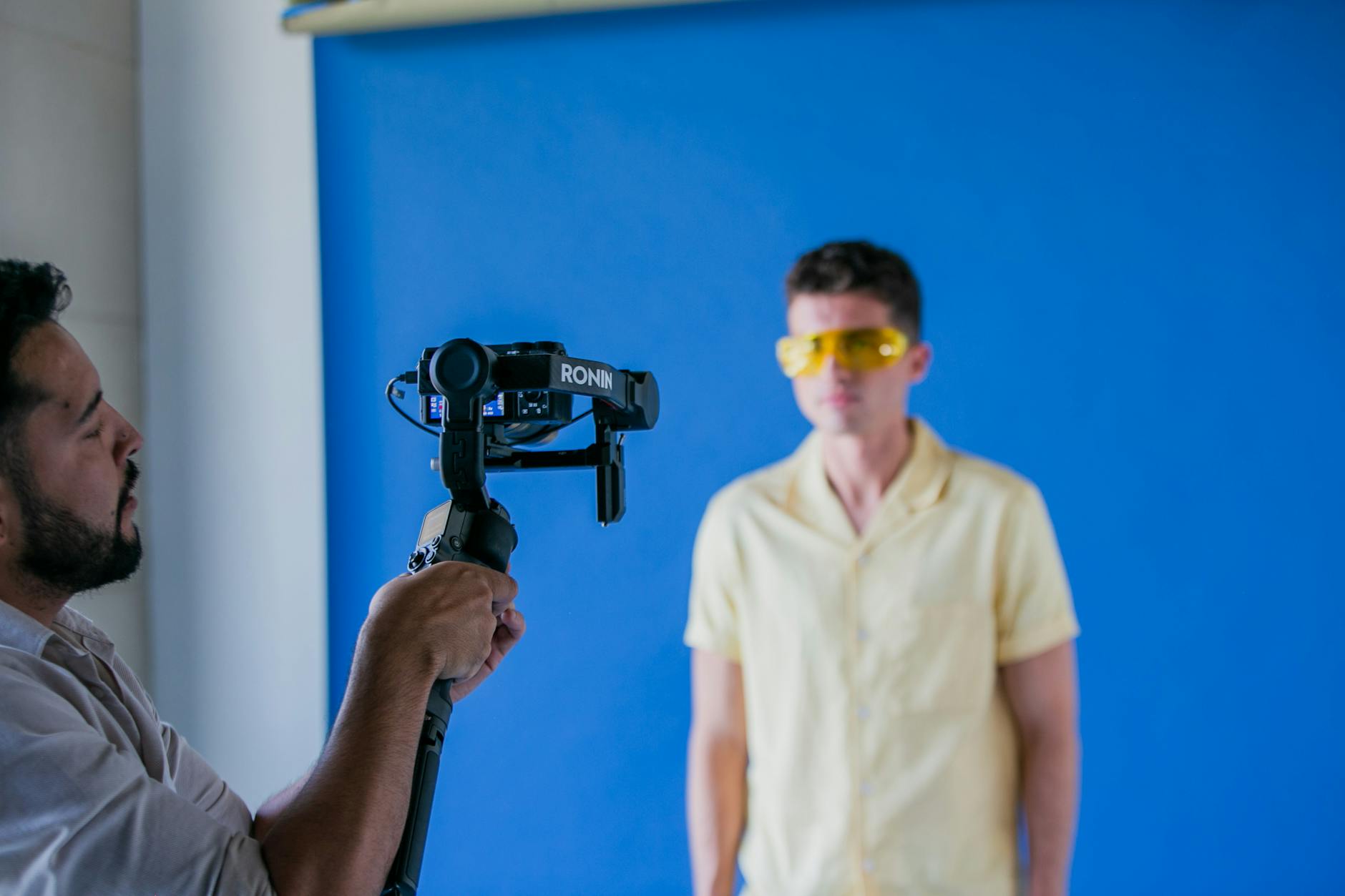
The editing process involves fine-tuning images to ensure they accurately reflect the property while appealing to potential buyers. Adjustments to exposure and white balance correct lighting inconsistencies, while contrast and saturation enhancements bring out details and vibrant colors. Lens correction tools address distortions caused by wide-angle lenses, ensuring straight walls and proportionate features. Removing minor distractions, such as stray objects or blemishes, helps focus attention on key property features. It is essential to maintain a natural appearance, avoiding over-enhancement that could misrepresent the space. Consistent editing across a series of images ensures a cohesive and professional presentation, reinforcing trust and attracting serious inquiries from prospective buyers.
Leveraging Photography for Marketing and Listings
Utilizing high-quality real estate images significantly amplifies the visibility of property listings across various online platforms. When potential buyers browse multiple listings, compelling visuals are often the first aspect that captures their attention. Well-crafted photographs not only highlight the property’s best features but also create an emotional connection, encouraging viewers to schedule viewings or inquire further. Clear, vibrant images ensure that listings stand out amidst a sea of competition, increasing the likelihood of attracting serious inquiries. Furthermore, high-resolution photography enhances the credibility of the listing, signaling professionalism and a genuine effort to present the property in its best light.
Effective real estate photography also plays a critical role in boosting search engine optimization (SEO) efforts. Optimized images with descriptive alt text, relevant filenames, and properly compressed formats improve the listing’s search engine rankings. This heightened visibility makes it easier for potential buyers to discover properties through organic searches, expanding the reach beyond conventional marketing channels.
In addition to online listings, high-quality visuals are a vital component of social media marketing strategies. Platforms like Instagram, Facebook, and Pinterest are highly visual-driven, and attractive images tend to generate greater engagement, shares, and comments. These social interactions further increase exposure and attract a broader audience.
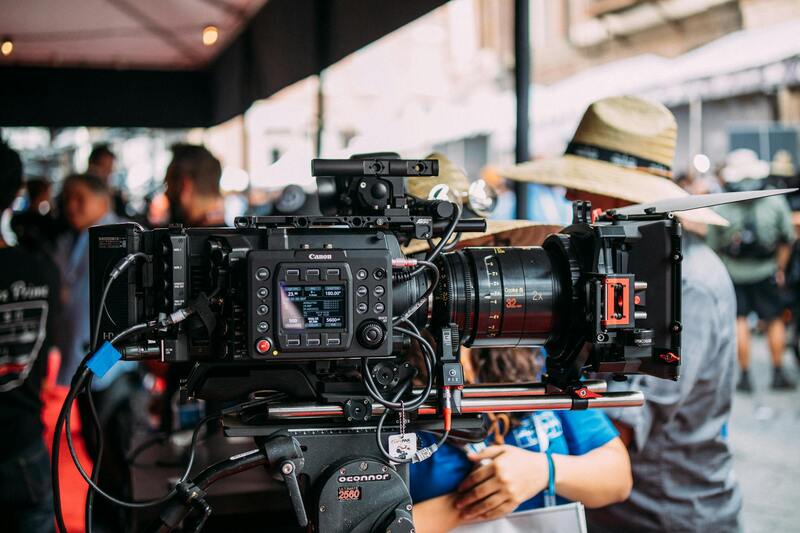
Investing in professional real estate photography is an essential step toward creating impactful marketing materials. Complemented by virtual tours and 3D walkthroughs, high-quality images help craft a comprehensive digital presence that appeals to discerning buyers. Consistent use of visually appealing images not only enhances the property's perceived value but also builds trust and credibility with prospective clients.
Lenders, real estate agents, and property managers should recognize that top-tier imagery serves as a cornerstone of effective marketing campaigns. When paired with precise property descriptions and strategic advertising, high-quality visuals can significantly expedite the sales process, reduce days on market, and foster a more engaged buyer pool. As digital competition continues to intensify, prioritizing good real estate photography becomes indispensable in ensuring that listings achieve their maximum potential.