Understanding Drone Real Estate Footage
In the competitive landscape of property marketing, high-quality visual content has become an essential component for success. Drone real estate footage offers a unique perspective that traditional photography or videography cannot provide. By utilizing unmanned aerial vehicles equipped with high-resolution cameras, real estate professionals can showcase properties from an elevated vantage point, capturing expansive views and surrounding landscapes that highlight the property's full potential. This aerial perspective allows for a more comprehensive presentation of large estates, commercial properties, or developments, giving potential buyers a sense of scale, location, and environment that static images simply cannot convey.
The significance of drone footage in real estate marketing continues to grow, driven by advancements in drone technology, increased consumer engagement, and the rising demand for immersive property viewing experiences. When executed correctly, drone footage can significantly enhance online property listings, providing dynamic and captivating visuals that stand out in a crowded market. As a result, more real estate firms and property owners are turning to professional drone videographers to produce compelling footage that attracts attention, accelerates sales, and improves overall marketing effectiveness.
Properly captured drone footage not only elevates the visual appeal of property listings but also enhances informational clarity, helping prospective buyers better understand a property's spatial relationships and landscape features. This comprehensive view aids in making informed decisions, thus streamlining the buying process. As the interest and utilization of drone technology in real estate expand, professional expertise is vital to ensure captivating, precise, and engaging visual content that aligns with marketing objectives and industry standards. The strategic use of drone footage is transforming property marketing from mere visual representation to an immersive experience that resonates with modern consumers seeking transparency, detail, and aesthetic appeal in their property searches.
Legal and Regulatory Considerations in Miami
For real estate professionals and property owners seeking to leverage drone footage, understanding the specific processes and requirements for drone operations within the Miami area is essential. Operators must adhere to established procedures that ensure safe and compliant drone flights. Such procedures include obtaining the appropriate permits, adhering to designated flight zones, and following guidelines related to altitude limits and privacy considerations.
In Miami, drone operators often coordinate with local authorities or designated agencies to secure necessary approvals before filming. This process involves submitting detailed flight plans, demonstrating operational safety measures, and sometimes providing proof of insurance coverage. Additionally, there are restrictions on flying over certain areas, such as densely populated regions, private properties without consent, and critical infrastructure sites.
To ensure smooth execution, operators are encouraged to collaborate with experienced professionals who are well-versed in local regulations and experienced in navigating the permit application process. This approach minimizes the risk of disruptions and ensures that drone activities align with regional standards.
Proper planning and compliance with local policies also extend to respecting residents' privacy rights and avoiding interference with local airspace regulations. Being proactive in obtaining all necessary permissions and understanding specific local restrictions is vital for maintaining a seamless workflow while producing exceptional drone footage for real estate purposes.
Proper Techniques and Equipment for Drone Real Estate Filming
Achieving stunning drone real estate footage requires meticulous attention to both technology and technique. High-quality aerial images not only enhance the visual appeal of property listings but also provide prospective buyers with a comprehensive understanding of the property’s layout, surroundings, and unique features. To accomplish this, professionals utilize advanced drones equipped with high-resolution cameras, stabilizers, and intelligent flight modes designed for cinematic imagery.
Key equipment choices include drones featuring 4K or higher video resolution capabilities, gimbal stabilization systems, and obstacle avoidance sensors. These specifications ensure steady footage and mitigate potential risks during complex maneuvers around structures or uneven terrain. Additionally, employing high-quality lenses with wide-angle views captures the full scope of large properties and outdoor amenities in a single shot, creating an immersive experience for viewers.
From a technical perspective, operators should focus on optimizing camera settings, such as frame rates and shutter speed, to produce crisp, cinematic visuals. When capturing aerial shots of residences, a combination of sweeping, slow movements and precise, controlled maneuvers often yields the most compelling content. It’s equally crucial to plan flight paths thoroughly, considering factors like sunlight angles, wind conditions, and property layouts, to maximize shot relevance and visual clarity.
Operators should also be proficient in utilizing intelligent flight modes, such as waypoint navigation and orbit modes, which facilitate consistent and professional footage without the need for constant manual control. These features are particularly beneficial for capturing complex or multi-angle shots efficiently. Moreover, pre-flight checks of batteries, GPS signal, and hardware integrity help prevent interruptions that could compromise the shoot’s quality and timing.
Proper training in drone pilot certification and ongoing skill development further contribute to a safer and more effective filming process. Well-trained pilots can adapt swiftly to unexpected challenges during filming, ensuring that all footage aligns with the desired artistic and commercial standards.
Technical Aspects and Equipment for Drone Filming
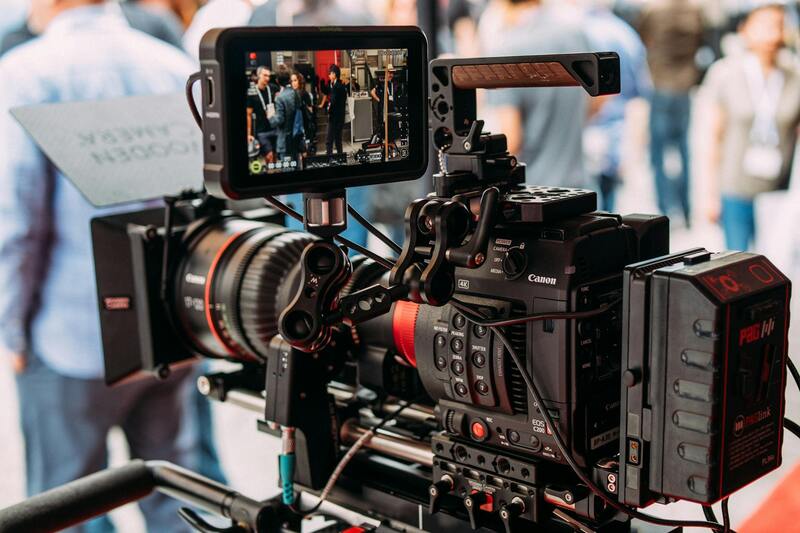
Achieving professional-grade drone real estate footage in Miami requires a careful selection of technical equipment tailored to the unique demands of aerial property imaging. High-resolution drones equipped with stabilized gimbal-mounted cameras are essential to produce crisp, steady visuals that highlight property details and surrounding landscapes effectively. In particular, selecting drones capable of capturing 4K or higher video resolutions ensures that every detail of the property is visible and that footage retains its clarity whether viewed on large screens or digital platforms.
Camera specifications also play a critical role. Cameras with adjustable aperture, wide dynamic range, and excellent low-light performance enable operators to adapt to varying lighting conditions typical of Miami’s sun-drenched environments. Additionally, drones with extended flight times and reliable GPS systems facilitate comprehensive coverage, allowing for longer shooting sessions and complex flight paths without interruptions.
The integration of intelligent flight modes, such as automated orbit or waypoint navigation, simplifies complex shot composition and enhances consistency across multiple footage segments. These features, combined with real-time telemetry and obstacle avoidance sensors, help ensure safety while enabling precise movements necessary for capturing expansive properties or intricate outdoor features.
For optimal results, pairing drones with high-quality lenses designed for aerial photography—such as wide-angle or cinematic lenses—is advisable. These tools expand creative possibilities, from sweeping panoramas to detailed shots of architectural features. Meanwhile, supplementary equipment like external filters can help manage glare from Miami’s abundant sunlight, providing views that are both vibrant and true to life.
Best Practices for Capturing Effective Real Estate Shots
To maximize the impact of drone real estate footage, adherence to best practices during filming is essential. Planning the flight sequence meticulously—considering angles, altitudes, and the flow of movement—ensures comprehensive coverage of the property and its surroundings. Pre-visualizing shots using flight planning software can be instrumental in executing complex scenes efficiently.
Lighting conditions significantly influence footage quality. Scheduling shoots during the golden hours—shortly after sunrise or before sunset—can enhance visual appeal by providing soft, warm lighting that accentuates property features. Additionally, avoiding windy conditions helps maintain steady, clear shots, preventing drone vibrations from degrading image quality.
Operators should also use consistent camera settings—such as fixed shutter speed and appropriate frame rates—to produce uniform footage that seamlessly integrates into final edits. Employing slow, deliberate drone movements—like slow pans and smooth zoom-ins—adds cinematic quality, making the visuals more engaging.
Moreover, capturing multiple viewpoints, including aerial shots from varying altitudes and angles, provides comprehensive content for marketing use. Incorporating both wide establishing shots and close-up details of architectural elements underscores the property’s unique features.
Technical Aspects and Equipment for Drone Filming
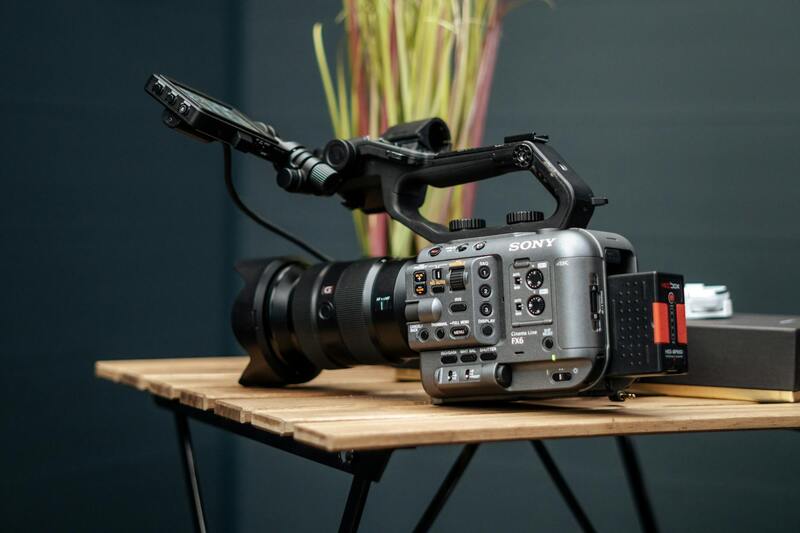
Achieving high-quality drone real estate footage hinges on selecting the right equipment tailored to the specific demands of property showcasing. Modern drone technology offers a spectrum of features designed to optimize image clarity, stability, and versatility. A professional-grade drone equipped with a high-resolution camera—preferably 4K or higher—ensures crisp visuals that accurately portray property details and surrounding landscapes. Gimbal stabilization systems are essential for smooth, steady shots, especially when capturing intricate architectural features or scenic surroundings.
Furthermore, advanced drone models facilitate precise flight control and safety features, such as obstacle avoidance sensors, GPS-based navigation, and automated flight paths. These capabilities allow for complex maneuvers like orbit shots or coordinated multi-angle captures without sacrificing safety or quality.
Operational environments also influence equipment choices. For instance, drones with enhanced wind resistance capabilities are advantageous in Miami’s breezy coastal areas, enabling steady flights amidst variable gusts. Battery life, payload capacity, and flight range are additional factors to consider, ensuring extended shooting sessions and diverse viewpoints without frequent interruptions.
Incorporating auxiliary accessories, such as propeller guards, filters (ND filters to manage lighting), and high-quality batteries, can further refine footage quality and streamline production workflows. Proper equipment selection and maintenance not only elevate the visual standards but also ensure efficient operation, allowing real estate professionals to deliver compelling drone content consistently.
Choosing the Right Drone Hardware
- High-resolution camera capable of 4K or higher imaging
- Gimbal stabilization for smooth footage
- Obstacle avoidance sensors for safe navigation
- Extended battery life for longer flight times
- Weather-resistant design to handle Miami’s coastal conditions
Additional Equipment and Accessories
- ND filters for optimal exposure control
- Extra batteries and chargers for extended shoots
- Propeller guards for safety during intricate maneuvers
- Remote controllers with advanced flight planning capabilities
Technical Aspects and Equipment for Drone Filming
Optimizing drone footage for real estate listings in Miami necessitates a keen understanding of the technical specifications and equipment choices that influence the final product. High-quality imaging begins with selecting drones equipped with advanced cameras capable of capturing 4K or higher resolution footage. Such resolution ensures that property details are sharp and vibrant, making a lasting impression on prospective buyers and investors. Moreover, stabilized gimbal systems are essential to produce smooth, professional-looking videos free from jitters and vibrations, especially important when showcasing properties from dynamic angles or in windy conditions.
Obstacle avoidance sensors have become a standard feature in contemporary drone models, allowing safe navigation around trees, power lines, and other obstructions typical in any urban or coastal environment. This safety feature not only helps prevent accidents but also enables complex shots and tight maneuvering, which can highlight the property's unique features from compelling vantage points.
Additional Equipment and Accessories
- Extended battery packs and portable chargers to facilitate longer shooting sessions without interruptions.
- ND filters that help control exposure in Miami’s bright coastal sunlight, ensuring well-balanced images and videos.
- Propeller guards designed for safe operation, especially when conducting intricate shots or flying close to structures.
- Remote controllers with integrated flight planning software to precisely map out flight paths, altitudes, and angles, reducing operational guesswork.
Choosing the right equipment and accessories can significantly impact the quality and efficiency of drone filming. In Miami, where lighting and environmental conditions can vary frequently, the right set of tools ensures consistent, high-quality footage that effectively highlights each property's best features. Proper maintenance of this equipment is equally crucial to sustain optimal performance throughout the shooting schedule.
Operational Environment Considerations
Miami’s coastal climate presents unique challenges that influence equipment choices. Drones designed with weather-resistant features are preferable, particularly in regions exposed to salt air and humidity, which can accelerate corrosion if components are not adequately protected. Additionally, wind-resistant models allow for stable flights amidst Miami’s breezy conditions, enabling steady shots without compromising safety. This reliability ensures that real estate professionals can capture comprehensive visual content regardless of weather fluctuations, providing a consistent stream of engaging material for marketing efforts.
Principles for Maneuvering and Framing During Drone Shots
Achieving compelling drone real estate footage hinges on effective flight techniques and precise framing. When capturing property visuals in Miami, operators should prioritize smooth, deliberate movements that emphasize the property’s scale and surrounding environment. Employing gradual ascents and consistent horizontal tracking can produce fluid footage that resonates with viewers. Notably, slow, controlled pans allow for a comprehensive view of property exteriors, highlighting architectural details and landscape features without causing viewer fatigue.
Maintaining optimal altitude is crucial—flying slightly above the property ensures all angles are captured without obstruction, while also providing a sense of grandeur. Attention must be paid to the framing of key features, such as entrances, swimming pools, or waterfront views. Properly framing these elements can significantly enhance the visual narrative, making the property more enticing to potential buyers.
Additionally, incorporating strategic camera angles—like shooting from diagonals or using water-level shots when near bodies of water—can create a dynamic visual story. In Miami’s coastal environment, these angles can emphasize proximity to beaches or waterways, accentuating the property's desirable location.
For effective storytelling, operators should plan flight paths meticulously, aligning camera movements with points of interest around the property. This planning ensures each shot contributes meaningfully to the overall marketing presentation, balancing wide landscape shots with close-up details to evoke emotion and interest.
Ensuring Quality and Compliance in Drone Real Estate Footage
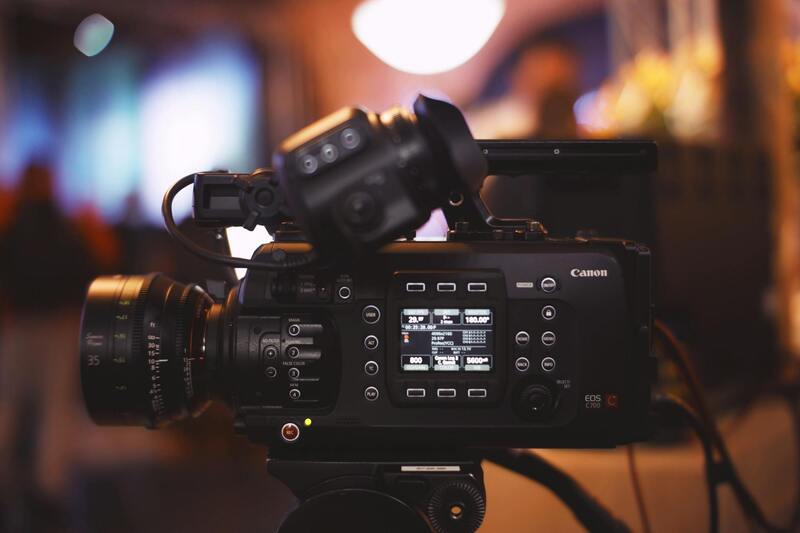
When sourcing drone real estate footage, collaborating with a reputable Miami-based production agency is essential for achieving high-quality results that meet industry standards. These agencies employ trained pilots who are well-versed in drone operations, ensuring safety and effective capturing of property visuals. Utilizing professional equipment, such as high-resolution cameras and stable gimbals, allows for crisp, cinematic shots that highlight property features vividly and attractively.
Choosing the right partner involves evaluating their experience in real estate marketing, understanding of local regulations, and their portfolio of past projects. An agency with extensive familiarity with Miami’s unique landscape and property types can tailor shoots to emphasize waterfront views, cityscapes, or lush landscapes, depending on the property’s selling points.
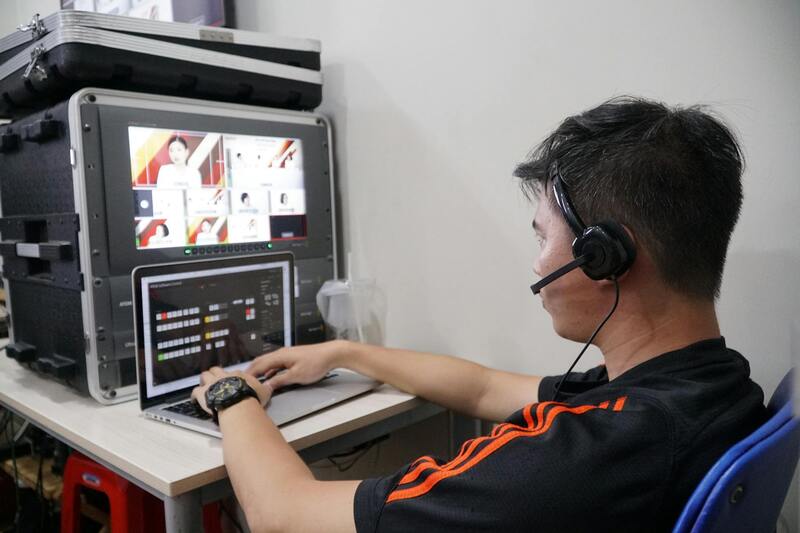
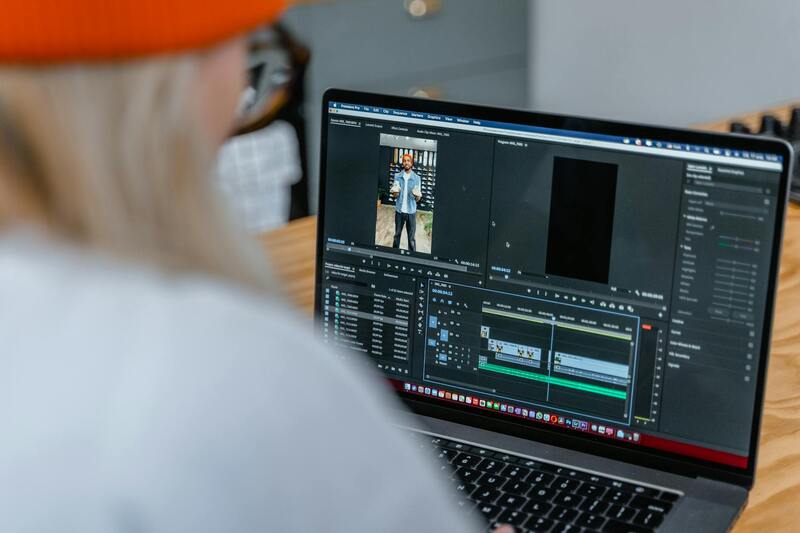
Additionally, a proficient agency will coordinate logistics smoothly, handling permits, flight plans, and safety protocols diligently. Ensuring these elements are managed correctly reduces delays and enhances the overall quality of the footage. They also offer post-production services, including color grading and stabilization, which elevate the professional appearance of the final product.
Criteria for Selecting a Miami Drone Production Partner
- Experience in Real Estate Marketing: Proven track record of creating compelling property visuals.
- Use of Advanced Equipment: Availability of high-end drones with 4K or higher camera capabilities.
- Knowledge of Local Regulations: Familiarity with Miami’s airspace requirements, permits, and flight restrictions.
- Portfolio and References: Demonstrated quality in previous projects and client satisfaction.
- Turnaround Time and Pricing: Competitive rates with timely delivery of finalized footage.
Engaging with an experienced local provider guarantees compliance, safety, and visual excellence—key components for a successful real estate marketing campaign that stands out in Miami’s dynamic property market.