Overview of Commercial Real Estate Videography
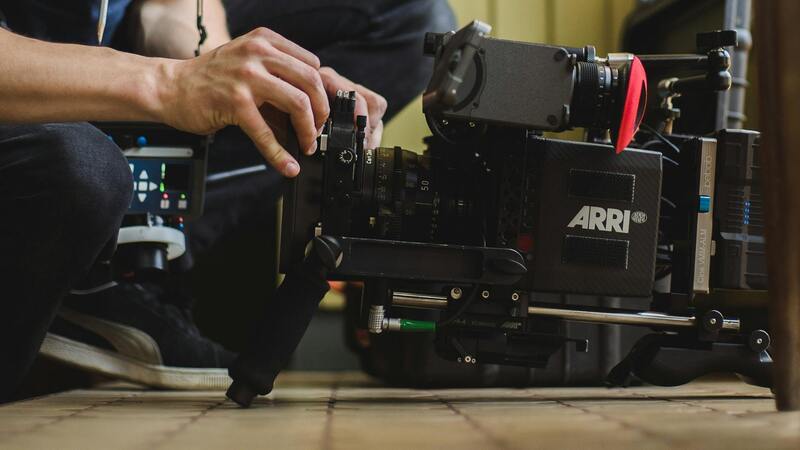
Commercial real estate videography has become an essential component of modern property marketing, especially within dynamic markets like Miami. This specialized field involves the creation of high-quality visual content tailored to showcase commercial properties in the most appealing manner. The primary goal is to provide prospective tenants, investors, and buyers with an immersive experience that highlights the property's unique features, amenities, and potential.
Unlike static images, videography allows for a comprehensive presentation of a property, capturing not only its facade but also interior layouts, surrounding environments, and the ambiance that the space exudes. In Miami’s vibrant commercial scene, the ability to engage viewers through compelling visual narratives can significantly influence decision-making processes. It helps to stand out in a competitive landscape, building a connection between the viewer and the property even before a physical visit occurs.
The importance of commercial real estate videography extends beyond simple property display. It encompasses strategic storytelling that can include aerial drone footage to highlight location advantages, walk-throughs that emphasize space utilization, and promotional segments that align with branding efforts. This approach not only enhances online listings but also accelerates marketing campaigns by providing dynamic and engaging content adaptable to multiple platforms.
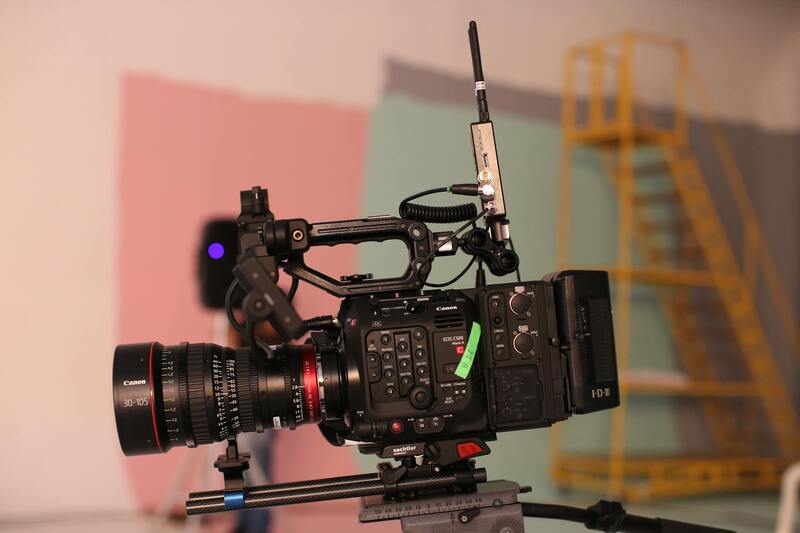
The technical elements involved in successful videography include effective lighting, stabilized camera work, and high-resolution output. Additionally, incorporating professional narration, background music, and text overlays can elevate the overall presentation, making potential clients more inclined to pursue negotiations. As such, Miami property owners and brokers increasingly recognize videography as an investment that delivers measurable marketing advantages, enabling quicker leasing or sales and broader exposure for their commercial assets.
Given Miami’s status as a bustling commercial hub, the nuanced approach to videography ensures that each property is presented in its best light, enticing viewers with visually compelling content. Whether it involves filming office towers, retail spaces, or industrial warehouses, the strategic use of videography is shaping the future of commercial real estate marketing in the region.
Legal Considerations and Permits in Miami
Handling commercial real estate videography in Miami requires adherence to specific regulations to ensure smooth project execution and avoid potential delays or issues. Securing the appropriate permits before filming is essential, especially when using aerial drone footage or accessing private property. Permits for drone use are particularly important due to Miami’s stringent regulations on aerial operations, which aim to protect privacy and ensure safety in densely populated areas.
Property owners and videographers must collaborate closely to understand the scope of their shooting plans, obtain necessary permissions from property owners, and adhere to city guidelines. In many cases, a formal authorization process involves submitting detailed flight plans when deploying drones for aerial shots. Additionally, filming on private property often involves explicit consent, which can be facilitated through clear agreements or written permissions. These steps not only streamline the production process but also foster professional relationships with property stakeholders.
The City of Miami's regulatory body provides detailed guidelines and application procedures for commercial drone operations and other filming activities. This includes restrictions on flight altitude, no-fly zones near airports or government facilities, and requirements for pilot certification. It is also advisable to consult with legal or regulatory experts who specialize in Miami’s filming permits, ensuring that all paperwork is correctly completed and submitted well in advance of the planned shoot date.
Furthermore, location-specific considerations, such as neighborhood restrictions or private community rules, must be taken into account. For instance, filming within certain residential or gated areas may require additional permissions or coordination with property management. Working with local authorities and adhering to established procedures helps prevent legal complications, ensures safety, and maintains the professional integrity of the project.
In summary, when planning commercial real estate videography in Miami, it is critical to prioritize the acquisition of all relevant permits and permissions. This proactive approach not only ensures compliance with city and state regulations but also facilitates efficient project management, minimizing disruptions and safeguarding the investment in high-quality visual content.
Legal Considerations and Permits in Miami
When conducting commercial real estate videography in Miami, securing the appropriate permits and adhering to local regulations is essential for the success and professionalism of the project. Proper documentation ensures that filming activities comply with city codes and property rights, reducing the risk of interruptions or legal disputes. This process typically involves submitting detailed applications to relevant city departments, which may include descriptions of the filming scope, technical equipment to be used, and anticipated dates and times.
It is important to work closely with the city’s permits division or licensing office, ensuring all required paperwork is completed accurately and submitted well in advance. This proactive approach can prevent delays caused by incomplete applications or missing documentation. Permits may vary depending on the location and nature of the shoot, such as interior or exterior filming, drone operations, or the use of specialized equipment.
Additionally, understanding the specific restrictions related to drone usage is critical. Miami has designated no-fly zones around airports, government buildings, and certain neighborhoods. Obtaining the necessary drone operation permissions from the FAA and local authorities helps maintain safety standards and legal compliance. As drone footage becomes increasingly popular for its unique perspectives, operators must ensure their activities follow established guidelines.
Key Permitting Steps
- Research local filming ordinances and restriction zones within Miami.
- Submit detailed permit applications, including project scope and safety measures.
- Coordinate with property owners and community associations for private or gated areas.
- Secure drone operation authorizations if aerial footage is planned.
- Maintain records of all permits and communications for future reference.
Adhering to these procedures not only streamlines the production process but also safeguards the project against potential legal complications. Collaboration with local authorities and experienced permit consultants can facilitate a smoother workflow, ensuring that every aspect of filming aligns with official requirements and community standards.
Legal Considerations and Permits in Miami
When undertaking commercial real estate videography projects in Miami, it is essential to navigate the official procedures that govern filming activities within the city. The region's regulations are designed to ensure smooth operation while respecting community standards and safety protocols. Approaching these requirements methodically can prevent delays and potential disruptions to the project timeline.
Securing the necessary permits begins with a thorough understanding of the local ordinances addressing filming activities. Miami's permitting process often involves submitting detailed applications that outline the scope of the shoot, including locations, dates, times, and equipment to be used. For aerial footage, drone operators must obtain specific authorizations from relevant authorities, such as the Federal Aviation Administration (FAA), and adhere to Miami’s designated drone no-fly zones. This includes restricted areas around airports, governmental buildings, and sensitive neighborhoods.
Property owners and property management entities are often key stakeholders in commercial videography endeavors. Gaining their consent through written agreements before filming ensures legal clarity and smooth access to the premises. Additionally, engaging with community associations or neighborhood councils may be necessary, especially for shoots that could impact local traffic or tranquility. Such coordination minimizes misunderstandings and fosters goodwill.
Maintaining meticulous records of all permits, correspondence, and approvals is a recommended practice. These documents serve as proof of compliance should questions arise later in the project pipeline or during audits. Partnering with experienced permit consultants or legal advisors who specialize in Miami’s permitting landscape can streamline the process, ensuring all official requirements are met without unnecessary delays.
Adherence to these structured procedures not only supports the integrity of the project but also reinforces the reputation of the videography team as a trustworthy and professional entity. It demonstrates respect for local laws and community standards, which is crucial for building long-term relationships with clients and stakeholders. By following a comprehensive permit process, videographers can focus on producing high-quality content, confident that their activities align with all official guidelines established by Miami authorities.
Legal Considerations and Permits in Miami
Successfully executing commercial real estate videography in Miami involves careful navigation of various procedural requirements to ensure all filming activities are compliant with local regulations. Securing the appropriate permits is an indispensable element of this process. The city’s permitting process is designed to regulate activities that may impact public spaces, traffic, or the privacy of individuals within deemed areas. It is essential for videographers to identify the specific permits necessary based on the scope and location of their shoot—whether it involves drone footage, street closures, or use of public properties.
Acquiring permits typically involves submitting detailed plans including the scope of work, location details, duration, and equipment specifications. These submissions are reviewed by Miami's relevant authorities, who assess potential disruptions and safety considerations. Collaborating with experienced permit consultants or legal professionals proficient in Miami’s regulatory landscape can significantly streamline this process, reducing delays and ensuring comprehensive compliance.
Adhering strictly to permit requirements not only ensures smooth project execution but also fortifies the professional reputation of the videography team. It demonstrates respect for city regulations and community standards, fostering trust with clients and local authorities alike. Moreover, meticulous record-keeping of permits, approvals, and correspondence provides vital documentation, which can be invaluable in case of audits or subsequent queries about the project. This proactive approach to compliance underscores a commitment to professionalism and minimizes risks associated with unauthorized filming.
In Miami, many permits are issued upon review of safety plans and proof of liability insurance, which are standard prerequisites to mitigate risks during production. Filming in sensitive or high-traffic areas might additionally require coordination with city officials to minimize public inconvenience and secure necessary clearances. This proactive engagement not only simplifies logistical challenges but also enhances community relations, contributing to a positive reputation for the videography service.
In conclusion, understanding and executing the official permit protocols in Miami are critical steps in commercial real estate videography. They guarantee that productions are carried out responsibly, respecting local laws and community expectations. Investment in proper planning and liaison with city authorities ensures a seamless filming experience, enabling focus on capturing compelling visuals that effectively showcase properties while maintaining compliance and professionalism.
Legal Considerations and Permits in Miami
Securing the appropriate permits is a fundamental aspect of conducting commercial real estate videography in Miami. This process involves obtaining authorization from relevant city departments to ensure that filming activities align with local regulations. Permitting procedures typically include submitting detailed plans of the shoot, including locations, dates, times, and the nature of the filming, as well as proof of liability insurance and safety measures. These requirements help minimize disruptions and demonstrate a commitment to responsible production standards.
Compliance with privacy guidelines is equally crucial. When filming commercial properties, it’s important to respect the rights of individuals and entities present on the premises. This includes ensuring that sensitive areas are not improperly captured and that any identifiable individuals featured in the video have given informed consent if their images are prominently displayed. Such practices safeguard the interests of property owners and tenants, fostering a transparent and ethical filming environment.
In Miami, specific zones may require additional authorization due to high traffic or security concerns. Filmmakers should coordinate with city officials to determine if special permissions are necessary, especially when shooting in public spaces or areas with restricted access. This proactive approach helps avoid potential legal complications and ensures that the production proceeds smoothly without violating city ordinances or community standards.
Failure to adhere to permit protocols and privacy considerations can lead to delays, fines, or restrictions on future filming opportunities. Thus, collaborating with local authorities and consulting legal professionals well-versed in Miami’s film regulations can streamline the process. Having a clear framework for permits and privacy ensures that all production activities are conducted responsibly and align with the city’s standards, establishing credibility and trustworthiness for video producers in the competitive Miami real estate market.
Legal Considerations and Permits in Miami
Succeeding in commercial real estate videography within Miami requires adherence to a structured process that ensures smooth operations while respecting city regulations. Since Miami is a vibrant urban hub with diverse zoning laws and public space regulations, obtaining necessary permits is essential for any commercial filming project. This often includes securing permissions from city authorities, particularly when shooting in public areas or locations with high security presence.
Identifying the specific permits needed depends on the location, scope, and nature of the shoot. For instance, filming in city parks or on sidewalks may necessitate permits from the Miami Department of Cultural Affairs or local municipal offices. Additionally, specific zones with heightened activity or security restrictions may require advanced authorization to avoid disrupting ongoing operations or infringing on other lawful activities.
Timely applications for permits should include detailed scripts, shot lists, and an outline of safety measures. Providing comprehensive documentation helps expedite approval processes and demonstrates a professional approach to compliance. Collaborating closely with city officials and understanding the procedural requirements minimizes potential disruptions or delays in project timelines.
Furthermore, many areas in Miami impose restrictions on drone usage, necessitating permits and adherence to specific flight guidelines. Drone operations are often subject to airspace regulations overseen by the Federal Aviation Administration (FAA) and local authorities. Prior approval prevents interference with manned aircraft and maintains safety and privacy standards for residents and businesses.
Another crucial aspect involves respecting the privacy rights of individuals and property owners. Properly coordinating with property managers and tenants, and obtaining explicit consent when identifiable individuals or private areas are featured prominently, fosters transparency. This proactive effort reduces potential conflicts and aligns with ethical filming practices.
Engaging legal professionals experienced in Miami’s film and real estate regulations can be invaluable. Their expertise helps in understanding nuanced requirements, preparing appropriate documentation, and ensuring all activities remain within the accepted legal framework. This comprehensive approach not only safeguards the production but also enhances reputation and credibility within the Miami commercial real estate sector.
Legal and Regulatory Compliance in Miami Commercial Real Estate Videography
Executing professional videography for commercial real estate in Miami requires adherence to a range of procedural standards and local regulations. Ensuring that all filming activities align with established procedures not only maintains a smooth production process but also upholds the integrity and reputation of the involved parties.
Securing necessary permits is a fundamental step in this process. Miami’s diverse urban landscape features numerous zones with specific restrictions, especially regarding drone operations, which are increasingly integral to immersive property showcases. Permits are typically obtained through local municipal channels, with detailed documentation outlining the scope, location, and duration of the shoot.
Drone usage, in particular, requires careful navigation of airspace rules. The Federal Aviation Administration (FAA) sets standards for drone operations that must be followed, including flight altitude restrictions, no-fly zones, and privacy safeguards. Local Miami authorities also impose specific guidelines, which may include daytime only flights, designated flight corridors, and notification or approval protocols before conducting drone footage.
Additionally, respecting property rights and individual privacy is paramount. Filming in commercially active areas involves coordinating with property managers and tenants to obtain explicit consent, especially when the footage features identifiable people or private areas. Transparency in these communications helps prevent misunderstandings and promotes ethical filming practices.
Legal expertise plays a vital role in navigating Miami’s regulatory environment. Experienced professionals can assist in preparing documentation, understanding nuanced permit requirements, and ensuring continuous compliance. This proactive approach minimizes the risk of disruptions, legal challenges, or project delays, and boosts credibility with clients and stakeholders.
Engagement with local authorities early in the planning process simplifies the permit acquisition process, streamlining production timelines while ensuring adherence to Miami’s comprehensive regulatory standards. This strategic preparation is crucial for delivering high-quality videography that meets all operational guidelines.