Importance of High-Quality Commercial Real Estate Photography
In the competitive landscape of commercial real estate, the impact of visually compelling and professionally executed photographs cannot be overstated. Clear, crisp images serve as the first impression for potential tenants, investors, and buyers, often shaping their determination to explore a property further. A well-crafted visual presentation highlights the property's unique features, spatial layout, and overall appeal, making it stand out amidst numerous listings. In an industry where decision-making hinges heavily on visual cues, investing in high-quality imagery is a strategic move that directly influences marketing success.
Professional photography enhances the perceived value of a commercial property by showcasing its best attributes in optimal lighting, angles, and composition. These images facilitate quicker engagement, foster increased interest, and can significantly shorten the sales or leasing cycle. Moreover, high-quality pictures are seamlessly integrated into multiple marketing channels—online listings, social media, print advertisements, and virtual tours—ensuring a consistent and polished presentation across all platforms.
High-caliber visuals also help attract serious prospects by demonstrating a commitment to professionalism, which can enhance the reputation of property owners and brokers. For properties located in vibrant markets like Miami, where competition is intense and properties are vying for attention, excellent imagery becomes a crucial differentiator. In this context, professional commercial real estate pictures not only serve to inform but also persuade potential clients of the property's value and potential.
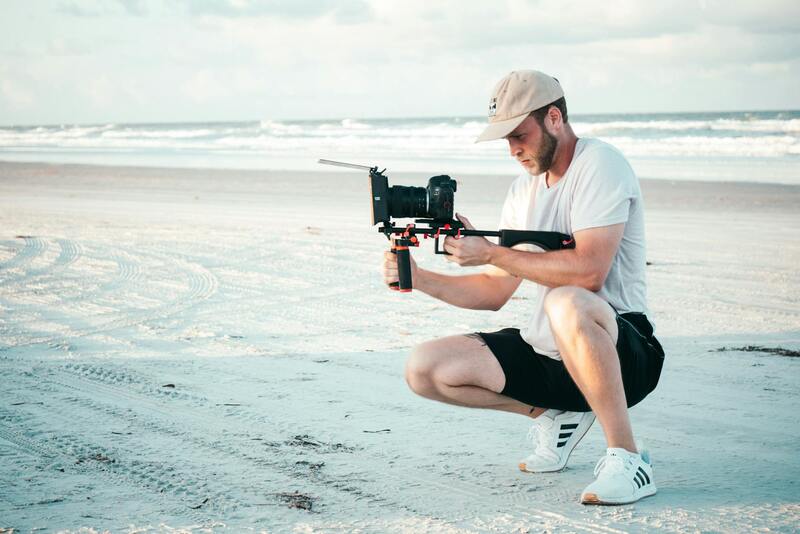
Investing in high-quality photography also provides versatile content that supports virtual tours and online asset showcases. This adaptability enhances remote viewing experiences, allowing prospects to explore properties in detail no matter their location. Such capabilities become vital in the modern real estate environment, where virtual engagement often precedes in-person visits. Ultimately, the utilization of professional commercial real estate pictures is a fundamental aspect of an effective marketing strategy, driving inquiries, fostering trust, and facilitating successful transactions.
Types of Commercial Property Shots to Include
Capturing a diverse range of shots is essential for providing a comprehensive visual narrative of the commercial property. Each type of photograph serves a specific purpose in highlighting different aspects of the space, thereby engaging potential clients and investors effectively.
- Exterior Shots: These images establish the property's setting and curb appeal. Wide-angle shots of the building façade, incorporating surrounding landscaping and street views, help convey the property's scale and immediate environment.
- Interior Shots: Focus on key areas such as lobbies, conference rooms, offices, retail spaces, and amenities. Bright, well-framed interior images illustrate the layout, space utilization, and natural light, crucial factors for prospective tenants or buyers.
- Aerial and Drone Photography: Overhead shots provide a bird’s-eye view of the property and its proximity to major roads, amenities, and other developments. These images are particularly valuable for showcasing site size and access points.
- Detail Shots: Close-up images of distinctive features such as signage, architectural details, or high-end finishes give a nuanced perspective that helps differentiate the property from competitors.
- Functional and Lifestyle Visuals: Photos that depict the property's usability, such as parking lots, loading docks, or common areas, help illustrate practical aspects. Lifestyle shots, if applicable, can showcase how the space supports specific business types or community engagement.
Employing various angles and perspectives ensures a rich visual presentation, which is instrumental in attracting qualified leads. Properly capturing each shot with attention to composition, lighting, and clarity enhances the overall attractiveness of the listing and provides a truthful representation of the space.

The Role of Professional Photography in Real Estate Marketing
Properly executed commercial real estate photography elevates the overall marketing strategy by ensuring visual assets are optimized for various platforms. Professional images lend credibility to the listing, creating a perception of quality and attention to detail that appeals to discerning clients and investors.
Beyond aesthetics, well-produced photographs facilitate seamless integration into digital marketing campaigns—website listings, social media promotions, email campaigns, and virtual walkthroughs. This consistency across channels reinforces brand identity and fosters trust among prospective tenants or buyers.
Furthermore, high-caliber imagery can significantly influence the decision-making process. When prospects can view detailed and accurately styled images, their understanding of the property's potential improves, often leading to increased inquiries and faster transactions.
Types of Commercial Property Shots to Include
Capturing a comprehensive suite of images is essential for showcasing every aspect of a commercial property effectively. The variety of shots provides potential clients and investors with a nuanced understanding of the space, functionality, and its surroundings. This includes exterior images that highlight curb appeal and street presence, interior shots that focus on layout, functionality, and design, as well as aerial photographs that give a bird's-eye view of the property’s placement within its environment. Specialty images, such as close-ups of architectural details or unique features, add depth to the visual narrative, emphasizing aspects that differentiate the property from competitors.
Exterior shots should encompass multiple angles, including front facades, parking areas, landscaping, and signage visibility. These images paint a vivid picture of the property’s current condition and overall aesthetic appeal. Interior photographs need to be systematically taken from various vantage points to exhibit floor plans, spatial flow, and interior finishes. Including images of key areas—lobbies, conference rooms, retail spaces, or industrial zones—based on the property type, helps prospective tenants or buyers visualize their operations within the space.
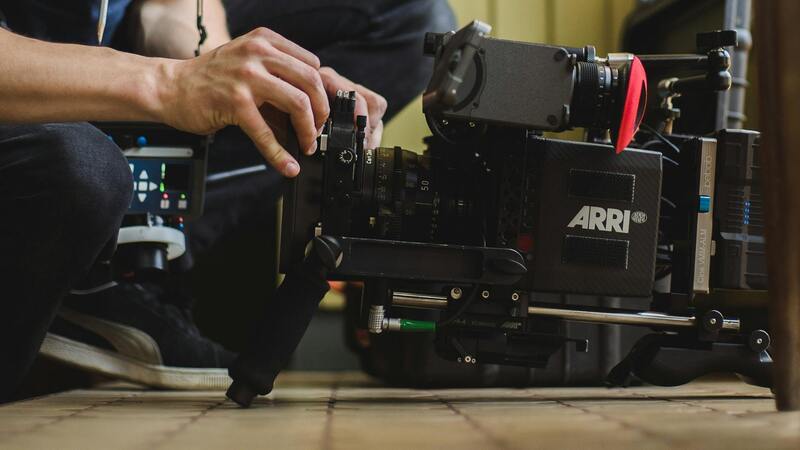
Given the expansive nature of many commercial properties, aerial shots acquired via drone photography serve as powerful tools to display property boundaries, parking lot layouts, nearby infrastructure, and proximity to major transportation routes. Such angles provide contextual surroundings that are crucial for decision-makers assessing accessibility and neighborhood dynamics. For properties with notable architectural or landscaping features, detailed close-up shots can highlight quality materials, craftsmanship, or distinctive design elements that might appeal to specific tenant segments or investors.
Including a mix of these types of images ensures a balanced visual portfolio that portrays the property’s full potential. When combined, they help create compelling marketing materials that engage viewers and inspire confidence in the listing, facilitating a quicker transaction process and attracting qualified prospects who can imagine themselves within the space.
Legal and Licensing Considerations for Commercial Property Photos
When capturing commercial real estate images, understanding and adhering to relevant legal and licensing requirements is essential. These considerations help protect the interests of property owners, photographers, and potential clients, ensuring a smooth and compliant photography process. Proper licensing ensures that all aspects of the shoot—such as drone photography, use of proprietary property elements, and inclusion of recognizable trademarks or artwork—are legally authorized. Additionally, obtaining necessary permits for drone flights or special equipment usage can prevent unforeseen complications that might delay marketing efforts. It is also important to secure permissions from property management or owners before conducting a shoot. Clearly defined agreements outline the scope of usage, rights to the images, and any restrictions related to the property. This helps avoid dispute over image rights, especially when images are used across multiple platforms such as online listings, brochures, and virtual tours. An often-overlooked aspect is ensuring compliance with privacy rights, particularly when photographing interior spaces that may include identifiable individuals or sensitive areas. While commercial real estate photos are generally intended for promotional purposes, respecting privacy boundaries not only maintains a professional standard but also aligns with industry best practices. From a practical standpoint, it’s advisable to work with photographers familiar with the local regulations governing commercial property photography. They are typically aware of necessary permits, licensing procedures, and the documentation required to demonstrate legal compliance. Furthermore, understanding intellectual property rights associated with images—especially those that include artwork, signage, or proprietary features—helps prevent potential infringement issues. Proper licensing ensures that photos can be legally reproduced, distributed, and displayed without risking litigation. In summary, integrating clear licensing and legal considerations into your commercial property photography planning safeguards your marketing efforts and promotes transparency and professionalism. Partnering with experienced photographers who prioritize legal compliance can streamline this process, ensuring your images meet all necessary standards and can be confidently used across various advertising channels.
Options for Commercial Real Estate Photography Services in Miami
Miami is a vibrant hub for real estate, attracting commercial property owners and developers seeking to showcase their listings effectively. To achieve high-quality visual content, partnering with local photography service providers that specialize in commercial estate imagery is essential. These professionals bring a nuanced understanding of Miami’s unique market dynamics and architectural styles, ensuring that each photograph captures the property's best features and aligns with regional aesthetics.
Experienced Miami-based production agencies offer comprehensive services, including aerial drone photography, interior and exterior shots, and 360-degree virtual tours. Their familiarity with local regulations and permit requirements ensures a smooth process, minimizing delays and compliance issues. Such agencies typically employ state-of-the-art equipment and employ skilled photographers with extensive experience in commercial real estate, enabling them to deliver images that resonate with prospective tenants, investors, and buyers.
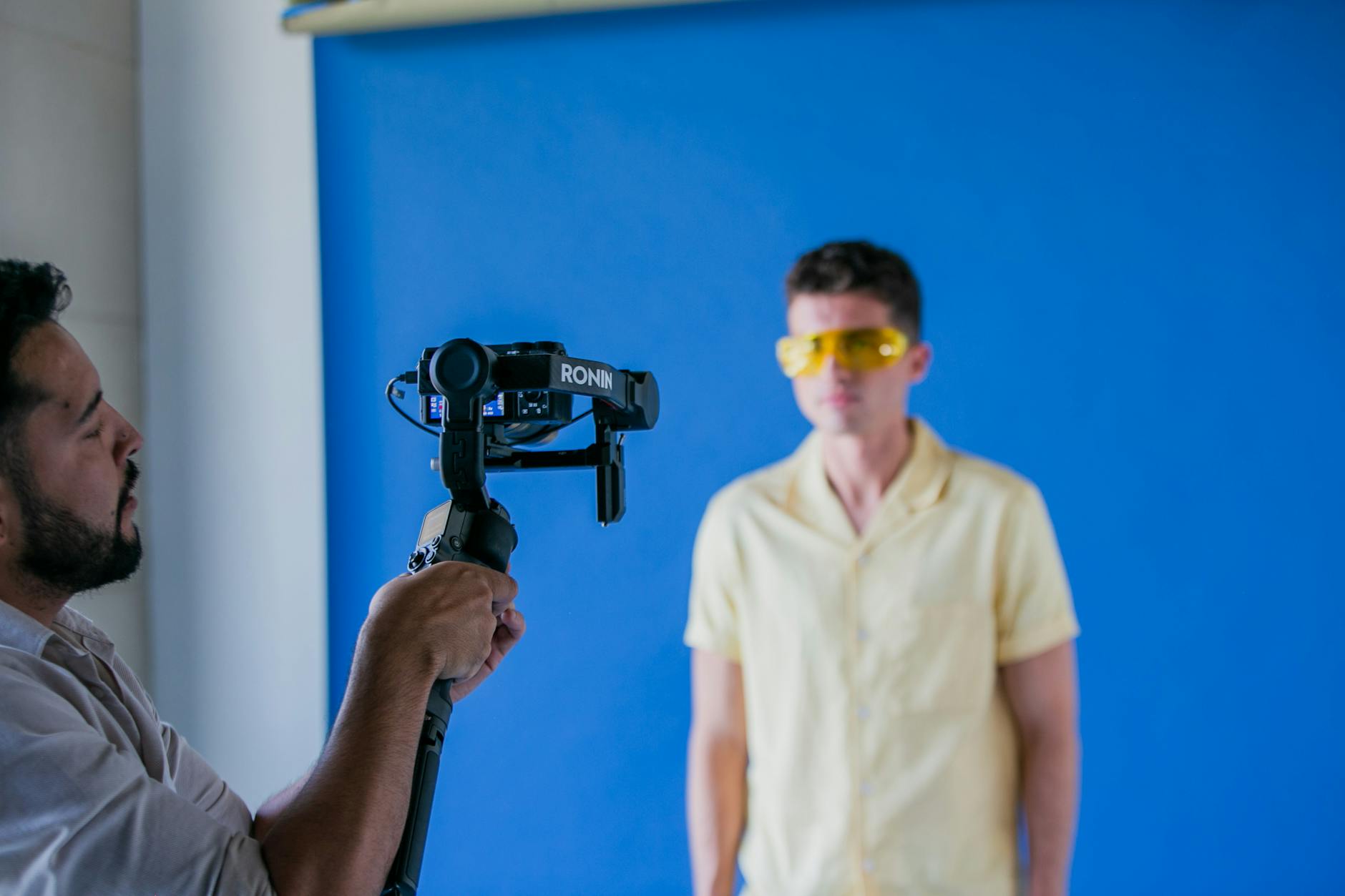
When selecting a service provider, it’s crucial to evaluate their portfolio, client testimonials, and understanding of the Miami market. A firm with proven success in commercial real estate photography will have an eye for detail and an ability to create images that not only look visually appealing but also serve strategic marketing purposes.
Many local agencies also offer additional services such as property staging, virtual renovations, and detailed floor plans, which can augment the visual appeal and informational value of your listings. Utilizing these combined services enhances the overall presentation and can significantly accelerate the leasing or sale process.
In summary, engaging with knowledgeable local providers not only guarantees access to advanced visual technologies but also ensures adherence to regional standards and best practices. This strategic partnership enables property owners and stakeholders to maximize visibility, attract premium tenants or buyers, and ultimately achieve their real estate objectives more efficiently.
Legal and Licensing Considerations for Commercial Property Photos
When engaging in commercial real estate photography, understanding and adhering to certain legal and licensing considerations is essential to ensure a smooth and compliant photoshoot process. These considerations help protect the interests of property owners, photographers, and agents, creating a foundation for trust and professionalism in visual marketing efforts.
Securing Necessary Permissions and Property Access
Before capturing images of a commercial property, it is vital to obtain proper permissions from the property owner or manager. This includes clear agreements on the scope of the shoot, areas to be photographed, and the intended usage of the images. Gaining access through designated channels prevents misunderstandings and potential delays, ensuring the photographer can work efficiently while respecting the property’s restrictions.
Understanding and Respecting Intellectual Property Rights
Commercial real estate images often include elements that may be protected under intellectual property laws, such as branded signage, artwork, or proprietary architectural features. Photographers must be aware of these rights and secure necessary rights or permissions to avoid infringing on third-party rights. This is especially important when images are used in advertising, publications, or online listings, where misuse could lead to legal complications.
Adhering to Local Regulations and Property Policies
Different jurisdictions and property owners may have policies regarding photography. These can include restrictions on drone use, restrictions on capturing certain areas, or guidelines about the timing of the shoot to minimize disruption. Familiarity with and adherence to these policies ensure respectful and legal use of photography equipment and methods, reducing potential conflicts or penalties.
Licensing for Commercial Photography Equipment
Using specialized equipment, such as drones or high-powered lighting, may require specific licenses or certifications depending on local laws. Photographers should ensure their equipment and practices comply with regional regulations to avoid fines or operational restrictions. This could involve obtaining drone flight permits or adhering to noise ordinances for night shoots.
Post-Production Rights and Usage Agreements
Additionally, establishing clear agreements regarding the rights to edited images and their intended use is crucial. This includes the duration of usage rights, geographic scope, and any exclusivity clauses. Well-defined licensing agreements help prevent disputes and clarify expectations for both parties involved in the photography process.
By addressing these key legal and licensing requirements proactively, property owners and photographers can focus on creating impactful images that elevate marketing efforts. Maintaining transparency and following regional standards fosters professional relationships and contributes to the overall success of commercial property promotion in Miami and beyond.
Options for Commercial Real Estate Photography Services in Miami
In Miami’s competitive real estate market, property owners and marketers have a variety of professional photography options to choose from. Certified commercial real estate photographers offer specialized services tailored to showcase properties effectively. These services typically include high-resolution photography, HDR imaging, drone videography, and virtual staging, each designed to highlight a property's best features and appeal to prospective buyers or tenants.
Many Miami-based photography firms provide comprehensive packages that encompass pre-shoot consultations, property staging advice, and post-production editing to ensure images meet industry standards. Additionally, companies often include expedited turnaround times to meet tight marketing schedules, allowing property listings to go live with compelling visuals that stand out in listings, websites, and social media campaigns.
For larger commercial spaces, some providers utilize advanced aerial photography, including drone shots, to give a comprehensive perspective of the property’s scale and surroundings. This not only enhances visual storytelling but also provides potential investors with detailed views of hard-to-reach areas and overall site layout.

Given the diversity of properties in Miami—from retail centers to industrial warehouses—the ability to select a service provider with experience across various types of commercial real estate is invaluable. Experienced photographers understand the nuances of each property type and can adapt their techniques to produce images that attract targeted audiences and drive engagement.
Moreover, local Miami photographers are well-versed in regional regulations and environmental conditions, ensuring a smooth, compliant process. They often maintain established relationships with real estate firms, property developers, and marketing agencies, providing integrated services that support broader branding and promotional strategies tailored specifically to the Miami market.
Accessing professional photography services involves evaluating portfolios to ensure aesthetic quality and technical expertise. Additionally, discussing project scope, deadlines, and intended use helps align expectations and ensures the resulting images fulfill strategic marketing objectives. Such collaborations result in high-impact visuals that enhance property listings and support sales and leasing initiatives.
Legal and Licensing Considerations for Commercial Property Photos
Capturing and utilizing commercial real estate images requires a comprehensive understanding of the necessary permissions and rights associated with these visuals. Ensuring proper licensing and rights management not only protects the interests of property owners and photographers but also maintains compliance with local regulations and industry standards.
One of the fundamental practices involves securing explicit permission from property owners or authorized representatives before conducting any photoshoots. This helps clarify the scope of the shoot, permissible uses of the images, and any restrictions related to sensitive areas or proprietary features of the property. Such agreements often outline the duration of image usage, territorial rights, and exclusivity clauses, fostering a clear understanding among all involved parties.
Copyright considerations are also paramount when managing commercial real estate photographs. Typically, photographers retain copyright ownership unless explicit licensing agreements state otherwise. Licensing agreements should specify how images can be used, in what formats, and for how long. For instance, images intended for online listings, print brochures, or digital advertisements may require different licensing terms to prevent unauthorized reuse or reproduction.
Usage rights extend beyond copyright license agreements. It is crucial to clarify whether images can be altered, shared across different platforms, or incorporated into promotional materials without additional permissions. Proper licensing ensures that all stakeholders can confidently use the images across their marketing channels without infringement concerns.
Additionally, when utilizing aerial or drone photography, compliance with regional airspace regulations is essential. Photographers must obtain any necessary flight permits or notifications, especially in densely populated or restricted airspace zones, to avoid potential legal complications. Adherence to safety protocols and environmental regulations also safeguards against liability issues.
Finally, documenting all permissions, licenses, and agreements is vital for future reference. Having a clear record of approvals and licensing terms minimizes the risk of disputes and provides a solid foundation for legal and contractual compliance.