Importance of High-Quality Commercial Real Estate Photography
In the competitive Miami real estate market, the presentation of commercial properties plays a crucial role in attracting prospective tenants and buyers. High-quality commercial real estate photography serves as a powerful marketing tool that can significantly influence decision-making processes. Professionally captured images accurately showcase the property's best features, convey its potential value, and create a compelling first impression. In a city known for its vibrant business landscape, effective visual storytelling can differentiate a listing amidst numerous competitors, leading to increased visibility and engagement.
Investing in outstanding photography is not merely about aesthetics; it directly impacts the success of sales and leasing efforts. Clear, detailed photos allow viewers to assess space layout, construction quality, and ambiance without physically visiting the site. This 24/7 virtual access aligns with modern consumption habits, where online research is often the initial step in property consideration. Specifically in Miami, where the market values upscale, well-presented spaces, the importance of professional imagery becomes even more evident, supporting faster transactions and minimized vacancy periods.
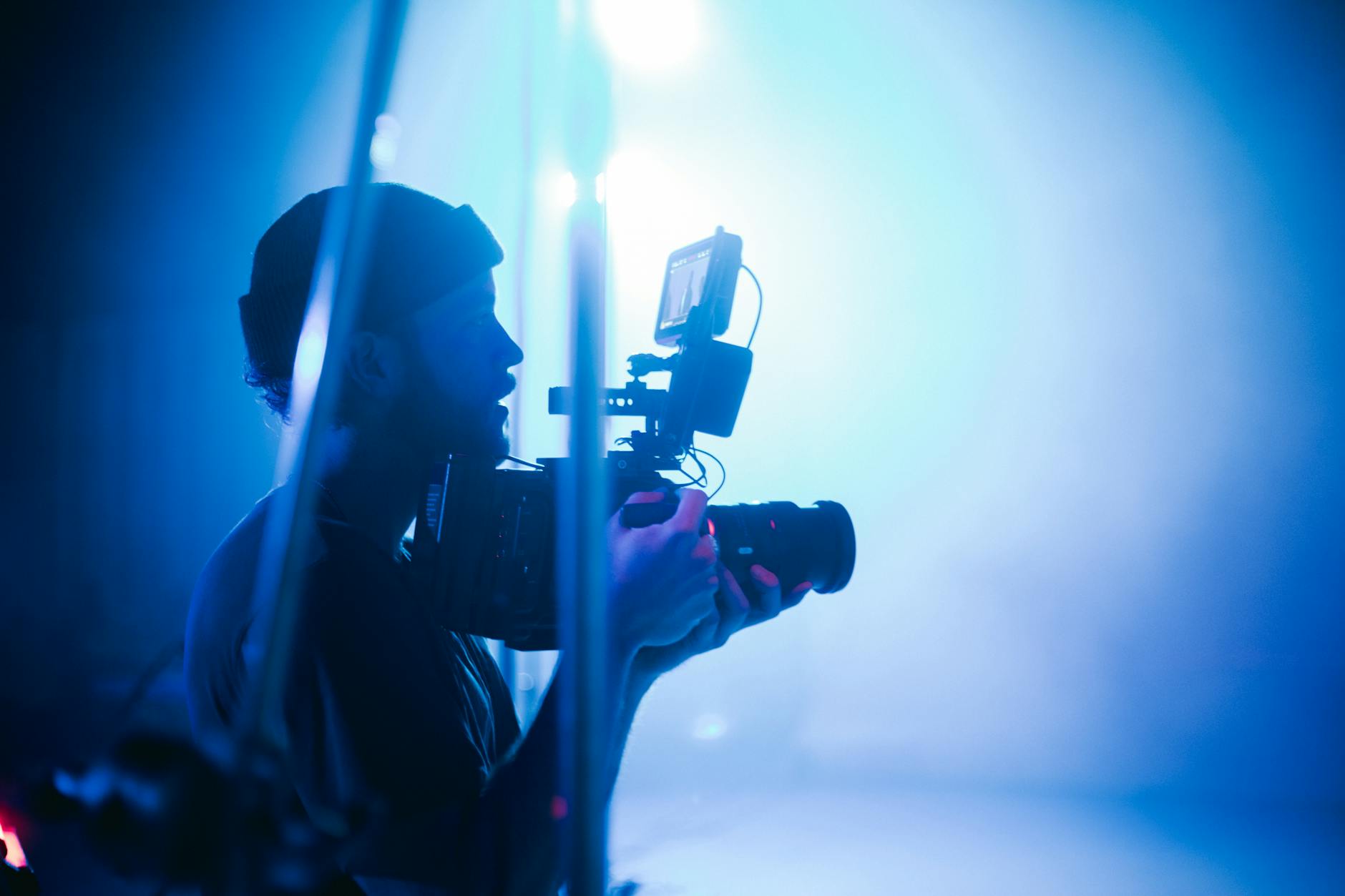
Implementing high-caliber photography also positively influences digital marketing campaigns, from MLS listings to social media promotions. Engaging visuals boost click-through rates and increase exposure among targeted demographics. As a result, property owners and brokers can expect a broader reach, more qualified inquiries, and higher chances of closing deals efficiently. In the Miami real estate context, where visual appeal is key, professional commercial photography is an investment that yields measurable returns in visibility, credibility, and overall market positioning.
Key Features of Effective Commercial Property Photos
Effective commercial property photography highlights the unique aspects of a space while conveying its atmosphere and usability. The following features are essential for capturing compelling images:
- Optimal Lighting: Natural light is preferred to showcase the true colors, textures, and spaciousness of interiors. The photographer must understand how to balance indoor lighting with external conditions for maximum effect.
- Wide-Angle Shots: These facilitate a comprehensive view of large areas, allowing viewers to grasp the layout and scale of rooms or exterior spaces.
- Clarity and Sharpness: High-resolution images that are crisp and focused aid in accurately representing the property details and quality.
- Proper Framing and Composition: Strategic positioning ensures key features are emphasized, and visual flow directs viewers through the property naturally.
- Highlighting Key Features: Including elements such as lobby aesthetics, outdoor signage, or architectural details adds depth to marketing materials.
Preparation and Staging for Commercial Photography
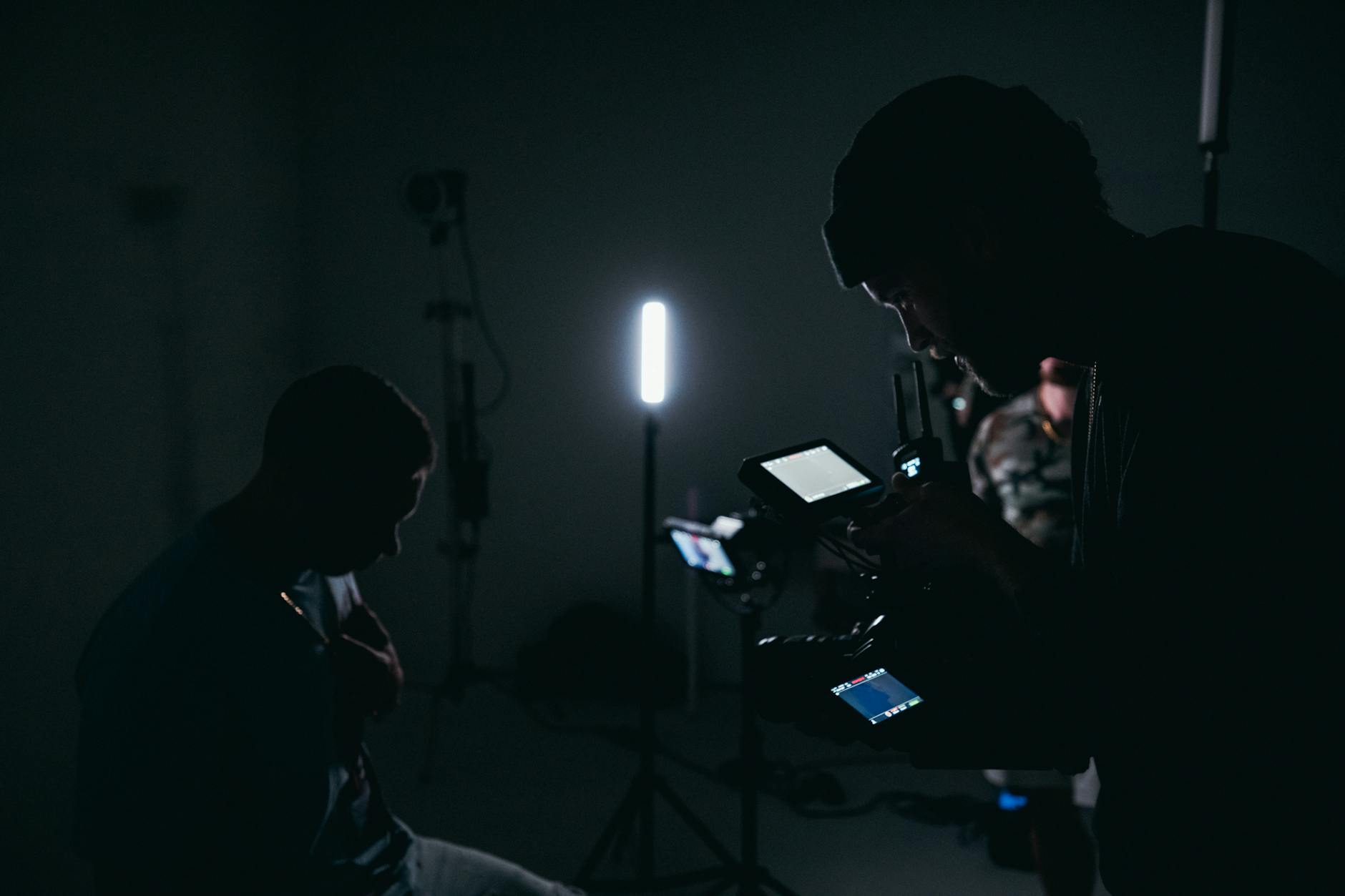
Preparing a commercial property for a photography session entails strategic staging to enhance visual appeal. This involves decluttering, cleaning, and arranging furnishings or accessories to showcase space utility and aesthetics. Ensuring the property is well-lit, both naturally and artificially, creates an inviting atmosphere. Small details, such as polished surfaces or strategically placed decor, can make a substantial difference in photographs. Maintenance issues like exposed wiring or damaged fixtures must be addressed beforehand to avoid distractions and preserve a professional presentation.
Coordination with property managers, tenants, or owners ensures availability during optimal lighting hours and minimizes disruptions during shooting. Proper staging not only accentuates the property's strengths but also aligns with the target market’s expectations, whether that involves a sleek modern look or a classic professional ambiance.
Choosing the Right Equipment and Techniques
Utilizing state-of-the-art equipment is critical for producing high-quality images. Professional-grade DSLR or mirrorless cameras equipped with wide-angle lenses are standard for capturing expansive interior and exterior shots. Tripods, stabilizers, and remote triggers ensure camera stability and sharpness. Drone photography might be employed to illustrate large exterior properties or surrounding landscapes, offering a unique perspective that static images cannot achieve.
Techniques such as HDR (High Dynamic Range) imaging help balance exposure contrasts within scenes, revealing intricate details in both bright and dark areas. Proper use of these tools ensures the photographs reflect true-to-life visual fidelity, an essential factor for prospective clients evaluating commercial spaces remotely.
Post-Processing and Image Optimization
Post-processing involves meticulous editing to enhance images while maintaining authenticity. Adjustments include brightness, contrast, color correction, and distortion correction due to wide-angle lenses. Strategic retouching can remove minor imperfections, ensuring the property looks its best. It is vital that post-processing remains subtle to preserve realism, as exaggerated enhancements can undermine credibility.
Optimizing images for digital platforms involves compressing file sizes without compromising quality, ensuring quick load times and clear displays across devices. Properly formatted images enhance SEO performance by making listings more discoverable online, thereby increasing the likelihood of attracting qualified inquiries.
Preparation and Staging for Commercial Photography
Effective commercial real estate photography begins long before the camera is even in hand. Proper preparation and staging play crucial roles in capturing images that truly represent a property's potential. Clearing clutter, depersonalizing spaces, and ensuring all areas are clean and well-maintained help create a blank canvas that allows viewers to envision the space’s functionality. It’s essential to arrange furniture and decor to accentuate the property’s best features, such as open layouts, natural light, or unique architectural details, without overwhelming the scene.
Scheduling photography during optimal lighting conditions is critical. Shooting during daylight hours when natural light floods into rooms highlights the property's airy atmosphere, reduces the need for additional lighting equipment, and produces vibrant images. For exterior shots, consider the angle and timing to capture the property’s façade under favorable sunlight, minimizing shadows that could obscure details. Additionally, weather conditions should be monitored; clear, sunny days typically produce the most appealing visuals, though overcast days can offer softer light that reduces harsh shadows.
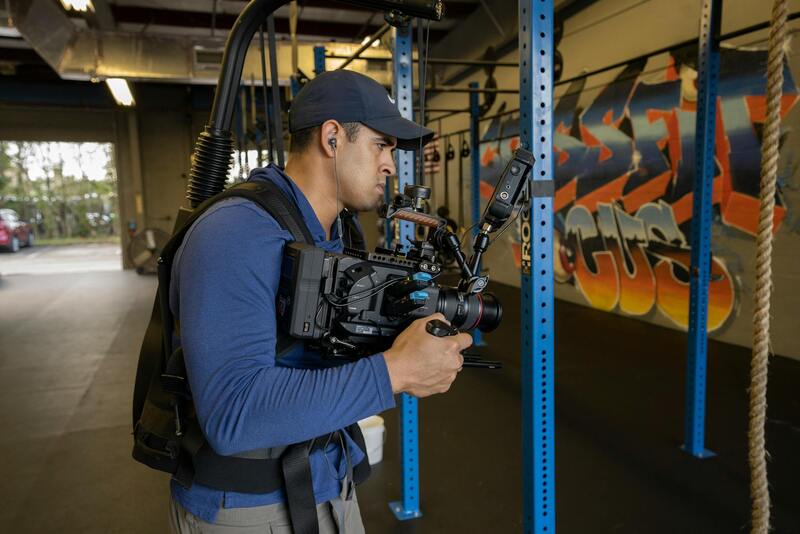
Property owners and agents should also ensure that landscape elements—such as lawns, gardens, and walkways—are tidy and well-maintained. Addressing minor repairs, painting touch-ups, and cleaning windows further elevates the overall presentation. Attention to detail is vital; small imperfections and distractions can diminish the visual impact of photographs and, by extension, the perceived value of the property.
Developing a strategic shot list prior to the shoot helps maximize the session’s efficiency. Including key areas such as the building’s façade, lobby, conference rooms, and exterior grounds ensures comprehensive coverage. This structured approach guarantees that all vital aspects are documented, providing clients with a robust collection of images suitable for various marketing channels.
In addition to visual staging, coordinating with the property’s management to avoid disruptions during the shoot can facilitate a smoother process. Ensuring access to all areas, securing necessary permits for drone use or special equipment, and informing staff or tenants about the photography schedule contribute to a professional and unobstructed experience.
Choosing the Right Equipment and Techniques
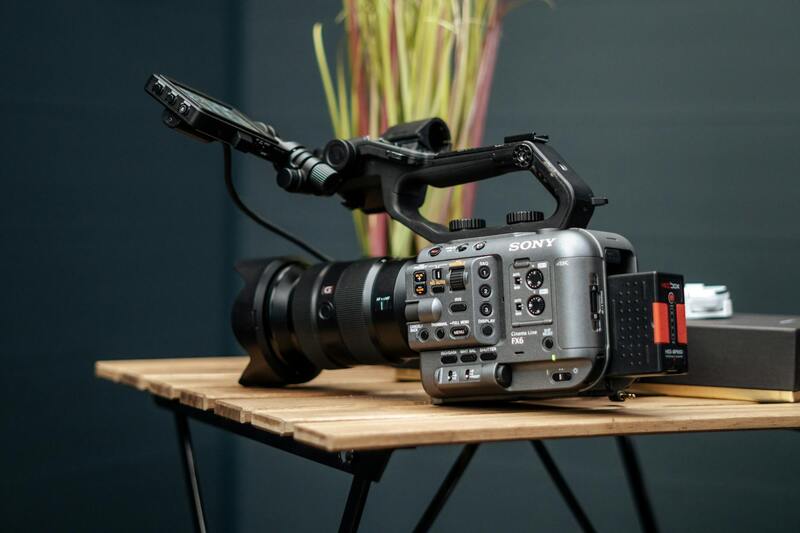
High-quality commercial real estate photography demands the use of advanced equipment that captures every detail with precision. Professional-grade DSLR or mirrorless cameras with high-resolution sensors are essential for producing sharp, detailed images capable of showcasing the property's full appeal. Wide-angle lenses are particularly valuable, allowing photographers to capture expansive interior and exterior views, providing viewers with a comprehensive understanding of the space in a single frame. Additionally, tilt-shift lenses can help correct perspective distortions, ensuring architectural lines remain true and visually appealing.
Tripods are indispensable for stability and clarity, especially in interior settings or low-light conditions where longer exposures are necessary. Proper lighting equipment or techniques such as off-camera flash or strobes can eliminate shadows and highlight key features, ensuring that each shot is evenly lit and inviting. For exterior shots, drone photography is increasingly popular, offering unique aerial perspectives that add scale and context to the property presentation.
Photographers should also leverage techniques like HDR (high dynamic range) imaging to balance exposure differences between bright outdoors and darker interiors, resulting in well-exposed images without losing details in highlights or shadows. Bracketing multiple exposures and merging them thoughtfully during post-processing can enhance the overall quality of the final images.
The selection of techniques extends to composition strategies—placing emphasis on symmetricallines, leading eyes toward focal points, and utilizing depth to create engaging visuals. Utilizing natural light effectively, especially during the golden hours, can lend warmth and vibrancy to images. When necessary, professional editing software should be employed to correct lens distortions, straighten horizons, and enhance colors, ensuring the final product aligns with the property’s best features.
Legal and Ethical Considerations in Commercial Real Estate Photography
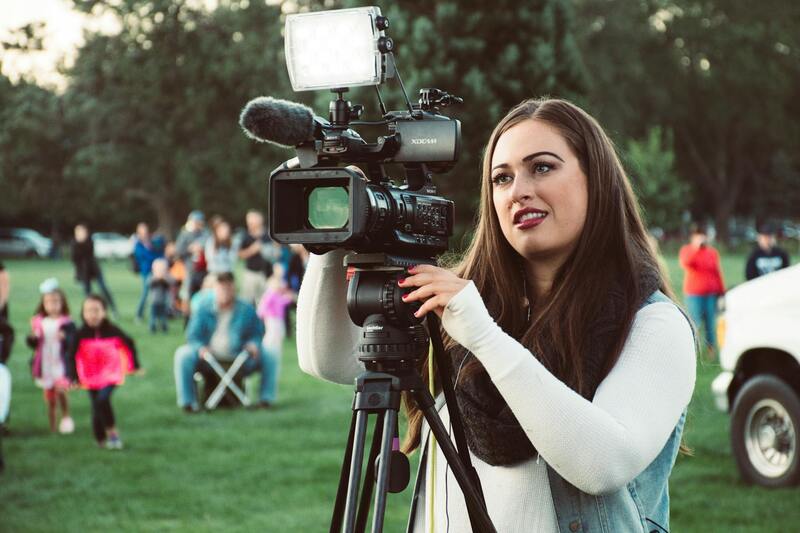
When engaging in commercial real estate photography, adhering to well-established practices ensures that all visual representations are accurate, respectful, and transparent. It is paramount to obtain explicit permission from property owners or authorized representatives prior to scheduling and conducting photo shoots. This step helps prevent disputes and aligns with professional standards.
It's equally important to accurately depict the property without embellishment or omission of key features. Creative editing should enhance images without misleading viewers or exaggerating the property's qualities. Maintaining integrity in the visual portrayal preserves trust with clients and prospective tenants or buyers.
Respecting privacy and safety considerations is fundamental. This involves avoiding the capture of sensitive areas or personal belongings that are not meant for public view. When photographing interior spaces, ensuring that any individuals present have given their consent when identifiable in images upholds ethical standards.
Marking images with appropriate copyright information and usage rights clarifies ownership and helps prevent unauthorized use. Clear communication regarding licensing terms is essential for the fair distribution and utilization of photographs across various marketing platforms.
Furthermore, maintaining transparency about post-production edits fosters honest relationships with clients. Disclosing adjustments such as sky replacements, lighting enhancements, or perspective corrections assures clients that the images reflect the actual property conditions.
Finally, respecting intellectual property rights involves refraining from using copyrighted materials, such as logos or artworks, without proper authorization. When in doubt, consulting with property owners and clients to establish clear guidelines on image use sustains ethical standards and prevents potential conflicts.
Legal and Ethical Considerations
Ensuring that commercial real estate photography adheres to established standards is vital for maintaining credibility and fostering trust with clients and the market. Photographers must prioritize accuracy and transparency in their images, ensuring they represent the property truthfully without misleading potential clients or tenants. This involves capturing images that accurately portray the space without exaggerated angles or manipulative post-production edits that could distort perceptions.
Respect for privacy is crucial, especially in interior settings. Photographers should obtain explicit consent from individuals who are identifiable within images and avoid capturing private areas or sensitive information, safeguarding the privacy rights of occupants and property owners. When photographing exteriors, avoiding unnecessary intrusion into neighboring properties or restricted areas helps maintain respectful boundaries and fosters professional relationships.
Another aspect of ethical practice involves copyright and usage rights. Clear agreements should detail how images can be used across various marketing channels, preventing unauthorized distribution or reproduction. Proper attribution and licensing ensure that intellectual property rights are honored and that photographers retain control over their work.
Ethical considerations extend to post-production editing. Photographers should disclose any significant alterations made to images, such as lighting enhancements or perspective corrections, to maintain authenticity and avoid creating false expectations. Transparent communication with clients about these edits underpins professional integrity and helps align visual representations with actual property conditions.
In addition, refraining from appropriating copyrighted content such as logos or artwork without proper approval safeguards against infringement issues. Consulting property owners and clients about permissible image modifications and usage further solidifies ethical standards and prevents misunderstandings.
Best Practices for Ethical Commercial Real Estate Photography
- Secure explicit consent from individuals when they are featured in interior shots.
- Use truthful representations to avoid exaggeration or manipulative angles.
- Respect boundaries of private and restricted areas during exterior and interior photography.
- Document and communicate licensing terms and usage rights clearly with clients.
- Disclose significant post-processing adjustments to maintain transparency.
- Refrain from unauthorized use of copyrighted materials or logos.
Legal and Ethical Considerations
Performing commercial real estate photography involves navigating a series of prerequisites that ensure professional standards are upheld. Acquiring explicit permissions to photograph property is fundamental, particularly when private or restricted areas are involved. Secure consent from property owners or managers prior to the shoot to prevent misunderstandings and to foster trust. It’s equally important to verify access rights to leased or managed spaces, ensuring that all areas depicted are compliant with property regulations.
Respecting privacy boundaries is paramount. Interior shots that include individuals require their consent, especially when images may be used for promotional purposes. Clear communication about the intended use of photographs, along with obtaining necessary releases, fortifies ethical practices and mitigates potential disputes.
Furthermore, photographers must be vigilant about adhering to property restrictions. Certain areas may be off-limits or require prior authorization, and respecting these boundaries reflects respect for property management and legal standards. Proper documentation of these permissions, along with detailed records of the locations photographed, aids in accountability and clarity.
Best Practices for Ethical Commercial Real Estate Photography
- Obtain explicit consent from all featured individuals in interior shots.
- Use accurate and truthful representations, avoiding manipulative angles or lighting effects that could mislead viewers.
- Respect private and security-sensitive areas by adhering to access restrictions.
- Clearly communicate licensing agreements, usage rights, and restrictions associated with the images to clients and stakeholders.
- Disclose any significant post-production edits, such as perspective adjustments or lighting enhancements, to maintain authenticity.
- Avoid incorporating copyrighted objects, artwork, or logos without proper authorization or licensing.
Legal and Ethical Considerations in Commercial Real Estate Photography
Maintaining high standards in commercial real estate photography involves strict adherence to legal and ethical practices that ensure transparency and professionalism. One of the foundational aspects is obtaining explicit permissions from property owners or responsible managers prior to conducting any photographic session. This process not only confirms access rights but also provides a clear understanding of the scope and purpose of the shoot. Clear communication about the intended use of the photographs is essential to prevent misunderstandings and to establish trust with all stakeholders involved.
Photographers should meticulously document permissions and ensure that any restricted areas are clearly marked and avoided unless proper authorization has been secured. Respect for privacy and security-sensitive zones demonstrates professional integrity and safeguards against potential disputes or misuse of images. It's recommended to keep detailed records of all permissions granted, including dates, contacts, and specific areas authorized for photography, to ensure accountability and clarity throughout the project.
The ethical standards extend to capturing representations that are honest and unaltered. This entails avoiding manipulative angles, exaggerated lighting, or perspectives that distort the true appearance of the property. Such honesty in portrayal builds credibility and helps clients attract the right tenants or buyers. Additionally, photographers must disclose any post-processing adjustments that could influence the perception of the property. Transparency regarding editing practices reinforces trust between photographers, clients, and viewers.
Respect for intellectual property involves not including copyrighted objects, artwork, or logos without proper licensing or approval. This practice protects all parties from potential copyright infringements and supports ethical content creation. Photographers should also be vigilant about adhering to property access restrictions, ensuring they do not enter areas that require prior authorization or are designated off-limits. Respecting these boundaries reflects professional responsibility and respect for property management policies.
To uphold high standards, it is advisable to communicate licensing agreements and usage rights clearly to clients. This includes specifying how images will be used, any restrictions on distribution, and the period of permissible use. Such clarity helps prevent misuse and aligns expectations from the outset, fostering ongoing professional relationships. Disclosing any significant edits during post-processing, such as perspective corrections or lighting enhancements, further promotes authenticity and helps clients understand the nature of the final images.
Legal and Ethical Considerations in Commercial Real Estate Photography
Ensuring that commercial real estate photography adheres to established standards is fundamental to maintaining integrity in marketing. Photographers must operate within frameworks that respect property rights, confidentiality agreements, and intellectual property. Respecting these boundaries not only preserves professional reputation but also fosters trust with clients and property owners.
One of the core practices involves obtaining explicit permission before photographing a property, especially for interior shots that reveal sensitive or private information. This consent ensures that all parties are aware of when and how the images will be used, and it minimizes potential conflicts or misunderstandings. Moreover, the scope of the permitted usage should be clearly defined, including restrictions on distribution, reproduction, and online sharing.
It is equally important to adhere to property access protocols. Photographers should verify that they have the necessary authorization to photograph within secured or restricted areas. This can involve coordinating with property managers or security personnel to prevent unauthorized entry, which could lead not only to logistical issues but also to serious breaches of trust.
Intellectual property rights extend beyond property itself. Photographers must ensure that any artwork, signage, or branding visible in their shots are used with proper permissions. Incorporating copyrighted elements without authorization can result in legal complications and damage to professional credibility. When in doubt, avoiding the inclusion of copyrighted materials or securing licenses helps uphold ethical standards.
Transparency in Image Usage and Editing Practices
Effective communication with clients regarding the editing process and the intended use of images is essential. When significant modifications are made—such as perspective adjustments, lighting enhancements, or digital retouching—these should be disclosed clearly. Providing clients with a transparent record of editing practices not only builds trust but also aligns expectations regarding the final product.
Furthermore, specifying licensing terms and usage rights at the outset ensures clarity. This covers aspects such as duration of permitted use, territorial restrictions, and formats in which images can be distributed. Clear documentation prevents misunderstandings and supports continuous professional relationships.
Maintaining Ethical Standards in Marketing
Ethical compliance extends to the promotional aspect of commercial photography. Accurate representation of the property is crucial; images should highlight real features without deceptive enhancements that could mislead prospective tenants or buyers. Ensuring authenticity helps maintain credibility and fosters informed decision-making.
Photographers should also avoid manipulating images in ways that noticeably alter the appearance of a property to deceive viewers. Adhering to this principle protects both the reputation of the photographer and the interests of clients, ultimately supporting sustainable marketing practices.
Conclusion
Adherence to legal and ethical standards in commercial real estate photography is a non-negotiable aspect of professional practice. Ensuring proper permissions, respecting property boundaries, and maintaining transparency about editing practices are fundamental components that reinforce trust and uphold industry reputation. By emphasizing these areas, photographers contribute to a transparent, fair, and credible market environment, benefiting all stakeholders involved in commercial property transactions.