Importance of Quality Commercial Property Images
In the dynamic and competitive Miami real estate market, the visual presentation of commercial properties plays a pivotal role in attracting prospective tenants and buyers. High-quality commercial property images serve as a digital storefront, providing an immediate impression that can influence the decision-making process. Well-crafted images highlight the property's key features, spatial dimensions, and unique characteristics, making them essential for effective marketing strategies.
Superior images not only improve online listings but also elevate the perceived value of the property. Potential clients often browse multiple listings, and the first visual impression can determine whether they delve deeper or move on to the next opportunity. The impact of polished, professional images is even more pronounced in a vibrant market like Miami, where competition is fierce and diverse.
Furthermore, the use of professional commercial photographs enhances credibility and demonstrates an investment in quality. This can establish trust with prospective tenants or buyers, positioning the property as a reliable and desirable investment. Additionally, compelling imagery can facilitate faster lease agreements or sales, reducing the time properties spend on the market.
In the digital age, most property searches begin online, emphasizing the importance of capturing attention through striking images. Whether through online listings, social media campaigns, or corporate websites, excellent visuals are indispensable tools for commercial property owners aiming to stand out.
Choosing the Right Equipment and Techniques
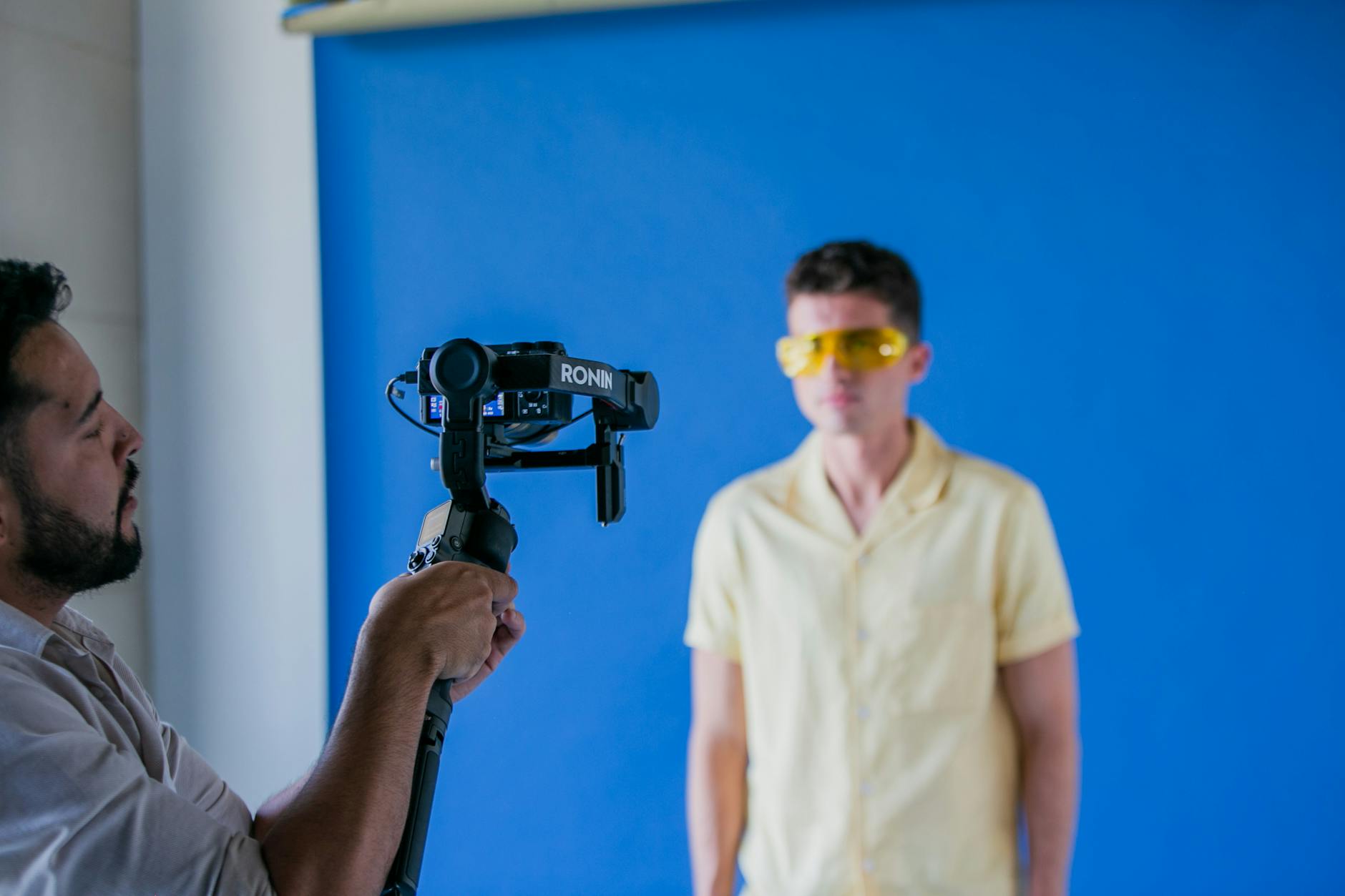
To produce impactful commercial property pictures, selecting the appropriate equipment and applying effective techniques are fundamental. High-quality cameras with a full-frame sensor and wide-angle lenses are preferred, as they can capture expansive interiors and exteriors accurately, minimizing distortion and ensuring sharpness across the frame. A tripod is indispensable for achieving stability and consistency in shots, especially in low-light conditions or when capturing multiple images for panoramic views.
Utilizing a drone can offer unique perspectives, showcasing entire property layouts and surrounding areas that ground-level photography cannot easily capture. This aerial viewpoint can highlight property scale, landscape features, and accessibility, making it a valuable tool in marketing larger commercial spaces.
Regarding techniques, mastering the use of natural and artificial lighting is essential. Properly lit images reveal the true character of the property, emphasizing spaciousness and architectural details. Techniques such as HDR (High Dynamic Range) photography can balance exposure between bright exteriors and darker interiors, providing a comprehensive view without overshadowing any detail.
Post-processing also plays a critical role. Adjustments in color balance, contrast, and sharpness can enhance the visual appeal while maintaining authenticity. It's important that these edits adhere to the actual appearance of the property to avoid misrepresentation.
Preparing Commercial Properties for Photo Shoots
Proper preparation of commercial properties ensures that the images accurately reflect their best features and do not detract from their appeal. Cleaning and decluttering spaces are initial steps to create an inviting environment that appeals visually. This process involves removing unnecessary furniture, personal items, or any clutter that might distract viewers or obscure architectural details.
Next, attention should be paid to staging. In commercial settings, this can mean arranging furniture, signage, and accessories to demonstrate functionality and aesthetic appeal. Well-placed lighting fixtures and strategic use of natural light should be optimized; opening curtains and blinds can enhance brightness and mood.
Exterior preparations are equally crucial. Landscaping should be tidy, signage clear, and parking areas clean. The goal is to provide a clear, unobstructed view that highlights the property's exterior features while avoiding elements that may divert attention.
Scheduling the shoot during optimal weather conditions ensures the best natural lighting. Avoiding periods of harsh sunlight, shadows, or adverse weather helps achieve consistent, high-quality results.
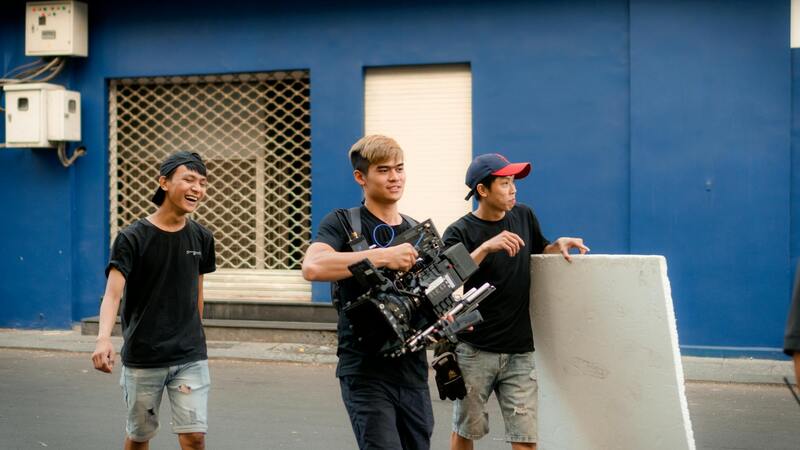
The Role of Professional Photography Services Knowing when to engage professional photography services is crucial for maximizing advertisement effectiveness. Experienced photographers possess the technical knowledge, specialized equipment, and artistic insight required to highlight a property's strengths. They understand how to manipulate lighting, perspective, and composition for optimal visual impact, making the images more compelling to prospective clients.
Professional services also include post-production management, ensuring each image aligns with high standards of clarity and color accuracy. Such expertise minimizes the need for extensive editing and guarantees consistency across a marketing campaign.
Moreover, employing skilled photographers signals a commitment to quality, enhancing the property’s perceived value. Their portfolio of work often contains examples of successful commercial shoots, giving property owners confidence in the investment.
Optimizing Commercial Property Pictures for Online Listings
The digital landscape demands strategic presentation of commercial property images to attract and retain viewer interest. High-resolution photographs should be used in all online listings, ensuring clarity on various devices and screen sizes. Incorporating a variety of shots—exterior angles, spacious interior views, detail close-ups, and panoramic scenes—provides a comprehensive perspective and caters to different buyer preferences.
Captions and descriptions accompanying images should complement the visuals, highlighting key features and improvements. A consistent visual style, through color grading and framing, helps establish brand identity and makes listings recognizable.
Fast-loading images with optimized file sizes reduce page load times, improving user experience and search engine rankings. Including alt-text for images enhances accessibility and can boost SEO performance by associating visual content with relevant keywords.
Choosing the Right Equipment and Techniques
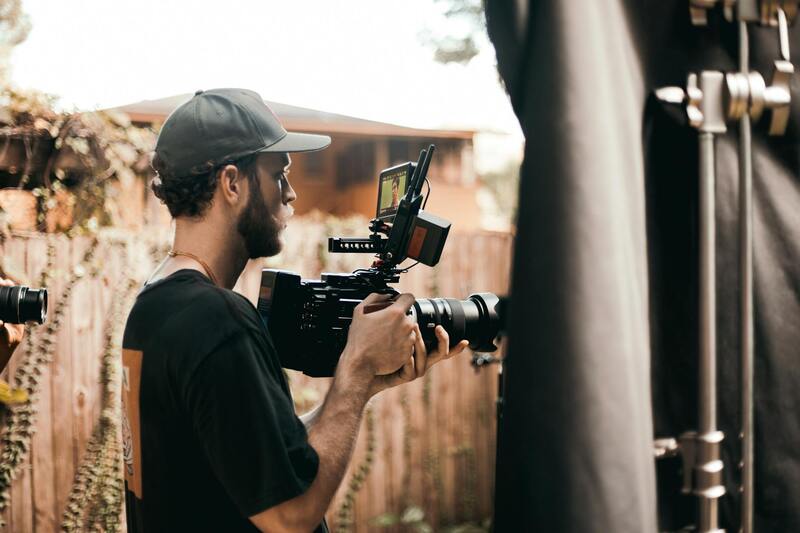
To capture the essence of a commercial property effectively, selecting the appropriate equipment and employing advanced photographic techniques are crucial. High-quality images depend significantly on the tools used during the shoot, ensuring that details are sharp, colors are true to life, and lighting is well-balanced. Landscape and wide-angle lenses are often preferred for their ability to encompass expansive interiors and exteriors, offering a comprehensive view that appeals to prospective clients or investors.
Camera stability is essential; therefore, professional-grade tripods and stabilization gear help prevent motion blur and maintain precision, especially in varying lighting conditions. Additionally, utilizing high dynamic range (HDR) imaging techniques allows photographers to blend multiple exposures, capturing both shadows and highlights with clarity. This approach ensures interiors with large windows or complex lighting scenarios are represented accurately without loss of details.
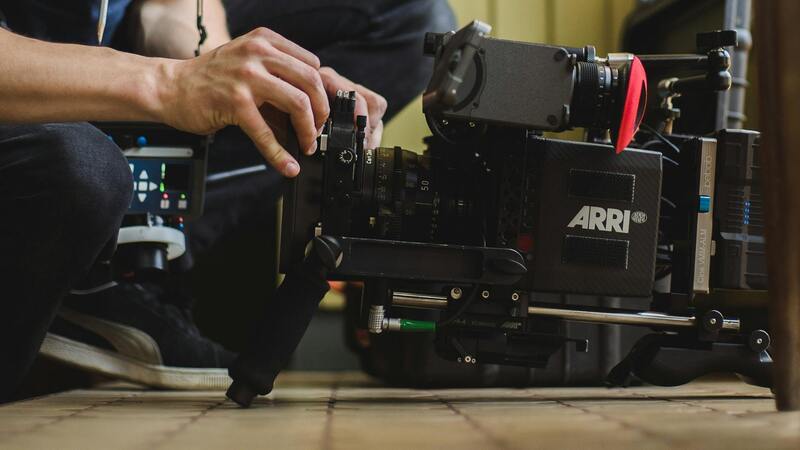
Lighting plays an instrumental role; proper use of natural light and supplementary lighting fixtures can dramatically improve image quality. Skilled photographers often schedule shoots during times when natural light enhances the property's best features, such as during the golden hour or when interior spaces are brightly illuminated. The correct aperture, shutter speed, and ISO settings further refine the fidelity of each shot, capturing the space’s true atmosphere and scale.
Post-processing techniques also play a vital part in highlighting key elements within the images. Adjustments for color balance, brightness, and contrast must be performed carefully to avoid misrepresentation, maintaining the authenticity of the space while ensuring the visuals stand out. Combining high-grade equipment with meticulous techniques results in compelling, accurate visuals that resonate with potential tenants, buyers, or investors.
Preparing Commercial Properties for Photo Shoots
Ensuring a property looks its absolute best before a photography session is essential for achieving high-impact images. Initial preparations involve decluttering and cleaning to create a tidy and inviting environment. Addressing minor repairs, such as fixing drywall blemishes, replacing outdated fixtures, or refreshing paintwork, enhances visual appeal without altering the property's fundamental features.
Staging interior spaces can significantly influence viewer perception. Strategically arranging furniture, adding tasteful decor, and optimizing the use of natural light help showcase the space’s potential, making rooms appear more spacious and functional. Outdoor areas should also be manicured, with landscaping trimmed, pathways clear, and outdoor furniture arranged neatly to evoke a sense of welcoming professionalism.
Furthermore, coordinating the timing of the shoot to avoid unfavorable weather conditions or during times of optimal natural lighting can maximize the visual quality. Ensuring all utilities, like lighting, heating, and cooling, are functioning properly aids in capturing the space under its best conditions. Finally, communicating with the photographer about your goals and focal points can facilitate a tailored approach, emphasizing the most attractive features of the property.
Choosing the Right Equipment and Techniques
Securing high-quality images for commercial properties necessitates the use of advanced equipment and refined techniques that highlight the property’s best features. Professional-grade cameras with high resolution are essential for capturing sharp images that can be scaled for various digital platforms without losing detail. Wide-angle lenses are particularly valuable, as they allow photographers to encompass more of a space within a single shot, creating a sense of openness and grandeur that appeals to prospective tenants or buyers.
Tripods are crucial for maintaining stability during shoots, especially in environments with less natural light, ensuring crisp and clear images. For interior photography, utilizing a tripod allows for longer exposure times, which can help in capturing space under optimal lighting conditions — both natural and artificial. Employing HDR (High Dynamic Range) techniques helps even out lighting disparities, ensuring that both bright and shadowed areas are well-exposed, offering an accurate representation of the property’s ambiance.
Strategic use of lighting, whether through natural light or supplemental fixtures, enhances the depth and mood of photographs. For exterior shots, drone photography can provide stunning aerial perspectives that showcase the property’s scale and surrounding landscape, giving potential clients a comprehensive view of the site. Shooting during the golden hour — shortly after sunrise or before sunset — brings subtle warmth and soft shadows to the images, elevating the property’s visual appeal.
Post-processing plays a vital role in finalizing commercial property images. Professional editing includes color correction, perspective adjustments, and retouching minor imperfections. Such enhancements ensure the images accurately reflect the property while maintaining a polished appearance suitable for marketing. Properly edited images not only attract more attention but also foster trust by presenting the property in an honest and appealing manner.
Incorporating virtual tours or 3D imaging can further augment static photographs, providing potential clients with interactive walkthroughs that highlight every nook and cranny in detail. These methods demand precise equipment and skilled technique but can significantly elevate the property's online presentation by offering an immersive experience that static images cannot provide.
Choosing the Right Equipment and Techniques
Securing high-quality commercial property pictures begins with selecting the appropriate equipment and employing effective photography techniques. Professional-grade cameras capable of capturing high-resolution images are essential to showcase all details sharply and clearly, avoiding the pixelation often seen in lower-quality photographs. Wide-angle lenses are particularly advantageous for interior shots, as they allow viewers to perceive the full scope of large spaces within a single frame, emphasizing openness and design features.
For exterior shots, the utilization of drone photography provides a compelling aerial perspective that highlights the property's footprint, landscaping, and surrounding infrastructure. Aerial imagery can also present the property's relation to nearby amenities and transportation links, crucial factors for prospective tenants or buyers.
Lighting plays a pivotal role in commercial property photography. Natural light, especially during the golden hour, enhances warmth and depth, creating inviting visuals. When natural light is insufficient or inconsistent, supplemental lighting fixtures such as softboxes or reflectors help to evenly illuminate interiors, minimize shadows, and bring out textural details.
To capture the property at its best, photographers often use tripod setups for stability, ensuring sharpness and precise composition. Bracketing exposures and merging them during post-processing can also control dynamic range, preserving details in both shadowed and brightly lit areas.
Post-production editing augments the raw images, focusing on color correction to ensure fidelity, perspective adjustments to straighten vertical lines and avoid distortion, and retouching minor imperfections that might distract viewers. This meticulous process results in polished images that accurately portray the property’s potential and aesthetic.
Legal and Ethical Aspects in Commercial Property Photography
When creating commercial property images for online listings and promotional materials, it is essential to adhere to established standards that respect property rights and privacy. Securing proper permissions from property owners or managers before scheduling a photo shoot is the first step to ensure transparency and avoid misunderstandings. Documentation of consent can serve as a valuable reference and reinforce professional integrity.
Respect for privacy extends beyond the property itself. When capturing shots that include neighboring buildings, public spaces, or other identifiable features, photographers must be mindful of respecting the privacy of individuals and adjacent property owners. Avoiding intrusive angles or disclosures helps maintain a respectful approach, fostering trust with clients and the public.
Another critical aspect involves accurately representing the property without misleading potential tenants or buyers. This includes avoiding the use of excessive digital enhancements that can distort the true appearance or condition of the property. Honest presentation through authentic images builds credibility and supports ethical marketing efforts.
Additionally, compliance with regional regulations concerning drone photography—such as restrictions on aerial shots in certain areas—is necessary. Ensuring that drone operators are licensed and that flights abide by local airspace guidelines helps mitigate risks and upholds standards of responsible photography.
Finally, clear attribution and transparency about the use of images—particularly when collaborating with third-party agencies or photographers—promotes professionalism and accountability. Maintaining comprehensive records regarding photo rights and usage rights supports ethical practices across all stages of the project.
Ensuring Proper Documentation and Consistent Branding
Maintaining proper documentation of property images is essential for a seamless marketing process. This includes keeping detailed records of image ownership, licensing agreements, and any edits or enhancements made to the photographs. Such meticulous documentation not only simplifies asset management but also reinforces the professionalism of the marketing efforts. Consistency in branding across all visual content enhances brand recognition, making the property more memorable to potential clients.
Strategic Use of Metadata and Image Rights Management
Utilizing metadata embedded within images helps organize and track commercial property pictures. Embedding relevant information such as copyright details, licensing status, and descriptive tags ensures that images are correctly attributed and used appropriately across different platforms. Implementing an efficient rights management system protects these assets from unauthorized use and supports negotiations with third-party vendors.
Adherence to Regional and Industry Standards
Familiarity with regional guidelines and industry best practices plays a crucial role in professional commercial property photography. This includes understanding specific requirements related to image resolution, aspect ratios, and file formats suitable for various online listings and print materials. Ensuring compliance with these standards guarantees that the images appear polished and meet the expectations of prospective tenants or investors.
Collaborating with Real Estate and Marketing Professionals
Effective collaboration between photographers and real estate marketing teams enhances the overall quality of commercial property pictures. Clear communication regarding target audiences, desired image styles, and strategic goals helps tailor the visual content to resonate with viewers. This alignment promotes consistency across all marketing channels, reinforcing the property's value proposition.
Utilizing High-Quality Editing and Post-Processing Techniques
Proper post-processing techniques can significantly elevate the visual impact of commercial property images. Adjustments related to lighting, color correction, and minor retouching should enhance the property's features without altering its true appearance. Employing professional editing standards ensures the images are sharp, vibrant, and compelling, attracting more interest from potential buyers or tenants.
Legal and Ethical Aspects in Commercial Property Photography
Adhering to established best practices in commercial property photography ensures that images serve their intended purpose effectively and uphold professional standards. This includes obtaining appropriate permissions when capturing images of private or restricted areas, ensuring that property owners and stakeholders are aware of how and where their images will be used.
Respecting privacy considerations is paramount, especially when photographing buildings in densely populated areas or properties with sensitive features. Photographers should avoid capturing images that inadvertently reveal confidential or proprietary information about tenants or business operations. This involves careful framing and choosing vantage points that highlight the property's strengths without infringing on privacy or security boundaries.
Furthermore, consistent use of accurate visual representations maintains transparency with prospective clients, preventing misconceptions about the property's condition or features. Accuracy in imagery fosters trust and aligns with the standard of honest representation, which is vital for successful marketing campaigns.
When editing commercial property images, maintaining fidelity to the actual conditions of the property is essential. Adjustments in lighting, color balance, or minor enhancements should not distort reality but aim to present the property at its best while preserving authenticity. Reserve extensive retouching for specific needs and ensure that the final images are truthful to the original scenes.
In addition, respecting intellectual property rights means avoiding unauthorized use of copyrighted elements, such as artwork or branding within the property that may appear in photographs. Properly managing image licenses when incorporating third-party features prevents disputes and supports ethical marketing practices.
Responsible commercial property photography also involves transparency regarding the use of post-processing techniques. Clearly communicating to clients or viewers that images have been adjusted helps uphold integrity and ensures that expectations are aligned with the visual content presented.
By following these principles, professionals can uphold the highest standards of conduct in commercial property photography, fostering long-term credibility and success in real estate marketing efforts.