Understanding the Importance of Commercial Property Photography
In the competitive landscape of commercial real estate, the impact of high-quality photography cannot be overstated. Professionally captured images serve as a powerful marketing tool, providing a visual gateway that influences prospective buyers, tenants, and investors. These images do more than showcase the property's physical attributes; they create a compelling narrative that emphasizes unique features, spatial layouts, and overall market value.
Strategic commercial property photography significantly enhances online listings and marketing campaigns. As an initial point of contact, visuals determine whether a property garners attention or is overlooked amidst a sea of listings. Well-composed, vibrant, and true-to-life images evoke trust and credibility, encouraging potential clients to pursue further engagement. Additionally, they establish a professional tone that aligns with the stature and purpose of the property, whether it’s a sleek office tower, a sprawling retail complex, or an industrial facility.
Effective visuals also facilitate quicker decision-making by providing comprehensive insights into the property's layout, interior design, and surrounding environment. For tenants and investors, such clarity reduces uncertainties and accelerates the transaction process. Moreover, in an era where digital presence is paramount, the quality of commercial property images directly correlates with online visibility, search engine rankings, and the overall perception of the property’s desirability.
In essence, investing in expert commercial property photography translates to tangible benefits that boost marketing reach, project professionalism, and ultimately, drive successful leasing or sale outcomes. The relationship between high-caliber imagery and real estate success underscores the importance of engaging skilled photographers who understand the nuances of commercial spaces and market expectations.
Choosing the Right Equipment and Techniques
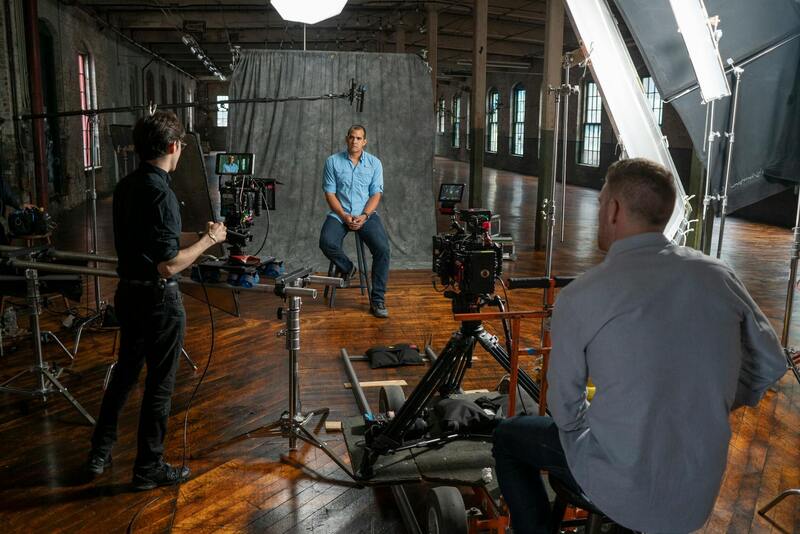
Achieving high-quality commercial property photography begins with selecting the appropriate equipment and applying effective techniques. Professional photographers typically utilize digital single-lens reflex (DSLR) or mirrorless cameras equipped with wide-angle lenses. These lenses are essential for capturing expansive interiors and exteriors, providing viewers with a comprehensive perspective of the space. Tripods are also integral to stabilize shots, especially in low-light conditions or when capturing architectural details that require long exposure times.
High dynamic range (HDR) imaging is a favored technique among seasoned commercial photographers. HDR involves taking multiple shots at different exposures and merging them to produce images that accurately represent the full range of light within a scene. This approach ensures that both shadowed areas and brightly lit spaces are visible, delivering balanced and vivid images that enhance the property's visual appeal.
In addition to equipment, the application of professional lighting techniques can significantly impact image quality. During the shoot, natural light is leveraged whenever possible, supplemented by external lighting sources to eliminate shadows and highlight key features. Proper lighting accentuates textures, materials, and architectural details, making spaces appear more inviting and functional.
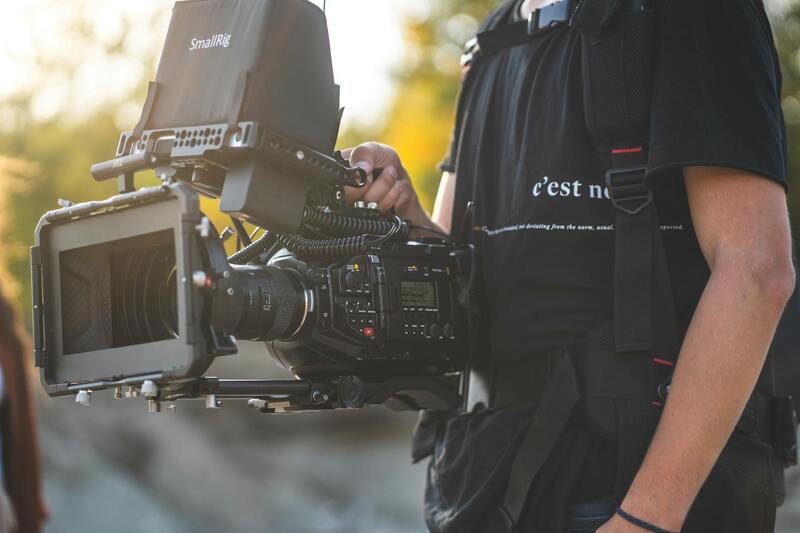
Post-capture, the use of sophisticated editing software ensures images are optimized without misrepresenting the property's true appearance. Color correction, perspective adjustments, and lens distortion correction are routinely employed to produce polished, professional visuals that accurately portray the property.
Ultimately, the choice of equipment and techniques is foundational to producing images that are not only aesthetically appealing but also truthful representations of the commercial space. Skilled photographers tailor their approach to highlight the most compelling aspects of each property, ensuring that visuals resonate effectively with prospective tenants or buyers.
Best Practices for Capturing and Enhancing Commercial Property Images
Maximizing the visual impact of commercial property photography requires meticulous planning and execution. Photographers should start by thoroughly scouting the location beforehand to identify optimal angles and lighting conditions. This preparation involves checking natural light patterns throughout the day, noting the positions of windows, entrances, and significant architectural features. A comprehensive plan for the shoot ensures efficient use of time and resources, enabling the photographer to capture each space at its best.
During the shoot, adopting the right technical strategies is critical. Utilizing high-resolution digital cameras equipped with full-frame sensors allows for capturing detailed images with excellent clarity. Wide-angle lenses, typically ranging from 14mm to 24mm, help encompass expansive interiors and exteriors, creating a sense of space that appeals to prospective clients. Careful camera settings, such as optimal aperture and ISO, contribute to sharp images with accurate color reproduction.
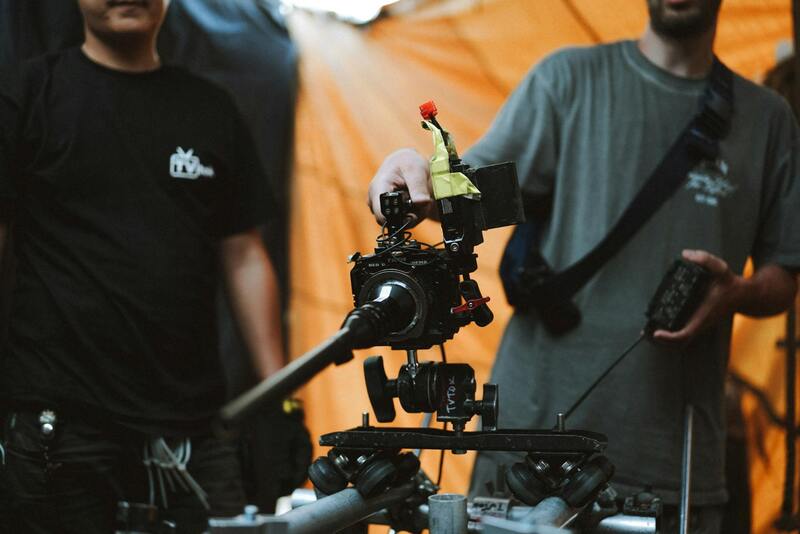
Employing techniques like bracketing for HDR imaging is vital to accurately reflect lighting contrasts within a space. This method involves taking multiple shots at different exposures and merging them during post-processing, resulting in balanced images that highlight both shadowed and illuminated areas. Additionally, tripod use stabilizes the camera, ensuring sharpness and consistency across shots, particularly in low-light environments or when focusing on intricate architectural details.
Lighting plays a pivotal role in creating professional-quality images. When natural light suffices, scheduling shoots during daylight hours optimizes the visual appeal. External lighting fixtures, such as softboxes or LED panels, can be strategically positioned to eliminate shadows and accentuate textures. Highlighting architectural elements like moldings, cabinetry, and materials adds depth and richness to images, making spaces appear more inviting and functional.
Whichever equipment and techniques are employed, the goal remains consistent: capturing images that are both visually striking and true to the property's character. Post-shoot, these images undergo meticulous editing using advanced software. Adjustments to color balance, contrast, and perspective help refine each shot without misrepresenting the space. Correcting lens distortion, especially in wide-angle captures, ensures architectural accuracy and visual harmony.
The importance of this detailed approach extends beyond aesthetics—it directly influences how potential tenants or buyers perceive the property. High-quality images foster trust and confidence, demonstrating professionalism and attention to detail. By implementing these best practices, photographers can produce compelling visual narratives that elevate marketing efforts and drive successful property transactions.
Utilizing Legitimate Methods for Commercial Property Photography
To ensure the production of high-quality, authentic images that accurately represent commercial spaces, professionals must adhere strictly to recognized practices within the industry. Such methods include employing advanced camera gear, controlled lighting setups, and carefully curated staging techniques. Use of professional-grade cameras equipped with high-resolution sensors guarantees sharp, detailed images capable of capturing the full grandeur and intricacy of commercial architecture and interiors.
Lighting remains a cornerstone of professional commercial property photography. Natural light should be prioritized, with shoots scheduled during optimal times of day to maximize ambient brightness. When supplementary illumination is necessary, employing softboxes, LED panels, and reflectors ensures even, shadow-free lighting, highlighting architectural features and textures. Properly balanced lighting not only enhances visual appeal but also ensures consistency across the photographic series.
Image stabilization tools and tripod mounts are essential for capturing steady, distortion-free shots. This prevents blurring and maintains perspective accuracy, especially when illustrating expansive or complex environments. To further uphold image integrity, photographers should avoid unnecessary digital manipulation that could mislead viewers about the property's true dimensions and features.
Step-by-Step Approach to Professional Commercial Property Photography
- Preparation and Site Inspection: Before the shoot, conducting a thorough walkthrough allows the photographer to assess lighting conditions, identify potential obstacles, and determine the best angles and focal points. Making arrangements with the property owner or manager ensures optimal access and minimizes disruptions.
- Equipment Setup: Selecting appropriate lenses—such as wide-angle lenses for spacious interiors and tilt-shift lenses for architectural precision—contributes to high-quality visuals. Using calibrated color profiles and shooting in RAW format captures maximum detail for subsequent editing.
- Capturing Authentic Images: During the shoot, adhering to professional standards and employing legitimate techniques, like HDR (High Dynamic Range) imaging for complex lighting conditions, guarantees comprehensive representation of the space.
- Post-Shoot Review and Backup: Reviewing images on-site allows for immediate retakes if necessary, conserving time and resources. Backing up files securely ensures data integrity for later editing and distribution.
In the realm of commercial property marketing, employing proper, officially sanctioned methods in photography not only elevates the visual presentation but also reinforces the professional image of the property owner or brokerage. Consistently applying these practices guarantees consistency, legality, and trustworthiness in all marketing channels, ultimately supporting successful transactions and sustained credibility.
Legal and Ethical Considerations in Commercial Photography
When engaging in commercial property photography, adherence to established practices and standards is essential to maintain professional integrity and trust. Official photography methods require thorough planning, proper execution, and appropriate post-production procedures that respect the property's rights and the context in which images are used.
Utilizing legally sanctioned techniques involves obtaining explicit permission from property owners or authorized representatives prior to conducting any shoot. This ensures clarity regarding image usage rights and prevents misunderstandings or disputes related to image rights. Clearly documenting agreements and adhering to those terms is fundamental for transparent collaborations.
It is vital to avoid the use of invasive methods or unconventional means that could compromise the property’s condition or breach privacy expectations. Respecting the boundaries of the property, refraining from unauthorized access, and capturing images within the permitted areas uphold ethical standards and foster positive professional relationships.
Furthermore, images should be captured and edited in a manner that accurately reflects the property's condition and features. Misleading representations, whether through excessive retouching or selective framing, can undermine credibility and harm the reputation of the photographer and associated agencies. Honest, detailed images help ensure clients receive a truthful presentation that aligns with their marketing objectives.
Another critical aspect involves respecting intellectual property rights, including avoiding the unauthorized use of copyrighted materials such as artwork, signage, or branding visible within the property. Proper attribution when necessary and obtaining permissions for copyrighted elements maintain ethical compliance and protect all parties involved.
In sum, integrating official and ethically sound methods into commercial property photography not only complies with industry norms but also enhances market reputation and client confidence. These practices support the creation of authentic, reliable visuals that accurately represent the property, further enabling effective marketing and successful transactions.
Legal and Ethical Considerations in Commercial Photography
When engaging in commercial property photography, it is essential to adhere to established standards that maintain client trust and uphold industry integrity. This involves respecting privacy boundaries, securing necessary permissions, and accurately representing the property without embellishment. Photographers must ensure that images do not infringe upon the rights of others or portray the property in a misleading manner.
Practicing responsible photography includes obtaining explicit consent from property owners or stakeholders before the shoot. This not only facilitates access but also aligns with professional protocols designed to foster transparent business relationships. Additionally, photographers should be aware of strata or association guidelines that might restrict certain types of photography, especially in multi-tenant buildings or shared spaces.
Another critical aspect is safeguarding intellectual property. Photographers should avoid capturing copyrighted materials such as artwork, signage, or branded elements without appropriate permissions. When these elements are essential to the property’s presentation, it’s important to secure consent or provide proper attribution. This helps prevent potential disputes and demonstrates a commitment to ethical standards.
Adhering to these principles enhances the credibility of the photographer in the industry and reassures clients that their properties are represented accurately and respectfully. Maintaining integrity in photographic practices contributes not only to the reputation of individual professionals but also elevates the standards across the commercial real estate marketing landscape.
In practice, this means thoroughly reviewing legal requirements, obtaining necessary permissions, and carefully editing images to avoid misrepresentation. Implementing these ethical guidelines helps build a foundation of trust among clients, tenants, and the broader market, leading to more effective marketing efforts and successful property transactions.
Legal and Ethical Considerations in Commercial Photography
Executing commercial property photography with integrity involves a disciplined adherence to established procedures that respect both property rights and individual privacy. Photographers should always secure explicit permissions from property owners or authorized representatives before conducting shoots, ensuring that all stakeholders are aware of the scope and intent of the photography session. This proactive approach minimizes potential conflicts and fosters transparent communication, which is fundamental in professional settings.
Respect for privacy extends to capturing the interior and exterior spaces without infringing on tenants' personal rights or sensitive areas. When photographing multi-tenant or shared properties, photographers must be cautious to avoid capturing recognizable individuals or proprietary information without consent. This involves pre-visualizing shots and, where necessary, framing images to exclude private zones or sensitive signage.
Adherence to copyright laws is equally crucial. Commercial property images often feature artworks, signage, branded elements, and architectural details that may be protected under intellectual property rights. Photographers should seek permissions when such elements form a significant part of the property's visual narrative. When permissions are not feasible, creative framing and post-production editing can help to omit or de-emphasize copyrighted features, thus avoiding unintentional infringement.
Maintaining ethical standards also involves transparency in the usage rights of photographs. Clearly stipulating how images will be used, whether for marketing, online listings, or other promotional efforts, helps prevent misunderstandings. By establishing and communicating these boundaries, photographers reinforce professional trust and uphold the reputation of their practice.
Maintaining Industry Standards and Best Practices
- Obtain written permissions: Always secure documented consent from property owners and relevant stakeholders prior to shooting.
- Respect privacy: Avoid capturing or sharing images that reveal private, sensitive, or personally identifiable information.
- Understand copyright: Be aware of protected elements within the property that may require specific permissions or licensing.
- Disclose image rights: Clearly communicate licensing agreements, usage limitations, and attribution requirements to clients and third parties.
- Conduct thorough reviews: Before publishing, review images to ensure no private or copyrighted content has been unintentionally included.
Following these practices not only safeguards against legal complications but also aligns with the broader ethical standards vital to professionalism in commercial property photography. Carefully navigating permissions, respecting property and individual rights, and responsibly managing image rights form the backbone of credible and ethically sound photographic services in the real estate sector.
Legal and Ethical Responsibilities in Commercial Property Photography
Commercial property photographers operate within a framework that emphasizes integrity and respect for all parties involved. A fundamental aspect of this professional conduct is obtaining explicit permission from property owners and stakeholders before conducting any photographic session. This process involves securing formal documentation that authorizes the photographer to access the property and to capture images that may later be used for marketing, listings, or other promotional purposes. Such permissions are essential in establishing clear boundaries and ensuring that all parties have a mutual understanding of the intended use of photographs.
Respecting privacy rights is another critical component of ethical practice. Photographers should exercise caution to avoid capturing private or sensitive areas that are not meant for public viewing. This diligent approach helps prevent the exposure of personally identifiable information or private details that could compromise individual privacy. By doing so, professionals uphold the trust placed in them by property owners and tenants, fostering long-term collaborations.
Understanding the rights associated with copyrighted elements within a property is paramount. Certain architectural features, artwork, or bespoke interior designs may be protected under copyright laws, requiring specific permissions or licenses for use. Photographers should remain vigilant to identify such elements and communicate any licensing limitations transparently to clients to prevent infringement.
Clarity in licensing agreements and usage rights is essential. Photographers must explicitly outline how images will be used, whether for online listings, print advertisements, or social media promotion. This clarity helps avoid misunderstandings and ensures that all parties are aligned regarding the extent of image usage. Additionally, providing detailed attribution instructions when applicable reinforces the professionalism and ethical standards of the service provider.
Before publishing or sharing images, a thorough review process should be undertaken. This review aims to confirm that no private, sensitive, or copyrighted content has been inadvertently included. Such diligence not only protects the property’s reputation but also ensures compliance with all relevant standards of professional conduct.
Adhering to these established practices enhances the credibility of commercial property photographers and reinforces their commitment to ethical standards. By rigorously managing permissions, respecting individual and property rights, and clearly communicating licensing terms, photographers build a reputation based on trust and professionalism within the industry.