Understanding the Role of a Commercial Property Photographer
A commercial property photographer specializes in capturing high-quality images that accurately and attractively showcase real estate, commercial spaces, and properties. Their primary responsibility is to create visually compelling representations of spaces that emphasize their best features, appeal to potential tenants or buyers, and enhance marketing efforts for property listings. These professionals perform detailed shoots that highlight architectural design, spatial layout, lighting, and unique interior details, which are crucial in differentiating properties in a competitive market.
Within the realm of commercial real estate, the importance of professional photography cannot be overstated. Well-executed images can significantly influence the perception of a property, making it more enticing and accessible to prospective clients. For property owners and real estate agents seeking to maximize visibility and engagement, collaborating with a skilled commercial property photographer is an investment that can lead to faster sales and higher property values. Their work not only aids in online listings but also enhances print advertising, promotional materials, and virtual tours—ultimately shaping the digital narrative of a property’s value and appeal.
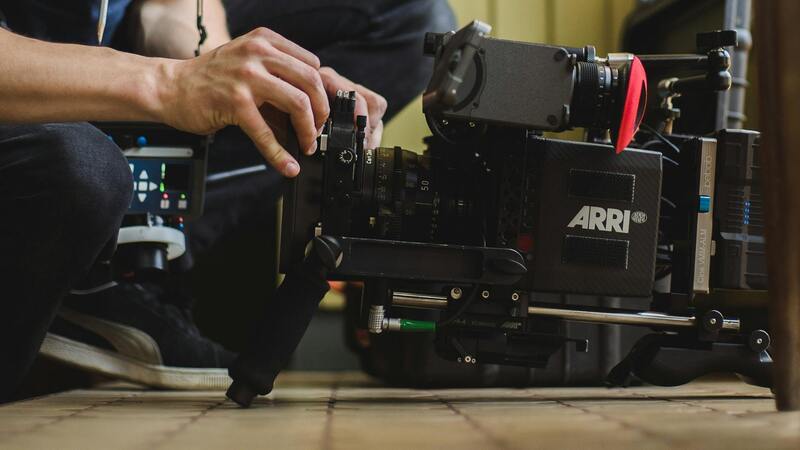
Understanding the responsibilities of a commercial property photographer involves more than just capturing images; it includes preparing the space for the shoot, coordinating with clients to highlight key features, and ensuring that each photograph aligns with the overall marketing strategy. They must adapt to various property types—from modern office complexes to retail spaces or industrial warehouses—while maintaining consistency and quality in every shot. The ultimate goal is to present each property in the best possible light, utilizing strategic angles, appropriate lighting, and post-processing enhancements to create an immersive visual experience for viewers.
In today’s digital-focused real estate landscape, where most property searches begin online, the role of a commercial property photographer becomes vital. Their work directly influences the first impression potential tenants, investors, and buyers have of a property. Detailed and professional imagery helps generate interest, facilitate faster transactions, and establish a property’s competitive edge within the Miami market or any other vibrant urban environment. Consequently, their expertise bridges the gap between physical spaces and online engagement, making them indispensable in the modern real estate ecosystem.
Key Skills and Techniques for Commercial Property Photography
Achieving compelling images of commercial properties requires a mastery of several technical skills and artistic techniques. First and foremost, lighting plays a critical role; professional photographers utilize a combination of natural daylight and artificial equipment such as strobes and softboxes to illuminate spaces evenly and eliminate unwanted shadows. Proper lighting ensures that interiors appear bright, welcoming, and true to life, which is essential for appealing property images.
Composition techniques are equally vital. The photographer must choose angles that highlight a space’s most attractive features while maintaining a sense of balance and proportion. Wide-angle lenses are commonly employed to capture the full scope of interior and exterior spaces, giving viewers a comprehensive perspective. Strategic framing also involves controlling lines and perspective to prevent distortion and misrepresentation of the property’s layout.
Post-processing enhances the raw images without altering their true appearance. Adjustments may include correcting exposure levels, enhancing colors, and straightening lines for a tidy presentation. Retouching can smooth out imperfections such as minor blemishes or distracting elements, creating a polished final product that resonates with viewers.
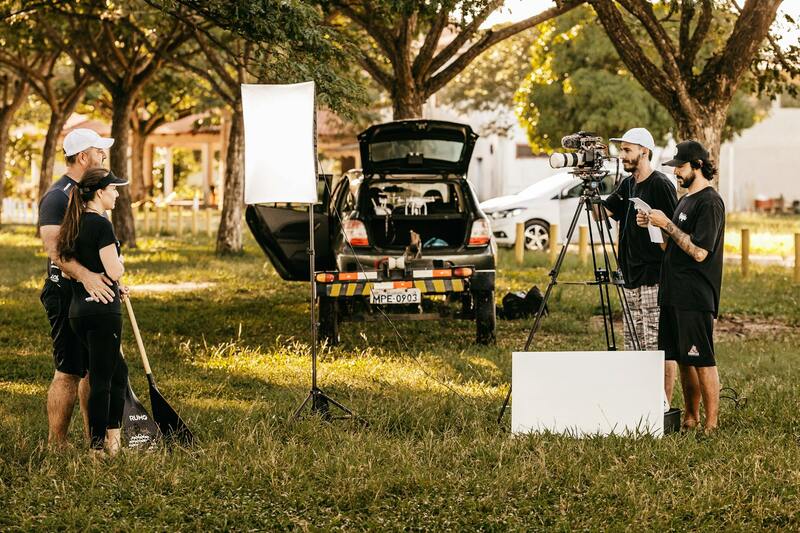
Understanding the nuances of both photography and real estate marketing enables professionals to produce images that not only look aesthetically pleasing but also serve strategic purposes. This includes emphasizing the property’s unique selling points and ensuring consistency across a series of shots, thereby supporting a cohesive marketing campaign.
Furthermore, recent advancements such as HDR (High Dynamic Range) imaging and drone photography have become integral to this field. HDR combines multiple exposures to bring out details in both shadows and highlights, especially in spaces with complex lighting. Drone shots provide stunning aerial views that highlight property size, location advantages, and surrounding amenities—valuable features that attract potential investors and tenants.
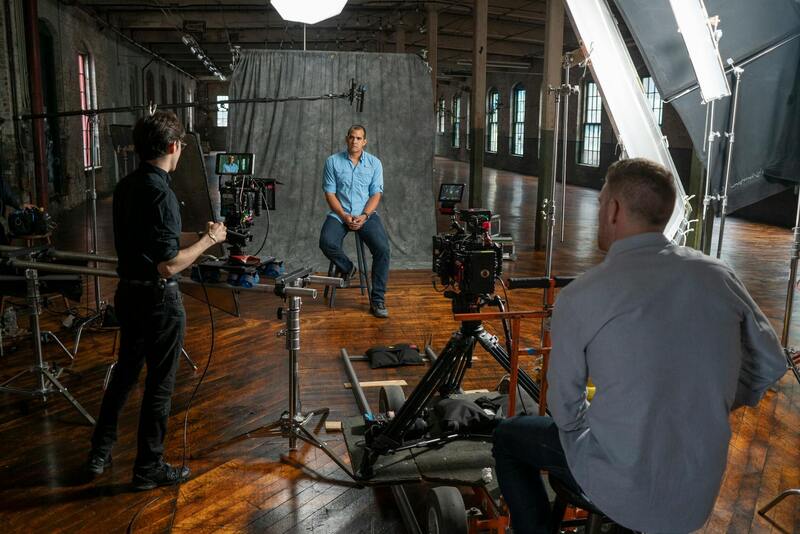
Ultimately, professional commercial property photographers must continuously refine these skills and stay updated on emerging techniques. Their ability to adapt visual strategies to meet the specific needs of the Miami real estate market and the particular property type—be it office buildings, retail centers, or warehouses—ensures that each project effectively supports the client’s marketing goals and attracts prospective buyers or tenants.
Legal and Contract Considerations
Successfully conducting commercial property photography in Miami involves establishing clear agreements that define the scope of work, deliverables, timelines, and payment terms. A comprehensive contract should specify the rights and usage of the images produced, ensuring that all parties are aligned on permitted applications and distribution channels.
It is essential to include clauses that address property access, scheduling, and any restrictions related to the premises. Securing necessary permissions beforehand can prevent delays and misunderstandings, maintaining a smooth workflow. Additionally, clauses related to copyright ownership, licensing rights, and image exclusivity help protect both the photographer’s and client’s interests.
In Miami’s competitive real estate landscape, proper contractual arrangements also serve as a foundation for establishing professional credibility. Transparent agreements not only foster trust but also facilitate repeat business and referrals within the network of local real estate professionals. Consistent adherence to contractual terms demonstrates professionalism, essential for building a reliable reputation in the commercial property photography arena.

Moreover, understanding the procedural requirements for permitting drone photography is vital in Miami. Certain aerial shots may require specific authorizations, especially when capturing properties in restricted airspace or sensitive areas. Staying informed about these regulations ensures compliance and avoids potential legal complications.
Keeping detailed records of all agreements, permissions, and correspondence adds an extra layer of professionalism. Having documented proof of client approvals and property access rights simplifies the project management process and provides clarity should disputes arise.
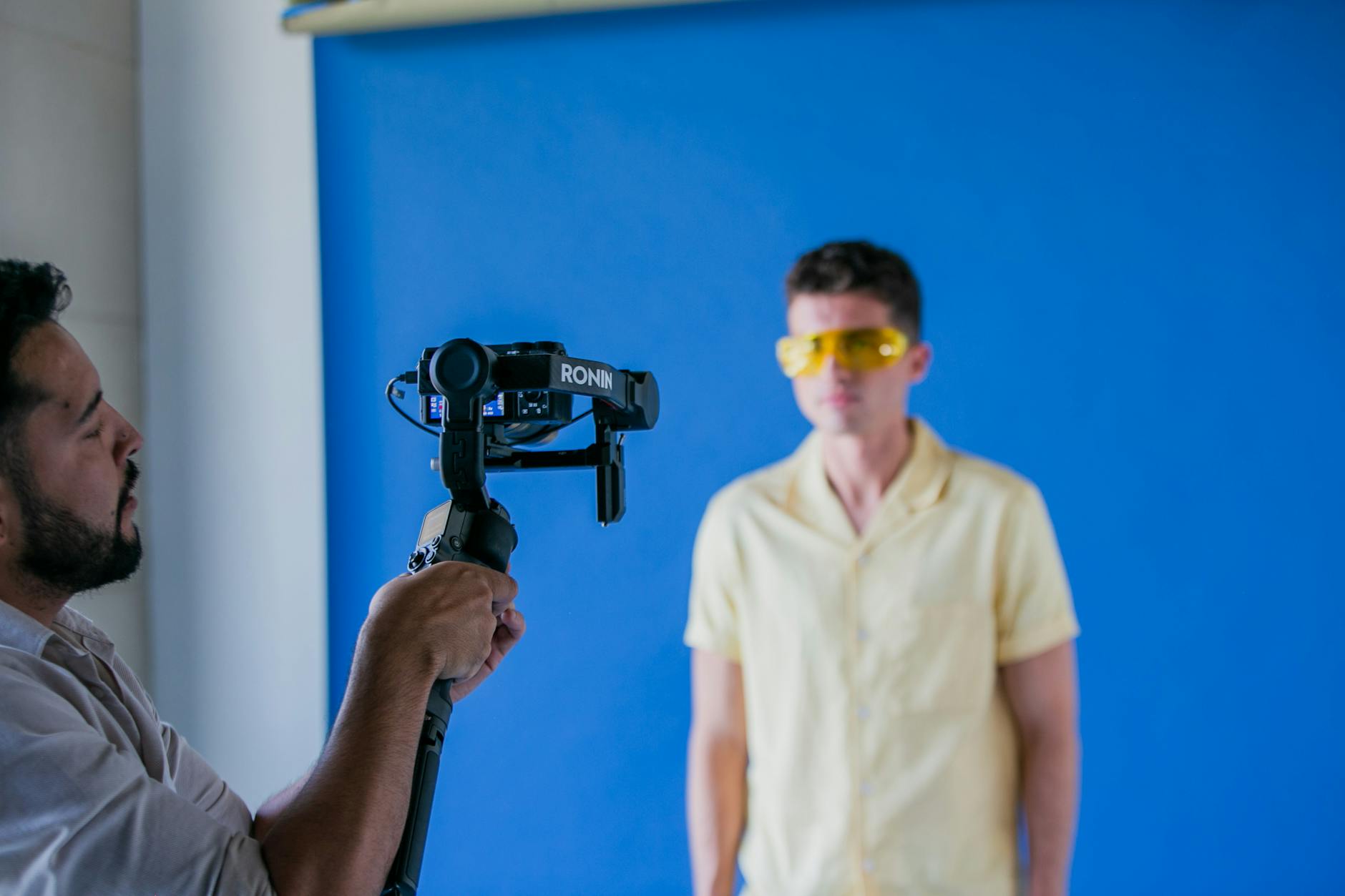
Professionals in Miami’s commercial real estate photography field recognize the importance of ongoing education regarding contractual best practices. Engaging with industry seminars, legal updates, and local regulations ensures that service offerings remain compliant and ethically sound. As the market evolves, maintaining a thorough understanding of contract management is instrumental in delivering high-quality, legally sound imagery that aligns with clients’ branding and marketing strategies.
Effective Methods for Securing Commercial Property Photography Opportunities in Miami
Capturing the attention of property owners, real estate developers, and agency professionals in Miami requires a strategic approach that emphasizes professionalism, industry knowledge, and a strong network. Building a reputation as a reliable commercial property photographer involves employing proven methods that establish trust and demonstrate expertise.
Developing a Targeted Outreach Strategy
Identifying key stakeholders within Miami’s vibrant real estate scene is fundamental. This includes reaching out to property management firms, commercial real estate brokers, and property developers who actively seek high-quality visual representations of their assets. Tailoring your marketing messages to highlight your specialization in commercial property photography, along with showcasing your portfolio, helps in establishing familiarity and credibility.
Incorporating direct contact methods, such as personalized emails, professional networking events, and face-to-face meetings, enhances engagement. Attending local real estate expos, industry seminars, and urban planning meetings provides opportunities to connect with influential decision-makers and showcase your services.
Leveraging Digital Presence and Online Portfolios
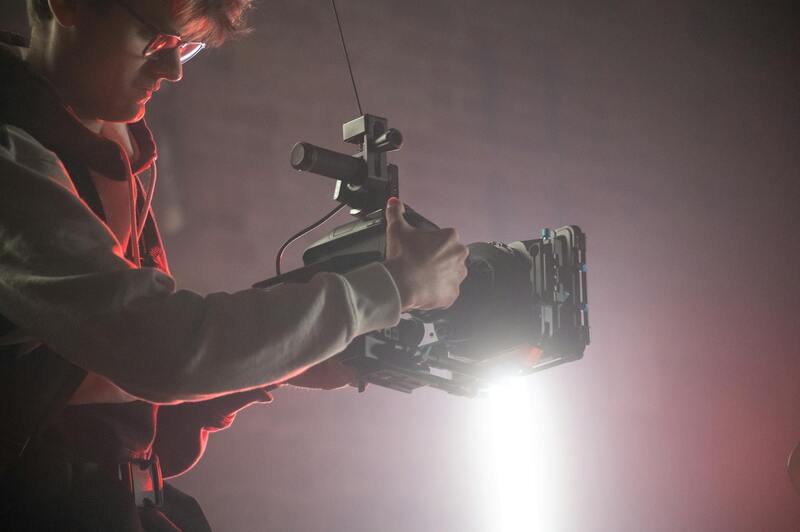
An optimized website dedicated to your commercial property photography services acts as a central hub for demonstrating your expertise. Including high-resolution images, detailed project descriptions, client testimonials, and service descriptions facilitates informed decision-making for prospective clients. SEO strategies such as relevant keywords and local MIami-focused content ensure your website ranks well in search results, increasing organic inquiries.
Additionally, maintaining profiles on reputable photography and real estate directories extends your reach. Participation in industry-specific online communities and forums enables networking with potential clients and collaborators.
Engaging with Local Real Estate and Commercial Development Agencies
Collaborating directly with Miami-based real estate agencies, property developers, and commercial leasing firms expands business opportunities. These organizations often require ongoing visual content for marketing, listing presentations, and promotional campaigns. Establishing partnerships through formal proposals, service agreements, and referral arrangements can lead to recurring engagements.
Offering specialized packages tailored to the needs of commercial clients—such as twilight shoots, drone imagery, or virtual tours—adds value to your services. Demonstrating adaptability and a clear understanding of market trends enhances your appeal as a go-to commercial property photographer.
Utilizing Testimonials and Referrals
Word-of-mouth remains a powerful method for expanding your client base. Satisfied clients can provide testimonials that bolster your credibility and attract new business. Encouraging referrals by delivering exceptional service and maintaining professional relationships ensures a steady inflow of new opportunities in Miami’s competitive market.
Participating in Local Industry Events and Seminars
Participating in events organized by local chambers of commerce, real estate associations, and industry groups enables direct interaction with potential clients. Presenting at seminars or workshops related to visual marketing strategies positions you as a subject matter expert and raises your profile within the Miami commercial real estate community.
Conclusion
Securing commercial property photography projects in Miami hinges on a multifaceted approach rooted in professionalism, targeted outreach, and strategic networking. By showcasing a compelling portfolio, leveraging digital platforms, and actively engaging with the local real estate scene, photographers can establish sustainable relationships that generate continuous opportunities in this dynamic market.
Legal and Contract Considerations
Establishing clear, comprehensive agreements with clients is a fundamental step in commercial property photography. These contracts should explicitly outline the scope of work, deliverables, timelines, usage rights, and payment terms. A well-designed contract protects both parties and ensures a mutual understanding of expectations, minimizing potential disputes. It is crucial to specify the permissible uses of the photographs, especially since commercial images are often used in marketing campaigns, brochures, and online listings, sometimes across multiple platforms.
When working with property owners, real estate firms, or developers, securing written permissions for photography is essential. This is particularly relevant in properties that may have restrictions due to privacy concerns or proprietary interests. Confirming access rights beforehand helps avoid delays or legal complications during the shoot.
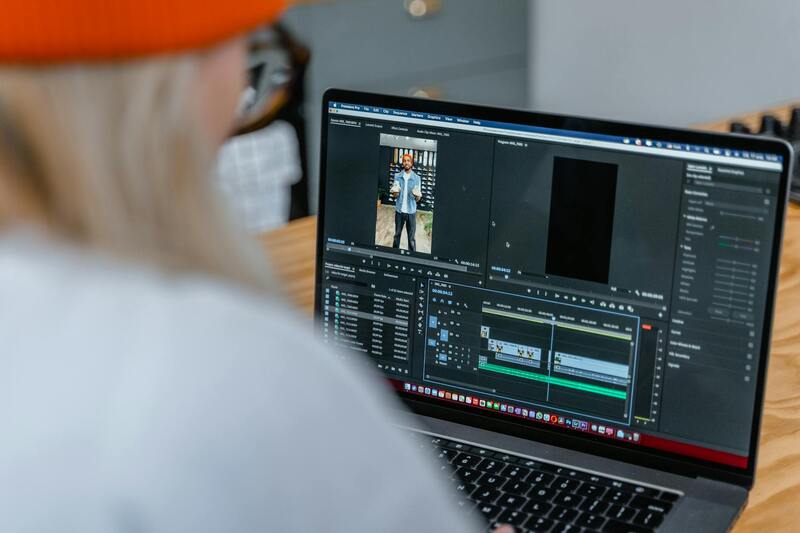
In addition, consider including clauses that address intellectual property rights, licensing, and the confidentiality of sensitive information. Many reputable commercial property photographers also carry appropriate liability insurance to protect against unforeseen incidents during shoots. This coverage should be documented and included as part of your contractual obligations.
Utilizing standardized templates based on best practices and tailoring them to each client’s specific needs can streamline the contractual process. Consulting with legal professionals familiar with commercial real estate transactions helps craft documents that uphold both your interests and those of your clients.
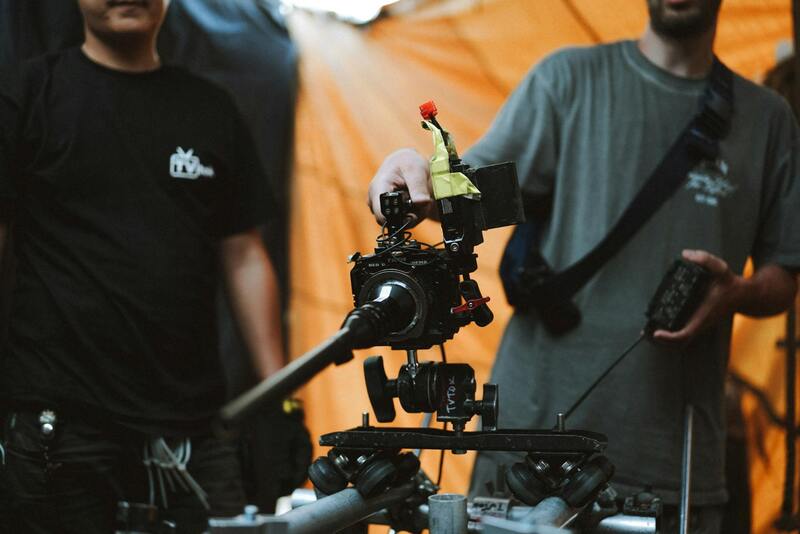
Maintaining detailed records of all communications, agreements, and permissions related to each project enhances professionalism and readiness for any future queries or disputes. This disciplined approach bolsters your reputation within Miami’s competitive market and provides a solid foundation for growing your commercial photography business.
Legal and Contract Considerations
When engaging in commercial property photography within Miami, it is crucial to establish clear legal frameworks to protect both the photographer and the client. This process begins with comprehensive licensing agreements that specify the scope of work, usage rights, and limitations. These agreements should detail how images will be utilized across various platforms, including print, digital, and social media, to prevent misunderstandings at a later stage.
Contracts also serve to outline project timelines, payment schedules, and responsibilities, ensuring that both parties have aligned expectations. Including clauses on intellectual property rights clarifies how the images will be owned and licensed post-shoot, which is particularly essential given the commercial value of property visuals.
Permits and permissions further contribute to a smooth workflow. Certain properties in Miami may require specific access permits, especially for aerial or drone photography. Securing these in advance ensures compliance with local regulations and prevents disruptions during the shoot. Additionally, obtaining permissions from property owners or managers can avoid potential disputes related to trespassing or unauthorized photography.

Incorporating these legal and permission considerations into your operational procedures demonstrates professionalism and diligence. Well-documented agreements and permissions not only safeguard your business but also build trust with clients and property stakeholders. It is advisable to consult with legal professionals experienced in Miami's real estate and commercial photography regulations to draft contracts that are both comprehensive and adaptable to specific project needs.
Maintaining meticulous records of all contracts, correspondence, and permissions related to each project enhances accountability. It enables swift resolution of potential issues and reinforces your reputation as a dependable commercial property photographer. With clear legal foundations, your business can confidently expand its client base and undertake diverse projects across Miami’s dynamic real estate landscape.
Legal and Contract Considerations
Securing proper legal agreements and permissions forms a cornerstone of successful commercial property photography in Miami. These procedures not only streamline the workflow but also reinforce your professionalism in an increasingly competitive market. Clear contracts outlining project scope, deliverables, timelines, and payment terms provide a structured framework that benefits both photographer and client, reducing misunderstandings or disputes.
For properties that require access authorization, obtaining formal permissions from property owners or managers is essential. This process involves verifying access rights, especially when capturing aerial shots or locations that may be restricted due to security or proprietary concerns. Collaborating with property stakeholders beforehand ensures compliance with Miami’s local regulations and helps maintain positive relationships with clients and property owners.
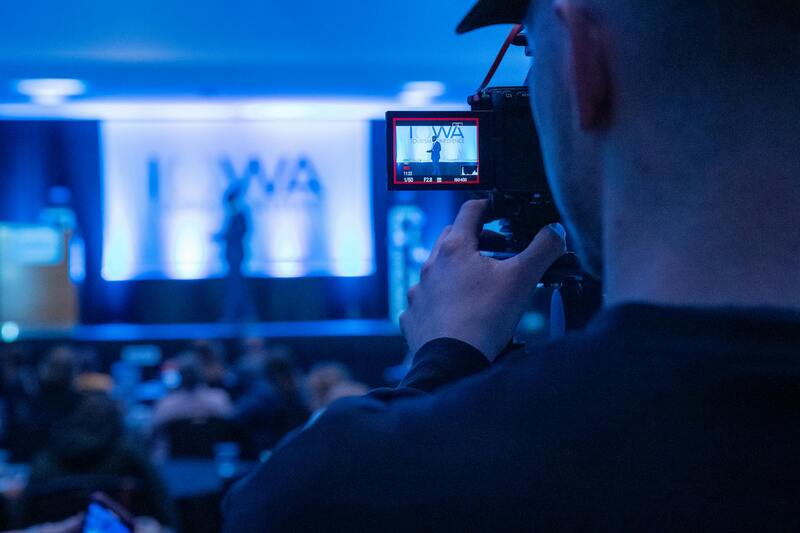
Particularly in urban environments like Miami, aerial photography using drones often necessitates obtaining specific airspace permissions or permits. Securing these in advance prevents potential downtime or legal complications during shooting days. Detailed documentation of all permissions, permits, and correspondence aids in accountability and potential audits, providing peace of mind for both your business and clients.
It is advisable to consult professionals experienced in Miami’s real estate and photography regulations when drafting contracts or seeking permits. Legal counsel can assist in creating adaptable agreements that encompass various project nuances. Maintaining a comprehensive record of all permissions, contracts, and related documentation ensures transparent communication and readiness should questions or issues arise later. This disciplined approach not only safeguards your reputation but also facilitates project scalability, enabling your business to grow confidently within the Miami market.
Ensuring Compliance with Local Regulations
Miami’s vibrant real estate sector is subject to specific zoning laws, privacy considerations, and aerial photography restrictions. Staying informed about these regulations through local authorities or industry associations helps avoid inadvertent violations. Regularly updating your knowledge base and calibrating your operation procedures accordingly ensures ongoing compliance and professionalism in all aspects of commercial property photography.
Furthermore, establishing clear contractual clauses regarding image rights, client confidentiality, and usage rights can prevent misunderstandings. Clarifying ownership of photographs and licensing terms upfront fosters transparency and reinforces trust with clients. It also provides clarity on how images may be used in advertising, marketing, or other commercial applications, safeguarding everyone's interests while supporting legal compliance.
Ultimately, integrating legal and permission considerations into your standard workflow enhances your credibility as a dedicated, compliant commercial property photographer in Miami. This approach creates a solid foundation for expanding your service offerings, building long-term client relationships, and confidently navigating the city's dynamic real estate landscape.
Maximizing Exposure and Client Satisfaction through Proper Commercial Property Photography Practices
To establish a reputable presence as a commercial property photographer in Miami, it is essential to adopt practices that maximize the exposure of each property while ensuring client satisfaction. This involves a strategic approach to image presentation, efficient workflows, and ongoing client communication.
Implementing Consistent Branding and Presentation
Consistent branding across all your images reinforces your professionalism and helps clients recognize your style. Develop a standardized editing protocol that enhances the property's best features without misrepresenting its condition. Use color correction, sharpness adjustments, and lighting enhancements judiciously to produce images that are visually appealing yet authentic. Creating a branding template for your watermarks, overlays, and captions ensures your portfolio maintains a cohesive look, which is crucial when showcasing your work to prospective clients.

Leveraging Digital Platforms and Marketing Strategies
In a competitive Miami real estate market, visibility is key. Take advantage of reputable online platforms geared toward commercial property clients, including industry-specific listing sites, social media channels, and your website. High-quality virtual tours, 360-degree panoramas, and interactive floor plans can significantly boost engagement. Invest in Search Engine Optimization (SEO) for your website, incorporating keywords relevant to Miami's commercial property market, such as "Miami commercial property photographer" or "Miami real estate photography services." Regular blog posts about trends, tips, and recent projects further position you as an industry expert and improve your search ranking.
Building Strong Client Relationships
Client satisfaction hinges on clarity, responsiveness, and delivering results that meet or exceed expectations. Establish clear communication channels from the outset, outlining project timelines, image delivery formats, and revision policies. Providing clients with a detailed shot list and pre-visit walkthrough ensures all parties are aligned on objectives. After completing a shoot, offer to review the images with clients and incorporate their feedback promptly. Building trust through professionalism and delivering consistent quality can lead to repeat business and valuable referrals within the Miami commercial real estate community.
Utilizing Feedback for Continuous Improvement
Encourage clients to provide constructive feedback on your work and customer service. Analyzing this input allows you to identify areas for improvement, whether it’s refining your shooting techniques, improving communication, or streamlining your workflow. Maintaining a feedback loop demonstrates your commitment to excellence and positions you as a dedicated professional invested in client satisfaction.
Staying Adaptable to Market Trends
The Miami commercial real estate landscape is continually evolving, driven by economic shifts, technological advancements, and changing client preferences. Stay informed about emerging marketing tools such as drone photography, virtual reality walkthroughs, and high-dynamic-range imaging. Adapting your services to incorporate these innovations can give you a competitive edge and attract higher-tier clients. Additionally, maintaining flexibility in scheduling and service packages allows you to tailor your offerings to diverse client needs, fostering long-term collaborations.
Final Thoughts on Proper Photography Practices
Achieving excellence in commercial property photography requires a blend of technical expertise, strategic marketing, and impeccable client service. By consistently applying best practices, leveraging cutting-edge tools, and nurturing client relationships, you establish a reputation as a trusted professional in Miami’s bustling real estate market. This disciplined approach not only elevates your portfolio but also paves the way for sustained growth within this highly competitive sector, ensuring your business remains a preferred choice for commercial property owners and agents alike.