Understanding the Importance of Quality Real Estate Photos
In the competitive Miami real estate market, the visual presentation of a property can significantly impact its sales trajectory. High-quality real estate photos serve as the first impression for potential buyers browsing online listings, making them a crucial element in attracting interest and driving engagement. When a property is showcased with crisp, well-lit images that highlight its best features, it stands out amidst countless listings, encouraging viewers to schedule viewings or request more information.
Effective photography can bridge the gap between an initial online inquiry and an in-person visit, effectively increasing foot traffic and accelerating the sales process. For real estate professionals and property owners, investing in professional-grade images translates to enhanced marketability, greater trustworthiness, and potentially higher selling prices. The visual appeal created through high-quality images taps into thebuyers’ emotions, helping them envision themselves living in the space and motivating prompt decisions.
In Miami, where vibrant neighborhoods and luxurious properties are common, capturing the true essence of a property requires a keen eye and technical expertise. Professional photographs can accurately showcase the aesthetic value, spaciousness, and unique architectural details of a property, leading to increased listing visibility and engagement. Moreover, these images facilitate a smoother sales process, reducing time on the market and helping sellers meet their goals more efficiently.
Ultimately, the quality of real estate photography influences not only initial interest but also the perceived value of the property. When images are compelling and professionally executed, they build credibility and trust with prospective buyers, making it easier to facilitate successful transactions. High-caliber visuals are an investment in making your property stand out in the bustling Miami market, ensuring it captures the attention it deserves from the right buyers.

Equipment and Tools for Real Estate Photography
Achieving high-quality real estate images heavily depends on selecting the right equipment and tools tailored for property shoots. The foundation begins with choosing a professional-grade DSLR or mirrorless camera capable of capturing detailed, high-resolution images. These cameras provide the flexibility to adjust settings such as aperture, shutter speed, and ISO, which are crucial for adapting to various lighting conditions inside different properties.
Wide-angle lenses are indispensable, allowing photographers to capture more of a room in a single shot. This lens type emphasizes space and layout, giving potential buyers a realistic sense of the property's size and flow. For properties with complex architectural features or challenging lighting, tilt-shift lenses can help correct distortion, ensuring straight lines and precise representation of the property’s structure.
Tripods are essential for maintaining stability during longer exposures, especially in low-light areas, which ensures sharp, blur-free images. Drones are increasingly utilized for capturing breathtaking aerial shots of larger properties, offering a comprehensive view that ground-level photographs cannot achieve. Additionally, specialized lighting equipment such as portable LED panels or flash systems can help illuminate dark rooms, balancing natural light and preventing shadows that obscure architectural details.
Calibration tools such as color checkers and gray cards are often used during shoots to maintain consistent color representation across images. This consistency is critical for presenting an accurate depiction of a property’s interior and exterior finishes, helping buyers visualize the space authentically. Using high-quality memory cards and external storage solutions guarantees quick data transfer, reducing downtime and risk of data loss.
Effective photo editing software also plays a significant role in refining images after the shoot. Programs with advanced features allow for meticulous adjustments to brightness, contrast, color balance, and perspective correction, elevating the overall presentation without exaggerating or misrepresenting the property. With the right combination of equipment and tools, real estate professionals can ensure that each image embodies the property’s best attributes, enticing prospective buyers and facilitating faster sales.
Advanced Shooting Techniques to Enhance Property Visuals
Consistent with the goal of capturing the essence and appeal of a property, employing advanced shooting techniques is crucial. One such method involves the strategic use of multiple exposures, which allows for a broader dynamic range within a single photograph. This technique proves especially beneficial in high-contrast lighting situations, such as capturing interiors with large windows or exterior shots at sunrise or sunset. By blending these exposures, real estate photographers can produce images that accurately reflect the visual richness of a space.
Another valuable approach is the use of HDR (High Dynamic Range) imaging. HDR involves taking several photographs at different exposure levels and merging them into a single, well-balanced image. This process ensures that both shadowed areas and bright highlights are properly exposed, providing a more realistic depiction of the property. HDR is particularly effective for interior shots where natural light may create uneven lighting conditions or for exterior shots where the sky and shadows require careful balancing.
For properties with complex layouts, employing panoramic photography techniques can create immersive visuals. Stitching multiple images seamlessly allows potential buyers to virtually tour a space, gaining a comprehensive sense of its dimensions and flow. This method is especially beneficial for large estates or open-concept living areas, offering a perspective that is closer to a real-life experience.
Furthermore, the use of tilt-shift lenses can help correct perspective distortions often seen in architectural photography. These lenses enable the photographer to maintain straight lines and proportions, ensuring that images accurately represent the structure's geometry. This precision enhances the professional appearance of property images and assists clients in visualizing the actual space without distortion.
Professional staging alongside these techniques further elevates the visual impact. Arranging furniture and decor to highlight each room’s functionality and natural flow, combined with proficiency in camera operation, ensures that images highlight the property's best features clearly and attractively.
Understanding the Importance of Quality Real Estate Photos
High-quality real estate photography is a crucial element in the marketing strategy of properties. It serves as the first visual impression that potential buyers or tenants encounter, and a compelling photograph can significantly influence their interest and decision-making process. Clear, well-composed images help showcase a property's best features, highlight its unique selling points, and evoke an emotional response that encourages further exploration of the listing.
The effectiveness of real estate photography lies in its ability to translate the physical space into a captivating visual experience. Photographs that are poorly lit, blurry, or inaccurately showcase the property's size and layout can deter potential clients from scheduling viewings or making offers. As a result, investing in professional-grade images is essential for standing out in competitive markets, especially in vibrant locations such as Miami where luxury and aesthetic appeal are highly valued.
Accurate portrayal of both interior and exterior aspects of a property helps establish transparency and builds trust with prospective buyers. When buyers view images that reliably represent the property, it shortens the decision-making process, minimizes misunderstandings, and accelerates sales timelines. Moreover, high-quality images adapt well across various digital platforms, from MLS listings to social media, ensuring consistency in branding and messaging.
Benefits of Utilizing Top-Tier Real Estate Photography
- Enhanced Visual Appeal: Professionally captured images attract more clicks and views, increasing the property’s exposure.
- Faster Market Turnaround: Listings with compelling images tend to sell more quickly than those with amateur photos.
- Higher Perceived Value: Superior photography can elevate the perceived value of the property, often justifying higher asking prices.
- Improved Online Engagement: Visually appealing images promote greater engagement across digital platforms, fostering more inquiries and viewings.
- Consistency and Branding: High-quality visuals contribute to a professional and trustworthy brand image for real estate agents and agencies.

In a competitive market, images are often the sole factor that draws attention amidst countless listings. Therefore, prioritizing quality in real estate photography is not just an aesthetic choice but a strategic investment that yields tangible benefits throughout the sales process.
Post-Processing and Editing Tips
Effective post-processing elevates real estate photographs from good to exceptional, ensuring each image accurately reflects the property’s best features. The primary focus should be on correcting lighting and color balance to achieve a natural, inviting appearance that resonates with viewers. Adjustments should enhance brightness and contrast without overexposing or underexposing the images, preserving the authenticity of the scene. Sharpness enhancement ensures details like cabinetry, textures, and architectural features are clear and appealing.
Perspective correction and straightening are essential, especially for images showing interior rooms or exterior facades. Slight adjustments to straighten lines and correct angles prevent distortions that could mislead potential buyers and maintain visual harmony. Clipping or cropping images to remove distractions improves composition and directs observers’ attention to key elements.
Color correction is also vital for presenting spaces in their most flattering light. Warm tones can create a cozy, inviting atmosphere, while neutral or cool tones might better showcase modern, minimalist decor. Consistency across all images underscores professionalism and helps craft a cohesive listing.
Advanced retouching techniques should be employed judiciously, such as removing minor imperfections or distractions like clutter, wires, or blemishes. These subtle edits can significantly enhance visual storytelling without compromising the accuracy of the property’s appearance. For high-end listings, HDR (High Dynamic Range) processing can be used to balance lighting in scenes with intense contrast, ensuring both shadowed and bright areas are visible and pleasing.
Final Quality Checks
Before publishing, images should undergo a final review to ensure they meet market standards and accurately represent the property. This includes checking for consistency in color, tone, and perspective across all photographs. Ensuring images are properly formatted and optimized for online platforms, without excessive compression that could reduce quality, is also crucial.
Understanding the Importance of Quality Real Estate Photos
Capturing high-quality images is essential for drawing potential buyers’ attention and accurately representing the property's features. When prospective clients browse online listings, visuals serve as the primary point of interest. Professional-quality photos not only highlight the property’s strengths but also convey a sense of trust and credibility in the listing. These images often determine whether a viewer will schedule a viewing or scroll past the listing. Clear, well-lit photographs evoke emotional responses, fostering a connection with the space and encouraging inquiries. Quality images can significantly accelerate the sales process by reducing the time a property spends on the market and increasing the likelihood of competitive offers. Well-crafted visuals signal professionalism and dedication, reassuring clients that their property is in capable hands.
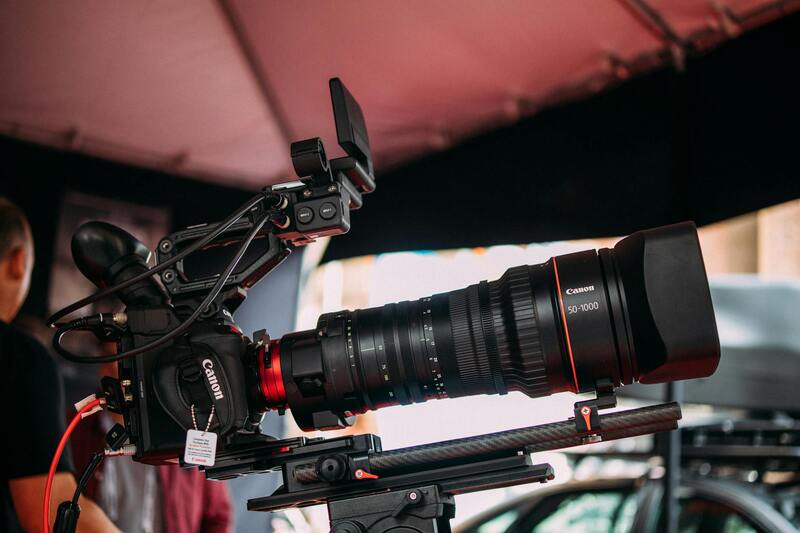
Additionally, high-quality imagery helps to establish a consistent visual narrative, which is vital for branding and marketing efforts. When images reflect a polished, cohesive look, they reinforce perceptions of quality, modernity, and desirability. For sellers, investing in top-tier real estate photography can translate into higher sale prices and faster transactions. Especially in competitive markets like Miami, where listings are abundant, superior visuals serve as a distinguishing factor that sets a property apart from others. By emphasizing clarity, composition, and proper lighting, professional photographers create compelling visuals that stimulate interest, foster trust, and ultimately, drive sales.
Key Elements of Effective Real Estate Photography
- Lighting: Natural light streams through windows to create warm, inviting atmospheres. Proper lighting minimizes shadows and highlights the property’s best features.
- Angles and Composition: Shooting from eye-level or slightly elevated positions ensures a balanced perspective. Wide-angle lenses capture more of a space, making rooms appear larger and more open.
- Clarity and Sharpness: High-resolution images highlight details and textures, enhancing realism and visual appeal.
- Staging and Cleanliness: Well-staged spaces with minimal clutter present the home in its best light. Clean, organized environments resonate with buyers.
- Color Balance: Accurate color representation ensures that the space appears natural and appealing. Proper white balance avoids color casts that distort the ambiance.
Equipment and Tools for Real Estate Photography
To achieve high-standard real estate images, professionals rely on specialized equipment and tools. A high-quality digital camera with manual settings offers precise control over exposure, focus, and depth of field. Wide-angle lenses, typically between 14mm and 24mm, enable photographers to capture expansive views of rooms without distortion. A sturdy tripod ensures stability during long exposures, especially in low-light environments, resulting in sharper images. Drones are increasingly utilized for external shots, providing aerial perspectives that showcase the property's surroundings and layout effectively. Additionally, advanced lighting equipment - such as diffusers, reflectors, and portable flashes - helps to balance interior lighting, eliminate harsh shadows, and create uniform illumination. Picture editing software like Adobe Lightroom or Photoshop remains essential for post-processing, allowing for color correction, minor retouching, and consistency across the gallery.

Investing in or having access to this professional-grade gear is fundamental for producing visually compelling images that meet the highest standards. These tools allow photographers to adapt to different spaces and lighting conditions, ensuring optimal results every time. For real estate agents and property owners seeking to maximize the impact of their listings, partnering with professionals equipped with the proper gear guarantees superior image quality, ultimately leading to increased interest and faster sales cycles.
Advanced Techniques for Enhancing Real Estate Photography
To truly elevate real estate images and capture the property's essence, it’s essential to utilize advanced photographic techniques that go beyond basic shooting skills. Mastering high-dynamic-range (HDR) imaging enables photographers to balance the interior and exterior lighting, ensuring details are visible both in shadows and highlights. This approach is particularly beneficial for properties with large windows or complex lighting conditions, producing balanced and visually appealing images.
One of the most effective methods for achieving standout real estate photos is meticulous composition. Using the rule of thirds, leading lines, and framing can draw viewers' eyes toward key features of the property. Properly aligned vertical lines are vital in real estate photography to avoid distortion, especially when using wide-angle lenses. Correcting perspective in post-processing enhances the sense of realism and professionalism in the images.
Employing staged shots with natural light accentuates the texture and color of interior spaces, making rooms appear warm and inviting. To optimize natural light, photographers often schedule shoots during the mid-morning or late afternoon when sunlight flooding through windows adds depth and warmth. Conversely, in interior settings with limited natural light, supplemental lighting — such as portable flashes or LED panels — become invaluable tools for maintaining consistent brightness and color fidelity.
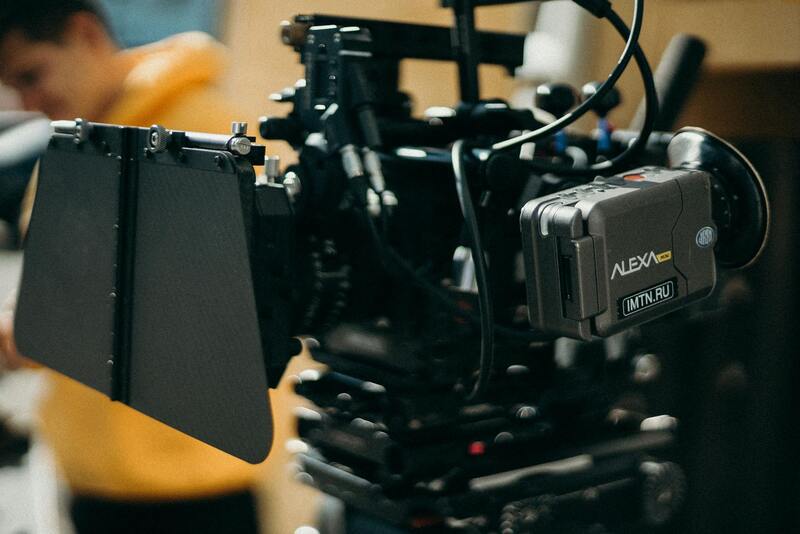
Implementing vertical and horizontal stacking techniques can also improve detail in wide shots, especially when capturing complex spaces that demand higher resolution or depth of field. By combining multiple exposures or focus points through focus stacking, photographers can produce images with superior sharpness throughout, highlighting the finest details of each room or feature.
Significance of External Shots and Aerial Photography
In addition to interior images, external and aerial shots play a vital role in comprehensive property presentations. External shots should highlight curb appeal, landscaping, and surrounding amenities, providing potential buyers with a sense of place. Aerial drone photography offers a unique vantage point that showcases property size, layout, and proximity to key attractions or infrastructure, greatly enhancing marketability.
When capturing external scenes, optimal weather conditions and time-of-day choices are crucial. Overcast days provide diffuse lighting that reduces harsh shadows, while the golden hour offers warm tones and dynamic skies that can make exteriors more striking. For aerial views, ensuring drone operators follow safety protocols and achieve stable flight paths maintains image quality and safety compliance.
Utilizing Software for Accurate Post-Processing
Post-processing is a critical stage where skilled editing can refine images significantly, making them more attractive and consistent across property listings. Color correction ensures that the photos accurately represent the space, while straightening lines and correcting perspective provide a professional appearance. Minor retouching, such as removing clutter or distracting elements, can make spaces appear pristine and inviting.
Advanced editing tools like Adobe Lightroom and Photoshop allow for precise adjustments in exposure, contrast, sharpness, and color balance. Additionally, stitching multiple images seamlessly creates expansive panoramas and virtual tours, offering prospective buyers an immersive experience. Ensuring consistency in editing style across all images helps create a cohesive portfolio that portrays the property in the best light while maintaining authenticity.
Maximizing the Impact of Professional Real Estate Photography in Listings
In today’s competitive real estate market, visually compelling property images are crucial for capturing potential buyers' attention and driving engagement. Utilizing high-quality photographs that accurately reflect the property’s best features can significantly influence purchasing decisions and reduce time on the market.
Effective integration of professional images into online listings requires a strategic approach that combines technical excellence with an understanding of how visual content impacts viewer behavior. Here are key methods to optimize property listings using exceptional real estate photography:
Implementing Image SEO Strategies
- File Naming: Use descriptive, keyword-rich file names that include relevant terms such as location, property type, and feature highlights (e.g., luxury-condo-miami-beach.jpg). This helps search engines understand the content and context of the images.
- Alt Text Optimization: Incorporate precise, keyword-appropriate alt tags for all images. Alt text not only enhances accessibility but also improves search engine recognition of your images, increasing visibility in image search results.
- Image Compression and Quality: Balance quality and loading speed by compressing images without sacrificing detail. Faster-loading pages improve user experience, reduce bounce rates, and positively influence search rankings.
- Structured Data Markup: When possible, include schema markup specific to real estate listings. This helps search engines understand property details like price, location, and features, complementing the visual content and providing richer search results.
Enhancing User Engagement through Visual Content
- Consistent Image Style: Maintain a uniform editing style across all property images to present a cohesive and professional appearance. Consistency reinforces brand identity and reassures viewers of your commitment to quality.
- Strategic Image Placement: Prioritize showcasing the most attractive and unique aspects of the property—such as panoramic views, modern kitchens, or spacious living areas—early in the listing to pique interest.
- Mobile Optimization: Ensure images are optimized for mobile devices, as a significant portion of property searches occur on smartphones. Responsive images that load quickly and display properly enhance user experience and facilitate easy sharing across platforms.
Utilizing Virtual Tours and Interactive Content
Interactive elements like virtual walkthroughs and 360-degree images elevate the online presence of a property. These tools allow potential buyers to explore the space in detail, increasing engagement and connection with the property even before scheduling a viewing.

Incorporating these optimization techniques ensures that high-quality real estate images not only attract viewers but also convert online visitors into motivated buyers. These methods, when executed professionally, enhance the property's visibility across search platforms and reinforce the property's appeal, ultimately facilitating faster sales and better market positioning.