Role of a Real Estate Photographer
Professional photography plays a pivotal role in the marketing strategy of any real estate listing. High-quality images serve as the first point of contact between a property and potential buyers, significantly impacting their perception and interest. In a competitive market like Miami, where vibrant properties and luxury homes abound, capturing the essence and appeal of a property through compelling visuals can make the difference between a quick sale and prolonged listing periods.
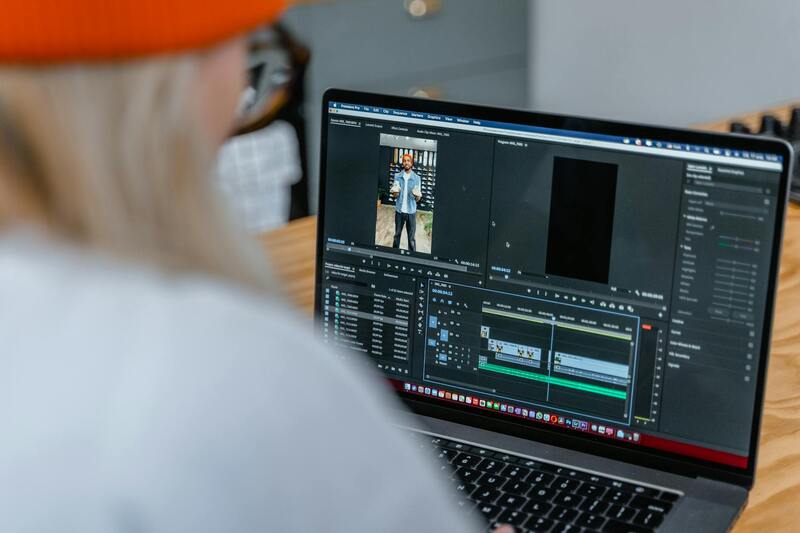
Quality photography not only enhances the visual appeal of a property but also boosts online engagement. Listings with professional photos tend to receive more views, inquiries, and offers. Buyers often start their property search online, forming opinions based on the images they see. Poorly lit, blurry, or amateur photographs can diminish a property’s perceived value and deter interest, whereas well-composed, bright, and detailed images can elevate a listing’s attractiveness.
The visual storytelling included in professional photography allows buyers to envision living in the space, an essential aspect of successfully marketing a property. This emotional connection fosters a faster decision-making process, reducing the time a property stays on the market. As a result, real estate agents and property owners recognize the importance of investing in top-tier photography services to maximize the property's potential.
Key Skills and Techniques
Professional real estate photographers possess a specialized set of skills that differentiate their work from amateur efforts. These skills include mastery of lighting, composition, and post-production editing. Proper lighting ensures that the interior and exterior of a property are seen in their best light, avoiding shadows or overexposure that can obscure details. Composition involves framing shots to highlight the property’s best features, creating a sense of space and flow that appeals to viewers.
Advanced techniques such as drone photography and 3D virtual tours are increasingly incorporated to provide comprehensive perspectives of the property. The use of wide-angle lenses allows for capturing expansive rooms or outdoor areas, giving potential buyers a better understanding of the space. Post-production editing enhances images further, correcting color balance and removing distractions, to produce a polished and inviting visual.
Equipment and Technology
The best real estate photographers utilize high-end equipment to deliver top-tier images. This includes professional DSLR or mirrorless cameras equipped with wide-angle lenses designed specifically for interior and exterior shots. Tripods and stabilizers ensure sharp, well-focused photos, especially in low-light conditions.
In addition, drone technology has revolutionized property showcasing. Aerial shots provide unique perspectives of large estates, commercial properties, or scenic outdoor areas, adding an extra layer of interest to listings. Advanced editing software ensures that colors are accurate, and images are enhanced for maximum appeal.
Factors in Choosing the Best Photographer
Selecting the ideal real estate photographer requires attention to several critical factors:
- Experience and Portfolio: Review their previous work to assess the quality and consistency of their images.
- Specialization: Ensure they focus on real estate photography to guarantee familiarity with industry standards.
- Technical Proficiency: Confirm their proficiency with professional equipment and editing tools.
- Client Testimonials: Look for feedback from past clients to gauge reliability and customer satisfaction.
- Service Offerings: Check if they provide additional services such as videography, drone shots, or virtual tours.
Benefits of Hiring Local Miami Photographers
Engaging local photographers in Miami offers distinct advantages. Familiarity with the unique features of Miami’s neighborhoods, cultural nuances, and lighting conditions allows photographers to tailor their approach effectively. They understand the best times of day for shooting outdoor scenes and the local aesthetics that appeal to buyers in the area.
Additionally, local photographers can provide quicker turnaround times and more personalized services, making the entire process more efficient. Their established knowledge of Miami real estate trends and buyer preferences enables them to capture visuals that resonate well within the market.
Pricing and Packages
Pricing structures for real estate photography services vary based on the scope of work, property size, and additional features. Typical packages may include a set number of interior and exterior images, aerial shots, or 360-degree tours. Many photographers offer tiered pricing to accommodate different needs, from basic photos for smaller properties to comprehensive multimedia packages for luxury estates.
Investing in professional photography is considered a cost-effective approach, as the enhanced visual presentation can lead to quicker sales at optimal prices. Clients should review packages carefully, ensuring that they receive high-quality images that align with their marketing goals.
How to Optimize Photos for Listings
Optimizing images involves more than just capturing high-quality photos. Proper editing, resizing, and metadata tagging ensure images look professional across platforms and load efficiently online. Brightening images, adjusting contrast, and removing imperfections help in portraying the property at its best.
Consistent styling and color correction across the entire photo set create a cohesive look that appeals to viewers. Additionally, incorporating a mix of wide shots, detail images, and lifestyle photos can help tell a compelling story about the property, attracting more potential buyers and increasing engagement.
Tips for Working with Real Estate Photographers
- Plan Ahead: Schedule shoots during optimal lighting conditions, usually early morning or late afternoon.
- Declutter and Stage: Ensure spaces are tidy and well-staged to maximize visual appeal.
- Communicate Your Goals: Share your expectations and highlight features you'd like to emphasize.
- Be Present During the Shoot: Provide guidance and answer questions to help achieve your vision.
- Review Images Promptly: Request a preview to ensure the photos meet your standards before final delivery.
Role of a Real Estate Photographer
Professional real estate photographers serve a pivotal role in the marketing strategy of property sales. Their expertise extends beyond mere image capture to encompass a comprehensive understanding of how to showcase a property’s strengths visually. They must have a keen eye for composition, lighting, and viewpoints that accentuate architectural features and interior detail, creating compelling imagery that resonates with potential buyers.
Effective real estate photography also involves strategic staging and preparation. Photographers often collaborate with real estate agents and property owners to ensure spaces are cleaned, decluttered, and appropriately staged before shooting. This preparation enhances the visual appeal and emotional connection prospective buyers can establish with the property.
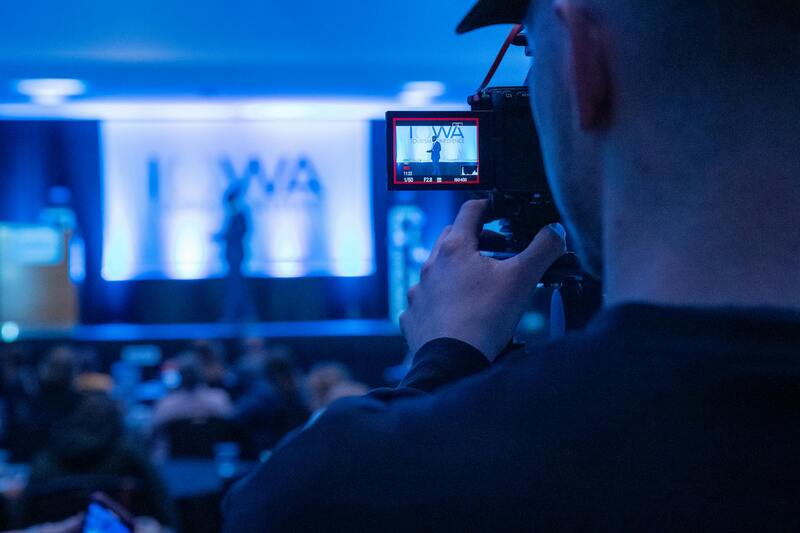
Additionally, real estate photographers employ advanced editing techniques to refine their images. Adjustments to brightness, contrast, and color enhance visual clarity and realism, aligning images with the actual appearance of the property. They use editing tools to remove imperfections and highlight key features, ensuring the photos are both attractive and truthful representations of the property.
The role extends into creating various types of shots—wide-angle views for space coverage, close-up details for unique features, and lifestyle images that evoke a sense of living in the space. Such variety helps in constructing a comprehensive visual narrative that appeals to diverse buyer preferences.
In the competitive real estate market, the role of a photographer is also to adapt visual content across multiple platforms. They optimize images for online listings, social media, and printed materials, ensuring consistency, quality, and effectiveness. Their work directly influences how quickly a property sells and at what price, making their skills a vital component of a successful sales strategy.

Ultimately, a professional real estate photographer acts as a crucial bridge between the property and potential buyers, translating physical features into captivating visual stories that drive engagement and sales success.
Equipment and Technology
Leading real estate photographers utilize a range of advanced tools to produce high-quality images that showcase properties effectively. High-resolution digital cameras with full-frame sensors are standard, enabling photographers to capture fine details and deliver sharp images even in challenging lighting conditions. Wide-angle lenses are essential, as they allow the photographer to capture expansive interior spaces and convey a true sense of room sizes, which is crucial in real estate marketing.
Tripods are another critical piece of equipment, providing stability for long exposure shots that enhance interior lighting without unwanted blur. Additionally, professional-grade drones are increasingly used to capture stunning aerial perspectives, offering potential buyers a comprehensive view of the property and its surroundings from above.
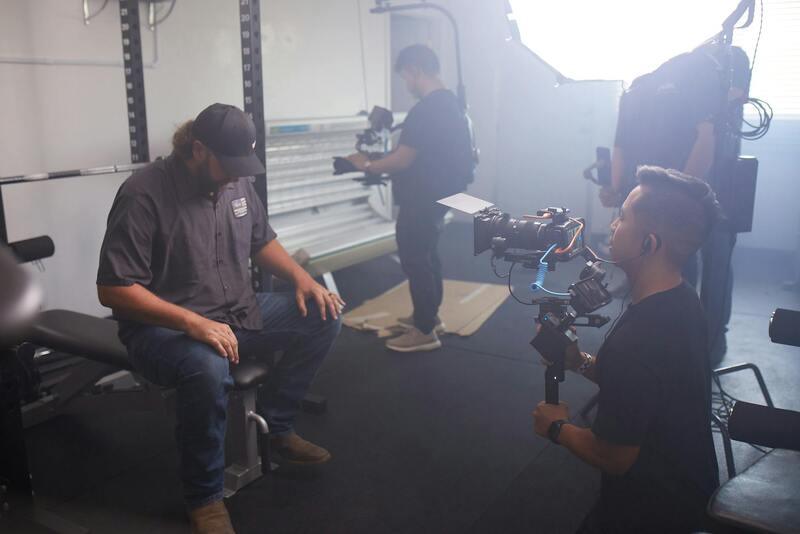
Lighting gear also plays a significant role. Portable flash units, reflectors, and diffusers help control natural and artificial light, ensuring evenly lit photos without harsh shadows or overexposed highlights. Post-processing software such as Adobe Lightroom and Photoshop is employed to fine-tune images, adjusting brightness, contrast, and color accuracy to match the real-life appearance of the property. This technical proficiency ensures that each photograph is optimized for online listings, print media, and social media platforms, thereby maximizing the appeal and reach of property advertisements.
Technological advancements like HDR (High Dynamic Range) imaging allow photographers to combine multiple exposures into one balanced, detailed photo. This technique is particularly effective in homes with difficult lighting, blending shadows and highlights seamlessly for a natural but vibrant look. The integration of 3D virtual tours and 360-degree photography further enhances listings, offering immersive experiences that engage prospective buyers directly from their devices.
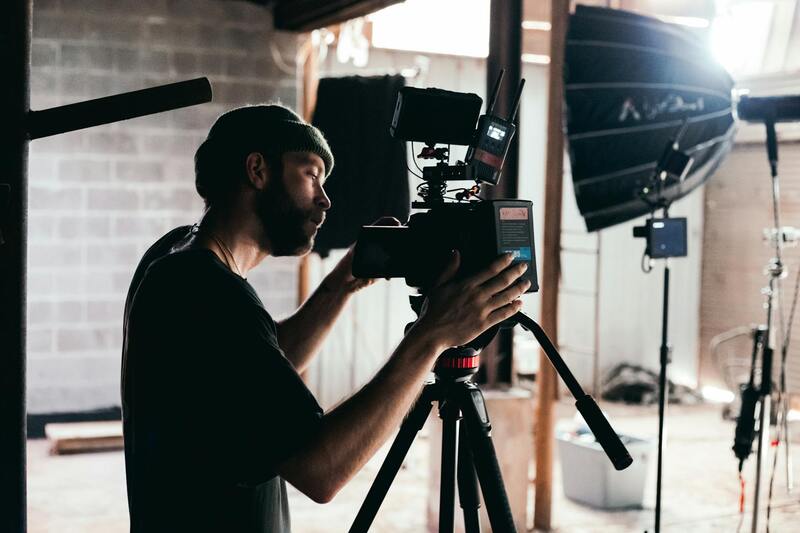
Overall, the combination of modern equipment and innovative techniques is fundamental in capturing compelling property images. They enable photographers to produce visually striking content that not only highlights the property's best features but also aligns with current market expectations for digital real estate marketing.
Role of a Real Estate Photographer
Real estate photographers serve as the visual storytellers for property listings, playing a crucial role in capturing the essence and appeal of a home or commercial space. Their primary goal is to create images that highlight the property's most attractive features while providing an accurate representation of the space. This involves a meticulous process of selecting the right angles, lighting, and composition that resonate with potential buyers.
A skilled photographer understands the nuances of space, lighting, and perspective, ensuring that each photograph not only showcases the property's best attributes but also evokes an emotional response that motivates viewers to learn more or schedule a viewing. Their expertise extends into understanding the buyers' psychology, applying strategies that enhance the property's perceived value and desirability.
In the competitive Miami real estate market, the quality of photographs significantly influences online engagement. High-impact images can increase listing views, attract serious inquiries, and ultimately lead to quicker sales. Photographers also adapt their approach depending on the type of property—whether luxury condos, beachfront homes, or commercial spaces—tailoring their techniques to suit the unique features of each listing.
Moreover, real estate photographers often work closely with agents and sellers to understand the property's selling points and the target audience. This collaborative effort ensures the visual content aligns with strategic marketing goals, whether emphasizing luxury finishes, open floor plans, or outdoor amenities. Overall, their role extends beyond mere picture-taking to being integral contributors to a property's marketing success.
Key Skills and Techniques
The top real estate photographers in Miami possess a diverse set of technical skills and creative techniques that allow them to capture stunning visuals tailored for real estate marketing. Their proficiency in composition ensures that each frame emphasizes the most attractive aspects of a property while maintaining a balanced perspective. Mastery of lighting is fundamental; professional photographers skillfully manipulate natural light and employ lighting equipment to eliminate shadows, reduce glare, and highlight interior details.
They utilize advanced photographic methods such as HDR (High Dynamic Range) imaging to balance exposure across challenging lighting conditions, blending multiple images to achieve vivid, detailed results. The use of tilt-shift lenses can correct perspective distortion, maintaining straight vertical lines in architectural shots and producing a polished, professional appearance.
In addition to traditional photography, many leading real estate photographers incorporate innovative technologies. Drones are employed to provide breathtaking aerial views that showcase the scale and surroundings of the property, adding a compelling dimension to listings. Virtual tour photography, including 360-degree captures, offers interactive experiences that help prospective buyers explore the space remotely.
Post-processing expertise is also vital. Skilled editors use software like Adobe Lightroom and Photoshop to fine-tune images, adjusting color balance, sharpness, and removing minor imperfections. This attention to detail ensures the images are both captivating and true to life, fostering trust with potential clients and maintaining a professional standard.
Equipment and Technology
The backbone of quality real estate photography lies in the right equipment and cutting-edge technology. Professional-grade DSLR or mirrorless cameras with high megapixel counts are essential for capturing sharp, high-resolution images that look great across all digital platforms. Wide-angle lenses are favored as they allow photographers to maximize interior space in a single shot, making rooms appear more spacious and inviting.
Lighting gear such as professional strobes, reflectors, and diffusers enable photographers to control and craft lighting environments, particularly in low-light conditions or interiors with uneven natural light. External flashes are often combined with ambient light to produce vibrant, well-lit scenes.
Tripods ensure stability for sharp images, especially during long exposures or in low-light environments. Advanced techniques such as HDR imaging require precise alignment, which stable mounting facilitates. For exterior shots, drones equipped with high-resolution cameras provide sweeping aerial perspectives that reveal the property's context, such as proximity to amenities or scenic surroundings.
The integration of software tools enhances post-capture editing, allowing photographers to adjust exposure, straighten horizons, and correct color tones for consistency and realism. This technological synergy results in compelling visuals that meet high standards of quality and professionalism.
Incorporating emerging tools such as 3D virtual tour cameras and 360-degree imaging devices further elevates the marketing potential, offering immersive experiences that capture the property's full essence for prospective buyers.

Role of a Real Estate Photographer
Professional real estate photographers are pivotal in the property marketing process, serving as the artistic bridge between real estate agents, property owners, and prospective buyers. Their core responsibility is to craft visually compelling images that showcase a property's features, space, and ambiance in the best light possible. This involves a thorough understanding of architectural elements, decor, and lighting conditions to highlight the property's strengths while minimizing any imperfections.
Beyond capturing images, these photographers often assist in staging the property visually through strategic composition and lighting. They understand how to manipulate angles, perspectives, and natural or artificial lighting to maximize visual appeal and create a sense of depth and dimension. Their work does not merely focus on aesthetic beauty—it's about creating an emotional connection with potential buyers, encouraging them to envision themselves living in the space.

Moreover, real estate photographers frequently collaborate with agents and marketing teams to develop comprehensive visual strategies that align with overall branding and sales goals. The importance of their role extends into the digital realm, where stunning visuals often determine whether a listing garners interest in crowded markets.
Key Skills and Techniques
Exceptional real estate photographers possess a blend of technical expertise and artistic sensibility. Key skills include proficiency with professional cameras and lighting equipment, an understanding of composition, and mastery of post-processing software. They are adept at exposure blending techniques such as HDR (High Dynamic Range) imaging, which combines multiple shots at different exposures to ensure well-lit interiors and exteriors with balanced brightness levels.
Utilizing wide-angle lenses is essential to capture expansive interior views, making rooms appear larger and more inviting. Photographers also employ natural lighting analysis to select optimal times for shooting, often supplementing with artificial lighting sources like strobes or reflectors to eliminate shadows and enhance clarity.
In addition, the strategic use of drone technology allows for striking aerial shots that reveal property layouts and neighborhood context, contributing to a comprehensive visual presentation. They must also possess strong editing skills, ensuring that colors are accurate, images are sharp, and distortions are corrected to produce polished, realistic visuals.
Equipment and Technology
The cutting-edge kit used by top real estate photographers includes high-resolution DSLR or mirrorless cameras with wide-angle lenses, often combined with tripods to stabilize long exposures. HDR imaging workflows rely on software like Lightroom or Photoshop forscape blending and fine-tuning images to perfection. External flashes, reflectors, and diffusers help control lighting conditions indoors, while drones equipped with high-quality cameras provide unique perspectives from above.
Emerging technologies such as 3D virtual tour cameras or 360-degree imaging devices enable immersive viewing experiences, giving potential buyers a detailed understanding of the property's layout and features remotely. These innovations significantly enhance marketing strategies, making properties stand out in competitive markets.
Investing in state-of-the-art equipment and keeping abreast of technological advancements allows real estate photographers to produce visually striking and engaging content that aligns with the high standards expected in today's real estate sector.
Role of a Real Estate Photographer
A real estate photographer plays a pivotal role in the marketing and sale process of residential and commercial properties. Their primary responsibility is to create compelling visual content that captures the true essence of a property, enticing prospective buyers or renters to explore further. These professionals understand how to highlight architectural features, spatial dimensions, and unique selling points through carefully composed images. Their work extends beyond mere photography; they employ an artistic eye combined with technical expertise to produce images that evoke an emotional response, compelling viewers to envision themselves living or working in the space.
In addition to capturing the property’s visual appeal, real estate photographers often provide a suite of services, including interior and exterior shots, twilight photography, drone footage, and 3D virtual tours. Their photographs serve as the first impression for online listings, brochures, and advertising campaigns, making their role instrumental in differentiating properties in a crowded market. High-quality visuals can significantly accelerate the selling process and often justify higher asking prices by presenting properties in the most favorable light.

Key Skills and Techniques
Successful real estate photographers combine technical proficiency with creative flair. They skillfully manipulate camera settings such as aperture, shutter speed, and ISO to produce sharp, well-lit images under varying lighting conditions. Mastery of wide-angle lenses allows for capturing spacious interiors and large exteriors in a single frame, conveying a sense of scale that appeals to viewers.
Beyond technical skills, a keen eye for composition is essential. Techniques such as the rule of thirds, leading lines, and balanced framing guide the viewer’s focus toward the property's most attractive features. Proper use of lighting—whether natural or supplemental—ensures rooms appear bright, inviting, and true to life. Post-processing workflows employing software like Lightroom or Photoshop refine images by adjusting colors, correcting distortions, and enhancing details, resulting in polished visuals that meet high market standards.
Equipment and Technology
The foundation of impactful real estate photography is high-quality equipment. Top photographers often operate with full-frame DSLR and mirrorless cameras featuring high-resolution sensors capable of capturing fine details. Wide-angle lenses—typically between 14mm and 24mm—are preferred for their ability to showcase large spaces and exterior facades without distortion.
Stabilization tools such as tripods are essential for long exposures and HDR imaging. Indoor shots benefit from external flashes, reflectors, and diffusers to control lighting conditions and avoid harsh shadows. Drones equipped with high-definition cameras add aerial perspectives, offering dynamic views of the property and surrounding neighborhood. Emerging technologies like 3D virtual tour cameras and 360-degree imaging devices enable immersive experiences, providing virtual walk-throughs that attract remote buyers and enhance online listings.
Factors in Choosing the Best Photographer
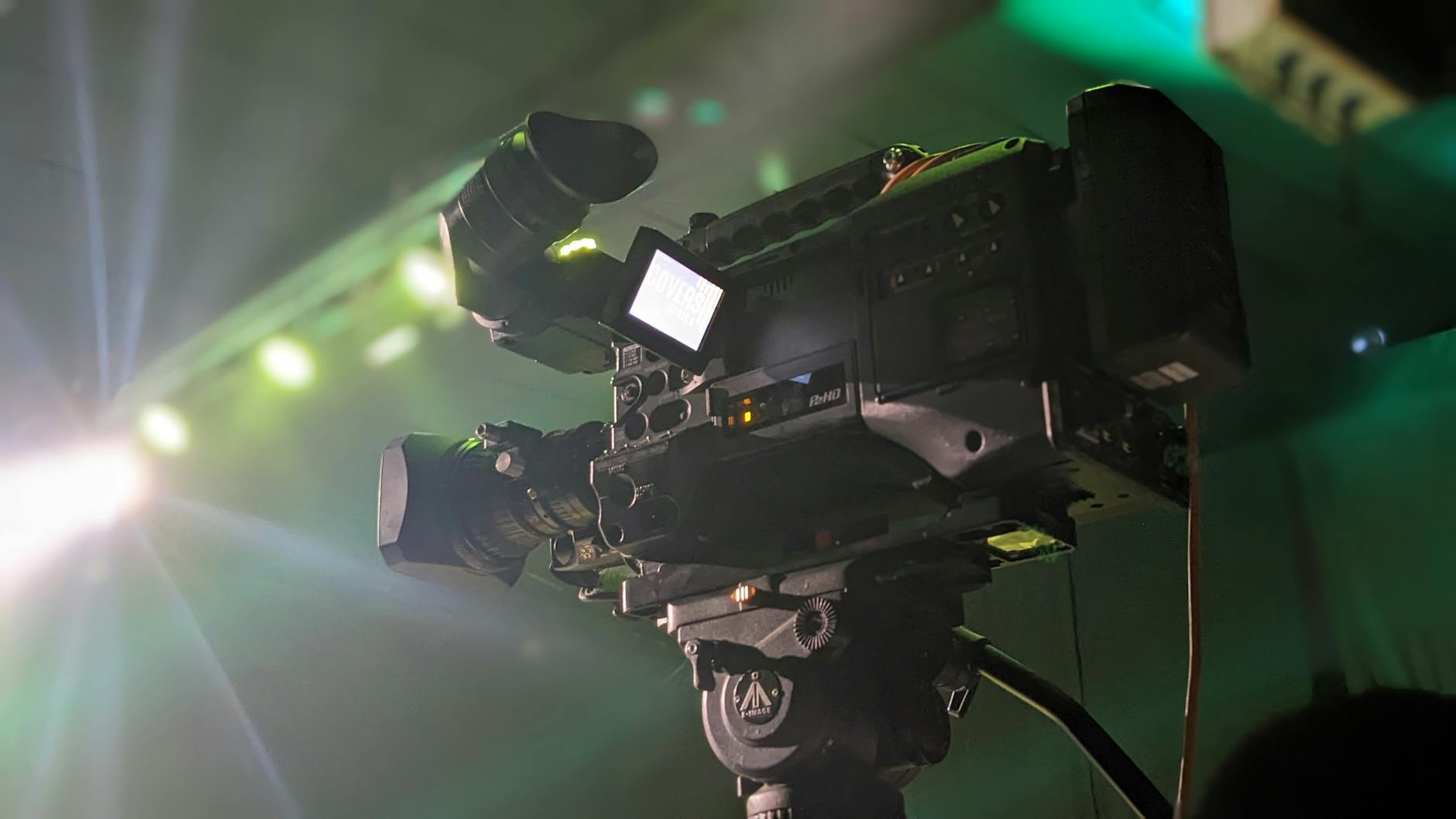
Selecting the right real estate photographer involves evaluating several critical factors. Experience and portfolio quality are paramount; reviewing their previous work reveals their ability to capture property features effectively and consistently. Specialized expertise in real estate photography ensures familiarity with industry standards, including proper staging, lighting, and editing techniques.
Professionalism and reliability also matter greatly. A dependable photographer adheres to deadlines, communicates clearly, and provides thorough consultations to understand your property’s unique selling points. Additionally, familiarity with the local market can provide insights into what visuals resonate most with prospective buyers in the area.
Pricing structures should be transparent, with detailed service packages that align with your marketing needs. While cost is a consideration, investing in high-quality visuals often yields better return through faster sales and higher perceived value.
Benefits of Hiring Local Miami Photographers
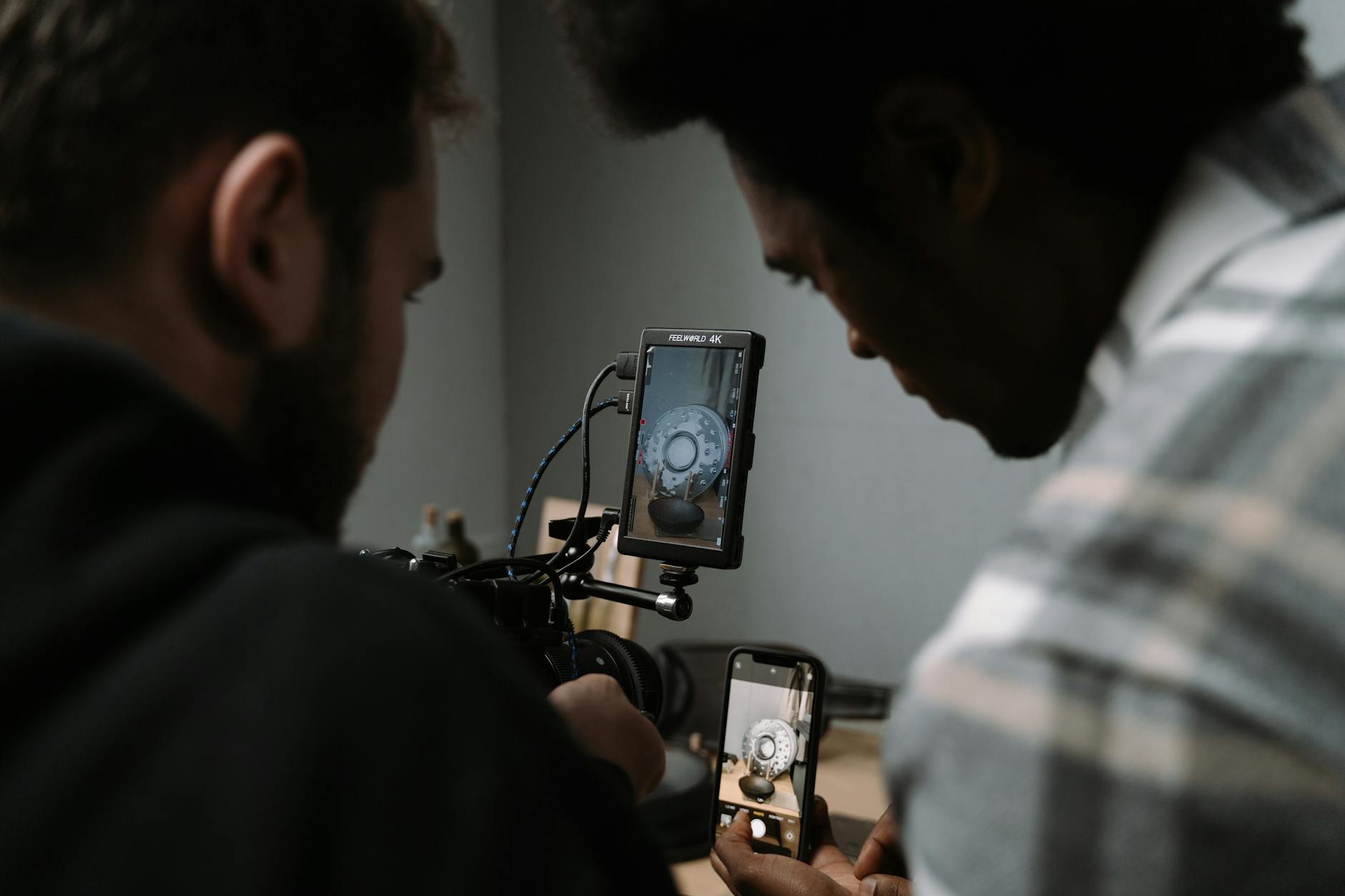
Engaging a local Miami-based real estate photographer offers distinct advantages. Local professionals possess an intimate knowledge of the Miami real estate market, including the most appealing angles, lighting conditions, and neighborhoods. This familiarity allows them to tailor imagery to resonate with local buyers' preferences and expectations.
Another key benefit is their accessibility and responsiveness. Working with a local photographer facilitates quick scheduling and on-site visits, ensuring timely delivery of images that meet tight listing deadlines. Additionally, local photographers often have established relationships with regional real estate agents and brokers, enabling smoother collaboration and better insights into what marketing strategies yield results.
Moreover, Miami’s unique architectural styles, diverse landscapes, and vibrant neighborhoods call for a photographer who understands the city’s aesthetic nuances. This expertise translates into images that genuinely showcase the property's character within its cultural context, making listings more authentic and attractive to prospective buyers both local and international.
Role of a Real Estate Photographer
Real estate photographers play a vital role in the marketing and sales process of property listings. Their primary responsibility is to produce high-quality images that effectively showcase a property's best features, capturing its spatial layout, lighting, and unique characteristics. These professionals serve as visual storytellers, translating architectural details and interior design into compelling imagery that attracts potential buyers.
Their expertise extends beyond simply taking photographs; they understand how to manipulate lighting, perspective, and composition to create images that evoke emotion and interest. By highlighting a property's strengths and minimizing any shortcomings, real estate photographers help listings stand out in a competitive market. They often collaborate closely with real estate agents, interior designers, and homeowners to ensure the visual content aligns with the overall marketing strategy, maximizing the property's appeal and accelerating the sale process.
Key Skills and Techniques
To succeed in real estate photography, professionals must possess a blend of technical skills and artistic sensibility. The ability to operate advanced camera equipment, including wide-angle lenses and drone cameras, is essential for capturing both interior and exterior spaces comprehensively. Mastery of lighting techniques, such as HDR photography, allows photographers to balance bright windows with interior lighting, ensuring the space feels inviting and well-lit despite varying natural light conditions.
Additionally, expertise in post-processing enhances image clarity, color accuracy, and overall visual impact. Skillful editing can correct distortions, enhance brightness and contrast, and ensure the photos look polished yet authentic. Attention to detail, patience, and an eye for composition are crucial traits that contribute to producing images that effectively entice potential buyers.
Equipment and Technology
The latest technological advancements have revolutionized real estate photography. High-resolution digital cameras with wide-angle lenses are standard, enabling photographers to capture expansive views of interiors and exteriors. Drone photography has become increasingly popular, providing breathtaking aerial shots that showcase larger properties and their surrounding landscapes.
Other essential tools include advanced lighting setups, tripod stabilizers for sharp images, and software for HDR blending and image editing. Virtual tour technologies and 3D walkthroughs are also emerging as valuable assets, offering immersive experiences that can attract a broader audience and provide a comprehensive view of the property online.
Factors in Choosing the Best Photographer
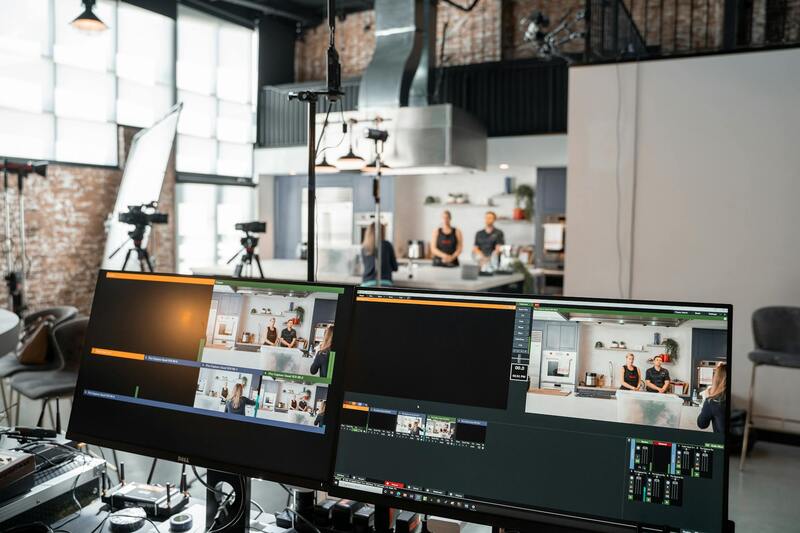
- Experience and Portfolio: An established portfolio demonstrates versatility and expertise across different property types and styles.
- Local Market Knowledge: Understanding regional preferences and architectural styles ensures images resonate with local and international buyers.
- Technological Capabilities: Access to the latest equipment and editing software guarantees high-quality results.
- Availability and Responsiveness: Prompt communication and flexible scheduling are vital to meet tight listing deadlines.
- Pricing and Value: Competitive rates paired with comprehensive packages provide quality without exceeding budget constraints.
Benefits of Hiring Local Miami Photographers
Engaging a local Miami-based real estate photographer offers distinct advantages. Local professionals possess an intimate knowledge of the Miami real estate market, including the most appealing angles, lighting conditions, and neighborhoods. This familiarity allows them to tailor imagery to resonate with local buyers' preferences and expectations.
Another key benefit is their accessibility and responsiveness. Working with a local photographer facilitates quick scheduling and on-site visits, ensuring timely delivery of images that meet tight listing deadlines. Additionally, local photographers often have established relationships with regional real estate agents and brokers, enabling smoother collaboration and better insights into what marketing strategies yield results.
Moreover, Miami’s unique architectural styles, diverse landscapes, and vibrant neighborhoods call for a photographer who understands the city’s aesthetic nuances. This expertise translates into images that genuinely showcase the property's character within its cultural context, making listings more authentic and attractive to prospective buyers both local and international.
Role of a Real Estate Photographer
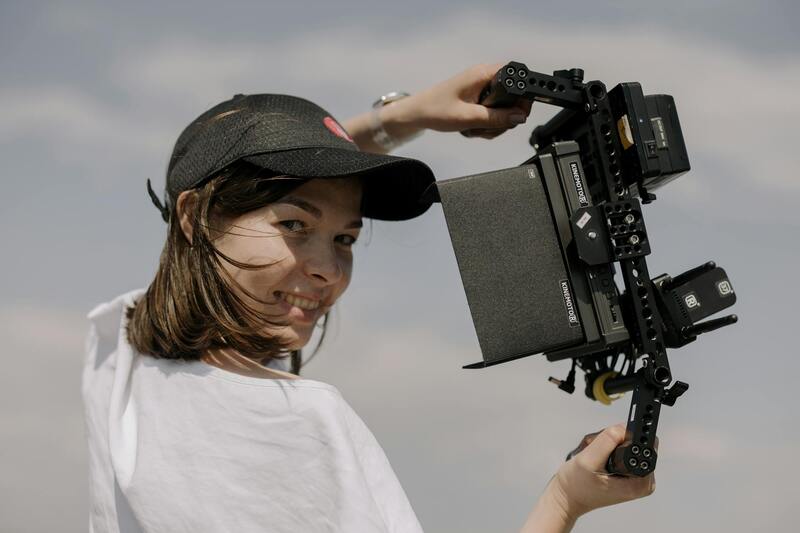
A professional real estate photographer plays a crucial role in the marketing and sale process of a property. They are tasked with capturing compelling images that highlight the property’s best features, making it stand out to potential buyers. The primary responsibility involves creating high-quality visuals that accurately represent the space, its layout, lighting, and unique architectural details. This visual storytelling not only attracts more interest but also fosters an emotional connection between the prospective buyer and the property.
Effective real estate photography requires a keen eye for composition, an understanding of lighting conditions, and the ability to present spaces in their most favorable form. Real estate photographers often work closely with agents and property owners to understand the key selling points of a home, ensuring that these aspects are emphasized visually. Their work extends beyond simple photography; they also provide guidance on staging, lighting, and even drone shots when aerial perspectives can add value to the listing.
An experienced real estate photographer serves as a strategic partner in the sales process, utilizing technical skills and market insights to produce imagery that aligns with current industry standards and trends. Their images become the first impression prospective buyers get of a property, making their role fundamental to effective listing marketing.

Key Skills and Techniques
To excel in real estate photography, professionals must master a variety of skills and techniques. These include:
- Technical Proficiency: Understanding camera settings, lens choices, and post-processing software to produce sharp and vibrant images.
- Lighting Mastery: Using natural light effectively and supplementing with artificial lighting to eliminate shadows and highlight textures.
- Composition Skills: Framing spaces to showcase flow and spatial relationships, often utilising the rule of thirds and leading lines.
- Staging and Decluttering: Advising on or assisting with decluttering spaces to ensure they appear inviting and spacious.
- Aerial Photography: Deploying drone technology for stunning overhead shots that give a comprehensive view of the property and its surroundings.
Equipment and Technology
Modern real estate photographers rely on a suite of specialized equipment and tools:
- Full-Frame DSLR or Mirrorless Cameras: Capable of capturing high-resolution images suitable for both web and print use.
- Wide-Angle Lenses: Essential for capturing expansive interior shots in confined spaces.
- Tripods and Stabilizers: Ensuring sharp images, especially in low-light conditions or for HDR photography.
- Drone Cameras: For aerial shots providing context and showcasing larger properties or land.
- Post-Processing Software: Applications like Adobe Lightroom and Photoshop to enhance images, correct color, and ensure consistency across listings.
Factors in Choosing the Best Photographer
Selecting the right professional involves several key considerations:
- Experience and Portfolio: Reviewing past work to assess their style, consistency, and quality standards.
- Specialization in Real Estate: Ensuring familiarity with property types and marketing requirements specific to listings.
- Technology Adoption: Utilizing up-to-date equipment and techniques for superior results.
- Client Testimonials: Gathering feedback from previous clients to gauge professionalism and reliability.
- Pricing and Packages: Transparent pricing structures and service options that align with your budget.
Benefits of Hiring Local Miami Photographers
Engaging local real estate photographers in Miami offers strategic advantages that extend beyond mere proximity. Their familiarity with the city's diverse neighborhoods, architectural styles, and lighting conditions enables them to craft images that authentically reflect each property's character. Local professionals understand the regional aesthetic, allowing for tailored photography that resonates with both local and international buyers looking in the Miami market.
Moreover, local photographers can respond swiftly to scheduling needs and perform on-site visits more conveniently, ensuring images are delivered promptly to meet tight listing deadlines. Their established relationships with regional agents and brokers facilitate smoother collaboration and provide insight into current market trends, further elevating the quality and relevance of the imagery produced.
Pricing and Packages
Pricing structures for real estate photography can vary significantly, often reflecting the scope of services, property size, and complexity. Many providers offer tiered packages that include a set number of interior and exterior shots, twilight photography, drone imagery, and virtual tours. While competitive rates are essential, the focus should remain on value—professional, high-quality images are an investment that can significantly impact the speed and success of property sales.
How to Optimize Photos for Listings
Optimizing images is critical to maximizing their effectiveness in online property listings. This involves:
- Ensuring images are properly exposed, with balanced lighting that highlights natural features.
- Using post-processing tools to enhance colors, straighten horizons, and remove distracting elements.
- Compressing files appropriately to enable fast loading times without sacrificing image quality.
- Catering to mobile and desktop viewing formats, adjusting aspect ratios as necessary.
- Incorporating virtual staging or color correction when appropriate to present the property at its best.