The Benefits of Drone Photography in Real Estate
In the competitive landscape of the Miami real estate market, high-quality visual content has become a crucial element in effectively showcasing properties. Drone photography stands out as an innovative tool that offers a distinct advantage over traditional photography methods. By utilizing advanced aerial imaging, real estate professionals can present properties from breathtaking perspectives, providing potential buyers with a comprehensive view that ground-level photos simply cannot achieve.
One of the primary benefits of drone photos for real estate is the ability to highlight the entire property and its surroundings. Aerial shots can capture the full footprint of a property, including expansive land, swimming pools, outdoor amenities, and landscaping details, which are often missed or underrepresented in ground-level images. This comprehensive visual approach not only emphasizes the property's size and scope but also helps buyers visualize how the property sits within its neighborhood context.
High-quality drone footage also plays a significant role in distinguishing listings in a crowded market. Engaging, professionally captured aerial images and videos generate more interest, attract more viewers online, and ultimately lead to quicker sales. In essence, drone photography enhances listing visibility by offering unique perspectives that evoke emotional responses and inspire potential buyers’ imagination about living in the space.
Furthermore, drone photography adds an element of professionalism and credibility to marketing efforts. Listings with high-quality aerial images are perceived as inspected and well-maintained, instilling confidence in prospective buyers. This elevated perception can influence buyer decision-making, increasing the likelihood of inquiries and offers.
Beyond visual appeal, drone photos facilitate strategic marketing by enabling targeted campaigns. Real estate agents can leverage stunning aerial views in online listings, social media promotions, virtual tours, and print advertisements, ensuring consistent branding across multiple channels. This integrated approach enhances the overall marketing strategy and generates more engagement from interested parties.
Finally, adopting drone photography supports sustainable marketing practices. With efficient aerial imaging, real estate professionals can reduce the need for multiple ground shoots, saving time and resources while still delivering compelling content. As the technology advances, the cost-effectiveness and versatility of drone photography continue to grow, solidifying its position as an essential component in modern real estate marketing with a tangible impact on the speed and success of property sales in Miami.
Legal and Regulatory Considerations in Miami
When employing drone photography for real estate in Miami, adherence to specific operational standards is essential to ensure smooth and compliant content creation. Drone operators must follow established protocols that govern flight safety, airspace management, and privacy considerations. This involves understanding the local airspace classifications and obtaining any required authorizations or notifications for flight activity, especially in densely populated or restricted zones.
Operators should ensure their equipment is appropriately registered and that they operate within the parameters defined for specific altitudes and distances. Maintaining detailed flight logs and adhering to altitude restrictions helps in preserving a safe flying environment, especially over residential properties. It's also crucial to respect property boundaries and minimize disturbances to residents during shoot sessions.
In addition to operational rules, drone pilots should be aware of privacy guidelines that protect personal and property rights. Using consent forms or prior approval from property owners can mitigate potential issues related to filming privately owned spaces. This formal coordination fosters trust with clients and neighborhood stakeholders, contributing to a professional and respectful approach.
Staying informed about local ordinances and updates in drone usage policies ensures that all aerial photography activities are conducted ethically and within legal frameworks. This proactive compliance not only streamlines the production process but also upholds the reputation of real estate marketing services, enhancing the credibility of the final visual content for Miami properties.
Implementing Safe and Efficient Flight Operations
When conducting drone photography for real estate, it is essential to follow established procedures that prioritize safety and operational efficiency. Before launching, operators should plan their flight paths meticulously, considering factors such as weather conditions, wind speed, and potential obstacles in the vicinity. This proactive planning minimizes risk while ensuring the desired angles and shots are achievable.
A comprehensive pre-flight checklist should include checking battery levels, calibrating the drone's compass, and verifying camera settings to match the lighting conditions and desired image quality. Maintaining clear communication with team members, if present, ensures coordinated and smooth operations.
During flight, operators must maintain a visual line of sight with the drone at all times, adhering to altitude and distance constraints appropriate for the area. Rapid response to unexpected circumstances, like sudden gusts of wind or nearby aircraft, necessitates experienced handling and decision-making skills.
Post-flight protocols include reviewing footage for quality, safely landing the drone, and documenting flight data. Detailed logs support accountability and incident review, while also providing compliance documentation should it be required.
Mastering Photographic Composition and Techniques
Achieving compelling drone photos for real estate hinges on understanding core principles of aerial composition and employing techniques that highlight property features effectively. The angle of shot significantly influences the perception of space, so pilots should experiment with different perspectives to showcase both the property's exterior and its surroundings.
Use of high vantage points allows for a comprehensive view of the estate, including landscaping, swimming pools, and outdoor living areas. Incorporating golden hour lighting—shortly after sunrise or before sunset—can create warm, inviting images with long shadows that add depth.
To enhance visual interest, consider including contextual elements such as nearby parks, cityscapes, or water bodies, which can add value and appeal to listings. When capturing close-up shots, focus on architectural details that highlight the craftsmanship and unique features of the property.
Steady camera operation is critical for clarity, so utilizing drones with stabilization technology results in sharper images, especially when capturing high-resolution photos during optimal weather conditions.
Optimizing the Quality of Your Drone Imagery
Post-processing plays a vital role in transforming raw drone footage into polished marketing assets. High-quality editing can correct exposure issues, enhance colors, and improve overall sharpness, ensuring each image meets professional standards.
Utilize editing software that allows for precise adjustments, such as contrast, saturation, and perspective correction. Properly rendered images should accurately represent the property’s true appearance without exaggeration, maintaining authenticity in marketing materials.
HDR (High Dynamic Range) processing is particularly effective in balancing areas of differing brightness, such as shadowed corners alongside sunlit lawns. This technique results in balanced exposures that reveal detailed textures and colors.
For videos, stabilization and smooth transitions are key to engaging viewers. Incorporate aerial flythroughs that guide potential buyers through the property, creating an immersive experience.
Consistent branding and incorporation of high-resolution images reinforce a professional image, ultimately attracting more interest and speeding up sales cycles.
Best Practices for Maintaining Airspace Safety While Capturing Drone Photos
Ensuring safety during drone flights is crucial for capturing quality images while respecting the operational environment. Establish clear flight plans that consider weather conditions, wind speed, and obstacle locations. Conduct comprehensive site assessments beforehand to identify potential hazards such as power lines, trees, or structures, and plan flight paths that avoid these areas.
Utilize pre-flight checklists to verify drone functionality, battery levels, and camera calibration. Maintaining a safe distance from the property and surrounding structures minimizes risks and prevents accidental damage. When operating in residential or densely built neighborhoods, establish communication protocols with property owners and neighbors to foster transparency and cooperation.
Implement visual line-of-sight (VLOS) operations, keeping the drone within the operator’s view at all times. This not only enhances control but also helps in immediate response to unexpected obstacles or changes during flight. During the shoot, continuously monitor weather conditions and be prepared to abort flights if adverse factors arise.
Regularly update drone firmware and software to incorporate the latest safety features and improvements. Additionally, maintaining a detailed flight log can help in tracking flight performance and incidents, supporting continuous safety compliance.
Best Practices to Maximize Image Quality and Property Appeal
To produce compelling drone photos that attract prospective buyers, focus on optimal flight angles and times of day. Early mornings and late afternoons, often called the golden hours, provide soft natural lighting that enhances textures and colors. Position the drone to capture the property from multiple elevations and angles, highlighting unique architectural features and landscape layouts.
Maintain a steady drone position during image capturing, utilizing stabilization features and gimbal adjustments to prevent blurry images. Ensure the camera settings are optimized for high resolution and correct exposure levels, avoiding overexposed skies or shadowed areas.
Experiment with different compositions, such as bird’s-eye views, oblique angles, and close-ups of key features like pools, gardens, or entryways. This variety creates a comprehensive visual story of the property’s character and amenities.
Post-flight editing is the final step in maximizing the quality and impact of drone photos. Adjusting color balance, contrast, and sharpness ensures that images are vibrant, detailed, and true to life. Use software to correct lens distortions and perspective issues that may occur during flight.
Incorporating aerial shots that showcase the property's surroundings—such as nearby parks, waterfronts, or cityscape views—can significantly boost marketing appeal. The goal is to help potential buyers visualize the property's context within its environment, creating a more compelling listing.
Official and Certified Methods for Drone Photography in Miami
When employing drone photography to enhance real estate listings, professionals must adhere to established standards that promote safety, quality, and responsible usage. Utilizing certified operators ensures that drone flights are conducted with the proper knowledge of flight protocols, airspace management, and technical best practices. Certified drone pilots are trained to execute complex flight plans that maximize the quality of imagery while maintaining safe distances from structures, pedestrians, and other aircrafts.
Employing licensed equipment, such as drones with access to regulated airspace, ensures compliance with technological standards that enable stable and high-resolution imagery. Advanced drone models equipped with high-quality gimbals and cameras provide smooth footage, sharp details, and vibrant colors, which are essential for appealing real estate visuals.
Pre-flight planning is a vital step in legitimate drone photography. This involves obtaining necessary permission for specific flight zones, especially in densely populated or restricted areas within Miami. Conducting a thorough site survey helps identify potential obstacles like power lines, tall structures, or dense vegetation, reducing the risk of accidents or missed shots.
Post-flight, certified operators process images using industry-standard software to ensure that the final visuals meet high quality and clarity. This includes correcting lens distortions, adjusting color accuracy, and enhancing details to produce compelling visuals that accurately represent the property. These practices align with industry ethics, emphasizing transparency, accuracy, and quality in marketing materials.
Incorporating this rigorous approach guarantees that drone photos are not only visually impressive but also legally compliant and ethically produced, providing clients with trustworthy and high-value marketing assets. This level of professionalism in drone photography is essential for elevating property listings and maintaining a reputable real estate brand within Miami's competitive market.
Technical Considerations for Drone Photography in Real Estate
Achieving high-quality drone images for real estate requires careful attention to technical parameters during the shoot. The choice of camera settings directly influences the clarity, depth, and vibrancy of the images, which are critical for attracting potential buyers. Operators should utilize drones equipped with cameras capable of capturing in resolutions of at least 4K, ensuring sharp, detailed visuals that can be zoomed or cropped without degrading quality. Proper use of shutter speed, ISO, and aperture settings assures optimal exposure and minimizes motion blur, especially in dynamic environments or when shooting at dusk or dawn.
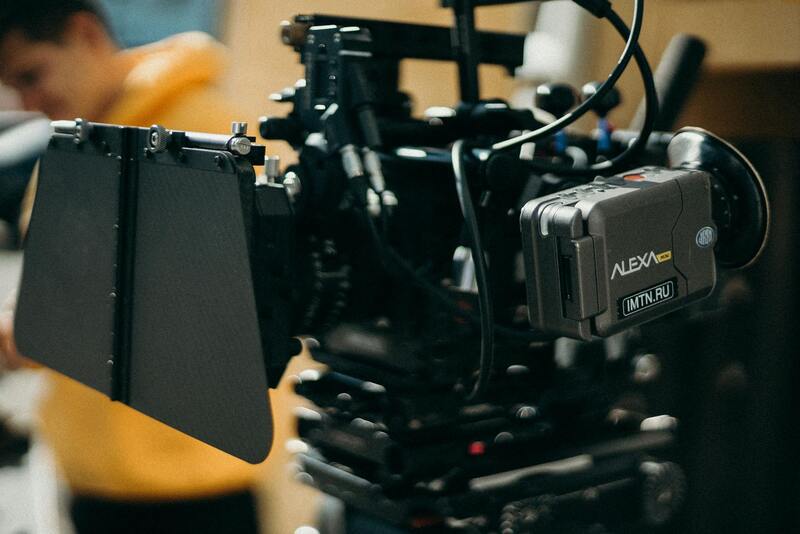
Stability is vital for professional-grade images. Modern drones are often equipped with advanced gimbals that provide stabilization across multiple axes, allowing smooth footage even in windy conditions. This stabilization capability is essential for capturing clean, crisp images that highlight property features and surrounding amenities. Additionally, employing drones with sensors capable of HDR photography can expand the dynamic range of images, ensuring details are preserved in both shadows and highlights, which is particularly valuable in high-contrast lighting environments common in Miami's sunny climate.
- Utilize drones with ≥4K resolution capabilities for maximum detail.
- Adjust camera settings based on lighting conditions and desired effects.
- Ensure stabilization systems are active to prevent shake and blurriness.
- Consider cameras with HDR functionality for enhanced dynamic range.
Optimizing Flight Planning for Superior Drone Photos
Pre-flight planning encompasses more than just technical calibration; it also involves strategic planning of flight paths to maximize visual impact. Mapping out key vantage points around the property allows drone operators to capture both aerial perspectives and close-up details from various angles, providing a comprehensive visual suite to prospective buyers. Planning for optimal lighting conditions, such as early morning or late afternoon, enhances the natural beauty of the property through warm, inviting tones. Identifying potential obstacles via site surveys mitigates risks and ensures safety during operation.
Regulated flight altitudes and angles contribute significantly to the quality of drone images. Flying at specific heights allows for sweeping shots that showcase property size and landscape features, while oblique angles can emphasize architectural details and unique property features. For larger properties, multiple flight positions can be coordinated to produce a seamless collection of images that can later be stitched into panoramic views or virtual tours, enriching the overall marketing presentation.
Equipment Maintenance and Updates
To consistently produce professional-grade drone photos, routine maintenance of equipment is crucial. Calibrating sensors, updating firmware, and inspecting blades and motors before each flight prevents technical malfunctions that could compromise image quality or safety. Staying informed about latest software upgrades and hardware advancements ensures the drone system remains capable of capturing the highest quality images possible. Investing in high-quality accessories, such as extra batteries, ND filters, and specialized lenses, can further expand the creative possibilities and ensure uninterrupted workflows during busy listing periods.
Legal and Regulatory Considerations in Miami
When integrating drone photography into real estate marketing strategies in Miami, it is essential to adhere to specific operational protocols designed to ensure safety, privacy, and professionalism. There are established procedures for obtaining necessary permits and approvals, which help facilitate smooth drone operations and prevent disruptions. These procedures often include registering the drone with relevant authorities, if required, and maintaining up-to-date documentation of certifications and compliance measures.
Operational guidelines stipulate adherence to designated flight zones and altitude restrictions, which help manage airspace sharing among various aerial activities. Conducting pre-flight assessments ensures avoidance of manned aircraft routes, protected landmarks, and sensitive community areas. These assessments often involve reviewing local airspace regulations and coordinating with local authorities to confirm flight permissions.
Additionally, respecting privacy regulations is a core aspect of drone operation. This includes maintaining adequate distances from neighboring properties and avoiding intrusive surveillance of private spaces. It is also advisable to inform property owners and neighboring residents about upcoming drone flights as a courtesy and compliance measure, which fosters transparency and trust.
Many professional drone operators in Miami opt to work with licensed aerial photographers or certified pilots who are well-versed in local policies. This partnership guarantees that all drone activities are conducted legally and responsibly, ultimately protecting the interests of clients and supporting the integrity of the marketing campaign.
Adhering to these protocols not only safeguards the safety and privacy of individuals involved, but also enhances the credibility of the marketing effort. It underscores a commitment to professionalism that prospective buyers appreciate. Effective communication with regulatory bodies and adherence to permitted flight parameters enable real estate professionals to maximize the visual appeal of their listings without encountering legal or procedural obstacles.
Enhancing Your Listings with Professional Drone Photos in Miami
To maximize the impact of drone photography within property marketing strategies, it is crucial to work with experienced professionals who understand the nuances of capturing compelling aerial images. Professional drone operators utilize high-quality equipment equipped with high-resolution cameras and stabilization technology to ensure every shot is sharp, well-lit, and showcases the property's best features from multiple angles. Their expertise extends beyond just flying the drone; it involves framing each shot for maximum visual appeal, considering lighting conditions, and capturing images that highlight unique property attributes such as expansive lawns, architectural details, or scenic surroundings.
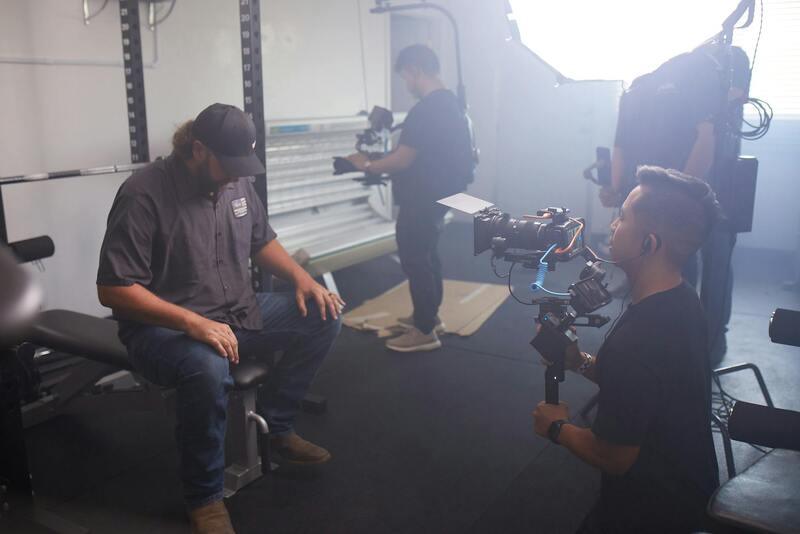
Furthermore, professional operators are well-versed in operational best practices, including optimal flight paths and angles that highlight property size and layout while avoiding obstructions like power lines or trees. Their technical proficiency ensures that the resulting images adhere to high standards of quality and consistency, providing a powerful visual tool to attract potential buyers and investors.
Technical Considerations for Superior Drone Imagery
- Resolution and Image Quality: Choosing drones equipped with 4K or higher resolution cameras guarantees detailed and crisp visuals, essential for digital listings and promotional materials.
- Stability and Gimbal Technology: Stabilization systems ensure smooth footage and sharp images, regardless of wind conditions or flight duration.
- Battery Life and Flight Time: Extended battery life allows for comprehensive coverage of expansive properties without interruption, capturing multiple angles seamlessly.
- Lighting and Time of Day: Scheduling shoots during optimal lighting conditions such as golden hour or early morning enhances image warmth and depth, making properties more inviting.
By deploying cutting-edge equipment and techniques, professional drone photography creates a compelling visual narrative that resonates with prospective buyers, helping properties stand out in competitive Miami markets.
Post-Production Enhancements and Color Grading
After capturing the raw footage, skilled editors refine drone photos through color correction, contrast adjustments, and cropping to emphasize key features. These post-processing steps ensure the aerial images align with the overall branding and marketing style of the listing, producing a polished presentation that captures viewer attention effectively. High-quality edits can also correct any distortions or lighting inconsistencies, adding an extra layer of professionalism to the final visuals.
This meticulous approach in both capturing and editing drone photos ensures the visual content elevates the overall marketing strategy, ultimately fostering greater engagement and interest from potential buyers.