Understanding the Importance of High-Quality Real Estate Photos
In the competitive realm of property marketing, the visual presentation of a real estate listing plays a crucial role in attracting potential buyers and expediting the sale process. High-quality real estate photos serve as the first visual impression, often determining whether a prospect will schedule an in-person tour or move on to another listing. Well-executed visuals not only highlight a property's strengths but also convey its ambiance and lifestyle appeal, enabling viewers to imagine themselves living in the space.
Professional photos can significantly enhance the perceived value of a property, making it stand out amidst numerous similar listings. This is particularly vital in the Miami market, where diverse property types and competitive pricing demand a compelling visual narrative. Clear, bright, and meticulously composed images can draw more clicks on online platforms, increase engagement, and generate a broader pool of prospective buyers.

Additionally, the use of professional real estate photography can reduce the number of days a property spends on the market. Listings with superior images tend to receive more inquiries, foster greater interest, and often sell at more favorable prices. For real estate professionals and property owners, investing in professional visuals is a strategic move that can lead to tangible business advantages.
In essence, the visual quality of property images directly correlates with marketing effectiveness. From capturing expansive interiors to showcasing unique architectural elements, professional photography ensures that every aspect of the property is presented in its best light. This approach creates a compelling story that resonates with buyers, ultimately translating into faster sales and better negotiation outcomes.
Ultimately, in a market as dynamic and diverse as Miami, employing high-caliber real estate photos is an indispensable component of an effective marketing strategy. It helps properties to stand out, appeals to the digital age's consumer expectations, and fosters trust and credibility with prospective buyers and agents alike.
Preparing the Property for a Photoshoot
Effective preparation of a property is crucial in ensuring that real estate photos accurately and attractively represent the space. Attention to detail during the preparation phase can significantly influence the quality of the final images, making the property more appealing to potential buyers. This process involves a series of strategic steps to optimize the property's appearance and highlight its best features.
First and foremost, decluttering is essential. Remove personal items, excess furniture, and any clutter that can distract from the property's main features. A tidy space appears larger and more inviting, allowing viewers to envision themselves living there. Follow this by thorough cleaning—sweeping floors, polishing surfaces, and ensuring windows are spotless to maximize natural light and clarity in images.
Staging is another important aspect. Arrange furniture to emphasize the room's functionality and flow, creating a welcoming atmosphere. Incorporate neutral décor and minimal accessories to appeal to a wide range of tastes. Proper staging can help convey the potential of each space, making it easier for prospective buyers to connect emotionally with the property.

Lighting also plays a pivotal role in the preparation process. Ensure all light fixtures are working correctly and replace any burnt-out bulbs. Use additional lighting if necessary to brighten dark corners. If the property has large windows, plan to shoot during the time of day when the natural light is most abundant to enhance the images' vibrancy and clarity.
Lastly, pay attention to minor details such as repairing any visible damages or imperfections. Well-maintained properties communicate care and quality, which can influence a buyer’s perception and willingness to invest.
Key Preparation Tips for a Successful Real Estate Photoshoot
- Declutter each room thoroughly to create a clean, open space.
- Deep clean the entire property, including windows, floors, and surfaces.
- Stage rooms to highlight their best features and optimize flow.
- Ensure ample lighting, both natural and artificial, to avoid shadows and dullness.
- Address minor repairs to maintain property appeal.
By following these guidelines, property owners and real estate professionals can ensure that the space is presented in its best light, ultimately providing the photography team with the ideal environment to capture stunning visuals that resonate with prospective buyers.
Utilizing Proper Equipment and Techniques for Real Estate Photography
Achieving high-quality real estate photos hinges significantly on the choice of equipment and photographic techniques employed during the shoot. Professional-grade cameras with full-frame sensors are preferred for their superior image clarity and detail capture, especially in spaces with varied lighting conditions. DSLR or mirrorless cameras equipped with wide-angle lenses (typically between 14mm and 24mm) are essential for capturing expansive room interiors without distortion, providing a true representation of space.
Tripods are indispensable in real estate photography, ensuring stability and sharpness, particularly when using slower shutter speeds needed for low-light environments. Additionally, utilizing remote shutters or camera timers minimizes vibrations that can result in blurry images.
Lighting techniques play a crucial role in showcasing a property's best features. While natural light is often the primary source, supplementing with professional lighting equipment or flash units can help eliminate shadows and brighten darker areas. It is important to balance exposure to preserve the natural ambiance while revealing every detail.
Post-processing tools are vital for refining images. High dynamic range (HDR) photography involves capturing multiple exposures and blending them to enhance brightness, contrast, and detail across the image. Proper editing helps correct color imbalances, straighten distorted lines, and ensure the final photos are crisp, vibrant, and true to the property's appearance.
Using a tripod also enables the photographer to maintain consistency across multiple shots, which is particularly useful when creating virtual tours or combining images during post-production. Emphasizing dominant features such as fireplaces, panoramic windows, or architectural details through specific framing and angles can markedly elevate the visual appeal.
Figure 
In addition to equipment, techniques such as symmetrical composition, strategic framing, and paying attention to the first and last shot of each room help highlight the property’s strengths systematically. This disciplined approach ensures consistency and excellence across all images, enabling potential buyers to visualize living in the space convincingly.
Highlighting Key Property Features to Maximize Visual Impact
Effective real estate photos should strategically emphasize the unique and desirable aspects of a property. This approach not only attracts attention but also helps potential buyers envision living in the space. To achieve this, photographers must identify and showcase features such as custom moldings, high-end appliances, expansive windows, or architectural details that set the property apart.
When preparing for the shoot, consider framing shots to draw focus toward these elements. For example, capturing a wide-angle view of an open-concept living area can reveal both spatial flow and design elegance. Similarly, highlighting outdoor spaces like landscaped gardens or waterfront views can greatly enhance the property’s appeal. Proper staging, including decluttering and strategic placement of furniture and accessories, ensures that these features are not overshadowed or overlooked in photographs.
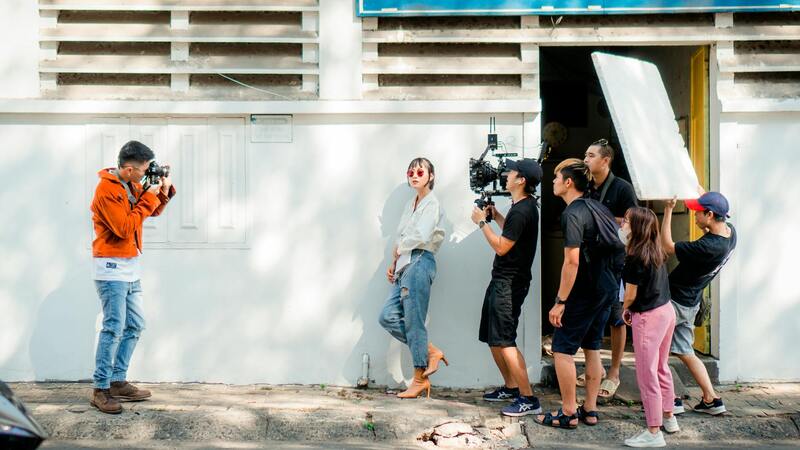
Lighting plays a crucial role in accentuating architectural details and textures within a space. Utilizing natural light during the golden hour can add warmth and depth, while supplemental lighting can ensure clarity in darker corners. When capturing exterior shots, early morning or late afternoon provides favorable shadows and illuminated facades.
Additionally, different perspectives and angles contribute to a comprehensive visual narrative. Low angles might enhance ceiling height and interior grandeur, while high vantage points from drones or tall ladders reveal layout and outdoor scenery effectively. Employing consistent framing techniques across all images keeps the visual story cohesive, guiding viewers seamlessly from one shot to the next.
Overall, a keen eye for detail combined with technical proficiency ensures that the most attractive and distinctive features of the property are compellingly presented. This strategic focus can significantly influence prospective buyers' impressions and their decision-making process.
Utilizing Proper Lighting Techniques and Equipment
Achieving high-quality real estate images hinges significantly on optimal lighting conditions. Natural light, when harnessed correctly, can transform the ambiance of a property, making spaces appear brighter, more inviting, and true to their actual appearance. Indoor shoots should be scheduled during daylight hours, ideally capturing images during the golden hour—shortly after sunrise or before sunset—to enhance warm tones and soften shadows. The use of diffusers and reflectors can further control sunlight, reducing harsh shadows and evenly illuminating interiors.
For spaces with limited natural light, supplemental lighting becomes indispensable. Professional-grade flash units, softboxes, and LED panels can be strategically placed to fill in shadows and highlight architectural details without overexposing the scene. It is crucial to balance artificial and natural light sources to maintain a realistic appearance, avoiding overly bright or dark areas that can detract from the property's appeal.
Exterior shots, especially in the late afternoon, benefit from the warm, directional light that accentuates textures and colors. When photographing outdoor spaces, consider the position of the sun—shooting against the light can emphasize the property’s features while avoiding blown-out highlights and washed-out colors.

Selection of Equipment and Advanced Techniques
Professional real estate photography relies on specialized equipment to produce sharp, compelling images. Wide-angle lenses, typically between 14mm to 24mm, are essential for capturing expansive rooms and creating an inviting sense of space. A sturdy tripod ensures stability, especially in low-light conditions, and facilitates precise framing. Drones have become invaluable for capturing expansive outdoor views and showcasing property surroundings from unique perspectives. Aerial shots can highlight the property's scale, landscaping, and proximity to amenities, providing prospective buyers with a comprehensive understanding of the estate. Advanced techniques include HDR (High Dynamic Range) imaging, which combines multiple exposures to balance bright and dark areas within a scene. This technique enhances detail visibility in both shadowed corners and brightly lit windows, resulting in uniformly well-exposed images. Additionally, employing panoramic stitching can deliver wide, immersive views of exterior scenes or large interiors. Properly aligned shots and consistent image quality across sequences contribute to seamless panoramic visuals. By investing in appropriate equipment and applying these technical methods, real estate photographers can effectively showcase a property's character, making it stand out in competitive markets. High-resolution images with precise focus and optimal lighting catch the eye of potential buyers and foster greater engagement.
Techniques for Capturing Attention to Key Features
Highlighting the most attractive aspects of a property is essential in a successful real estate photoshoot. To achieve this, photographers focus on strategic shot composition, lighting, and staging to draw attention to unique architectural details, luxurious finishes, or desirable outdoor amenities. Carefully selecting vantage points allows for the optimal display of large windows, intricate moldings, or scenic landscaping, facilitating a visual narrative that resonates with prospective buyers.
Utilizing natural light as much as possible is vital in emphasizing the property’s appeal. Photographers often schedule shoots during the golden hours—shortly after sunrise or before sunset—to capitalize on soft, warm lighting that enhances colors and textures. When natural light is insufficient, professional lighting equipment such as strobes and reflectors help create a balanced and inviting atmosphere, avoiding harsh shadows and overexposed areas.
Staging plays a complementary role in directing focus towards the property's key features. Properly arranged furniture, tasteful decorations, and clutter-free spaces lend a polished appearance, making it easier for viewers to envisage themselves living in the space. Detail shots of high-end fixtures, custom cabinetry, or outdoor living areas can further accentuate the property’s desirable qualities, encouraging engagement from potential buyers.
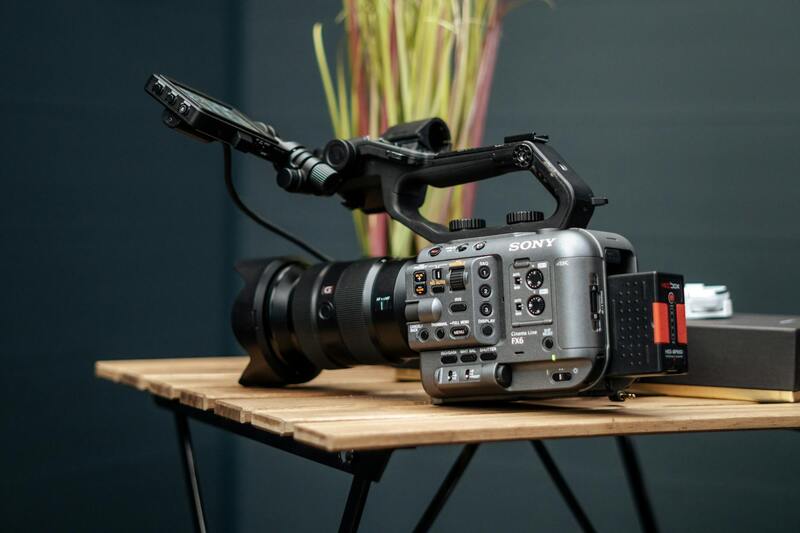
In addition, employing depth of field selectively can draw viewer attention to focal points such as a fireplace, a gourmet kitchen, or a panoramic view from a balcony. The careful balance of sharpness and background blur helps create striking images that showcase the property's most compelling aspects effectively.
Overall, honing in on a property’s defining qualities through meticulous photography techniques enhances its marketability, making it stand out in listings and attracting serious buyers. Consistent quality, attention to detail, and strategic emphasis on features are fundamental to producing compelling visual content.
Advanced Techniques in Real Estate Photography
Achieving exceptional real estate photos involves employing advanced photographic techniques that highlight the property’s best features while captivating potential buyers. One such approach is the deliberate use of advanced compositional strategies, such as the rule of thirds and leading lines, which guide viewers' eyes to focal points like spacious living areas, elegant kitchens, or breathtaking views. These techniques not only elevate the aesthetics of the images but also create a sense of harmony and balance within each shot.
Optimal lighting remains crucial even during post-production. Photographers often shoot in RAW format to capture the fullest range of light and color data, providing greater flexibility during editing. During editing, adjustments should be performed carefully—enhancing brightness, contrast, and color saturation to produce images that faithfully represent the property while captivating viewers visually. Techniques such as perspective correction and lens distortion removal ensure that lines remain straight and that architectural features are accurately represented, avoiding misleading impressions that could undermine trust.
Another effective method is the use of panoramic and wide-angle shots that encompass larger portions of a space in a single frame, especially for open-plan homes or expansive outdoor areas. These images help create a sense of spaciousness, making smaller properties appear larger and more inviting. Combining these with detail shots of quality fixtures, textured surfaces, or bespoke architectural elements can further imbue listings with a luxe appeal.
Real estate photographers also utilize angle selection strategically—shooting from eye level for rooms, but occasionally opting for upper or lower vantage points to emphasize height or depth. Additionally, employing HDR (High Dynamic Range) techniques captures details in both shadows and highlights, resulting in images with a balanced exposure regardless of challenging lighting conditions inside the property.
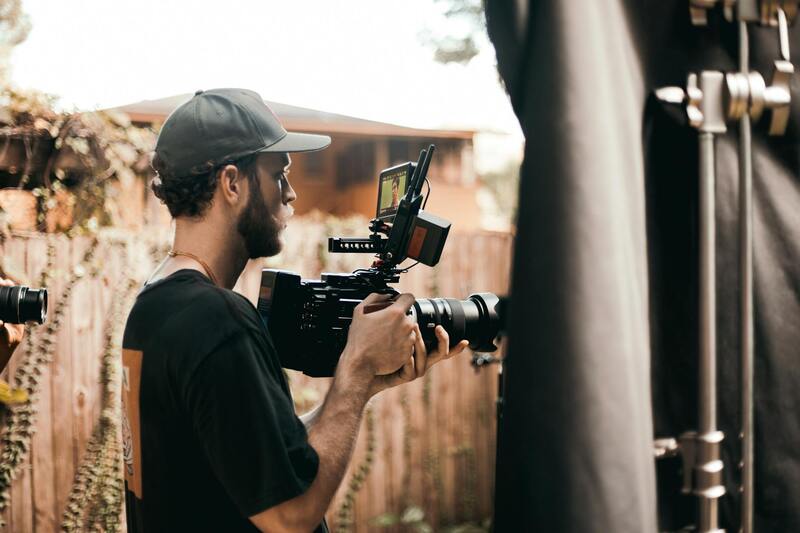
Overall, mastering these advanced methods ensures that real estate images are not just functional documentation but compelling visual stories that resonate with prospective clients. Every shot should be carefully planned and executed to showcase the property’s uniqueness, creating an emotional connection that motivates inquiries and viewings.
Ensuring the Longevity and Proper Use of Real Estate Photos
High-quality real estate images are a crucial asset in property marketing, but their effectiveness depends heavily on proper management, distribution, and use. Once the images have been captured, deliberate strategies should be adopted for their long-term use and impact, ensuring they continue to serve as a powerful marketing tool through proper handling and dissemination.
Optimizing Image Storage and Management
Properly organizing and storing images guarantees quick access for future marketing efforts and maintains their quality. It is best practice to save pictures in high-resolution formats, such as TIFF or RAW, which preserve details without compression artifacts. Additionally, creating a structured digital asset management system—categorizing images by property type, location, and date—facilitates easy retrieval and prevents loss or confusion over versions.

Securing and Licensing Images
Legal protection and proper licensing of photographs are essential. Securing clear terms of use with photographers through contractual agreements helps guarantee that images are only used within authorized contexts, such as listings or promotional materials. This not only safeguards your investment but also ensures consistent branding and presentation across all platforms.
Extending the Reach of Property Images
Maximizing exposure involves distributing images across multiple channels effectively. Besides your website, images should be uploaded to reputable real estate listing portals, social media platforms, and email campaigns. When sharing online, optimize image sizes for fast loading while maintaining quality, which directly impacts user engagement. Use compelling captions and keywords that align with your SEO strategy to improve visibility in search results, drawing more potential buyers to your listings.
Utilizing Photos Beyond the Initial Listing
High-quality images are versatile assets that can be repurposed in various marketing initiatives. Incorporating them into printed brochures, banners, and direct mailing campaigns enhances promotional consistency. Additionally, creating themed or lifestyle images that depict living scenarios helps buyers connect emotionally with the property, increasing their interest and engagement.
Regular Updates and Refreshments
As properties undergo changes or updates, replacing older images with fresh, high-quality shots maintains the listing’s appeal and accuracy. Regular refreshes ensure that prospective clients receive an up-to-date visual narrative, preventing the listing from appearing outdated or neglected. An ongoing review process helps identify when new images are warranted, especially for properties undergoing renovations or staging adjustments.
Training and Collaboration with Photography Professionals
Continually engaging with professional real estate photographers ensures consistent production of top-tier images. Building a collaborative relationship allows for feedback and improvements in shooting techniques, lighting setups, and post-processing styles. By working closely with skilled photographers, you can also stipulate specific requirements aligned with your marketing goals, such as highlighting unique architectural features or minimizing certain distractions.

Implementing these best practices for image management not only preserves the authenticity and quality of your property visuals but also maximizes their potential as compelling, long-lasting marketing tools. Proper distribution, strategic archiving, and ongoing collaboration lay the foundation for a sustainable approach that keeps your property listings visually competitive and engaging in the dynamic real estate market.