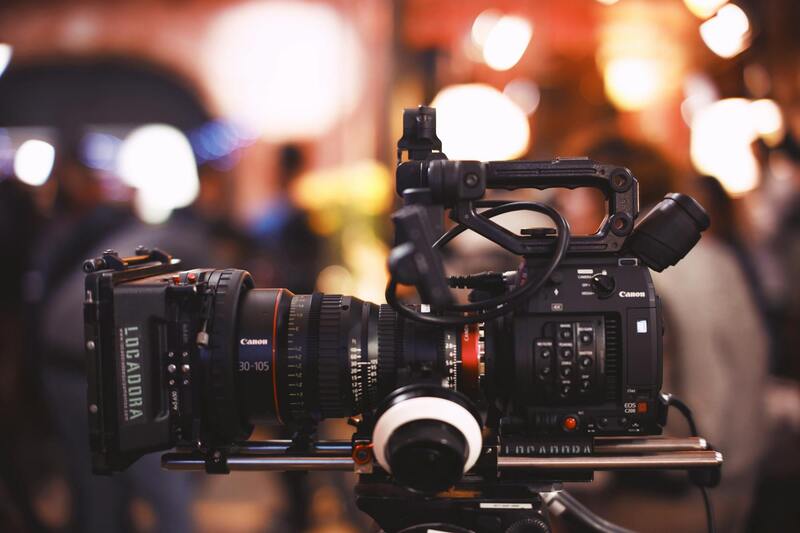
Overview of Real Estate Videography
Real estate videography has become an indispensable component in the multifaceted approach to property marketing in the digital age. It involves the production of visually engaging video content that showcases the unique features of a property, offering potential buyers and renters an immersive preview that static images alone cannot achieve. The growing demand for dynamic visual content has transformed how real estate professionals present properties, especially in vibrant markets like Miami, where competition is fierce and visual appeal can significantly influence buying decisions.
In the realm of real estate marketing, professionally produced videos serve as powerful tools that bridge the gap between online listings and physical property visits. A well-crafted real estate video can capture the essence of a property's ambiance, layout, and environment—elements that are often difficult to convey through photographs. This approach not only attracts a broader audience but also enhances engagement, leading to increased inquiries and faster sales or rentals.
For Miami real estate professionals, leveraging high-quality videography can elevate their brand presence in a competitive marketplace. The city’s diverse, vibrant neighborhoods— from beachfront properties to luxury penthouses— benefit immensely from tailored video content that highlights amenities, spatial configurations, and neighborhood attractions. As digital platforms continue to dominate property marketing, the strategic use of professionally produced videos positions listings prominently, providing a significant edge over competitors who rely solely on traditional imagery.
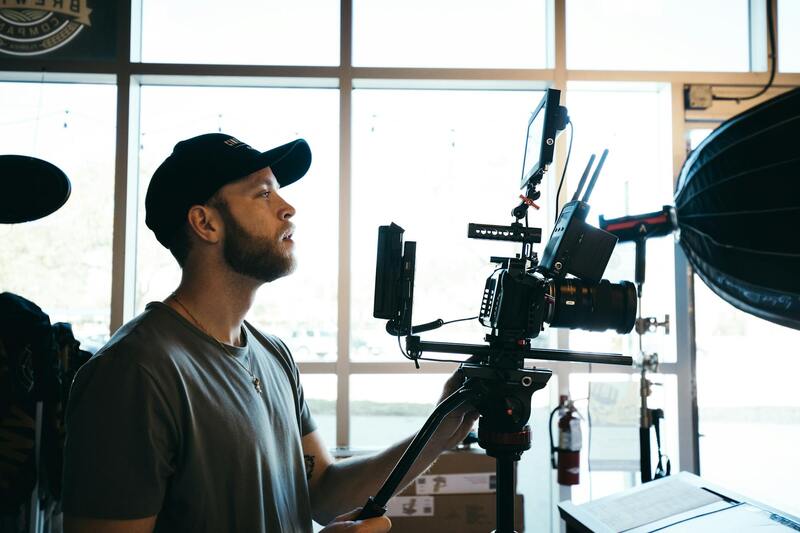
Ultimately, real estate videography combines creative storytelling with technical expertise to produce compelling visual narratives. It transforms ordinary listings into engaging digital experiences that appeal to the increasing online consumer base. Given the progressive trends in property marketing, investing in high-quality videography is no longer optional but essential for real estate professionals aiming to maximize their market reach and close transactions more efficiently.
Key Elements of High-Quality Real Estate Videos
Creating compelling real estate videos requires meticulous attention to various technical and aesthetic components. These elements work together to produce a visual narrative that accurately represents the property while appealing to prospective buyers or tenants. Critical factors include lighting, camera settings, staging, and scene composition, each playing a vital role in elevating the overall quality of the footage.
Lighting is fundamental in real estate videography, as it influences the mood and perceived space of each area. Utilizing natural light during daytime shoots minimizes shadows and highlights the property's best features. Supplemental lighting can be strategically placed to brighten darker corners and emphasize architectural details, ensuring that every room is showcased in the best possible way.
Camera techniques encompass the choice of lens, stabilization, and movement styles that enhance visual storytelling. Wide-angle lenses are particularly effective in capturing expansive interior spaces, making rooms appear larger and more inviting. Smooth camera movements, such as slider shots or gentle pans, create a professional flow that guides viewers seamlessly through the property. Tripods and gimbals further stabilize footage, preventing shaky visuals that detract from the viewing experience.
Staging plays a crucial role in presenting a property in its most appealing light. Well-arranged furniture and decor arrangements help illustrate the potential of each space, allowing viewers to envision living in the environment. Clean, clutter-free settings and attention to color coordination enhance visual harmony, making spaces more attractive and welcoming.
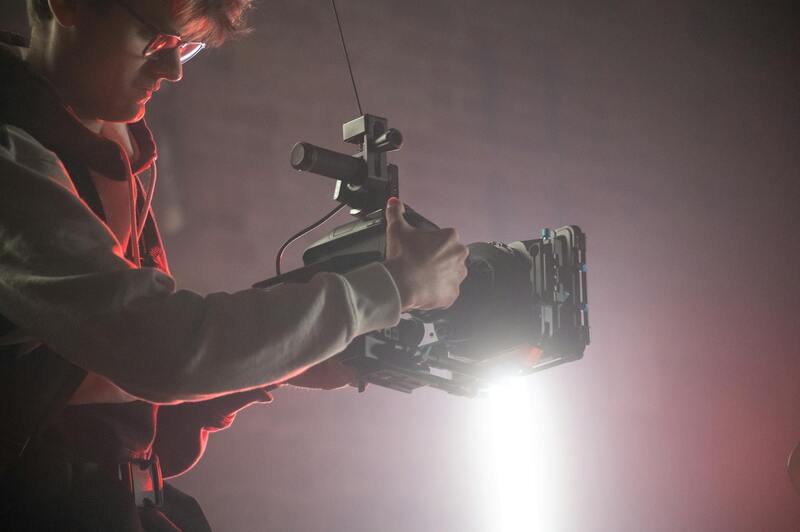
Scene composition involves thoughtful framing, angles, and focal points to highlight a property's unique features. Including both wide shots of entire rooms and close-ups of architectural details or luxurious finishes provides viewers with comprehensive insights. The strategic placement of shots can also emphasize desirable aspects such as high ceilings, scenic views, or outdoor amenities.
Synchronization of these elements is essential in producing a high-quality video that not only captures the property’s essence but also resonates with target audiences. Employing expert techniques ensures that each frame contributes to a cohesive visual story designed to attract and engage potential buyers effectively.
Investing in skilled videographers who understand the nuances of real estate presentation can dramatically improve video results. Their expertise in lighting, camera operation, staging, and composition guarantees that the final product stands out in a competitive marketplace. High-caliber property videos serve as a powerful marketing tool, elevating the property’s appeal and accelerating its path to sale or lease.
Best Practices for Shooting Real Estate Videos
Executing high-quality real estate videography requires adherence to proven techniques that optimize visual appeal and viewer engagement. Careful planning during the shooting process ensures that each frame effectively highlights the property’s strengths while maintaining a professional aesthetic.
Preparation is key: prior to filming, a detailed shot list should be developed that prioritizes key areas such as the main living spaces, bedrooms, kitchen, bathrooms, and outdoor amenities. This helps streamline the shooting schedule and ensures critical features are captured comprehensively. Additionally, it’s important to verify that all areas are clean, clutter-free, and staged to showcase their best potential.
Optimal Lighting
Lighting plays a pivotal role in achieving crisp, inviting visuals. Natural light should be maximized by scheduling shoots during times of day when sunlight is abundant and unobstructed. For interiors, supplementing natural light with professional lighting equipment ensures even illumination, reducing shadows and highlighting architectural details.
Camera and Equipment Techniques
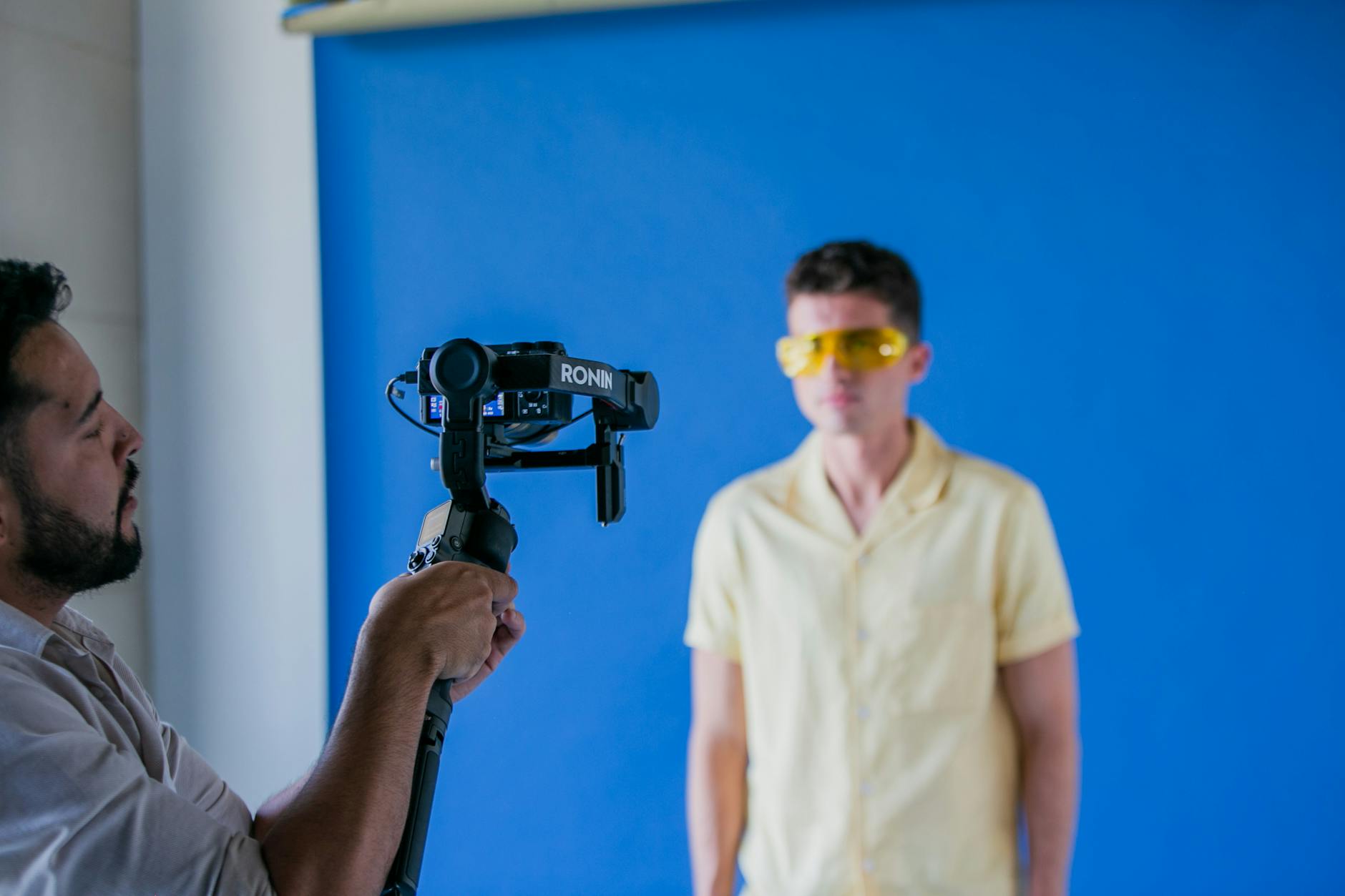
- Stable Shots: Use tripods and gimbals to prevent camera shake, ensuring smooth, professional footage.
- Wide-Angle Lenses: Employ wide-angle lenses to capture more of each space, creating a sense of openness and spatial awareness.
- Consistent Framing and Angles: Maintain uniform shot composition to provide viewers with a cohesive visual experience.
- Dynamic Movements: Incorporate carefully planned camera movements like slow pans and tilts to add visual interest without confusing the viewer.
Scene Composition and Framing
Thoughtful scene composition involves framing each shot to emphasize the property’s most attractive features. Strategic camera angles can showcase high ceilings, expansive views, or luxurious finishes. Including perspective shots of outdoor spaces or unique architectural details helps convey the property’s full ambiance.
It’s essential to maintain a consistent visual flow throughout the videos, guiding viewers seamlessly from one area to the next while emphasizing the property’s unique selling points. Incorporating external factors such as landscaping and surrounding neighborhood views further enhances the overall appeal.
Post-Shoot Review
After filming, reviewing footage on calibrated monitors allows for quality assessment before proceeding to editing. Discarding unusable shots and retaking critical scenes ensures the final product maintains a high standard of quality. Proper organization of clips simplifies the editing process, enabling efficient post-production workflows.
Legal Considerations and Best Practices in Real Estate Videography
Efficient and professional real estate videography hinges on adhering to established procedures and standards that ensure the integrity and quality of the visual content. When producing property videos, it is crucial to gather comprehensive permissions before filming, especially when the property features private areas, shared spaces, or personal belongings. Ensuring that all necessary authorizations are obtained minimizes disruptions and upholds the trust between agents and clients.
Maintaining transparency with property owners regarding the scope of the shoot, usage rights, and distribution channels establishes a clear understanding, fostering a professional relationship built on mutual respect. Clear communication about the project scope also helps in aligning expectations and preparing for any special considerations, such as aerial shots or drone footage which may require additional permissions.
In terms of content rights, it’s essential to avoid including copyrighted materials such as artworks, branded items, or intellectual property without explicit permission. This practice not only ensures compliance but also fortifies the video's credibility by focusing solely on the property and its features. When filming near public or private property, awareness of privacy rights and boundaries is vital to prevent inadvertent breaches.
Moreover, use of aerial footage captured via drones involves adherence to local regulations, such as restrictions on altitude, flight zones, and no-fly areas. Employing licensed operators or certified drone pilots guarantees that airspace rules are respected, and safety protocols are followed, reducing potential liabilities.
Best Practices for Responsible Production and Distribution
- Always obtain explicit permission from property owners or representatives prior to shooting to respect their rights and privacy.
- Clearly communicate the intended use, distribution channels, and visibility scope of the videos to all stakeholders involved.
- Use licensed and compliant drone operators when incorporating aerial footage, ensuring adherence to FAA or local aviation authority regulations.
- Ensure all content is free from copyrighted or proprietary materials unless proper licensing is secured.
- Maintain comprehensive documentation of permissions and releases, which can serve as a safeguard during disputes or reviews.
By following these responsible practices, real estate videographers uphold professional standards, protect client interests, and produce high-quality content that accurately and attractively showcases properties. This disciplined approach not only enhances the credibility of the production but also supports sustainable business relationships within the industry.
Editing and Post-Production Techniques
Effective editing is essential to transforming raw footage into compelling real estate videos that captivate potential buyers. Color correction plays a vital role in enhancing visual appeal by adjusting brightness, contrast, and saturation to ensure that property features are accurately represented and aesthetically pleasing. Proper color grading can evoke a specific mood or atmosphere, highlighting the property’s best features and creating a cohesive look throughout the video.
Music selection significantly impacts the viewer’s emotional response. A well-chosen soundtrack can elevate the viewing experience, convey professionalism, and align with the property's character. It’s important to select royalty-free or licensed music to avoid copyright issues and ensure smooth licensing compliance.
Pacing and sequencing should be meticulously planned to maintain viewer engagement. Incorporating transitions that are seamless yet unobtrusive allows the story of the property to flow naturally. Cutaways, establishing shots, and focused detail shots can highlight key features and create a dynamic viewing experience that guides potential buyers through the property’s best attributes efficiently.
Furthermore, adding text overlays with property information, contact details, or feature highlights can direct viewers’ attention to critical aspects, facilitating easier decision-making. Incorporating professional voiceovers or subtitles supports accessibility and ensures that the message is delivered clearly across diverse audiences.
Advanced post-production techniques such as stabilization to eliminate shaky footage, lens distortion correction, and sharpening can further refine the final product, ensuring the video is polished and professional. When executed properly, these editing strategies not only improve aesthetic quality but also reinforce credibility and trustworthiness in marketing efforts.
Distribution and Marketing of Property Videos
Once finalized, strategic distribution is crucial to maximize reach and engagement. Sharing videos across multiple platforms—such as real estate websites, social media channels, and email campaigns—broadens visibility and attracts qualified buyers. Optimizing videos with SEO-friendly titles, descriptions, and tags enhances discoverability in search engine results, driving more traffic to the property listing.
Embedding videos directly into property listings ensures that visitors can experience a comprehensive view of the property without leaving the site. Utilizing targeted advertising, such as social media ads or Google PPC campaigns, can also increase exposure to specific audiences based on demographics and geographic location, elevating the chances of a quick sale.
Engagement metrics, such as views, shares, and inquiries, should be monitored to assess the success of marketing efforts. This data informs future content strategies and helps refine outreach to efficiently connect with prospective buyers. In addition, maintaining consistency in branding and messaging across channels reinforces a professional image that resonates with target audiences.
Legal Considerations and Best Practices
Adhering to all regulations and best practices in the production and distribution of real estate videos is essential to uphold integrity and avoid potential disputes. Content should always accurately represent the property to prevent misleading impressions that could lead to misunderstandings or complaints.
Obtaining explicit permission from property owners and stakeholders before filming and sharing the footage is fundamental. Clear communication regarding the intended use, geographic scope, and potential reach of the videos helps manage expectations and fosters trust among all parties involved.
Proper licensing for any third-party content, such as music or stock footage, must be secured to avoid infringement issues. Maintaining detailed records of permissions, releases, and agreements serves as a safeguard and demonstrates professional diligence in the production process.
In the digital environment, safeguarding privacy rights is equally important. Respecting boundaries by avoiding the capture of private areas or persons without consent ensures ethical compliance and enhances reputation within the industry.
By prioritizing transparency, licensing adherence, and respectful practices, real estate videographers reinforce a professional standard that benefits clients and sustains long-term industry credibility.
Distribution and Marketing of Property Videos
Effective distribution and strategic marketing are essential for maximizing the impact of real estate videos. Once a high-quality video is produced, it’s important to leverage the right platforms and techniques to reach a targeted audience and generate engagement.
Optimal Platforms for Video Distribution
- Listing Websites: Embedding videos directly on property listings enhances visual appeal, reduces bounce rates, and encourages prospective buyers to spend more time exploring the property. Ensure videos are optimized with relevant keywords and detailed descriptions to improve search visibility.
- Social Media Channels: Platforms such as Facebook, Instagram, and LinkedIn offer expansive reach and targeted advertising options. Snappy, visually engaging snippets can attract attention, while full-length videos provide immersive experiences that foster emotional connections.
- Email Campaigns: Sending property videos through dedicated email newsletters can nurture leads and maintain ongoing communication with interested parties. Embedding videos within emails can significantly boost click-through rates and engagement metrics.
- Specialized Real Estate Portals: Listing on niche websites or virtual tour platforms that cater to serious buyers ensures your content reaches a dedicated audience actively seeking properties.
Enhancing Visibility Through Strategic Promotion
To expand reach, consider paid advertising options such as social media ads and sponsored posts. Geographic targeting can be refined to focus on prospective buyers within specific regions, ensuring the video’s exposure aligns with the intended demographic. Combining organic posting with paid campaigns creates a synergistic effect, increasing the likelihood of attracting qualified inquiries.
Measuring Effectiveness and Adjusting Strategies
Analytics tools can provide insights into viewer engagement, such as watch time, click-through rates, and interaction patterns. Monitoring these metrics allows for fine-tuning distribution strategies, such as optimizing posting times, adjusting messaging, or experimenting with different content formats. Continual analysis ensures the marketing approach remains aligned with industry best practices and evolving audience preferences.
Legal Considerations and Best Practices
Producing and sharing real estate videos involves adhering to established guidelines that ensure ethical and responsible marketing. Securing appropriate permissions before filming on private properties is essential to prevent any disputes and to respect property owner rights. It is common to obtain written consent from property owners or authorized representatives prior to conducting video shoots. This documentation not only safeguards the production team but also demonstrates professional diligence.
Privacy concerns must be addressed diligently, especially when shooting within residential areas. Recognizing the presence of bystanders and avoiding capturing individuals without their clear permission ensures compliance with privacy standards. Employing techniques such as blurring faces or avoiding intrusive shots can help maintain respect for personal privacy.
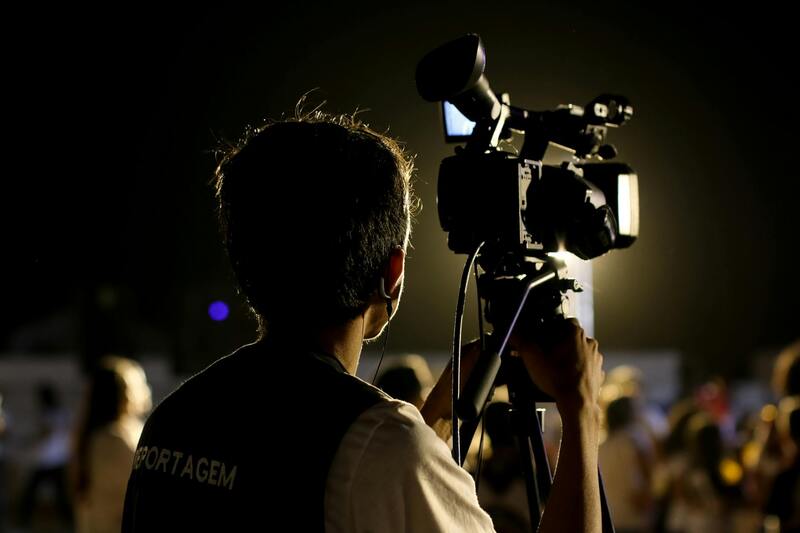
Copyright issues are another critical aspect in the creation of real estate videos. Using copyrighted music, images, or footage without appropriate licensing can lead to legal complications. To mitigate this risk, sourcing royalty-free music, licensing third-party content, or creating original audio and visual elements is recommended. This approach ensures the content remains compliant with intellectual property laws and upholds the integrity of the marketing material.
Following these guidelines helps establish a professional standard that bolsters credibility and enhances reputation within the real estate market. Clear communication with clients regarding the use of footage, permissions, and content rights ensures all parties are informed and aligned on the scope of the marketing campaign.
Legal Considerations and Best Practices in Real Estate Videography
Implementing proper procedures in the creation and dissemination of real estate videos is vital for maintaining a professional standard that aligns with industry practices. One key aspect involves securing explicit permissions from property owners or authorized representatives before initiating any filming activities. This step not only fosters transparency but also confirms that all parties are informed and in agreement regarding the scope and use of the footage. Maintaining clear records of these authorizations acts as a safeguard against potential disputes and reinforces a commitment to ethical standards.
Addressing privacy concerns is equally crucial. When filming within residential or private properties, it is essential to avoid capturing individuals without their explicit consent. Techniques such as carefully framing shots to exclude bystanders, utilizing camera angles that focus solely on the property, or employing motion blurring for individuals can help uphold privacy rights. This attentiveness demonstrates respect for personal boundaries and supports a trustworthy relationship between videographers, clients, and viewers.
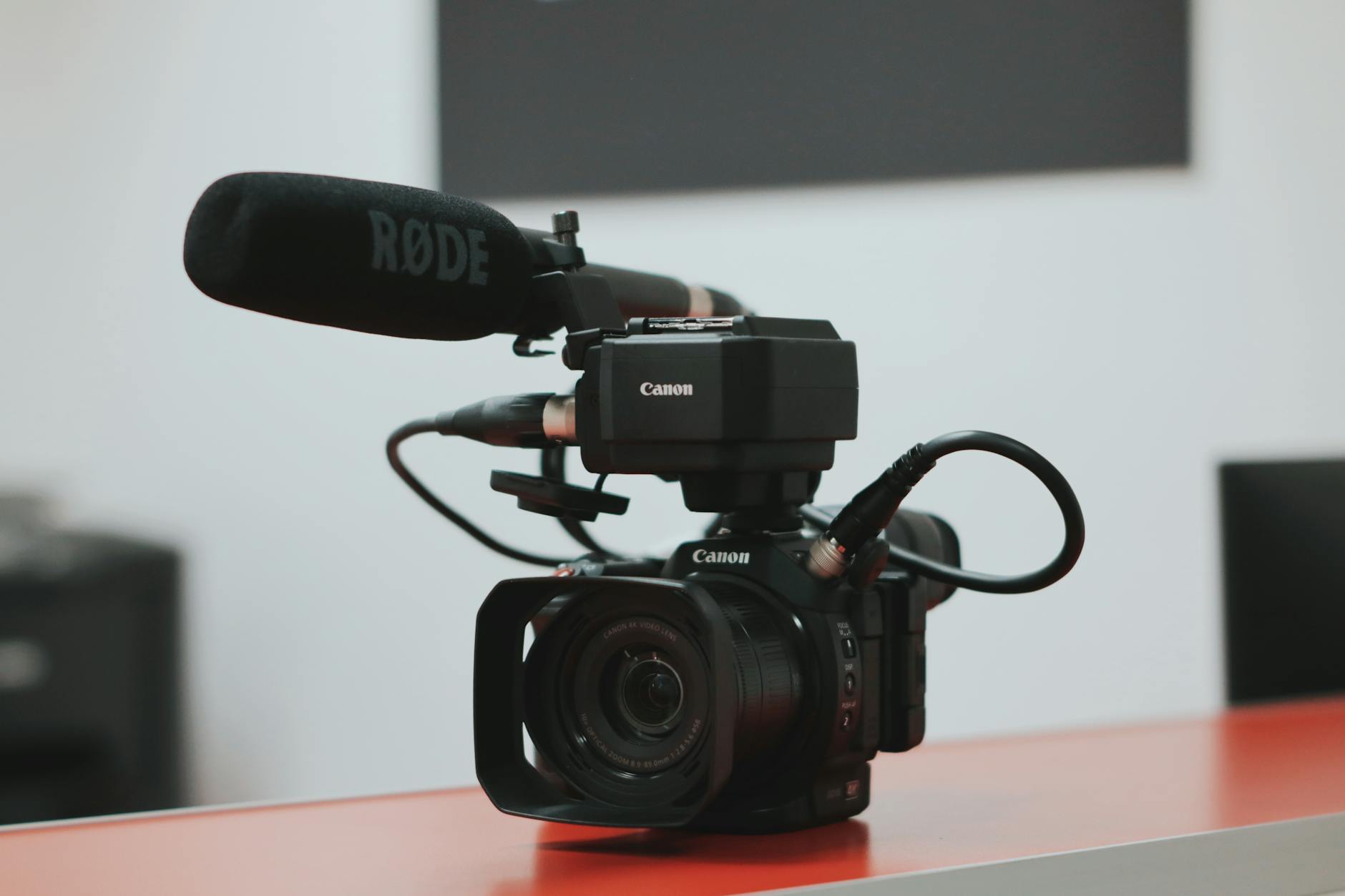
Another significant aspect relates to the ethical use of content. Incorporating copyrighted music, images, or footage without securing the proper rights can lead to complications that undermine a marketing campaign. To prevent this, professionals often utilize royalty-free music libraries, purchase licensing rights for third-party materials, or craft original content suited to the property or brand identity. These measures protect against infringement claims and ensure the marketing remains compliant with intellectual property regulations.
Furthermore, clearly communicating the scope of usage and obtaining necessary approvals from clients regarding the inclusion of specific footage, music, or branding elements helps to set expectations and prevent misunderstandings. Transparency regarding content rights, permissions, and intended distribution channels enhances credibility and demonstrates an adherence to industry best practices.
In the realm of legal considerations, maintaining a detailed documentation trail of permissions and licensing agreements is invaluable. This documentation should include signed releases, consent forms, and licensing certificates, which serve as tangible proof of compliance. Adopting these comprehensive measures ensures your real estate videography endeavors not only produce high-quality visual content but also operate within a framework of professional integrity and ethical responsibility.
Best Practices Summary
- Secure explicit permissions before filming.
- Ensure privacy rights are respected through the use of framing and editing techniques.
- Use licensed or original music, images, and footage to avoid copyright issues.
- Maintain detailed records of permissions and licenses.
- Communicate clearly with clients about content rights and usage scope.
- Implement privacy safeguards, especially in residential filming environments.