Understanding the Importance of Professional Realty Photography
In the highly competitive Miami real estate market, the visual presentation of a property plays a crucial role in capturing potential buyers' interest. High-quality realty photography is a strategic tool that enhances property listings by providing clear, attractive, and professionally composed images. These photos serve as the first impression for prospective buyers browsing online listings, which constitute a significant portion of property searches today.
Effective realty photography does more than just showcase a property; it tells a compelling story, highlighting the unique selling points of each home. When images are sharp, well-lit, and thoughtfully composed, they create an emotional connection with viewers, prompting them to explore further and schedule viewings. In Miami’s vibrant market, where luxury homes and unique properties abound, top-tier photography can significantly differentiate a listing from the competition.
Moreover, professional realty photography can directly impact the sale potential of a property. Listings with high-quality images tend to generate more online traffic, higher engagement, and quicker sales. This increased visibility can lead to multiple offers and better pricing opportunities. For real estate agents and property owners, investing in skilled photography translates to a strategic advantage in attracting serious buyers and maximizing the property's market value.
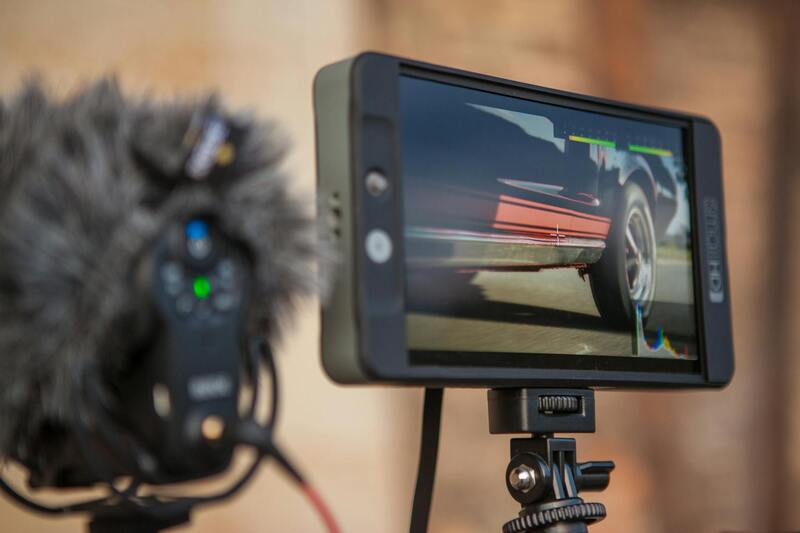
In today’s digital age, where online property portals dominate the search process, the importance of professional realty photography cannot be overstated. By creating visually appealing and accurate representations of properties, real estate professionals can elevate their marketing strategies, streamline the sales process, and achieve optimal results in the vibrant Miami real estate landscape.
Choosing the Right Photography Equipment and Techniques
To achieve stunning realty images that truly captivate potential buyers, selecting the appropriate photography equipment and employing effective techniques is essential. High-quality digital cameras with full-frame sensors are often preferred for real estate photography due to their ability to capture detailed, sharp images in various lighting conditions. Wide-angle lenses are indispensable tools in this field; they allow photographers to encompass more of a room within a single frame, creating a sense of space and openness that appeals to viewers. Typically, lenses with focal lengths between 14mm and 24mm provide optimal coverage for interior shots.
In addition to camera gear, equipment such as sturdy tripods ensures stability, resulting in clear, blur-free images, especially important in low-light environments. Remote shutter releases help prevent camera shake during shots. Proper lighting gear—including softboxes, reflectors, and diffusers—can be employed to manipulate light within the property, minimizing shadows and highlighting architectural details. High dynamic range (HDR) photography, which involves capturing multiple images at different exposures and combining them, is highly effective for properties with windows or contrasting lighting conditions, ensuring both interior brightness and exterior views are well-balanced.
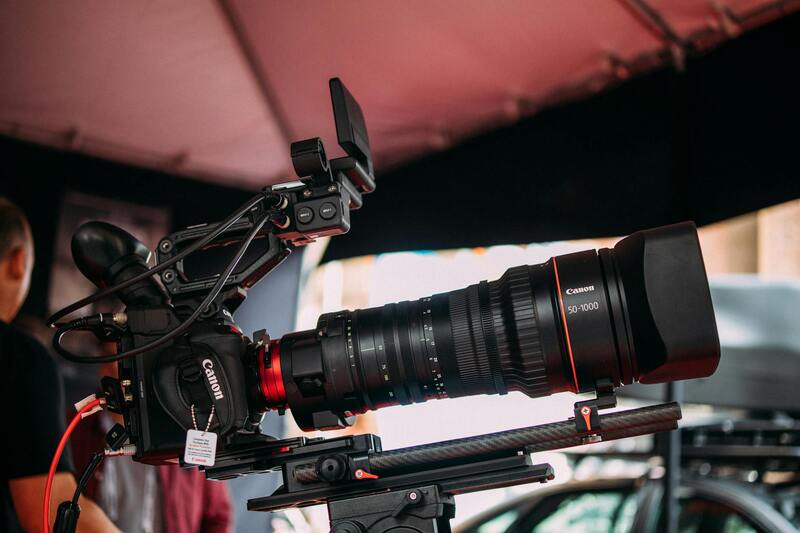
Mastering these equipment choices and techniques ensures that each photo presents the property at its best. Proper exposure, balanced lighting, and strategic angles collectively create compelling images that draw viewers in and generate interest. Skilled photographers also understand the importance of camera settings, such as aperture, ISO, and shutter speed, which should be optimized based on specific lighting conditions and the desired depth of field. The use of panoramic or 360-degree photography can further enhance listings by providing immersive virtual tours, giving prospective buyers an interactive experience that closely resembles an actual visit.
Best Practices for Property Staging and Preparation
Before capturing photographs, property owners and real estate professionals should focus on staging and preparing the space to ensure it looks its best on camera. Decluttering and depersonalizing interiors eliminate distractions, allowing viewers to visualize themselves in the space. Strategic placement of furniture and decor can highlight a property's strengths, such as spaciousness or architectural features.
- Open curtains and blinds to maximize natural light, which enhances color vibrancy and creates a warm atmosphere.
- Rearrange or remove excess furniture to foster a sense of openness and to facilitate clear pathways throughout the space.
- Ensure all surfaces are clean, tidy, and free of clutter, including kitchens and bathrooms, which are particularly scrutinized by buyers.
- Use subtle accents, such as fresh flowers or tasteful artwork, to add visual interest without overwhelming the space.
- Pay attention to details like aligning furniture and ensuring beds are made neatly, which can significantly impact the overall aesthetic.

Effective staging prepares a property for optimal realty photography, accentuating its best features. Proper preparation ensures that each shot captures a clean, inviting, and well-organized environment. This not only enhances the visual appeal but also evokes emotional responses, subtly encouraging prospective buyers to imagine themselves living in the space. When combined with professional photography techniques, staging transforms a property into an irresistible listing, giving it a competitive edge in the vibrant Miami market.
Choosing the Right Photography Equipment and Techniques
Capturing the essence of a property with clarity and vibrancy requires more than just a good eye; it demands the use of specialized equipment and advanced photographic techniques. Professional realty photography hinges on selecting the appropriate gear that aligns with the atmosphere and architectural details of the property. High-resolution digital cameras with full-frame sensors are standard, ensuring sharpness and detail in every shot. These cameras should be complemented with a selection of versatile lenses, particularly wide-angle lenses, which allow photographers to capture the full scope of rooms and spaces without distortion. This broader perspective helps potential buyers grasp the scale and layout of the property, making the images more effective in marketing.
Professional gear helps capture properties accurately and attractively Advanced techniques elevate the quality of realty images further. High Dynamic Range (HDR) photography combines multiple exposures to produce images with balanced lighting, eliminating shadows and highlights that can obscure details. HDR is particularly beneficial in situations where interior lighting conditions vary significantly or when balancing outdoor and indoor exposures in a single scene.
Drone photography has also become a pivotal element in modern realty imaging. Aerial shots provide a unique perspective of the property’s exterior, showcasing its size, layout, surrounding landscape, and proximity to key amenities. When executed with professional-grade drones, aerial photos add a dynamic layer to listings and can significantly boost engagement.
Aerial drone shots give prospective buyers a comprehensive view of the property and its surroundings Lighting plays a crucial role in property photography. While natural light is preferred for its warmth and authenticity, supplemental lighting equipment such as strobes, softboxes, and reflectors can be used to ensure interiors are evenly lit. Proper lighting removes shadows that may obscure architectural features or furnishings, resulting in more inviting images that accurately represent the space.
Investing in stabilization tools like tripods and gimbals ensures sharp, blur-free photos—especially important when shooting indoors in low-light conditions. These tools help maintain composition consistency across various shots, which is essential for creating cohesive photo galleries that tell a compelling story of the property.
Legal and Ethical Considerations in Realty Photography
Maintaining integrity and transparency is crucial in the realm of realty photography. When capturing images of a property, it's essential to present an accurate representation that mirrors the actual space without misleading potential buyers. This involves adherence to standardized practices that avoid the manipulation or alteration of images in a way that could distort the property's true features.
Photographers should only showcase spaces that are available for viewing and ensure that the images are recent, reflecting the current condition of the property. Using dated or outdated photos can cause disappointment and erode trust among clients and prospects.
Respect for privacy and consent is another vital aspect. Before photographing areas that include personal belongings or private spaces, photographers should obtain explicit permission from homeowners or property managers. This courtesy extends to avoiding the capture of neighboring properties or private areas that are not intended for public viewing.
In addition, photographers should be transparent about their services and the scope of the images provided. Clear communication about what the photography includes, along with any post-production enhancements, helps set realistic expectations and fosters a trustworthy professional relationship.
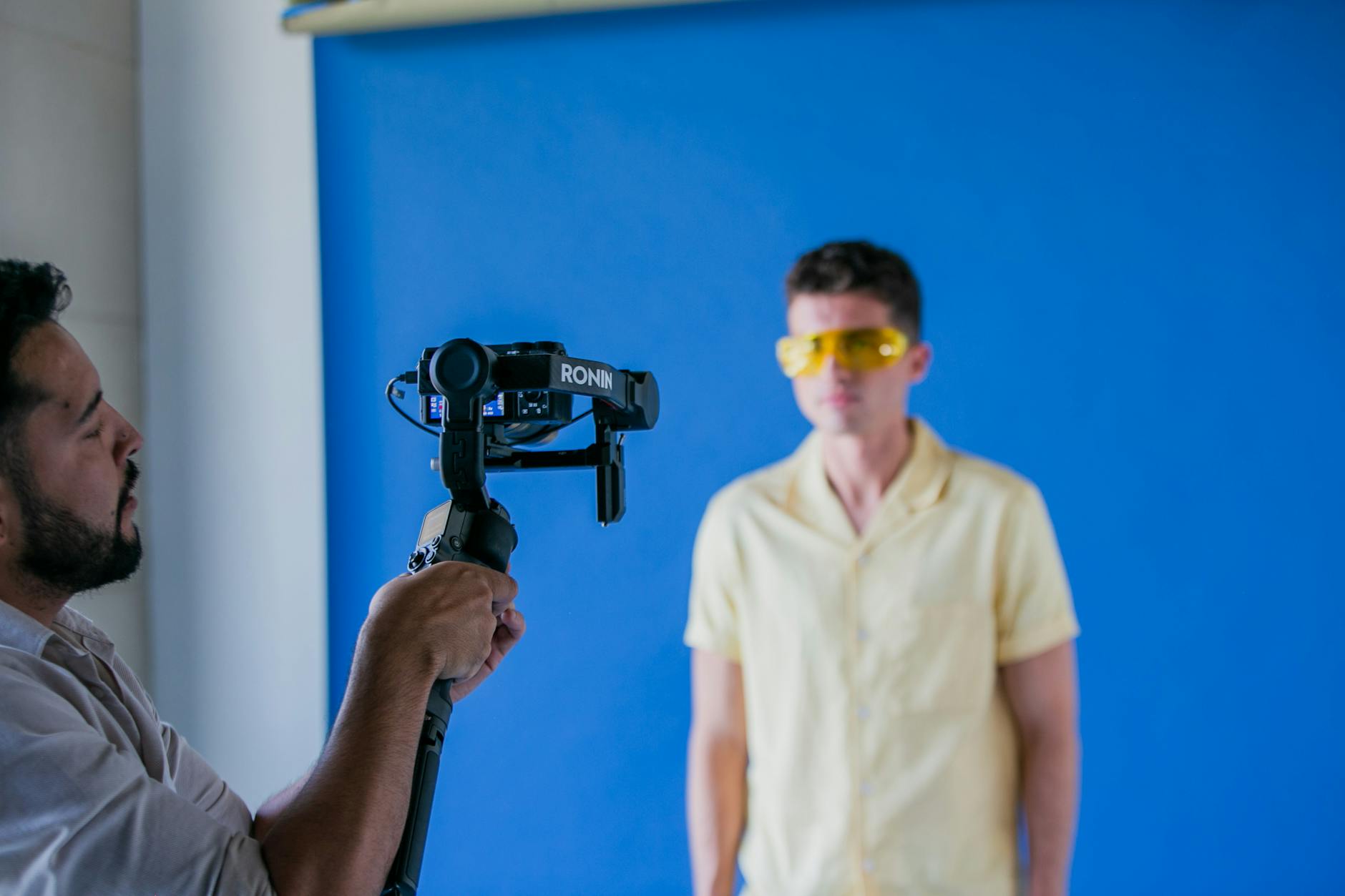
Ensuring authenticity and trust in property images through ethical photographic practices Maintaining these standards not only aligns with professional ethics but also enhances the credibility of the listing. Real estate professionals and photographers who emphasize honesty in their visual representation cultivate a reputation for reliability and integrity that benefits all parties involved.
Legal and Ethical Considerations in Realty Photography
In the realm of property marketing, maintaining integrity and transparency through official and reputable methods is essential. When capturing images of a property, adherence to established standards ensures that visuals genuinely reflect the current state of the property without misleading potential buyers.
One of the fundamental principles is accuracy in depiction. Every photograph should be a truthful representation, avoiding any form of digital manipulation that could distort the property's features. This includes refraining from altering perspectives excessively, removing or adding elements, or enhancing images in a way that misleads viewers about the property's size, features, or condition. These practices uphold a standard of honesty that fosters trust among clients and prospective buyers.
Proper compliance with privacy protocols is equally vital. Property owners’ consent must be obtained prior to photographing private or personal spaces to respect their privacy rights. Additionally, photographers should be cautious not to include neighboring spaces or private areas that are not meant for public view, ensuring all imagery aligns with the scope approved by clients.
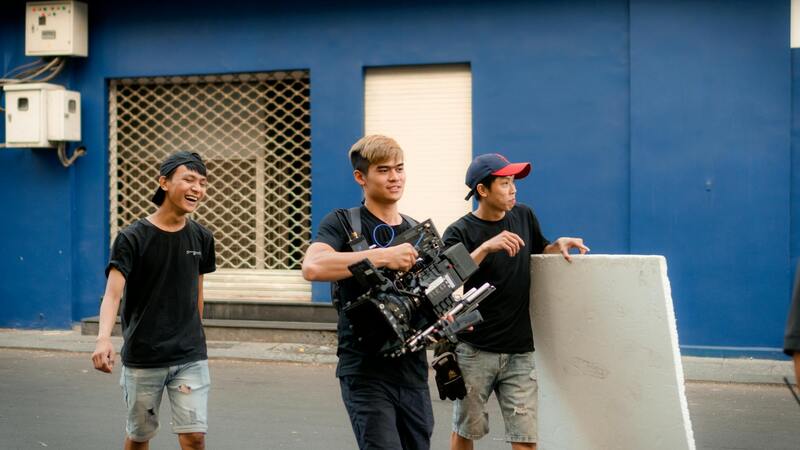
Ensure the authenticity of property images by adhering to official photography methods. Clear communication regarding the scope and limitations of the photography service also plays a crucial role. Clients should be fully informed about what the images will accurately depict, including any post-production adjustments that might be made. Such transparency prevents misinterpretation and builds a foundation of trust that benefits both real estate professionals and prospective buyers.
Using official photography methods supports the credibility of listings, aiding in attracting serious buyers who value honesty and transparency. Professional realty photography that follows ethical practices not only enhances the visual appeal of a property but also establishes a reputation for integrity within the real estate market.
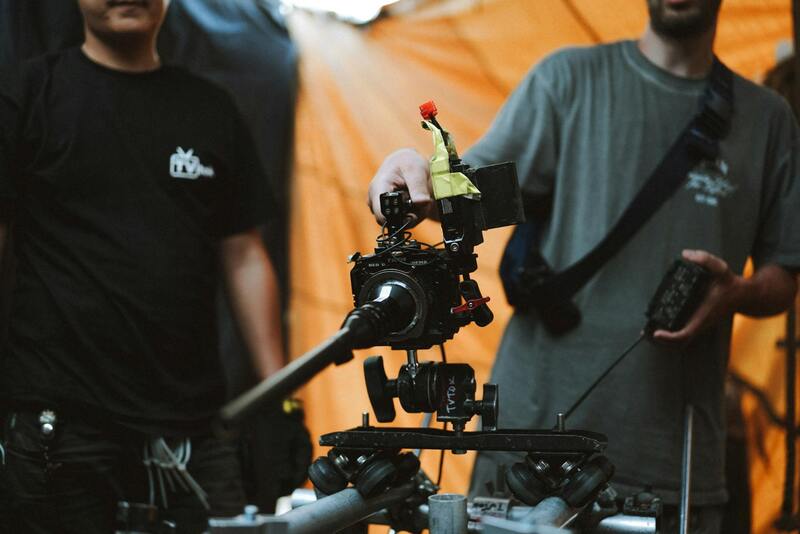
Legal and Ethical Considerations in Realty Photography
Maintaining high standards in realty photography involves adhering to established protocols that respect property rights and uphold truthful representation. Obtaining explicit permissions from property owners before capturing images ensures that all photography activities are conducted with authorized consent, fostering trust and clarity. This process involves clear communication regarding the scope of the shoot, the areas to be photographed, and how the images will be utilized, thereby establishing a professional rapport grounded in transparency.
Privacy considerations are paramount, especially when photographing private residences or shared spaces. Photographers must be diligent in avoiding the inclusion of personal items, confidential areas, or neighboring properties unless explicitly permitted. This precaution maintains respect for individual privacy and aligns with best practices for responsible property presentation.
Ethical standards extend beyond permissions and privacy. It is critical to produce imagery that accurately reflects the property's condition, size, and features without deceptive enhancements. This includes avoiding manipulation techniques that could mislead prospective buyers and ensuring that all visual representations are honest and factually accurate. Such integrity promotes a fair marketplace and helps to build a reputable brand within the real estate profession.
Additionally, adhering to local regulations related to property disclosure and photographic documentation safeguards against potential disputes. Keeping records of permissions and consent forms, as well as maintaining a clear chain of documentation, is advisable to ensure accountability and transparency in all photographic activities.
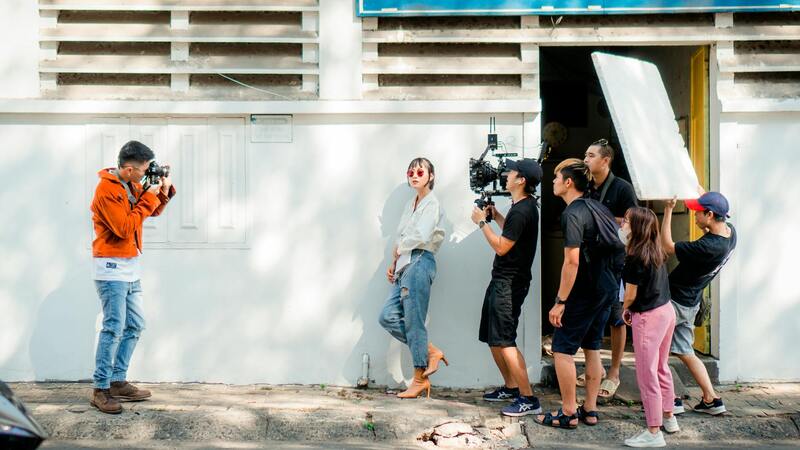
Respecting privacy and obtaining proper permissions are fundamental to ethically sound realty photography. Using official methods for capturing property images—such as approved camera settings, consistent lighting techniques, and proper framing—supports the overall integrity of the marketing strategy. These practices not only enhance image quality but also foster trust among clients and prospective buyers by ensuring that representations are consistent, honest, and compliant with industry standards. Ultimately, the commitment to ethical photography builds credibility, safeguards client interests, and contributes to a positive reputation in the competitive real estate market.
Legal and Ethical Considerations in Realty Photography
Maintaining integrity in realty photography is essential for establishing trust and credibility in the property market. This involves adhering to methodologies that ensure each image accurately depicts the property's current condition without exaggerated enhancements or misleading angles. Photographers should focus on capturing true representations by using standardized settings and techniques to avoid distortions or visual manipulations that could convey false impressions.
Accuracy in photos also demands transparency about what prospective buyers can expect. Clearly showcasing both key features and areas that might require renovation or improvement helps in setting realistic expectations. This practice enhances buyer confidence and helps prevent disputes arising from misrepresentation.
High-quality, truthful images form the foundation of effective real estate marketing. In addition, it is crucial to retain detailed documentation of permissions for the use of images, especially when capturing interior or private exterior spaces. Proper record-keeping ensures that all photographic activities are transparent and compliant with regional conventions, which may include obtaining consent from property owners or tenants. Such documentation also supports the ethical use of proprietary content, dissuading unauthorized reuse or alterations.
Proper lighting, consistent framing, and strategic angles should be employed to produce images that are both appealing and honest. These methods demonstrate professionalism and respect for the property, reinforcing a reputable brand identity in the competitive real estate landscape.
Creating a fair and open marketplace is achieved through adherence to these high standards, fostering positive relationships with clients and prospective buyers alike. It also emphasizes the importance of ongoing education in best practices, ensuring that photographers stay aligned with evolving industry standards and technological advancements.
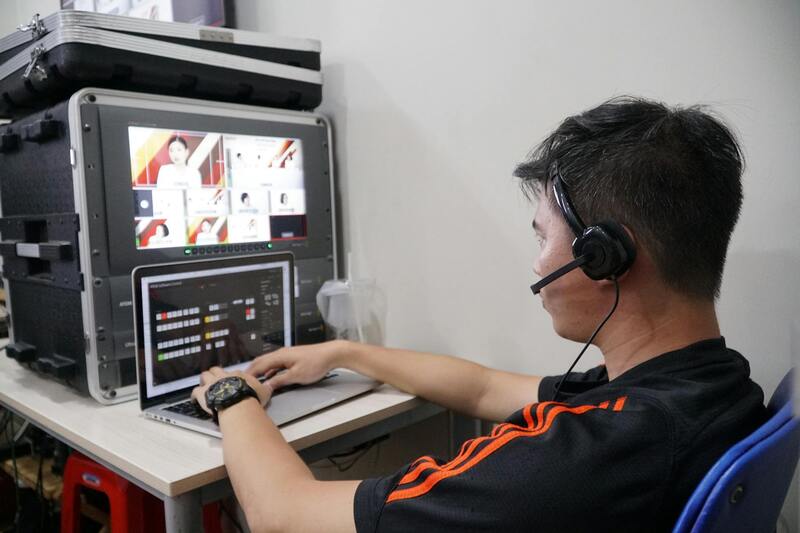
Maintaining documenting permissions supports transparency and fair dealings in property marketing. Overall, responsible realty photography not only enhances the visual appeal of property listings but also safeguards the integrity of the process. This approach ensures that all marketing efforts are grounded in truthful representation, building long-term trust and fostering success within the real estate industry of Miami and beyond.
Legal and Ethical Considerations in Realty Photography
Ensuring that real estate images adhere to proper legal and ethical standards is fundamental to fostering trust and professionalism in the industry. Photographers operating within the realm of property marketing must prioritize obtaining appropriate permissions before capturing images that include private spaces, whether interior rooms, landscaped yards, or private outdoor areas. This practice not only respects the privacy of homeowners and tenants but also aligns with industry best practices for transparency and accountability.
Maintaining comprehensive documentation of consents is an essential component. This includes keeping records of signed agreements or written permissions indicating approval to utilize specific images for marketing purposes. Such documentation acts as a reference point should any questions arise regarding the use or publication of certain photographs, and it safeguards all parties involved from miscommunications or misunderstandings.
Photographers should also be aware of regional regulations pertaining to property images. These may encompass policies for capturing drone footage, restrictions on photographing certain sensitive locations, or guidelines about the level of detail visible in exterior shots. Complying with these standards demonstrates a commitment to operating responsibly and respecting local norms.
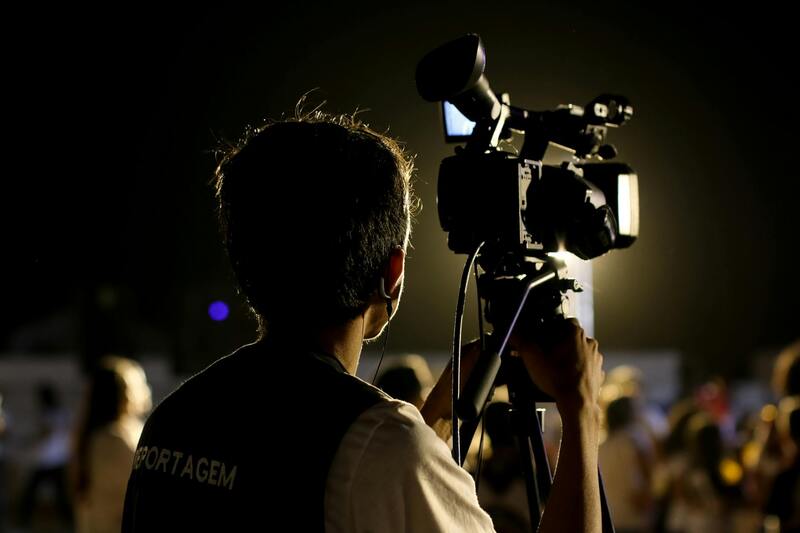
Thorough permission and documentation form a foundation for responsible property marketing. Furthermore, the ethical use of proprietary content involves respecting intellectual property rights, avoiding manipulative alterations, and presenting properties fairly and accurately. This means refraining from marketing images with exaggerated features or misleading angles that could give prospective buyers an unrealistic impression of the property’s condition or appearance. Honest representation is crucial for building trust and ensuring long-term client satisfaction.
Another important aspect concerns the representation of people within property images. If individuals are featured, appropriate consent should be obtained, especially in interior spaces where privacy might be a concern. Clear communication and documentation about the use of images with identifiable persons help uphold ethical standards and prevent potential disputes.
By adhering to these established practices, realty photographers contribute positively to a transparent, trustworthy real estate marketplace. Their commitment to ethical standards enhances the reputation of their service and supports the integrity of property listings, attracting clients who value professionalism and honesty in their marketing strategies.
Ethical realty photography practices foster trust and transparency within the real estate market.