Role and Importance of a Dedicated Event Photo Team
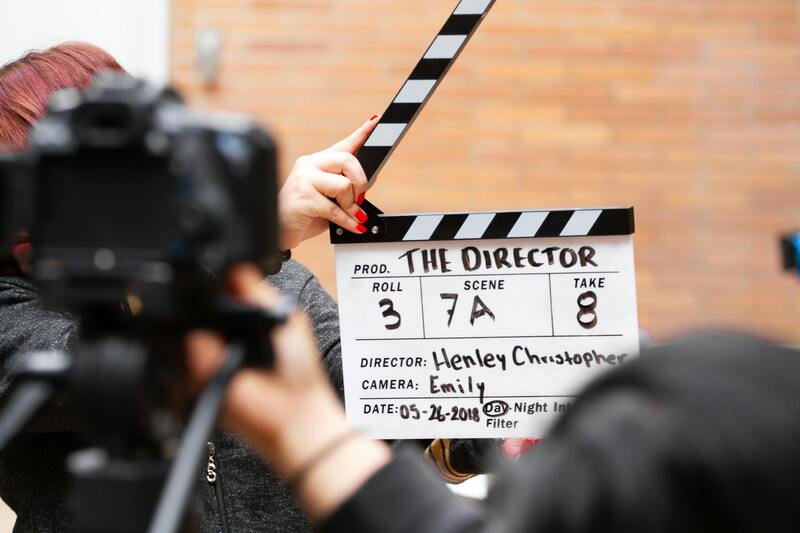
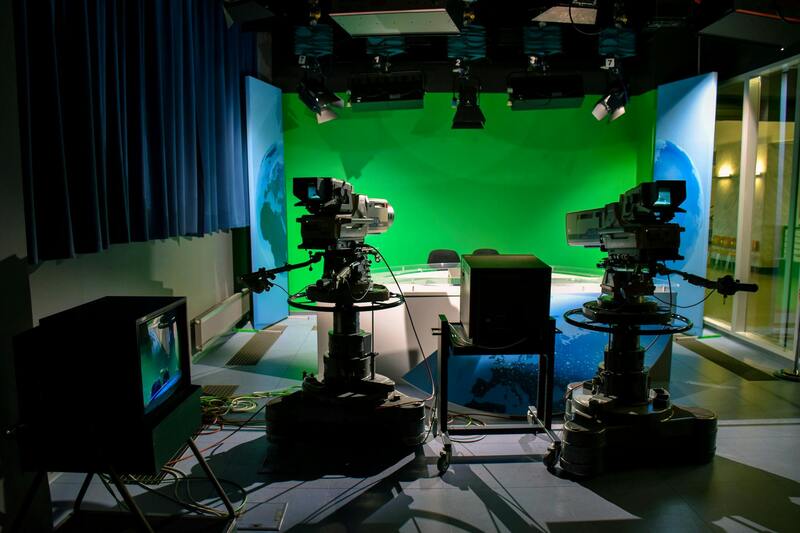
When it comes to capturing the essence of a significant event, having a dedicated event photo team is indispensable. These professionals serve as the visual storytellers, responsible for freezing moments that will be cherished for years to come. Their expertise ensures that the atmosphere, emotions, and unique details of each occasion are accurately documented. Unlike casual photography, a specialized team brings a strategic approach to every shot, aligning with the event’s objectives and style.
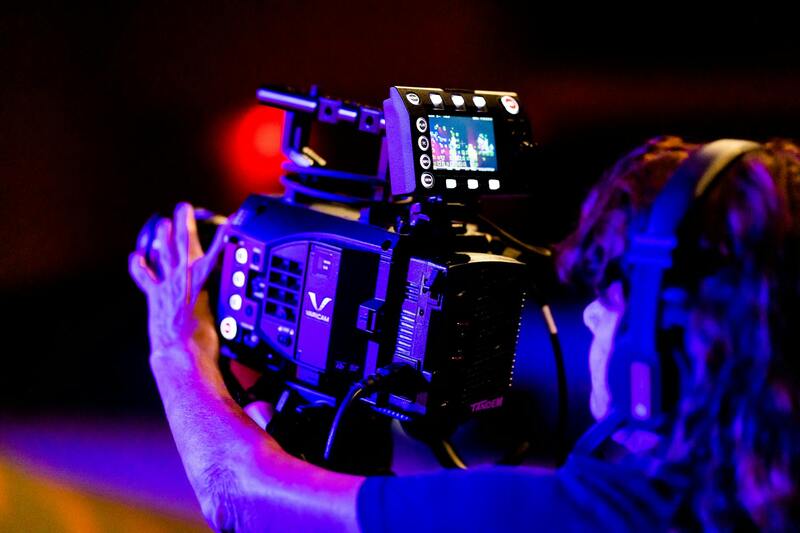
Event photo teams play a pivotal role in elevating the overall experience for hosts and attendees alike. High-quality images foster lasting memories and strengthen the event’s impact through promotional materials, social media sharing, and archival purposes. Their presence allows event organizers to focus on delivering a seamless experience, confident that the moments are being professional captured with precision and artistry.
The significance of a skilled event photo team extends beyond mere documentation. They contribute to the event's credibility, ensuring that every detail is highlighted beautifully. Whether it’s a corporate conference, a wedding celebration, or a grand festival, the expertise of a professional photo team guarantees a comprehensive visual record that reflects the event's essence and ambiance.
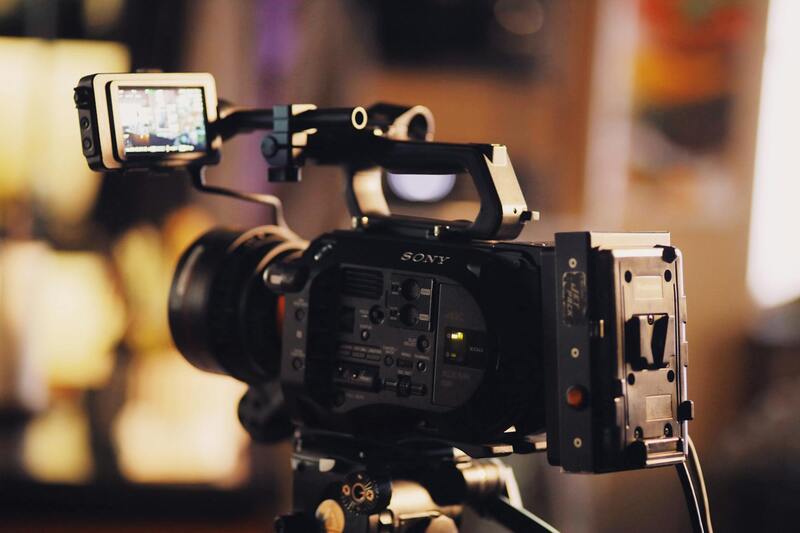
In addition, a dedicated team offers flexibility and adaptability, responding to various lighting conditions, dynamic scenes, and candid moments. Their ability to work discreetly and efficiently contributes to a natural, relaxed environment, encouraging genuine interactions among attendees. This authenticity, captured through their lenses, becomes a powerful component of the event's visual legacy.
Investing in a professional event photo team ensures that all aspects of the event are documented with high standards of quality, consistency, and creativity. These images serve as vital assets for marketing, commemorations, and future planning, underscoring the importance of entrusting your event’s visual recording to experienced professionals.
Components of an Effective Event Photography Team
Building a successful event photo team hinges on assembling a diverse group of skilled professionals, each with a clear understanding of their specific responsibilities. These components work synergistically to ensure comprehensive coverage, attention to detail, and seamless operation during the event. A typical team comprises lead photographers, assistants, and on-site coordinators, all of whom play crucial roles in capturing the event’s essence with consistency and high quality.
Lead Photographers
At the core of the team are lead photographers who are responsible for capturing the key moments, establishing the visual style, and coordinating the shoot's overall flow. They possess extensive experience in dynamic event environments, allowing them to adapt swiftly to changing lighting conditions, movement, and candid interactions. Their artistic vision and technical expertise directly influence the quality and storytelling capacity of the final imagery.
Assistants
Assistant photographers support the leads by managing equipment, adjusting settings, and capturing supplementary shots. They help ensure that no critical moment is missed, especially during high-energy segments. Assistants also handle logistical tasks such as maintaining equipment, managing lighting, or helping with staging, thereby allowing lead photographers to focus on their creative pursuits.
On-Site Coordinators
Event coordinators or dedicated on-site managers facilitate smooth operational flow. Their responsibilities include coordinating with event organizers, managing schedules, and communicating with the photography team to adapt to any on-the-fly changes. Effective coordination minimizes disruptions and maximizes the team’s productivity, ensuring thorough coverage without missing essential moments.
Additional Support Roles
- Videographers: In many cases, a combined visual approach integrates both photography and videography, capturing motion and sound to provide a complete narrative.
- Stylist or Art Director: For events requiring a certain aesthetic, a stylist or art director can advise on framing, composition, and overall visual cohesion.
Each team member’s skills and responsibilities are aligned through meticulous pre-event planning, fostering an environment where professionalism and efficiency drive the collection of captivating imagery. The collaboration among these roles ensures a thorough, well-rounded documentation of the event that can be leveraged for promotional use, archives, or personal keepsakes.
Role and Importance of a Dedicated Event Photo Team
Having a specialized team dedicated solely to capturing the essence of an event significantly enhances the quality and comprehensiveness of the documentation. A focused event photo team understands the unique requirements of different gatherings, whether they are corporate conferences, weddings, or galas. Their expertise allows them to anticipate important moments, capture candid interactions, and highlight key details that contribute to the story of the event.
The strategic placement of photographers and support staff ensures continuous coverage from multiple angles, reducing blind spots and potential missed opportunities. This coordinated effort results in a richer, more engaging visual record that aligns with the client’s objectives and expectations. Furthermore, specialized training and experience enable team members to adapt swiftly to changing environments and lighting conditions, producing high-quality images regardless of the circumstances.
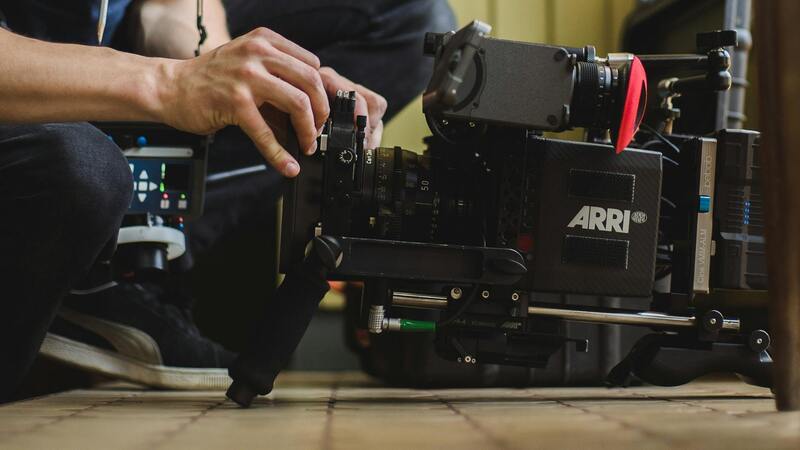
In addition to the technical expertise, a dedicated team fosters a professional environment where punctuality, discretion, and responsiveness are prioritized. This approach minimizes disruptions during the event, allowing organizers and guests to enjoy the occasion while being assured that their moments are being expertly captured. The result is a collection of images that not only document the event but also evoke emotions and preserve memories for years to come.
Components of an Effective Event Photography Team
Efficiency in event coverage is achieved through a well-organized team, each member performing designated roles that complement one another. Key components include lead photographers who orchestrate the overall shoot, assistant photographers who handle supplementary angles and quick shot setups, and on-site coordinators who manage logistical aspects.
- Lead Photographers: Responsible for capturing the main moments, directing other team members, and making creative decisions.
- Assistants: Focus on equipment management, lighting adjustments, and capturing spontaneous candid shots.
- On-Site Coordinators: Liaise with event organizers, manage schedules, and coordinate the team's activities to ensure smooth operation.
- Support Staff: Videographers, stylists, or art directors who enhance the visual storytelling based on event needs.
Pre-event planning is crucial to align each role with the overall vision. Conducting team briefings, understanding the event layout, and discussing shot priorities ensure synchronized efforts during the actual coverage.
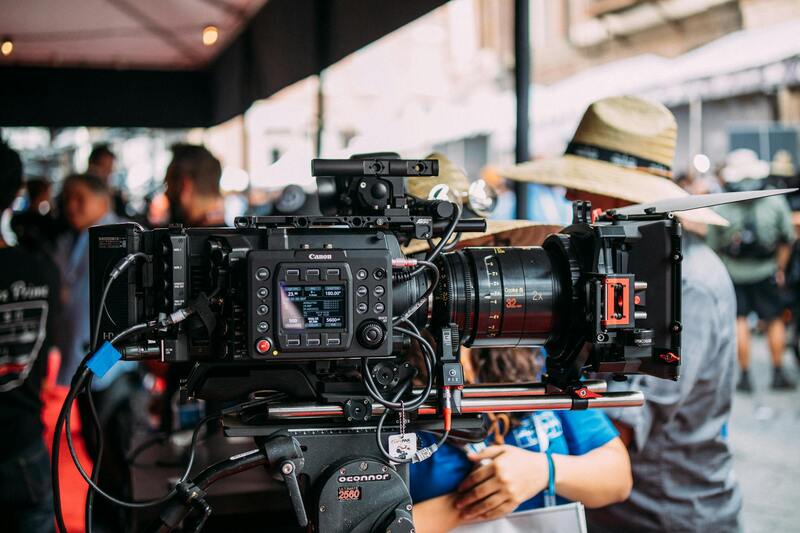
The synergy created within a dedicated event photo team leads to a dynamic and comprehensive visual archive. It also benefits clients by providing a consistent style and quality across all images, which is essential for branding, promotional materials, or archival purposes. When each team member operates with professionalism and clarity, the overall impact of the coverage significantly improves, making it a worthwhile investment for any event organizer seeking excellence.
Equipment and Technology Used by Event Photo Teams
An experienced event photo team relies on a combination of advanced equipment and cutting-edge technology to deliver high-quality images that meet diverse lighting and setting conditions. The selection of gear is pivotal; every piece is chosen to enhance efficiency, image clarity, and adaptability during dynamic events. Top-tier cameras with high-resolution sensors form the backbone, enabling detailed captures even in low-light environments common at evening events or indoor functions.
Complementing the cameras, professional lenses such as wide-angle, telephoto, and prime lenses are essential tools. Wide-angle lenses are often used for capturing expansive crowd shots or venue settings, while telephoto lenses facilitate intimate close-ups from a distance, ensuring no key moments are missed. Prime lenses with wide apertures significantly improve performance in low-light conditions, providing crisp images with beautiful background blur.
Lighting equipment also plays a critical role, particularly portable flash units, softboxes, and LED panels, which help in creating balanced illumination without disrupting the event atmosphere. These tools enable photographers to manage shadows, highlight subjects, and adapt to changing lighting conditions seamlessly. Additionally, stabilization gear such as tripods, monopods, and gimbals ensure smooth, sharp shots during movement-based coverage.
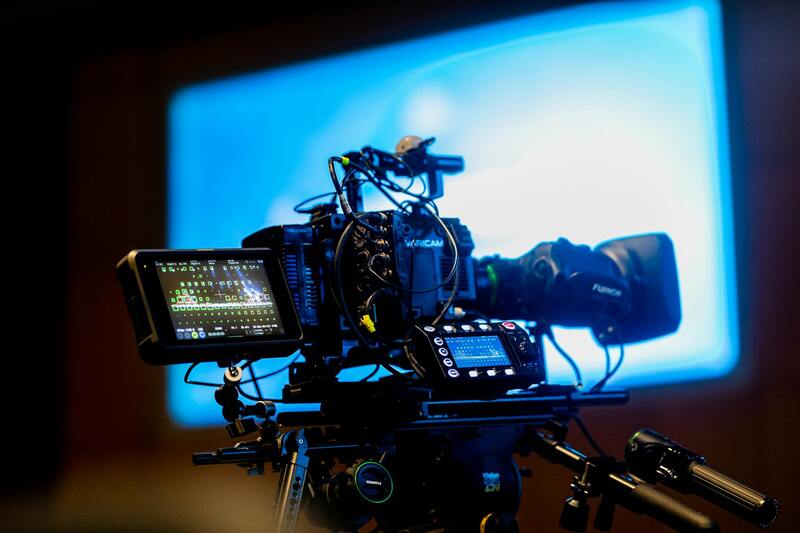
Another vital aspect is reliable backup systems. High-capacity memory cards, portable storage devices, and cloud backup solutions ensure that images are protected against potential data loss during event proceedings. Wireless transmitters and remote shutter releases facilitate capturing shots from multiple angles, reduce camera shake, and increase versatility on the field.
Modern technology also includes software and accessories that streamline workflow. This ranges from rapid image processing tools, such as Adobe Lightroom or Capture One, to high-speed laptops used onsite for initial edits or selections. Enhanced communication devices, like two-way radios or team messaging apps, ensure seamless coordination among team members, especially in large venues or multi-session events.
Incorporating innovative technology allows event photography teams to adapt quickly, maintain high standards, and deliver images that resonate with clients’ expectations. The perfect synergy of equipment and technology results in a comprehensive coverage that captures every crucial detail and spontaneous moment with precision.
Role and Importance of a Dedicated Event Photo Team
Having a specialized event photo team is essential for capturing the full essence of any occasion. These teams are composed of highly skilled professionals trained to adapt quickly to various environments, ensuring that every significant moment is documented with clarity and artistry. A dedicated team brings a level of consistency and expertise that casual or sporadic photographers may lack, guaranteeing a polished and comprehensive collection of images after the event. Their presence allows event organizers to focus on their primary responsibilities, confident that their visual documentation is in capable hands.
Event photo teams are instrumental in crafting a narrative through images. Whether it's a corporate conference, wedding, product launch, or charity gala, the visuals serve as a memory bank and a promotional tool. Through strategic positioning and anticipatory shooting, these professionals capture candid interactions, formal group shots, and spontaneous reactions that embody the event's atmosphere. Their ability to blend into the background prevents disruption while still securing high-quality imagery that highlights the event's highlights and unique moments.
Components of an Effective Event Photography Team
- Lead Photographer: Oversees the shoot, coordinates with clients, and ensures all key moments are captured.
- Assistants: Support equipment handling, set up lighting, and help with logistics.
- Creative Director: Guides the aesthetic vision, ensuring images align with client branding or event themes.
- Post-Processing Specialists: Manage the editing, retouching, and final delivery of images.
- Logistics Coordinator: Manages scheduling, site access, and equipment logistics to ensure seamless coverage.
Optimal Team Size and Structure
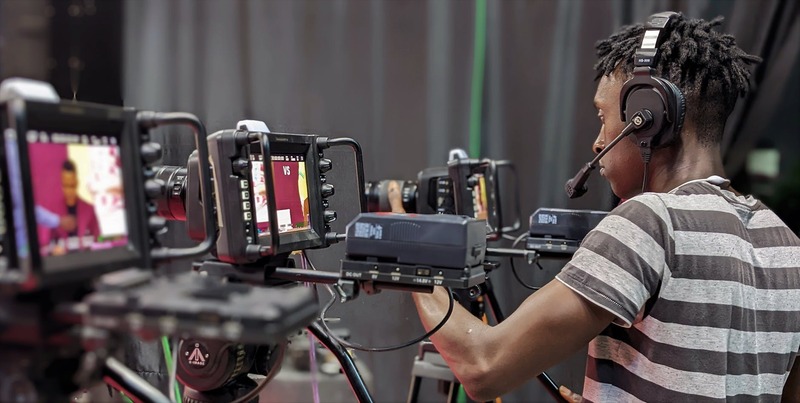
Depending on the event's scope and complexity, team size can vary. For larger events, a multi-layered approach with specialized roles ensures comprehensive coverage. Smaller gatherings may require a core team of two to three professionals who can adapt and handle multiple roles efficiently. The structure should promote smooth communication and flexibility, enabling team members to execute their tasks effectively without overlapping responsibilities or gaps in coverage.
Pre-Event Planning and Coordination
The success of event photography heavily relies on meticulous pre-event preparation. This phase involves several key steps to ensure the team is aligned with the client’s expectations and logistical arrangements:
- Understanding Client Goals: Clearly outline the desired outcomes, key moments, and specific images the client wants to prioritize.
- Site Reconnaissance: Visiting the venue beforehand to assess lighting conditions, space restrictions, and potential shooting angles.
- Shot List Development: Creating a prioritized list of shots including candid moments, formal group photos, and event highlights.
- Equipment Planning: Selecting appropriate cameras, lenses, lighting, and backup gear based on the venue’s characteristics and event format.
- Team Coordination: Assigning roles, establishing communication protocols, and scheduling workflows to maximize efficiency during the event.
Effective planning mitigates unforeseen challenges and ensures fluid coverage, allowing the team to adapt dynamically to the event's progression and spontaneous moments. Clear communication channels pre-define responsibilities, synchronize efforts, and facilitate real-time adjustments as needed.
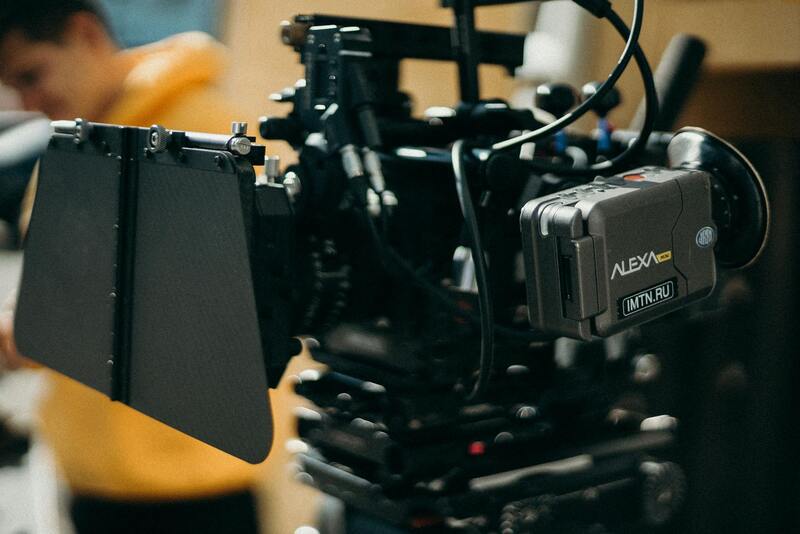
Components of an Effective Event Photography Team
Establishing a reliable and professional event photo team requires the integration of several critical components that work together seamlessly to deliver exceptional results. These components encompass the roles, skills, and resources essential for capturing the full scope of an event, from candid moments to formal portraits and dynamic action shots.
Core Roles and Responsibilities
- Lead Photographer: Acts as the team’s coordinator on-site, setting the photographic tone, managing shot list execution, and making real-time adjustments to capture key moments effectively.
- Assistant Photographers: Support the lead by covering additional angles, handling specific segments such as guest arrivals or candid interactions, and managing equipment logistics.
- Photo Editor: Responsible for post-event image selection, editing, color correction, and preparing photos for delivery, ensuring consistency and quality.
- Logistics Coordinator: Oversees transportation, equipment setup, and adherence to timelines, ensuring the team operates smoothly without technical or logistical disruptions.
Essential Skills and Qualities
- Strong technical expertise in digital photography, lighting, and composition.
- Ability to work under pressure and adapt to unpredictable event scenarios.
- Excellent interpersonal skills for engaging with event attendees and stakeholders professionally.
- Creativity paired with strategic planning to capture both planned and spontaneous moments.
Training and Experience
The proficiency of an event photo team hinges on formal training and relevant experience. Team members must be well-versed in navigating various lighting environments, managing high-pressure situations, and understanding the specific demands of event types such as corporate gatherings, weddings, or social celebrations.
Use of Resources and Support Systems
Equipped with high-quality cameras, multiple lenses, portable lighting, and backup gear, the team is prepared for diverse conditions. Additionally, effective communication tools, such as two-way radios or instant messaging apps, are vital for coordination during live coverage, allowing team members to respond swiftly to unfolding moments.

Pre-Event Planning and Coordination
Thorough preparation is fundamental for the success of event photography. It involves detailed organization, clear communication, and coordinated efforts to align the team’s objectives with client expectations. The preparatory phase includes several pivotal steps:
Understanding Client Goals
Engaging with clients to define their primary objectives, key moments, and preferred styles of imagery ensures that the team’s efforts are aligned with the desired outcomes. This phase might include discussions on preferred formal group shots, candid captures, and specific event highlights to document.
Venue Assessment and Site Visits
Photographers conduct pre-event visits to evaluate lighting conditions, space availability, and physical constraints. This knowledge allows the team to plan optimal camera settings and identify strategic locations for capturing different segments of the event.
Creating a Shot List
Developing a prioritized list of photos guarantees that all important moments are covered. The shot list often includes candid interactions, key speakers, awards, or entertainment segments, along with posed group portraits and specific details that the client wishes to emphasize.
Equipment Selection and Backup Planning
Choosing appropriate gear tailored to the venue’s environment and event format minimizes technical issues. Backup equipment, such as extra batteries, memory cards, and alternate lenses, are essential to maintain workflow continuity throughout the event.
Team Roles and Communication Protocols
Assigning specific roles to team members and establishing clear communication channels are vital for dynamic coordination. Scheduling workflows, briefing sessions, and contingency plans help manage spontaneous moments decorously, ensuring comprehensive coverage from start to finish.
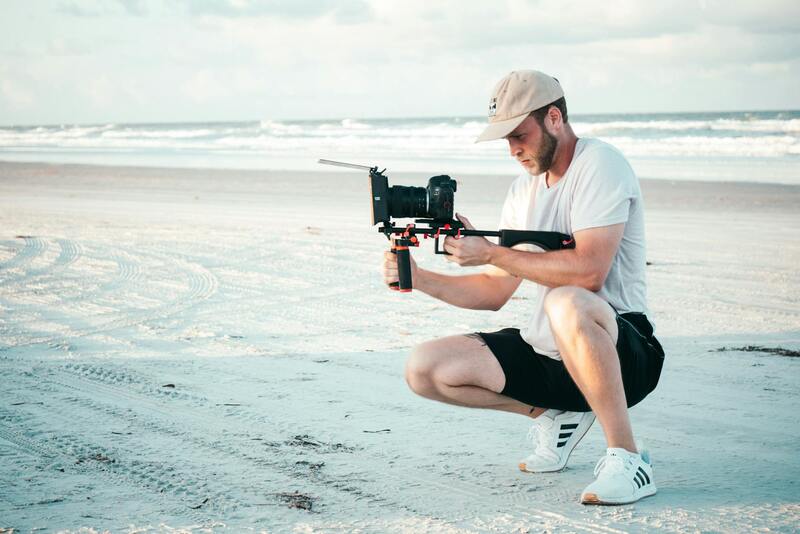
Role and Importance of a Dedicated Event Photo Team
A dedicated event photo team plays a pivotal role in capturing the essence and significance of any event, ranging from corporate functions to social gatherings. Their primary responsibility is to document key moments, candid interactions, and the overall atmosphere, providing clients with a visual narrative that can be leveraged for marketing, archival purposes, and personal remembrance. An experienced team understands the flow of various event elements and can adapt to spontaneous moments, ensuring that no impactful scene goes unnoticed. This specialization guarantees high-quality images consistent in style, tone, and perspective, aligning with the event’s objectives and branding requirements.
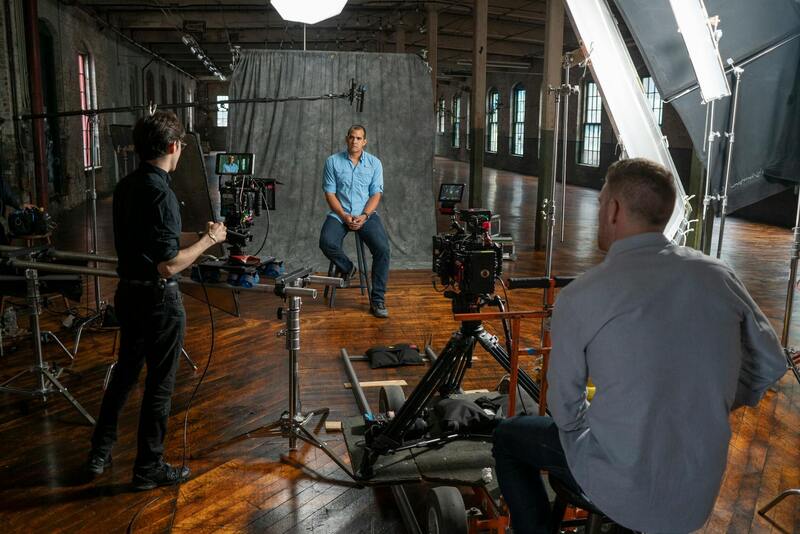
Having a dedicated team ensures continuity, professionalism, and a comprehensive approach to coverage. They bring a consistent aesthetic, technical expertise, and the ability to swiftly adapt to diverse lighting conditions and unpredictable scenarios common during live events. Ultimately, engaging a specialized team provides peace of mind, knowing that every important detail is documented with finesse and precision, making the event memorable long after the last guest departs.
Components of an Effective Event Photography Team
Constructing a successful event photo team involves a careful selection of roles and skills. Typically, this includes a lead photographer responsible for overall vision and direction, assistants who help with lighting and equipment management, and sometimes specialized personnel such as videographers or drone operators. Clear roles facilitate smooth coordination, especially during rapid changes or shifts in event activities.
- Lead Photographer: Oversees the photographic coverage, makes creative decisions, and provides guidance to junior team members.
- Second Shooters: Capture different angles or moments independently, ensuring comprehensive coverage.
- Lighting and Equipment Assistants: Manage on-site technical needs, set up lighting, and troubleshoot equipment issues.
- Post-Production Support: Handle editing, color grading, and delivery of images, maintaining high standards of quality.
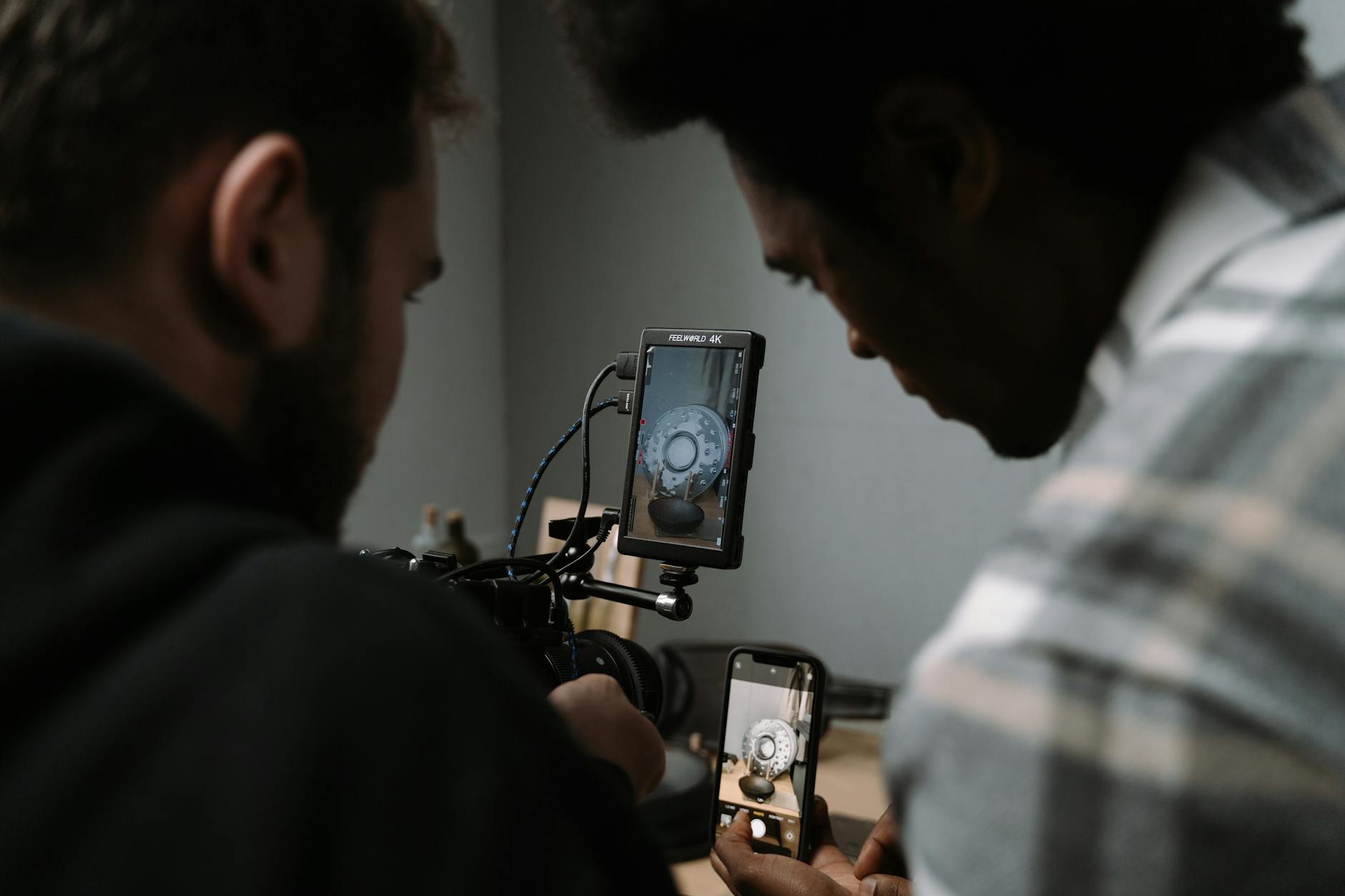
Effective communication protocols among team members are essential for real-time updates and coordination, which significantly contribute to the flow and coverage quality of the event. A well-structured team with complementary skills maximizes efficiency, ensures all critical moments are captured, and produces a rich photographic archive for clients.
Pre-Event Planning and Coordination
Pre-event preparation is fundamental to achieving top-tier results. Initial discussions between clients and the photography team set expectations, identify key moments, and outline desired styles or themes. This collaboration results in a detailed shot list highlighting essential shots, such as formal portraits, candid interactions, and specific moments like speeches or award presentations.
Site reconnaissance visits are conducted to assess lighting conditions, space constraints, and logistical considerations. Understanding the venue's layout helps the team plan equipment placement, identify optimal vantage points, and anticipate potential challenges. This proactive approach ensures smooth operations and minimizes disruptions during actual event coverage.
- Developing a comprehensive shot list aligned with client goals
- Conducting venue assessments to determine lighting and spatial dynamics
- Discussing specific requests for images, such as branding or thematic elements
- Coordinating schedule timings with event organizers for optimal coverage
Equipment and Technology Used by Event Photo Teams
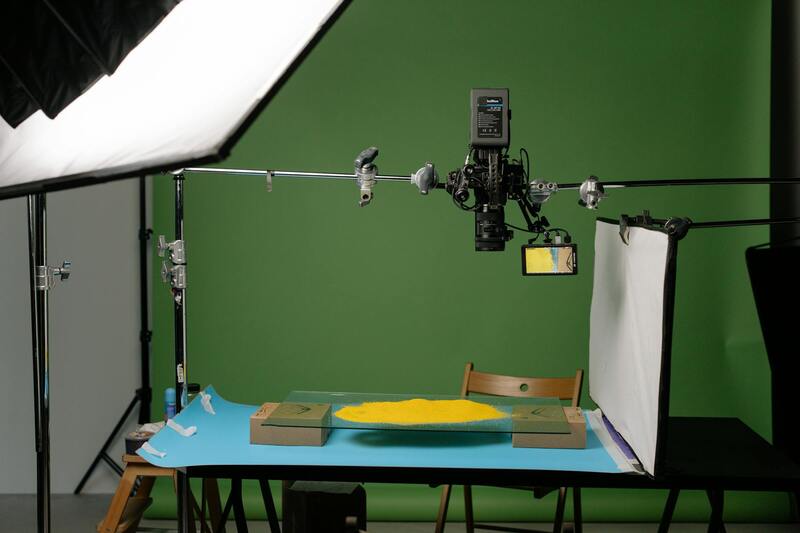
Successful event photography depends heavily on the right equipment. Professional-grade DSLR or mirrorless cameras with fast autofocus and high-resolution sensors are standard, providing clarity and detail in every shot. Lenses are selected based on the event type, with wide-angle lenses for large venues and telephoto lenses for candid shots from a distance.
Lighting gear, such as portable flashes, LED panels, and diffusers, helps adapt to challenging lighting conditions, especially indoor or low-light settings. Tripods and monopods improve stability during long exposures or when capturing steady shots in dim environments. Remote shutter releases ensure sharp images when photographing in tight spaces or during times requiring longer exposures.
Technological advancements also include instant image review tablets, wireless transmitters for immediate sharing, and high-capacity memory cards to prevent data loss. Backup batteries and redundant storage devices are pivotal for uninterrupted workflow, preventing technical hiccups from disrupting coverage.
Photographic Strategies for Event Coverage
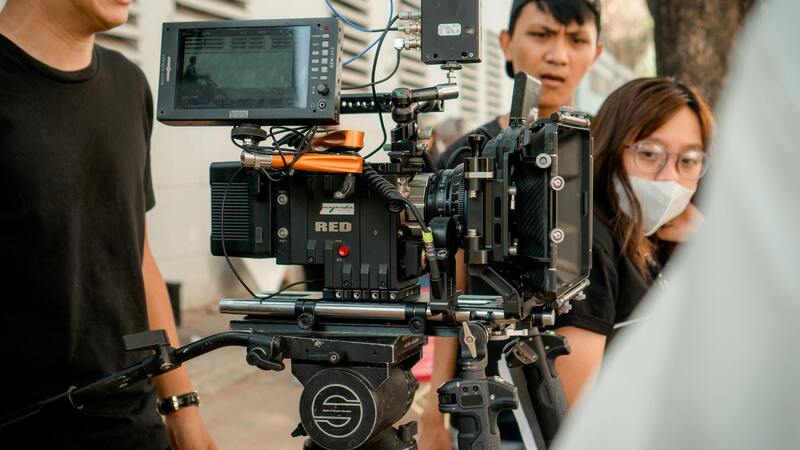
Effective coverage hinges on strategic planning and adaptive techniques. A balanced approach combines formal posed images with candid shots that authentically capture the event's energy. The team must predict peak moments—such as speeches, performances, or awards—allowing them to position themselves optimally to capture these transient yet impactful scenes.
Utilizing different lenses and angles enriches the visual story—wide shots establish the environment, while close-ups reveal emotion and detail. Photographers often work discreetly to avoid interfering with the event flow, especially during candid moments, employing silent shutter modes or mirrorless cameras for minimal noise.
Posture, timing, and composition are meticulously managed, ensuring each image contributes to a cohesive narrative. Capturing genuine interactions and reactions adds depth to the visual story, which is crucial for marketing assets or personal memories.
Post-Event Photo Processing and Delivery
Post-event processing involves selecting the best images from the extensive coverage, followed by editing to enhance clarity, color accuracy, and overall aesthetic appeal. Skilled post-production ensures consistency in tone and style, aligning with the client’s branding or personal preferences.
High-resolution images are delivered through secure digital platforms or proprietary online galleries, allowing clients easy access and download. For physical products such as prints or albums, images are resized, optimized, and printed with professional quality standards. Efficient workflow ensures timely delivery, enabling clients to utilize the photos for marketing campaigns, social media, or personal keepsakes promptly.
Optimizing Event Photography through Strategic Post-Event Processes
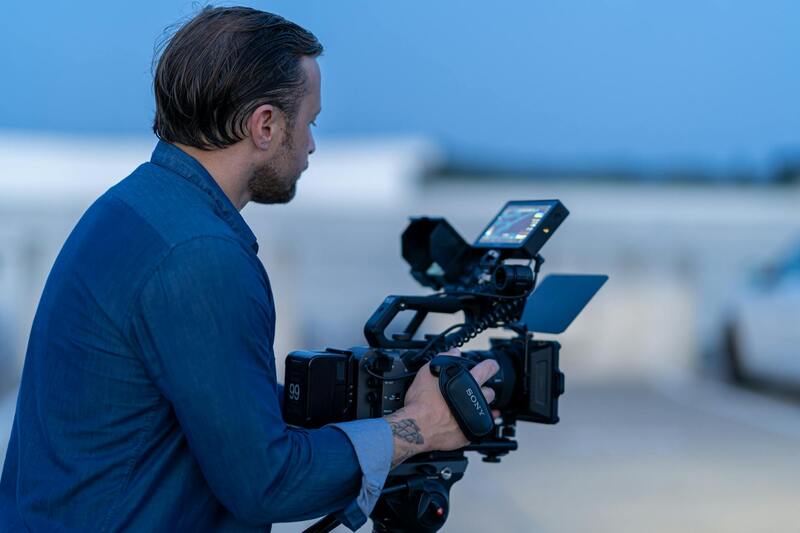
After capturing a diverse array of images during an event, the post-event processing phase becomes crucial in transforming raw photographs into compelling visual narratives. This phase emphasizes meticulous selection, editing, and delivery techniques that uphold the integrity and professionalism of the event photos, ensuring they meet the highest standards for usage and display.
Selection of the Best Images
Initial editing involves sifting through hundreds or even thousands of photographs to identify the most striking and meaningful shots. Experienced event photo teams utilize advanced digital tools to quickly rate and filter images based on focus, composition, and emotional impact. This rigorous selection process guarantees that only the most evocative and technically sound photographs advance to the next stage, forming a cohesive collection that encapsulates the event’s essence.
Post-Processing Techniques
Once selection is complete, a professional editing process enhances each image's visual appeal. Techniques include color correction to ensure accurate skin tones and vibrant accents, exposure adjustments to maintain balanced lighting, and sharpening to highlight details. Editing software allows for precise control over contrast and saturation, ensuring consistency across the entire photo set. Additionally, subtle retouching may be applied where appropriate, preserving authenticity while enhancing aesthetic quality.
Consistency and Style Management
A well-established editing style aligns the visual tone with the event’s branding or the client’s personal preferences. For corporate events, this may involve a polished, sleek aesthetic, while social celebrations might favor vibrant and lively tones. The post-production team meticulously maintains this style throughout the photos, creating a fluid and professional collection that accurately represents the event's mood.
Delivery Formats and Accessibility
Delivering images efficiently is fundamental to client satisfaction. High-resolution digital files are commonly provided via secure online galleries or cloud-based platforms, facilitating easy access and immediate downloads. For physical keepsakes such as prints or albums, images are optimized for print quality, ensuring vivid colors and sharp detail. The use of specialized printing techniques guarantees longevity and faithful reproduction of the original edits.
Ensuring Timely Turnaround
Efficiency in post-processing workflows is essential for timely delivery, particularly for events where images will be used promptly for marketing, social media, or personal sharing. Experienced event photo teams implement streamlined procedures and leverage advanced editing tools to minimize turnaround time without compromising quality. This proactive approach ensures clients receive their visual assets in a manner that complements their plans and objectives.
Visual Representation of Post-Processing Excellence