Understanding Event Cinematography
Event cinematography is a specialized field within visual storytelling that focuses on capturing live events with precision, creativity, and technical expertise. Whether it’s a corporate conference, a cultural festival, a wedding celebration, or a concert, this discipline requires a keen understanding of how to document moments as they unfold in real-time, maintaining both authenticity and cinematic quality. The importance of event cinematography lies in its ability to preserve memories, convey the atmosphere, and narrate the event’s story in a compelling manner that resonates with viewers long after the event has concluded.
At its core, event cinematography combines artistic vision with advanced technical skills. It involves meticulous planning, adaptable filming strategies, and a mastery of equipment to ensure that the visual narrative aligns with the client’s objectives. The cinematographer must adeptly manage challenging lighting conditions, unpredictable movements, and dynamic environments, all while maintaining a focus on storytelling. High-quality footage captured during an event can serve multiple purposes—promotional material, archival records, or personal keepsakes—and it plays a crucial role in how stakeholders perceive and remember the occasion.
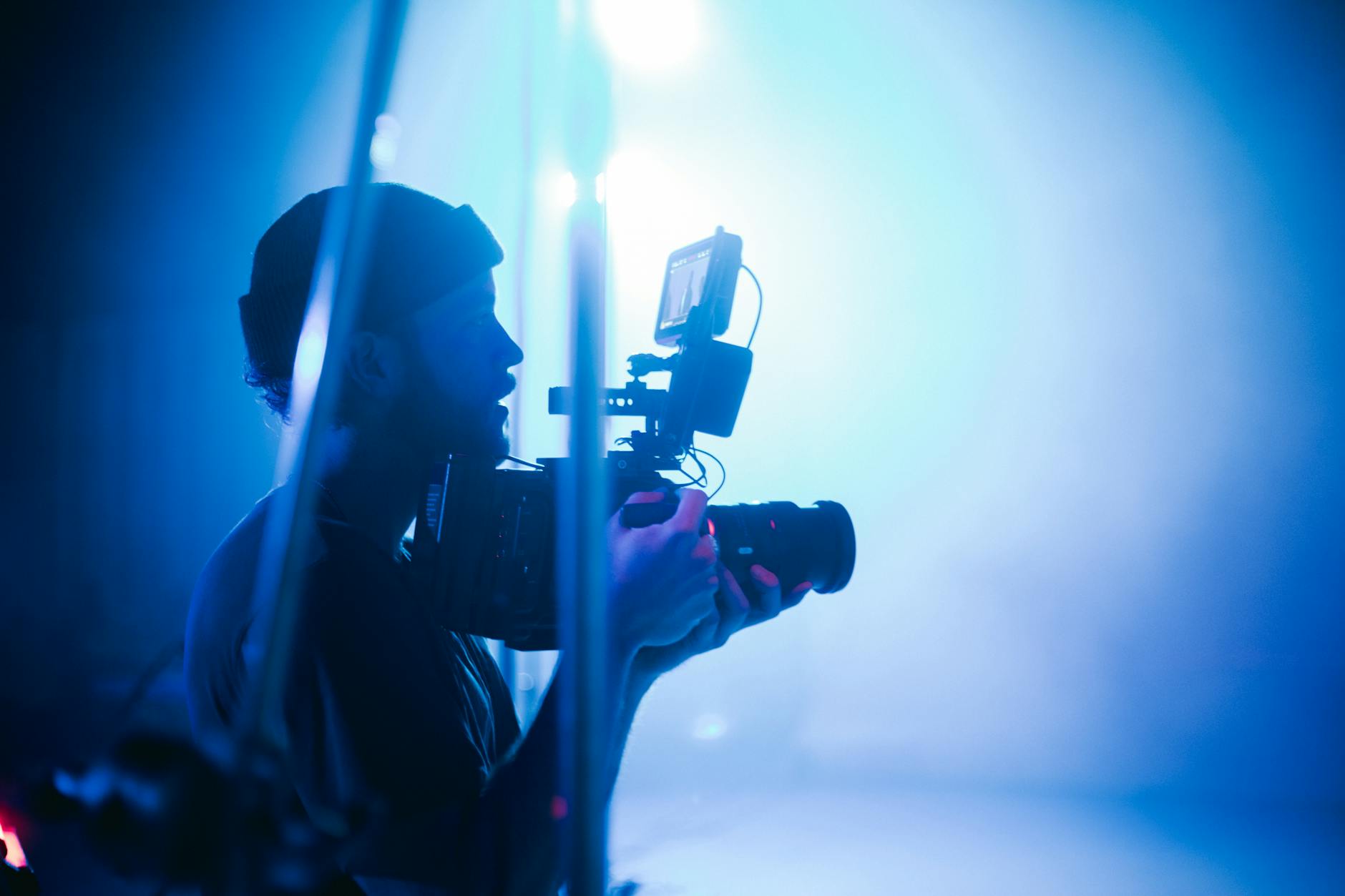
Technical skill is vital for ensuring smooth footage, effective use of camera angles, and appropriate lighting. Creative insight helps craft a narrative that engages viewers, highlighting significant moments and emotional highlights while maintaining a cohesive visual flow. Successful event cinematography relies on the synergy of these elements, transforming fleeting moments into enduring visual stories that deliver impact and satisfaction to clients and audiences alike.
Pre-Production Planning for Event Filming
Pre-production planning is a cornerstone of successful event cinematography, ensuring that every aspect of the filming process is aligned with the client’s vision and logistical requirements. It begins with comprehensive site assessments, where the cinematographer evaluates the event location to determine the optimal camera angles, lighting conditions, and movement pathways. Understanding the venue’s layout allows for strategic placement of equipment and personnel, reducing the risk of missed moments or technical disruptions during the event.
Creating detailed shot lists is another critical step in the planning process. These lists prioritize key moments, such as speeches, performances, or interactions, providing a clear framework for coverage. Shot lists facilitate efficient use of time and resources, ensuring that all essential content is captured with precision.
Coordination with event organizers is essential to synchronize filming schedules with event timelines. This involves discussions about restricted areas, timing for specific segments, and identifying key personnel for interviews or testimonies. Establishing clear communication channels and contingency plans allows for adaptability to unforeseen circumstances, such as last-minute schedule changes or technical issues.
Equipment preparation cannot be overstated. This includes checking gear functionality, ensuring sufficient storage, and preparing backup devices to mitigate potential failures. For dynamic events, specialized equipment such as wireless microphones, steady cams, or drone cameras may be incorporated, depending on the scope and scale of coverage.
Effective pre-production planning ensures that the filming process is seamless, efficient, and capable of capturing the event’s essence in high quality. It provides a solid foundation for the actual filming, allowing cinematographers to execute their creative vision with confidence and precision.
Key Equipment and Technology
- 4K or higher resolution cameras for crisp footage
- Gimbals and stabilizers for smooth tracking shots
- Wireless microphones and audio recording systems
- Lighting equipment suitable for varying indoor and outdoor conditions
- Remote control options for versatile camera angles
- Drone technology for aerial shots, if appropriate and permitted
- Reliable storage solutions for data security and transfer
Filming Techniques for Live Events
Using a combination of wide shots, close-ups, and reaction shots captures a comprehensive narrative of the event. Dynamic camera movements, such as panning and tilting, help follow the action and create a sense of immersion. For indoor settings, adjusting ISO settings and aperture ensures optimal exposure despite lighting challenges. During outdoor events, utilizing ND filters can help manage harsh sunlight and maintain cinematic quality.
Rapid adaptation to changing environments is vital. Cinematographers often employ handheld rigs for flexibility, while establishing shot setups allow quick repositioning for different segments. Multi-camera setups enable coverage from multiple angles, providing a richer story and reducing the risk of missing key moments.
Legal and Ethical Considerations
Ensuring the proper use of equipment and footage during event cinematography relies heavily on adherence to authorized practices and respecting the rights of all parties involved. Credentialed operators must obtain explicit consent from event organizers or property owners before filming, ensuring clear understanding of the scope and purpose of the coverage. This process involves reviewing agreements that detail areas where filming is permitted and any restrictions related to sensitive or private content.
Securing permissions extends to personnel—particularly when capturing audience reactions or intimate moments. It is crucial to inform attendees about the recording activities and to collect necessary releases, especially if the footage will be used for promotional, commercial, or archival purposes. Using signed model releases helps solidify consent, avoiding potential disputes over the use of recorded material.
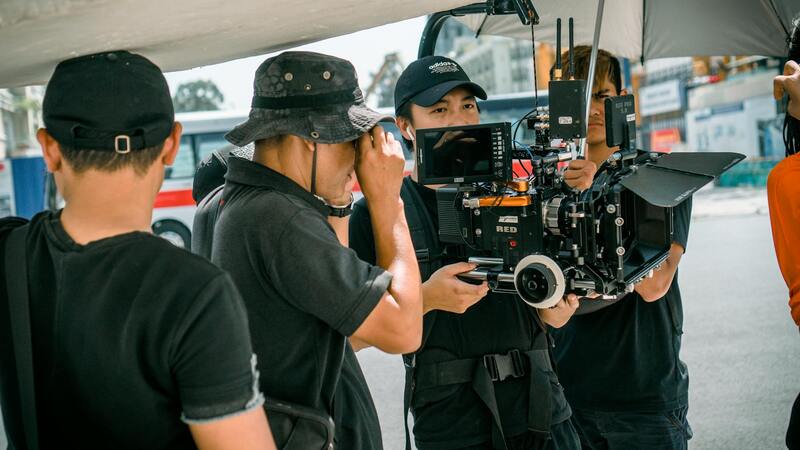
Furthermore, maintaining transparency about the intended end-use of footage reinforces trust with clients and participants. For example, if drone technology is employed, operations must be conducted with respect to local airspace regulations and safety protocols. Proper training and certification for drone operators ensure both safety and compliance with oversight standards.
Ethically, filmmakers should also prioritize the preservation of the authenticity and integrity of the captured content. Avoiding manipulative editing or misrepresenting moments maintains credibility and upholds professional standards. Respecting the cultural sensitivities of audiences and subjects during filming helps foster a respectful filming environment.
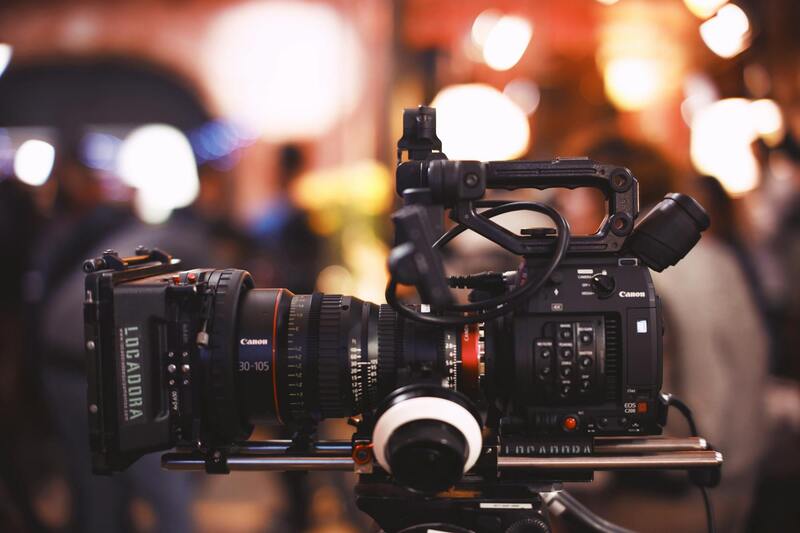
Ultimately, implementing legitimate methods for obtaining necessary permissions and respecting individuals' rights and privacy creates a foundation of professionalism. It promotes compliance with industry standards and helps build lasting client relationships grounded in trust and integrity.
Ensuring Proper Use of Official Methods in Event Cinematography
Implementing recognized and official procedures in event cinematography is essential to deliver high-quality, compliant footage that respects all legal frameworks and ethical standards. This involves utilizing trusted licensing channels for music, footage, and stock images, which guarantees that every element integrated into the event footage has been acquired through legitimate sources. Such channels include licensed stock libraries, authorized composers, and official distribution agreements, which help avoid infringing on intellectual property rights and safeguard the production from potential disputes.
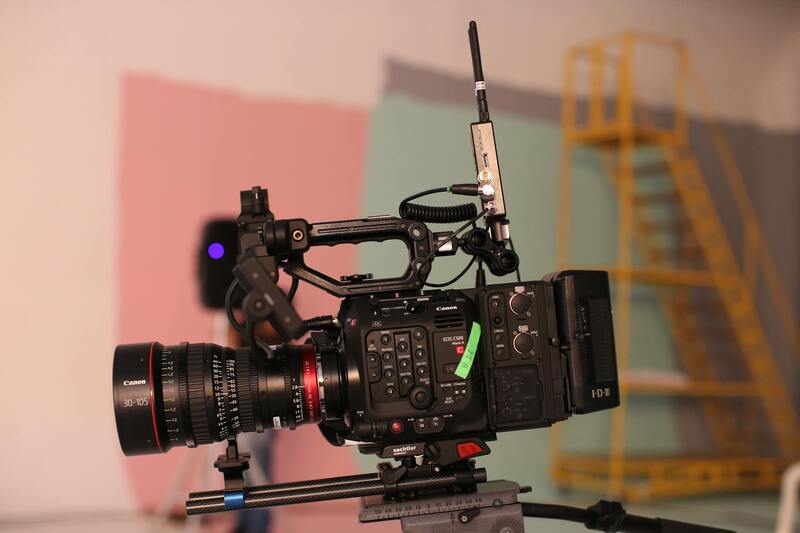
Additionally, securing official permissions for specific filming techniques or locations is a crucial aspect of professional event coverage. This might entail obtaining site-specific filming permits, especially when using specialized equipment like drones, steadicams, or rigs that require regulatory approval. These permits often involve submitting detailed plans, safety protocols, and insurance documentation, which demonstrate responsibility and adherence to established guidelines.
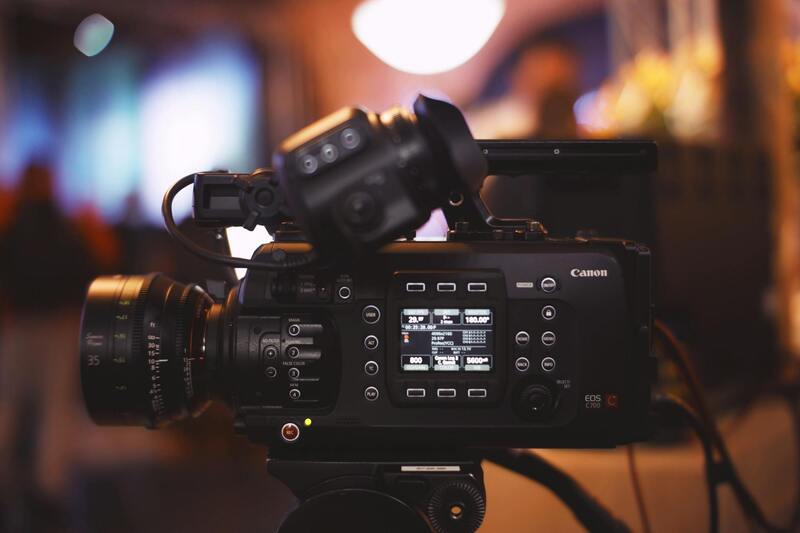
Another key aspect involves comprehensive documentation through signed releases and consent forms. These documents serve as formal acknowledgment from attendees or subjects, allowing the production team to capture and utilize footage for various purposes. It is important to standardize the process, ensuring that every participant understands how the footage will be used and consents explicitly by signing the appropriate forms. These release forms protect both the filmmakers and the subjects, creating a transparent environment that fosters trust and professionalism.
Moreover, adherence to official standards extends to safety protocols, especially when employing specialized equipment like drones, remote-operated cameras, or lighting rigs. Operators must follow prescribed safety procedures, maintain up-to-date certifications, and adhere to airspace regulations and environmental considerations. Regular training ensures that personnel are equipped to handle equipment responsibly and respond effectively to any unforeseen issues, thus maintaining a high level of safety and compliance.
Maintaining transparency with clients regarding the methods and tools used during filming also forms a core part of ethical adherence. Clear communication about the scope of filming, equipment involved, and locations covered ensures that clients' expectations are aligned with actual procedures. This proactive approach minimizes misunderstandings and demonstrates professionalism, which directly contributes to building lasting relationships based on trust and respect.
In a rapidly evolving industry, keeping abreast of changes in official compliance standards, emerging best practices, and technological advancements is vital. Participating in industry workshops, certifications, and ongoing training programs ensures that cinematographers stay informed and capable of implementing the most current and accepted practices. This continuous learning process helps uphold the highest standards of quality, legality, and ethical conduct in every project undertaken.
Legal and Ethical Considerations in Event Cinematography
Adhering to established official protocols and maintaining transparency are fundamental to conducting professional event cinematography. The collection and use of footage must be guided by ethical standards that respect privacy, property rights, and the expectations of the event organizers and participants. Filmmakers should ensure that every scene captured is consistent with previously agreed-upon guidelines, and any deviations are communicated promptly to all stakeholders involved.
One essential practice involves securing clear permissions through official channels, such as signed release forms and documented agreements. These documents specify who can be filmed, how the footage may be used, and the duration of its use, helping to prevent misunderstandings and conflicts. Proper documentation not only safeguards the interests of the cinematographer but also reassures clients about the professionalism and reliability of the service provided.
Implementing comprehensive security protocols for footage storage and transmission also plays a vital role. This includes using encrypted digital storage solutions, secure transfer methods, and regular backups to prevent unauthorized access, loss, or tampering. Such measures uphold the integrity of the content while respecting the intellectual property rights of the creators and stakeholders.
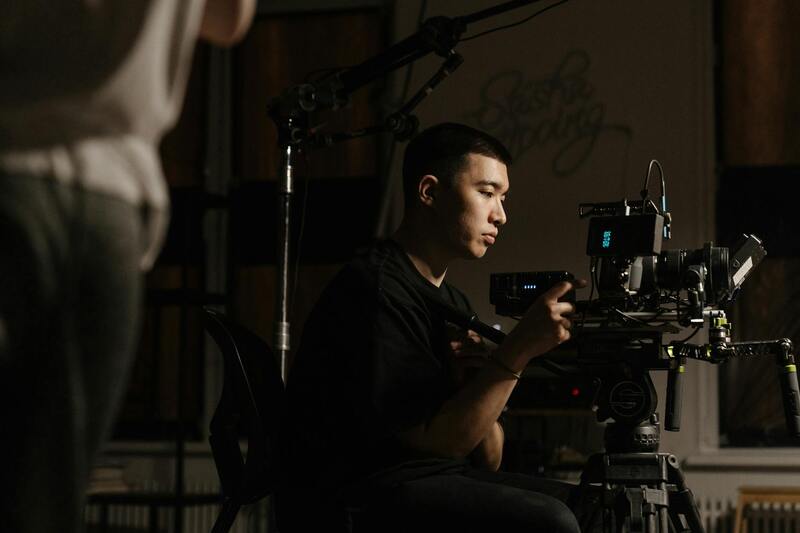
Another key aspect involves abiding by industry standards for safety and environmental considerations. Operators must follow all regulations regarding drone flights, lighting setups, and on-location filming to ensure that operational practices do not pose risks to individuals or the environment. Maintaining certifications and participating in ongoing training demonstrates a commitment to responsible and compliant filming practices.
Open communication with clients about methods, tools, and limitations is essential for fostering trust. Outlining the scope of service, the technical requirements, and any potential restrictions helps align expectations. Transparency about the use of equipment—such as remote cameras, drones, or specialized lighting—and their impact on the event ensures that clients are well-informed and comfortable with the filming approach.
Regular audits and adherence to official standards reinforce integrity within the industry. Filmmakers should stay informed about updates to policies, safety practices, and technological advancements through industry workshops and professional certifications. Engaging in such continuous education demonstrates a proactive commitment to upholding the highest standards of professionalism and ethical responsibility in every project.
Advanced Techniques for Capturing Dynamic Event Environments
Capturing the vibrancy and energy of live events requires a combination of technical skill and strategic planning. Utilizing multiple camera angles synchronized with real-time editing can significantly enhance the storytelling aspect of event cinematography. High-speed cameras enable detailed shots during fast-paced moments, such as performances or sporting events, ensuring that no critical detail is missed. Incorporating innovative camera movement, like drone shots or stabilized gimbal work, provides sweeping perspectives and immersive experiences that elevate the visual impact of the footage.
Employing professional-grade audio equipment is equally vital in capturing the atmosphere. Directional microphones, wireless lavaliers, and ambient sound recorders ensure that dialogue, crowd reactions, and thematic sounds are recorded with clarity. Proper sound editing and synchronization during post-production contribute to the overall quality and emotional resonance of the final cut.
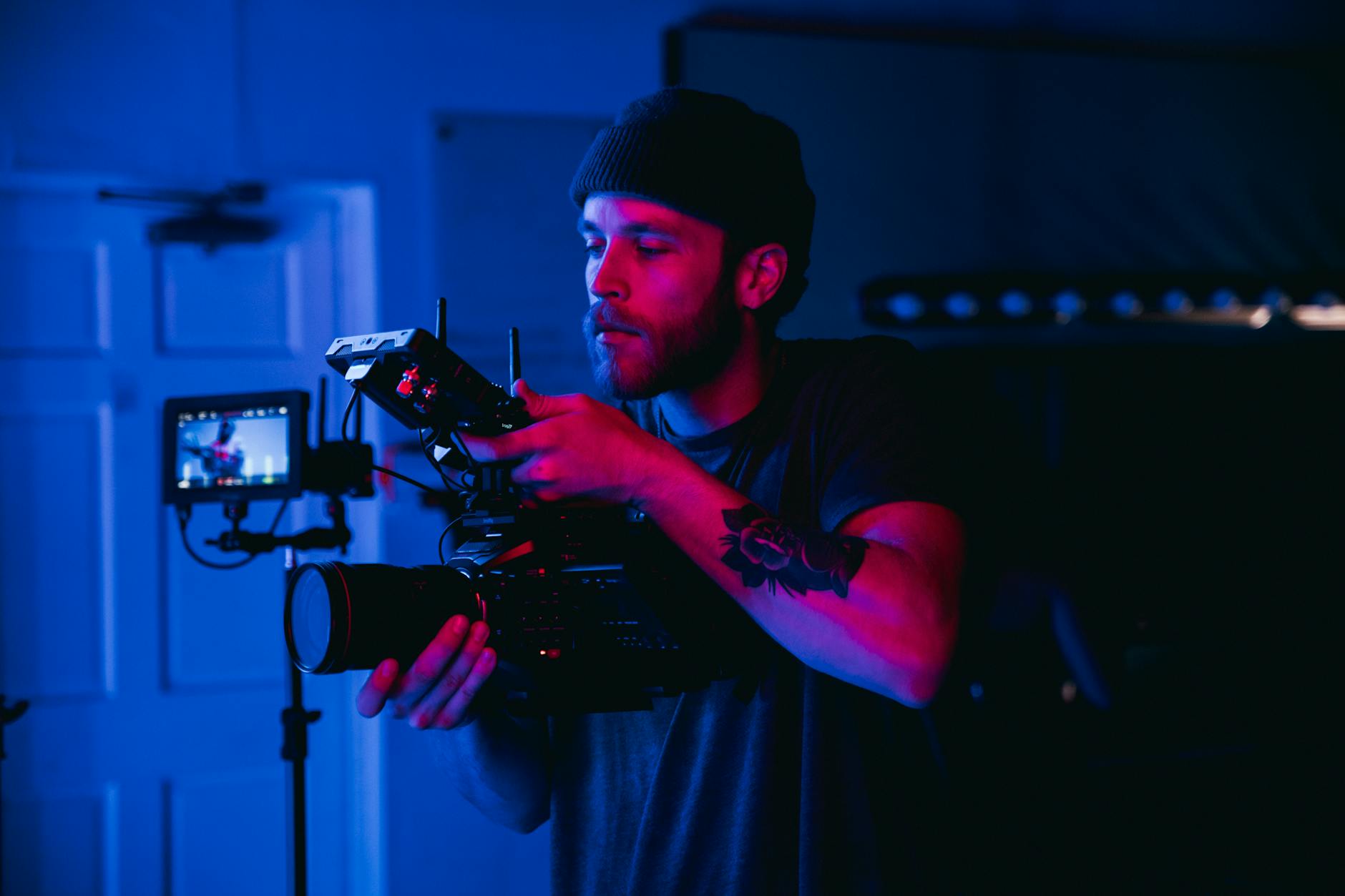
One of the emerging practices involves multi-platform live streaming, where carefully coordinated camera feeds are transmitted in real-time to online audiences worldwide. This not only broadens the event’s reach but also requires meticulous coordination of streaming equipment and network infrastructure to ensure uninterrupted delivery and high-quality visuals.
Strategic Approaches to Event Coverage
Developing a comprehensive shot list aligned with the event’s agenda ensures that critical moments are captured systematically. Assigning roles to multiple camera operators allows for diverse coverage, from wide-angle audience shots to close-ups of key speakers or performers. This approach minimizes missed opportunities and provides a well-rounded narrative for the final edit.
Adjusting filming strategies to adapt to unpredictable changes within live settings is essential. For instance, a sudden shift in lighting conditions or an unexpected change in schedule requires operators to be flexible and quick in their responses, with backup plans in place to maintain seamless coverage.
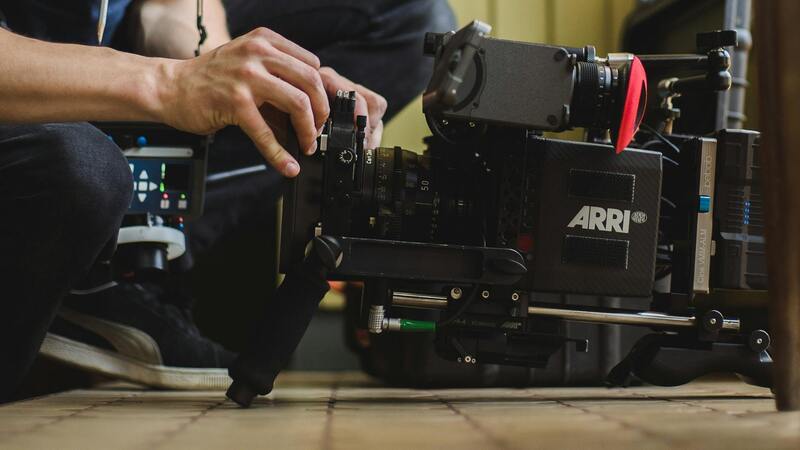
Investing in advanced stabilization systems, such as gimbals and steadicams, allows operators to maneuver smoothly through crowded or complex environments. This technical mastery results in fluid, professional footage that enhances the storytelling capacity of the cinematography.
Understanding Event Cinematography
Event cinematography involves crafting a detailed visual narrative that captures the essence and energy of live occasions. It requires a strategic approach to visualize moments that resonate emotionally with viewers, whether they attend the event physically or watch remotely. The essence lies in balancing technical proficiency with creative storytelling, ensuring that the visuals elevate the event's significance.
Official Methods in Event Cinematography
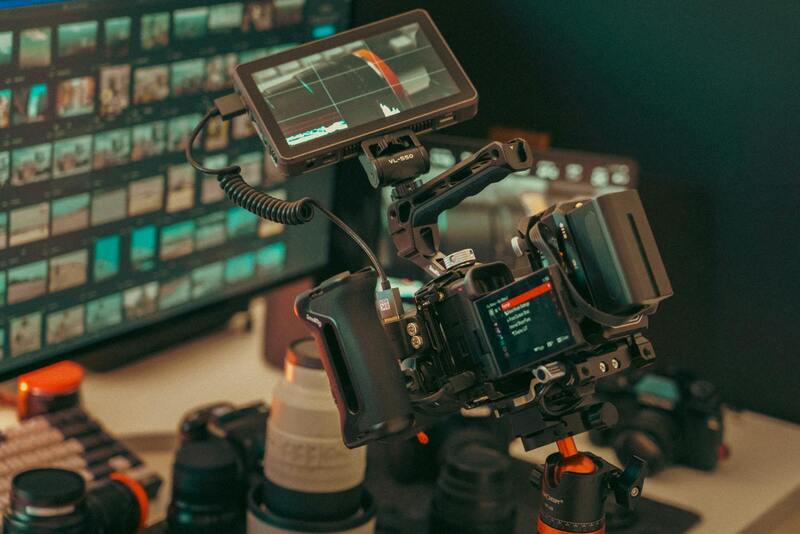
Utilizing specialized types of camera equipment, such as high-definition cameras, remote-operated gimbals, and stabilized rigs, ensures high-quality footage that can adapt to various lighting and movement conditions. Precision in camera placement is paramount; strategic positioning of cameras around key focal points guarantees comprehensive coverage and dynamic visual storytelling.
Employing multi-camera setups enhances the richness of the content, allowing for simultaneous capturing of broad audience reactions, speaker gestures, and immersive environmental details. These setups should be meticulously coordinated, with designated operators managing different aspects of the shoot to ensure seamless transitions and coverage.
Advancements in live streaming technology enable real-time broadcasting, a vital component for reaching audiences who cannot attend physically. This requires robust streaming hardware, reliable internet connections, and synchronized camera feeds, all managed through professional switchers and encoding equipment to maintain high video quality and minimal latency.
Legitimate Techniques for Event Coverage
- Pre-Event Coordination: Conducting pre-production meetings with clients to understand the event flow, key moments, and preferred shot list helps to align the filming process with the event’s objectives.
- Custom Video Packages: Developing tailor-made packages that specify coverage areas, including aerial shots, stage captures, and candid audience moments, ensures comprehensive documentation.
- High-Quality Audio Capture: Integrating synchronized audio recording systems, including lapel mics, ambient microphones, and traditional audio feeds from the event, guarantees clear sound alongside visuals.
- Remote Camera Deployment: Using remotely operated cameras allows filming in difficult or restricted areas without compromising safety or disrupting the event flow.
Visual Documentation of Event Details
Supplementing traditional footage, detailed shots of event venues, decor, branding materials, and attendee interactions provide a complete visual story. These elements contribute to a professional presentation that captures both the grandeur and intimacy of the occasion.
Innovations Elevating Event Cinematography
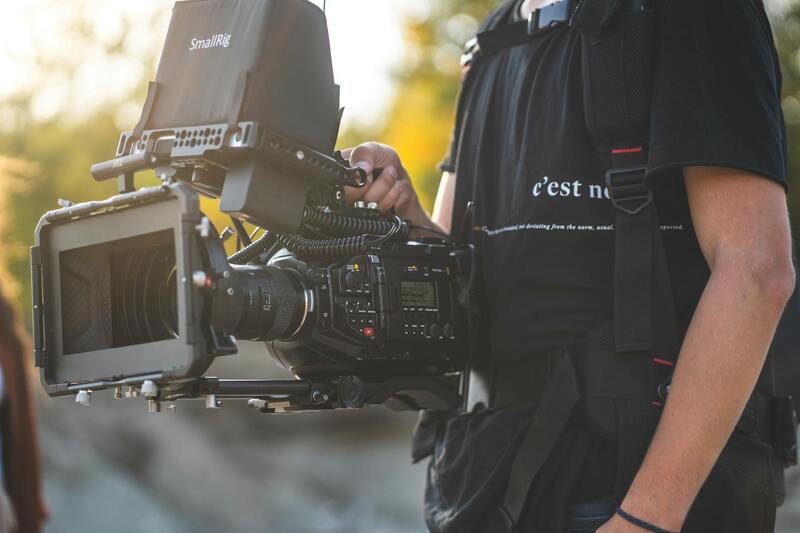
Modern enhancements like drone footage offer unique aerial perspectives that add a cinematic dimension to event coverage. High-resolution 4K filming ensures sharp visuals, capturing intricate details that engage viewers more effectively. Additionally, immersive video technologies, including 360-degree video captures, enable audiences to experience the event as if they are part of the scene, enriching engagement and sharing potential.
These innovations are increasingly integrated into Miami-based event productions, utilizing local expertise and advanced technology to craft visually stunning stories that transcend traditional boundaries. Employing these methods enhances the production quality and elevates the overall event experience for all viewers.
Advanced Techniques in Event Cinematography
Utilizing advanced methods in event cinematography ensures that every moment is captured with precision and professionalism, reinforcing the event’s visual narrative. One prominent approach is the integration of aerial drone photography, which provides sweeping overhead shots that reveal the scale and ambiance of the venue. Drones can access difficult-to-reach areas and deliver stunning perspectives that traditional ground-based cameras cannot achieve, adding a cinematic quality that elevates the overall production.
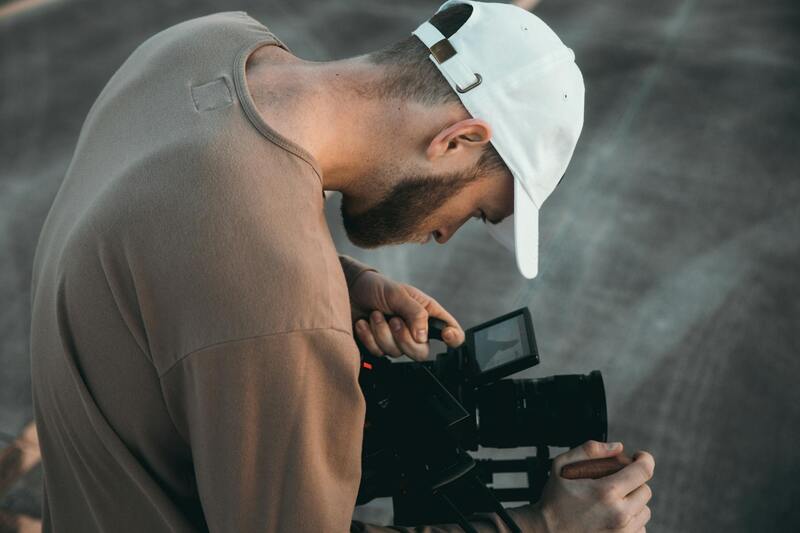
Another critical technique is the deployment of multi-camera setups, which enable simultaneous coverage from different angles. This not only captures the event’s key moments from various viewpoints but also allows for seamless editing, ensuring a dynamic and engaging final product. Wired and wireless remote camera systems facilitate the coverage of wide areas, such as large conference halls or outdoor venues, without crowding the scene.
Use of High-Resolution and Immersive Technologies
Incorporating high-resolution filming, especially 4K or higher, ensures that visuals are crisp, detailed, and visually compelling. This is crucial for producing content suitable for promotional materials, highlight reels, or archival purposes. Moreover, immersive video technologies, including 360-degree cameras, provide viewers with a sense of presence, as if they are part of the event. These tools are increasingly favored for their ability to engage audiences across digital platforms and social media channels.
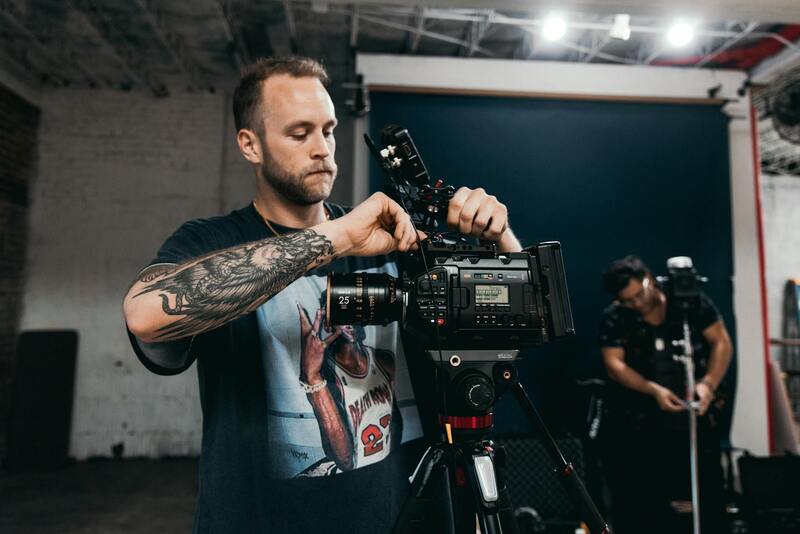
Another emerging trend is the use of live-streaming with multi-camera feeds, which allows remote audiences to experience events in real-time. This requires reliable internet connections and sophisticated encoding equipment to transmit seamless streams without interruption. The strategic placement of cameras throughout the venue maximizes coverage and offers viewers multiple perspectives—capturing everything from keynote speeches to candid moments.
Employing Cutting-Edge Editing and Post-Production Techniques
Post-production remains an essential phase in event cinematography. Editing techniques such as color grading, dynamic transitions, and audio synchronization contribute to a polished final product. Employing professional editing software ensures that visual consistency and storytelling coherence are maintained throughout the footage.
Efficient sound design, including ambient sounds, speech clarity, and background music, heightens the emotional impact of the content. Using advanced stabilization tools during editing guarantees smooth footage, especially when working with footage captured in dynamic environments. Adding graphical overlays, lower thirds, and event branding further personalizes the final videos, aligning with client branding and marketing objectives.
Utilizing Non-Intrusive Filming Methods and Acknowledging Venue Limitations
Respecting the event environment before and during filming promotes an unobtrusive presence. Employing remote-controlled cameras and discreet placement of equipment reduces disruption, ensuring that the event proceeds smoothly. This approach also preserves the authenticity of the footage, capturing genuine reactions and interactions without interference.
Factors such as lighting constraints, space limitations, and venue restrictions influence filming techniques. Skilled cinematographers adapt their approach based on these conditions, using equipment such as portable lighting, compact cameras, and strategic positioning to overcome challenges while delivering high-quality visuals.
Balancing Innovation with Practicality
While integrating innovative technologies enhances event coverage, practical considerations regarding budget, venue access, and technical capabilities are essential. A balanced approach ensures that creative aspirations align with operational realities, optimizing resources to produce compelling content without unnecessary expenditure or logistical complications.
By leveraging these advanced and legitimate methods, event cinematographers can craft immersive, impactful visual stories that resonate with audiences and elevate the perception of the event. The key to success lies in meticulous planning, technical proficiency, and a thorough understanding of the event’s unique environment.