Understanding the Role of an Event Photographer
An event photographer is a specialized professional responsible for capturing the essence and significant moments of various gatherings. Their primary role involves documenting events through high-quality images that convey the atmosphere, emotions, and key activities taking place. Unlike casual photography, event photography demands a keen eye for detail, excellent technical skills, and the ability to adapt quickly to different lighting conditions and dynamic environments.
Event photographers must be proficient in managing their equipment to ensure each shot meets professional standards. This includes the use of multiple lenses, lighting setups, and sometimes drones or other advanced tools to enhance coverage. They work closely with event organizers, attendees, and other vendors to coordinate photo sessions, ensuring that every important moment—whether it’s a toast at a wedding, a keynote speech at a corporate event, or a candid shot at a social gathering—is captured with precision.
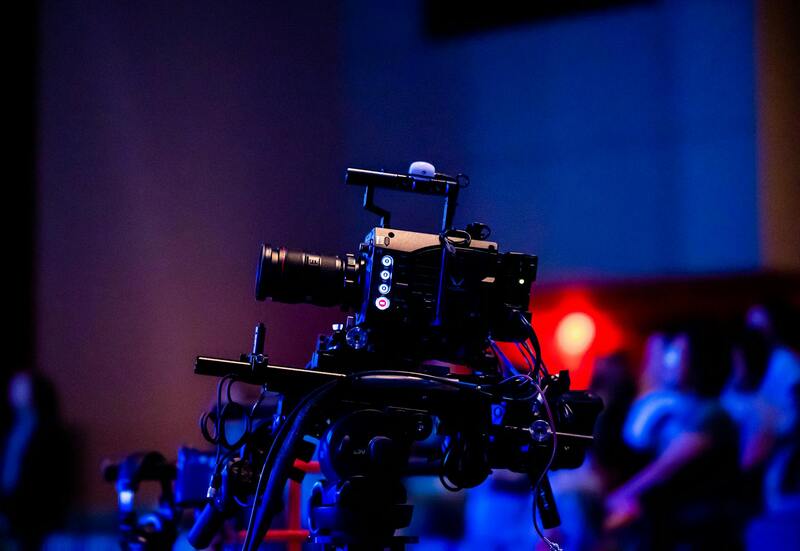
Beyond taking pictures, an event photographer may also handle post-processing, creating albums, and providing digital files suited for personal or promotional use. They often work under tight schedules, especially during time-sensitive events, to deliver polished images promptly. Their work helps preserve memories, promote brands, and enhance the overall experience for attendees of every occasion.
Types of Events Requiring Professional Photography
Events that typically necessitate the expertise of a professional photographer include:
- Weddings and engagement parties
- Corporate functions and conferences
- Private celebrations such as birthdays or anniversaries
- Public festivals and community gatherings
- Charity events and galas
- Product launches and promotional events
Each type of event has unique photographic requirements and challenges, which professional event photographers are trained to handle adeptly.
Factors to Consider When Hiring an Event Photographer in Miami
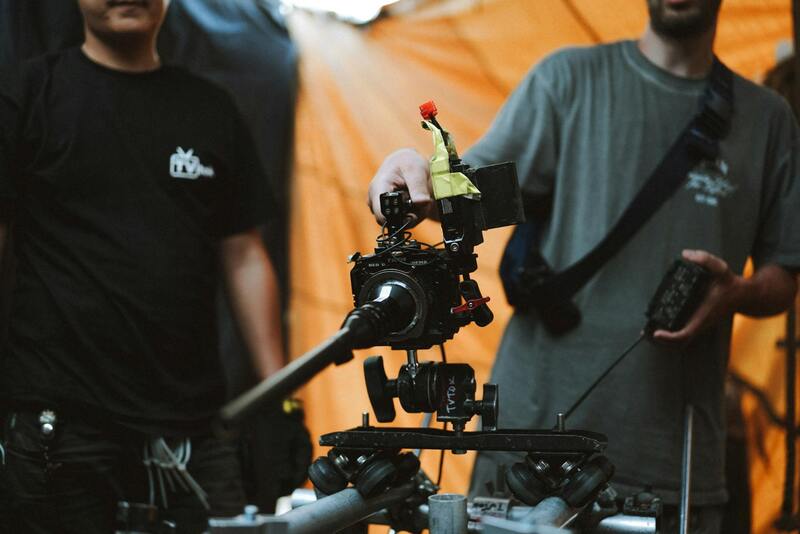
Choosing the right photographer for your event in Miami involves careful evaluation of several key factors to ensure your special day is captured flawlessly. First, assess the photographer’s experience with similar events, as this provides insight into their ability to handle the unique demands and unexpected moments that arise during various occasions. An experienced professional will be adept at managing lighting challenges, large crowds, and dynamic environments, ensuring every important detail is documented.
Next, review the photographer’s portfolio to evaluate their style and approach. This visual showcase is a testament to their craftsmanship, consistency, and versatility. Look for portfolios that demonstrate a range of images—from candid shots that capture genuine emotions to posed group photos that highlight technical proficiency. Compatibility with your desired aesthetic is essential, whether it leans towards traditional, photojournalistic, or contemporary styles.
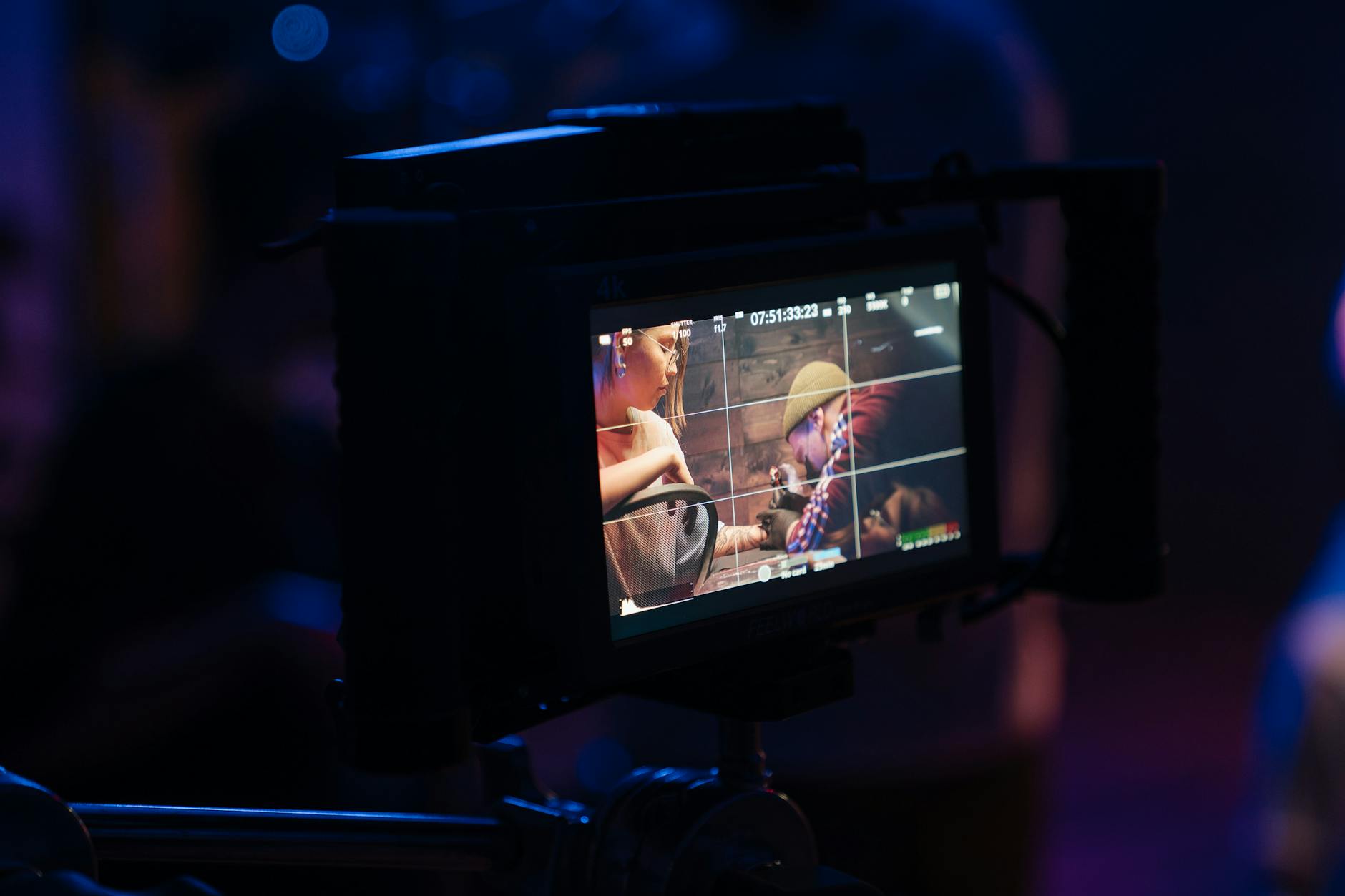
Another critical factor is the photographer’s reputation and client feedback. Seek testimonials or reviews that speak to their professionalism, punctuality, and ability to deliver high-quality images within deadlines. Establish clear communication with potential photographers to gauge their responsiveness and willingness to understand your specific needs.
Pricing, Packages, and Budgeting for Event Photography
Understanding the pricing structure is crucial to align your expectations and budget. Many photographers offer various packages that include different hours of coverage, number of images, and additional services like albums or prints. It’s essential to clarify what each package entails to avoid surprises and ensure it fits your event’s scope.
Discussing the details upfront also allows you to explore customized options, such as extended coverage for multi-day events or special photography sessions, to create a comprehensive package that suits your occasion and budget. Keep in mind that investing in quality photography has lasting value, and the right choice often goes beyond the lowest price to include professionalism and artistic skill.
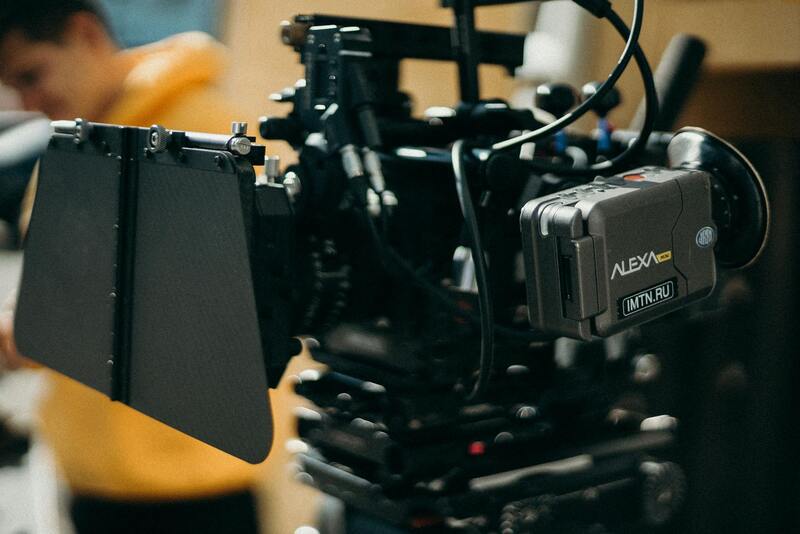
Finally, consider logistical details including scheduling, location access, and coordination with other vendors. A well-planned approach ensures minimal disruption to the event flow and guarantees that all significant moments are vividly captured. Collaborate with your chosen photographer well in advance to align on timelines, shot lists, and specific moments you want prioritized.
Understanding the Role of an Event Photographer
An event photographer plays a vital role in capturing the essence and emotions of your special occasion. Their primary responsibility is to document moments that will be cherished for years to come, whether it is a wedding, corporate gathering, or private celebration. Skilled event photographers not only possess technical expertise in lighting, framing, and timing but also have an innate ability to anticipate key moments, ensuring they are captured at their peak. These professionals work discreetly in the background or actively engage with the event's flow, depending on the desired style and atmosphere. They employ a combination of candid and posed photography techniques to deliver a comprehensive visual narrative of the event.
Understanding what the role entails helps in selecting the right photographer. Their expertise extends beyond just taking pictures; it involves an eye for storytelling, technical mastery of various equipment, and a deep understanding of how to create images that reflect the event's mood and significance. Effective communication with your chosen photographer about your expectations, the event timeline, and key moments you want to be documented leads to a seamless experience. A seasoned event photographer also is adept at managing environmental challenges such as lighting variations and space constraints, ensuring quality results regardless of conditions.
Key Responsibilities of an Event Photographer
- Anticipating and capturing pivotal moments
- Managing lighting conditions for optimal images
- Organizing and conducting formal or candid shoots
- Collaborating with event coordinators and vendors for smooth coverage
- Delivering edited images within specified deadlines
While the technical skills are fundamental, a professional photographer also brings an artistic perspective to each event. Their ability to compose images that tell a story, highlight emotions, and reflect the event’s personality elevates the overall quality of the documentation. Effective photographers understand the importance of capturing both the big picture moments and the subtle details that contribute to the overall narrative. This comprehensive approach ensures clients receive a full set of memorable images that encapsulate the atmosphere and significance of their event.
Choosing the Right Photographer for Your Event
When selecting a photographer, look for someone with a robust portfolio showcasing diverse events. It provides insight into their style, versatility, and ability to adapt to different environments. Additionally, a photographer with substantial experience in your specific type of event can better anticipate the flow and prepare accordingly. Further, their familiarity with Miami’s unique venues, lighting conditions, and local customs can be advantageous, enabling them to plan and execute effectively. Prior consultations to discuss your vision, specific shot requirements, and logistical considerations ensure alignment, resulting in a seamless photographic experience.
Factors to Consider When Hiring an Event Photographer in Miami
Selecting the right photographer for your event in Miami involves a comprehensive evaluation of several critical factors. While portfolio quality is essential, understanding practical considerations ensures a smooth collaboration and satisfactory results. One key aspect is the photographer's familiarity with Miami’s diverse venues, from luxurious hotel ballrooms to open outdoor spaces. Local experience allows the photographer to anticipate lighting scenarios and understand venue-specific logistics, resulting in more efficient coverage.
Another important aspect is the photographer’s availability and responsiveness. Establishing clear communication early can prevent misunderstandings regarding schedule, shot list, and special moments to capture. Confirming their ability to adapt to your event’s timeline, whether it extends into the late hours or requires quick setup adjustments, is vital.
Furthermore, reviewing references or testimonials from previous clients provides insight into the photographer’s professionalism, punctuality, and ability to work under pressure. An event photographer who maintains a reputation for reliability and discretion adds value, ensuring that your event runs smoothly without disruptions.
Technical equipment also plays a role in the selection process. Pros equipped with high-quality cameras, lighting, and backup gear can adapt to unexpected conditions, such as low-light environments or weather changes. Discussing the photographer’s approach to lighting and post-processing can help set proper expectations.
Insurance coverage and contingency planning are additional considerations. A photographer with liability insurance safeguards against unforeseen mishaps that could interfere with the event, providing peace of mind for clients. Clarifying policies about image rights, delivery timelines, and revisions upfront also helps establish a transparent working relationship.
Finally, aligning on a clear payment structure and understanding what each package includes simplifies budgeting. Detailed discussions about deliverables such as prints, albums, or digital galleries ensure mutual understanding and satisfaction.
Understanding the Role of an Event Photographer
An event photographer serves as a visual storyteller, capturing the essence and atmosphere of your special occasion with skill and precision. Their role extends beyond simply taking pictures; they are responsible for documenting candid moments, key highlights, and the overall ambiance that makes your event unique. Precision, timing, and an eye for detail are essential qualities, as these professionals aim to immortalize moments that might otherwise pass unnoticed. From initial planning and coordination with event organizers to executing a shot list, the photographer's adaptability ensures that every facet of your event is authentically represented. Their proficiency in managing lighting, composition, and capturing emotions culminates in a comprehensive visual record that reflects the spirit of your gathering.
Key Responsibilities of an Event Photographer
- Pre-event consultation to understand client expectations and event details.
- Preparation of essential equipment, including high-resolution cameras, lenses, flashes, and backup gear.
- Arriving early to familiarize themselves with the venue and lighting conditions.
- Capturing a diverse range of images encompassing formal portraits, candid interactions, group shots, and venue details.
- Monitoring the event timeline to ensure all important moments are documented without disruption.
- Post-event editing and retouching to enhance image quality and create a polished final product.
- Delivering images promptly via digital galleries, prints, or albums, as agreed upon.
The Value of Expertise in Event Photography
Versatility and professionalism are crucial traits for an event photographer. A seasoned specialist understands how to adapt to varying lighting conditions, dynamic venues, and unpredictable moments. Their familiarity with different types of events ensures they can anticipate what moments are most significant, whether it's a pivotal speech, a joyful dance, or heartfelt interactions. Their ability to operate discreetly allows them to blend into the event seamlessly, capturing genuine emotions without causing disruptions. Ultimately, their expertise guarantees that you receive a collection of high-quality images that truly reflect the character and importance of your occasion.
Legal Aspects: Contracts and Rights
Securing a clear and detailed contract is fundamental when engaging a photographer for events in Miami. This document formalizes the scope of work, including specific details such as the date, time, location, and duration of the event, as well as the number of hours of coverage required. It also delineates the deliverables—be it digital images, prints, albums, or a combination of these—and establishes the timeline for delivery. A comprehensive contract should specify ownership rights, usage permissions, and any restrictions on the photographs to prevent misunderstandings after the event.
Understanding the rights associated with event images is crucial. Typically, photographers retain the copyright to their work, while clients are granted licensing rights for personal use. This means clients can enjoy the photographs across personal platforms, such as social media, without issues, but commercial use often requires additional permission or licensing. Clarifying these aspects beforehand ensures that both parties have aligned expectations, fostering a smooth professional relationship and protecting the interests of everyone involved.
Benefits of Hiring Local Miami Event Photographers
Opting for a local Miami event photographer offers distinct advantages that can elevate the quality and efficiency of your event coverage. Local professionals possess an intimate knowledge of the Miami venues, lighting conditions, and popular event locations, enabling them to plan and adapt more effectively. Their familiarity with the city's rhythm and peak hours helps in creating strategic shot lists, ensuring no critical moment is missed.
- Familiarity with Venue Layouts: Understanding the unique features and lighting conditions of local venues allows photographers to optimize their camera settings and positioning for the best possible shots.
- Availability and Response Time: Being nearby enables quicker response times for consultations, equipment setup, and troubleshooting, ensuring seamless coverage throughout the event.
- Cost Efficiency: Local photographers often incur lower travel and accommodation costs, making their services more accessible within different budget ranges.
- Established Network: Local professionals may have existing relationships with Miami event vendors and venues, facilitating smoother coordination and setup.
- Reduced Travel Disruptions: As they are already on-site or nearby, logistical issues like delays or scheduling conflicts diminish, allowing for more relaxed and thorough coverage.
Understanding the Role of an Event Photographer
An event photographer is a specialized professional dedicated to capturing moments that encapsulate the essence of a gathering, celebration, or corporate function. Their role extends beyond simply taking pictures; they serve as visual storytellers, documenting authentic interactions, emotions, and significant milestones. A skilled event photographer possesses a keen eye for detail, a thorough understanding of lighting and composition, and the ability to adapt quickly to changing environments and unexpected moments. Their expertise ensures that every crucial detail—from candid expressions to important group shots—is preserved in high-quality images.
Core Responsibilities of an Event Photographer
- Pre-event Planning: Collaborating with clients to understand the event's schedule, key moments, and specific photographic needs.
- Venue Familiarization: Visiting the location beforehand to identify optimal shooting spots, lighting conditions, and potential challenges.
- On-site Coverage: Capturing a comprehensive selection of images throughout the event, focusing on important moments, candid interactions, and atmosphere.
- Post-Production: Editing photographs to enhance quality, correct lighting issues, and ensure consistency with the event's tone and branding.
- Delivery and Archiving: Providing clients with high-resolution images in agreed formats within an accepted timeline, along with careful organization for easy access.
Specialized Skills and Equipment
An event photographer relies on a range of advanced equipment, including professional-grade cameras, multiple lenses, lighting gear, and stabilization devices, to capture clear, sharp images under diverse conditions. Mastery of techniques such as rapid autofocus, low-light photography, and strategic posing helps produce compelling images that resonate with the event’s theme and mood. Moreover, their proficiency in settings adjustment ensures they can adapt swiftly to indoor and outdoor lighting variations, maintaining image quality across all scenarios.

The Significance of Documentation for Events
High-quality images serve as lasting memories and valuable assets for personal, promotional, or corporate use. They can be instrumental in marketing future events, showcasing success stories, or preserving sentimental moments for years to come. The role of a photographer in this context is crucial in transforming fleeting moments into timeless visual keepsakes, highlighting the event’s atmosphere and significance with precision and artistry.
Understanding the Role of an Event Photographer
An event photographer serves as the visual storyteller of your special occasion, capturing candid moments, staged shots, and the overall atmosphere to reflect the event’s essence. Their role extends beyond mere documentation; they are tasked with framing the mood, emotions, and interactions that define the event. They rely on technical expertise and artistic sensitivity to produce images that mirror the event’s significance, whether it’s a corporate gala, wedding, conference, or community celebration.
Their responsibilities include arriving at the venue ahead of the scheduled start, setting up necessary equipment, coordinating with event planners to understand key moments, and being prepared to adapt to unforeseen circumstances. An event photographer’s ability to blend into the environment allows for discreet capturing of authentic interactions without disrupting the flow of the event. Post-event, their work continues through editing and retouching, ensuring that each image aligns with the desired tone and quality standards.
Types of Events Requiring Professional Photography
Different occasions demand specialized approaches, making the selection of an experienced photographer critical. Some of the most common events include:
- Weddings – capturing the journey from preparations to the ceremony and reception, emphasizing emotional moments and detailed shots.
- Corporate Events – documenting conferences, product launches, and team-building activities that reflect professionalism and branding.
- Social Celebrations – birthday parties, bridal showers, and anniversaries that focus on capturing joy and interaction.
- Community Events – festivals, fairs, and public gatherings where the photographer documents the event atmosphere and participation.
- Fundraisers and Charity Events – highlighting key moments and donor interactions that help in promotional materials.
Factors to Consider When Hiring an Event Photographer in Miami
The vibrant Miami scene demands a photographer who understands local aesthetics and logistics. Essential factors include:
- Experience and Portfolio: Review their previous work to gauge style, consistency, and the ability to handle various event types.
- Technical Skills and Equipment: Ensure they utilize professional-grade cameras, lighting, and stabilization gear suited for diverse settings.
- Reputation and Client Testimonials: Seek feedback from past clients to assess reliability and quality of service.
- Availability and Flexibility: Confirm their schedule aligns with your event timeline and that they can adapt to changing circumstances.
- Knowledge of Local Venues: Familiarity with Miami’s event spaces facilitates seamless logistics and optimal setups.
Importance of Style and Portfolio in Selection
Reviewing a photographer’s portfolio offers insights into their artistic vision and consistency. Different photographers possess unique styles, ranging from candid and photojournalistic to posed and traditional. Connecting their style with your event’s theme ensures coherence and satisfaction. A comprehensive portfolio demonstrates their versatility and ability to handle various lighting conditions, subjects, and settings. This evaluation helps establish a shared understanding of expected outcomes, making the hiring process more straightforward.
Pricing, Packages, and Budgeting for Event Photography
Cost considerations are vital when planning your event's photography coverage. Most professionals offer various packages that include different hours of coverage, number of photographers, and post-production services. Typically, packages can range from half-day sessions to full-day coverage, with options for additional services like photo albums, prints, or live streaming. When budgeting, consider the importance of high-quality images, which provide lasting value and enhance your event’s visibility and memories.
It’s advisable to clarify what’s included in each package upfront, such as the number of edited images, turnaround time, and any additional costs. Transparent pricing structures help prevent surprises and ensure the investment aligns with your expectations and needs.
Logistics and Planning for Event Photography
Proper planning ensures a smooth collaboration. Collaborate with your photographer early in the process to discuss detailed requirements, preferred shot lists, and key moments to capture. Creating a timeline of the event helps photographers anticipate critical moments, manage their schedules, and coordinate with other vendors. Venue walkthroughs allow them to identify optimal locations for shots, lighting conditions, and potential challenges.
Moreover, providing a list of must-have images ensures that essential memories are documented, while flexibility allows the photographer to capture spontaneous moments that can become treasured keepsakes. Clear communication about restrictions, such as photography during specific segments or areas, prevents misunderstandings and maximizes efficiency.
Legal Aspects: Contracts and Rights
Establishing clear terms with your photographer through a detailed contract safeguards both parties. The agreement should specify deliverables, timelines, payment terms, and usage rights for the images. Rights assignment determines whether you have full ownership, limited rights, or permissions for specific uses such as marketing or personal display.
Understanding the scope of usage rights helps prevent disputes and ensures your ability to use the images in various contexts, including social media, printed material, or promotional campaigns. Additionally, confirming adherence to confidentiality and privacy expectations, especially for sensitive or private events, maintains professionalism and trust throughout the process.