Understanding Events Photography and Videography
Events photography and videography encompass the art and science of capturing memorable moments during various occasions such as weddings, corporate events, festivals, and private celebrations. These visual storytelling methods serve as vital tools for preserving memories, enhancing event branding, and providing a lasting impression for attendees and hosts alike. In Miami’s vibrant event scene, professional photography and videography are essential for documenting the energy, emotion, and unique atmosphere that each event offers. The importance of this specialized craft lies in its ability to translate fleeting moments into high-quality images and videos that can be cherished for generations.
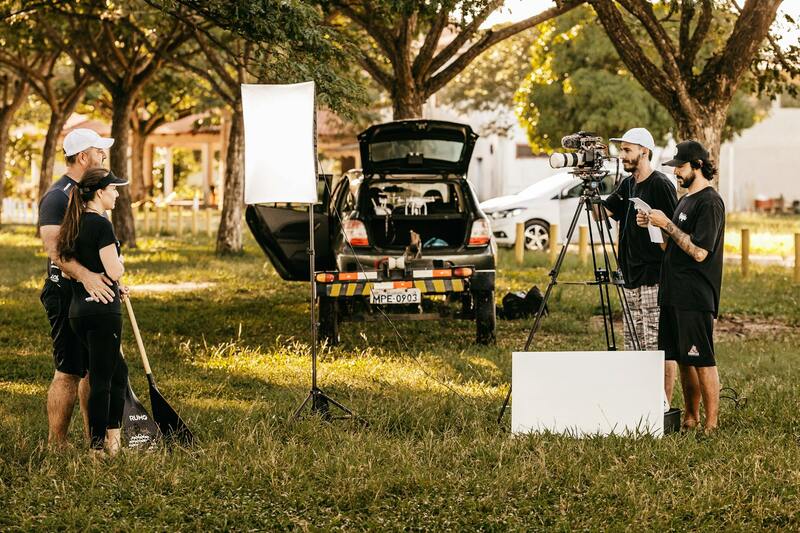
Experienced event photographers and videographers utilize their skills not only in capturing images but also in understanding the flow of an event, ensuring no significant moment is missed. They operate with a keen eye for detail, composition, and the emotional essence of each scene, which is paramount in producing impactful visual content. Whether it's the joyful exchange of vows at a wedding or the dynamic energy at a corporate gala, these professionals tailor their approach to suit the specific style and narrative goals of each event, contributing to a comprehensive visual record.
The Significance of Professionalism and Expertise
In the bustling Miami event landscape, engaging qualified professionals guarantees high-resolution images, seamless video footage, and a thorough coverage adapted to the event's scale and nature. Their expertise ensures that lighting conditions, venue limitations, and spontaneous moments are expertly managed, transforming raw footage into captivating visual stories. As a result, clients receive content that authentically reflects their event's significance, fostering emotional connection and enhancing future marketing or personal recollections.
Visual Storytelling as a Lasting Impression
At its core, events photography and videography are about storytelling. They serve as a narrative that captures the essence of an occasion, emphasizing the key moments, emotions, and details that define the experience. High-quality visuals not only preserve memories but also act as powerful tools for promotion, sharing on social media platforms, and creating a legacy. In Miami’s diverse environment, where events range from cultural festivals to upscale weddings, professional visual documentation ensures that every event is remembered with clarity and impact.
Properly executed, events photography and videography can elevate an event from a fleeting experience to a treasured keepsake. This makes the role of skilled professionals indispensable for individuals and organizations seeking to socialise their events through compelling visuals. The importance of investing in high-quality coverage cannot be overstated, as it provides enduring value and drives engagement long after the event concludes.
Types of Events Covered
Event photography and videography encompass a broad spectrum of special occasions, each with its own distinct requirements and creative opportunities. Weddings are among the most cherished moments, demanding a blend of candid storytelling and formal portraits to craft a comprehensive visual narrative. For weddings, equipment such as high-resolution cameras with fast lenses and stabilizers is crucial to capture spontaneous moments and provide clarity in varying lighting conditions.
Corporate events, including conferences, product launches, and award ceremonies, focus on capturing professionalism and engagement. Here, the emphasis is on documenting key speakers, audience reactions, and networking moments that convey the event’s significance. Advanced audio-visual equipment such as wireless microphones, multi-camera setups, and live streaming technology often play a vital role in delivering a polished end product that aligns with branding standards.
Festivals, cultural celebrations, and community events require versatile coverage that can adapt to diverse environments and large crowds. A combination of wide-angle lenses and drone footage helps document the scale and vibrancy of such gatherings, providing immersive experiences for viewers. Private parties, including milestone celebrations and intimate gatherings, benefit from a focus on personal details, spontaneous expressions, and emotional moments, often captured using unobtrusive, portable equipment to preserve the event’s authentic atmosphere.
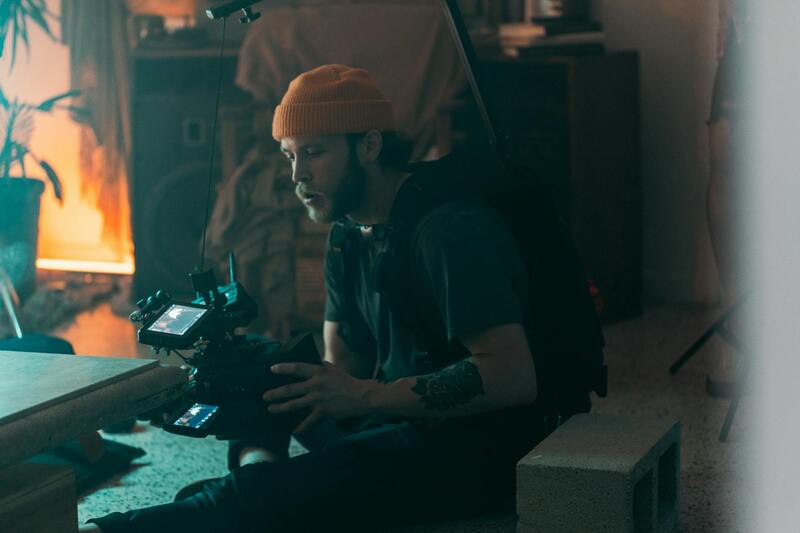
The key to successful documentation across these varied event types lies in understanding their specific visual narratives and employing the appropriate technical approach. Whether it’s capturing the intricate details of a wedding dress or the grandeur of a festival procession, professionals adapt their techniques to preserve each event’s essence with clarity and artistry.
Moreover, the scope of coverage can extend to live event streaming, promoting real-time engagement, and providing remote attendees with access to the event’s highlights. This flexibility enhances the overall experience and ensures that the event’s reach extends beyond physical attendees.
Essential Equipment and Technology
To deliver outstanding event photography and videography, professionals rely on a carefully curated selection of equipment that ensures high quality, flexibility, and adaptability to various settings. The foundation of exceptional visual documentation begins with high-resolution camera systems capable of capturing sharp images and detailed videos in diverse lighting conditions. Full-frame DSLRs or mirrorless cameras equipped with fast lenses allow for excellent low-light performance and creative depth of field effects, which are crucial for capturing intimate moments or dynamic event scenes.
Stabilization tools such as gimbals, steadicams, and professional tripods are essential for maintaining smooth, shake-free footage during movement-intensive filming. These devices enable videographers to produce cinematic shots even in crowded or fast-paced environments, ensuring a polished final product. Moreover, drone technology has become an invaluable asset for capturing expansive aerial views, providing unique perspectives that enhance storytelling, especially at outdoor festivals, large-scale gatherings, and panoramic event settings.
Lighting equipment plays a significant role, particularly in indoor or low-light scenarios. Portable LED panels, softboxes, and diffusers help illuminate subjects evenly while maintaining a natural look. External microphones, wireless audio systems, and windshields improve sound quality, capturing speeches, performances, and ambient sounds with clarity. Additionally, advanced video editing software and color grading tools are vital in post-production to ensure visual consistency, correct color imbalances, and add creative effects that enhance the overall presentation.
Planning and Pre-Production
Effective event coverage begins long before the actual day. Pre-production involves detailed planning, which includes understanding the event’s schedule, key moments to emphasize, and specific client requirements. Site visits help assess potential lighting conditions, space constraints, and optimal camera positions to develop a comprehensive shot list. Establishing a clear communication plan with event organizers and stakeholders ensures alignment on expectations and schedules.
Developing a shot list tailored to highlight unique aspects of the event facilitates an organized approach, minimizing missed opportunities. If live streaming or real-time editing is part of the package, technical rehearsals ensure all equipment functions flawlessly and signals are stable during the event. Additionally, obtaining necessary permissions from event organizers and understanding restrictions or safety protocols help avoid disruptions during coverage.
On-Site Execution and Techniques
Achieving high-quality results in events photography and videography hinges on meticulous on-site execution, which encompasses a variety of techniques tailored to capture the essence and energy of each occasion. The process begins with strategic positioning; understanding lighting conditions and choosing vantage points that provide the best perspectives are vital. For indoor events, utilizing the available light effectively while supplementing with portable lighting equipment ensures subjects are well-lit without overpowering the scene. For outdoor settings, managing natural light through reflectors or diffusers can enhance the overall look.
Dynamic camera work further elevates the coverage. For photography, this involves a mix of candid shots, posed portraits, and wide-angle captures that document the atmosphere comprehensively. Videographers should employ smooth camera movements, such as dolly shots or stabilizer-assisted tracking, to follow key moments—like speeches, dance performances, or interactions—without inducing motion sickness or distraction.
Special techniques such as slow-motion captures during impactful moments and time-lapse sequences can provide compelling visual narratives. Additionally, capturing high-quality audio directly from speakers or performers becomes crucial, which is achieved with professional directional microphones and proper placement on-site. Close attention to background noise and ambient sounds enhances the authenticity of the event footage.
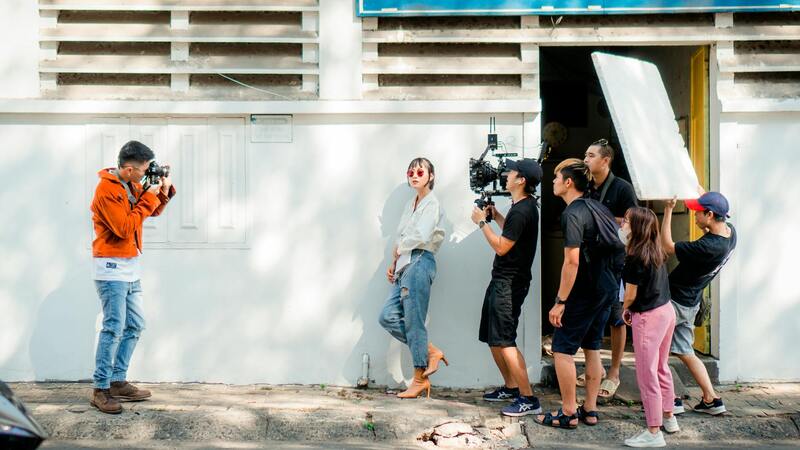
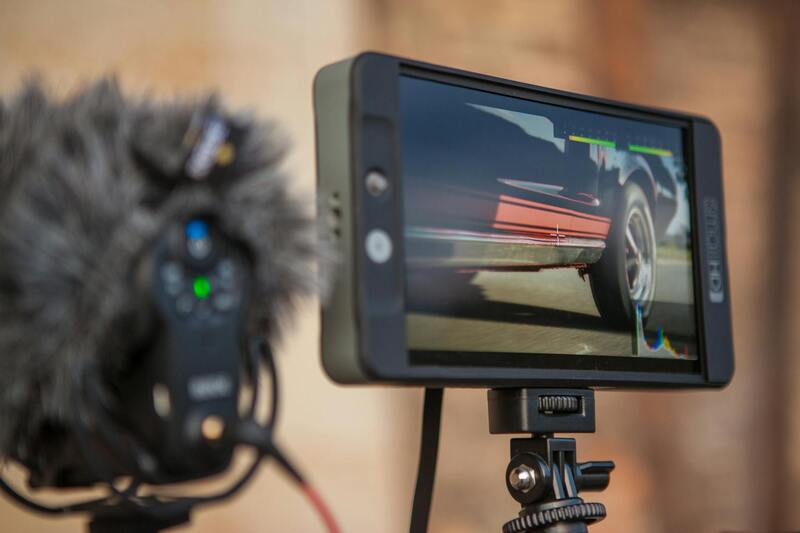
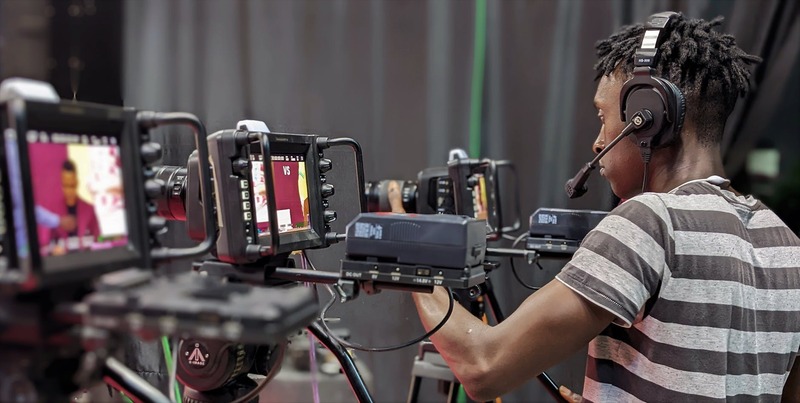
Efficiently managing the equipment setup and transition between shots minimizes disruptions. Utilizing rapid-access memory cards and standby batteries ensures continuous coverage, especially during extended events. For videographers, using multi-camera setups and live preview monitors allows for immediate assessment of shot composition and focus, guaranteeing that the visual quality remains consistent throughout the event.
Post-event, the footage and images are reviewed, backed up, and organized for editing. Marking highlights and selecting the strongest clips streamline the editing process. Interviews or specific segments may require additional stabilization, color correction, or audio enhancements. Ensuring a seamless flow in the final edit preserves the energy and significance of the event, thereby delivering a comprehensive visual story that meets or exceeds client expectations.
Legal and Licensing Considerations
Securing proper permits and adhering to official guidelines are essential components of professional events photography and videography. These permits grant access to specific venues and ensure compliance with local regulations, helping professionals avoid interruptions during crucial moments. Engaging with venue management or local authorities beforehand can streamline the process, providing clarity on required documentation and schedules.
Licensing agreements for music, stock footage, and images further enhance the integrity of a production. When incorporating copyrighted material, obtaining the correct licenses not only respects intellectual property rights but also safeguards against potential disputes or unauthorized use claims. This includes permissions for live performances, background music, and proprietary visual content.
Professional event coverage often involves contracts that explicitly define the scope of work, image rights, and distribution permissions. Clear contractual terms ensure a mutual understanding between clients and providers, defining specifics such as usage rights, delivery formats, and confidentiality clauses. These agreements serve as a foundation for accountability and quality assurance throughout the project.
In addition, obtaining signed model releases from attendees or performers involved in the footage may be necessary, especially when content is intended for commercial purposes or broad distribution. These releases provide documented consent, allowing image and video use across various marketing channels with clarity and professionalism.
Maintaining digital records of all permissions, permits, and release forms ensures organized and accessible documentation. This practice facilitates efficient project management and offers protection against unforeseen challenges, reinforcing the integrity and credibility of the production process.
Legal and Licensing Requirements for Events Photography and Videography
Securing the appropriate permissions and licenses is a crucial element for professional event coverage. This process involves obtaining clearances for all visual and audio content captured during the event. For instance, if there are performances, speeches, or copyrighted music involved, it is essential to have documented agreements that specify usage rights, licensing fees, and distribution limits. These permissions ensure that the captured content can be legally broadcasted or shared without concerns about intellectual property infringements.
Another key aspect of licensing in events photography and videography is the use of proprietary materials or branded content. Reproducing or distributing such materials typically requires explicit authorization to avoid issues related to trademark rights or proprietary rights. For large-scale productions, establishing comprehensive contracts that delineate rights, scope, and limitations helps prevent misunderstandings and future disputes.
Attendee releases are also an integral part of the process. When individuals are featured prominently, obtaining signed release forms provides formal consent for the use of their likeness in various media forms. These releases are especially significant if the footage is intended for commercial purposes or widespread distribution, as they clarify the rights and permissions granted by the participants.
Maintaining meticulous records of all permissions, licenses, and signed releases is vital for streamlined project management and legal compliance. Digital documentation not only facilitates quick reference but also strengthens the professional integrity of the production. It ensures that all content used in the final delivery aligns with the agreed-upon rights, thereby safeguarding against potential disputes or claims related to unauthorized use.
Understanding Events Photography and Videography
Events photography and videography serve as dynamic tools for capturing the essence of significant moments. These services are anchored in a comprehensive understanding of visual storytelling, technical proficiency, and adherence to established protocols that ensure the preservation of memories and branding assets. Professionals in this field leverage both artistic vision and technical expertise to produce content that is not only visually compelling but also compliant with best practices for distribution and usage rights. This specialization involves a nuanced approach to planning, execution, and post-production, which collectively guarantee that each event is documented in a manner that aligns with the client’s objectives and regulatory guidelines.
Effective events photography and videography demand meticulous attention to detail, from initial planning to final delivery. This field has evolved to incorporate advanced technological tools and techniques that enhance image and video quality, ensure seamless recording, and facilitate creative storytelling. Moreover, it advocates for responsible and purposeful content creation, emphasizing the importance of obtaining all necessary permissions and licenses before public sharing or commercial use. Such practices not only safeguard the interests of content creators and clients but also uphold the integrity of the event documentation process.
Types of Events Covered
- Corporate Events: Conferences, product launches, and company celebrations are routinely documented with a focus on branding and professionalism.
- Weddings and Personal Celebrations: Intimate moments and large gatherings are captured to emphasize emotional connections and joy.
- Public and Community Events: Parades, festivals, and charity events are recorded to promote community engagement and awareness.
- Academic and Sports Events: Graduation ceremonies, sports competitions, and award presentations highlight achievement and enthusiasm.
- Concerts and Performances: Artistic expressions are documented to preserve cultural and entertainment highlights.
Essential Equipment and Technology
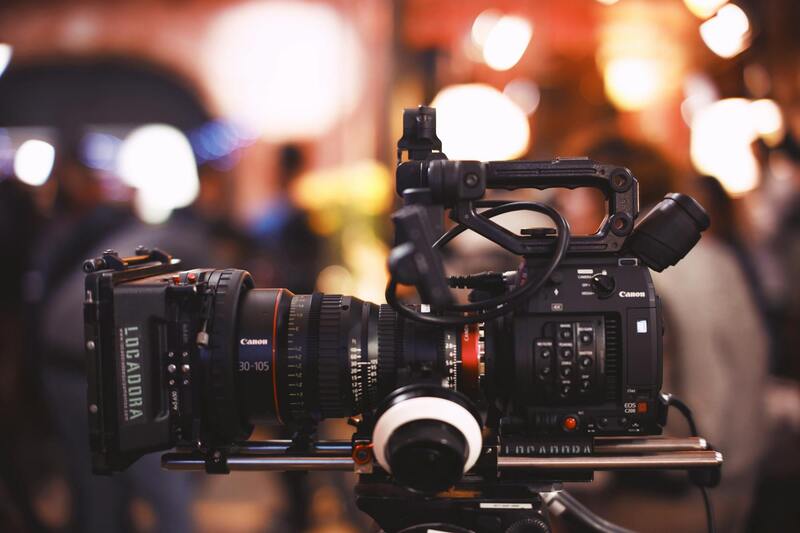
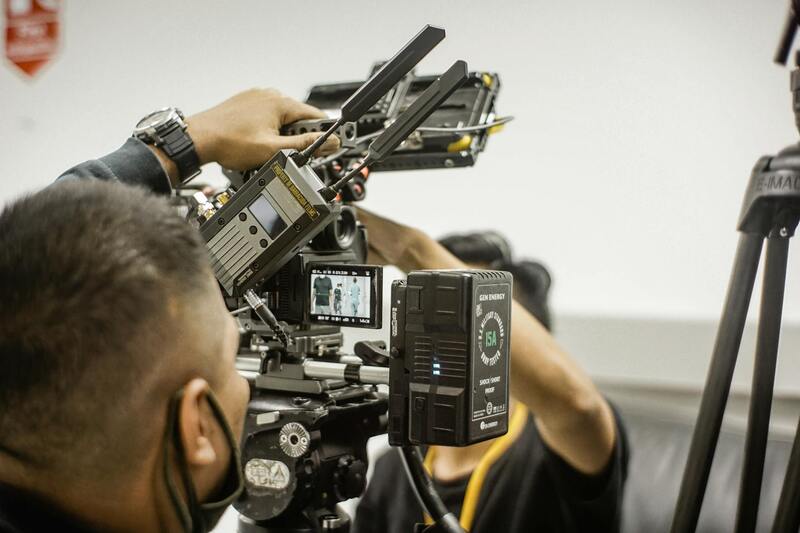
To ensure high-quality output, professionals utilize a spectrum of advanced equipment. High-resolution cameras with versatile lenses are fundamental for capturing sharp images across various scenarios. DSLR and mirrorless cameras equipped with fast autofocus and high ISO capabilities are commonly employed, especially in low-light conditions. Video production relies on professional-grade camcorders or cinema cameras that can record in high definition or 4K resolution, paired with stabilizers for smooth footage.
Lighting equipment such as portable LED panels, reflectors, and diffusers are critical for managing ambient light and highlighting subjects effectively. Audio gear, including wireless microphones and boom poles, ensure clear sound capture, especially during interviews or speeches. Additionally, backup systems like portable power sources, multiple memory cards, and cloud storage solutions are integral for safeguarding data during on-site recording.
Planning and Pre-Production
Preparation is paramount in delivering seamless event coverage. It begins with detailed consultations to understand the client's expectations, key moments, and event schedule. Developing a comprehensive shot list and storyboard ensures nothing important is overlooked. Site visits enable photographers and videographers to assess lighting conditions, space constraints, and technical requirements, allowing for optimal positioning and setup.
Pre-production also involves coordinating with event organizers, venue staff, and other vendors to align schedules and logistics. Securing necessary permits or permissions for equipment setup and shooting in specific locations is crucial. This planning phase minimizes on-the-day surprises and establishes a clear workflow, ensuring that all personnel are aligned on roles and expectations.
On-Site Execution and Techniques
Execution involves adept use of technical skills and artistic sensibilities to capture authentic moments while managing the dynamic environment of an event. Composition techniques such as framing, depth of field, and strategic use of natural or artificial light help create visually striking content. Action shots require quick reflexes and versatile camera handling, often employing fast lenses and stabilization tools for smooth footage.
Capturing candid moments alongside staged shots enhances the storytelling aspect of event coverage. For videographers, multi-camera setups can provide diverse perspectives, while proper audio capture ensures clear narration or participant voices. Employing professional editing tools during the shoot, such as real-time color correction and focus adjustments, can elevate the quality of raw footage.
Post-Production Processes
Post-production is where captured content is refined and polished to meet delivery standards. This stage involves selecting the best shots, color grading, editing footage for narrative coherence, and integrating graphics or branding elements to enhance professionalism. For videography, editing encompasses trimming, arranging clips into a coherent sequence, and adding soundtracks or voiceovers.
Archiving and organizing files systematically streamline future access and revisions. Deliverables may include digital files optimized for various platforms, printed media, or media presentations. Quality control checks are essential to ensure that the final product aligns with client specifications and adheres to content usage rights. Implementing a secure and transparent workflow during post-production fosters trust and enhances the reputation of the services provided.
Legal and Licensing Considerations
Ensuring that all content created during events photography and videography complies with official protocols and licensing agreements is crucial for a smooth operational process. Protections such as release agreements and proper licensing not only safeguard intellectual property rights but also establish clear expectations among clients, talent, and other involved parties.
Event professionals should secure model releases from participants, particularly when images or videos will be used for promotional purposes or commercial distribution. This process involves obtaining written consent that grants permission for the use of likenesses across specified media channels. Accurate record-keeping of these releases at the outset of an event calendar minimizes legal complications and facilitates seamless content distribution post-event.
Furthermore, it is essential to verify the copyright status of any third-party materials integrated into the project, including music, archival footage, or proprietary graphics. Securing appropriate licenses for these assets ensures that the final deliverables adhere to copyright laws and avoid infringement issues. Licensing agreements should be clear about usage rights, duration, geographic scope, and any limitations or fees involved, providing a comprehensive framework for lawful utilization.
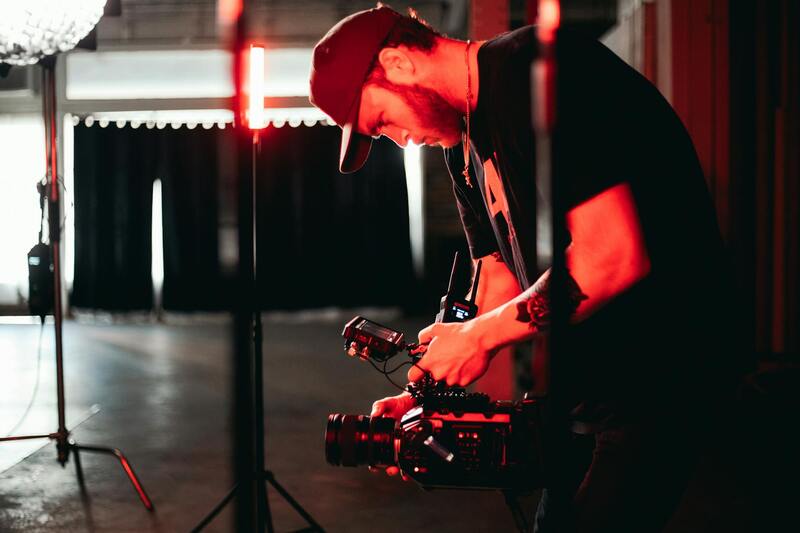
Additionally, local regulations may require permits for filming or photography at certain public or private venues. These permits often address considerations such as restricted areas, drone usage, or special event classifications. Securing the necessary permissions in advance ensures uninterrupted coverage and demonstrates professionalism.
Implementing a workflow that emphasizes documentation, consent, and license management demonstrates due diligence and fosters trust with clients. Clear communication about rights and responsibilities from the outset helps prevent disputes and enhances client confidence in the service provider. These practices not only uphold ethical standards but also contribute to a seamless project flow, allowing the creative process to focus on delivering high-quality content that meets or exceeds expectations.