Understanding the Importance of Event Photography
Event photography plays a crucial role in documenting significant moments, whether they are corporate gatherings, social celebrations, or community events. High-quality event photos serve as visual records that capture the essence, energy, and atmosphere of each occasion. By preserving these moments, organizations and individuals can effectively communicate their stories, boost their brand presence, and create lasting memories that resonate with attendees and audiences alike.
In the age of digital media, compelling images are essential for promoting upcoming events, engaging with followers on social platforms, and enhancing overall visibility. Well-crafted event photos highlight key activities, showcase important guests, and evoke emotional responses from viewers, encouraging ongoing interest and participation. They function as vital tools in marketing strategies, helping to generate buzz and expand reach long after the event has concluded.

Besides promotional benefits, event photos are invaluable for internal documentation and historical archives, providing organizations with tangible evidence of their initiatives and milestones. Whether used in newsletters, annual reports, or archives, high-quality images enhance credibility and professional image. As such, investing in expert event photography ensures that every detail, emotion, and moment is accurately and attractively documented, contributing meaningfully to the overarching narrative of an event.
In Miami’s vibrant environment, where diverse celebrations and professional gatherings take place, selecting the right photographic coverage is essential. Professional event photographers possess the expertise to adapt to different settings, capturing moments authentically and artistically. Their skill sets include understanding lighting conditions, managing dynamic environments, and anticipating key moments to ensure no important detail is missed. This caliber of photography elevates the perceived value of the event and supports ongoing engagement across various platforms and media channels.
Ultimately, captivating event photos are more than just visual records; they are strategic assets that support branding, storytelling, and community engagement efforts. Whether for a small corporate meeting or a large festival, the power of compelling imagery remains undeniable, emphasizing the importance of working with qualified professionals who understand the nuances of event photography in Miami.
Choosing the Right Event Photographer in Miami
Securing top-tier event photos begins with selecting a photographer whose experience aligns with the unique demands of Miami’s diverse event landscape. When evaluating potential professionals, scrutinize their portfolio to gauge style, consistency, and adaptability across different types of events—from corporate functions and galas to cultural festivals and sports gatherings. An extensive portfolio showcases their ability to handle various lighting conditions, dynamic environments, and transient moments naturally come to life through their lens.
Reliability is equally crucial. Prospective photographers should be punctual, well-prepared, and transparent about their workflow. Clear communication about their approach, backup plans, and delivery timelines foster confidence and ensure expectations are aligned. Consider engaging with professionals who possess specialized experience in Miami’s vibrant scene, understanding local venues and the logistical intricacies inherent to different event locations.
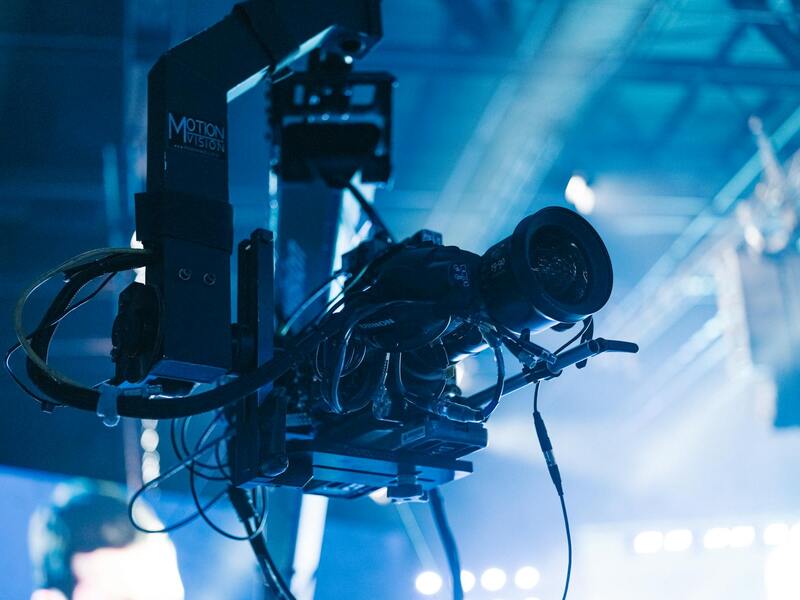
In addition to competence and reliability, a photographer's style should complement the tone and branding of the event. Some may favor a candid, documentary approach, capturing raw emotions and spontaneous moments, while others might excel in more polished, posed compositions. Matching their style with the client’s vision ensures the resulting images resonate authentically with target audiences.
Preparation for Event Photography
Preparation is the cornerstone of successful event photography. Photographers should conduct site visits beforehand to familiarize themselves with the venue's layout, lighting, and potential focal points. This advance reconnaissance allows for strategic planning, including positioning and equipment needs.
Clients can facilitate the process by providing detailed itineraries, a list of key moments, and background information about the event’s purpose and expected atmosphere. Clear expectations regarding desired shots, special guests, or specific branding elements can significantly enhance the photographer’s ability to deliver compelling imagery.
Equipment and Technology for Event Photos
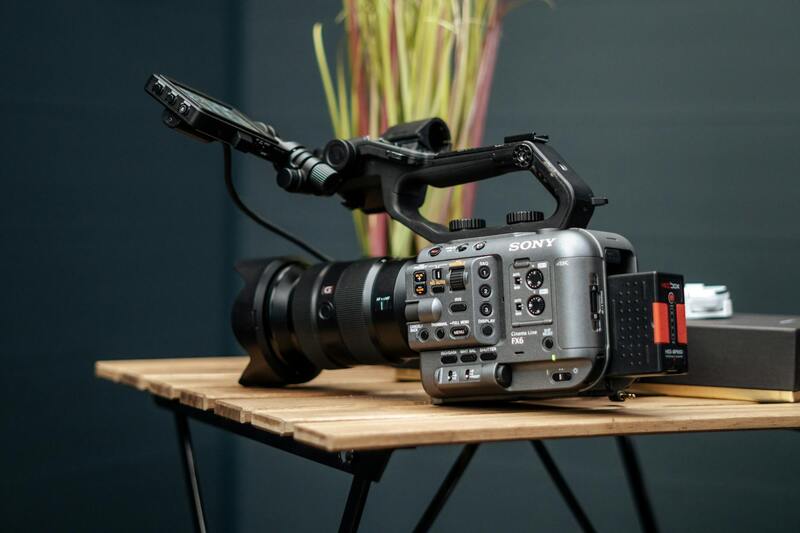
High-quality event photography relies on the right equipment; professionals typically utilize full-frame DSLR or mirrorless cameras equipped with fast, versatile lenses suitable for various lighting conditions. Professional photographers also employ advanced lighting equipment, such as portable flash units or continuous lights, to illuminate darker venues or highlight specific details.
Additional technology, like remote triggers, stabilizers, and high-capacity memory cards, ensures seamless coverage without interruptions. The latest innovations in camera technology provide higher resolution images, richer color reproduction, and improved low-light performance, which are vital in capturing Miami's diverse event environments.
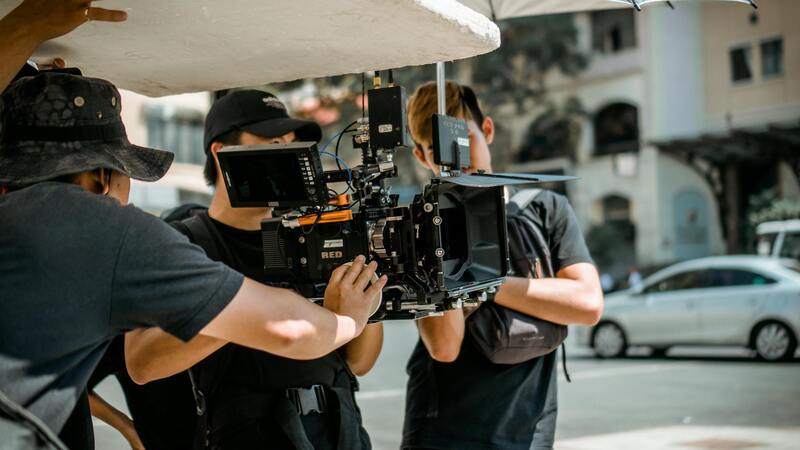
Equipped with such tools, photographers can accurately capture both wide-angle group shots and intricate close-ups, ensuring a comprehensive visual record that embodies the event's energy and significance.
Capturing Diverse Event Moments
The hallmark of excellent event coverage lies in the ability to seize a broad spectrum of moments—formal ceremonies, candid interactions, emotional reactions, and spontaneous celebrations. Professional photographers employ a keen eye and anticipatory skills to recognize momentous instances before they unfold.
A well-rounded coverage involves strategic positioning, unobtrusive candids, and timely group shots. They also make it a point to document details like decorations, signage, and branding elements that add depth and context to the visual story.
Editing and Delivering Event Photos
Post-production transforms raw images into polished, engaging visuals. Skilled editors fine-tune exposure, color balance, and sharpness while maintaining the authenticity of each shot. Edits are tailored to match the event’s mood and branding guidelines.
Efficient delivery workflows ensure immediate access to images, often through secure online galleries, enabling clients to share highlights across various platforms swiftly. High-resolution files are provided for print, while optimized versions are prepared for digital use, expanding the reach and visual impact of the event coverage.
Understanding the Importance of Event Photography
Event photography serves as a vital tool for preserving cherished moments, promoting brands, and enhancing the overall experience of any special gathering. High-quality images encapsulate the atmosphere, emotions, and core messages that define the event. They become valuable assets for marketing, future promotions, and personal keepsakes, offering a visual narrative that transcends time. Capturing authentic interactions, candid reactions, and significant milestones requires a keen eye and extensive expertise, particularly in bustling environments like those found in Miami. Skilled event photographers utilize precise techniques and advanced equipment to ensure every critical element is documented effectively, creating a comprehensive visual timeline of the occasion.
The Role of Professional Event Photographers
In the dynamic setting of Miami, where events range from corporate galas to social festivals, professional photographers are essential for producing consistent, high-quality images. They are adept at adapting to changing lighting conditions, unpredictable action, and diverse event layouts. Their experience allows them to anticipate key moments, positioning themselves strategically to capture spontaneous interactions without intruding on the flow of the event. These photographers leverage their understanding of composition, lighting, and timing to produce images that are not only visually appealing but also narratively compelling. Their expertise ensures that your event’s most important elements are documented with clarity and artistic finesse, contributing significantly to your branding and personal memory collections.
Capturing the Full Spectrum of Event Moments
Effective event photography involves more than just snapping pictures. It’s about telling a story that incorporates all facets of the occasion. This includes formal moments such as speeches or awards, candid interactions among guests, emotional reactions, and lively celebration sequences. Recognizing and seizing these moments require anticipation and a comprehensive understanding of the event’s flow. The best event photographers proactively position themselves to capture a variety of perspectives—wide-angle shots that capture the scale and ambiance, along with close-ups that highlight facial expressions and finer details. The ability to adapt quickly and respectfully to the event’s rhythm enhances the authenticity and richness of the visual story.
Post-Processing and Delivery of Event Photos
Once the event wraps up, the editing process begins. Skilled editors enhance the raw images by adjusting exposure, color grading, and sharpness, all while preserving the genuine mood of the event. Consistency in editing ensures a cohesive visual narrative that aligns with the event’s theme and branding if applicable. Prompt delivery of the finished photos is important to maximize their impact. Many professional photographers provide secure online galleries where clients can easily access, download, and share images across multiple platforms. High-resolution files are made available for print, while optimized versions are prepared for digital use, enabling clients to utilize their event photos effectively for promotional purposes, social media, or personal keepsakes.
Ensuring Proper Use of Event Photos Post-Event
Once the event photos have been captured, processed, and delivered, the next critical step involves how these images are utilized to best serve the client’s needs and objectives. It is essential to follow formal and established methods for sharing, printing, and distributing event photographs to maintain their integrity, quality, and intended impact.
Secure and Authorized Sharing
Distributing event photos through secure channels is paramount to prevent unauthorized access or misuse. Many professional photographers and production companies provide protected online galleries with password restrictions, ensuring clients can view and download their images safely. These platforms often incorporate advanced encryption to safeguard digital files, offering clients confidence that their memories remain private and uncompromised. Additionally, watermarking images in previews can serve as a deterrent against unauthorized use, while high-resolution versions are shared through controlled means for printing or widespread distribution.
High-Resolution Files and Their Uses
Providing high-resolution images opens up numerous possibilities for clients—from creating professional prints for display to utilizing images in promotional materials. If clients wish to produce large-format prints, banners, or photo albums, they should work with seasoned printers or service providers that handle high-quality outputs. The delivery process usually includes both high-resolution files for such uses and optimized versions suitable for sharing across digital platforms, including social media and email campaigns. This ensures maximum flexibility and clarity in presentation, elevating the visual storytelling of the event.
Adherence to Copyright and Usage Rights
Maintaining clarity around copyright and licensing rights is essential when handling event photos. Professional photographers often include terms that specify the permitted uses, such as personal sharing, promotional use, or commercial applications. Clients should review these provisions carefully to avoid any misunderstandings. Many photographers license images with limitations preventing their exploitation beyond agreed contexts, protecting the creative work’s integrity. Respect for these guidelines helps sustain professional standards and fosters long-term relationships with clients and creators alike.
Organized Archiving and Future Accessibility
For clients who plan to revisit their event memories or use images in ongoing marketing efforts, effective archiving practices are crucial. Digital storage solutions—such as cloud-based platforms—offer organized repositories where photos can be categorized by event, date, or theme. This systematic approach ensures easy retrieval and secure storage over time, maintaining the images’ quality and usability. Agencies and photographers often provide comprehensive archives as part of their service, enabling clients to access their event photos whenever needed for new projects or personal collections.
Choosing the Right Method for Distribution
- Online Galleries: Secure, accessible, and convenient for quick viewing and downloads.
- Printed Albums and Photobooks: High-quality physical compilations enhance the tangible presentation of memories.
- Email and Digital Downloads: Suitable for sharing select images with friends and family or extended networks.
- Social Media Platforms: For promotional purposes, these require appropriately optimized and watermark-free images to ensure branding consistency.
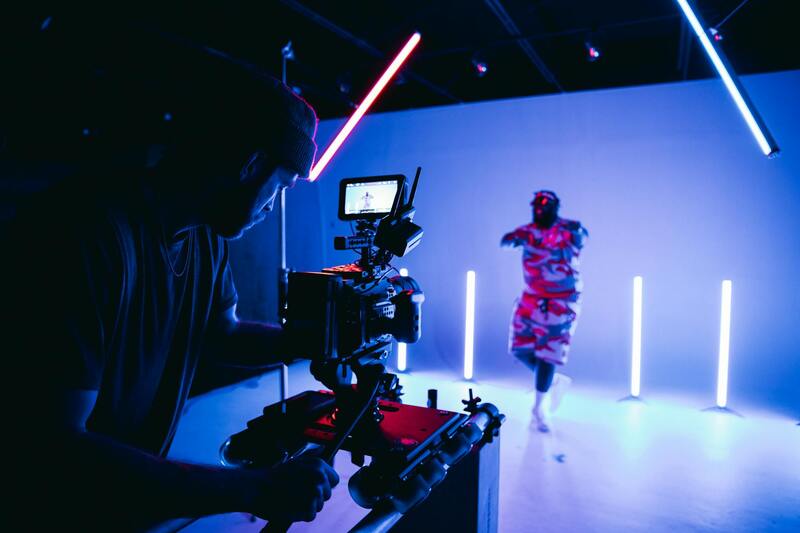
Post-Event Photo Selection and Delivery Methods
After capturing the dynamic moments of an event, the process shifts toward selecting the most impactful images and delivering them through appropriate channels. This phase is crucial in ensuring that the final photographs meet client expectations and are optimized for their intended use.
Professional photographers typically employ a curated approach to selecting event photos, emphasizing clarity, emotional resonance, and technical quality. The selection process involves reviewing hundreds to thousands of images captured, narrowing down to those that best encapsulate the event's essence. These images are then refined through meticulous editing to enhance color balance, sharpness, and overall visual appeal, while maintaining the authentic vibe of the event.
Delivery methods are tailored to client needs and the nature of the event. Digital formats are predominant due to their convenience and speed, with multiple options available:
- Secure Online Galleries: These platforms facilitate easy access, viewing, and download of high-resolution images. They often include password protection to ensure privacy.
- USB Drives and Digital Downloads: Providing images via physical storage devices or direct digital links allows clients to obtain high-quality files for various uses.
- Print Orders: Photographers may offer print services, enabling clients to receive physical copies such as framed prints, canvases, or photo books.
- Social Media and Email Sharing: For promotional or personal sharing, images can be optimized for social platforms or sent directly via email.
Each method ensures that clients have accessible, high-quality images suited for personal keepsakes, professional portfolios, or marketing campaigns. Ensuring the images are delivered securely underscores the importance of digital security, especially when confidential or proprietary event content is involved.
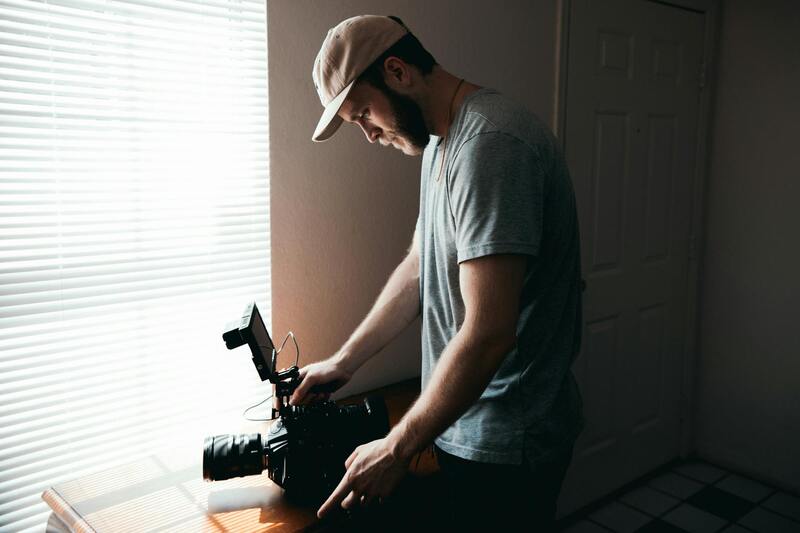
Official Methods for Obtaining Event Photos in Miami
Securing professional and official event photographs involves engaging with reputable photography service providers that adhere to established industry standards and ethical practices. The most reliable approach is to partner with certified photographers or recognized photography agencies that operate within the legal frameworks of Florida and Miami’s local regulations. These organizations typically hold valid business licenses and professional photography credentials, ensuring a transparent and trustworthy relationship.
When seeking official event photography services, potential clients should review portfolios and client testimonials to assess the photographer’s experience and style. Opting for photographers who are members of respected industry associations can also be beneficial, as these affiliations often require adherence to code of conduct and continuing professional development, further ensuring quality and integrity.
It is essential to enter into a detailed service agreement before the event, which explicitly outlines the scope of work, rights to the images, and delivery timelines. This contract should specify the usage rights granted to the client, including the permitted publication and promotional applications of the photographs. Such formal agreements create clarity and prevent misunderstandings, reinforcing the official nature of the service.
To ensure the authenticity of the photographs, clients should request signed model releases from individuals featured prominently in the event images. These releases verify consent for the capturing and use of their likenesses across various platforms and formats. Additionally, requesting a comprehensive invoice and receipt provides documentation of the transaction, essential for record-keeping and potential future reference.
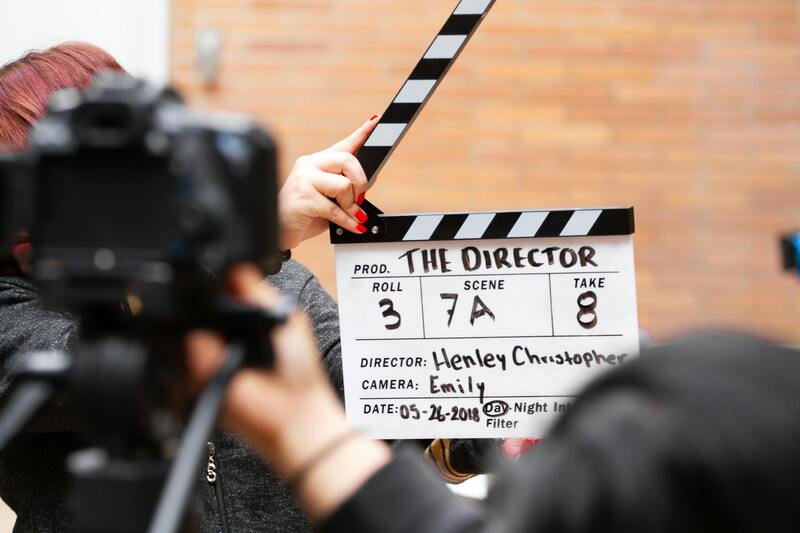
Furthermore, obtaining photographs through legitimate channels such as authorized photography studios or direct booking with professional photographers helps avoid issues related to copyright infringement or unauthorized usage. Clients should verify that the photographer provides high-resolution digital files that meet industry standards for clarity and color accuracy.
When handling images for official purposes like corporate events, weddings, or public gatherings, ensure that the photographer supplies proper documentation or licensing that affirms their right to produce and distribute the images. This practice safeguards the client’s interests and maintains a clear chain of custody for the photographs.
Leveraging Industry-Recognized Platforms and Resources
Most reputable photographers and agencies maintain official websites, portfolios, and online galleries that serve as verifiable proof of their expertise and legitimacy. These platforms often include client testimonials, licensing information, and detailed service descriptions, providing avenues for clients to confirm the provider’s professional standing.
Additionally, professional networking platforms such as LinkedIn or industry-specific directories can be valuable resources for identifying established photographers who comply with regional and national standards. Ensuring the photographer’s presence on these platforms with documented credentials helps confirm their operational legitimacy.
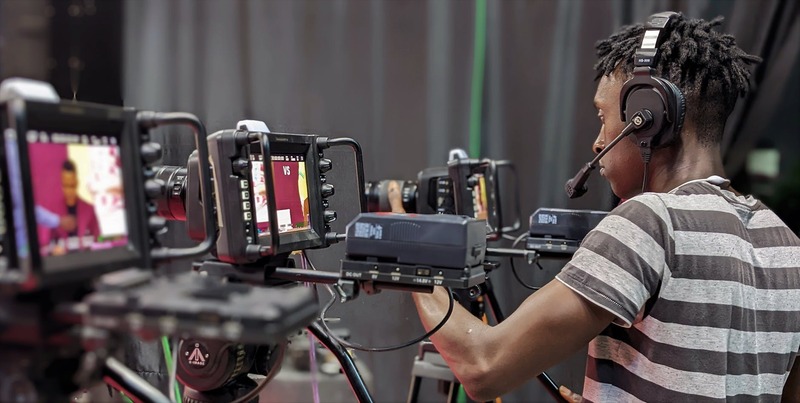
In summary, the most effective method to obtain legitimate event photos is to collaborate with accredited, licensed professionals who operate transparently within the established industry norms and legal guidelines. This approach guarantees that the images captured are authentic, high-quality, and suited to the intended purposes, whether for personal keepsakes, marketing efforts, or public sharing.
Ensuring Authenticity and Quality through Official Methods
Securing high-quality, genuine event photos in Miami requires reliance on established and verifiable channels. Collaborating with recognized professional photographers and agencies ensures the images are captured, processed, and delivered with adherence to industry standards. These professionals typically showcase their credentials through official websites, detailed portfolios, and verified online directories, offering transparency about their expertise and operational legitimacy.
When selecting an event photographer, verify their affiliations with professional organizations or industry-standard bodies. Memberships or certifications from reputable photography associations serve as authentic indicators of their commitment to maintaining high standards and staying updated with technological advancements.
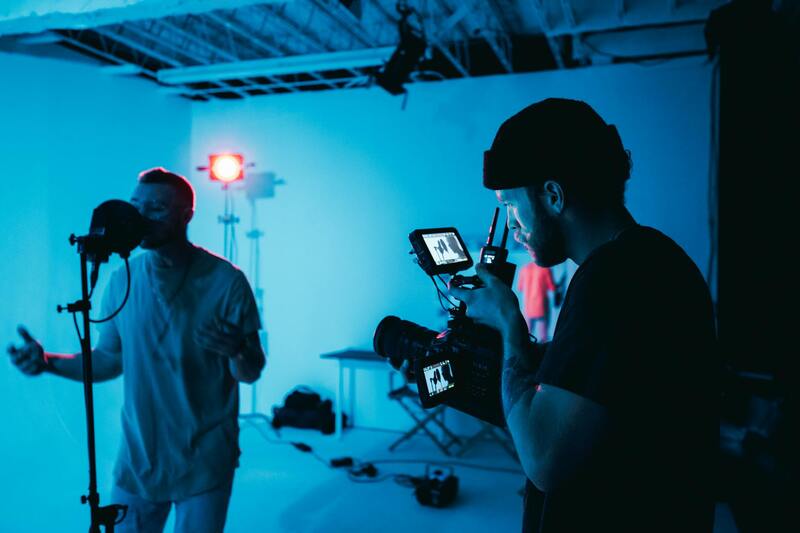
Clients are encouraged to review online testimonials and case studies available on photographers’ official platforms. These include detailed descriptions of past events, client feedback, and samples of work. Such documentation aids in assessing the photographer’s experience and reliability, ensuring that the images produced are both authentic and of superior quality.
Utilizing industry-recognized online directories and verified social media profiles can further substantiate a photographer’s professional standing. Confirming their presence on platforms like LinkedIn, along with documented credentials, helps identify legitimately operating professionals capable of delivering consistent results.
The Role of Licensing and Certification
Professionally licensed and certified photographers operate within a framework that mandates adherence to regional standards, protecting both clients and service providers. Certification often entails proof of technical competence and ethical standards, which translate into consistently capturing high-fidelity images at events.
Many reputable photographers also maintain proper licensing for their equipment and software, ensuring the work complies with regional intellectual property regulations. This compliance not only affirms their legitimacy but also assures clients of legally compliant and ethically produced images.
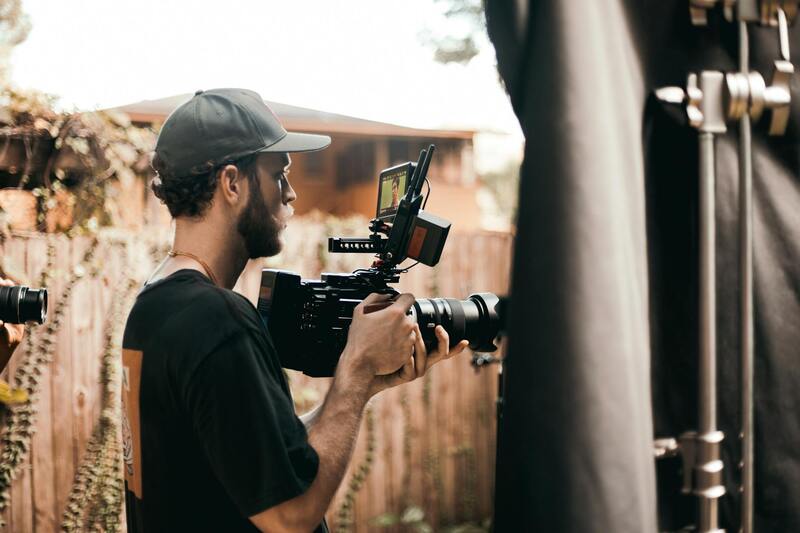
Verification Processes for Event Photos
One method to verify the authenticity of event photos is through the use of official digital watermarks or metadata embedded within the images. These elements contain information about the photographer, creation date, and licensing details, making it easier to authenticate the source of the photos.
Clients can request digital certificates of authenticity or provenance reports, especially for images intended for commercial or promotional use. These documents supplement the visual content, providing formal verification of the images’ origin and legitimacy.
Maintaining Transparency and Trust
Open communication about licensing agreements and rights management is crucial. Professional photographers should clearly articulate the scope of usage rights, licensing terms, and copyright ownership when delivering images. Transparent practices foster trust and assure clients that their event photos are obtained through legitimate channels and are protected under applicable regulations.
Ultimately, leveraging official platforms, verifying credentials, and ensuring proper licensing are vital steps to guarantee the authenticity, quality, and legitimacy of event photos captured in Miami. These practices uphold industry standards, protect client interests, and enable the creation of memorable, high-value imagery that accurately documents important moments.
Legal Considerations and Copyright
Securing the rights associated with event photos is a fundamental step in maintaining the integrity of your visual content. Professional event photography services align their work with industry standards by implementing clear licensing agreements and licensing frameworks. These agreements explicitly define the scope of usage, including how images can be shared, printed, or repurposed across different platforms. They also establish the duration and geographical boundaries for image use, ensuring both parties have a clear understanding of their rights and responsibilities.
When selecting a Miami-based event photographer, it’s vital to review and understand their licensing policies. Usually, these professionals provide a detailed licensing agreement that covers the rights to reproduce, distribute, display, and create derivative works from the images. Such legal frameworks protect both the photographer’s intellectual property and the client’s intended use of the photographs.
Copyright ownership typically rests with the photographer unless explicitly transferred or assigned through a written agreement. Clients should ensure that ownership rights, including perpetual usage rights for promotional activities or archival purposes, are clearly outlined. This clarity prevents potential disputes and guarantees the client’s ability to utilize their event photos across various marketing channels, printed media, or digital platforms without restrictions.
Another essential aspect involves digital watermarking and metadata embedding. Digital watermarks serve as subtle, persistent identifiers embedded within the images, verifying the photographer’s brand or license status. Metadata, including creation date, copyright information, and licensing terms, accompanies the digital files, providing an extra layer of verification and authenticity. Clients can request official certificates of authenticity, especially when high-stakes or commercially targeted images are involved, adding a layer of assurance regarding the photos’ provenance.
Maintaining transparent communication about licensing terms and usage rights from the outset fosters trust and aligns expectations. Professional photographers in Miami often include detailed explanations of how images can be used and any restrictions that may apply. This openness not only safeguards clients but also enhances the professional reputation of the photographer, reinforcing their commitment to ethical practices.
Best Practices for Protecting Event Photos
- Develop written licensing agreements before the event.
- Use digital watermarks and embedded metadata for authenticity verification.
- Secure official documentation or certificates of authenticity for high-value images.
- Clearly communicate licensing terms and usage rights with clients.
- Maintain records of all agreements and licenses for reference and legal protection.
Adhering to these practices guarantees that event photos are appropriately protected and utilized within well-defined legal parameters, ensuring that the visual documentation remains authentic and valuable for years to come.