Understanding Event Photography and Videography
Event photography and videography serve as essential tools for preserving the most memorable moments of any occasion. While both disciplines aim to document events vividly, they approach this goal through distinct but interconnected methods. Event photography involves capturing still images that freeze a moment in time—be it a radiant smile at a wedding or an energetic dance move at a party. These images provide a detailed, artistic, and instantly shareable record of the event.
On the other hand, event videography offers a dynamic narrative, capturing motion, sound, and emotion to present a comprehensive story of the event. Through carefully crafted footage, videographers can convey the atmosphere, interactions, and emotions felt during the occasion, offering viewers a sense of being present even if they couldn't attend in person.
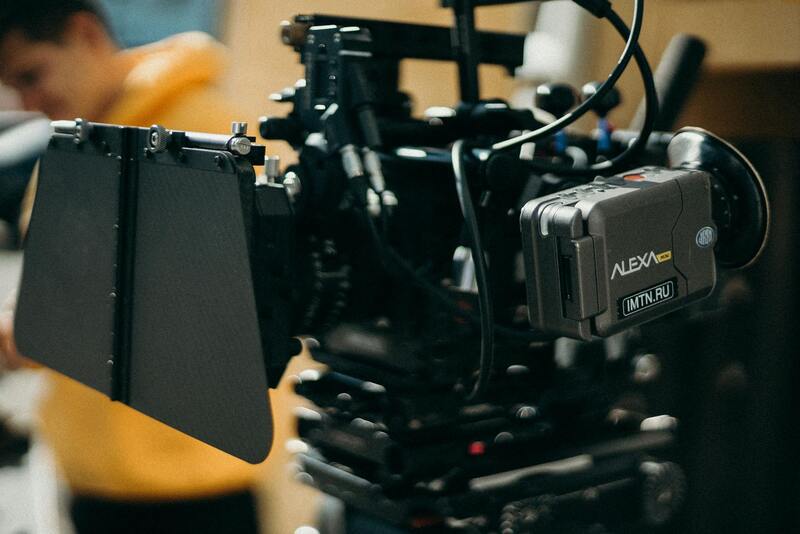
Both methods are vital in creating a full-bodied remembrance of your special day. Photography delivers striking stills suitable for albums, frames, and quick sharing, whereas videography offers a rich, immersive experience through edited footage, often featuring highlights, speeches, and candid reactions.
Choosing between or integrating both services depends on the event’s scope and the desired memory preservation style. Professionals skilled in both areas understand how to harmonize images and videos, ensuring that every significant moment is artistically captured and thoughtfully presented.
Understanding Event Photography and Videography
Event photography and videography are integral to creating enduring visual memories of significant moments. They serve as both artistic representations and documentary records of diverse occasions, from intimate gatherings to large-scale celebrations. When selecting professional services, it’s vital to understand the distinct yet complementary nature of these disciplines, ensuring the captured media aligns with your event goals and desired outcomes.
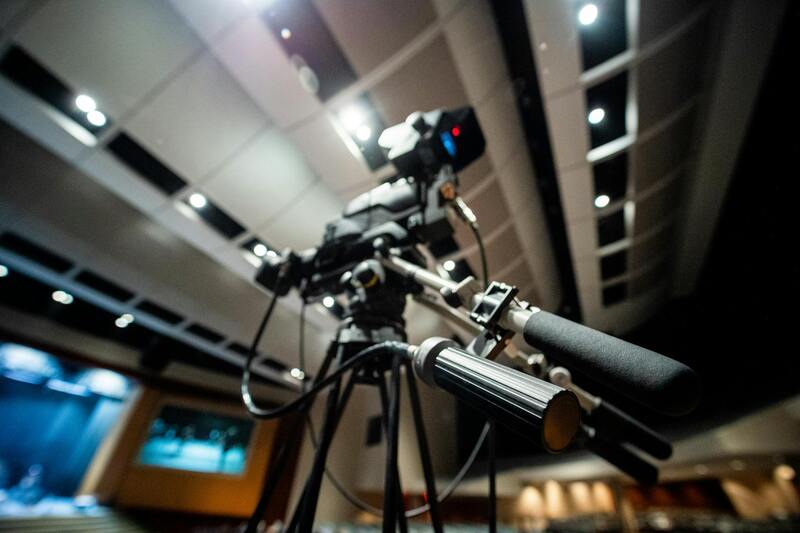
Fundamentals of Event Photography
At its core, event photography focuses on capturing high-quality still images that freeze fleeting moments, emotions, and interactions. Photographers utilize advanced camera setups and lighting techniques to ensure clarity, depth, and artistic expression. The resulting photographs often become treasured keepsakes—whether displayed in albums, framed on walls, or shared across digital platforms. Professional event photographers employ a strategic approach, blending candid shots with posed compositions to narrate a complete story of the event.
Core Principles of Event Videography
Event videography involves filming dynamic footage that offers a comprehensive, audiovisual recounting of the occasion. Videographers integrate sound recording and motion to highlight pivotal moments, speeches, performances, or candid reactions. The process emphasizes steady camera work, effective lighting, and audio clarity. Edited highlights or full-length videos serve as immersive memories, allowing viewers to relive the event’s atmosphere and emotions long after it concludes. This media format is particularly effective in capturing the flow and energy of lively celebrations.
The Interrelation of Photography and Videography
Both media forms serve to preserve different facets of an event. While photography excels at producing striking images suitable for instant viewing and sharing, videography provides a moving narrative that adds depth and emotion. When used together, they complement each other by offering a fuller, more detailed visualization of the occasion. Skilled professionals often coordinate both services to ensure seamless integration, harmonizing the visual storytelling process for a cohesive remembrance.
Professional Standards and Techniques
High-quality event coverage relies on advanced equipment, technical skill, and artistic judgment. Professional photographers and videographers in Miami employ state-of-the-art cameras, stabilization rigs, and lighting gear to adapt to various lighting conditions and settings. Techniques such as dynamic framing, meticulous focus, and color grading enhance the visual appeal and emotional impact of the media. Post-production editing ensures that images and footage are polished, cohesive, and true to the event’s spirit, resulting in a finished product that resonates with authenticity and artistry.
Equipment and Techniques Used in Event Coverage
Securing exceptional outcomes in event photography and videography depends heavily on the utilization of professional-grade equipment coupled with refined techniques. Experienced Miami-based providers invest in an array of high-end cameras capable of capturing crisp details and vibrant colors across diverse lighting conditions. DSLR and mirrorless cameras with full-frame sensors are standard, offering superior image quality and depth of field control. For videography, 4K-capable camcorders and cinema-grade digital cameras facilitate cinematic shots with remarkable clarity and resolution.
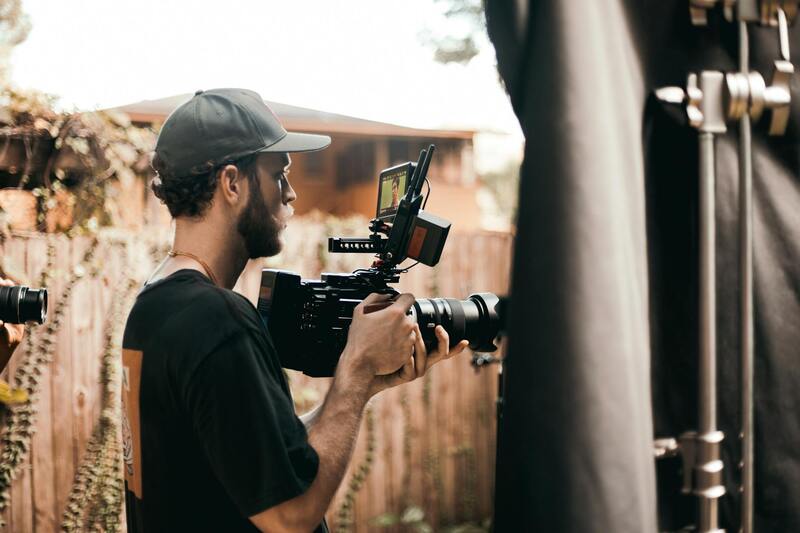
Stabilization is critical for producing smooth, professional footage, which is achieved through the use of gimbals, steadicams, and tripods. These tools eliminate unwanted camera shake, ensuring that movements are fluid and visually pleasing. For dynamic events such as weddings or concerts, handheld stabilizers and shoulder rigs allow operators to maneuver seamlessly through crowds while maintaining steady footage.
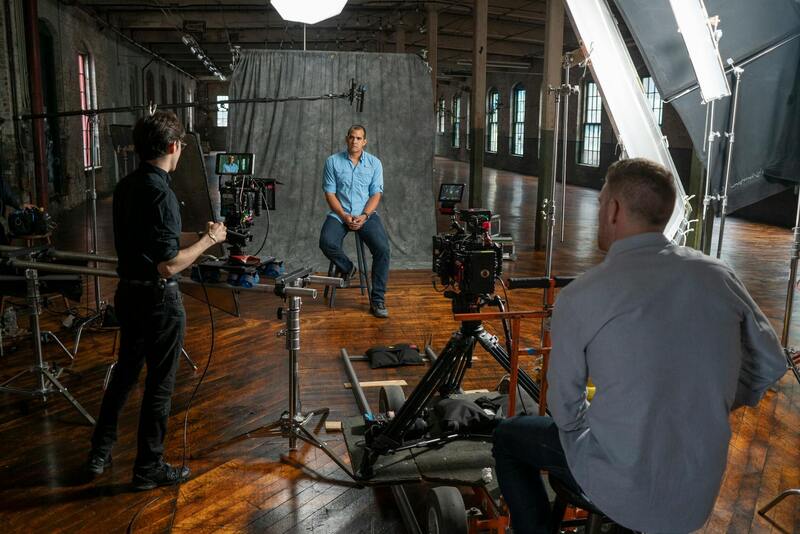
Lighting equipment also plays a vital role, especially in indoor settings or venues with variable lighting. Portable LED panels, softboxes, and reflectors enable professionals to create flattering, well-lit images that highlight key moments without overwhelming the scene. Skilled photographers and videographers adapt their lighting strategies to suit the environment, often supplementing ambient light with artificial sources for optimal results.
Beyond hardware, mastering specific techniques enhances the storytelling aspect of event media. Techniques such as dynamic framing—composing shots that draw viewers’ attention—are combined with diligent focus control and strategic use of depth of field to achieve a sense of intimacy or grandeur as appropriate. Color grading during post-production further refines the mood, ambiance, and emotional resonance of the footage.
Additional Tools and Methodologies
- Multi-camera setups: Capture multiple angles simultaneously for a comprehensive view of the event.
- Drone technology: Offer stunning aerial shots, especially effective for outdoor celebrations or large-scale gatherings.
- Live streaming equipment: Broadcast the event in real-time to remote viewers without sacrificing video quality.
- Audio recording gear: High-fidelity microphones and lapel mics ensure speech clarity and enhance overall sound quality.
In practice, these tools are integrated seamlessly through meticulous planning and technical expertise. The result is a collection of media assets that not only document the event but also evoke the emotions and atmosphere experienced during the occasion.
Equipment and Techniques Used in Event Coverage
In the realm of event photography and videography, leveraging the right equipment and employing advanced techniques are fundamental to capturing unforgettable moments with clarity and artistic flair. Professionals in Miami utilize a combination of state-of-the-art gear and innovative methods to ensure each event is documented with precision.
High-performance cameras form the backbone of quality event coverage. These cameras boast high megapixel counts and exceptional low-light capabilities, allowing for crisp images even in challenging lighting conditions typical of indoor events. Fast lenses with wide apertures enable photographers and videographers to achieve shallow depth of field, highlighting key moments and subjects while softly blurring backgrounds.
Complementary accessories such as stabilizers, gimbals, and drones expand creative possibilities. Stabilizers and gimbals facilitate smooth, cinematic shots during movement, making dynamic scenes more engaging. Drones offer a unique aerial perspective, especially effective for outdoor festivals, weddings, or large corporate gatherings, providing sweeping views that add grandeur to the coverage.
Lighting equipment is another crucial element. Portable and adaptable lighting sources help create balanced exposures, eliminate harsh shadows, and highlight important details. During post-production, color grading techniques enhance the visual quality, ensuring the footage aligns with the desired mood and ambiance.
In terms of techniques, professionals employ tailored approaches such as:
- Multi-camera setups: Multiple cameras capturing various angles simultaneously ensure comprehensive coverage, especially during speeches, performances, or dance segments.
- Strategic framing and composition: Skilled videographers and photographers craft shots that tell a story, drawing viewers into the event through thoughtful framing and dynamic perspective changes.
- Focus control and aperture management: Precise focus techniques and aperture adjustments emphasize key subjects, creating a cinematic quality in both photos and videos.
- Time-lapse and slow-motion techniques: Adding these effects injects a layer of storytelling and emotional impact, highlighting the event’s atmosphere from different angles.
- Post-production editing: Color correction, sound design, and seamless transitions refine the raw footage into polished media assets that resonate with viewers.
By integrating these technological tools and creative methods, Miami-based professionals deliver media that not only documents an event but elevates it through artistry and technical excellence.
Choosing the Right Photography and Videography Style
Selecting an appropriate style for event coverage depends on the event's nature, the client's vision, and the desired emotional impact. Different styles evoke distinctive atmospheres and storytelling approaches, making it essential to match the style with the event’s purpose.
Documentary or photojournalistic styles prioritize capturing candid moments and authentic reactions, perfect for weddings, corporate gatherings, and community events where sincerity and spontaneity are valued. These styles require unobtrusive equipment setups and a keen eye for storytelling through natural interactions.
Traditional or posed styles focus on formal compositions, ideal for ceremonies, award functions, and galas. Photographers plan specific shots, such as group portraits and family arrangements, ensuring all key participants are highlighted with elegance.
Creative or artistic styles leverage unique angles, lighting, and editing techniques to produce visually stunning images and videos. These might involve avant-garde compositions, dramatic lighting, or post-processing effects, suitable for high-profile events aiming for a distinctive aesthetic.
Hybrid approaches blend elements from various styles, adapting dynamically throughout the event to capture both candid and posed moments. This flexibility ensures comprehensive coverage that aligns with the client’s desired storytelling approach.
Equipment and Techniques Used in Event Coverage
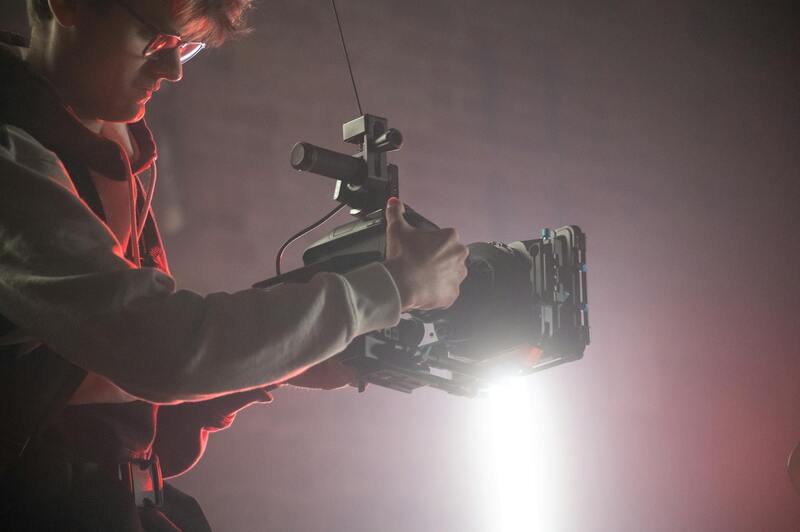
Successful event photography and videography depend on advanced equipment coupled with sophisticated techniques. High-end cameras with fast autofocus, excellent low-light performance, and high-resolution sensors ensure sharp images and vibrant videos under diverse lighting conditions.
Professional audio gear such as shotgun microphones, lapel mics, and audio recorders are essential for capturing clear sound, especially during speeches and performances. Stabilizers like gimbals and monopods facilitate smooth footage even in dynamic environments.
EDITOR'S NOTE: Remote or portable lighting solutions, such as LED panels and diffusers, are crucial for environments with inconsistent or poor lighting, enhancing both photos and videos. Wide-angle lenses help capture expansive scenes, while telephoto lenses allow for detailed shots from a distance.
Technical techniques employed include:
- Multi-camera setups: Utilizing multiple cameras from different angles during key moments ensures no detail is missed, providing comprehensive coverage.
- Strategic framing and composition: Skillful professionals craft shots that tell a story, using techniques like the rule of thirds, leading lines, and depth to draw viewers into the event.
- Focus control and aperture management: Precise focus techniques, along with selective aperture adjustments, emphasize focal points and add cinematic depth to videos and photos.
- Time-lapse and slow-motion captures: These creative techniques add emotional depth and dynamic storytelling elements, emphasizing specific moments or overall atmosphere.
- Post-production editing: Color grading, sound mixing, and visual effects refine raw footage, ensuring the final product resonates with clarity, mood, and professionalism.
By integrating these specialized techniques and using premium equipment, professionals from Miami can deliver media that elevates the event experience, capturing moments with artistic precision and technical excellence.
Key Factors to Consider When Booking Event Photography and Videography
Securing professional event coverage requires a strategic approach to ensure the results align with your vision and expectations. When evaluating potential service providers, it is essential to scrutinize their portfolios thoroughly. A diverse portfolio showcasing various event types, lighting conditions, and creative styles reflects versatility and experience. Pay attention to the consistency of quality, the ability to capture candid moments, and the storytelling aspect of their work.
Experience plays a critical role in choosing the right team. Professionals who have repeatedly worked on similar events—be it intimate gatherings, corporate functions, or large-scale celebrations—bring valuable insights into timing, positioning, and technical challenges. Experienced photographers and videographers anticipate key moments and adapt swiftly to changing circumstances, ensuring comprehensive coverage without intrusion.
Pricing structures and package options should be transparent and tailored to your event's needs. It's advisable to inquire about what each package includes, such as the number of hours, number of photos, video length, and any additional services like drone footage or live streaming. Comparing these details helps identify cost-effective options that do not compromise on quality. Clarify turnaround times for delivery and the scope of post-production editing to ensure your expectations are met in a timely fashion.
Assessing the Service Provider's Technical Capabilities
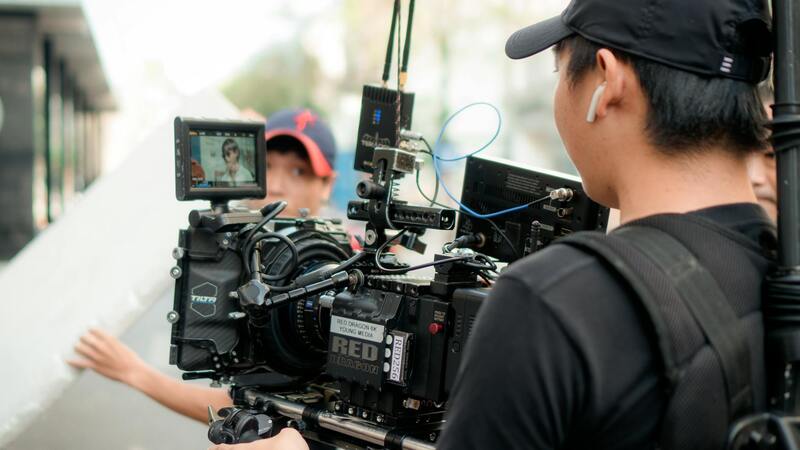
Beyond aesthetics, evaluating the technical prowess of your potential provider is crucial. A professional team utilizes advanced equipment—high-resolution cameras, stabilizers, professional lighting, and audio gear—to capture high-quality media regardless of venue conditions. They also employ sophisticated editing software for color correction, sound enhancement, and visual effects, transforming raw footage into compelling narratives that truly reflect the essence of your event.
Requesting sample reels or recent work can provide valuable insights into their editing style and overall production quality. Pay attention to how they handle complex lighting environments, movement, and candid moments, as these are often the most telling of their skill level. Additionally, inquire whether they use multi-camera setups, drone technology, or other innovative tools that add value and creativity to the final media.
Importance of Communication and Customization
Effective communication ensures that your vision is realized. A professional service provider listens attentively to your expectations, offers suggestions based on their expertise, and creates a customized plan. Discuss specific moments you wish to emphasize, preferred shots, and any thematic elements vital to your event. Confirm their availability during your event times and clarify logistical details, such as access to venues, power supplies, and setup requirements.
Flexibility and transparency build trust, allowing you to feel confident that your event coverage will be seamless and stress-free. Establishing clear channels for ongoing communication reduces misunderstandings and ensures that any adjustments can be managed efficiently.
Refining Your Selection with References and Reviews
Requesting references from previous clients or reading online reviews provides an unbiased perspective on the provider’s reliability, professionalism, and quality standards. Positive testimonials often highlight their punctuality, ability to work discreetly, and responsiveness, all of which contribute to a successful event experience. Cross-checking these comments with visual samples helps you gauge whether their style aligns with your desired outcome.
By meticulously considering these factors, you can confidently select an event photography and videography team capable of capturing your occasion with excellence, ensuring memories are preserved in a manner that truly resonates long after the event concludes.
Methods to Legally Secure Event Photography and Videography
Securing professional event photography and videography services involves adhering to structured and proper channels to ensure your event coverage is both legitimate and reliable. Engaging with established agencies or freelance professionals who possess verified credentials and transparent business practices is essential. This approach not only guarantees high-quality results but also fosters trust and accountability throughout the collaboration.
Professional Agencies and Certified Freelancers
Partnering with reputable event production companies or certified freelance photographers and videographers ensures you work with experienced practitioners who follow industry-standard practices. These entities typically showcase their portfolios publicly, offer detailed service packages, and provide verified client testimonials. Choosing professionals with verified business licenses or memberships in recognized industry associations further affirms their commitment to quality and ethical standards.
Use of Authorized Contracts and Service Agreements
Before any work begins, establishing a comprehensive contract is a fundamental step. This legally binding document clearly defines the scope of work, deliverables, timelines, rights to the media, and payment terms. A professionally drafted agreement helps prevent misunderstandings, protects your interests, and ensures all parties are aligned on expectations.
Official Permits and Venue Approvals
Obtaining the necessary permissions or permits for event photography and videography is vital, especially for public or large-scale events. Confirm that your chosen provider is familiar with local regulations and has the required permissions to operate in specific venues. They should assist in coordinating with venue management to secure designated areas for setup and unobstructed shooting, minimizing disruptions and ensuring compliance with venue policies.
Copyright and Usage Rights Documentation
Legitimate service providers offer clear documentation regarding the rights to the captured media. This includes details about usage restrictions, licensing, and distribution rights. Ensuring these rights are well-defined prevents misunderstandings and protects both your event’s images and videos from unauthorized use. Discuss these terms thoroughly before finalizing the booking to avoid complications post-production.
Confirming Insurance Coverage
Engaging insured professionals adds a layer of security to your event coverage. Insurance policies typically cover equipment damage, liability concerns, or unforeseen incidents during coverage. Request proof of insurance to validate that the service provider has adequate coverage, safeguarding your event's integrity and financial interests.
Additional Considerations
- Request references and view previous work samples to verify the provider’s professionalism and style compatibility.
- Discuss contingency plans for technical failures or schedule changes to ensure seamless coverage.
- Verify their familiarity with your specific event type, such as corporate, wedding, or concert coverage.
- Ensure clarity around delivery timelines and formats for final media to align expectations effectively.
By following these official methodologies, clients ensure their event photography and videography services are conducted within proper channels, resulting in high-quality captures that stand the test of time. Choosing authorized professionals and meticulously handling contractual obligations not only guarantees exceptional memories but also reflects a responsible and professional approach to event documentation.
Ensuring Secure and Proper Event Media Capture for Lasting Memories
Securing the appropriate rights and permissions for all media captured during your event is fundamental to protecting your investment and ensuring that your memorable moments can be shared and preserved without unforeseen obstacles. Relying solely on the skills of professional event photographers and videographers is insufficient without verifying that they have proper authorizations for the use and distribution of the content they produce. This process begins with clearly outlining the scope of usage rights in the contractual agreement, specifying whether images and videos can be used for promotional purposes, online sharing, or commercial exploitation.
It is critical to confirm that the service provider holds the necessary rights to all equipment, music, and third-party content incorporated into the final media. Many professionals work with licensed music and stock footage to avoid copyright issues, which should be documented in their licensing agreements. Ensuring that these elements are legally acquired alleviates potential complications when using the media across different platforms or in future projects.
In addition, consider the process of proper digital rights management (DRM) and storage practices. Use secure storage solutions and restrict access to the media files during the post-production phase to prevent unauthorized duplication or sharing. Discuss with your production team whether they utilize watermarks or other protective measures during proofs and drafts, which can serve as deterrents against premature or unauthorized use.
Another key aspect is documenting all agreements concerning media rights, including any transfers or licenses granted to your organization. This documentation provides clarity and legal backing should questions or disputes arise later. Both parties should retain copies; this due diligence simplifies future media handling and ensures compliance with all contractual terms.
Furthermore, you should establish clear protocols for media usage post-event. Decide on who can access the raw footage and edited media, and outline permitted applications—whether for internal review, marketing, or public display. Having these policies in place promotes transparency and aligns the expectations of all involved stakeholders.
To uphold the integrity of your event documentation, also consider engaging professionals who are accustomed to working within controlled environments, such as those familiar with event-specific legal parameters. Verify their familiarity with consent forms, especially for capturing individuals or private moments, and ensure that all necessary permissions have been obtained beforehand. This proactive approach minimizes risks associated with unexpected content disputes and helps maintain the positive reputation of your event.
In summary, safeguarding your event media involves a comprehensive approach encompassing rights verification, proper contractual agreements, secure storage practices, and clear usage policies. Collaborating with professionals experienced in these areas ensures that your visual and video memories are preserved within a framework that emphasizes control, respect, and proper legal compliance, allowing you to relive your special moments with confidence and peace of mind.