Importance of a Strong Portfolio for Event Photographers
In the competitive world of event photography, a meticulously curated portfolio is an essential asset for establishing credibility and attracting potential clients. It functions as a visual testament to a photographer’s expertise, style, and range of services, enabling prospective clients to assess whether they align with the photographer’s capabilities. A compelling portfolio captures key moments, demonstrates technical proficiency, and showcases an understanding of diverse event settings, from corporate gatherings to weddings and social celebrations.
Prospective clients often make hiring decisions based on the visual evidence of previous work, making a portfolio the primary means of communication. It helps build trust by displaying consistency, professionalism, and a keen eye for detail. Moreover, a well-organized portfolio can differentiate an event photographer in a crowded market, especially within vibrant regions like Miami, where numerous talented professionals vie for attention. When potential clients visit a photographer’s website, such as miamivideoproducers.com, their first impression hinges on the quality and presentation of the images showcased.

Beyond attracting clients, a robust portfolio serves as a valuable tool for personal branding and skill development. It encourages photographers to continuously refine their craft, identify their signature style, and explore new techniques. Regularly updating the portfolio with recent work ensures that it remains relevant and reflective of current capabilities, increasing the chances of securing bookings for upcoming events.
In essence, the importance of a strong event photographer portfolio extends beyond mere visuals; it embodies a professional narrative that communicates expertise, reliability, and artistry. For photographers seeking to establish a formidable presence in Miami’s dynamic event scene, investing in an impactful portfolio is a crucial step toward success.
Key Elements of an Effective Event Photographer Portfolio
- High-quality Images that Capture Essential Moments
- Consistent Style and Artistic Vision
- Variety of Event Types and Shooting Conditions
- Clear and Professional Presentation
- Client Testimonials and Awards (if applicable)
- Updated and Recent Work Samples
Selecting the Best Images for Your Portfolio
Choosing the right images to feature in an event photographer portfolio is fundamental to conveying professionalism and attracting potential clients. Each image must exemplify technical excellence, emotional resonance, and versatility. When curating images, photographers should prioritize shots that demonstrate their ability to capture authentic moments, expressive faces, and dynamic compositions across various event settings. It’s essential to include a diverse selection—covering weddings, corporate events, parties, and other gatherings—to showcase adaptability.
High-resolution, well-lit images that are crisp and clear should be the standard, reflecting attention to detail and technical skills. Photographers should also avoid overloading their portfolios with amateurish or poorly composed shots, as these can diminish overall credibility. An effective approach involves selecting a handful of standout images per event that illustrate different angles, lighting conditions, and emotional captures. This strategic selection enhances narrative flow, allowing viewers to appreciate the breadth of the photographer’s expertise.
Additionally, incorporating images with varied shot types—including candid moments, posed compositions, wide-angle panoramic shots, and close-ups—demonstrates a photographer’s technical range and ability to adapt to different event atmospheres. Each selected image should align with the photographer’s artistic vision, and collectively, they should tell a compelling story about the events captured.
Organizing and Categorizing Portfolio Content
Effective organization is crucial to making an impactful portfolio. Potential clients should be able to navigate through the photographer’s work effortlessly, easily identifying their areas of specialization and style preferences. Categorizing images based on event types, such as weddings, corporate gatherings, parties, or charity events, allows viewers to quickly find relevant work examples.
Within each category, arranging images chronologically or thematically can enhance storytelling and showcase the progression of skills over time. Including brief descriptions or context for each event provides additional insight into the photographer’s approach and experience. Proper labeling and consistent formatting play a key role in creating a professional presentation that aligns with modern web standards.
Utilizing a logical hierarchy within the portfolio ensures each section maintains clarity and focus. For example, grouping images by event type and then further by specific themes—such as candid moments or formal portraits—helps articulate the photographer’s unique strengths. Well-structured categorization not only improves user experience but also strengthens the overall perception of professionalism.
Choosing the Right Images to Showcase Your Talent
When curating an event photographer portfolio, selecting the best images is a critical step in demonstrating expertise and versatility. Prioritize high-resolution photographs that exhibit sharpness, precise focus, and optimal exposure. These technical attributes are fundamental indicators of professional capability and attention to detail.
In addition to technical excellence, diversity plays a vital role. Featuring a range of event types—such as bustling weddings, corporate seminars, lively parties, and charitable galas—illustrates adaptability and broad skillsets. Incorporate both candid snapshots capturing authentic moments and posed images emphasizing composition and lighting. This blend reveals your capacity to document spontaneous emotions and orchestrate formal portraits effectively.
Creative elements like unique framing, innovative perspectives, and dynamic use of space can distinguish your portfolio. Select images that demonstrate your ability to tell a story through visual storytelling—images that evoke emotion, reveal interactions, and capture the atmosphere of each event. Such storytelling skills resonate deeply with potential clients seeking photographers who can encapsulate the essence of their special occasions.
Competence under varying lighting conditions is another key criterion. Incorporate photos taken in different environments—from dimly lit receptions to outdoor daytime events—highlighting your proficiency in managing challenging lighting scenarios. This versatility is often a deciding factor for clients evaluating potential photographers.
To ensure your portfolio remains relevant and engaging, regularly review your selections. Removing outdated or less compelling images and replacing them with recent work keeps your portfolio fresh and a true reflection of your current skills. This ongoing curation underscores your commitment to quality and continuous improvement.
Structuring Your Portfolio for Impact
Effective organization enhances the viewer’s experience, allowing potential clients to explore your work with ease. Arrange images into clearly defined categories based on event type or style, enabling quick navigation. For example, separate sections for weddings, corporate events, social gatherings, and community events help visitors find relevant examples efficiently.
Within each category, consider crafting a logical sequence—perhaps chronologically to showcase progression, or thematically to emphasize specific skills such as candid moments or formal portraits. Accompany each image with concise descriptions that provide context, such as the event setting, your role, or particular challenges overcome. These details offer insight into your level of professionalism and expertise.
Implement consistent formatting and labeling throughout your portfolio to maintain a polished appearance. Use uniform image sizes, captions, and categories to reinforce your brand identity and show attention to detail—qualities clients highly value.
Final Tips for Developing a Standout Event Photographer Portfolio
- Showcase your specialization: If you excel in certain event types, make those prominent in your portfolio to attract targeted clients.
- Highlight unique skills: Demonstrate your ability to handle complex lighting, fast-paced environments, or creative compositions to set yourself apart.
- Maintain consistency: Use a cohesive editing style and presentation format to deliver a unified professional look.
- Update regularly: Incorporate fresh work periodically to reflect your evolving skills and keep your portfolio current.
- Curate carefully: Strive for quality over quantity, selecting images that best represent your talents and style.
Organizing and Categorizing Portfolio Content
To ensure potential clients can effortlessly explore your work, structuring your event photographer portfolio with clear organization and categorization is essential. Divide your portfolio into sections based on different event types such as weddings, corporate events, parties, and conventions. This segmentation allows visitors to quickly find relevant examples that align with their specific needs.
Within each category, consider highlighting various lighting scenarios and environments to demonstrate versatility. For instance, a wedding portfolio might include both daytime outdoor shots and evening receptions, illustrating your adaptability across conditions. Additionally, categorizing images by client requirements—like formal portraits versus candid moments—further showcases your breadth of skills.
Implement intuitive navigation features such as tabs or dropdown menus within your online presentation. These tools facilitate a smooth browsing experience, encouraging visitors to delve deeper into your work and gain a comprehensive understanding of your capabilities. Thoughtful organization not only demonstrates professionalism but also effectively communicates your specialization and attention to detail.
Design and Presentation of the Portfolio
The visual presentation of your portfolio significantly impacts its appeal. A clean, uncluttered layout with uniform image sizes and consistent spacing ensures your work stands out without distractions. Use a minimalist color scheme that aligns with your branding to produce a cohesive aesthetic.
Responsive design is pivotal; your portfolio must display optimally across devices, including desktops, tablets, and smartphones. Incorporate high-resolution images to portray your work accurately, but optimize them to prevent slow load times. Integrate subtle hover effects or simple animations to add a layer of sophistication without overwhelming the viewer.
Typography choices should enhance readability, with clear headings and legible body fonts. Consistent styling for captions, titles, and descriptions further ties the presentation together. A professionally curated portfolio reflects your commitment to quality and helps establish trust with prospective clients.
Highlighting Specializations and Unique Skills
Identifying and emphasizing your distinctive talents can set you apart in a competitive market. Whether your expertise lies in capturing candid moments at bustling events, handling challenging lighting conditions, or creating artistic compositions, make these skills prominent within your portfolio.
Consider dedicating sections or galleries to showcase these specializations. For instance, a gallery focused on night photography can demonstrate your competency in low-light environments, while a collection of dynamic action shots can highlight your ability to freeze fast-moving moments effectively.
Explanatory captions accompanying these images provide context and illustrate scenarios where your skills shine. Detailing specific challenges, such as difficult lighting or crowded venues, and describing how you overcame them, adds credibility and insight into your problem-solving capabilities.
By showcasing your particular strengths transparently, you attract clients seeking those exact skills, fostering a perception of professionalism and niche expertise.
Updating and Maintaining the Portfolio
A dynamic portfolio reflects an active and evolving professional practice. Regularly reviewing and refreshing your collection ensures your best and most recent work is prominently displayed. Incorporate new projects that demonstrate different event types, emerging photography techniques, or refined editing styles.
Remove outdated or less representative images to maintain a high standard of quality. This selective curation showcases your growth and commitment to excellence, reassuring clients of your ongoing development.
Implement a system for periodic updates—such as quarterly or after completing significant projects—to keep your portfolio current. This practice also aligns with changes in industry standards and creative trends, helping you stay relevant and competitive within the Miami event scene.

Effective portfolio management involves not only updates but also occasional reorganization. Reassess categories, design layout, and content presentation to ensure your platform remains user-friendly and visually compelling. By maintaining a fresh, professional appearance, you reinforce your reputation as a skilled, current photographer ready to serve Miami’s vibrant event market.
Optimizing Portfolio Accessibility and Presentation for Miami Events
Creating a seamless and engaging experience for potential clients browsing your event photographer portfolio is essential in the competitive Miami market. Ensuring your portfolio is easily accessible, properly organized, and visually appealing enhances the likelihood of making a strong impression. Start by hosting your portfolio on a dedicated professional website that features a clean, intuitive layout, and fast-loading pages. Responsiveness across devices—smartphones, tablets, and desktops— is crucial, given the high mobile usage among Miami clients.
Utilize high-quality, optimized images to prevent slow load times while maintaining clarity. Employ a balanced combination of large feature images and smaller preview thumbnails, guiding visitors naturally through your work. Clear navigation menus, categorized by event types such as weddings, corporate events, festivals, or private parties, streamline the user experience and allow clients to locate the showcase most relevant to their needs.
Strategically placing client testimonials, case studies, and behind-the-scenes insights within your portfolio can add depth and context, demonstrating your expertise and understanding of the local event landscape in Miami. Utilizing a consistent, modern design aesthetic—including clean lines, a cohesive color palette, and minimal clutter—ensures your work remains the focal point.
Integrating SEO Strategies to Boost Visibility
To attract local Miami clients actively searching for event photographers, optimizing your portfolio for search engines is vital. Incorporate relevant keywords naturally into image descriptions, page titles, and metadata, emphasizing phrases like “Miami event photographer,” “wedding photographer in Miami,” or “Miami corporate event photography.”
High-quality, keyword-rich captions accompanying your images can improve searchability and provide additional context. Ensuring your website's architecture is optimized—with fast load speeds, mobile responsiveness, and clear URL structures—facilitates better indexing by search engines.
Showcasing Client Work and Project Diversity
A diverse portfolio that displays a wide array of event types and styles demonstrates your adaptability and extensive experience within the dynamic Miami market. Categories could include high-energy nightlife events, elegant weddings, vibrant festivals, and corporate galas.
Highlighting your versatility can attract a broader client base, showcasing your ability to capture different atmospheres and client visions. For each event, include detailed descriptions of the project scope, your approach, and any notable achievements, providing context that resonates with potential clients.
Maintaining a professional, regularly updated portfolio demonstrates your ongoing commitment to excellence and relevance in Miami’s vibrant event scene. This persistence in showcasing recent work not only enhances your credibility but also aligns with current industry standards and creative trends.
Importance of a Strong Portfolio for Event Photographers
For any event photographer aiming to establish a prominent presence in Miami’s competitive market, a compelling and professionally curated portfolio is essential. It serves as the visual resume that showcases technical proficiency, artistic vision, and ability to capture diverse event atmospheres. Potential clients rely heavily on portfolios to assess a photographer’s style, versatility, and experience. An impressive portfolio can differentiate a photographer amidst the plethora of options available, especially in a vibrant city like Miami where events range from high-end corporate functions to lively festivals and elegant weddings.
Investing in a high-quality portfolio reflects professionalism and commitment to excellence, attributes highly valued by clients. It provides an opportunity to demonstrate specific skills such as candid event coverage, group photography, and emotional storytelling. A well-structured portfolio acts as a comprehensive showcase of the photographer’s capability to adapt to various client needs and event styles. Moreover, it establishes credibility and can lead to word-of-mouth referrals, which are vital in Miami’s tightly-knit event industry.
Key Elements of an Effective Event Photographer Portfolio
- High-Quality Images: Consistently sharp, well-composed photographs that highlight your technical skill and artistic sensibility serve as the foundation of a compelling portfolio.
- Diverse Event Coverage: Showcasing a wide array of event types – from corporate events and galas to outdoor festivals and private celebrations – illustrates versatility and broad experience.
- Consistent Style and Branding: Developing a recognizable visual style and maintaining consistent branding across your portfolio helps establish a unique identity that clients can relate to.
- Detailed Descriptions: Including contextual information about each project, such as event type, your approach, and standout moments, adds depth and storytelling value to your portfolio.
- Authentic Client Work: Featuring real, unfiltered images captures genuine moments and conveys the authenticity of your photography style.
Select Images That Best Represent Your Skills
Choosing the right images is crucial for making an impactful impression. Focus on a selection of photographs that exemplify technical mastery—sharpness, proper exposure, effective use of lighting—and your capacity to capture emotion and atmosphere. Incorporate images that showcase unique lighting conditions, candid moments, and creative compositions, emphasizing your adaptability to different event environments.
Another strategy involves selecting images that tell stories. For instance, a series capturing the energy of a Miami music festival or the elegance of a corporate award ceremony provides visual narratives that resonate with potential clients. Quality always takes precedence over quantity; aim to include only your best work to maintain a strong, focused portfolio that leaves lasting impressions.
Organizing and Categorizing Portfolio Content
Effective organization enhances user experience and enables prospective clients to easily navigate your offerings. Categorize your images based on event types, such as weddings, corporate functions, festivals, and nightlife. Each category should feature a curated selection that reflects the specific skills relevant to that event style.
- Create Subcategories: For larger categories, consider subcategories like outdoor weddings, urban nightlife, or formal galas to further refine navigation.
- Use Clear Labels: Clear and descriptive labels help viewers quickly find the content that aligns with their interests.
- Showcase a Range of Work within Each Category: Demonstrating diversity within each event type emphasizes your adaptability and comprehensive experience.
Maintaining organized, easily accessible content ensures that potential clients can find relevant examples that match their event style, increasing the likelihood of inquiries and bookings.
Design and Presentation of the Portfolio
The visual presentation of your portfolio significantly impacts perception. An elegant, clean layout with a focus on imagery ensures your work remains the star. Responsive design is crucial so that your portfolio looks professional and functions smoothly across desktop and mobile devices.
- Consistent Theme: Use a cohesive color scheme and font choices that complement your photographic style without overshadowing the images.
- Minimal Distractions: Avoid cluttered layouts; prioritize high-resolution images that load quickly and display properly on all devices.
- Easy Navigation: Incorporate intuitive menus and galleries that facilitate effortless exploration of your work.
- Showcase Recent Work: Regular updates with fresh projects demonstrate ongoing commitment and highlight current skills and trends.
A polished, professional presentation elevates your online artistry and reinforces trust among prospective clients in Miami’s vibrant event scene.
Highlighting Specializations and Unique Skills
For event photographers, showcasing specialized skills and unique attributes is crucial in differentiating oneself within a competitive market like Miami. An effective portfolio should clearly emphasize any niche expertise, such as capturing high-energy wedding receptions, elegant corporate galas, or lively music festivals. Highlighting such specialization not only demonstrates proficiency in specific event types but also aligns your work with the specific needs of prospective clients seeking tailored photographic solutions.
When presenting specialized skills, consider including dedicated sections or galleries that focus exclusively on those areas. For instance, categorize images of wedding ceremonies, post-wedding celebrations, corporate award nights, or themed parties separately. This organization makes it easier for clients to find relevant work that matches their event style and expectations.
Additionally, detailed descriptions accompanying select images can convey the context, challenges, or techniques involved in capturing each shot. Highlighting accolades, certifications, or awards related to particular event photography styles can further establish authority and confidence in your expertise. This transparency around your skill set and experiences acts as a reassuring indicator of professionalism, encouraging potential clients to choose your services for their upcoming events.
Using Testimonials and Client Feedback
Incorporating authentic testimonials within your portfolio enhances credibility and trust. Showing feedback from satisfied clients—especially those from high-profile or well-known events in Miami—helps validate your capabilities and interpersonal skills. Select impactful testimonials that mention your punctuality, creativity, and ability to capture candid moments effectively.
Consider designating a section within your online portfolio to feature these client reviews. The strategic placement of positive feedback, combined with striking visuals, creates a compelling narrative of reliability and excellence. Such endorsements serve as powerful social proof, note that they should be genuine, specific, and reflect the variety of events you have covered.
Remember that maintaining transparency about your process, from planning with clients to post-event editing, enhances transparency and sets realistic expectations. This openness, coupled with demonstrable expertise through diverse sample works and strong client feedback, forms a comprehensive presentation that resonates with prospective clients seeking dependable and skilled event photographers in Miami.
Showcasing Your Work Through Proper Presentation and Strategic Promotion
Once your event photographer portfolio is curated with your best work, organized effectively, and reflects your unique skills, the next step involves maximizing its visibility among the right audience. Effective promotion ensures that your efforts translate into tangible client inquiries and bookings. In Miami’s vibrant and competitive event industry, a strategic approach to promoting your portfolio is essential for standing out and attracting potential clients looking for the perfect photographer to capture their special moments.
Leveraging Digital Platforms for Maximum Reach
Establishing a strong online presence is fundamental in today’s digital age. Ensure your portfolio is accessible on a dedicated, professionally designed website with a user-friendly interface. Optimize your site for search engines by incorporating relevant keywords naturally throughout your content, such as "Miami event photographer" or "professional event photography Miami." This optimization allows potential clients to find your portfolio when searching for expert photographers in the region.
Additionally, create profiles on reputable social media platforms such as Instagram, Facebook, and LinkedIn. These channels enable you to showcase your best images, share behind-the-scenes insights, and engage with your local community. Regularly posting high-quality content tailored to your target audience helps to build brand awareness and positions you as a go-to photographer for Miami events.
Utilizing Local Digital Marketing and SEO Strategies
To effectively reach Miami clients, incorporate local SEO tactics into your marketing efforts. Use geo-targeted keywords, create content centered around Miami events and venues, and include location tags in your online posts. Register your business on local directories and review platforms, ensuring consistent NAP (Name, Address, Phone Number) information that boosts your local search rankings. These strategies make your portfolio more visible to those actively seeking event photography services in Miami.
Networking within the Miami Event Industry
Building strong connections within Miami’s event industry is vital for organic growth. Attend local industry events, bridal shows, and networking meetups, showcasing your portfolio during these engagements. Partner with event planners, venue managers, and other vendors, exchanging referrals that can lead to new opportunities. Establishing a reputation within the community encourages word-of-mouth referrals, which remain highly effective in the local market.
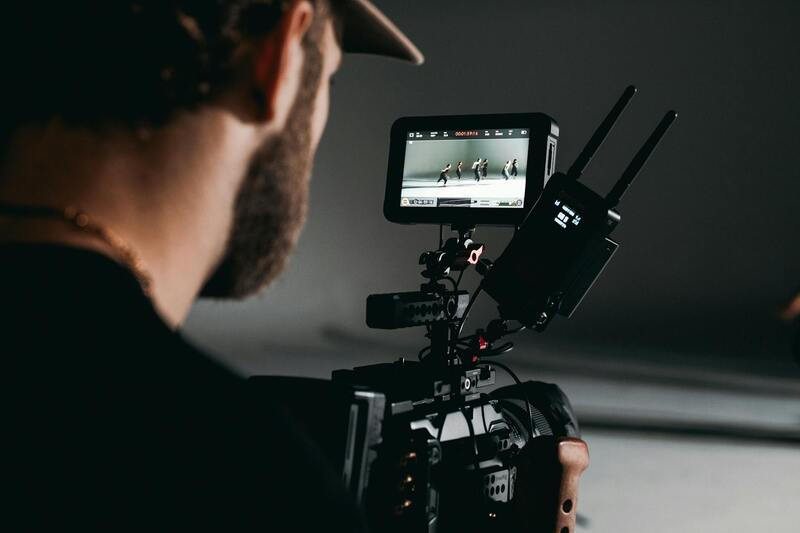
Engaging in collaborative projects or offering to provide exclusive coverage for high-profile events can further elevate your profile. When your work is featured at significant local gatherings or through prominent Miami event publications, your portfolio gains visibility and credibility among prospective clients.
Maintaining Active Engagement and Consistent Updates
Consistency in presenting fresh work and actively engaging with your audience sustains interest. Regularly update your website and social media channels with recent projects, behind-the-scenes content, and client success stories. Sharing testimonials and new additions to your portfolio reassures potential clients of your ongoing activity and expertise. An active online presence demonstrates dedication, reliability, and relevance in the dynamic Miami event scene.
By implementing these promotional strategies, you significantly increase your visibility to Miami clients looking for professional event photography. Combining a compelling portfolio with effective digital marketing and community engagement positions you as a leading choice for capturing life's memorable moments in Miami’s vibrant event landscape.