Understanding the Concept of Even Photo
In the realm of professional photography, the term “even photo” refers to an image that maintains consistent exposure, balanced lighting, and overall visual harmony. Achieving this level of quality requires a keen eye for detail, precise control over photographic settings, and an understanding of how light interacts with subjects. An even photo produces a clear, crisp image without overexposed highlights or underexposed shadows, ensuring all elements within the frame are properly visible and well-defined.
The foundation of an even photo lies in controlling exposure — the amount of light reaching the camera sensor. Proper exposure results in a balanced bright and dark areas, which collectively contribute to an image that appears natural and visually appealing. Lighting plays a crucial role, influencing how details are rendered across the frame. When lighting is evenly distributed, it enhances textures, colors, and depth, resulting in a polished, professional outcome.
Visual balance also encompasses composition and framing. An even photo ensures that no particular area draws disproportionate attention due to improper lighting or exposure inconsistencies. This harmony guides the viewer’s eye smoothly through the image, emphasizing the subject without unnecessary distraction.
High-quality images that exemplify even photos are indispensable for various professional applications—from commercial photography and portraits to product shoots and documentary work. They serve as a testament to the photographer’s technical skill and understanding of visual harmony, ultimately resulting in images that communicate effectively and stand out with clarity.
Importance of Even Lighting in Photography
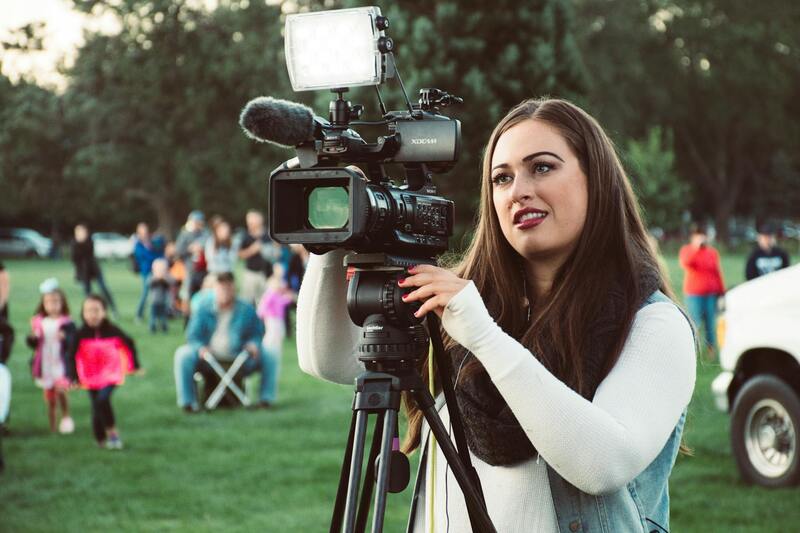
Achieving an evenly lit photograph is fundamental for producing images that captivate and communicate effectively. Proper lighting ensures that all elements within the scene are represented with accuracy and clarity. When light is distributed uniformly across the subject and environment, it minimizes undesirable shadows and highlights that can distract viewers or distort the perception of depth and texture. This meticulous control over lighting conditions enhances the visibility of details, bringing out natural colors and subtle nuances that define a high-quality image.
In situations where natural light is utilized, understanding the position of the sun and the quality of ambient light becomes essential. Overcast days, for example, offer diffused light that naturally reduces harsh shadows, whereas direct sunlight can be managed through diffusers or reflectors to soften the intensity. In indoor settings, artificial lighting setups—such as softboxes, LED panels, and diffusers—are instrumental in maintaining consistent illumination. These tools help create a balanced light environment, ensuring even exposure across the entire frame.
Beyond technical setups, controlling the direction and quality of light also involves strategic positioning. For instance, placing the light source at a 45-degree angle to the subject often produces pleasing and natural illumination, avoiding flat or overly dramatic effects. This thoughtful placement plays a vital role in highlighting textures and form without overpowering the scene with stark shadows or bright spots.

Additionally, consistent light temperatures and color balances contribute to the perception of uniformity within a photograph. When the light temperature varies, it can lead to color casts that diminish the natural look of the image, undermining the overall balance. Using tools such as color temp meters or adjusting white balance settings in-camera helps maintain consistent color rendering, further supporting an even photo output.
In professional photography, leveraging multiple light sources, such as fill lights and reflectors, allows for meticulous control over shadow density and light spread. This layered lighting strategy enhances the dimension without creating distractions, producing an even luminance that complements the subject and scene.

In summary, proper distribution and control of lighting not only elevate the aesthetic quality of photos but also serve as the foundation for technical excellence. This emphasis on even lighting aligns with the goal of producing compelling, clear images that communicate effectively and resonate with viewers.
Understanding the Concept of Even Photo
Achieving an even photo revolves around the careful control and distribution of light across the entire image. This concept ensures no area appears overly bright or excessively dark, contributing to a balanced and professional appearance. The uniformity in illumination allows viewers to appreciate all details regardless of the scene's complexity, without being distracted by uneven shadows or hotspots.
In practical terms, an even photo captures consistent color tones and luminance levels throughout, resulting in a more natural and harmonious visual. This is particularly vital in scenarios such as product photography, portraits, or architectural images, where the goal is to highlight features evenly without unintended emphasis or omissions. The core idea is to create a seamless transition of light that enhances the subject while maintaining overall histogram balance in the captured image.
Factors Contributing to Even Photos
- Consistent lighting sources and their placement
- Proper use of reflectors and diffusers
- Accurate camera settings for exposure and white balance
- Control over environmental lighting conditions
When these elements are strategically managed, the resulting image displays a natural, appealing aesthetic that effectively communicates the intended message or subject. The goal is to eliminate disparities caused by shadows, highlights, or color temperature variations, which can detract from the overall quality and visual coherence of the photograph.
Importance of Even Lighting in Photography
Consistent lighting is arguably the backbone of high-quality photography. It enhances clarity, preserves details, and ensures that colors are accurately represented. Especially in commercial, scientific, or artistic contexts, even lighting serves as a foundation for credibility and viewing pleasure. It allows viewers to focus solely on the subject without being distracted by uneven lighting artifacts.
Moreover, evenly lit images offer flexibility in post-processing, reducing the need for extensive corrections and ensuring the final output maintains a professional look. This consistency in lighting also simplifies workflow, as photographers and editors are working from a stable baseline where exposure and color fidelity are already balanced.

Understanding the Concept of Even Photo
Achieving an even photo involves more than just pointing a camera and capturing a scene; it requires deliberate management of lighting and exposure to produce a balanced image. The key characteristic of an even photo is its uniform distribution of light across the entire frame, ensuring that no areas are overly dark or excessively bright. This uniformity allows viewers to perceive details uniformly throughout the image, making it particularly valuable in scenarios where clarity, detail, and color fidelity are paramount. In commercial photography, for instance, an even photo can showcase products with consistent color representation, while in portraiture, it ensures skin tones appear natural and flattering without harsh shadows or blown-out highlights. Striving for evenness often involves understanding and controlling environmental lighting, utilizing appropriate equipment, and applying strategic photographic techniques to maintain balance from capture to post-processing.

Ultimately, an even photo reliably communicates the intended message, free from distracting lighting disparities, allowing the viewer to focus entirely on the subject's details or the scene's essence. Achieving this requires a combination of technical skills and equipment familiarity, aligning lighting conditions with camera settings to create a cohesive, balanced visual output.
Importance of Even Lighting in Photography
Even lighting acts as the foundation of high-quality images across various photography domains. It enhances image clarity by ensuring details are visible without ambiguities caused by extreme contrasts. Consistent illumination preserves color accuracy, which is essential for branding, scientific documentation, and artistic integrity. When light is uniformly distributed, images are easier to manipulate during editing, reducing the time spent correcting exposure issues and color imbalances. This efficiency translates into a smoother workflow and a more professional final result.
Furthermore, an evenly lit photograph minimizes viewer fatigue by presenting a harmonious visual experience. The absence of harsh shadows, bright spots, or darkened areas allows viewers to effortlessly process the scene, fostering engagement and appreciation. Whether working with natural light or artificial sources, the ability to create or mimic even illumination significantly elevates the overall quality of the photograph. Such consistency reduces the need for post-shoot corrections and ensures the final image adheres to the highest standards of visual fidelity, making it a crucial element in professional photography workflows.
Role of Composition in Even Photos
While lighting plays a vital role in producing even photos, composition strategies further enhance the visual balance and appeal. Techniques such as framing, where the subject is positioned intentionally within the scene, can influence how light interacts with the elements in the frame. Symmetry and balance in composition help distribute visual weight evenly, complementing the uniform lighting to create harmonious images. Effective use of space, leading lines, and focal points guides the viewer’s eye naturally across the scene, ensuring that no area feels neglected or overly emphasized.
Strategic cropping and framing can also compensate in situations where lighting might be uneven, emphasizing well-lit areas while de-emphasizing problematic zones. When combined with consistent lighting, strong composition techniques result in images where each element is clearly visible and contributes to the overall harmony of the photo. This synergy of light and composition elevates the photograph from mere documentation to compelling visual storytelling, showcasing professionalism and artistic intent.
Strategies for Consistent Even Photos
Achieving a consistently even photo requires a combination of meticulous planning, appropriate equipment, and practiced techniques. Photographers should prioritize understanding their shooting environment thoroughly, including the natural and artificial light sources available. By doing so, they can anticipate how light interacts with the subject and surroundings, allowing for adjustments that favor uniform illumination.
Preparing the scene beforehand is essential. This involves selecting locations with controlled or manageable lighting conditions, adjusting elements such as curtains or diffusers to modulate natural light, or utilizing artificial light sources with known characteristics. When possible, shooting during times of day with soft, diffuse sunlight helps minimize strong shadows and glare, facilitating more consistent exposure across the frame.
Utilizing proper camera settings also plays a significant role. Setting a fixed ISO, aperture, and shutter speed enables consistent exposure levels, especially when shooting in controlled environments. For situations with variable lighting, employing manual mode and spot metering allows for targeted exposure adjustments, ensuring that both the foreground and background receive balanced illumination.
In addition, employing various light modifiers can dramatically improve the uniformity of light. Softbox diffusers, umbrella reflectors, and grid filters help spread light evenly and reduce harsh shadows. Ring lights and continuous LED panels with adjustable brightness levels are preferred tools, offering consistent output that contributes to even photos.
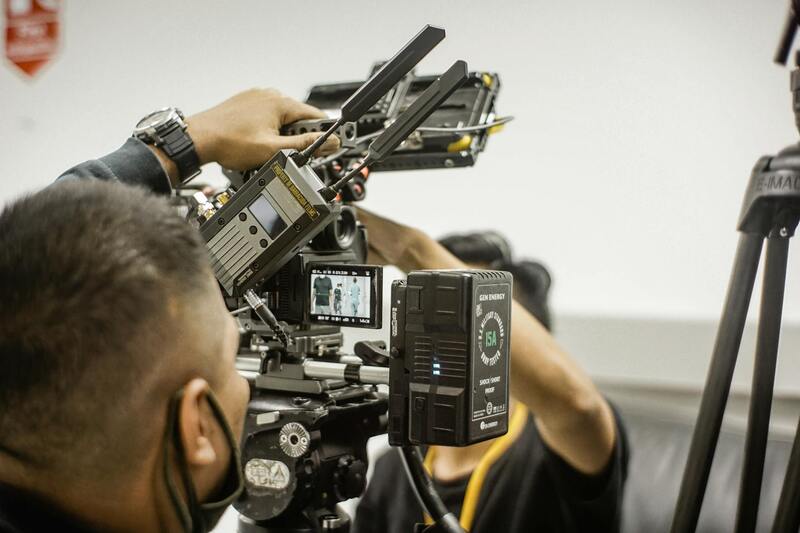
Another technique involves the strategic placement of light sources to ensure even coverage. Positioning multiple lights at equal distances and angles around the subject, while maintaining consistent power output, promotes balanced illumination. For larger scenes, employing fill lights or reflectors can help eliminate shadowed areas, enhancing overall light distribution.
On the post-shoot side, reviewing images to identify exposure inconsistencies allows photographers to implement corrective measures promptly. A systematic approach to reviewing multiple images during a session aids in maintaining a high standard of uniformity throughout the project.
Ultimately, creating even photos is a deliberate process. It hinges on understanding the interplay of light, employing appropriate tools and accessories, and applying disciplined techniques both during and after shooting. Consistency grows with experience, and each successful shot builds towards a comprehensive understanding of how to produce images that showcase balanced exposure and professional quality.
Understanding the Concept of Even Photo
An even photo is characterized by balanced exposure across its entire frame, where highlights are not overly bright, and shadows retain sufficient detail. Achieving uniformity in brightness and contrast ensures that every part of the image, from the foreground to the background, maintains clarity and visual coherence. This consistency allows viewers to appreciate all elements within the scene without distractions caused by hotspots or darkened areas. In practical terms, an even photo accurately represents the scene's true colors and tonal ranges, offering a natural and professional appearance.
Importance of Even Lighting in Photography
Lighting plays a pivotal role in producing even photos. Uniform lighting ensures that subjects are illuminated without unintended shadows or glare, which can distort perception or obscure details. For portrait photography, even light softens facial features and minimizes imperfections, resulting in flattering images. In product photography, it highlights textures and colors consistently, facilitating an accurate representation vital for marketing purposes. Likewise, landscape and interior photography benefit from even lighting to reveal scenery or architectural details with clarity. The goal remains to create an image where the viewer's eye moves smoothly across all elements without being pulled toward high-contrast or unevenly lit areas.
Techniques for Achieving Even Exposure
- Utilize Diffused Light Sources: Softboxes, umbrella reflectors, and diffusers spread light evenly, reducing harsh shadows and hotspots.
- Employ Multiple Light Sources: Positioning several lights at equidistant angles around the subject helps distribute light uniformly. Adjusting their intensity ensures balanced exposure across the scene.
- Adjust Camera Settings: Use manual exposure controls, such as ISO, aperture, and shutter speed, to fine-tune brightness levels. A consistent baseline minimizes exposure discrepancies.
- Implement Reflectors and Fill Lights: Reflectors bounce light back onto shadowed areas, while fill lights soften shadows without creating new hotspots.
- Control Natural Light: For outdoor shoots, shoot during times of diffused natural light, like overcast days, or use shades and diffusers to soften harsh sunlight.
Role of Composition in Even Photos
Proper composition complements technical lighting to enhance overall evenness. Framing scenes thoughtfully, considering the placement of key elements, and avoiding overly bright or dark spots within the frame guides the viewer’s eye naturally. Techniques like the rule of thirds, leading lines, and balanced element distribution prevent visual clutter and emphasize the image's harmony. Additionally, using symmetry and repetition within the scene can reinforce a sense of order and evenness, making the photograph aesthetically pleasing and professionally appealing.
Post-Processing for Even Photos
Post-processing is an essential step to refine images for uniform exposure. Employing photo editing software, photographers can adjust brightness and contrast levels globally or selectively within certain areas. Techniques such as tone mapping and dodge and burn tools help balance uneven lighting spots, ensuring consistent exposure throughout the image. Careful correction avoids over-editing, which can introduce unnatural artifacts. A well-executed post-production process enhances the natural feel of the photo, ensuring that the final image displays even lighting, precise colors, and optimal tonal range. This step consolidates the technical and compositional efforts during shooting, resulting in a polished and balanced photograph that communicates professionalism and attention to detail.
Understanding the Concept of Even Photo
An even photo is characterized by uniform lighting and exposure across the entire frame, which ensures that no areas are overly bright or excessively dark. Achieving this effect requires a keen understanding of how light interacts within a scene, the technical settings of your camera, and the environment's characteristics. An even photo provides clarity and detail in all regions of the image, making it ideal for professional presentations, product showcases, and detailed architectural shots. This concept hinges on maintaining consistent brightness and contrast throughout the image, allowing the viewer to appreciate every element without distraction caused by lighting discrepancies.

Importance of Even Lighting in Photography
Consistent lighting is fundamental to producing high-quality images that are visually balanced. Even lighting eliminates harsh shadows and bright spots, which can obscure details or create distraction. For commercial photography, especially product shots, even lighting ensures that colors and textures are represented accurately, highlighting the subject's qualities without distortion. In portrait photography, it reduces skin imperfections and enhances natural features, contributing to a polished appearance. Well-balanced lighting also simplifies post-processing, reducing the need for major adjustments and saving valuable editing time. Moreover, even illumination helps to maintain a professional standard, aligning with the expectations of clients and viewers alike.
Techniques for Achieving Even Exposure
- Use of Diffusers and Reflectors: Employ diffusers to soften directional light sources such as direct sunlight or studio flashes, reducing harsh shadows. Reflectors can bounce light back into darker areas, creating a more uniform illumination.
- Optimal Camera Settings: Adjust camera settings to stabilize exposure levels. Use manual mode to control shutter speed, aperture, and ISO for consistent results across shots.
- Lighting Placement and Control: Position light sources at angles that minimize contrast and avoid hotspots. In studio setups, use multiple light sources with adjustable intensity for even coverage.
- Utilizing Natural Light: When shooting outdoors, shoot during the golden hour—shortly after sunrise or before sunset—to benefit from soft, diffused natural light. Avoid midday sun, which tends to create uneven, stark shadows.
- Implementing Light Modifiers: Use softboxes, umbrellas, and grids to modify artificial lighting. These tools help distribute light evenly and control spill, ensuring comprehensive coverage of the subject.

Role of Composition in Even Photos
Composition acts as the backbone of an even photograph, guiding the viewer’s eye and maintaining visual harmony. Thoughtful framing enhances the technical evenness achieved through lighting. Employing the rule of thirds, for instance, positions main subjects away from the extremes of the frame, avoiding areas prone to uneven brightness. Leading lines and balanced element placement help distribute viewer focus evenly, complementing the uniform lighting. Symmetrical arrangements and repetitive patterns reinforce the sense of order, making the image feel cohesive and professional. Paying attention to how elements are arranged ensures that the viewer’s attention is naturally led across the photograph, highlighting all details equally while avoiding areas that might inadvertently draw attention due to inconsistency in exposure or composition.
Post-Processing for Even Photos
Post-processing plays a critical role in refining images to achieve perfect evenness. Using photo editing software, adjustments such as global brightness, contrast, and color correction help mitigate residual uneven exposure. Techniques like dodging and burning allow selective lightening or darkening of specific areas, further balancing the image’s tonal distribution. Tone mapping can be employed to enhance midtones and ensure a smooth transition between highlights and shadows. It is essential to approach post-production with restraint, preventing unnatural appearances or exaggerated contrasts that can compromise the image’s natural beauty. Proper post-processing consolidates the technical efforts of lighting and composition, unlocking the full potential of a scene and delivering a polished, professional final product.
Understanding the Concept of Even Photo
An even photo is characterized by harmonious distribution of light and shadows, resulting in a balanced appearance that highlights all elements within the frame clearly and effectively. This concept ensures that no area of the image is overly bright or overly dark, allowing viewers to appreciate every detail without distraction. Achieving this requires a careful interplay of lighting, composition, camera settings, and post-processing techniques. A properly balanced photograph not only looks aesthetically pleasing but also conveys professionalism and technical expertise, which are crucial for high-quality visual storytelling.

Importance of Even Lighting in Photography
Lighting is the foundation of an even photo. Uniform illumination ensures that all parts of the scene are exposed correctly, preventing areas from being washed out or lost in shadows. When light is evenly distributed, it enhances details, textures, and colors, providing depth and clarity. This is particularly vital in commercial photography, product shots, and portraiture, where accuracy and clarity directly impact the viewer's perception. Proper lighting controls influence not only brightness but also mood and focus, guiding the viewer's eye naturally through the image.
How Proper Lighting Enhances Image Quality
- Reduces Post-Processing: Consistent lighting diminishes the need for extensive editing, saving time and maintaining authenticity.
- Highlights Details: Even light reveals textures, patterns, and colors more vividly.
- Creates Professional Appeal: Well-lit images demonstrate technical competence, attracting more engagement and trust.

Techniques for Achieving Even Exposure
Several methods and considerations can help photographers realize even exposure in their images:
- Controlled Lighting: Using softboxes, diffusers, and reflectors diffuses light evenly across the subject, minimizing harsh shadows and bright spots.
- Proper Camera Settings: Adjusting aperture, ISO, and shutter speed ensures optimal exposure tailored to scene lighting conditions.
- Use of Neutral Density Filters: These filters reduce overall light entering the lens, allowing for more precise exposure control in bright environments.
- Histogram Monitoring: Using the camera's histogram helps verify that exposure is balanced, with no clipping in highlights or shadows.
- Consistent Shooting Environment: Maintaining stable lighting conditions during shoot prevents inconsistencies in exposure across images.
Role of Composition in Even Photos
Composition techniques complement lighting by guiding the viewer’s eye across the image evenly. Strategic placement of subjects and background elements ensures visual weight is balanced. Symmetry and repetitive patterns reinforce the sense of order, making the photo appear professional and cohesive. The rule of thirds, when used thoughtfully, prevents the focus from clustering in one area, promoting a uniform visual experience. Proper composition ensures that each part of the image contributes equally to the overall narrative, enhancing the impression of balance and harmony.
Composition Tips for Uniformity
- Balance elements evenly throughout the frame to avoid distractions.
- Use leading lines to naturally draw attention across the entire scene.
- Incorporate symmetry to establish visual equilibrium.
- Arrange elements to prevent clustering and overemphasis on specific areas.

Post-Processing for Even Photos
Refinement after capture plays a crucial role in achieving perfect evenness. Photo editing software allows for global adjustments such as brightness, contrast, and color correction, which help mitigate any residual unevenness. Techniques like dodge and burn enable precise enhancement or reduction of light in targeted areas, balancing tonal distribution. Tone mapping facilitates smooth transitions between highlights and shadows, enhancing image depth without sacrificing natural appearance. It is essential that edits are applied subtly to maintain realism, avoiding artificial or exaggerated effects. Thoughtful post-processing consolidates all prior efforts, transforming raw captures into polished, professional images with consistent exposure and visual harmony.
Equipment and Tools for Even Photos
Achieving even photographs relies heavily on the right tools and equipment:
- Lighting Equipment: Softboxes, umbrella diffusers, LED panels, and reflectors help shape and diffuse light evenly.
- Camera Aids: Tripods ensure stability, critical for consistent exposure, especially in controlled environments.
- Filters: Polarizers and neutral density filters assist in managing light intake, ensuring uniformity in varying conditions.
- Light Meters: Precise measurement tools to monitor light levels and set accurate exposure parameters.
- Editing Software: Programs like Adobe Lightroom or Photoshop facilitate advanced tonal adjustments and fine-tuning for consistency.

Common Challenges and Solutions
Despite careful planning, challenges in capturing evenly exposed photos may arise:
- Uneven Lighting: Solution: Use diffusers, reflectors, and controlled light sources to distribute light more evenly.
- Camera Settings Mismatch: Solution: Utilize manual mode and histogram checks to fine-tune exposure settings before shooting.
- Environmental Variations: Solution: Maintain consistency by shooting in stable environments or using portable lighting setups.
- Residual Post-Processing Issues: Solution: Apply targeted retouching and tonal adjustments carefully to balance exposure artifacts.