Updated: October 12, 2026
Understanding Corporate Video Production
Corporate video production is a specialized process that involves creating visual content tailored to meet a business’s communication objectives. This includes a wide range of videos designed to enhance brand visibility, facilitate internal communication, and support marketing initiatives. These videos serve as powerful tools for conveying a company's message effectively to targeted audiences, whether they are prospective clients, existing customers, or internal stakeholders.
The production process begins with thorough planning and concept development, ensuring the video aligns with the company’s core values and strategic goals. This is followed by scripting, storyboarding, filming, editing, and post-production work, culminating in a polished final product. High-quality corporate videos are characterized by professional filming techniques, compelling storytelling, and consistent branding elements, all of which contribute to establishing a company's authority and credibility in the marketplace.
In today’s digital landscape, corporate videos are indispensable assets in a comprehensive marketing strategy. They help to generate engagement, foster trust, and communicate complex ideas more effectively than text-based content alone. Whether it’s a brand introduction, product demonstration, or employee training video, professional production ensures that each element resonates with the intended audience, reinforcing the company's message and enhancing overall brand perception.
Moreover, the role of corporate video production extends into internal communication initiatives. Videos can streamline onboarding processes, share company news, and promote organizational culture in an engaging and accessible format. Ultimately, investing in high-quality corporate videos underscores a company's commitment to professionalism and transparency, which translates into stronger relationships with clients and employees alike.
Legal and Regulatory Considerations
Ensuring compliance with all relevant legal and regulatory standards is a fundamental aspect of professional corporate video production. This involves obtaining necessary permissions and clearances prior to filming, such as location releases, talent agreements, and intellectual property rights. Securing these permissions safeguards the production process from potential disputes that could delay delivery or impact brand reputation.
In the planning stage, a comprehensive review of content to avoid infringing on copyrighted material, trademarks, or proprietary information is essential. For example, if the video features third-party products or branded items, appropriate rights or licenses must be secured to prevent unauthorized use. This step is particularly critical when utilizing copyrighted music, images, or footage from external sources.
Adhering to industry standards and guidelines—especially when targeting specific markets—helps ensure that the content aligns with regional advertising and broadcasting rules. This might include adhering to copyright law, data protection policies, and advertising regulations. Clear communication with all stakeholders about content boundaries and compliance expectations fosters smoother production workflows and mitigates risks.
Disclaimers or mandatory disclosures should also be incorporated into the content where necessary, especially in videos that involve financial information, health claims, or testimonials. Working with legal counsel or compliance specialists during the development phase can help preempt potential issues and confirm that all content meets pertinent standards.
By strictly regulating the use of copyrighted and proprietary materials, and ensuring all legal frameworks are observed, organizations reinforce their commitment to professionalism. This not only preserves the company's reputation but also fosters trust with audiences, partners, and regulatory bodies. Engaging a seasoned production team that understands these legal nuances ensures that the final outcome is both impactful and compliant, reflecting a dedication to quality and integrity in corporate communication.
Understanding Corporate Video Production
Effective corporate video production is a comprehensive process that involves meticulous planning, skillful execution, and a deep understanding of the company's message and target audience. Maintaining clarity and precision throughout each phase ensures that the final product aligns with the organization’s branding objectives and communication strategies.
Fundamentally, this process begins with strategic pre-production planning, where goals are defined, target demographics are identified, and key messages are formulated. This phase also includes scriptwriting, storyboarding, and selecting appropriate visual and audio elements. Ensuring these elements are aligned with the company’s mission enhances authenticity and resonates with viewers.
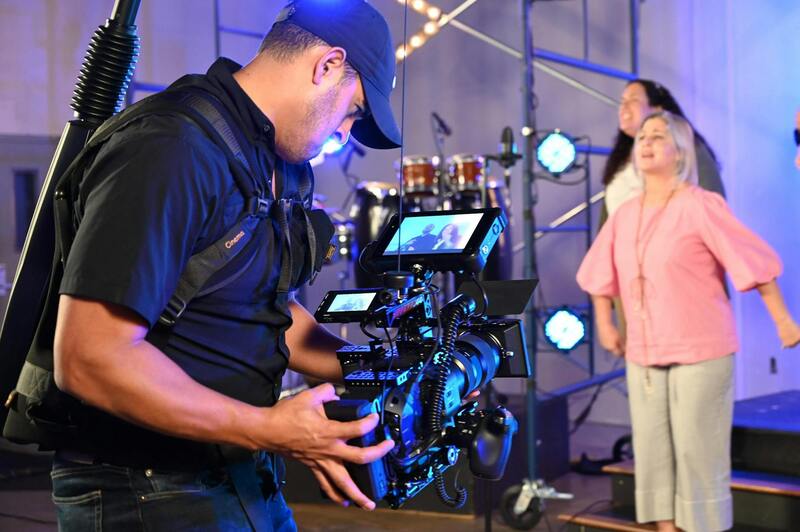
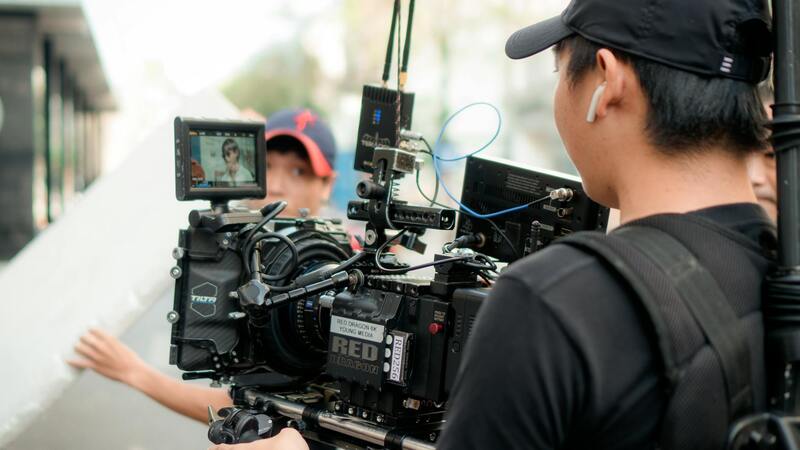
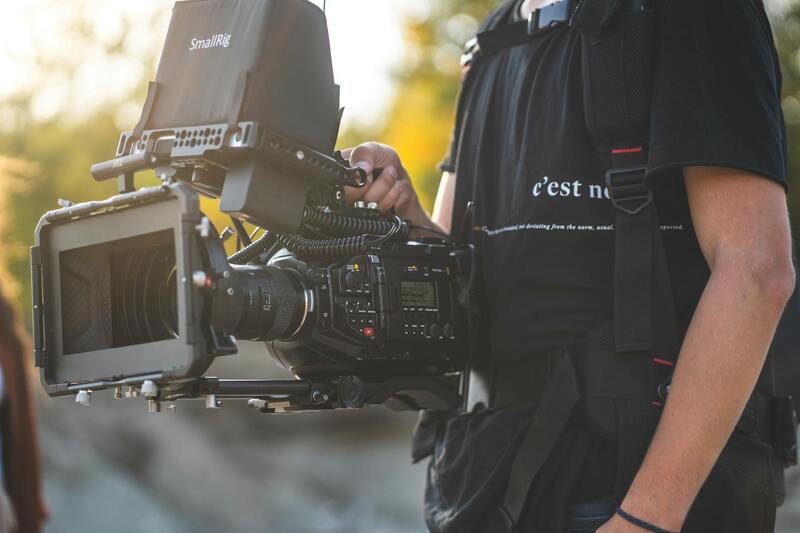
During production, high-quality equipment, expert camera operators, lighting specialists, and sound engineers work collaboratively to capture footage that meets professional standards. Attention to detail during filming—such as framing, lighting consistency, and audio clarity—contributes significantly to the polished appearance of the final product.
The post-production phase involves editing, color correction, sound mixing, and sometimes motion graphics or animations. Skilled editors use industry-leading software to craft a cohesive narrative that maintains viewer engagement while reinforcing the intended message. Sound design and music selection are critical; they must comply with licensing standards and enhance emotional impact without infringing on proprietary rights.
Compliance with industry standards and intellectual property rights forms the backbone of legitimate corporate production. Utilizing licensed or original music, footage, and images safeguards the organization from potential disputes and bolsters its reputation for integrity and professionalism. This adherence extends to incorporating necessary disclosures or disclaimers, particularly when the content involves sensitive topics or regulated industries.
Effective corporate videos are not merely visually appealing—they are strategic assets that drive engagement, build brand equity, and support marketing objectives. To maximize these benefits, thorough distribution planning and performance measurement are essential. Analyzing viewer engagement metrics and feedback can inform future content strategies, ensuring continuous improvement and alignment with organizational goals.
Legal and Regulatory Considerations in Corporate Video Production
Producing corporate videos within the bounds of established legal and regulatory frameworks is essential for safeguarding reputations and ensuring smooth operation throughout the project lifecycle. Maintaining compliance involves meticulous attention to various aspects such as intellectual property rights, privacy laws, and consent protocols. This approach not only protects the organization from potential disputes but also upholds its standards of integrity and professionalism.
One of the foundational elements of legitimate corporate video production is the comprehensive management of intellectual property. This entails securing proper licenses for any third-party materials incorporated into the video, including music, stock footage, graphics, and images. Using licensed or original content avoids infringement issues and demonstrates due diligence in respecting creators' rights. When original content is not feasible, obtaining explicit permissions or licenses ensures legal compliance and mitigates the risk of copyright claims.
Privacy considerations also play a critical role. Prior to filming, consent from individuals featured in the video must be obtained, especially if the content involves identifiable persons, private settings, or sensitive information. Clear agreements that outline the scope of usage and distribution rights protect the organization and respect individual rights. This process helps prevent privacy violations and supports transparency with stakeholders.
Additionally, regulatory adherence involves understanding industry-specific requirements. For example, videos intended for healthcare, finance, or legal sectors must comply with relevant advertising and informational standards. Such compliance may necessitate disclosures, disclaimers, or the exclusion of sensitive data. Ensuring all disclosures are appropriately included not only aligns with legal expectations but also maintains trust with viewers.
It is also advisable to incorporate clear policies regarding data security and confidentiality, especially when handling internal or proprietary information within videos. This involves safeguarding data during filming, editing, and distribution stages. Employing secure storage methods and access controls minimizes the risk of unauthorized disclosures.
Finally, organizations should document their compliance efforts throughout the production process. Maintaining records of permissions, licenses, and consent forms provides a transparent trail that can be referenced if questions or issues arise later. This proactive approach demonstrates commitment to responsible content creation and enhances credibility with stakeholders and regulatory bodies alike.
Best Practices for Ensuring Compliance
- Secure written permissions and licenses before incorporating third-party content.
- Obtain explicit consent from all individuals appearing in videos, especially in sensitive contexts.
- Review industry-specific regulations to ensure the content meets all standards and disclosure requirements.
- Implement internal review processes to verify that all legal and regulatory considerations are addressed prior to release.
- Maintain detailed records of approvals, licenses, and consent forms for audit and reference purposes.
Executing a Professional Corporate Video Production in Miami
Embarking on a corporate video project in Miami requires meticulous planning and execution to ensure the final product aligns with the company’s strategic goals. The process begins with a detailed scoping phase where objectives, target audience, messaging, and style are clearly defined. This foundational step sets the stage for the entire production, guiding decisions around scriptwriting, casting, locations, and technical specifications.
Once the initial planning is complete, the pre-production phase involves assembling a skilled team of professionals, including directors, cinematographers, scriptwriters, and production coordinators. Location scouting in Miami offers diverse backdrops, from urban landscapes to scenic waterfronts, enhancing the visual appeal of the video. During this stage, logistics such as permits, scheduling, and equipment rentals are secured to maintain smooth operations during filming.
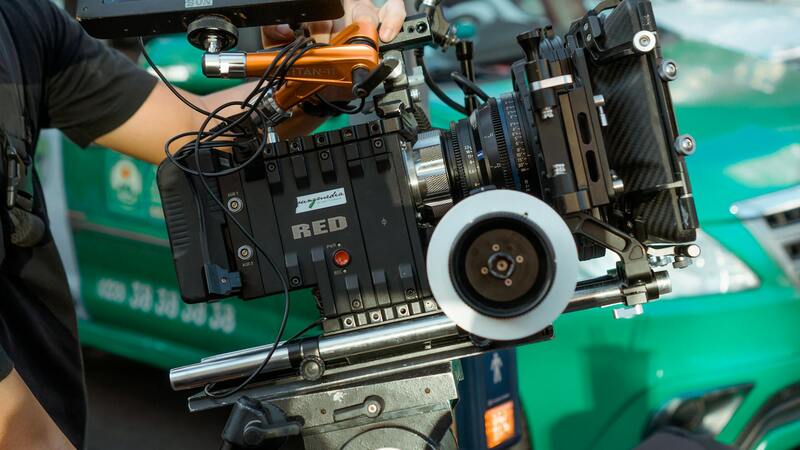
During principal photography, attention to detail ensures each shot captures the intended message while complying with industry standards for quality and safety. Professional equipment and experienced crew members optimize lighting, sound, and framing, resulting in visually compelling content. Continuous communication between the production team and client ensures adjustments can be made in real-time, maintaining alignment with the brand voice and campaign goals.
The post-production process involves editing, sound mixing, color correction, and visual effects integration. This phase refines the footage into a cohesive narrative, enhancing its impact through strategic pacing and professional finishing touches. Incorporating motion graphics or branded elements can increase viewer engagement and reinforce brand identity.
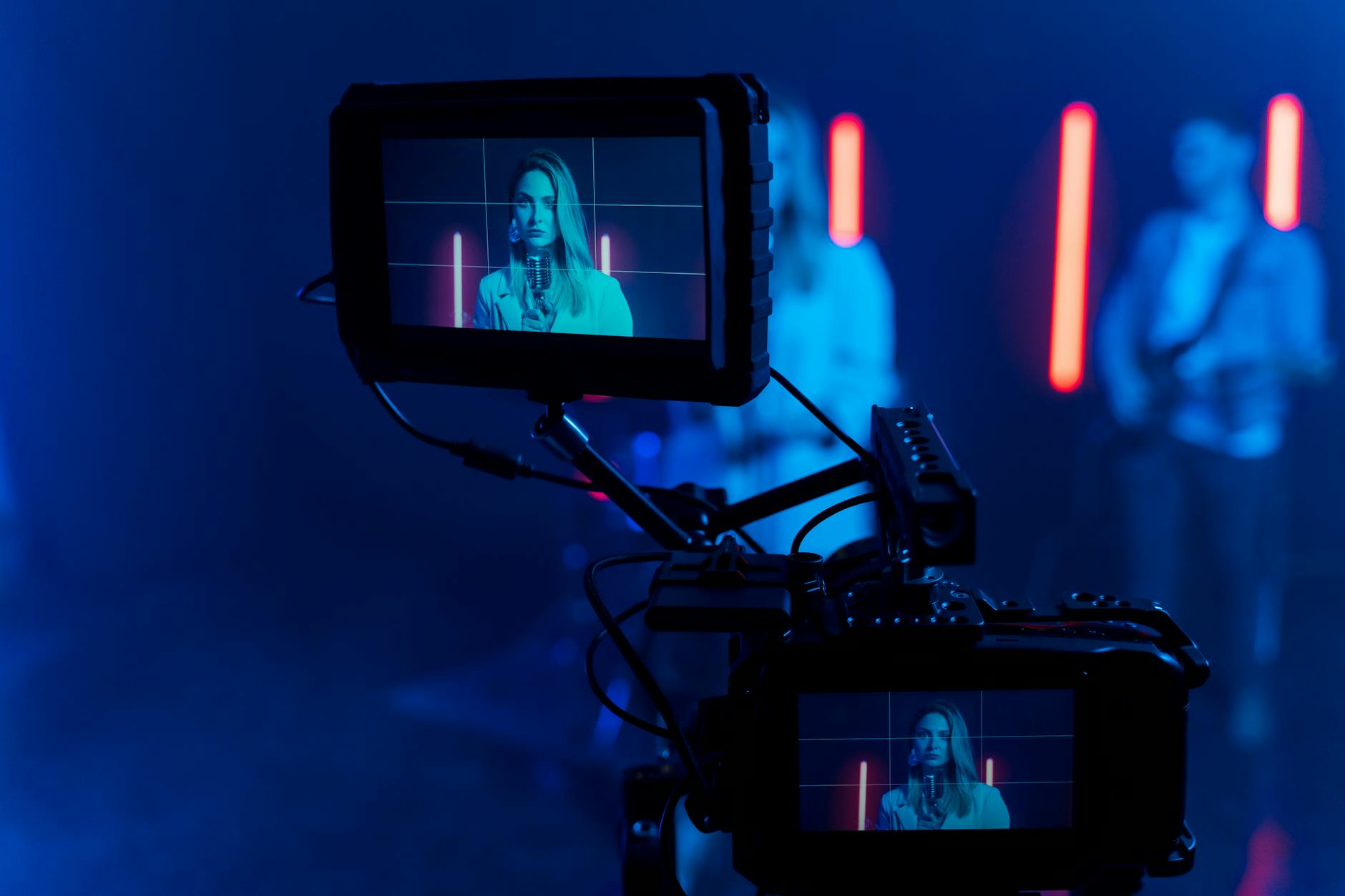
Quality control is essential before the final delivery. This includes reviewing the video for consistency, technical accuracy, and compliance with internal standards. Feedback loops with stakeholders ensure the product meets expectations and communicates the intended message effectively. Once approved, the video is formatted appropriately for various platforms, from corporate websites to social media channels, ensuring optimal playback quality across devices.
Throughout each step, maintaining a focus on professionalism, clear communication, and adherence to best practices guarantees a high-caliber output that elevates your brand’s presence in the Miami market. Effective project management and experienced production teams are vital to translating concept into compelling visual storytelling, reinforcing your company's credibility and authority in your industry.
Legal and Regulatory Considerations
When engaging in professional corporate video production, understanding the legal and regulatory landscape is crucial to protect your brand and ensure smooth project execution. Securing clear permissions and rights for all visual and audio content used in the video minimizes potential disputes and intellectual property conflicts. This involves obtaining licenses for music, stock footage, and any proprietary branding elements featured within the video. Furthermore, compliance with industry-specific regulations and advertising standards should be a priority. For example, if the video targets specific demographics or includes testimonials and endorsements, adherence to applicable disclosure requirements helps maintain transparency and consumer trust. It’s also important to draft comprehensive agreements with production partners, outlining scope, deliverables, timelines, and confidentiality clauses. These legal instruments safeguard both parties and clarify responsibilities, reducing misunderstandings during the production process. Ensuring all content rights are documented and properly licensed is a best practice that supports a streamlined workflow. By aligning with professional standards and best practices in document management, companies can mitigate risks associated with copyright infringement, unintentional misrepresentations, and non-compliance accusations. This proactive approach facilitates a smooth production experience and reinforces your company’s reputation for integrity and professionalism in the Miami business community.
Understanding Corporate Video Production
Developing a corporate video that resonates with target audiences requires meticulous planning and adherence to structured production methods. To ensure the final output effectively communicates your brand's messages, employing expert techniques in scripting, storyboarding, filming, and post-production is essential. This process begins with defining clear objectives—whether to educate, promote, or enhance brand awareness—and aligning creative concepts with strategic goals.

Each phase of production benefits from precision and professionalism, utilizing state-of-the-art equipment, skilled personnel, and proven workflows to create compelling visual narratives. From establishing a detailed project timeline to coordinating logistics for on-site filming and managing post-production editing, a structured approach guarantees consistency and quality throughout the process.
Defining Clear Objectives and Creative Vision
To maximize the impact of your corporate video, it’s vital to clearly articulate your goals and desired messaging. This includes identifying your target audience, key message points, and the tone of the video—whether formal, friendly, or innovative. A well-conceived creative brief serves as a blueprint, guiding the production team and ensuring alignment with your brand standards and strategic initiatives.
Pre-Production Planning
Preparatory activities involve scriptwriting, storyboarding, location scouting, casting, and scheduling. These foundational steps facilitate a smooth transition into filming and help preempt potential obstacles. Securing rights for all content, such as music, stock footage, or proprietary visuals, is integral at this stage, reducing delays and safeguarding your project from intellectual property disputes.
Production and Filming
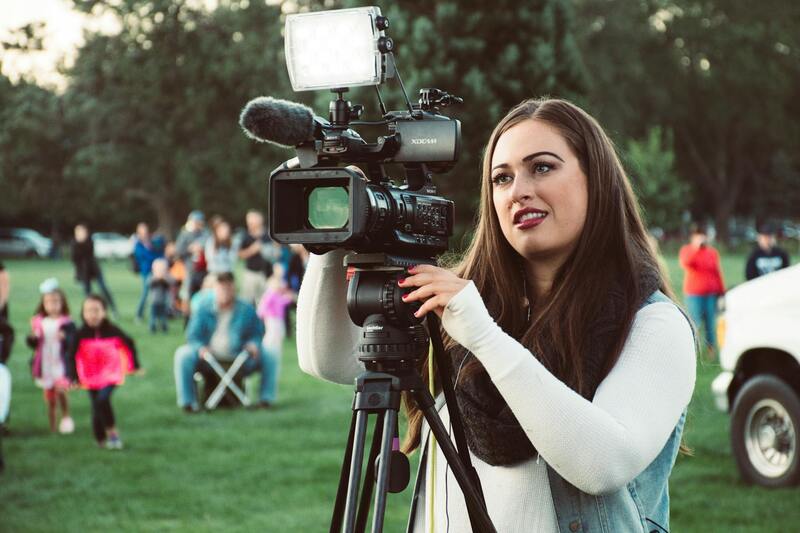
During filming, professional crews utilize advanced equipment—including high-definition cameras, professional lighting, and sound gear—to capture footage that aligns with your vision. Direction, talent management, and on-site logistics are managed by experienced professionals to ensure efficiency and quality control. Live action shoots should be meticulously organized to maximize time and resources while maintaining creative integrity.
Post-Production and Finalization
Post-production encompasses editing, motion graphics, color grading, sound design, and voiceovers. Skilled editors assemble footage into a coherent, engaging story that emphasizes Brand messaging and calls to action. The review process involves multiple revisions to meet client expectations, culminating in delivering a polished product ready for distribution across various platforms, including websites, social media, and internal channels.
Quality Assurance and Distribution Planning
Before deployment, the finished video undergoes rigorous quality checks to verify visual and audio clarity, compliance with industry standards, and consistency with the original objectives. Distributing your corporate videos through the right channels maximizes reach and engagement, reinforcing your corporate identity and fostering trust with your audience.
Legal and Regulatory Considerations in Corporate Video Production
Ensuring your corporate video adheres to appropriate legal standards is a vital aspect of the production process. This involves meticulous attention to intellectual property rights, rights clearance, and compliance with industry regulations. By employing proven methods, companies can safeguard their projects from potential disputes and ensure a smooth delivery of their visual content.
One fundamental step is securing all necessary permissions and rights for any third-party content included in your videos. This includes music, stock footage, images, and branded materials. Proper licensing agreements or direct permissions from rights holders are essential to avoid any inadvertent infringements that could lead to legal complications.
Another important aspect is talent releases. When filming individuals, especially in testimonial, corporate portrayal, or promotional scenarios, obtaining signed releases from talent ensures that their image and voice can be used across all intended distribution channels without issues. These releases should clearly specify the usage scope, duration, and any restrictions.
To maintain compliance, companies should familiarize themselves with industry-specific regulations related to advertising, privacy, and branding. For example, if the video involves portraying sensitive data, locations, or proprietary processes, appropriate consent must be obtained, and confidentiality maintained.
Implementing internal review procedures helps catch potential compliance issues early. Legal counsel or compliance officers can review scripts, storyboards, and final edits to ensure adherence to applicable standards. This proactive approach minimizes risks and preserves the integrity of your corporate messaging.
In addition, securing the necessary permits for filming locations within Miami or other areas is crucial. Local authorities often require filming permits for specific sites, especially for drone footage or special equipment. Obtaining these in advance prevents potential delays or fines.
Ongoing Monitoring and Documentation
Maintaining meticulous records of rights, clearances, releases, and permits is critical for future reference, especially if your company plans multiple projects. Proper documentation not only streamlines production workflows but also strengthens your position in case any questions or issues arise post-deployment.
By adopting a comprehensive approach that prioritizes legal diligence, your organization can produce professional corporate videos that enhance brand credibility while avoiding avoidable legal pitfalls. This disciplined process ensures your visual communications remain focused, compliant, and effective across all platforms and markets.