Importance of Corporate Marketing Videos
In today’s competitive business landscape, establishing a strong and recognizable brand presence is essential for sustained growth. Corporate marketing videos have become a pivotal tool in achieving this goal by offering a dynamic means to communicate core messages to targeted audiences. Unlike static advertisements, these videos engage viewers through compelling visuals and storytelling, enabling companies to convey their values, mission, and unique offerings more effectively.
High-quality corporate videos significantly enhance brand visibility across various platforms, including social media, company websites, and industry events. They serve as a visual gateway that captures attention swiftly and leaves a lasting impression. This increased visibility not only attracts prospective clients and partners but also strengthens loyalty among existing customers.
Furthermore, corporate marketing videos are instrumental in building trust and credibility. When potential clients see authentic representations of your company’s culture and expertise, it fosters confidence in your brand. Engaging storytelling combined with professional production standards communicates authority and reliability, qualities that are highly valued in competitive markets.
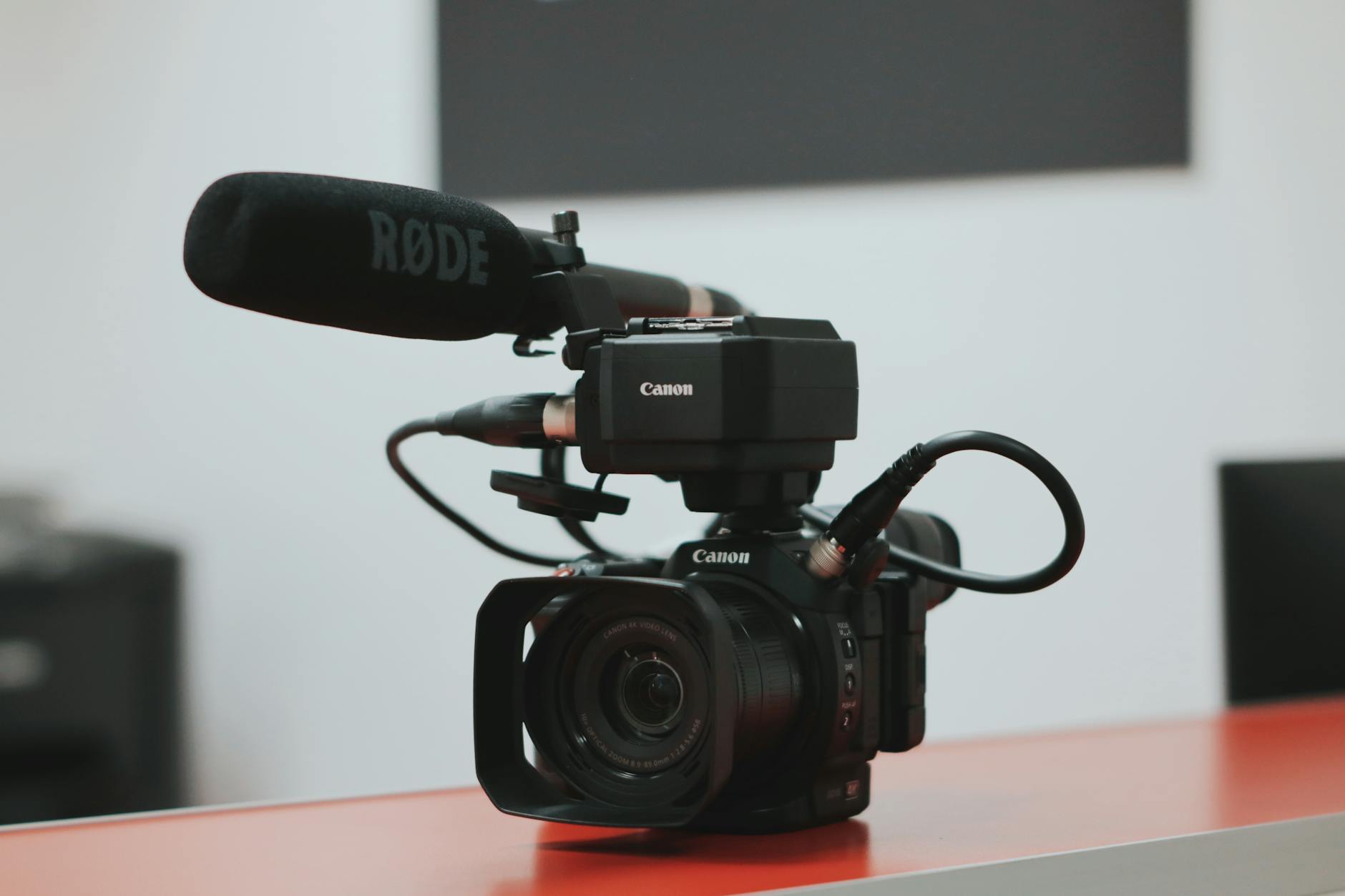
Another significant advantage of investing in corporate videos is their ability to engage audiences across multiple touchpoints. Whether showcasing product demonstrations, sharing client testimonials, or presenting company achievements, videos facilitate clearer and more memorable messaging. This multi-channel versatility makes corporate marketing videos a cornerstone of comprehensive branding strategies.
In addition to engagement, these videos support lead generation efforts. Well-produced content can guide viewers through the buyer’s journey, prompting actions such as inquiries, sign-ups, or purchases. The strategic use of compelling visuals and calls to action turns passive viewers into active participants, thereby boosting overall marketing ROI.

In sum, the importance of corporate marketing videos lies in their ability to enhance brand recognition, communicate essential messages effectively, and facilitate meaningful audience engagement. As digital channels continue to evolve, companies that utilize professional visual content are better positioned to stand out and achieve their business objectives in an increasingly crowded marketplace.
Strategies for Ensuring Ethical and Official Content Production
When crafting corporate marketing videos, maintaining transparency and authenticity is fundamental. Companies must rely on methods that establish trust and credibility without crossing official boundaries. This involves utilizing only internally sourced information, verified data, and accurately portraying products or services. Ensuring that all statements, visuals, and claims are supported by credible evidence provides a solid foundation for content that resonates professionally.
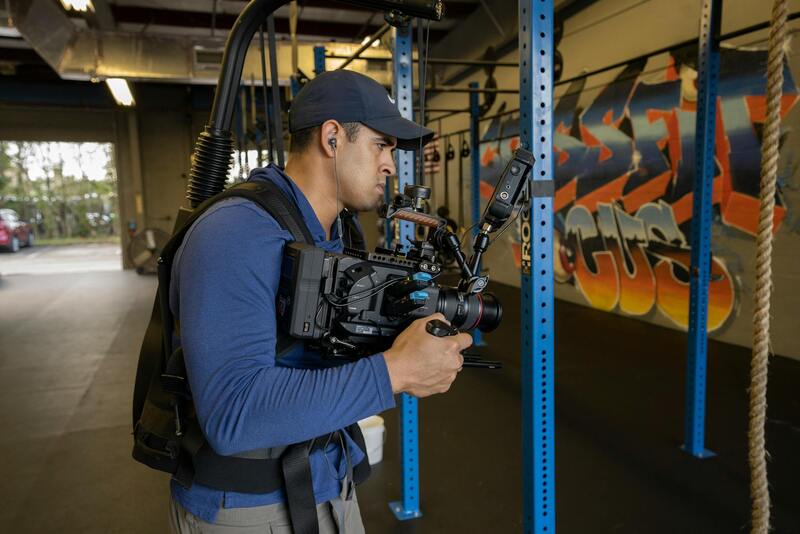
In addition, leveraging official channels for content distribution amplifies the message while reinforcing legitimacy. Using established platforms such as company websites, verified social media profiles, and professional industry portals ensures that the videos reach targeted audiences through trusted venues. This approach also enhances discoverability, especially when content is optimized with relevant SEO strategies tailored to corporate branding.
Employing compliant production techniques is also critical. This may include obtaining necessary permissions for location shoots, ensuring the usage rights for third-party media are secured, and confirming that all visual content adheres to industry standards. Proper licensing and attribution prevent potential copyright issues and foster an image of reliability and responsibility.
Utilizing Authoritative Content and Expert Endorsements
Another effective method for solidifying the legitimacy of corporate marketing videos involves incorporating endorsements from recognized industry authorities or respected clients. Featuring expert testimonials or third-party reviews not only supports authenticity but also enhances the persuasive power of the message.
- Engage with industry professionals early in the planning phase to gather authoritative insights.
- Document and verify endorsements through official channels, ensuring representations align with company values and factual accuracy.
- Include quotations or segments directly from these authorities in the videos, backed by corroborating documentation when necessary.
Adhering to Ethical Content Standards
Strict adherence to ethical standards throughout the production process safeguards the content from misleading claims or misrepresentations. This involves avoiding exaggeration, ensuring that all visual and textual information is truthful, and respecting intellectual property rights. Clear disclosure of partnerships, sponsorships, or promotional intentions also contributes to maintaining the transparency of corporate communications.
By focusing on verified information, respecting legal and ethical boundaries, and leveraging legitimate channels, corporations can produce marketing videos that are not only effective but also uphold the highest standards of professionalism. This strategic approach not only sustains the company's reputation but also positions it as an honest and trustworthy leader within its industry.
Effective Methods for Ensuring Content Compliance in Corporate Marketing Videos
Creating compelling corporate marketing videos requires more than just creative storytelling and high-quality visuals; it also necessitates thorough adherence to established content standards and best practices. This not only enhances the credibility of the brand but also fosters trust with the target audience. To ensure compliance with these standards, organizations should implement a structured approach that emphasizes accuracy, transparency, and ethical integrity throughout the production process.
Rigorous Fact-Checking and Verification Processes
At the core of compliant content creation lies meticulous fact-checking. It is essential to verify all data, statistics, and claims presented in the video through credible sources and official documentation. This process involves cross-referencing with reputable industry reports, official publications, and verified testimonies to prevent the dissemination of inaccuracies. Maintaining a centralized repository of verified information can streamline this task, ensuring consistency and factual correctness across all content elements.

Transparency in Messaging and Disclosures
Transparency is a vital aspect of compliant corporate videos. Clearly disclosing any partnerships, sponsorships, or promotional incentives aligns with best practices for ethical communication. Explicitly stating the nature of collaborations and the intent behind the video fosters trust among viewers. Additionally, avoiding ambiguous language or hidden agendas contributes to a straightforward and honest presentation that resonates well with an informed audience.
Respect for Intellectual Property Rights
Respecting intellectual property rights is fundamental when producing corporate content. This involves obtaining proper licenses for multimedia assets such as music, images, and video clips from legitimate sources. Proper attribution of third-party content, along with ensuring permission for any proprietary material used, helps maintain compliance and prevents legal complications. Developing an internal review process to audit the use of licensed materials before publication further safeguards brand integrity.
Adherence to Industry and Sector-Specific Standards
Different industries often have tailored standards and guidelines governing marketing practices. It is crucial to familiarize oneself with sector-specific regulations, whether they pertain to financial disclosures, healthcare information, or technology claims. Consulting legal and compliance teams during content development ensures that the messaging aligns with sector-specific requirements, thus avoiding inadvertent violations that could impact reputation and stakeholder trust.
Implementing Ethical Review Protocols
Establishing an ethical review process involves assembling a team responsible for scrutinizing the content before release. This team evaluates the video for potential false impressions, misrepresentations, or misleading visuals. Incorporating feedback from diverse stakeholders, including legal advisors and industry experts, promotes a balanced and responsible approach. Regular training on content ethics for production personnel also reinforces a culture of integrity and accountability.
Utilizing Official and Credible Sources
All assertions and data included in corporate videos should be backed by official sources such as company reports, government publications, or recognized industry authorities. This reliance on credible references not only boosts the message’s authenticity but also aligns with responsible communication practices. When in doubt, consulting subject matter experts or referring to published standards enhances the accuracy and professionalism of the content.
Monitoring and Feedback Mechanisms
Post-publication monitoring of videos enables companies to promptly address and rectify any inadvertent issues. Soliciting feedback from viewers, clients, and industry peers provides insights into the content’s reception and adherence to standards. Implementing a continuous improvement process based on this feedback helps maintain high standards for subsequent videos and sustains the organization’s reputation for trustworthy communication.

Key Strategies for Official Methods in Corporate Marketing Videos
Creating impactful corporate marketing videos requires adherence to multiple essential methods that ensure content integrity, professionalism, and alignment with organizational objectives. Employing official channels and methodologies bolsters a company’s reputation and reinforces trust with its audience. Here, we explore the primary strategies that organizations can leverage to produce and disseminate their corporate videos through recognized and legitimate means.
Leveraging In-House Expertise and Certified Professionals
Organizations can utilize internal teams comprising trained marketing specialists, content creators, and videographers who understand the company's values and compliance standards. Where internal resources are insufficient, engaging certified external professionals—such as licensed production companies—provides additional assurance of adherence to industry standards. These experts typically follow established workflows, legal frameworks, and ethical guidelines, ensuring the production process respects intellectual property rights, privacy policies, and industry best practices.

Utilizing Reputable Platforms and Tools for Distribution
Official content dissemination involves selecting verified channels that serve as trusted platforms for corporate media. These include company websites, official social media accounts, industry portals, and established video hosting services that offer verified accounts and secure content management. Using such platforms not only broadens reach but also ensures that content retains its originality and is protected against unauthorized alterations. Additionally, employing recognized software tools for video editing, encryption, and watermarking serves as a safeguard against content misuse while maintaining professional standards.
Implementing Formal Review and Approval Processes
Structured review workflows are vital for confirming that all videos are compliant with corporate policies and external guidelines. This involves multiple stages, including content validation by legal, compliance, and subject matter experts. Each stage verifies the content’s accuracy, appropriateness, and conformance to branding standards. Maintaining comprehensive documentation of these review processes provides an auditable trail, demonstrating accountability and due diligence.
Adhering to Industry and Regulatory Standards
Corporate videos should conform to recognized industry standards, such as ISO guidelines for visual content, and align with applicable regional and international regulations. This coverage ensures the videos are professionally produced, ethically appropriate, and respect intellectual property laws. Staying updated with evolving standards through official publications, industry seminars, and official communications guarantees the ongoing legitimacy and relevance of corporate marketing efforts.
Securing Content Rights and Permissions
All multimedia components incorporated into corporate videos—including music, stock footage, images, and branded materials—must be obtained through official licensing agreements or created in-house. Proper documentation of rights and permissions prevents potential disputes and demonstrates a commitment to respecting proprietary resources. Companies often collaborate with authorized licensors and keep thorough records of licenses, agreements, and attribution requirements, reinforcing the integrity of their content.
Monitoring and Continuous Improvement
Post-release, employing official monitoring tools enables organizations to track how their videos are received across different platforms. These tools provide verified analytics regarding viewer engagement, reach, and response quality. Regularly reviewing this data, coupled with structured feedback collection from stakeholders, supports ongoing content refinement aligned with industry standards and organizational goals. This process continually enhances credibility and audience trust.
Steps to Planning a Corporate Video
Developing a corporate marketing video involves meticulous planning to ensure that the final product effectively communicates the intended message and resonates with the target audience. The process starts with defining the primary objectives, whether it is to enhance brand awareness, introduce a new product, or showcase company culture. Clear goals steer the creative and logistical aspects of production, aligning the video’s content with overall marketing strategies.
Next, conducting comprehensive audience research is essential. Understanding the demographics, preferences, and behaviors of your viewers informs decisions about tone, style, and content. This insight guarantees that the video appeals directly to the intended market segment, increasing engagement and conversion rates.

Developing a Concept and Script
- **Ideation**: Brainstorm themes and narratives that align with brand identity and marketing objectives.
- **Scriptwriting**: Create detailed scripts that guide the visuals, dialogue, and voiceovers, ensuring the message remains concise and impactful.
- **Storyboarding**: Visualize scenes and sequences to facilitate clear communication among creative team members and clients.
Assembling the Production Team
Choosing a skilled production team is pivotal to translating the script into a high-quality visual story. This includes selecting directors, videographers, editors, and other specialists with experience in corporate videos. A team that understands your industry-specific nuances enhances authenticity and professionalism.
Pre-Production Preparations
- **Location Scouting**: Identify suitable filming sites that align with the script’s setting and aesthetic requirements.
- **Casting**: Select appropriate talent, whether employees, actors, or voiceover artists, who embody the brand’s image and message.
- **Scheduling**: Develop a detailed timeline for filming, editing, and review stages, ensuring smooth progress and adherence to deadlines.
Effective planning mitigates potential disruptions during production and facilitates resource allocation, ultimately delivering a polished and impactful corporate marketing video that fulfills strategic marketing goals.
Legal and Ethical Considerations in Corporate Marketing Videos
Developing corporate marketing videos involves navigating a range of compliance measures that ensure content authenticity, protection of intellectual property, and adherence to professional standards. These considerations are fundamental to maintaining a reputable brand image and fostering trust with the target audience.
One crucial aspect is obtaining the necessary permissions and licenses for any third-party content incorporated into the videos. This includes music, images, footage, or proprietary branding elements. Using copyrighted material without proper authorization can lead to disputes and damage brand reputation. Collaborating with content creators, stock footage providers, and music licensing agencies can facilitate the lawful use of such resources, ensuring all elements are cleared for commercial broadcast.
Additionally, transparent representation of products, services, and customer testimonials upholds the integrity of your marketing efforts. It is important to accurately portray the features and benefits without exaggeration, which not only aligns with ethical standards but also minimizes potential legal complications related to false advertising claims. Clear disclosures should be included whenever necessary, especially in cases involving endorsements, sponsorships, or financial incentives.

Incorporating these practices into your corporate video production process demonstrates a commitment to ethical standards and professional excellence. This approach not only enhances stakeholder confidence but also mitigates risks associated with non-compliant content. Contractually, clear agreements with production teams, talent, and vendors safeguard the project against misunderstandings and ensure all parties recognize their roles and responsibilities.
Legal considerations extend to data privacy and consent, especially when filming on location or featuring individuals. Securing releases and consent forms from all participants protects against future claims and ensures comfort and transparency for everyone involved.
Best Practices for Maintaining Ethical Standards in Corporate Videos
- Always secure rights for third-party content to avoid copyright issues.
- Commence transparent communication with talent and production team regarding project scope and requirements.
- Prioritize accurate representation of products and services without exaggeration or false claims.
- Obtain necessary permissions and releases from all individuals featured in the videos.
- Adhere to data privacy regulations when handling sensitive information or footage involving personal data.
- Develop comprehensive scripts and storyboards to ensure consistency and clarity of message.
- Maintain documentation of all permissions, licenses, and agreements for future reference.
By following these stringent standards, companies reinforce their commitment to professionalism, foster consumer trust, and uphold the value of their brand in the marketplace. Virtually all corporate communication can be fortified through meticulous compliance, which ultimately bolsters the long-term success of marketing initiatives.
Distribution and Promotion Strategies
Effective distribution and promotion are critical components of a successful corporate marketing video campaign. Once production is complete, the focus shifts to ensuring that the intended audience receives and engages with the content. Digital platforms offer versatile channels to amplify reach, but leveraging these channels strategically maximizes impact.
Utilizing Social Media Platforms
Social media channels such as LinkedIn, Facebook, Twitter, and Instagram are vital for sharing corporate videos with targeted audiences. Customizing content for each platform enhances engagement—for instance, short, engaging clips perform well on Instagram and TikTok, while longer, detailed videos are suitable for LinkedIn and Facebook. Consistent posting schedules and optimized video descriptions improve visibility through platform algorithms.
Embedding Videos on Company Websites
Embedding videos on your official website’s landing pages or product sections ensures visitors encounter compelling visual content that reinforces your brand message. Positioning videos strategically on high-traffic pages increases viewership and encourages visitors to stay longer on your site, ultimately driving conversions.
Email Campaign Integration
Incorporating videos into email marketing strategies enhances message retention and click-through rates. Embedding or linking videos within newsletters targeted at existing customers or prospects personalizes communication and demonstrates transparency and professionalism.
Press and Media Outreach
Sharing noteworthy corporate videos with industry publications and media outlets helps amplify reach beyond your immediate network. Press releases accompanied by video content can generate coverage, especially when highlighting new initiatives, milestones, or corporate social responsibility efforts.
Paid Advertising and Sponsored Content
Utilizing paid advertising on social media and search engines expands visibility to highly targeted audiences. Precise demographic and behavioral targeting ensures your corporate videos reach decision-makers, partners, or potential clients aligned with your business objectives.
Performance Optimization
Monitoring the performance of distribution efforts through analytics tools provides insights into viewer behavior, engagement levels, and conversion metrics. Analyzing data enables continuous refinement of promotional strategies, ensuring your corporate videos achieve their maximum potential in reaching and resonating with intended audiences.
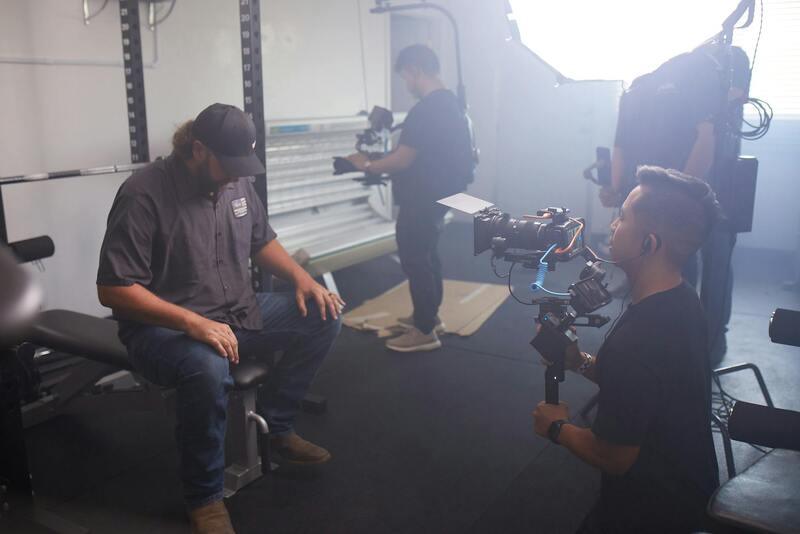
Legal and Ethical Considerations in Creating Corporate Marketing Videos
Developing corporate marketing videos involves adherence to clear protocols that respect intellectual property rights, privacy standards, and ethical marketing practices. For organizations seeking to produce engaging and compliant content, it is essential to understand the frameworks that govern the usage of visual, audio, and textual elements in video production.
One primary aspect is securing appropriate licensing and permissions. This includes obtaining licenses for background music, stock footage, and images used within the videos. Ensuring that all external assets are approved for commercial use safeguards the integrity of the content and prevents potential disputes or infringements.

In addition, organizations must be diligent about privacy considerations. This entails gaining explicit consent from individuals featured in the videos, especially when filming in private settings or capturing identifiable personal data. Clear release forms should be obtained to authorize the use of their likeness, voice, or other personal details in promotional materials.
Furthermore, broadcast standards and advertising guidelines must be respected. This includes avoiding misleading claims, ensuring truthful representations, and maintaining transparency about the purpose of the video content. When depicting products, services, or corporate achievements, substantiating claims with verifiable evidence reinforces credibility and trustworthiness.
Content authenticity is another key component. Organizations should avoid manipulative editing or deceptive visuals that could mislead viewers, thereby upholding professional integrity. Establishing internal review processes before publication ensures the content aligns with legal requirements and company ethics.
It is also advisable for companies to consult with legal or compliance teams during the production planning process. This proactive approach helps navigate complex issues related to intellectual property rights, privacy laws, and regulatory compliance, ensuring that all content is produced responsibly and effectively.
By embracing these established methods, organizations can produce corporate marketing videos that not only elevate brand visibility but do so within a framework of professional standards that foster audience trust and uphold corporate responsibility.