Understanding the Purpose of a Company Profile Video
A company profile video serves as a vital tool in contemporary business communication, acting as a dynamic visual representation of an organization’s brand identity, values, and offerings. Such videos are crafted to engage targeted audiences through compelling storytelling, enabling viewers to quickly grasp the essence of the business while establishing a memorable impression. In a market saturated with content, a well-produced company profile video can differentiate a brand from its competitors by showcasing its unique strengths and competitive advantages. It complements traditional marketing strategies by translating complex corporate messages into visually appealing narratives that are easy to digest and share across digital channels.
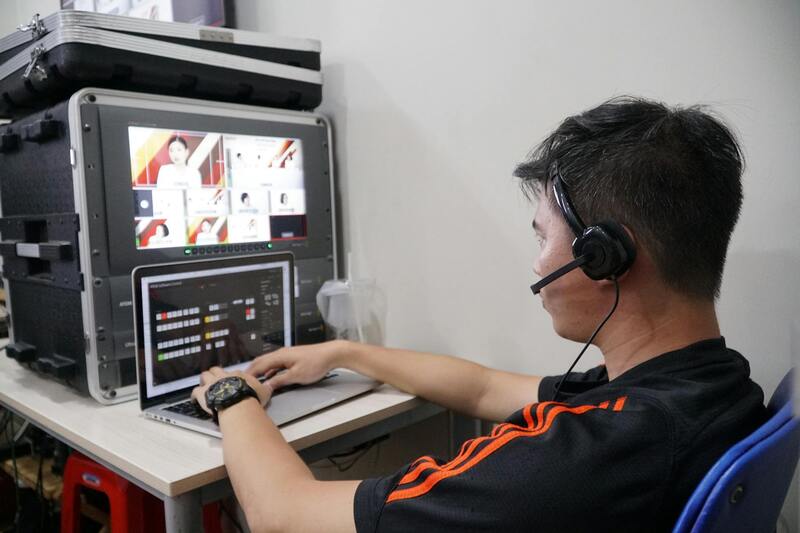
From attracting potential clients and investors to onboarding new team members, the strategic deployment of a company profile video facilitates meaningful connections. It offers an opportunity to communicate the company's mission, history, core values, and achievements within a concise timeframe, typically ranging from 1 to 3 minutes. This approach not only boosts brand credibility but also aids in establishing trust with audiences by providing authentic insights into the company's operational ethos. Moreover, with the exponential growth of online platform usage, especially social media and corporate websites, videos have become essential in ensuring that a brand remains relevant and engaging in the digital landscape.
Effective visual storytelling through a professionally produced company profile video also enhances search engine visibility, as videos tend to generate higher engagement rates and longer site visits. These factors collectively contribute to improved conversion rates, whether the objective is to generate leads, enhance brand awareness, or support investor relations. Therefore, understanding the fundamental purpose of a company profile video underscores its importance as a strategic communication asset that aligns with business growth objectives and audience engagement goals.
Key Elements of an Effective Company Profile Video
Crafting a compelling company profile video requires meticulous attention to several core components that work in harmony to portray an authentic, engaging, and memorable corporate image. These elements serve as the foundation for a production that resonates with target audiences, communicates vital brand messages, and drives strategic business goals. Understanding and integrating these components ensures the final product effectively captures the essence of the company and maintains viewer engagement throughout.
Core Components of a Impactful Company Profile Video
Several key elements should be prioritized during the conceptualization and production phases to enhance the video's clarity, professionalism, and appeal:
- Comprehensive Company Overview: Initiating the video with a succinct but informative overview sets the tone. This segment introduces the company's name, industry, and primary offerings, establishing immediate context for viewers. A clear articulation of the company’s mission and vision integrates purpose and direction, fostering a sense of trust from the outset.
- Core Values and Corporate Ethos: Highlighting fundamental beliefs demonstrates what the company stands for and differentiates it from competitors. Authentic storytelling around these values cultivates emotional resonance, fostering stronger connections with stakeholders.
- Unique Selling Proposition (USP): Clearly communicating what sets the business apart focuses viewers’ attention on key strengths. Whether it’s innovative technology, unmatched customer service, or a commitment to sustainability, emphasizing USP consolidates the company’s position within the market.
- Visual and Narrative Cohesion: Seamless merging of compelling visuals with a coherent storyline deepens engagement. This combination ensures information is digestible and inspires viewers to reflect positively on the brand.
- Client Testimonials and Success Stories: Incorporating authentic testimonials provides social proof, reinforcing credibility. Showcasing real client experiences demonstrates reliability and the tangible impact the company has made.
- Brand Identity and Visual Style: Consistent use of brand colors, logos, and stylistic elements promotes recognition and reinforces brand recall. A professional aesthetic augments credibility and appeals to targeted demographics.
- Call-to-Action (CTA): Concluding with a strategic CTA guides viewers toward desired actions, whether it’s visiting a website, contacting the company, or following social media accounts. A well-placed CTA maximizes the video's conversion potential.
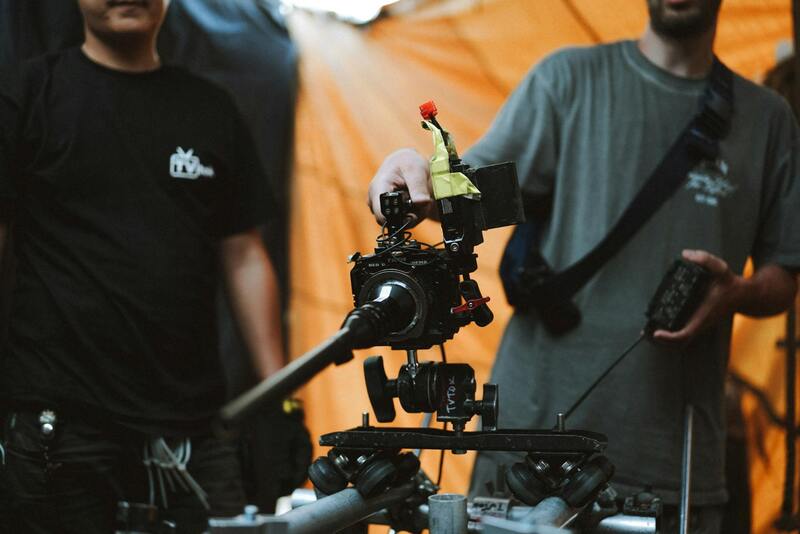
Importance of Authentic Content and Strategic Messaging
Authentic and transparent content greatly enhances the perceived credibility of the company. This means showcasing real employees, genuine success moments, and sincere customer feedback rather than overly scripted or exaggerated narratives. Authenticity resonates with viewers, helping to foster trust and long-term relationships.
Simultaneously, strategic messaging focuses on aligning content with business objectives. Every element, from story arc to visual tone, should reinforce the company’s overarching goals and values. Clear, concise messaging reduces audience confusion and ensures the key messages leave a lasting impression.
Ensuring Visual Consistency and Professional Output
Visual consistency involves maintaining uniform brand visual elements throughout the video, including logo placement, color schemes, and font choices. This consistency not only enhances aesthetic appeal but also solidifies brand identity in viewers' minds. A professionally produced company profile video employs high-quality cinematography, lighting, and sound design, elevating the overall impression and demonstrating the company’s commitment to quality and excellence.
Consistent visual storytelling combined with polished editing creates a seamless narrative flow, guiding viewers effortlessly through the company’s story. This cohesive presentation ensures the final product is both captivating and memorable, effectively communicating the company’s strengths while maintaining a professional tone.
Type of Content and Visual Style
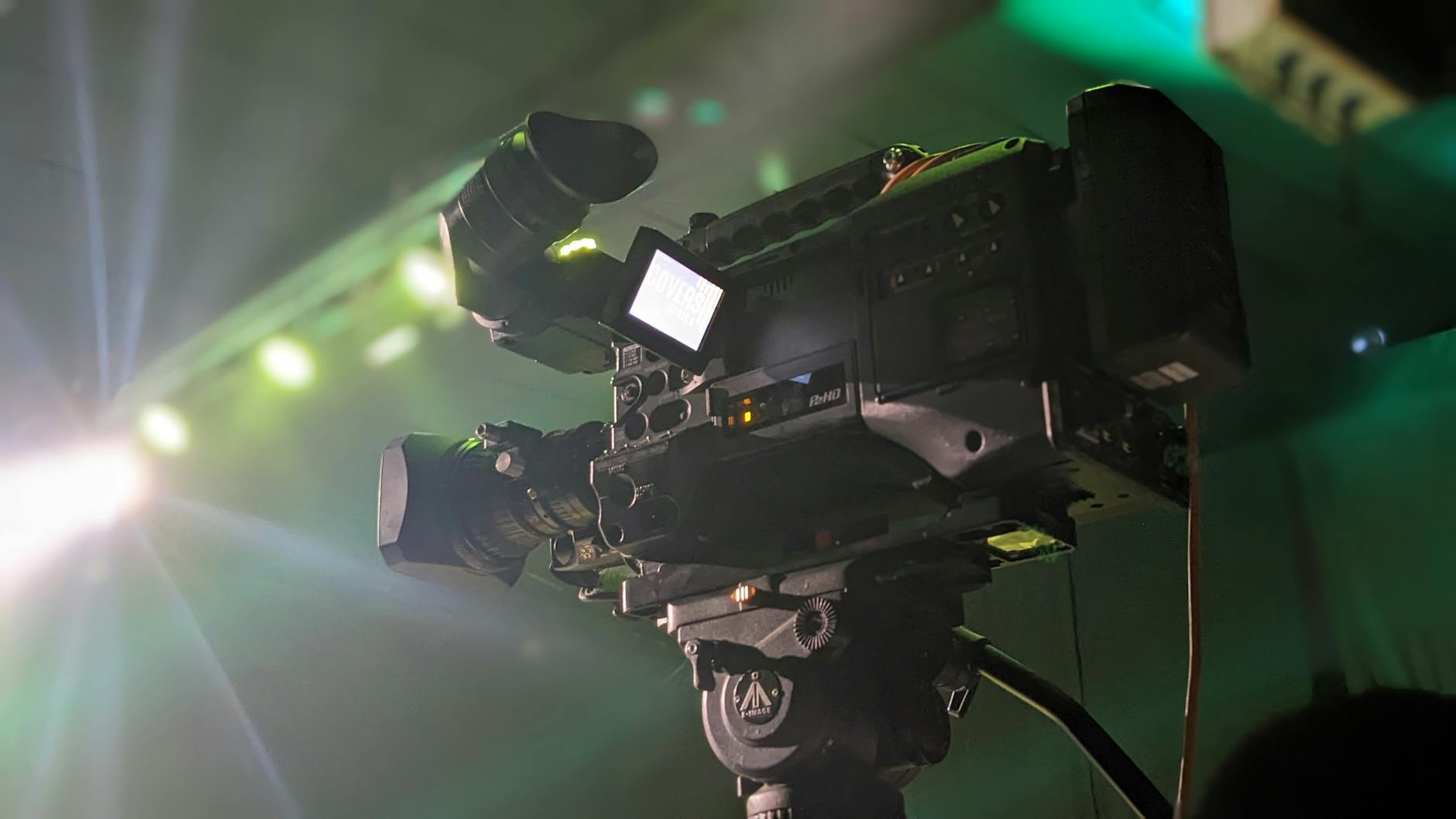
Developing a compelling company profile video begins with selecting the appropriate content type and visual style that resonate with your target audience and reflect your brand identity. The content should include footage of key personnel, behind-the-scenes processes, and highlights of products or services in action. This approach creates an immersive experience, fostering a deeper connection between viewers and the company.
The visual style must complement the company's personality and industry standards. For corporate audiences, a sleek, polished aesthetic with clean lines and subdued color palettes often communicates professionalism and reliability. Conversely, creative industries might opt for more dynamic visuals, vibrant colors, and innovative editing techniques to showcase creativity and originality.
Script Development and Messaging Strategy
A well-crafted script guides the narrative flow, ensuring the key messages are conveyed clearly and compellingly. The script should balance informative content with engaging storytelling, highlighting the company's mission, values, competitive advantages, and vision.
Structuring the script around a logical progression—such as starting with the company's founding story, followed by core services or products, and concluding with future aspirations—helps create a cohesive narrative. Employing a tone that aligns with the company's brand voice, whether formal, friendly, or innovative, maintains consistency throughout the video.
Script development also involves integrated calls-to-action that subtly guide viewers to take desired steps, such as visiting the website, reaching out for inquiries, or exploring products. This ensures the video not only presents the company's story but also encourages active engagement.
Key Considerations for Producing a High-Impact Video
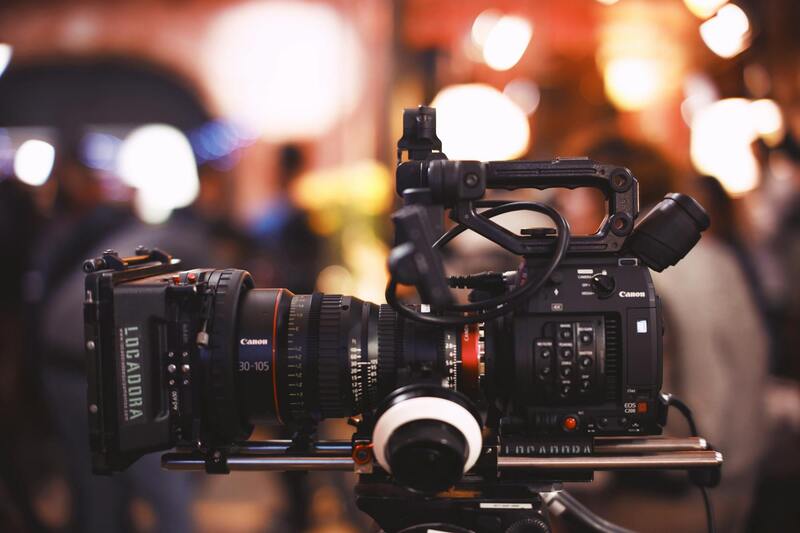
Producing a company profile video requires attention to several technical and creative aspects that guarantee both quality and impact. Lighting plays a crucial role; well-lit scenes enhance visual clarity and professional appearance, while poor lighting can diminish credibility.
Shot composition and camera angles should emphasize the company's strengths and portray personnel in a positive, engaging manner. Close-ups of employees working or delivering statements add personal touches, fostering authenticity. Wide shots can effectively showcase the company's environment and scale.
Sound quality is equally important; clear narration combined with appropriate background music sets the tone and enhances emotional resonance. Professional sound editing eliminates distractions, ensuring the message is received effortlessly.
Post-production editing involves seamless integration of footage, graphics, and effects to craft a polished and cohesive story. Consistent color grading maintains visual harmony, reinforcing brand identity. Additionally, incorporating visual cues like logos, taglines, and key statistics helps reinforce core messages.
Utilizing B-Roll and Supporting Visuals
B-roll footage serves as supplementary visuals that enrich the storytelling aspect of the video. Shots of company facilities, product demos, customer interactions, and community involvement provide context and add depth to the narrative.
Supporting visuals, including motion graphics or animated text, can emphasize key points, such as awards, certifications, or milestones. These elements break up talking segments and keep viewer interest high.
Production Techniques for Engaging Content
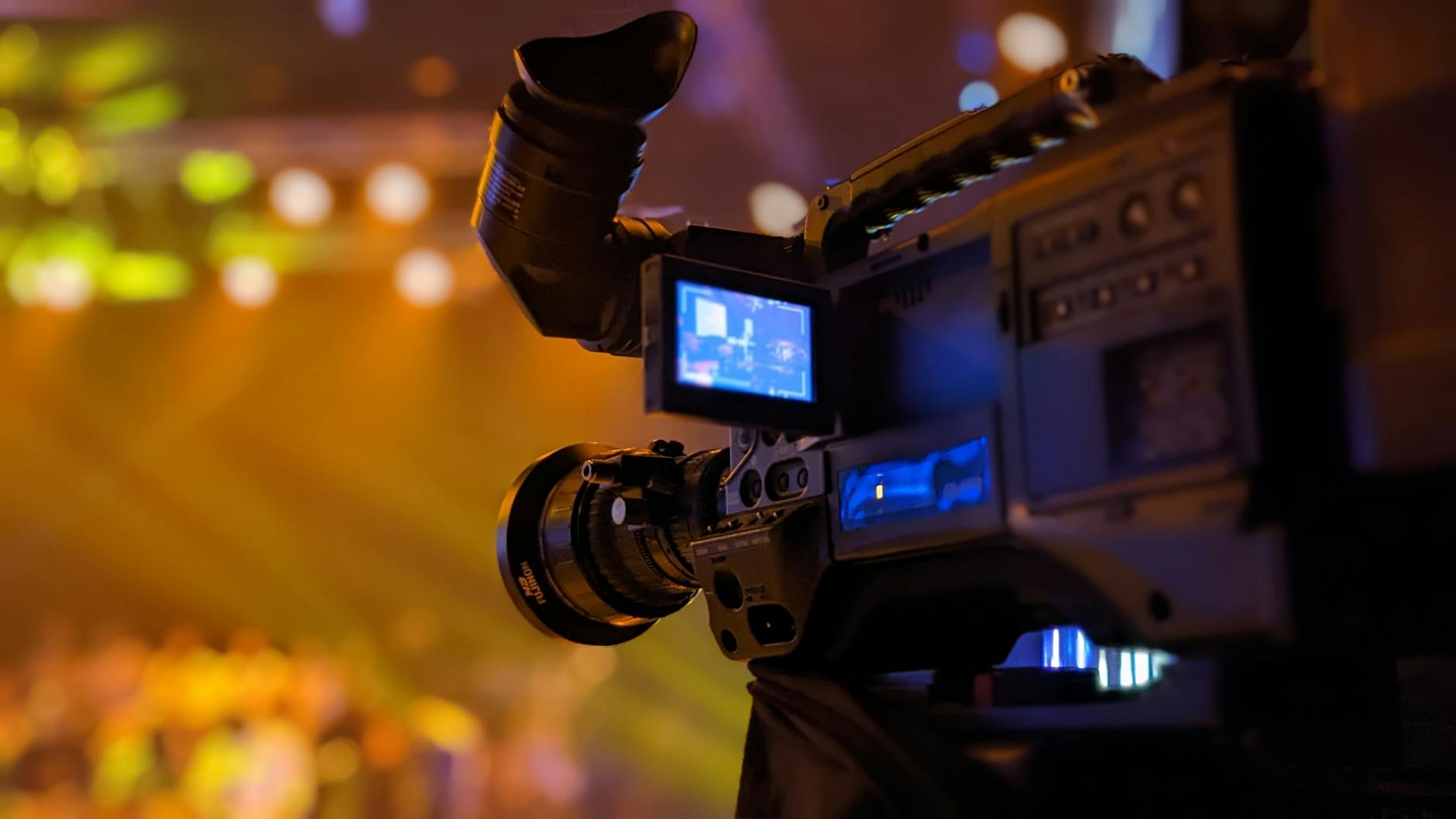
Creating a compelling company profile video requires meticulous attention to various production techniques that elevate the visual and auditory experience. The choice of filming methods can significantly influence how viewers perceive the brand, making it essential to employ professional standards that enhance authenticity and engagement.
High-quality lighting is fundamental in ensuring clarity and visual appeal. Utilizing a mix of natural and artificial lighting setups helps in highlighting the company's environment, products, and personnel effectively. Soft, diffused light often works best for interviews and close-up shots, providing a clean and polished appearance. Conversely, dynamic lighting can be used to create mood and emphasize certain areas or themes within the video.
Sound quality, often overlooked, is a critical component of professional production. Using directional microphones and soundproof environments reduces ambient noise and captures clear dialogue. Incorporating ambient sounds can add depth and realism, but they should always be balanced carefully during editing to avoid distracting the viewer.
The visual style of the video should reflect the company’s brand identity. A consistent color palette, font choices in graphics, and camera angles contribute to a cohesive look that aligns with branding guidelines. Employing a variety of shot types—from static framing for interviews to dynamic, moving shots—keeps the viewer engaged and underscores key messages.
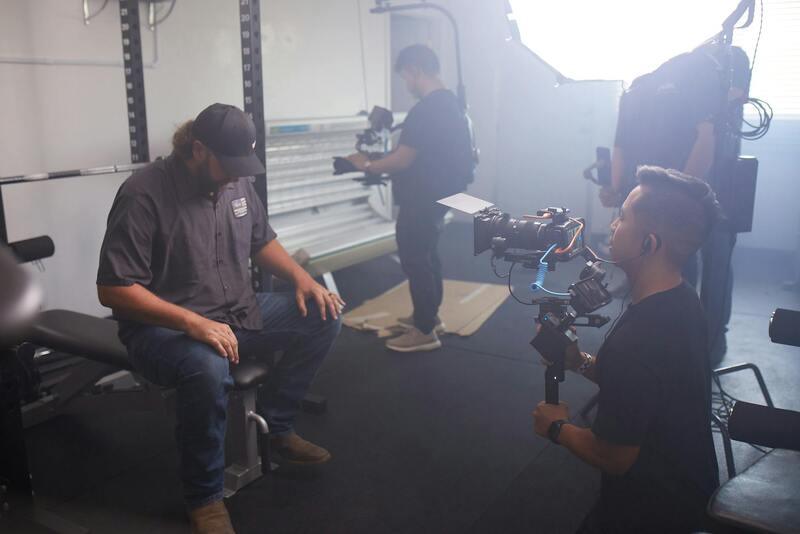
Moreover, the use of stable camera equipment, such as tripods and gimbals, ensures smooth motion shots that maintain a high production value. Incorporating creative visual effects should be approached with restraint, ensuring they serve the narrative rather than distract from it. Subtle transitions and clean editing techniques help maintain flow and coherence throughout the video.
In implementing these production techniques, the goal is to craft content that is both visually appealing and informative, thereby strengthening the audience’s connection with the brand. The combination of superior filmography and sound design not only captures attention but also fosters a sense of professionalism and trustworthiness that resonates with viewers.
Pre-Production Planning and Scripting
Comprehensive pre-production planning forms the backbone of a compelling company profile video. This stage involves collaborating closely with the client to define the core message, target audience, and specific objectives. Clear articulation of the company’s mission, vision, and unique selling points guides the scripting process and shapes the overall narrative.
Effective scripting is critical to translate these strategic insights into a cohesive story. The script should be concise yet informative, highlighting key achievements, corporate values, and the value proposition. Language should resonate with the intended audience, balancing professionalism with approachability. Including real-life testimonials or employee narratives can add authenticity and humanize the brand.
Storyboard development is an integral component during pre-production. Visualizing each scene ensures alignment between the script and visual elements. Detailed storyboards serve as a blueprint, enabling smooth transitions from concept to final footage. They facilitate efficient shooting schedules and help identify necessary resources such as locations, actors, and equipment.
Logistics planning encompasses securing permits, organizing shoot locations, scheduling talent and crew, and preparing all equipment requirements. Addressing logistical factors early mitigates potential delays, ensuring a seamless production process. This preparatory phase is critical for maintaining production quality and adhering to deadlines.
Incorporating a branding review into the scripting stage guarantees consistency across visual and verbal elements. From logo placement to color schemes, every detail should reinforce the corporate identity. A well-structured script also considers calls to action, guiding viewers toward desired responses such as contacting the company, visiting the website, or engaging with social media channels.
Production Techniques for Engaging Content
During production, employing cutting-edge techniques elevates the quality and engagement level of the video. Composition is vital; balanced framing and strategic use of depth of field help focus viewer attention on key subjects. Utilizing multiple shot types—such as close-ups, wide angles, and over-the-shoulder views—adds visual interest and flexibility during editing.
Lighting plays a significant role in enhancing the visual appeal. Natural light, supplemented with professional lighting kits, ensures consistent exposure and accurate color rendition. Proper lighting not only flatters talent but also reinforces the mood and tone aligned with the brand image.
Sound quality is equally essential. Directional microphones, lapel mics for interviews, and soundproof settings minimize background noise. Capturing crisp audio ensures clarity, which is pivotal for conveying messages and maintaining viewer engagement.
Camera movement techniques like steady cam shots or gimbal-stabilized footage contribute to dynamic visuals that attract attention. However, fluid motion should complement the storytelling, avoiding overly distracting or shaky shots.
Visual effects and transitions should be employed with precision. Subtle enhancements, such as animated graphics or smooth transitions, help maintain a professional flow. These effects should support the narrative without overshadowing the core message.
Post-Production and Editing
After capturing the footage necessary to tell your company's story effectively, post-production editing is where the project comes together. This phase involves selecting the best takes, synchronizing audio and video, and organizing the sequence to craft a cohesive narrative that aligns with your brand’s messaging. High-quality editing ensures the video maintains a professional appearance, with smooth transitions and consistent visual style.
Color grading is a crucial component during editing, as it enhances the visual mood and reinforces brand identity. Adjusting color tones and brightness levels can evoke specific emotions, whether stability and trust or innovation and creativity. A polished color palette, consistent throughout the video, adds to the overall realism and aesthetic appeal.
Sound editing complements the visual narrative, as crisp, well-mixed audio significantly improves viewer engagement. Eliminating background noise, balancing levels, and adding subtle music or sound effects help underline key moments. Voice-over narration, if used, should be seamlessly integrated and clarity ensured, allowing viewers to easily comprehend your message.
Graphics, titles, and branding elements are smoothly integrated into the video during editing. These elements should be subtle yet effective, enhancing understanding without overwhelming viewers. Thoughtful placement of on-screen text can highlight essential messages or statistics, strengthening the overall impact.
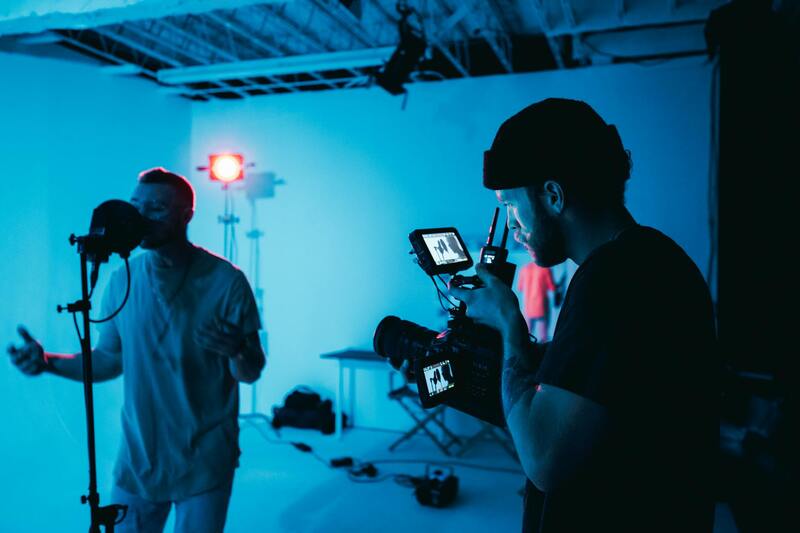
Transitions between scenes are carefully chosen to maintain a professional flow. Avoiding overly flashy effects ensures the focus remains on the content rather than the editing tricks. Instead, smooth, natural transitions like fades or wipes preserve the narrative’s continuity.
Delivering the final product in various formats ensures optimal compatibility across different platforms. Whether for a website, social media, or internal presentation, video files should meet technical specifications for quality, size, and codec compatibility. This preparation guarantees your company profile video retains its visual and audio integrity regardless of its distribution method.
Overall, the post-production phase is integral to transforming raw footage into a polished, engaging story that accurately portrays your company’s brand, values, and offerings. Investing in meticulous editing and finishing touches ensures your company profile video makes a lasting impression on viewers and effectively communicates your message.
Post-Production and Editing
Refining the Visual Narrative
Post-production serves as the critical phase where raw footage transforms into a coherent and compelling story. During this stage, editors meticulously select the most impactful clips, ensuring that each sequence aligns with the overall message of the company profile. Color grading is employed to establish the desired mood and enhance visual consistency, making the video more visually appealing and professional.
Sound design plays a vital role in elevating the viewer's experience. Background music, voiceovers, and sound effects are carefully integrated to complement the visuals without overpowering them. Clear audio tracks are paramount, so noise reduction and equalization are applied to enhance clarity and ensure the message resonates effectively.
Adding Graphics and Branding Elements
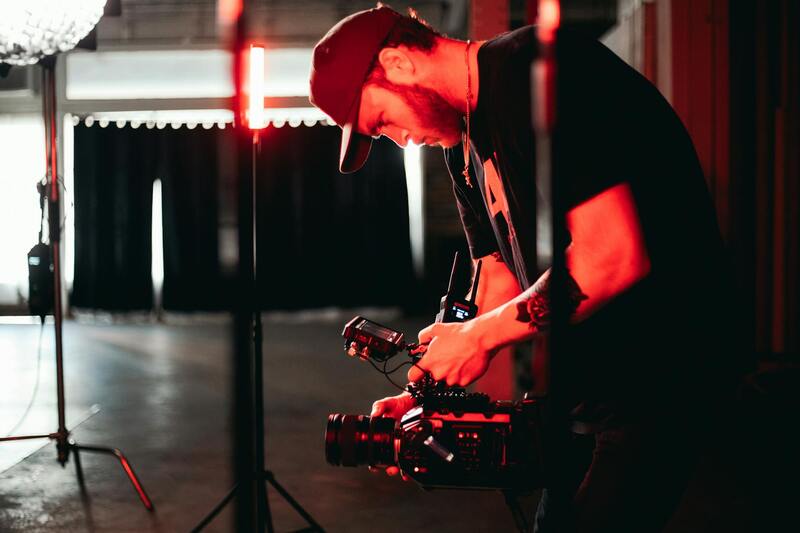
Incorporating graphics such as animated text, icons, and overlays helps emphasize key information and maintains viewer engagement. Subtle branding elements like logos, color schemes, and taglines are integrated into the video to reinforce brand recognition. These components should be thoughtfully placed to enhance understanding without distracting from the core content.
Transitions between scenes are carefully chosen to ensure a smooth flow. Avoiding abrupt or overly flashy effects helps preserve the professionalism of the video, maintaining focus on the message. Techniques like fade-ins, fade-outs, and gentle wipes facilitate narrative continuity, guiding viewers naturally through the story.

Quality Assurance and Format Exporting
Before finalizing, thorough quality checks are essential to verify that both video and audio meet technical standards. Ensuring compatibility across various platforms involves exporting the video in multiple formats and resolutions, such as MP4, MOV, or AVI, with specifications matching the intended distribution channels. The editing process also includes adding captions or subtitles, making the content accessible to a broader audience. Proper color grading and audio mixing ensure that the final product remains visually stunning and audibly clear across different devices and network conditions. Post-production refining maximizes the impact of the company profile, turning it into a polished, professional representation that effectively communicates your organization’s story, values, and offerings to prospective clients, partners, and stakeholders.
Choosing the Right Video Production Agency in Miami
When it comes to creating a compelling company profile video, selecting an experienced and reputable video production agency in Miami is crucial. The ideal agency should bring a comprehensive understanding of storytelling, technical expertise, and a keen eye for visual aesthetics. Their ability to translate your brand’s essence into a captivating visual narrative will directly influence the video's effectiveness and engagement levels.
Assessment of Experience and Portfolio
A key factor in selecting a production partner is their portfolio of previous work. Reviewing their portfolio offers insights into their style, versatility, and capacity to craft videos aligned with your vision. An agency with diverse experience across industries can adapt to different branding needs, delivering a customized approach that resonates with your target audience.
Technical Expertise and Equipment
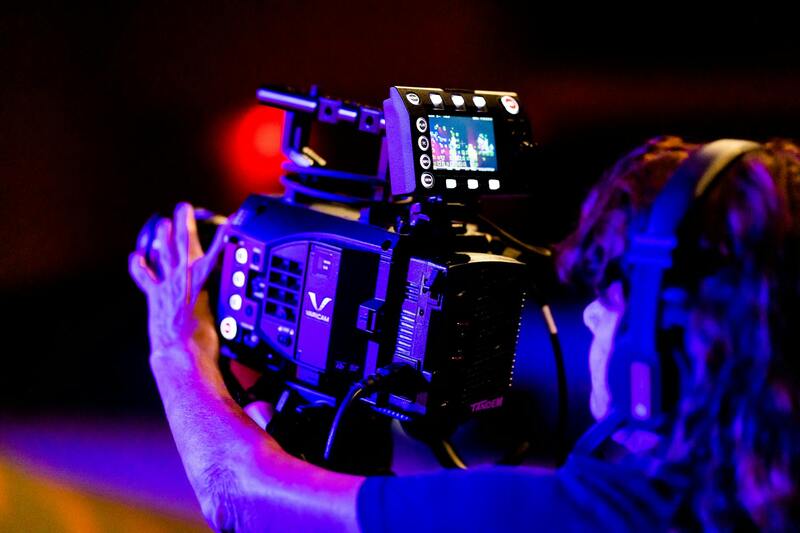
Technology plays a vital role in modern video production. An agency with access to state-of-the-art equipment, including high-resolution cameras, advanced lighting, and professional-grade audio gear, can produce crisp, visually stunning content. Additionally, their familiarity with the latest shooting techniques and post-production software ensures smooth execution from concept to completion.
Creative Approach and Collaboration
The most effective agencies prioritize collaborative processes, actively involving clients at each stage. They should demonstrate a proactive approach to understanding your organizational goals, company culture, and branding strategies. An agency that encourages open communication, provides creative input, and respects your brand identity is better positioned to produce a video that genuinely reflects your company’s values.
Turnaround Time and Budget Alignment
Clear timelines and budget transparency are essential. An experienced Miami video production service will provide realistic estimates, ensuring timely delivery without compromising quality. Discussing milestones, review sessions, and revision policies early in the process helps establish mutual expectations and keeps the project on track.
Post-Production Support and Revisions
The journey doesn’t end with shooting; the agency's capacity to offer comprehensive editing, including color grading, audio enhancement, and visual effects, contributes significantly to the final product’s polish. Their willingness to incorporate revisions based on your feedback guarantees that the end result aligns precisely with your vision.
Localization and Platform Compatibility
Given Miami’s diverse market, local agencies familiar with regional nuances can craft videos that resonate more deeply. Moreover, ensure that the production agency can deliver the final video in formats optimized for various platforms—be it your website, social media, or trade shows—maximizing reach and engagement.
In choosing the right partner, it’s essential to evaluate their expertise across these key areas. A professional Miami video production agency will not only create a high-quality company profile video but also serve as a strategic partner in elevating your brand’s visual identity and market presence.