Understanding Corporate Services Videos
In an increasingly digital marketplace, corporate services videos have emerged as a vital tool for organizations aiming to communicate their value proposition effectively. These videos serve as a dynamic platform to showcase a company's expertise, culture, and service offerings in a visually compelling format. Unlike static advertisements or traditional marketing materials, corporate services videos offer a versatile approach to engage stakeholders, clients, and employees through storytelling, demonstrations, and expert insights.
Corporate services videos are crafted to align with a company's branding goals while conveying complex information in an accessible manner. They encompass a broad range of formats, from short explainer clips to comprehensive corporate overviews, often utilized across websites, social media, email campaigns, and internal communications. The goal is not only to inform but also to build trust and foster a positive perception of the organization.

By incorporating high-quality visuals, clear messaging, and strategic storytelling, corporate services videos help companies stand out in competitive markets. This modern communication method bridges the gap between complex service offerings and audience understanding, making it easier to establish authority and attract potential clients.
The Role of Corporate Services Videos in Business Communication
Effective corporate videos address multiple objectives, including brand positioning, service explanation, customer engagement, and stakeholder reassurance. They serve as a versatile communication tool that can be tailored for various audiences and platforms, ensuring consistent messaging across channels. As a result, they are increasingly regarded as essential components of comprehensive marketing and internal communication strategies.
In addition to conveying professionalism, these videos contribute to humanizing brands—displaying the faces behind the services and sharing success stories. This personalized touch helps foster connection and loyalty, which are critical in today's relationship-driven market landscape.
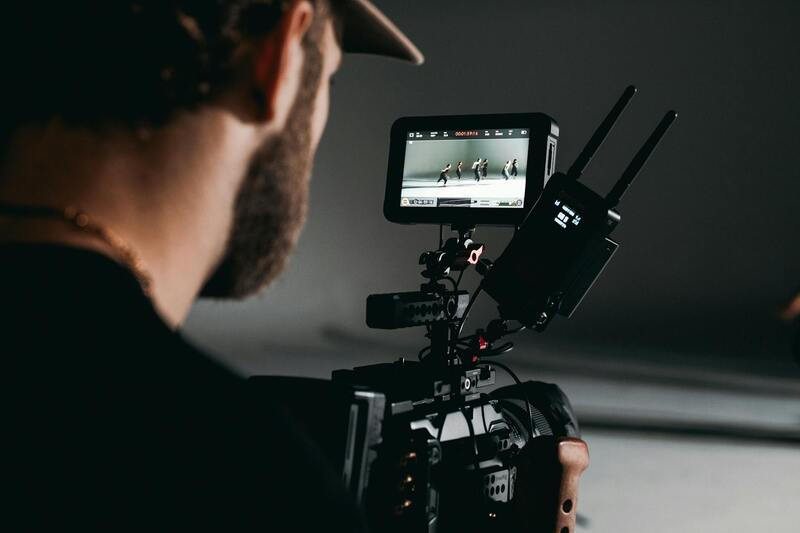
As organizations continue to adapt to evolving digital trends, the importance of high-quality corporate services videos will only grow. They are no longer optional but essential for those seeking to enhance their visibility, credibility, and persuasion in a competitive digital environment.
Planning and Strategy Development
Developing an effective corporate services video begins with meticulous planning and strategic foresight. This phase involves understanding the core objectives of the video, identifying the target audience, and defining the key messages that need to be communicated. It is essential to gather comprehensive insights into the company’s values, service offerings, and unique selling points to craft a narrative that resonates and prompts action.
Strategic development also includes selecting appropriate formats, whether it’s an explainer video, customer testimonial, or thought leadership piece. Each format serves different purposes and appeals to specific audience segments. For example, explainer videos are excellent for elucidating complex concepts, while client testimonials build credibility by showcasing real experiences.

The planning stage involves creating a comprehensive storyboard and script that capture the intended message clearly and engagingly. Budget considerations, timelines, and resource allocation are also critical components. Aligning these elements ensures the production process proceeds smoothly, minimizing revisions and delays.
This preparatory work establishes a solid foundation for the subsequent phases of production and distribution, ensuring the final video not only meets but exceeds expectations.
Types of Corporate Services Videos
Various formats of corporate services videos cater to different communication needs and audience preferences. Understanding these types helps organizations select the most effective approach:
- Brand Story Videos: Focus on conveying the company's mission, vision, and core values to foster brand loyalty and recognition.
- Explainer Videos: Simplify complex service offerings or processes, making them accessible and easy to understand for diverse audiences.
- Testimonial and Case Study Videos: Showcase client success stories, emphasizing credibility and real-world impact of services.
- Corporate Culture Videos: Highlight company culture, employee engagement, and workplace environment, enhancing employer branding.
- Product or Service Demos: Demonstrate specific features or benefits, often used to support sales and onboarding processes.
- Leadership Message Videos: Feature executives delivering key messages, strategic updates, or industry insights, reinforcing authority and transparency.
Choosing the appropriate video type depends on the desired outcome, target audience, and distribution channels. A well-curated mix of these formats can create a comprehensive video strategy that elevates the company's visibility and credibility across multiple touchpoints.
Planning and Strategy Development in Corporate Services Videos
Effective corporate services videos commence with meticulous planning and strategic development. This foundational phase involves identifying the specific target audience, which dictates the tone, content, and distribution channels. By understanding who the intended viewers are, organizations can craft messages that resonate deeply, fostering engagement and driving desired actions.
Aligning messaging with organizational goals is equally vital. Clear objectives, whether to inform, educate, promote, or build brand credibility, shape the content's narrative and style. Establishing these goals early ensures that every element of the video aligns with broader marketing and communication strategies.
Defining key performance indicators (KPIs) provides measurable benchmarks for success. These may include viewer engagement metrics, lead generation figures, or brand awareness improvements. Incorporating analytics planning during this stage allows for precise evaluation of the video's impact upon deployment.

Developing a Comprehensive Video Strategy
A coherent video strategy integrates content type selection, distribution channels, and scheduling. This comprehensive plan ensures consistency across campaigns and maximizes reach. It also involves thematic considerations, such as the tone of voice, visual style, and messaging hierarchy, tailored to engage the target demographic effectively.
Moreover, organizations should consider the different types of corporate videos suitable for their objectives. For instance, explainer videos are ideal for simplifying complex services, while leadership message videos reinforce authority and transparency. A diversified approach deploying multiple formats can address various audience preferences simultaneously.
Segmenting target audiences based on demographics, industries, or customer journeys allows for personalized messaging. This segmentation enhances the relevance of content, increases viewer retention, and improves overall campaign effectiveness.
Implementing Content Calendars and Workflow Management
Establishing a content calendar streamlines production schedules and ensures timely delivery. This planning also coordinates internal teams or external agencies, maintaining consistency and quality standards throughout the project lifecycle.
Workflow management tools facilitate task assignments, deadline tracking, and version control. These practices prevent bottlenecks and foster collaboration, ultimately leading to a polished, impactful final product.

Conclusion
Precise planning and strategic development are cornerstones of successful corporate services videos. By thoroughly understanding the target audience, aligning messaging with business objectives, and carefully managing the production process, organizations can craft videos that resonate, convey professionalism, and achieve measurable results. This disciplined approach maximizes resource utilization and sets the stage for a compelling visual communication campaign that enhances brand reputation and supports corporate growth.
Production Process and Best Practices
Developing a high-quality corporate services video demands a well-structured production process that adheres to industry standards and best practices. A meticulously planned production cycle ensures that each element, from scripting to post-production, aligns with strategic objectives and organizational branding. This process begins with comprehensive pre-production activities, such as detailed scripting, storyboarding, and location scouting, which lay a solid foundation for the project. Engaging with a dedicated production team that understands the nuances of corporate messaging helps to streamline workflow and foster creative collaboration.
During filming, employing professional equipment and experienced crew members ensures that visual and audio quality meet industry standards. Proper lighting, sound recording, and framing are essential components that translate the script into an engaging visual narrative. It is important to capture multiple takes to provide options during editing, allowing for seamless storytelling and pacing.
Post-production is equally critical, involving editing, color correction, sound design, and adding visual effects or branding elements. This phase refines the raw footage into a compelling final product that resonates with viewers and effectively communicates the intended message. Utilizing advanced editing software and adhering to a consistent review process with stakeholders helps deliver a polished outcome suited for various distribution channels.
Best Practices for Corporate Video Production
- Clear Messaging: Ensure the script is concise, focused, and aligned with the company’s core values and objectives.
- Professional Quality: Invest in high-grade equipment and professional talent to enhance visual appeal and credibility.
- Consistent Branding: Use company logos, color schemes, and style guides throughout the production to reinforce brand identity.
- Audience-Centric Approach: Tailor content to meet the needs and preferences of the target audience, enhancing engagement and retention.
- Legal and Ethical Standards: Verify all content for copyright compliance, proper licensing, and respectful portrayal of individuals and entities.
Implementing these best practices not only optimizes the quality of the final product but also streamlines the production timeline and maximizes resource efficiency. Effective communication among team members and stakeholders throughout each stage ensures that the project remains aligned with corporate standards and objectives. Leveraging knowledge of current industry trends and technological advancements further enhances the potential reach and impact of the video content.
Types of Corporate Services Videos
Corporate services videos encompass a wide range of formats designed to address specific communication goals within a business context. Each type serves distinct purposes, whether to educate, inform, promote, or reinforce corporate brand identity. Understanding these formats enables organizations to select the most effective approach tailored to their strategic needs.
- Explainer Videos: Concise animated or live-action videos that clarify complex services, processes, or products. These are instrumental in simplifying technical information, making it accessible and engaging for diverse audiences.
- Brand Identity Videos: Videos aimed at strengthening brand recognition through storytelling that highlights corporate values, mission, and culture. They foster emotional connections and build trust with stakeholders.
- Client Testimonials and Case Studies: Authentic client stories that demonstrate successful partnerships and positive outcomes. Such videos serve as powerful social proof to attract prospective clients and partners.
- Company Overview and Corporate Profile Videos: Short summaries that provide an overarching view of the company's history, services, achievements, and leadership. These are often featured on websites and during investor meetings.
- Training and Internal Communications: Videos designed for employee onboarding, training, and ongoing communication within the organization. They enhance engagement and ensure consistent messaging across teams.
- Event Coverage and Live Streaming: Documenting conferences, seminars, or corporate events, and broadcasting them live to maximize reach and visibility.»
Production Process and Best Practices
Executing an effective corporate services video involves meticulous planning, streamlined production workflows, and adherence to industry standards that ensure a polished final product. The initial phase of production begins with comprehensive scripting that clearly articulates the core messages and aligns with the organization’s strategic objectives. Engaging storytelling combined with succinct messaging helps sustain viewer interest and reinforces key takeaways.
Following scripting, storyboarding provides a visual outline of each scene, facilitating seamless communication between clients and production teams. This step is critical in visualizing how different elements—such as graphics, transitions, and narration—harmonize to convey the intended message. Detailed storyboards act as a blueprint, ensuring everyone involved shares a unified vision before filming begins.

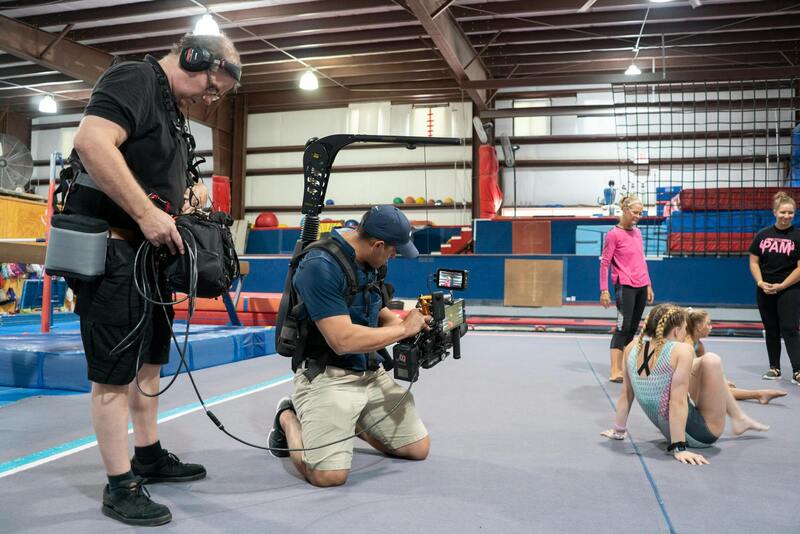
When it comes to filming, attention to detail is paramount. High-quality visuals reflect professionalism, so utilizing top-tier equipment and skilled personnel can greatly enhance the video's overall impact. Proper lighting, sound recording, and camera angles contribute to a visually appealing final product that captures the corporate environment authentically.
Post-production is where the project truly comes together. Expert editing, color grading, and sound design ensure the video is cohesive and engaging. Incorporating graphics, animations, and subtitles can further improve viewer comprehension and retention. Integrating company branding elements throughout the video—such as logos, color schemes, and fonts—maintains consistency with corporate identity.

Adhering to best practices during production mitigates common issues like poor audio quality, inconsistent lighting, or disjointed editing, which can detract from the video's credibility. Rigorous review and quality control at each stage—pre-production, filming, and post-production—ensure the final version aligns with the initial objectives while reflecting the organization's professionalism.
Furthermore, optimizing the final video for various distribution channels enhances its effectiveness. Utilizing appropriate formats, resolutions, and compression settings guarantees seamless playback across devices and platforms. Implementing a clear distribution strategy that targets relevant audiences on social media, websites, and email campaigns maximizes the video’s reach and engagement potential.
Understanding Corporate Services Videos
Corporate services videos serve as dynamic tools for organizations to communicate complex messages clearly and professionally. These videos are tailored to showcase a company's offerings, mission, values, or operational processes through engaging visual storytelling. Unlike traditional marketing materials, corporate services videos aim to educate stakeholders, demonstrate expertise, and build trust with target audiences. They are often used during onboarding, investor relations, internal training, or client presentations, making them versatile assets that enhance a company's brand image and communication efficiency.

Creating a compelling corporate services video involves identifying key messages, understanding the audience's needs, and delivering content in a visually engaging format. These videos often feature interviews, facility tours, product demonstrations, or testimonial segments, all crafted to highlight the organization's strengths.
Key Objectives of Corporate Services Videos
The primary goals of corporate services videos include establishing brand credibility, explaining complex business operations seamlessly, and fostering stakeholder engagement. They serve as a visual extension of corporate messaging, providing viewers with a transparent and authentic look at what the organization offers. Well-executed videos can also boost internal morale by aligning employees with company values or training initiatives, fostering a unified corporate culture. Additionally, they offer a cost-effective means to reach broad audiences, ensuring consistent messaging across various communication channels.
Planning and Strategy Development
Strategic planning is essential in creating impactful corporate services videos. This phase involves thorough research to understand the target audience, defining clear objectives, and outlining the core messages. Developing a storyboard or script that aligns with branding guidelines ensures coherence and clarity. Budget considerations, timeline goals, and resource allocation are also addressed during this stage. Coordinating with stakeholders—ranging from marketing to compliance teams—helps streamline the approval process and align the video’s content with overall corporate goals.
Types of Corporate Services Videos
- Explainer Videos: Simplify complex services or processes to enhance understanding among clients or partners.
- Company Overview: Provide a comprehensive introduction to the organization’s mission, services, and values.
- Testimonial Videos: Feature satisfied clients or employees to build credibility and trust.
- Training and Instructional Videos: Educate employees or partners on procedures, compliance, or safety protocols.
- Event Coverage: Showcase corporate events, conferences, or product launches, emphasizing organizational activity and community engagement.
Production Process and Best Practices
Executing a corporate services video requires meticulous planning and adherence to industry best practices. The production begins with pre-production activities such as scripting, storyboarding, and scheduling shoots. During filming, optimal lighting, clear audio, and professional camera work are crucial in capturing high-quality footage. Diligent coordination among the crew and clients minimizes disruptions and maintains efficiency.
Post-production is where the project gains its polish. Expert editing involves selecting the most compelling shots, adjusting colors to match brand colors, and synchronizing audio. Visual effects, animations, and overlays can enhance information delivery, while subtitling improves accessibility. Throughout this process, continuous reviews ensure the content aligns with strategic objectives and maintains a professional tone. Finally, including branding elements like logos and color schemes maintains consistency and reinforces corporate identity.

Optimizing Corporate Videos for Distribution
Maximizing the reach and impact of corporate services videos involves strategic distribution planning. Selecting the right formats and resolutions guarantees compatibility across devices, while compression settings ensure fast loading times without sacrificing quality. Hosting platforms should support analytics tracking to monitor viewer engagement and retention.
Content should be tailored to different channels—shorter clips for social media, detailed versions for websites, and embedded videos within email campaigns. Incorporating SEO best practices, such as relevant keywords and descriptive tags, increases discoverability in search results. When shared across platforms, a consistent visual identity and call-to-action enhance viewer engagement and drive desired outcomes. Collaboration with the marketing team enables targeted outreach to relevant audiences, ensuring the video positions the company effectively within its industry landscape.
Final Considerations for Producing and Utilizing Corporate Services Videos
As organizations continue to integrate visual storytelling into their communication strategies, securing the right methods to produce and deploy corporate services videos becomes crucial. High-quality videos serve as versatile tools that can inform, persuade, and engage diverse audiences, from potential clients to internal stakeholders. To maximize their effectiveness, companies should adhere to established practices that uphold quality, professionalism, and strategic alignment.
Maintaining Consistency and Brand Integrity
One of the fundamental aspects of professional corporate videos is ensuring consistency in branding elements. This includes the use of official logos, color schemes, typography, and visual style across all video content. Consistent branding reinforces brand recognition and fosters trust among viewers. When producing a corporate services video, it is essential to develop a comprehensive style guide that outlines these elements to maintain uniformity throughout the production process.
Ensuring Content Accuracy and Relevance
Precision in content delivery is vital for establishing credibility. Accurate representations of services, procedures, or corporate values must be achieved through diligent research and fact-checking. Tailoring content to address the interests and concerns of targeted audiences enhances engagement. Incorporating case studies, testimonials, or client success stories can also add authenticity and demonstrate tangible benefits of the services offered.
Implementing Professional Quality Standards
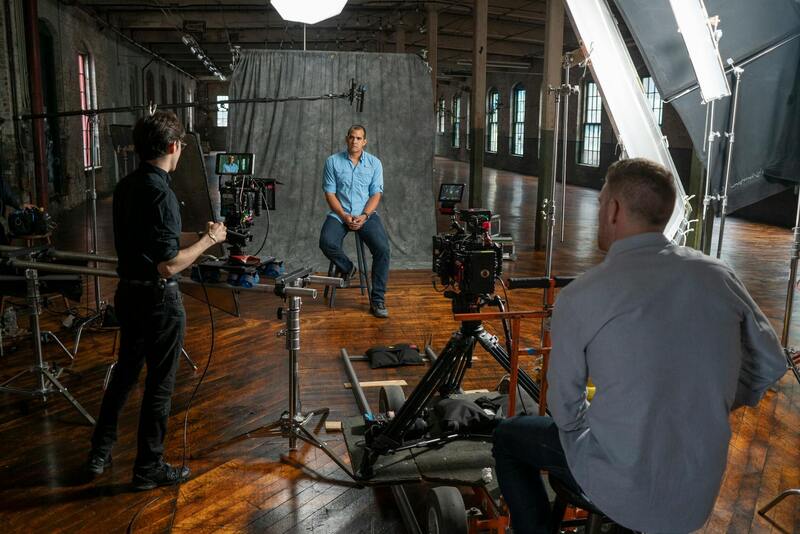
Investing in professional equipment and skilled personnel is fundamental to producing impactful corporate videos. High-definition cameras, professional lighting, and quality audio equipment ensure clear visuals and sound. Additionally, post-production editing, including color grading, sound mixing, and graphic overlays, elevates the overall presentation. Utilizing graphic elements like infographics or animated titles can clarify complex information and make the video more accessible.
Embedding Video Content Strategically
Effective distribution begins with strategic embedding of videos within various platforms. Embedding videos on official websites, landing pages, and client portals ensures easy access for interested parties. When integrated into email marketing campaigns, videos can significantly increase click-through rates and engagement metrics. To maximize visibility, videos should be optimized for platform-specific requirements, such as aspect ratios and file sizes.
Promoting Corporate Videos Effectively
- Social Media Platforms: Sharing short, engaging clips tailored for platforms like LinkedIn, Twitter, and Facebook can expand reach.
- Search Engine Optimization (SEO): Using relevant keywords in titles, descriptions, and tags enhances discoverability across search engines.
- Paid Advertising: Targeted paid campaigns can increase exposure within specific demographic groups.
- Internal Channels: Incorporating videos into internal communications ensures consistent messaging and training.

Continuous Improvement and Feedback Incorporation
Gathering feedback from viewers provides insights into how the content resonates and performs. Engagement analytics such as viewer retention rates, click-through metrics, and social shares offer valuable data for refining future video initiatives. Regular updates and iterations ensure the material remains current and aligned with evolving branding and strategic goals.
Final Best Practices
- Define clear objectives to guide the content development process.
- Maintain visual and tonal consistency with corporate branding.
- Invest in quality production resources and skilled professionals.
- Optimize videos for different platforms and devices.
- Use targeted distribution strategies to reach desired audiences.
- Regularly analyze performance data, adjusting strategies as needed.
- Ensure compliance with all relevant standards and regulations to uphold professionalism and brand integrity.