Making a Corporate Video: An In-Depth Guide to Effective Business Communication
Understanding the Purpose of a Corporate Video
Creating a corporate video is a strategic process designed to fulfill specific business objectives that enhance brand visibility, foster internal and external communication, and drive audience engagement. The primary aim is to deliver a clear, compelling message that aligns with your company's mission, values, and marketing goals. Corporate videos serve as vital tools in showcasing products, services, or company culture, making them essential assets in building credibility and trust among clients, partners, and employees.
In the evolving digital landscape, corporate videos can expedite information dissemination, streamline training, and support sales efforts. Whether the goal is to introduce a new product, emphasize brand identity, or communicate corporate social responsibility initiatives, each video must be crafted with a targeted purpose. This focus ensures that the content resonates with the intended audience, motivates action, and provides measurable results, ultimately boosting the business’s strategic growth.
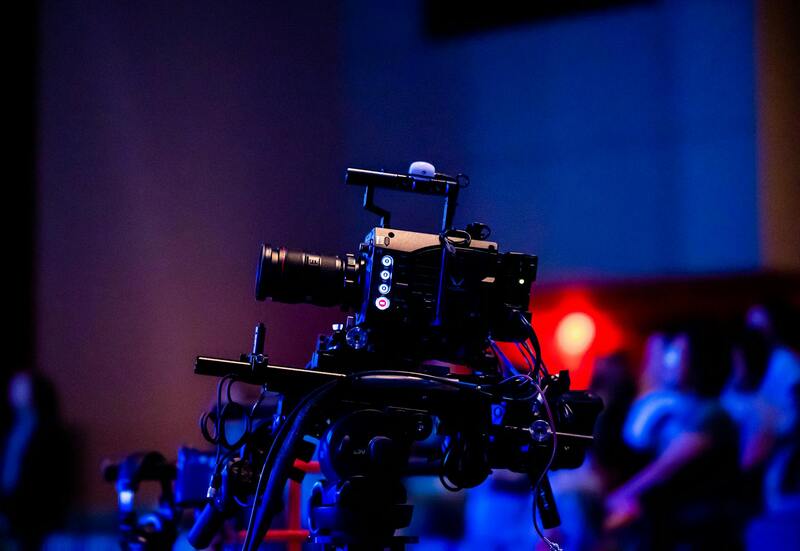
Aligning Video Goals with Business Objectives
It begins with identifying key performance indicators (KPIs) that will measure the success of your corporate video. Whether increasing brand awareness, generating leads, or enhancing employee engagement, setting specific, achievable goals directs the content creation process. A well-defined purpose guides the selection of tone, style, and messaging, ensuring consistency with your broader marketing campaigns.
Furthermore, understanding your target audience enables you to tailor the message effectively. Internal videos aimed at employees focus on education and motivation, while external videos for clients and prospects emphasize value and credibility. Clarifying these objectives from the outset streamlines production efforts and enhances the overall impact of the final product.
Types of Corporate Videos and Their Purposes
- Brand Awareness Videos: To increase recognition and positive association with your brand.
- Product Demonstrations: To showcase features, benefits, and usage of products or services.
- Corporate Training Videos: To facilitate onboarding and continuous employee development.
- Customer Testimonials and Case Studies: To establish credibility through real-life success stories.
- Event Coverage: To highlight corporate events, conferences, or community engagement activities.
- Recruitment Videos: To attract potential talent by presenting company culture and career opportunities.
Each type of corporate video requires a strategic approach tailored to its specific purpose, ensuring it contributes effectively to overall business goals.
The Role of a Corporate Video in Your Marketing Ecosystem
Corporate videos are integral components of a comprehensive marketing strategy, acting as engaging content for websites, social media platforms, email campaigns, and trade shows. They serve not only as communication tools but also as assets that can be repurposed across various channels to maximize reach and ROI. When purposefully crafted, corporate videos bridge the gap between business messaging and audience interests, generating measurable engagement and supporting long-term brand positioning.
Creative Development and Concept Design
Once the foundational planning has been established, the next phase involves developing a compelling concept that aligns with your corporate objectives. This stage is crucial for translating strategic goals into visual and narrative ideas that resonate with your target audience. During this phase, it's essential to collaborate with creative professionals who can craft storyboards, scripts, and visual themes that are both engaging and consistent with your brand identity.
Effective concept design involves a thorough understanding of your company's core messages and how best to communicate them visually. This may include brainstorming sessions, mood boards, and style guides that encapsulate the tone, color schemes, and overall aesthetic of the video. Developing a storyboard is a vital step, as it provides a visual plan of each scene, ensuring that the narrative flows logically and that each shot supports the intended message.
In addition to visual storytelling, the script should be crafted with precision, emphasizing clarity and succinctness. A well-written script enhances the video's professionalism and ensures that key points are communicated effectively. During this phase, it’s also advantageous to consider the video’s call-to-action (CTA), guiding viewers toward the desired response, whether it's visiting a website, contacting your sales team, or attending an event.

Production Techniques and Equipment
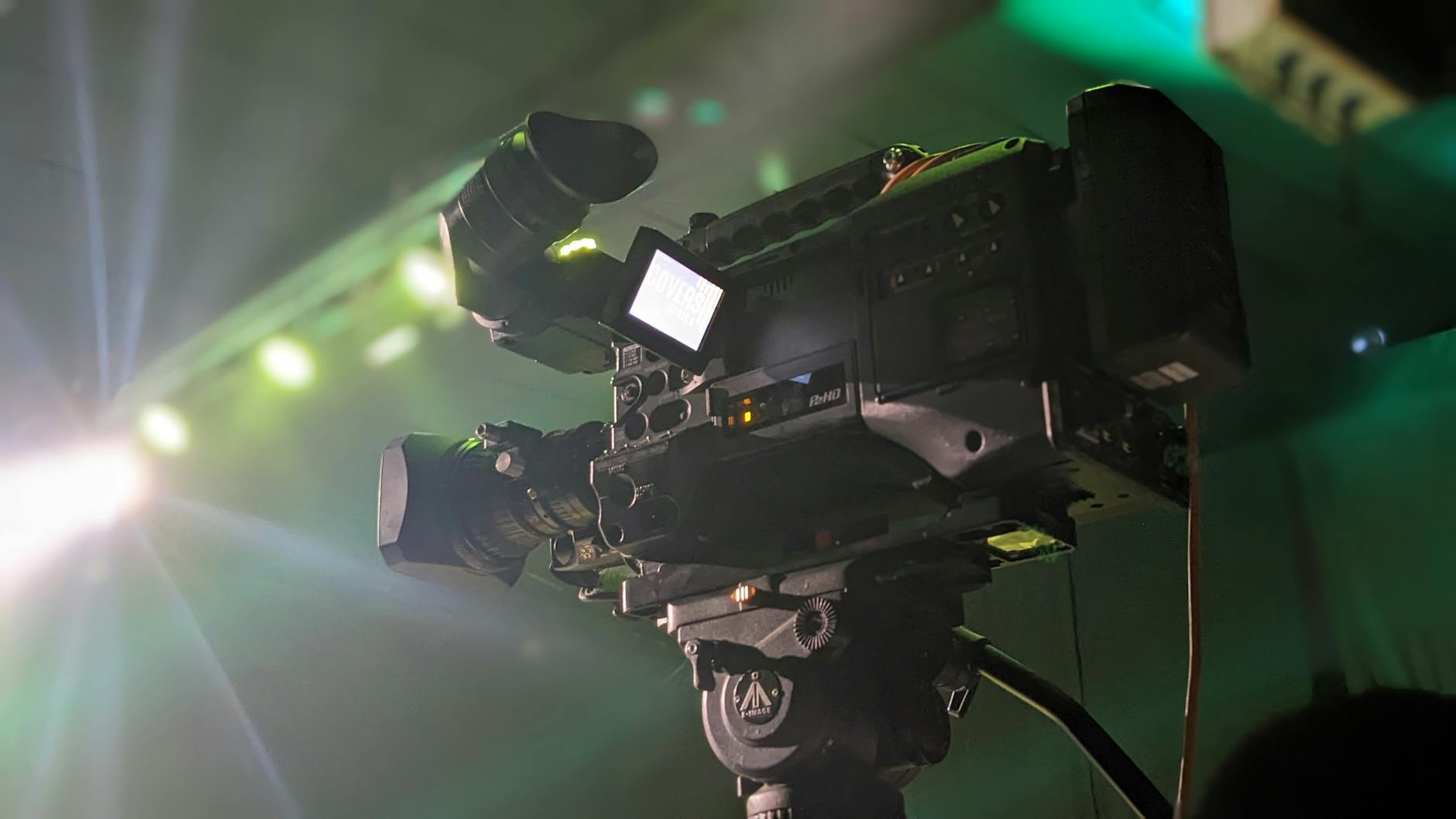
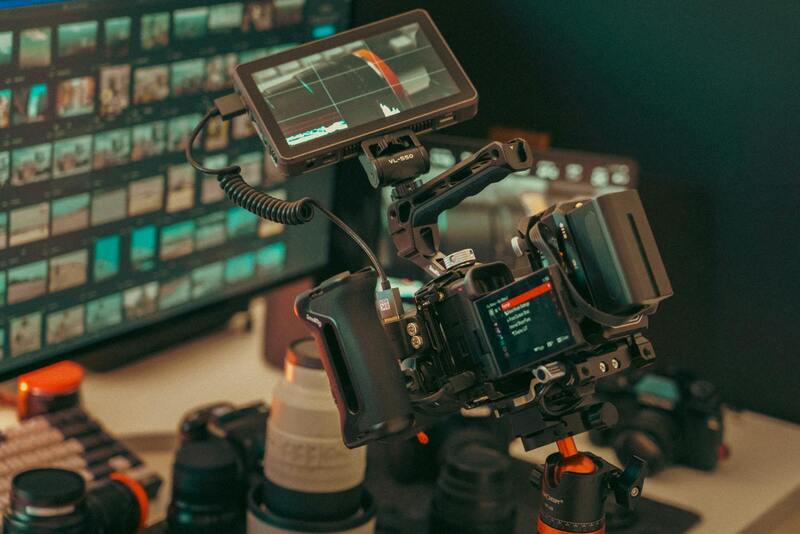
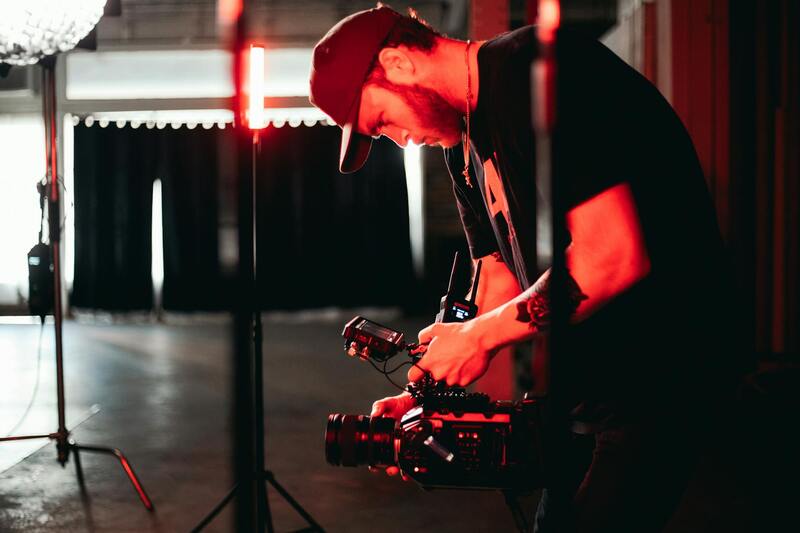
The execution of your corporate video depends heavily on the selection of appropriate production techniques and high-quality equipment. This includes choosing between various filming methods such as cinematic shots, drone footage, or interviews, depending on your video's purpose. The use of stabilization gear, lighting setups, and professional audio equipment ensures the footage’s clarity and visual appeal.
Modern filming often incorporates advanced techniques like 4K resolution, slow motion, or time-lapse sequences to add visual interest and professionalism. Employing professional-grade cameras, lighting kits, and sound recording devices helps capture crisp visuals and clear audio, essential for maintaining viewer engagement and credibility. Additionally, employing multiple camera angles can add depth and dynamism to the final product.
In some cases, incorporating animation, motion graphics, or visual effects can enhance storytelling or clarify complex information. These elements should seamlessly integrate with live footage to maintain a cohesive look and feel. The careful selection of production techniques and equipment directly impacts the overall quality and effectiveness of the finished corporate video.
Post-Production Editing and Enhancements
Following the filming process, post-production editing refines the raw footage into a polished final product. This phase involves several technical and creative steps, including editing, color grading, sound mixing, and visual effects. Cutting unnecessary scenes and arranging sequences to tell a coherent story enhances viewer engagement and clarifies key messages.
Color correction and grading are used to establish a consistent tone and mood, aligning the visuals with your brand’s aesthetic. Sound editing ensures that dialogue is clear and background music or voiceovers are balanced. Adding lower-thirds, captions, or graphics can reinforce important points and facilitate understanding, especially when explaining complex concepts.
Incorporating motion graphics or animations during this stage can highlight key statistics, process steps, or product features, making the content more visually appealing and memorable. The editing process is vital for ensuring that every element aligns with the strategic goals and maintains a high level of professionalism that reflects positively on your brand.
Distribution and Marketing Strategies
Once the final video is ready, strategic distribution maximizes its reach across suitable channels. The choice of platforms should align with your target audience and campaign objectives. Embedding videos on your website creates a dynamic experience for visitors and encourages longer engagement. Leveraging social media platforms like LinkedIn, Facebook, or YouTube facilitates sharing and increases visibility among diverse audience segments.
Tailoring your marketing messages for each platform ensures the content resonates and prompts engagement. For email campaigns, personalized video content can boost click-through rates and conversions. Incorporating videos into trade show presentations, digital signage, or internal training modules further extends their utility.
Analytics tools provide insights into viewer engagement, helping refine your distribution strategies for future campaigns. Repurposing portions of your corporate video into shorter clips or teaser trailers enhances reach and sustains audience interest over time. Carefully planned distribution combined with targeted marketing efforts ensures your video contributes meaningfully to your overall marketing ecosystem.
Legal Considerations and Licensing
Ensuring that your corporate video complies with relevant licensing agreements is essential to avoid potential disputes and safeguard your brand’s reputation. All sources of content used, such as music, stock footage, or images, must have proper licensing rights. This process involves verifying that you have the appropriate permissions or licenses to incorporate these assets into your final product, thereby preventing infringement issues that could arise during distribution or public viewing.
When selecting music for your corporate video, opt for tracks that are either royalty-free or properly licensed. Many production companies have access to licensed libraries; however, it’s crucial that these rights are clear and documented. Using unlicensed content can lead to copyright claims, which might require re-editing or removing certain clips, delaying project completion.
Additionally, if the video features individuals, obtaining signed releases from all participants is vital. Consent forms should explicitly grant permission to use their likeness and voice in your marketing material. This documentation ensures transparency and helps avoid legal complications related to image rights or privacy concerns.
Regarding licensing for location shoots, securing permits for certain venues or private properties is often necessary. These permissions prevent interruptions during filming and protect your project from legal challenges related to unauthorized filming. Consulting with local authorities or property owners beforehand ensures smooth operations during production.
Documenting all licensing agreements and releases is crucial for accountability. Maintaining organized records streamlines the review process and facilitates compliance audits. When working with external vendors or freelance professionals, clearly outline licensing rights and usage terms in contract agreements to ensure mutual understanding and legal clarity.
Legal Considerations and Licensing
When producing a corporate video, adhering to official and proper licensing procedures safeguards your project against unintended legal issues. This involves acquiring the appropriate permissions and licenses for all audiovisual elements used, including stock footage, music, and images. To ensure your content remains compliant, it's essential to work with reputable sources that provide clear, documented licensing agreements. These agreements specify your rights to use the content across various platforms and formats, establishing a legal basis for your video deployment.
Additionally, the integration of third-party materials requires careful review of licensing terms. This includes confirming that the rights granted cover commercial use, which is typical for corporate videos. Utilizing royalty-free content from trusted providers simplifies licensing, but always verify the scope of rights and licensing restrictions. For proprietary content, obtaining explicit written consent from content owners is critical, preventing potential copyright infringement claims.
Clearance of music is particularly important, as unauthorized use of copyrighted tracks can lead to significant legal challenges. Licensing commercial music from legitimate sources or choosing royalty-free options with proper documentation ensures your video remains compliant. Likewise, any visual content, such as logos or branded elements, should be used with explicit permission and documented rights.
Moreover, capturing signed releases from individuals appearing in the video is necessary. These releases document permission to feature their likeness and voice, protecting your project from privacy disputes or claims of unauthorized use. Contracts should explicitly detail how the footage will be used, including distribution channels and duration, ensuring all parties are aware and agreeable.
Location permits are another crucial facet of official production practices. Securing access rights for private properties or specific venues minimizes disruptions and shields your company from potential legal issues related to unauthorized filming. Engaging with local authorities or property owners well in advance ensures unobstructed production schedules and compliance with local regulations.
To maintain transparency, all licensing agreements and releases should be systematically documented and stored. This organized record-keeping simplifies audits and future referencing. When collaborating with external vendors or freelancers, it’s mandatory to specify licensing rights and usage boundaries clearly within contractual agreements. This clarity not only prevents misunderstandings but also reinforces legal protections for your inclusive rights to utilize the content as intended.
Legal Considerations and Licensing
When engaging in the production of a corporate video, adhering to standardized legal procedures and licensing protocols is critical to safeguarding your project against potential disputes and unauthorized use. These procedures ensure that every element within the video, from music and footage to images and branding, is properly secured under correct licensing arrangements.
One of the fundamental steps involves obtaining the appropriate licenses for all copyrighted content incorporated into the video. This includes music tracks, stock footage, and visual elements that are not originally created by your team. Securing licenses directly from rights holders or accredited licensing agencies guarantees that your use of these materials is authorized and documented.
Additionally, the involvement of signed release forms from individuals appearing in the video is indispensable. These legal agreements authorize the use of their likeness and voice, clearly defining the scope of usage, distribution channels, and the duration of permission. Proper documentation of these releases prevents future disputes related to privacy and image rights.
Moreover, location permits play a vital role in legal compliance during filming. Whether shooting in private properties or publicly accessible areas, obtaining the necessary permissions from property owners or local authorities ensures your filming activities meet all regulatory standards. This process mitigates risks associated with unauthorized filming and minimizes the chance of disruptions during production.
Maintaining comprehensive records of all licensing agreements, permits, and releases is essential for future reference and auditing purposes. Organized documentation streamlines the process of resolving any legal queries that may arise and enhances the professional integrity of your production.
When collaborating with external vendors, freelancers, or agencies, explicit contractual language regarding licensing rights and content usage boundaries is mandatory. These contracts should detail how the content can be used, whether for internal presentations, social media, or commercial broadcasting. Clear delineation of these rights forms a legal shield, preventing misappropriation or misuse of your company's content.
By following these meticulous licensing and legal protocols, your corporate video production will not only comply with applicable standards but will also foster trust and credibility with viewers and stakeholders alike. This rigorous approach ensures that your content remains protected and that your company maintains the highest standards of professionalism.
Implementing Authentic and Official Methods for Your Corporate Video
Creating a corporate video that resonates with your target audience requires adherence to proven and reputable methods that emphasize authenticity and professionalism. Relying solely on high-quality equipment and creative storytelling is essential, but supplementing these with officially recognized techniques guarantees your content’s credibility and effectiveness. These strategies are grounded in industry standards, ensuring your production aligns with best practices and maintains integrity throughout the entire process.
One fundamental approach involves collaborating with experienced production professionals who possess a track record of successful corporate projects. These experts understand the nuances of official content creation, including adherence to branding guidelines, messaging consistency, and compliance with industry regulations. Engaging with licensed videographers, editors, and post-production specialists ensures that every element of your video meets established standards and withstands scrutiny.

Additionally, leveraging verified licensing sources for music, stock footage, and graphics affirms that all visual and audio elements used in your video are legitimate. Many stock media providers offer content with proper licensing agreements that expressly permit commercial use, safeguarding your project from potential legal infringements.
Implementing consistent quality control measures during production further ensures your corporate video aligns with official standards. Reviewing footage regularly, conducting compliance checks, and involving third-party audits where appropriate help maintain transparency and authenticity. This rigorous oversight promotes a professional image that instills confidence among clients, stakeholders, and viewers.
It is equally important to document all licensing agreements, permissions, and intellectual property rights meticulously. Proper recordkeeping not only facilitates smooth post-production workflows but also provides verified proof of content legitimacy, which can be critical for future promotional or legal purposes. These official documentation practices underpin the credibility of your corporate communication efforts while fostering trust in your brand's authenticity.
Transparent communication with all parties involved in the production process—ranging from internal teams to external vendors—further strengthens the legitimacy of your corporate video. Clear contracts that specify content rights, usage limitations, and distribution channels prevent misunderstandings and ensure that every stakeholder operates under a shared understanding of the project’s official parameters.
Maintaining these official methods not only upholds your organization’s professional image but also ensures compliance with applicable standards. The rigorous application of these practices optimizes the impact of your corporate video, helping you reach your desired audience effectively while reinforcing your company’s integrity and authority in your industry.
Ensuring Proper Permissions and Rights Management
When making a corporate video, securing the appropriate permissions for all content used is essential. This involves verifying that rights to any third-party images, music, or footage are properly obtained and documented. Clear licensing agreements should specify the scope of use, duration, and distribution channels, preventing any ambiguity that could lead to content disputes or misuse. For internal content, it is vital to confirm that personnel involved in production have authorized releases for their participation and appearances. This often includes model releases or talent agreements, which formalize consent and usage rights. Obtaining these documents ahead of filming ensures smooth progress and mitigates the risk of future claims. Furthermore, intellectual property rights related to creative elements such as logos, trademarks, or proprietary concepts must be clearly defined. Proper registration and recordkeeping of these rights help protect brand identity and prevent unauthorized use. Maintaining comprehensive records of permissions and licensing agreements facilitates tracking content sources. These records are invaluable during post-production reviews, distribution, or potential audits, providing tangible proof of lawful content use. By carefully managing permissions and rights, organizations uphold their commitment to content authenticity, safeguard their brand reputation, and ensure all aspects of their corporate communications are rooted in verified and compliant practices.
Drafting and Finalizing Contracts with Stakeholders
Establishing detailed contractual agreements with everyone involved in the production process is fundamental to maintaining official standards. These contracts specify each party’s responsibilities, deliverables, timelines, and compensation, providing a clear framework that minimizes misunderstandings. Contracts should also outline rights related to the use and distribution of the final video. This includes clauses on editing rights, geographic restrictions, and permitted channels for dissemination. Explicitly defining these parameters ensures all stakeholders share a unified understanding of content usage. In addition, including confidentiality clauses can protect sensitive company information and proprietary concepts from unauthorized disclosure. For companies handling highly confidential or branded content, such clauses serve to uphold control over competitive intelligence. An organized approach to contractual agreements helps in managing expectations and reinforcing professional authority. It also offers legal clarity should disputes or disagreements arise, safeguarding the organization’s interests. Engaging legal or professional consultants during contract drafting ensures adherence to formal standards and best practices, further bolstering the legitimacy and professionalism of your corporate video projects.
Legal Considerations and Licensing
Ensuring that all aspects of your corporate video are compliant with official standards requires meticulous attention to licensing, rights management, and adherence to industry regulations. This process guarantees that your content remains credible, authoritative, and protected from potential disputes.
One of the fundamental steps involves securing clearances for any third-party content incorporated within your video. This includes copyrighted music, stock footage, proprietary graphics, and any other licensed material. Working closely with licensing agencies or rights holders helps verify that all necessary permissions are obtained prior to production and distribution.
Additionally, acquiring permits for filming locations, especially in urban or restricted areas like Miami, is crucial. These permits ensure your production operates within local regulations, avoiding interruptions or penalties during the shoot. This step involves liaising with city authorities or property owners, providing detailed plans and respecting community guidelines.
It is equally important to implement robust rights management strategies to protect your content. This involves delineating clear usage rights in contracts with stakeholders, ensuring that your organization retains control over how the final video is utilized across various channels. Defining the scope of distribution, permissible edits, and territorial rights prevents unauthorized use and preserves brand integrity.
For companies handling sensitive information or proprietary branding, confidentiality agreements should extend to licensing considerations. These agreements control the distribution and usage of the content post-production, avoiding unauthorized sharing that could compromise corporate interests.
Staying aligned with these official procedures not only enhances the professionalism of the project but also fosters trust with clients, partners, and audiences. Regular consultations with legal or compliance professionals who specialize in media and intellectual property rights can further ensure that all licensing practices meet current standards and industry best practices.